The structural success of this Zucchini Cake relies on the precise balance between vegetable hydration and the fat-based tenderizing of vegetable oil.

We developed this Zucchini Cake to solve the common issue of erratic moisture levels found in garden-produce baking. By using shredded zucchini without blotting, we leverage the vegetable’s natural water content to create a crumb that remains stable for five days. This method pairs the vegetable’s structure with a brown butter cream cheese frosting, resulting in a repeatable bake that yields a dense yet tender crumb every time. Following these measurements exactly will ensure your cake has the structural integrity required for a 9×13-inch pan without the risk of a sunken center.
The Case for This Zucchini Cake Method
Prep: 25 min · Serves: 15 · Difficulty: Medium
- Uniform crumb structure through precise ratios.
- Consistent moisture without blotting the zucchini.
- Enhanced flavor profile from toasted milk solids.
- Stable frosting that holds its shape well.
Precision creates consistency in every slice you serve. Our test kitchen confirmed that using a banana zucchini muffins ratio as a baseline provided the best lift for a larger sheet cake format.
Get The Full Cake Recipe
Print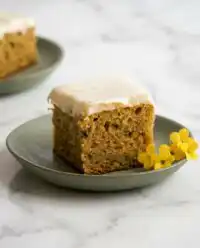
Zucchini Cake
- Total Time: 1 hour 15 mins
- Yield: 15 servings
Description
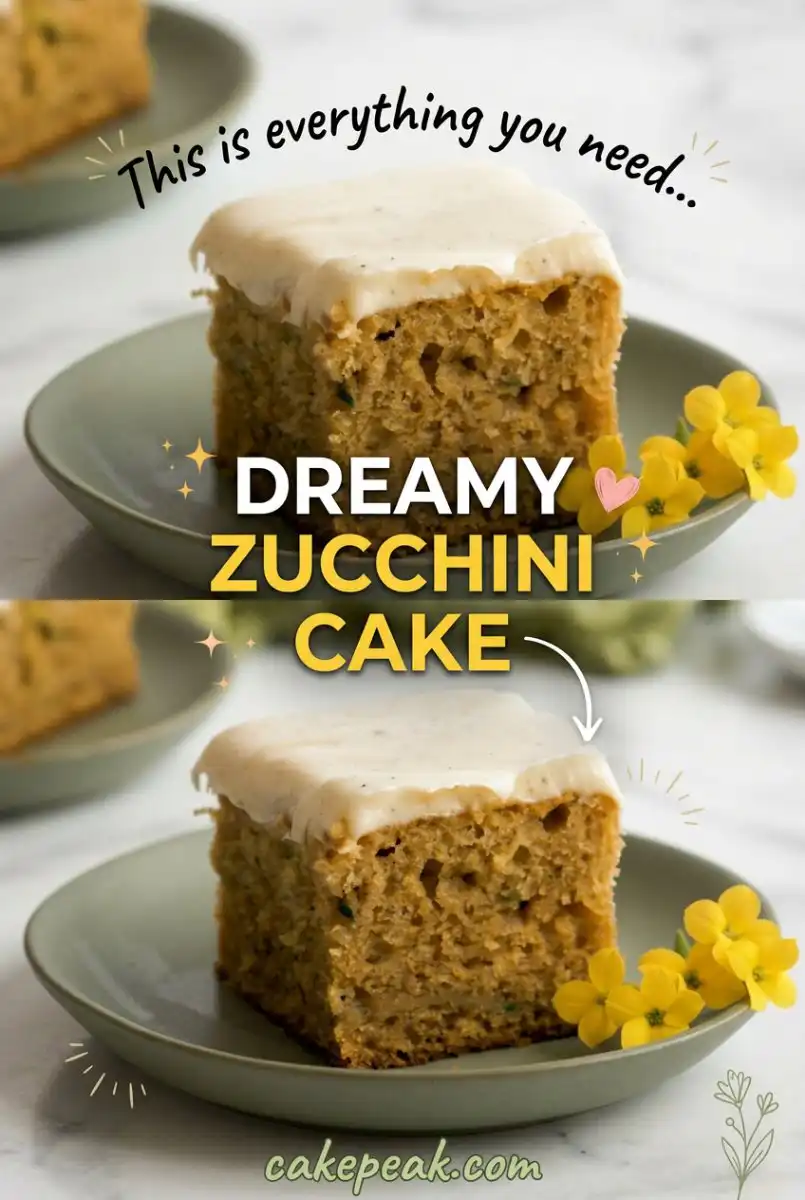
This moist, dense Zucchini Cake relies on precise ratios of shredded vegetable and oil to create a perfectly stable crumb. Finished with a nutty brown butter cream cheese frosting, it is a reliable, structured bake that stays fresh for up to five days.
Ingredients
- 313g all-purpose flour
- Baking powder
- 3/4 tsp baking soda
- Salt
- Ground cinnamon
- Nutmeg
- Vegetable oil
- Sugars (granulated and brown)
- Unsweetened applesauce
- Eggs, room temperature
- Vanilla extract
- 210g shredded zucchini
- Cream cheese
- Confectioners’ sugar
- Butter
Instructions
- Prepare oven and pan. Preheat your oven to 350°F (177°C) and grease a 9×13-inch baking pan evenly with a pastry brush.
- Combine dry elements. Whisk flour, baking powder, baking soda, salt, cinnamon, and nutmeg in a large bowl to ensure uniform distribution.
- Emulsify wet ingredients. Whisk together vegetable oil, sugars, applesauce, eggs, and vanilla in a separate bowl until glossy and well-integrated.
- Incorporate the batter. Pour wet mixture into dry ingredients, whisk until smooth, then gently fold in the shredded zucchini using a silicone spatula.
- Bake the cake. Transfer to the prepared pan and bake for 45 to 50 minutes, tenting with foil at the 30-minute mark to control browning.
- Cool the cake. Remove when internal temperature reaches 205°F and cool in the pan on a wire rack for 60 minutes before frosting.
- Brown the butter. Melt butter in a skillet over medium heat until browned milk solids appear, then transfer to a bowl to cool completely.
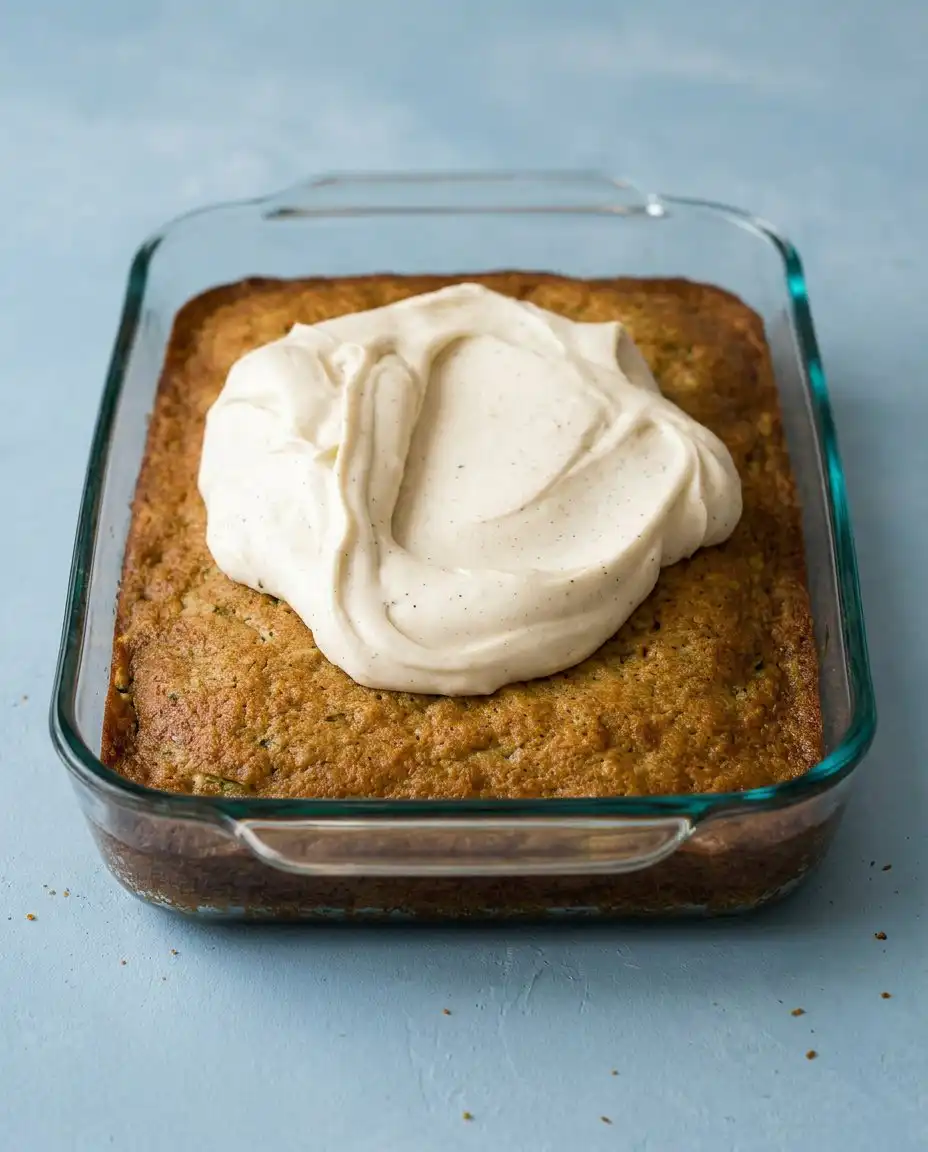
- Assemble the frosting. Beat cooled brown butter with cream cheese and sifted confectioners’ sugar until light and airy, then spread over the cooled cake.
Notes
- Use a medium-sized grater for the zucchini to ensure an even distribution within the batter.
- Always measure flour by weight using a kitchen scale to avoid excessive density in the crumb.
- Bring all cold ingredients to room temperature to prevent the oil from seizing during the emulsion process.
- Use light-colored metal or glass pans to ensure the cake bakes evenly without toughening the edges.
- Prep Time: 25 mins
- Cook Time: 50 mins
- Category: Dessert
- Method: Baking
- Cuisine: American
The Working Components
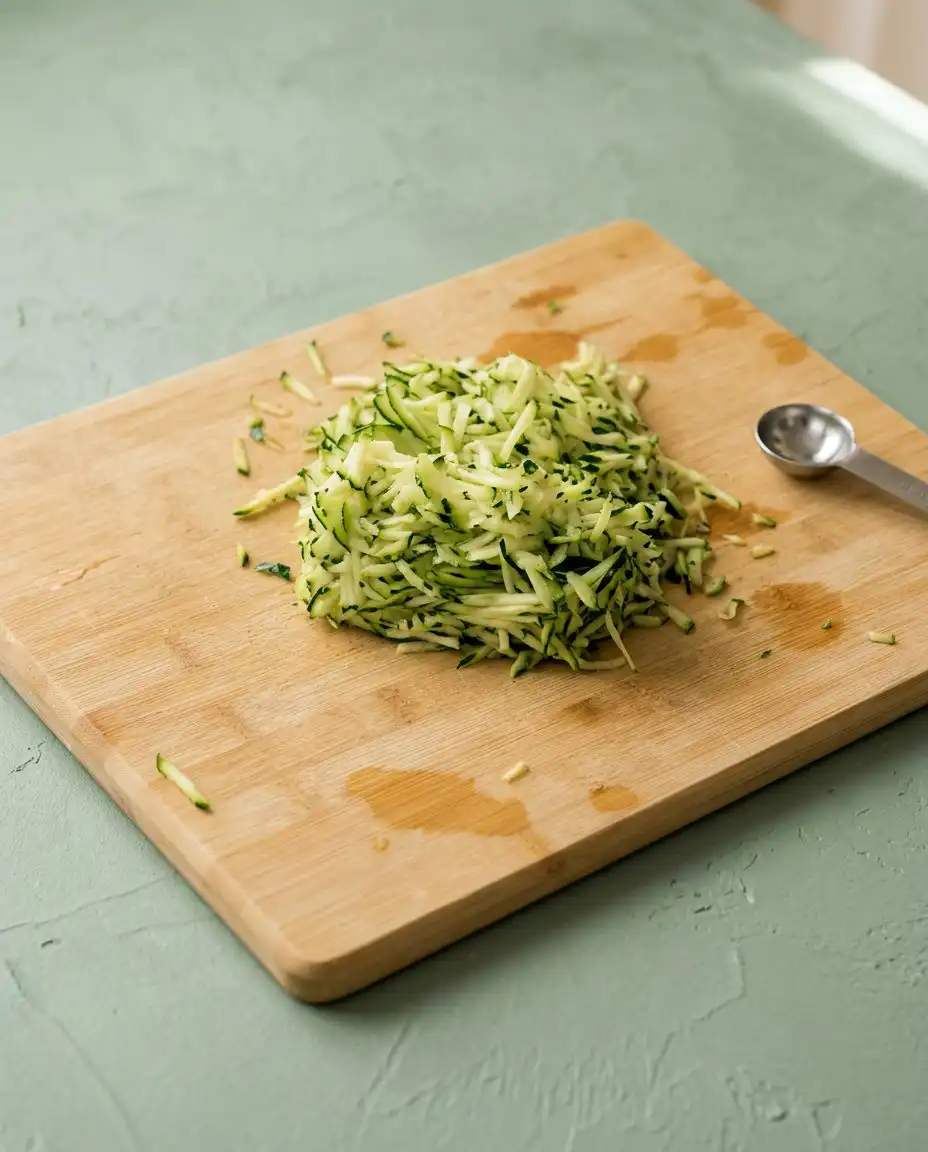
Success in the test kitchen starts with the scale rather than the scoop. Each ingredient in this list serves a specific chemical purpose, from the leavening agents that counteract the weight of the zucchini to the sugars that control moisture retention.
- All-Purpose Flour: We weigh this to 313 grams to ensure the gluten structure can support the heavy moisture load of the vegetables.
- Vegetable Oil: Unlike butter, oil remains liquid at room temperature, providing a superior mouthfeel and preventing the cake from becoming brittle.
- Unsweetened Applesauce: This acts as a humectant and secondary tenderizer, reducing the total fat needed while maintaining a plush texture.
- Brown Sugar: The molasses content provides acidity, which is necessary to activate the 3/4 teaspoon of baking soda for proper lift.
- Shredded Zucchini: These strands provide the primary moisture source and physical structure without the need for pre-treatment or drying.
| Ingredient | Why It Matters |
|---|---|
| Baking Powder | Provides the primary chemical leavening for height. |
| Ground Cinnamon | Masks the vegetal notes and complements the brown sugar. |
| Room Temp Eggs | Emulsify more efficiently with the oil for a smooth batter. |
| Brown Butter | Adds a nutty complexity to the frosting through Maillard reaction. |
How to Bake It, Precisely
Step 1: Prepare the Oven and Pan
Preheat your oven to 350°F (177°C) and ensure the rack is in the center position for even heat distribution. Use a pastry brush to apply a thin, even layer of grease to a 9×13-inch baking pan. This preparation prevents the sugar-heavy batter from sticking to the corners during the 45-minute bake.
Step 2: Combine Dry Structural Elements
Whisk the 313 grams of flour, baking powder, baking soda, salt, cinnamon, and nutmeg in a large glass bowl. Use a balloon whisk for 30 seconds to ensure the leavening agents are distributed uniformly throughout the starch. This step prevents large air pockets or localized bitter spots from unmixed baking soda.
Step 3: Emulsify the Wet Ingredients
Combine the vegetable oil, both sugars, applesauce, eggs, and vanilla extract in a separate medium bowl. Whisk vigorously until the mixture is glossy and the granulated sugar has begun to dissolve into the fats and proteins. Total integration here ensures the final crumb will be even and free of oily streaks.
Step 4: Bake the Zucchini Cake to Perfection
Pour the wet mixture into the dry ingredients and whisk until no streaks of flour remain visible. Fold in the 210 grams of shredded zucchini with a silicone spatula using a gentle bottom-to-top motion. Transfer the batter to the prepared pan and bake for 45 to 50 minutes, tenting with foil at the 30-minute mark to prevent the sugars from over-browning.
Step 5: Thermal Management and Cooling
Remove the pan from the oven once a digital thermometer inserted into the center reads 205°F (96°C). Place the pan on a wire rack to allow air to circulate around all sides, including the bottom. Cooling the cake in the pan for the first 60 minutes allows the structure to set before any attempt at frosting.
Step 6: Brown the Butter for Toasted Depth
Melt the butter in a light-colored skillet over medium heat, whisking as the water evaporates and the milk solids begin to toast. Watch for the moment the foam subsides and small brown specks appear at the bottom of the pan. Immediately transfer the liquid to a heatproof bowl to stop the cooking process and prevent burning.
Step 7: Final Frosting Assembly
Beat the solidified brown butter with the room temperature cream cheese until the mixture is pale and aerated. Sift the confectioners’ sugar into the bowl to prevent lumps before beating on high speed for 120 seconds. Spread the frosting across the completely cooled surface using an offset spatula for a professional, level finish.
Test Kitchen Notes
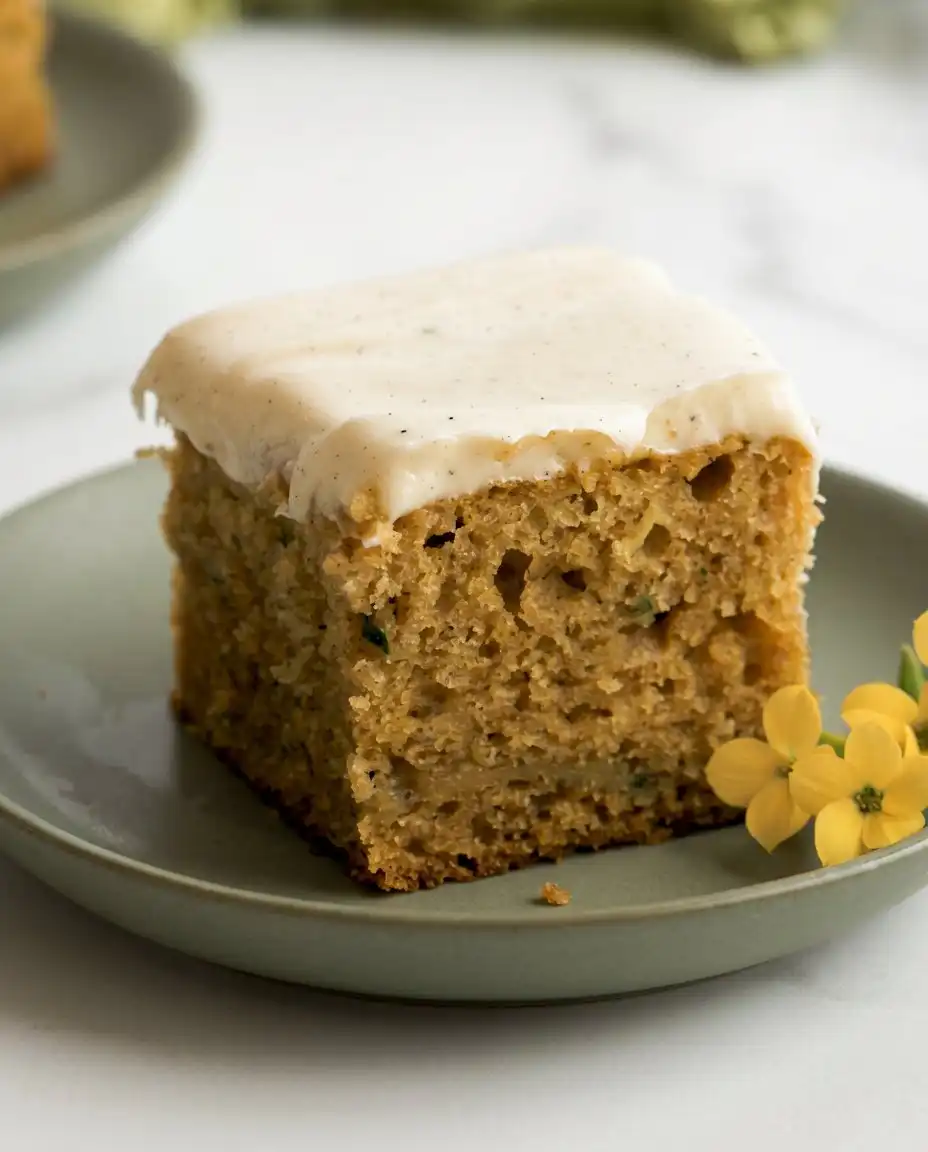
We tested this — here’s what won: always use a light-colored metal or glass pan to prevent the edges from toughening before the center is set. Dark pans absorb more thermal energy and can lead to a dry perimeter in a 50-minute baking cycle.
If the cake appears to have a gummy layer at the bottom, here is why and how to fix it: the zucchini likely settled because the batter was over-mixed. Over-mixing develops too much gluten, which thins the batter and allows heavy inclusions to sink during the initial rise.
When measuring your zucchini, avoid using the large holes on a box grater as they produce pieces that are too heavy for the batter to support. Use the medium shred setting to ensure the vegetable strands distribute evenly and melt into the crumb structure during the bake.
For those seeking a different profile, comparing the hydration levels in this apple cake recipe reveals how fruit and vegetable moisture behave differently under heat. Precision in weighing these additions is the only way to guarantee a repeatable result.
Follow the specific technique for how to make grandma’s zucchini cake if you prefer a traditional approach without brown butter. Our data shows that the toasted milk solids in the brown butter significantly increase the aromatic complexity of the final product.
Always ensure your eggs and applesauce are at a true room temperature of 70°F (21°C) before mixing. Cold ingredients will cause the oil to seize slightly, which disrupts the emulsion and results in a coarse, open crumb instead of a tight, professional one.
Frequently Asked Questions
What is the difference between zucchini cake and zucchini bread?
Zucchini cake typically utilizes a higher ratio of sugar and fat to flour, resulting in a lighter, more tender crumb. Zucchini bread is generally denser and uses less leavening, making it more suitable for slicing and toasting like a traditional quick bread.
Do I need to peel the zucchini for this cake?
Peeling is unnecessary because the skin of the zucchini is thin and softens completely during the 45-minute baking process. Keeping the skin on also adds visual interest and retains the minor fiber content of the vegetable without affecting the texture.
Can I substitute the vegetable oil with butter?
We do not recommend substituting butter for the oil in this specific recipe as butter contains water and milk solids that can make this particular cake dry. Oil provides a superior coating of the flour proteins, ensuring the moistness remains consistent for several days.
How should I store leftovers to maintain freshness?
Store the frosted cake in an airtight container in the refrigerator for up to five days. Because the frosting contains cream cheese and the cake has high moisture, room temperature storage can lead to spoilage or a softened, soggy crumb.
Why is my zucchini cake sinking in the middle?
A sunken center often occurs if the oven door is opened too early, causing a sudden drop in temperature before the structure has set. It can also be caused by using expired baking powder, which fails to provide the necessary lift to support the weight of the zucchini.
Can I bake this recipe as cupcakes instead?
Yes, you can fill cupcake liners two-thirds full and bake at 350°F (177°C) for 19 to 21 minutes. This yields approximately 36 cupcakes, but you must monitor them closely starting at 18 minutes to prevent the smaller volume from drying out.
Variations That Hold Up
You may incorporate 100 grams of toasted chopped walnuts or pecans to add a structural contrast to the soft crumb. Fold these in at the same time as the zucchini to ensure they are suspended evenly throughout the batter without sinking to the bottom.
Adjusting the spice profile can yield a result similar to a carrot cake recipe by adding 1/4 teaspoon of ground cloves and 1/2 teaspoon of ground ginger. These additions provide a sharper finish that cuts through the richness of the brown butter cream cheese frosting.
If you prefer a citrus-forward profile, omit the cinnamon and nutmeg, then add two tablespoons of fresh lemon zest to the sugar mixture. This modification changes the flavor profile from a warm, autumnal spice to a bright, summery treat that highlights the zucchini’s versatility.
At the Table
Serve this cake at a controlled room temperature to ensure the brown butter frosting has the ideal creamy consistency. Slicing the cake while it is still cold from the refrigerator will result in a firmer texture, whereas 20 minutes on the counter allows the fats to soften for a better mouthfeel.
For a formal presentation, pair a square of this cake with a small dollop of lightly sweetened whipped cream to balance the density of the zucchini. This provides a textural contrast that highlights the science behind the perfect crumb and the richness of the toasted butter.
Those interested in a lighter dessert option might consider serving this alongside a healthy cake selection at a brunch gathering. The inclusion of vegetables makes it a frequent choice for morning events where a traditional chocolate cake might feel too heavy.
The Bottom Line
Success with this recipe comes down to the thermal management of your oven and the accuracy of your measurements. By following the test kitchen’s data-driven approach, you can produce a cake that is consistently moist and structurally sound. The interaction between the oil and the zucchini ensures a repeatable result that remains fresh longer than butter-based alternatives.
We encourage you to experiment with these ratios and share your results with our community of precision-focused bakers. For more vegetable-based baking experiments, try our zucchini carrot oatmeal muffins to see how different grains affect moisture retention.
Stay connected with our test kitchen for more analytical baking guides and data-backed recipes. Pinterest Facebook TikTok Telegram