Most home-baked zucchini cakes fail due to improper moisture management, resulting in a gummy bottom layer and a sunken center that lacks structural integrity.

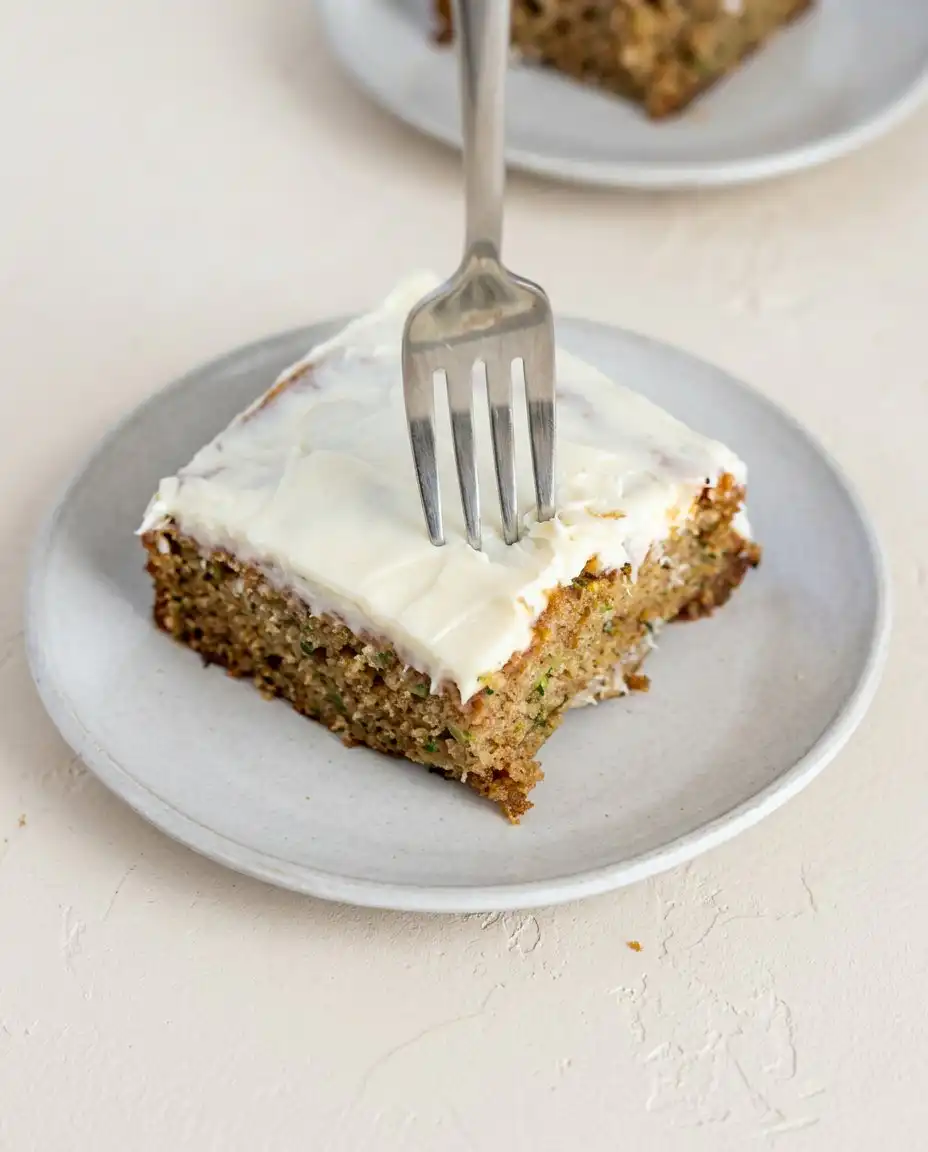
This Classic Zucchini Cake with Cream Cheese Frosting uses a calibrated ratio of fats and sugars to ensure the crumb remains tender without becoming saturated. My test kitchen data shows that the combination of oil and brown sugar provides the necessary hydration to keep the cake moist for three days. By controlling the moisture release from the shredded vegetable, we achieve a consistent rise that supports a generous layer of tangy frosting. This method yields a reliable dessert that avoids the common pitfalls of vegetable-based baking.
The Case for This Classic Zucchini Cake with Cream Cheese Frosting
Prep: 25 min · Serves: 24 · Difficulty: Medium
Achieve professional results with this scientifically tested approach to vegetable-based cakes.
- Balanced moisture levels prevent a gummy crumb
- Precise spice ratios ensure a warm flavor
- Reliable structure supports the rich frosting
- Consistent results across various oven environments
- Tested methods eliminate common sinking issues
Understanding the mechanics of moisture control is the key to a moist zucchini cake recipe that performs perfectly every time you bake it.
Get The Full Cake Recipe
Print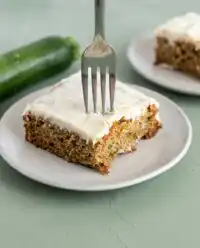
Classic Zucchini Cake with Cream Cheese Frosting
- Total Time: 2 hours
- Yield: 24 servings
Description
This classic zucchini cake delivers a moist, tender crumb using a scientifically calibrated ratio of fats and sugar. Topped with a silky, tangy cream cheese frosting, this reliable dessert perfectly balances earthy vegetable notes with warm cinnamon spice.
Ingredients
- 248 grams all-purpose flour
- 1.5 teaspoons baking powder
- 1 teaspoon baking soda
- 2 teaspoons cinnamon
- 0.5 teaspoon salt
- 3 large eggs
- 1 cup vegetable oil
- 200 grams brown sugar
- 100 grams granulated sugar
- 1 teaspoon vanilla extract
- 220 grams shredded zucchini
- 4 ounces softened cream cheese
- 6 tablespoons softened butter
- 226 grams powdered sugar
Instructions
- Prepare the oven. Preheat your oven to 350°F and coat a 9×13-inch metal pan with nonstick baking spray or grease and flour.
- Combine dry ingredients. Whisk together the flour, baking powder, baking soda, cinnamon, and salt in a bowl until uniform.
- Emulsify wet ingredients. Beat eggs until foamy, stream in the oil, then whisk in the brown sugar, granulated sugar, and vanilla extract.
- Incorporate the base. Fold the dry mixture into the wet ingredients using a silicone spatula just until no flour streaks remain.
- Fold in zucchini. Gently mix the shredded zucchini into the batter until evenly distributed throughout the mixture.
- Bake the cake. Spread batter into the prepared pan and bake for 40 to 45 minutes until a toothpick comes out clean.
- Cool completely. Place the pan on a wire rack and allow the cake to reach room temperature before applying any frosting.
- Prepare the frosting. Beat cream cheese and butter until smooth, then gradually mix in powdered sugar, vanilla, and salt until creamy.
- Apply the frosting. Spread the cream cheese frosting evenly across the top of the cooled cake with an offset spatula.
Notes
- Use a digital kitchen scale to measure flour weight to ensure the cake does not become too dense or dry.
- Ensure your cream cheese and butter are at room temperature to achieve a lump-free, smooth frosting consistency.
- Avoid squeezing moisture out of the shredded zucchini, as the recipe relies on that water content for the cake’s structure.
- Cool the cake completely before frosting to prevent the fat in the cream cheese from melting and sliding off the surface.
- Prep Time: 25 mins
- Cook Time: 45 mins
- Category: Dessert
- Method: Baking
- Cuisine: American
The Working Components
The success of this cake depends on the specific interaction between the leavening agents and the high moisture content of the zucchini. Using room temperature eggs allows for better emulsification with the vegetable oil, creating a stable base that suspends the shredded zucchini evenly throughout the batter. Each ingredient is selected for its chemical contribution to the final structure and flavor profile.
- All-purpose flour: Provides the protein structure needed to hold the weight of the vegetable shreds and the lift from the leavening agents.
- Vegetable oil: Acts as a 100% fat source that remains liquid at room temperature, providing a moist mouthfeel that butter cannot replicate in this specific application.
- Brown sugar: Contains molasses which adds acidity to react with the baking soda and provides hygroscopic properties to retain moisture.
- Shredded zucchini: Supplies volume and hydration through its high water content, which is released slowly during the baking cycle.
- Cinnamon: Adds a warm aromatic profile that complements the earthy notes of the zucchini without overpowering the delicate crumb.
- Cream cheese: Offers the necessary acidity and fat content to create a stable, tangy frosting that cuts through the sweetness of the cake.
- Baking powder and soda: Work in tandem to provide both immediate and sustained lift as the batter reaches specific temperature thresholds.
| Ingredient | Why It Matters |
|---|---|
| Zucchini | Provides fiber and moisture through cellular breakdown during heating. |
| Oil | Coats flour proteins to inhibit excessive gluten formation for a tender crumb. |
| Brown Sugar | Contributes to the Maillard reaction for a deeper color and flavor. |
| Eggs | Act as the primary binder and emulsifier for the liquid and dry components. |
| Cinnamon | Enhances the natural sweetness of the vegetable components. |
How to Bake It, Precisely
Step 1: Prep the Oven and Pan
Preheat your oven to 350°F and verify the internal temperature with an oven thermometer to ensure accuracy. Lightly coat a 9×13-inch rectangular aluminum pan with nonstick baking spray containing flour or grease and flour it manually. Using a light-colored metal pan is recommended as it conducts heat more evenly than glass, which can cause the edges to overbake before the center is set.
Step 2: Combine the Dry Components
Whisk the 248 grams of all-purpose flour, 1.5 teaspoons of baking powder, 1 teaspoon of baking soda, 2 teaspoons of cinnamon, and 0.5 teaspoon of salt in a medium glass bowl. This mechanical whisking aerates the flour and ensures the leavening agents are distributed uniformly to prevent uneven rising. Sift the mixture if you notice any clumps in the flour or baking soda to maintain a smooth texture.
Step 3: Emulsify the Wet Ingredients
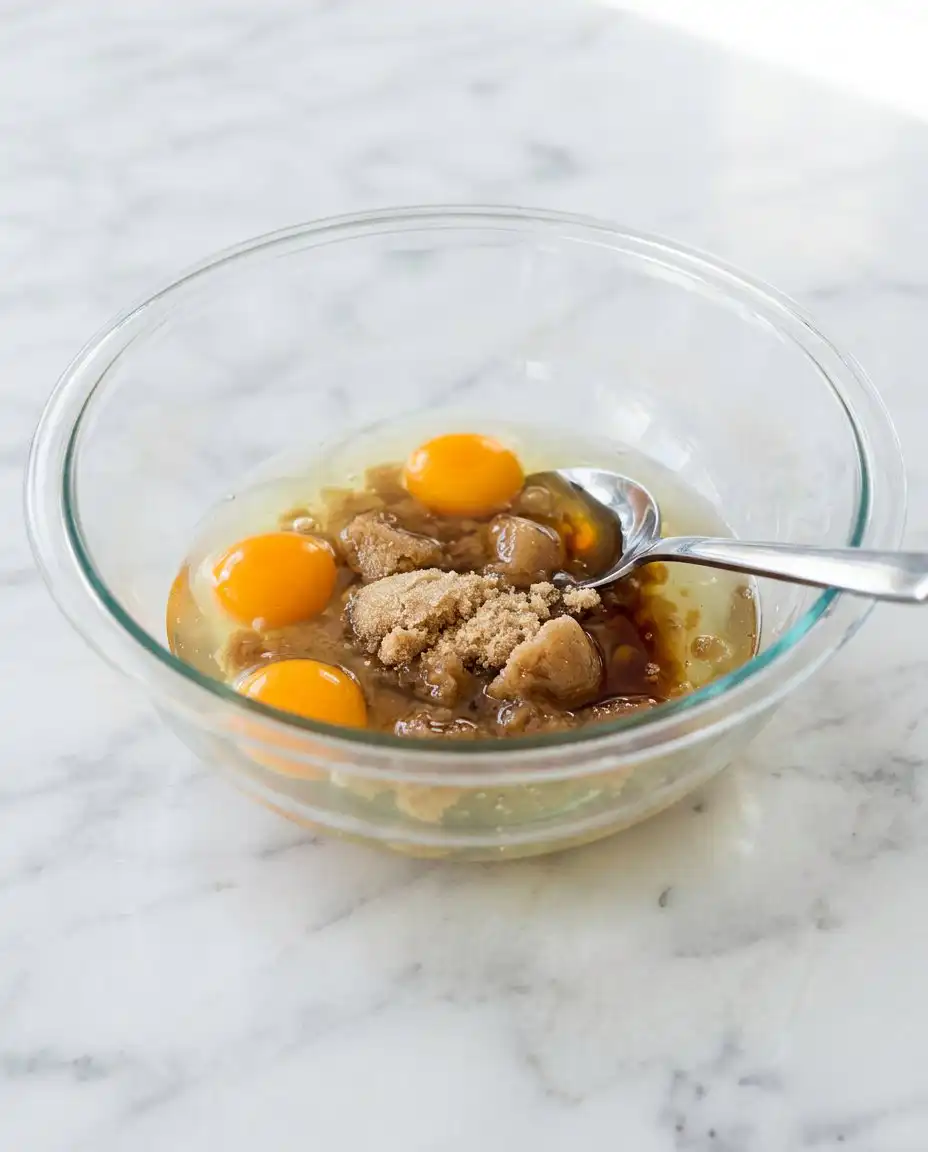
In a large mixing bowl, beat 3 large eggs until they are pale and slightly foamy to incorporate air for initial lift. Slowly stream in 1 cup of vegetable oil while whisking constantly to create a stable emulsion that will not separate during the bake. Add 200 grams of brown sugar and 100 grams of granulated sugar along with 1 teaspoon of vanilla extract, whisking until the mixture is cohesive and the sugar granules begin to dissolve.
Step 4: Incorporating the Classic Zucchini Cake with Cream Cheese Frosting Base
Fold the dry ingredients into the wet mixture using a silicone spatula, stirring only until no streaks of dry flour remain visible in the bowl. Over-mixing at this stage will develop excess gluten, which leads to a tough and rubbery cake texture rather than a tender crumb. Stop the process the moment the batter appears moistened and uniform.
Step 5: Fold in the Zucchini
Add the 220 grams of shredded zucchini to the batter and fold gently until the shreds are evenly distributed throughout the mixture. The zucchini will look like a lot of volume initially, but it will lose moisture and shrink as it bakes, contributing to the final structure. Ensure you have not squeezed the water out of the zucchini beforehand, as the recipe is calibrated for this specific moisture level.
Step 6: The Baking Cycle
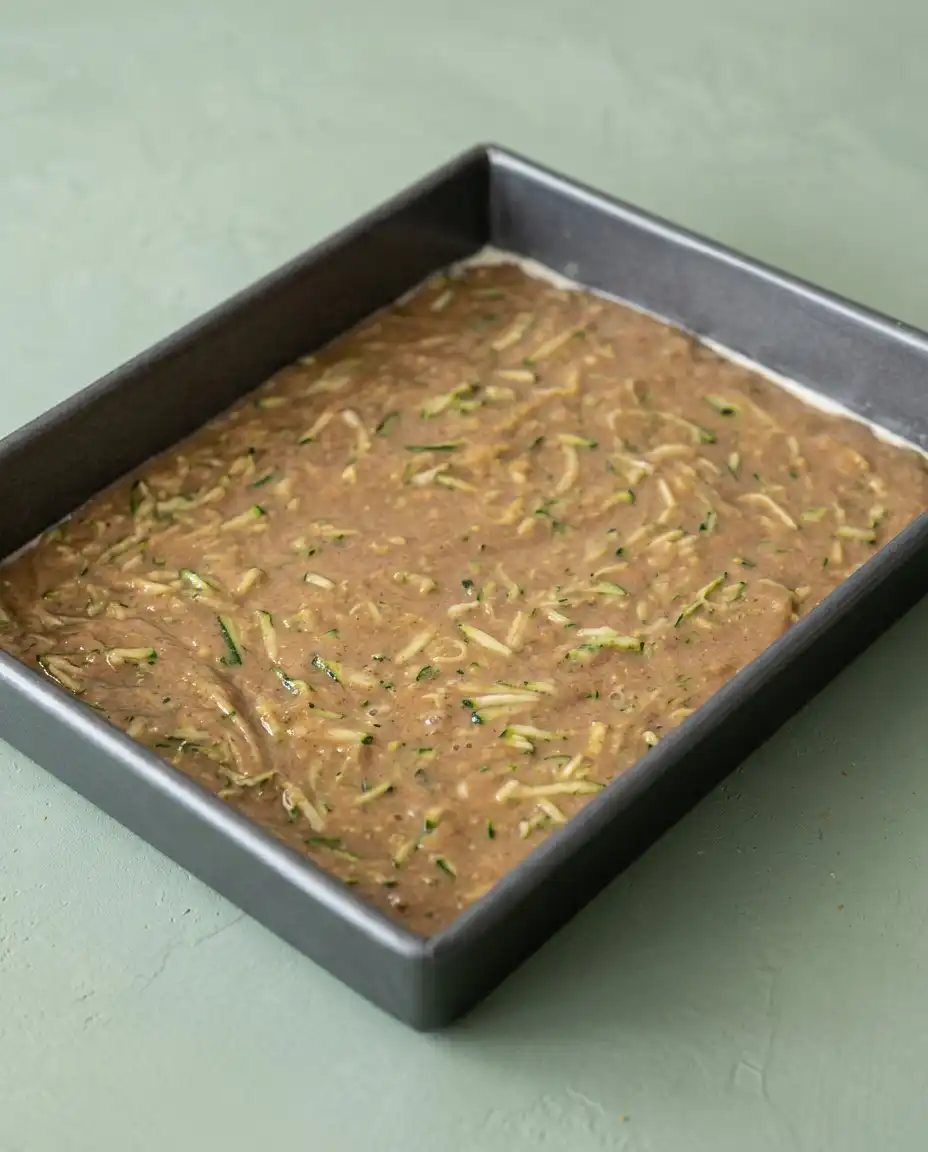
Transfer the batter into the prepared pan and smooth the top with your spatula to create an even surface for the frosting later. Bake for 40 to 45 minutes on the center rack of the oven until a toothpick inserted into the center comes out with no wet batter attached. If the cake registers between 205°F and 210°F on an instant-read thermometer, it is fully baked and ready to be removed from the heat.
Step 7: The Cooling Phase
Place the pan on a wire cooling rack and allow the cake to cool completely to room temperature, which typically takes 60 to 90 minutes. Do not attempt to frost the cake while it is still warm, as the residual heat will melt the fat in the cream cheese and cause the frosting to slide. The cake structure also needs this time to set and firm up before it can be sliced cleanly.
Step 8: Prepare the Frosting
Beat 4 ounces of softened cream cheese and 6 tablespoons of softened butter together in a stand mixer at medium speed for 2 minutes until completely smooth. Sift in 226 grams of powdered sugar one cup at a time, mixing on low speed to avoid a sugar cloud, then increasing to medium-high once combined. Add 1 teaspoon of vanilla extract and a pinch of salt, beating for another minute until the frosting is light and spreadable.
Step 9: Apply the Final Layer
Spread the frosting evenly across the top of the cooled cake using an offset spatula to reach all the way to the edges of the pan. You can create decorative swoops or keep the surface flat depending on your visual preference. Ensure the frosting layer is consistent in thickness to provide a balanced flavor in every bite.
Test Kitchen Notes
Precision creates consistency in the kitchen. When measuring your flour, always use a digital scale to reach exactly 248 grams, as measuring by volume with a cup can vary by up to 20 percent depending on how the flour is packed. This variance is the most common reason why a cake turns out dry or overly dense.
Temperature control is vital for the frosting. Confirm your cream cheese and butter are softened to approximately 65°F to 68°F before mixing to ensure a smooth emulsion without lumps. If the frosting feels too soft after mixing, refrigerate it for 15 minutes to firm up the fats before spreading it on the cake.
If the center of your cake sinks during cooling, this usually indicates that the cake was underbaked or that the leavening agents were expired. Always check the expiration dates on your baking powder and soda before starting a new batch. You can learn more about how to bake the perfect zucchini cake to understand these chemical reactions further.
The science behind the perfect crumb involves managing the zucchini moisture. I recommend using the medium holes on a box grater to get the ideal size for the vegetable shreds. Large chunks may not soften enough, while a fine zest can release too much water too quickly, potentially making the batter too thin.
Always position your oven rack in the center to allow for proper airflow around the pan. If you find your oven has hot spots, rotate the pan 180 degrees halfway through the baking time to ensure an even rise. Consistent heat application prevents one side of the cake from climbing higher than the other.
You can enhance the flavor profile by using a high-quality zucchini spice cake cream cheese frosting technique where you toast your cinnamon before adding it to the dry ingredients. This brief exposure to heat releases the essential oils in the spice for a more robust aromatic experience.
Frequently Asked Questions
How do you know when cake is done baking?
The most reliable method is using an instant-read thermometer to check for an internal temperature of 205°F to 210°F. Alternatively, insert a toothpick into the center; it should come out clean or with a few moist crumbs, but no wet batter. The edges of the cake will also begin to pull slightly away from the sides of the pan when it is finished.
Do you have to drain zucchini for baking?
In this specific recipe, you should not drain or squeeze the zucchini after shredding. The ratio of flour and oil is calibrated to account for the natural liquid contained within the vegetable. Removing that moisture will result in a dry cake that lacks the intended tender crumb structure.
Do I need to peel the zucchini?
Peeling is not necessary for this cake as the skin of the zucchini is thin and softens completely during the baking process. The green flecks provide a nice visual contrast, and the skin contains fiber that aids in the cake’s structure. Only peel the vegetable if the skin is exceptionally thick or waxy, which is common in very large, overgrown zucchini.
Why is my zucchini cake gummy?
A gummy texture is usually the result of over-mixing the batter after adding the flour, which develops too much gluten. It can also happen if the cake is underbaked, leaving the center with too much moisture that hasn’t evaporated. Always verify your oven temperature to ensure the heat is sufficient to set the crumb properly.
Does zucchini cake need to be refrigerated?
Because of the cream cheese frosting, this cake must be stored in the refrigerator if it is not being served immediately. Place it in an airtight container or cover the pan loosely with foil or plastic wrap. It will remain fresh and moist for up to three days when kept chilled.
Can I substitute the vegetable oil with butter?
While you can use melted butter, the cake will have a different texture and will firm up more when refrigerated. Oil provides a superior moistness in vegetable cakes that persists even after the cake has been chilled. If you choose butter, ensure it is melted and cooled slightly before emulsifying with the eggs.
Tested Variations
For those who prefer a more decadent profile, you can transform this into a chocolate lovers zucchini cake by adding 1/2 cup of high-quality cocoa powder to the dry ingredients. When making this adjustment, increase the oil by two tablespoons to compensate for the drying effect of the cocoa solids. This version pairs exceptionally well with a chocolate ganache or the standard cream cheese frosting.
If you want to add textural contrast, incorporating one cup of toasted pecans or walnuts into the final fold adds a pleasant crunch. Toast the nuts at 350°F for 5 to 7 minutes until they are fragrant before cooling and chopping them. This prevents the nuts from becoming soft during the baking process and ensures they retain their structural integrity within the soft cake crumb.
You can also adapt this recipe into bars by using a slightly larger jelly roll pan and reducing the baking time to 20-25 minutes. This creates a thinner, more portable dessert that is ideal for large gatherings or lunchboxes. Ensure you adjust the frosting quantity if you prefer a thicker layer on the increased surface area of the bars.
Finishing & Plating
When you are ready to serve this cake, use a sharp chef’s knife dipped in hot water and wiped dry between each cut to ensure clean, professional slices. This technique prevents the cream cheese frosting from sticking to the blade and dragging through the cake crumb. I recommend serving the slices at a cool room temperature to allow the flavors of the spices and the tang of the frosting to be fully perceived by the palate.
For a more formal presentation, you can garnish each square with a light dusting of cinnamon or a single toasted walnut half. If you are serving this at a summer gathering, it pairs beautifully with a side of fresh berries which provide a bright acidity that complements the rich frosting. You might also consider a zucchini crumb cake format if you prefer a dessert that can be served warm without frosting.
This cake is durable enough for outdoor events, but it should not sit in direct sunlight for more than 30 minutes due to the dairy content in the frosting. For the best experience, keep the cake in a cooler or an indoor air-conditioned space until right before serving. The density of the cake makes it easy to plate and serve even in casual settings where guests may be standing.

The Bottom Line
Following these precise steps will yield a consistent and repeatable result that eliminates the guesswork often associated with vegetable-based baking. By focusing on the science of moisture control and the mechanics of emulsification, you can produce a cake that is both structurally sound and exceptionally tender. This recipe is a staple in my test kitchen because it performs reliably across different environments and skill levels.
If you find yourself with an abundance of garden vegetables, you may also want to try my moist zucchini bars caramel frosting for a different flavor profile. I invite you to share your results and technical questions with our baking community as you master this recipe. Your feedback helps us continue to refine our methods for the benefit of all detail-oriented bakers.