Sculpted cakes often intimidate home bakers because they usually require engineering degrees or specialty pans to maintain their shape. However, in the Cake Peak test kitchen, we focus on geometry and crumb structure to achieve 3D results without the fuss. By utilizing a standard sponge recipe with precise ratios of fat to flour, we create a “building block” texture that handles carving without crumbling.

This method transforms two standard 8-inch round cakes into a vintage automobile shape using a simple stacking and cutting technique. We tested this with both an all-in-one mix and a traditional creaming method; the creaming method provided the superior aeration needed to keep the dense fondant covering from weighing down the crumb.
The Science of Structural Success
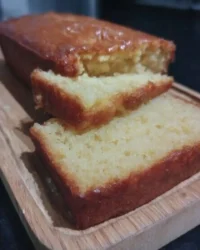
Unlike standard layer cakes, a sculpted car cake requires a sponge that is both tender to the eat and robust enough to withstand the weight of fondant. This recipe works because the equal-weight ratio (the classic pound cake formula) establishes a tight, even crumb that carves cleanly rather than shredding.
Furthermore, the “Beetle” shape is achieved through smart geometry—stacking semi-circles—rather than artistic carving skills. It minimizes waste and maximizes stability. The result is a centerpiece that looks professionally engineered but relies on simple kitchen math.
Print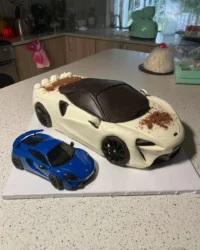
Car Cake
- Total Time: 1 hour 10 mins
- Yield: 12 servings
- Diet: Vegetarian
Description
Transform simple round sponges into an impressive 3D vintage automobile using clever geometric stacking and carving techniques. This structural pound cake recipe provides a dense, reliable crumb that is perfect for sculpting and supporting heavy fondant decorations.
Ingredients
- 8 oz (225g) unsalted butter, softened
- 8 oz (225g) caster sugar
- 4 large eggs, room temperature
- 8 oz (225g) self-raising flour
- 2 teaspoons baking powder
- Buttercream frosting
- Colored fondant icing
- White fondant icing
- Round cookies (for wheels)
Instructions
- Preheat your oven to 350°F (180°C) and grease and line two 8-inch round cake tins.
- Cream the softened butter and caster sugar together for 4–5 minutes until the mixture is pale and fluffy.
- Add the eggs one at a time, beating well after each addition to maintain the emulsion.
- Gently fold in the self-raising flour and baking powder until just combined, being careful not to overmix.
- Divide the batter between the two tins and bake for 25 minutes until golden and springy.
- Allow the cakes to cool completely in the tins before turning them out onto wire racks.
- Cut both round cakes in half; stack three of the semi-circles vertically on their flat edges with buttercream between each layer.
- Using a serrated knife, carve a slope into the front for the windshield and a flat section for the hood.
- Apply a thin crumb coat of buttercream over the entire structure and chill for 20 minutes to set.
- Roll out the colored fondant to cover the body of the car and finish by attaching cookie wheels and white fondant windows.
Notes
For the best results when carving, place your cooled cake layers in the freezer for about 30 minutes to firm up the crumb. This prevents the cake from tearing or shedding excessive crumbs while you shape the windshield and hood. When attaching fondant details, use a very small amount of water to avoid dissolving the sugar and causing color bleeds.
- Prep Time: 45 mins
- Cook Time: 25 mins
- Category: Dessert
- Method: Baking
- Cuisine: American
Material Selection and Variables
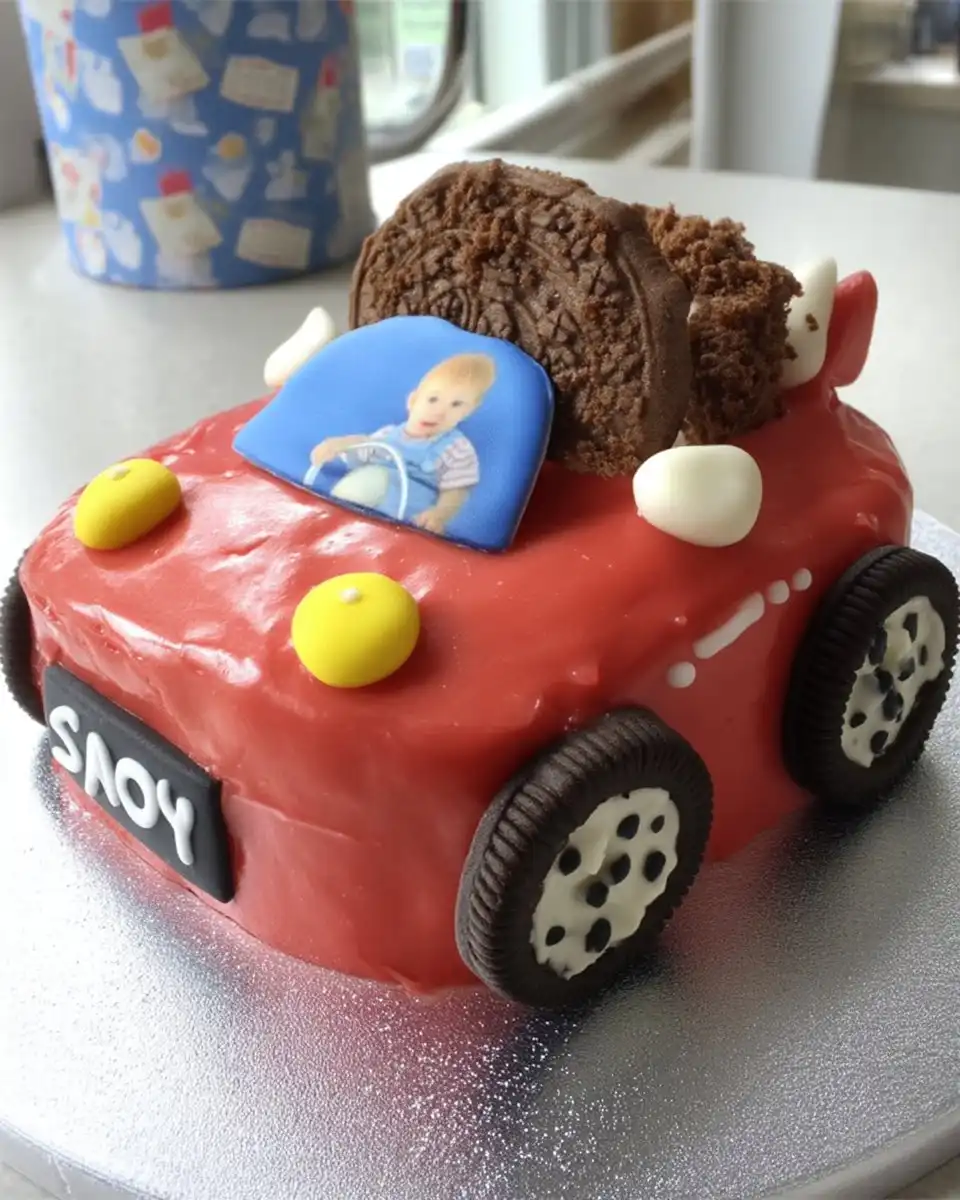
To build a car that drives straight (and doesn’t collapse), ingredient temperature and quality are non-negotiable variables.
- Unsalted Butter: We specify unsalted to control the sodium content. It must be softened to exactly 65°F–68°F (18°C–20°C). If it is too soft/oily, the cake structure will be greasy and prone to collapse during carving.
- Caster Sugar: The finer crystals dissolve more readily into the butter, creating smaller air pockets during the creaming stage. This leads to the fine crumb required for clean slicing.
- Self-Raising Flour: We rely on the pre-mixed leavening agents here for consistency. If using all-purpose, you must add baking powder with scientific precision (check your baking powder’s expiration date first).
- Eggs: Use large eggs at room temperature. Cold eggs will shock the butter emulsion, leading to a curdled batter and a dense, rubbery cake.
- Fondant & Buttercream: The buttercream acts as the adhesive and smooths out the “road bumps” of the cake surface. The fondant provides the aerodynamic finish.
The Construction Blueprint
Step 1: Establish the Chassis (The Sponge)
Preheat your oven to 350°F (180°C). Grease and line two 8-inch (20cm) round cake tins with parchment paper. In a large bowl or stand mixer, cream the 8 oz (225g) softened butter and 8 oz (225g) caster sugar for 4–5 minutes until pale and fluffy. This aeration provides the mechanical lift necessary for the shape.
Step 2: Emulsification
Add the 4 eggs one at a time, beating well after each addition. If the mixture looks like it is separating, add a tablespoon of the flour. Once combined, gently fold in the 8 oz (225g) self-raising flour and 2 teaspoons of baking powder using a spatula or the lowest mixer speed. Stop immediately once streaks disappear to avoid toughening the gluten.
Step 3: Baking and Cooling
Divide the batter equally between the two tins (weigh them for accuracy). Bake for 25 minutes. The cakes are done when they are golden, spring back to the touch, and reach an internal temperature of 205°F–210°F (96°C–99°C). Cool in tins for 10 minutes, then turn out onto wire racks to cool completely. Crucial: The cakes must be completely cold before cutting.
Step 4: The Geometry (Carving)
Cut both round cakes in half to create four semi-circles. You will use three of these for the body. Stack three semi-circles with a layer of buttercream between each, standing them on their flat cut sides. This creates the wheel arch/roof profile. Save the fourth piece for “spare parts” (spoilers or lights).
Step 5: Sculpting the Profile
Imagine a VW Beetle profile. Identify the front of your car stack. Using a serrated knife, cut a slope for the windscreen and a flatter section for the bonnet (hood). Use the paper base of your cake tin as a template to cut side panels from your colored fondant.
Step 6: Bodywork (Decorating)
Cover the entire carved structure in a thin layer of buttercream (crumb coat) and chill for 20 minutes to set. Roll out your colored fondant. Apply the side panels first, then roll a long rectangular strip to cover the hood, roof, and trunk in one continuous motion. Trim excess. Attach wheels (cookies) and windows (white fondant) using a dab of water or buttercream.
Lauren’s Lab Notes for Precision
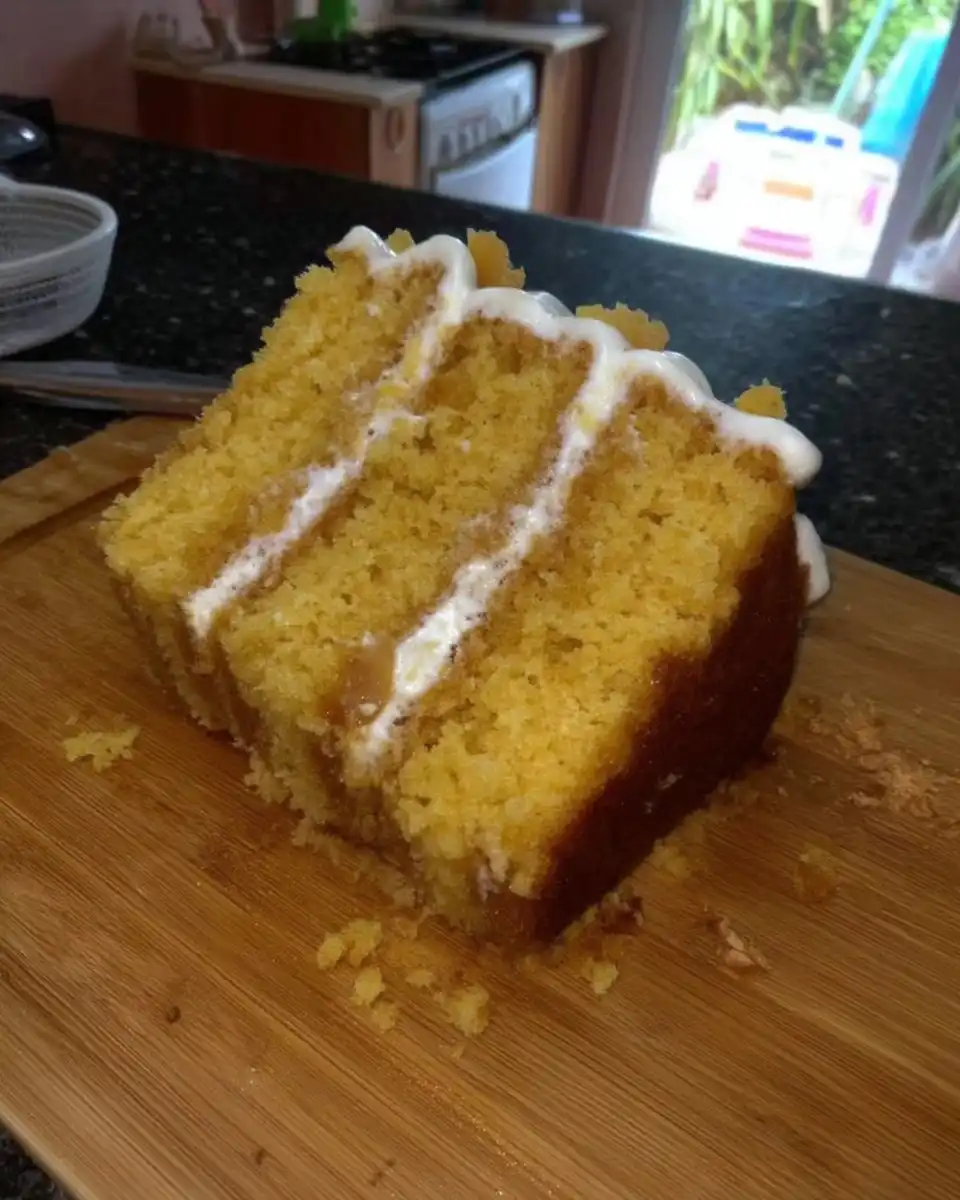
- The Chilling Variable: You cannot carve a warm cake. For the sharpest edges and least amount of crumbling, wrap your baked sponge layers in plastic and freeze them for 30 minutes before carving. The hardened fats make the crumb firm and responsive to the knife.
- Structural Integrity: If your car feels wobbly after stacking the three semi-circles, insert two bubble tea straws or dowels vertically through the roof down to the base board. This anchors the layers together.
- Adhesion Science: When attaching fondant details like windows or lights, less water is more. Too much moisture dissolves the sugar structure, causing colors to bleed. A slightly tacky surface is all that is required.
- Decoration Logic: For detailed design ideas that go beyond the basic car shape, review the techniques in our Celebration Design Studio. Mastering the crumb coat is the secret to professional results.
Tested Variations
- Chocolate Chassis: Replace 1 oz (30g) of the flour with high-quality Dutch-processed cocoa powder. You may need to add a teaspoon of milk to adjust the batter consistency, as cocoa absorbs more moisture than flour. For deep flavor profiles, consult our Chocolate Alchemy archives.
- Dairy-Free: We tested this with high-fat baking margarine (80% fat content). The structure holds, though the flavor profile is less rich. Do not use tub spreads, as the high water content will cause the car to collapse.
- The Van Conversion: Instead of cutting a slope for the windshield, keep the front flatter and boxier to resemble a vintage camper van. Use the fourth semi-circle piece to extend the length if needed.
Presentation and Plating
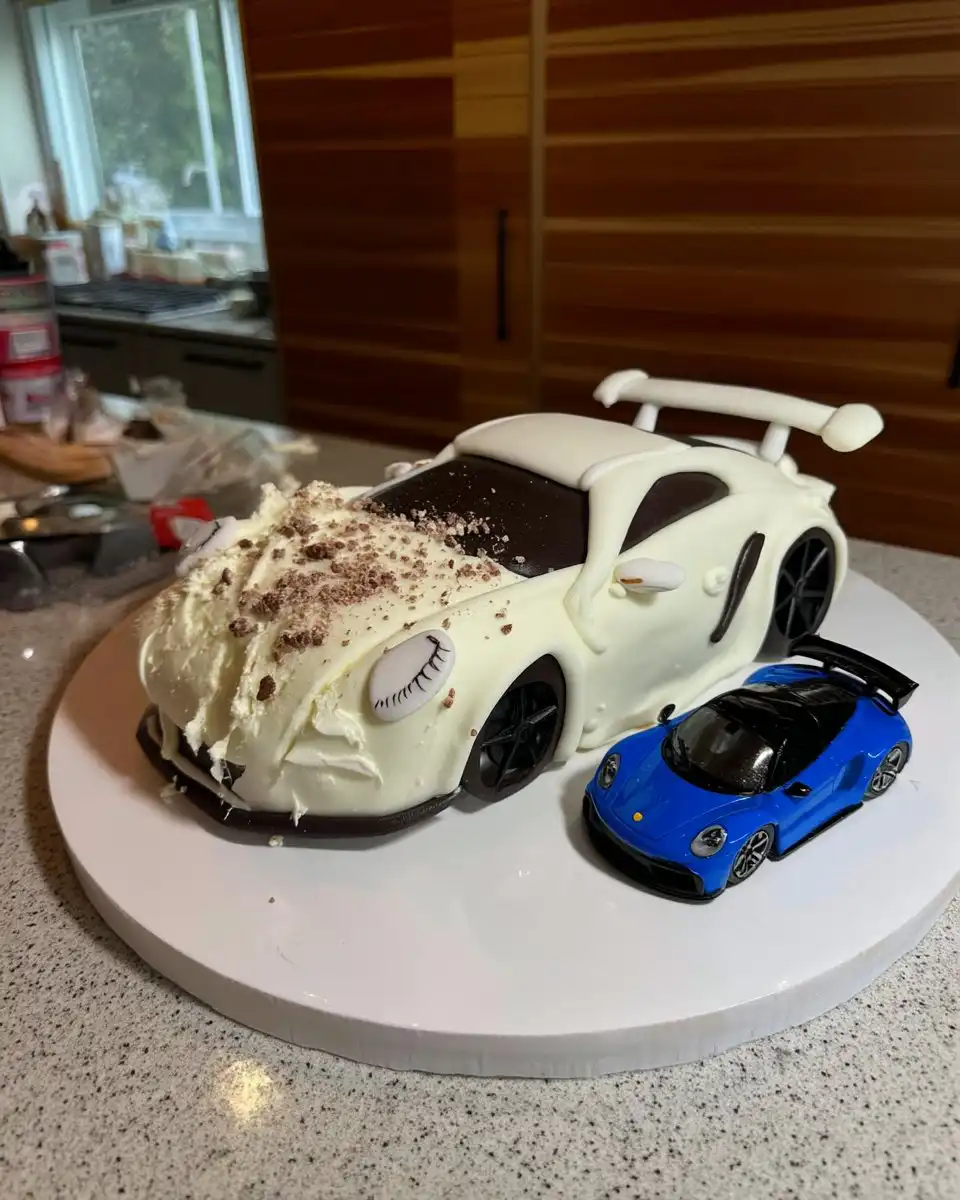
To complete the illusion, serve this cake on a board decorated to look like a road. You can use black fondant or even crushed chocolate cookies to simulate asphalt. Because this cake is dense and covered in fondant, slices will be rich.
When cutting, use a sharp, hot knife to slice through the fondant without squashing the car. Serve with a side of fresh berries to cut through the sweetness of the sugar paste; you can find pairing ideas in our Fresh Fruit Baking section.
Mastery Through Geometry
Baking is as much about architecture as it is about chemistry. This car cake proves that with simple geometric manipulation—turning circles into arches—you can create impressive 3D structures without buying single-use equipment. Keep testing your crumb coat technique; a smooth foundation is the difference between a clunky clunker and a showroom finish.
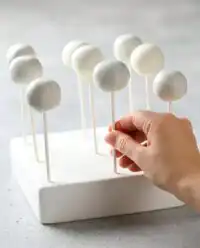
For those who love small-format baking, the “spare parts” of this cake can be turned into cake pops or mini-tasters, a concept we explore in Contemporary Small Format. We also found inspiration for the template approach from fellow baker Claire Huston, whose methodology aligns with our love for practical design.
Did you nail the aerodynamics of this bake? Share your showroom photos with us!