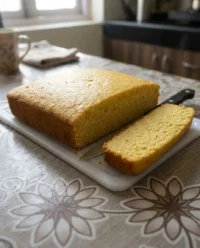
I used to find sponge cakes too dry and butter cakes too dense for certain occasions, so I ran a series of side-by-side structure tests to find the perfect middle ground. The solution lies in the chemistry of chiffon cake, which replaces solid fat with vegetable oil to ensure the crumb stays sensationally moist even when chilled. By relying on egg whites for lift rather than chemical leaveners alone, we achieve a cloud-like texture that defies gravity.

This recipe utilizes a precise two-stage baking method—starting at 325°F to set the structure and finishing at 350°F to golden the crust—to prevent the dreaded collapse common in airy cakes. It is the engineering marvel of the baking world: sturdy enough to slice, yet light enough to melt in your mouth.
The Science of Softness
Why does this cake succeed where others fail? It comes down to fat state and protein structure. Unlike butter, which solidifies at room temperature, the vegetable oil in this recipe remains liquid, coating the flour proteins to inhibit gluten formation. This results in a tender crumb that stays soft for days.
Simultaneously, the high ratio of whipped egg whites provides a mechanical lift that chemical leavening alone cannot achieve. The result is a hybrid batter that offers the richness of a butter cake with the feather-light texture of a sponge. It is a masterclass in textural contrast.
Print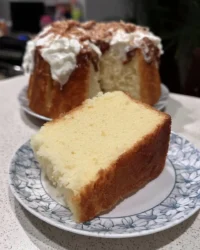
Chiffon Cake
- Total Time: 2 hours 30 mins
- Yield: 12 servings
- Diet: Vegetarian
Description
This delicate chiffon cake balances a rich, moist crumb with an incredibly light, airy texture. Using a precise two-stage baking method and the stability of whipped egg whites, it creates a towering dessert that is perfect for any celebration.
Ingredients
- 7 large eggs, separated and brought to room temperature
- 1/2 teaspoon cream of tartar
- 2 cups granulated sugar, divided
- 2 1/4 cups King Arthur Unbleached All-Purpose Flour
- 1 tablespoon baking powder
- 1 teaspoon salt
- 1/2 cup neutral vegetable oil (canola or sunflower)
- 3/4 cup whole milk, room temperature
- 1 teaspoon vanilla extract
- 1/2 teaspoon almond extract
Instructions
- Preheat your oven to 325°F with a rack positioned in the bottom third and prepare an ungreased 10-inch tube pan.
- In a large clean bowl, beat the room-temperature egg whites with the cream of tartar until foamy, then gradually add 1/2 cup of granulated sugar while beating until stiff, glossy peaks form.
- In a separate medium bowl, whisk together the remaining 1 1/2 cups of sugar, flour, baking powder, and salt to aerate and distribute the leavener.
- In a large mixing bowl, beat the vegetable oil, egg yolks, vanilla, and almond extract until the mixture turns pale yellow.
- Add the dry ingredients to the yolk mixture in three parts, alternating with the milk, and beat at medium speed for 2 to 4 minutes to develop the cake’s structure.
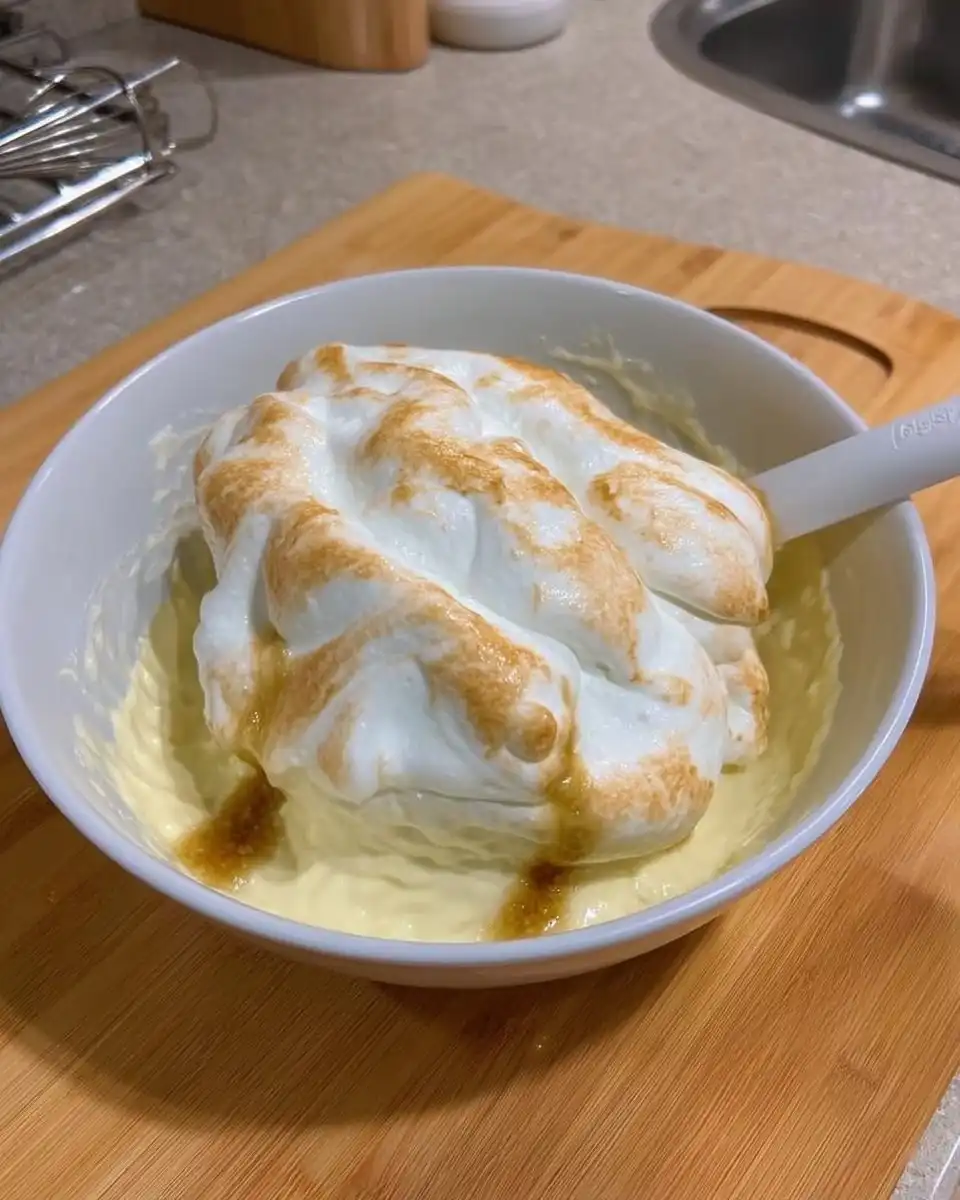
- Gently fold the whipped egg whites into the yolk batter, starting with a small scoop to lighten the mix, then folding the rest until uniform and no streaks remain.
- Pour the batter into the ungreased pan and bake at 325°F for 50 minutes.
- Increase the oven temperature to 350°F and bake for an additional 10 minutes until the protein structure is set and the top is golden.
- Immediately invert the pan over the neck of a wine bottle or funnel and let the cake cool completely upside down for at least 90 minutes before unmolding.
Notes
To ensure the best rise, avoid using a non-stick tube pan; the batter needs a standard aluminum surface to climb the walls during baking. If you do not have a wine bottle for cooling, a sturdy funnel or even the center hole of the pan resting on a cooling rack can work as long as air circulates underneath. For the cleanest release, wait until the cake is completely cold before using a thin offset spatula to carefully trace the edges of the pan.
- Prep Time: 30 mins
- Cook Time: 1 hour
- Category: Dessert
- Method: Baking
- Cuisine: American
The Variables
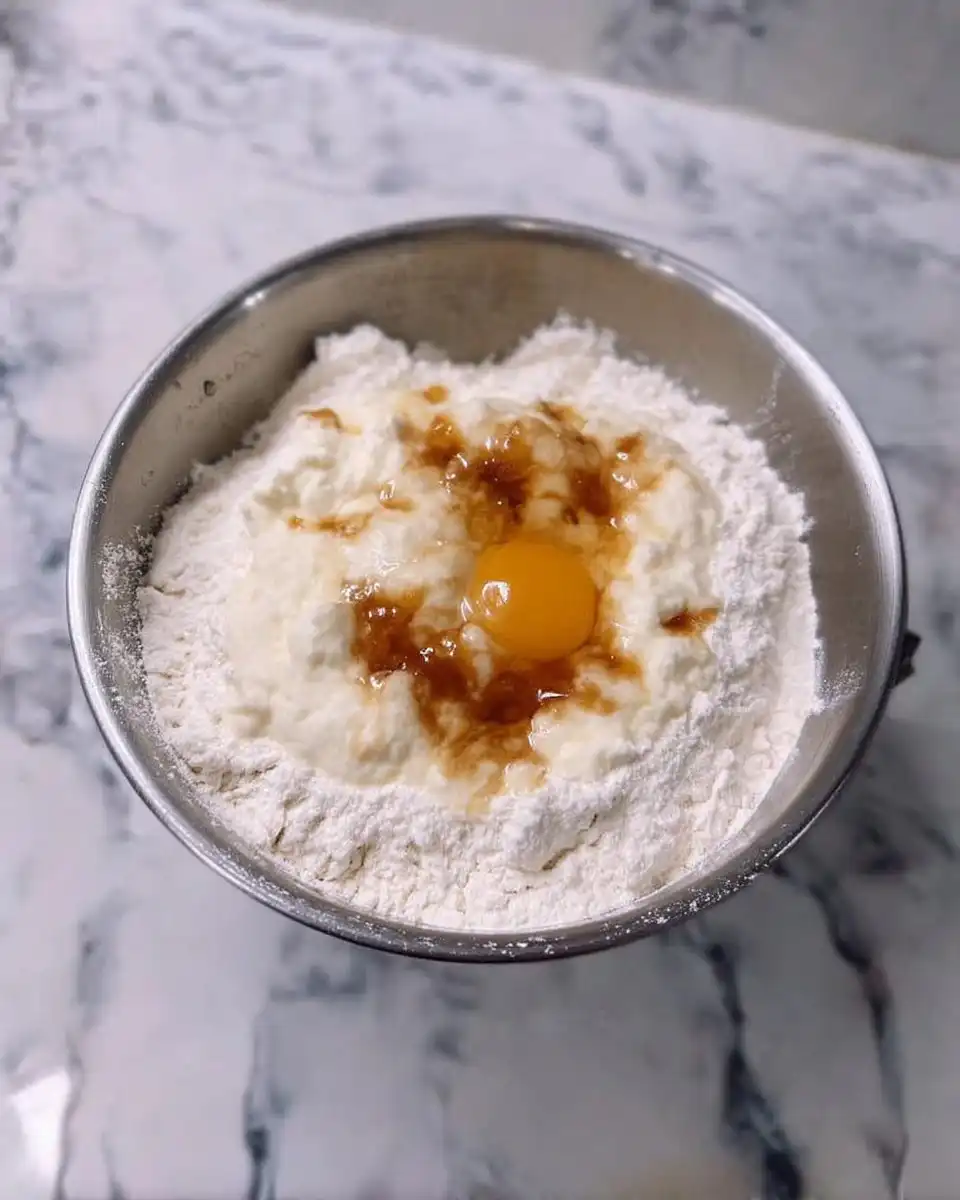
To replicate our test kitchen results, pay close attention to the temperature and state of your ingredients.
- Eggs: You will need 7 large eggs. Precision is key here: separate them while cold to minimize the risk of yolk breaking into the whites, but allow them to reach room temperature before whipping. Room temperature albumin (egg white protein) relaxes, allowing it to trap more air for maximum volume.
- Cream of Tartar: This acidic powder lowers the pH of the egg whites, stabilizing the foam and preventing the proteins from bonding too tightly, which would otherwise squeeze out water and cause weeping.
- Flour: We use King Arthur Unbleached All-Purpose Flour. While some recipes call for cake flour, our testing found that AP flour provides the necessary protein structure to hold up the high volume of liquid and sugar without collapsing.
- Vegetable Oil: Choose a neutral oil like canola or sunflower. Do not substitute butter; the water content in butter will alter the chemistry, and the solids will weigh down the foam.
- Liquids: The recipe calls for milk and extracts. Ensure the milk is at room temperature to maintain a stable emulsion when mixed with the oil and yolks.
The Method
Step 1: Prepare the Environment
Preheat your oven to 325°F with a rack positioned in the bottom third. Have an ungreased 10-inch tube pan ready. Do not grease the pan. The batter needs to cling to the sides of the pan to climb; grease will cause it to slip and struggle to rise.
Step 2: Create the Meringue Structure
In a large clean bowl, beat the room-temperature egg whites with the cream of tartar until foamy. Gradually rain in 1/2 cup (99g) of the granulated sugar while beating. Continue until stiff, glossy peaks form. The peaks should stand straight up when the beater is lifted; if they droop, keep beating.
Step 3: Mix Dry Ingredients
In a separate medium bowl, whisk together the remaining 1 1/2 cups (198g) of sugar, flour, baking powder, and salt. Whisking here acts as a sifter, aerating the dry mix and ensuring the chemical leavener is evenly distributed.
Step 4: Emulsify the Yolk Batter
In a large mixing bowl (or stand mixer with whisk attachment), beat the oil, egg yolks, vanilla, and almond extract until the mixture turns pale yellow. Add the dry ingredients in three parts, alternating with the milk. Beat at medium speed for 2 to 4 minutes. This robust mixing develops just enough gluten to support the cake’s structure.
Step 5: The Fold
Gently fold the whipped egg whites into the yolk batter. I recommend adding a “sacrificial” scoop of whites first to lighten the heavy batter, then folding in the rest. Use a spatula to cut through the center and fold over, rotating the bowl. Stop exactly when the batter is uniform—over-mixing will deflate the air bubbles you worked so hard to create.
Step 6: Two-Stage Bake
Pour the batter into the ungreased pan. Bake at 325°F for 50 minutes. Do not open the oven door. The cake will rise high and then settle slightly. After 50 minutes, increase the oven temperature to 350°F and bake for an additional 10 minutes. This final blast of heat sets the protein structure firmly. The cake is done when a gentle touch leaves no indent and you hear a faint crackling sound.
Step 7: Inverted Cooling
Immediately upon removing the cake from the oven, invert the pan over the neck of a wine bottle or a heat-safe funnel. Gravity helps stretch the protein structure as it cools, preventing the cake from collapsing under its own weight. Let it cool completely upside down for at least 90 minutes before unmolding.
Lauren’s Lab Notes
- The “Cling” Factor: I cannot stress this enough—never grease a chiffon pan. The batter relies on friction against the aluminum walls to support itself as it expands. If the sides are slippery, the cake simply cannot reach its full potential height.
- Temperature Shift: We tested this at constant temperatures versus a shift. The shift from 325°F to 350°F proved superior; the lower initial temp allows for even expansion, while the higher finish sets the crumb permanently. This is one of our most reliable foundational recipes techniques for delicate batters.
- Separating Eggs: Even a speck of fat (yolk) destroys the foaming ability of egg whites. Separate eggs into small bowls one by one before adding them to the main bowl. If a yolk breaks, save that egg for scrambled eggs and start fresh.
Precision Tweaks
- Citrus Infusion: Chiffon is an excellent carrier for citrus oils. Rub 1 tablespoon of lemon or orange zest into the sugar before mixing to release the essential oils. If you prefer a denser, tangier crumb, you might enjoy our lemon yogurt cake, but for pure lightness, stick to this chiffon base.
- Layer Cake Modification: To make a layer cake, use two ungreased 9-inch round pans. Bake at 325°F for 40 minutes, then 350°F for 10 minutes. Invert them on a wire rack to cool. This method is perfect for stacking with lighter fillings.
- Flavor Extracts: While we use almond and vanilla, you can substitute the almond extract for Fiori di Sicilia for a floral note, or maple extract for a warmer profile.
Presentation Notes
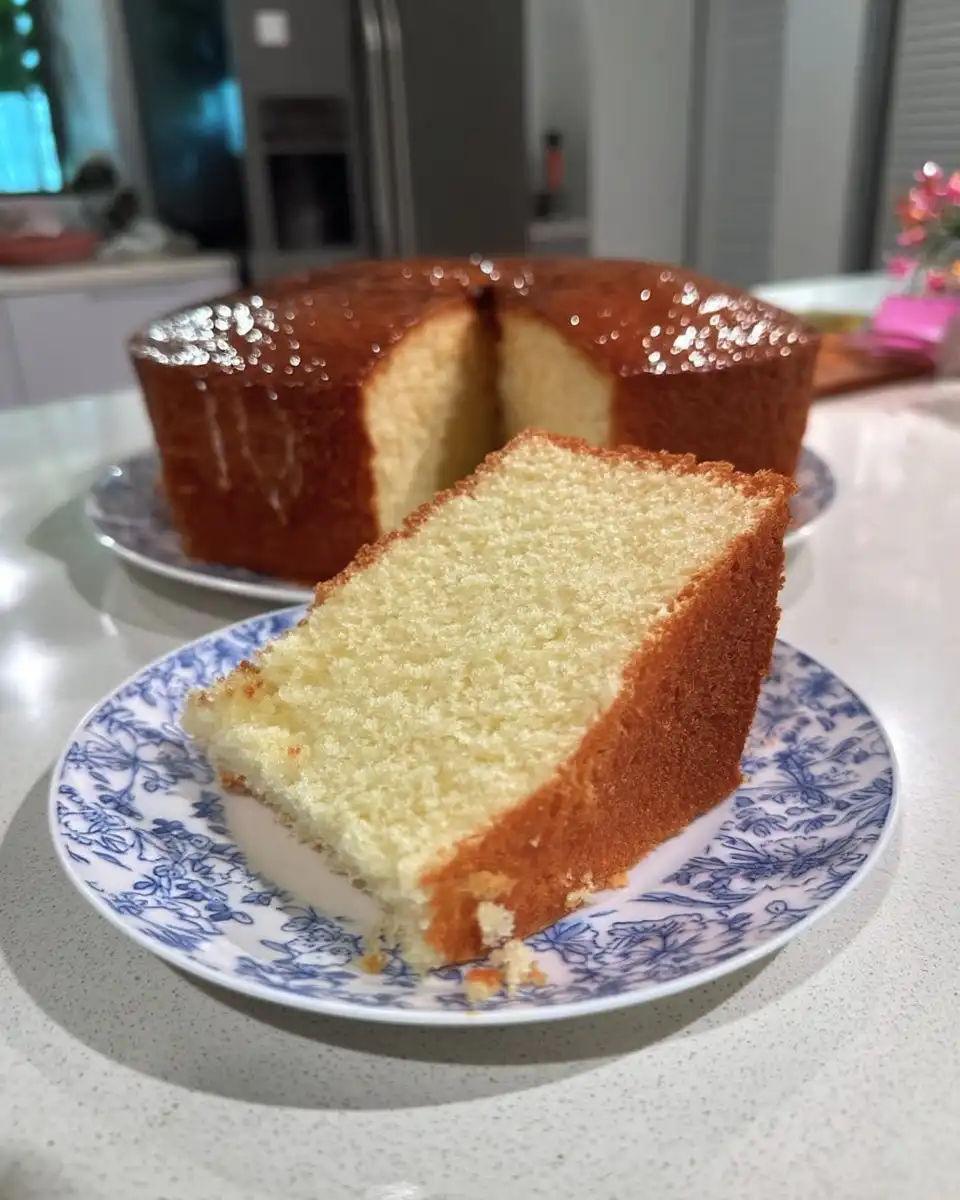
Because this cake is so light, heavy buttercreams can compress the crumb. We recommend serving this with the Chantilly cream listed in the ingredients or a simple dusting of confectioners’ sugar.
- Chantilly Cream: Whip heavy cream, sugar, and vanilla until soft peaks form. This mimics the lightness of the cake.
- Fresh Fruit: The neutral sweetness of chiffon pairs beautifully with tart berries. Excellence in fresh fruit baking often means knowing when to use raw fruit versus cooked; here, fresh raw berries are best to maintain texture contrast.
The Final Analysis
Mastering the chiffon cake is a rite of passage for any serious baker. It teaches the importance of protein coagulation, emulsification, and gravity. Once you have perfected this technique, you will notice a similar lightness in our strawberry tres leches cake, which also relies on egg structure for its sponge base.
For further reading on the history of this unique dessert, you can visit King Arthur Baking. We would love to see your results—did your cake hold its height? Share your photos with us on Instagram or Pinterest and tag #CakePeakScience.