In the Cake Peak test kitchen, we often analyze complex chemical reactions, but the “dump cake” presents a fascinating study in hydration without agitation. By layering fruit, dry mix, and butter without stirring, we rely on the steam from the fruit and the melting fat to hydrate the flour and sugar. We tested this method with various fruit bases, finding that the high moisture content of apple pie filling combined with the density of cranberry sauce creates the ideal steam environment for a perfectly crisp, cobbler-like topping.

This specific formula balances the sweetness of commercial apple filling with the tart acidity of whole berry cranberries. The result is a textural triumph: a gooey, fruit-forward bottom layer contrasted by a golden, buttery, shortbread-style crust. It is precision baking disguised as simplicity, delivering consistent results when the variables of temperature and distribution are managed correctly.
The Science of Success
This recipe works because it maximizes the Maillard reaction without requiring a mixer. The butter slices melt slowly over the cake mix, browning the sugars and proteins to create a crunchy, caramelized surface that contrasts beautifully with the soft fruit below. Unlike traditional cakes where gluten development is encouraged through mixing, here we minimize gluten formation for a tender, crumbly texture that sits somewhere between a crisp and a cake.
Print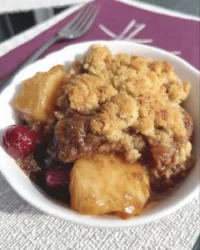
Apple Cranberry Dump Cake
- Total Time: 75 mins
- Yield: 12 servings
- Diet: Vegetarian
Description
This effortless Apple Cranberry Dump Cake combines sweet apple pie filling with tart cranberries under a buttery, golden cake crust. It is a scientifically-backed dessert that delivers a perfect contrast of gooey fruit and crunchy shortbread-like topping with minimal effort.
Ingredients
- 21-ounce can apple pie filling
- 14-ounce can whole berry cranberry sauce
- 1 box (15.25 oz) yellow cake mix
- 1/2 cup (1 stick) unsalted butter, sliced thin
- 1/2 cup chopped walnuts
Instructions
- Preheat your oven to 350°F (175°C) and coat a 9×13-inch baking pan with nonstick spray.
- Spread the apple pie filling evenly across the bottom of the pan, then distribute the cranberry sauce on top, mingling them slightly with a spatula.
- Sprinkle the dry yellow cake mix evenly over the fruit layer without stirring, ensuring the surface is level.
- Arrange the thin butter slices across the entire surface of the cake mix to ensure full coverage, then sprinkle with chopped walnuts.
- Bake for 50 to 55 minutes until the fruit is bubbling and the topping is a deep golden brown.
- Let the cake cool for at least 15 minutes before serving to allow the filling to set and the crust to firm up.
Notes
To ensure no dry spots remain, make sure the butter slices cover as much of the dry cake mix as possible; you can even grate frozen butter for more even distribution. For the best texture, always allow the cake to rest for the full 15 minutes after baking, as this helps the fruit pectin stabilize and makes slicing much easier.
- Prep Time: 10 mins
- Cook Time: 50 mins
- Category: Dessert
- Method: Baking
- Cuisine: American
The Variables
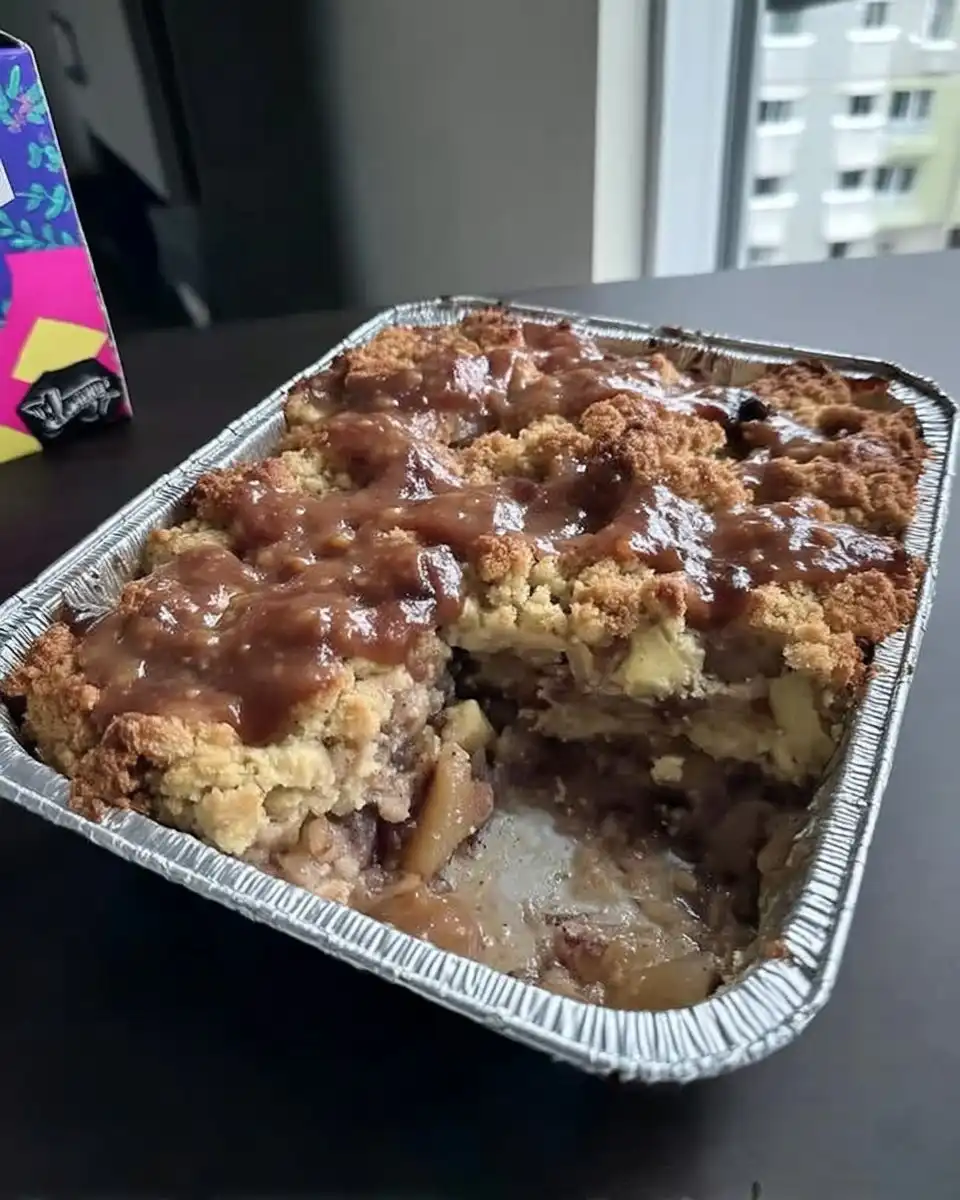
For consistent results, understanding your ingredients is just as important as the method.
- Apple Pie Filling: We use a 21-ounce can. The thickened gel in the filling provides stability, preventing the crust from sinking into the fruit layer.
- Whole Berry Cranberry Sauce: The acidity here is crucial. It cuts through the sugar of the cake mix and pie filling. Do not use jellied sauce; the whole berries provide necessary structure.
- Yellow Cake Mix: This acts as our dry base. It contains the flour, sugar, and leavening agents already dispersed. We found yellow cake mix offers a richer, custard-like flavor profile compared to white cake mix due to the inclusion of egg yolk solids and vanilla notes.
- Unsalted Butter: You will need exactly 1/2 cup (1 stick), sliced thin. Cold butter is easier to slice precisely. We prefer unsalted to control the sodium, as cake mixes often contain salt.
- Walnuts: These add a bitter, earthy crunch that offsets the sweetness. Toasting them during the bake releases essential oils for better aroma.
The Method
Precision in layering is the key to this recipe’s success. Do not deviate from the order of ingredients.
Step 1: Prepare the Thermal Environment
Preheat your oven to 350°F (175°C). Verification with an oven thermometer is recommended, as a temperature too low will result in a gummy topping, while too high will burn the walnuts before the center sets. Coat a standard 9×13-inch baking pan with nonstick spray to ensure easy removal.
Step 2: Establish the Fruit Base
Spread the apple pie filling evenly across the bottom of the prepared pan. Top this immediately with the cranberry sauce. Use a spatula to distribute the cranberry sauce so it mingles with the apples, creating a uniform fruit layer. This ensures consistent steam generation during baking.
Step 3: Add the Dry Layer
Sprinkle the dry yellow cake mix evenly over the fruit. Do not mix. Shake the pan gently to level the mix. It is critical that the depth of the dry mix is uniform; mounds of mix will not hydrate properly and will remain powdery.
Step 4: Distribution of Fat
Place the thin slices of butter across the entire surface of the cake mix. Our testing shows that covering as much surface area as possible is vital. The butter must melt and spread to hydrate the flour. Sprinkle the chopped walnuts over the top.
Step 5: The Bake
Bake in the preheated oven for 50 to 55 minutes. You are looking for two visual cues: the fruit filling should be bubbling aggressively around the edges (indicating the center has reached safe temperatures), and the topping should be a deep golden brown. A toothpick inserted into the center should come out clean of batter, though sticky fruit is expected.
Step 6: Setting the Pectin
Remove from the oven and let cool for at least 15 minutes. This resting period is not optional; it allows the pectin in the fruit filling to re-gel and the buttery crust to firm up for clean slicing.
Lauren’s Lab Notes
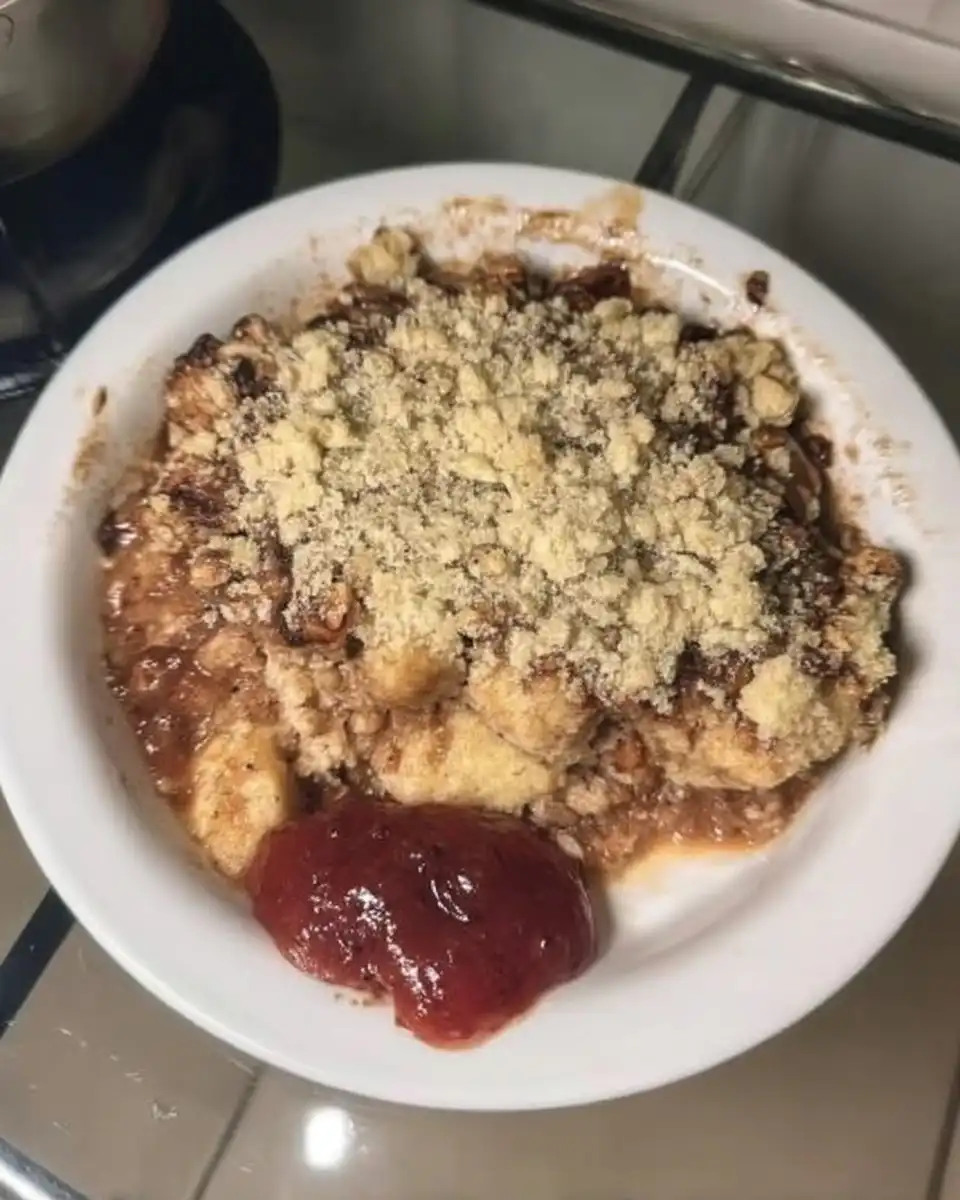
- Eliminating Dry Spots: If you notice dry, powdery patches on top of the cake after 45 minutes of baking, the butter didn’t reach that area. You can quickly place a small pat of extra butter or a mist of cooking spray on the dry spot and return it to the oven.
- Butter Slicing Technique: For the most even coverage, freeze your butter for 20 minutes before slicing. This allows you to cut paper-thin squares that cover more surface area than thick pats. Alternatively, grating frozen butter over the top ensures 100% coverage.
- Fruit Moisture: If you want to experiment with other fruits, keep hydration in mind. For more insights on balancing moisture in fruit desserts, review our guide on fresh fruit baking.
- Pan Material: We tested this in both glass and metal pans. Glass conducts heat slower, often requiring the full 55 minutes. Metal pans may be done closer to the 50-minute mark.
Tested Variations
- The Spice Route: We found that whisking 1 teaspoon of cinnamon and 1/4 teaspoon of nutmeg into the dry cake mix *before* sprinkling it over the fruit adds a necessary warmth that mimics a traditional cobbler.
- Chocolate Cherry: Swap the apple/cranberry for two cans of cherry pie filling and use a chocolate cake mix. Through testing, we found chocolate mixes absorb moisture differently, so you may need an extra 2 tablespoons of butter.
- Fresh Apple Adaptation: If you prefer fresh apples over canned, you must slice them thin and toss with sugar and cornstarch to mimic the syrup in the can. See how we handle fresh apples in our Irish Apple Cake for texture comparisons.
Presentation Notes
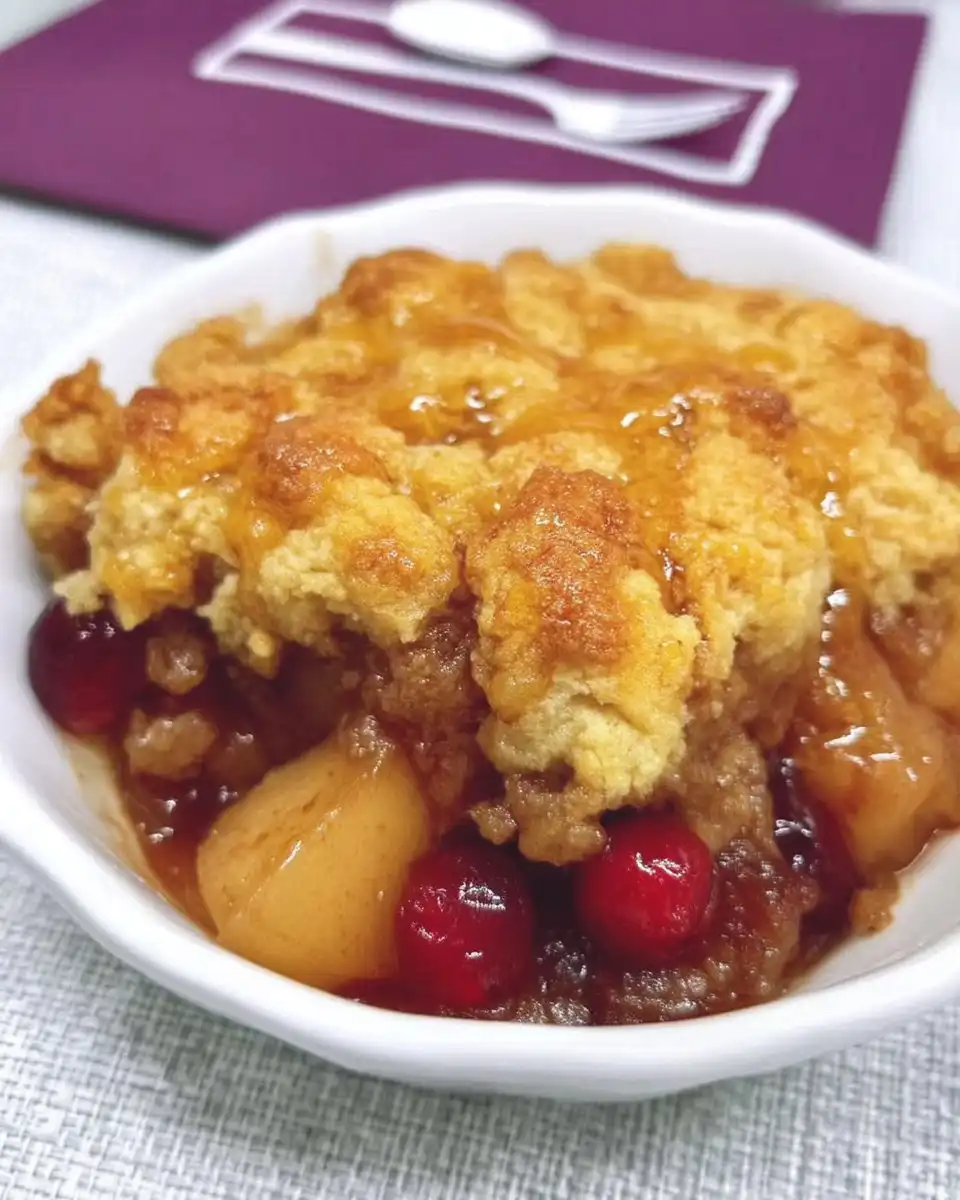
This dessert relies on thermal contrast for the best eating experience. We recommend serving it warm, roughly 15 to 20 minutes out of the oven. The warmth softens the buttery crust slightly, making it meld with cold toppings.
- The Classic Pair: A scoop of high-quality vanilla bean ice cream is the standard. As it melts, it creates a crème anglaise effect around the warm fruit.
- Whipped Cream: For a lighter option, use unsweetened whipped cream to balance the sweetness of the cake mix. If you have leftover mix, check out our Yellow Cake Chocolate Frosting article for ideas on how to use up pantry staples.
The Final Analysis
The Apple Cranberry Dump Cake is a testament to the power of ingredient interaction. By controlling the variables of heat and hydration, you achieve a dessert that rivals labor-intensive pies with a fraction of the effort. If you enjoy the science of fruit desserts, you should also try our Blueberry Coffee Cake, which uses a similar principle of fruit distribution.
For more on the history and versatility of this method, The Kitchn offers an interesting look at why this style of baking has remained a classic. Keep testing, keep baking, and let us know your results on social media.