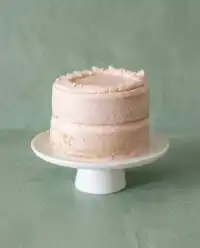
We spent weeks in the test kitchen analyzing how carbonation affects crumb structure, determined to create the ultimate New Year Cake. By incorporating room-temperature champagne and employing a specific high-aeration creaming method, we achieved a texture that is remarkably light yet stable enough for stacking. The carbon dioxide in the sparkling wine acts as an auxiliary leavening agent, providing lift that standard milk or water simply cannot match.

The result is a tender, pink-hued sponge with a delicate champagne essence, paired with a unique water-based ganache drip and a silky buttercream. This recipe relies on precise temperature control and timing to ensure the emulsion holds, delivering a professional-quality finish for your celebration.
Why This New Year Cake Works
- Carbonated Lift: The effervescence in the champagne contributes to the rise, creating a lighter specific gravity in the batter compared to standard vanilla cakes.
- Fat Balance: By using both butter (8 oz) and vegetable oil (2 oz), we secure the flavor of butter with the sensation of moistness that oil provides, preventing the cake from drying out even after slicing.
- Stabilized Buttercream: This method uses pasteurized egg whites and powdered sugar to create a structure similar to Swiss Meringue but without the heat step, resulting in a frosting that crusts slightly but remains creamy interiorly.
New Year Cake
- Total Time: 1 hour 10 mins
- Yield: 12 servings
- Diet: Vegetarian
Description
This elegant celebration cake uses room-temperature champagne and a high-aeration creaming method to create a light, festive sponge with a professional crumb. Topped with a silky egg-white buttercream and a unique water-based candy melt drip, it is the ultimate centerpiece for any New Year’s Eve gathering.
Ingredients
- 8 oz Unsalted Butter, softened (65–68°F)
- 10 oz Granulated Sugar
- 12 oz All-Purpose Flour
- 6 oz Champagne, room temperature
- 2 oz Vegetable Oil
- Large Eggs (added individually)
- Baking Powder
- Baking Soda
- Salt
- Electric Pink Food Color
- Sparkling Wine Flavoring
- Powdered Sugar
- Pasteurized Egg Whites
- Vanilla Extract
- Blue Candy Melts
- 1 oz Hot Water
Instructions
- Preheat your oven to 350°F (175°C) and grease two 8-inch round cake pans.
- Cream the 8 oz of softened butter in a stand mixer on low, then add the 10 oz of sugar and whip on medium speed for 8–10 minutes until maximum aeration is achieved.
- Sift the flour, salt, baking powder, and baking soda together; in a separate container, whisk the room-temperature champagne, vegetable oil, pink food color, and flavorings.
- Incorporate the eggs into the butter mixture one at a time, mixing for exactly one minute after each egg to maintain the emulsion.
- Add the dry and wet ingredients alternately to the mixer on low speed, starting and ending with the flour mixture, and stop immediately once combined.
- Divide the batter into the prepared pans and bake for 25–30 minutes until a toothpick comes out clean or the internal temperature reaches 205°F.
- For the buttercream, whip powdered sugar, pasteurized egg whites, vanilla, and salt on high for 5 minutes, then add butter chunks and whip on high for 10 more minutes.
- Make the ganache by melting blue candy melts, then vigorously stirring in 1 oz of hot water before piping the drip onto the chilled cake.
Notes
Using a digital kitchen scale is highly recommended for this recipe, as measuring by weight rather than volume ensures the precise ratio of fat to flour needed for the carbonated lift. If your environment is particularly cold, briefly warm your mixing bowl with a hairdryer during the creaming stage to keep the butter at the optimal temperature for aeration.
- Prep Time: 40 mins
- Cook Time: 30 mins
- Category: Dessert
- Method: Baking
- Cuisine: American
Material Breakdown
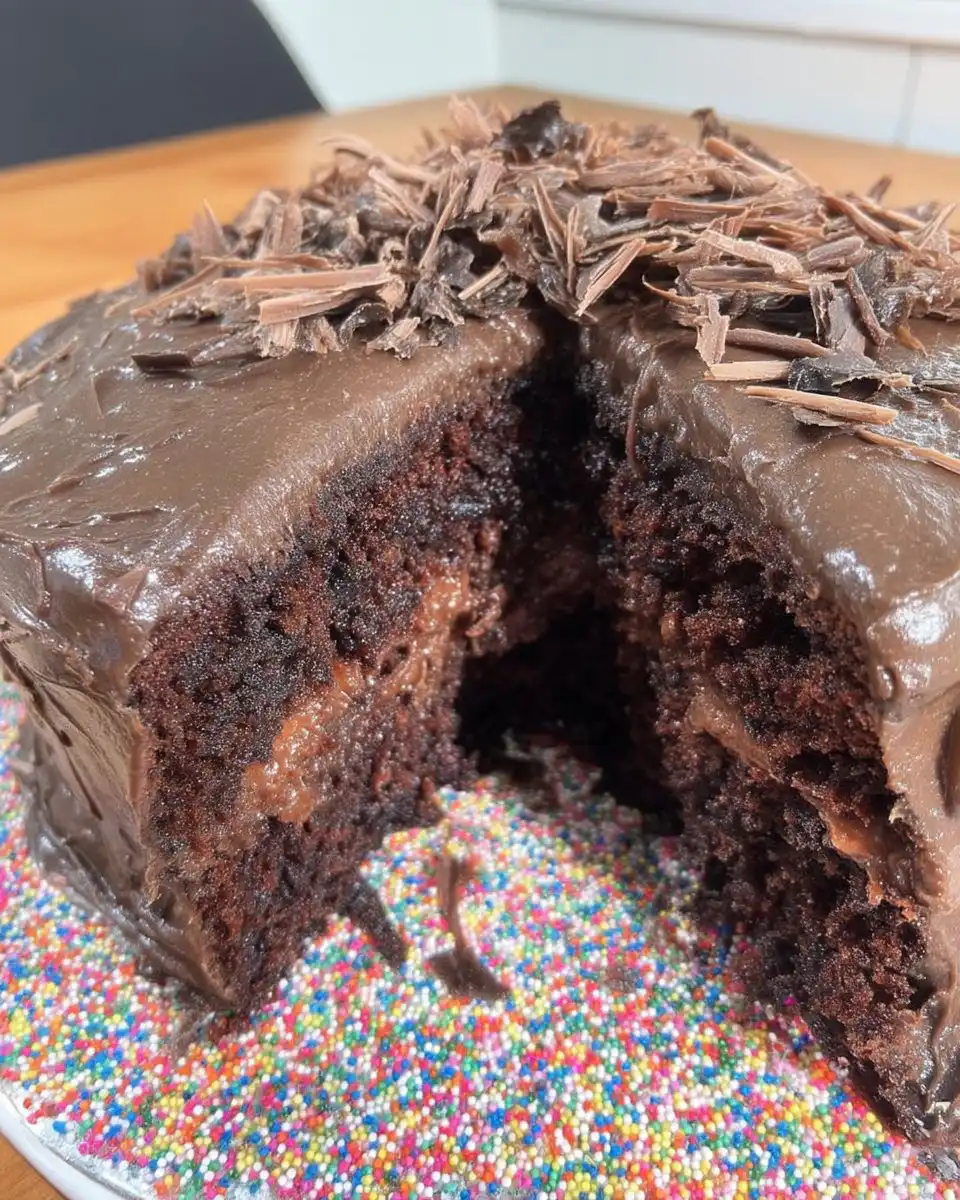
To replicate our test kitchen results, ingredient precision is non-negotiable.
- Champagne (Room Temp): Cold champagne will shock the butter and break your batter’s emulsion. Measure 6 oz and let it sit until it reaches 70°F (21°C).
- Unsalted Butter: You need precise control over salt content. Softened butter means 65–68°F—cool to the touch but indentable.
- Cake Flour vs. AP Flour: This recipe was developed with All-Purpose Flour (12 oz). The protein content provides the necessary structure to support the liquid ratio. Do not substitute with cake flour without adjusting liquid, or the cake may collapse.
- Pasteurized Egg Whites: For the buttercream, these are essential for food safety and stability. Do not use raw whites from the shell; carton whites ensure a safe, stable foam structure.
- Candy Melts: We use these for the “water ganache.” Unlike real chocolate, candy melts contain oils that emulsify with water more easily for a consistent drip.
Precision Method
Step 1: Component Temperature Prep
Preheat your oven to 350°F (175°C). Ensure your champagne, eggs, and butter are strictly at room temperature. If they are cold, the batter will curdle, leading to a dense, greasy crumb.
Step 2: Maximum Aeration
Place the 8 oz of unsalted butter in a stand mixer fitted with the paddle attachment. Mix on low until smooth. Sprinkle in the 10 oz of sugar and increase speed to medium. Cream for 8–10 full minutes. This is longer than standard recipes because we need to maximize air incorporation to counteract the weight of the liquid ingredients.
Step 3: Dry and Wet Prep
While the butter creams, sift together the flour, salt, baking powder, and baking soda. In a separate vessel, whisk together the room-temperature champagne, vegetable oil, electric pink food color, and flavorings.
Step 4: Emulsification
Once the butter mixture is pale and fluffy, add the eggs one at a time. Mix for one full minute after each addition. This discipline allows the water in the whites to fully emulsify with the fat, preventing separation.
Step 5: Alternating Addition
Reduce mixer speed to low. Add ⅓ of the flour mixture, followed by ½ of the champagne liquid. Repeat, ending with the flour. Stop mixing the instant the last streak of flour disappears. Overmixing here develops gluten and tough cakes.
Step 6: Bake
Divide batter evenly between two 8-inch round pans. Bake for 25–30 minutes. The cake is done when the internal temperature reaches 205°F–210°F or a toothpick comes out clean. Cool completely before chilling.
Step 7: The Easy Buttercream
In a clean mixer bowl with the whisk attachment, combine powdered sugar, pasteurized egg whites, vanilla, and salt. Whip on high for 5 minutes to build structure. Reduce speed to low and add the butter in small chunks. Once incorporated, whip on high for another 10 minutes until thick and white. Color a small portion ivory if desired.
Step 8: Water Ganache Drip
Melt the blue candy melts until almost liquid. Stir until smooth. Add hot water (1 oz) and stir vigorously to emulsify. This creates a fluid drip consistency that sets firmly. Place in a piping bag for application.
Lauren’s Lab Notes
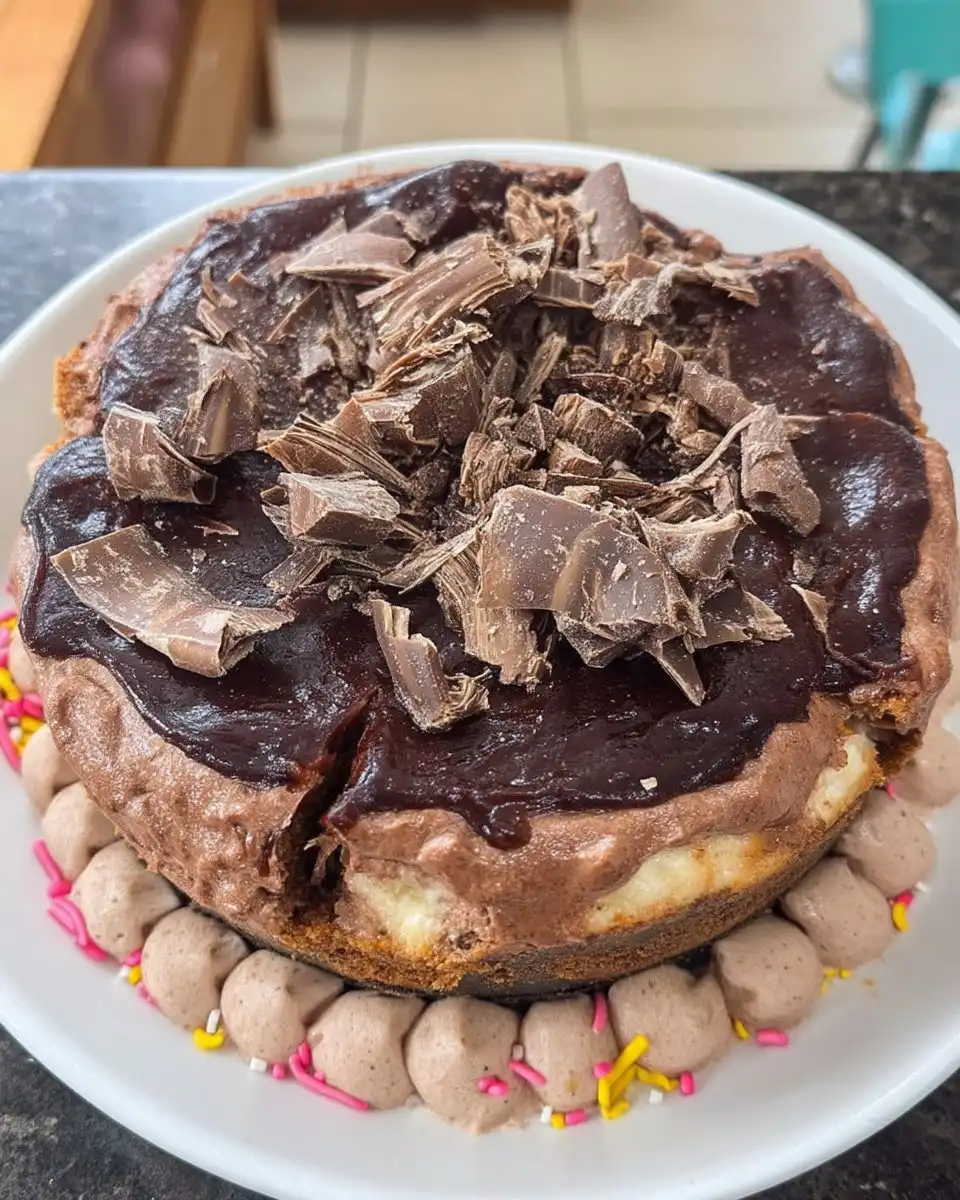
- The Temperature Variable: If your buttercream looks curdled (like cottage cheese), the butter was likely too cold. Remove 1/4 cup of the mixture, melt it in the microwave for 10 seconds, and pour it back in while whipping. This restores the emulsion.
- Specific Gravity: The batter should look fluffy, not runny. If it’s runny, the air was knocked out or ingredients were too warm.
- Design Precision: For sharp edges on your cake, a chilled crumb coat is essential before the final layer. If you want to master the aesthetics, our celebration design studio guide covers the geometry of perfectly smooth sides.
- Flavor Intensity: If using the sparkling wine flavor, use a dropper. It is potent, and too much can taste artificial.
Tested Variables
- Alcohol-Free Version: We tested this with sparkling cider and ginger ale. Sparkling apple cider provides a similar lift and acidity. The crumb structure remains identical.
- Chocolate Variation: If you prefer rich cocoa profiles over vanilla-champagne, our Ferrero Rocher cake uses a similar oil-butter ratio for moistness but swaps the liquid for dairy.
- Flavor Profiles: While our recipe focuses on a classic pink champagne profile, you can experiment with different extracts. We have seen success with almond or raspberry. For additional inspiration on flavor pairings, this New Year’s Eve cake offers a different perspective on festive baking.
Presentation Protocol
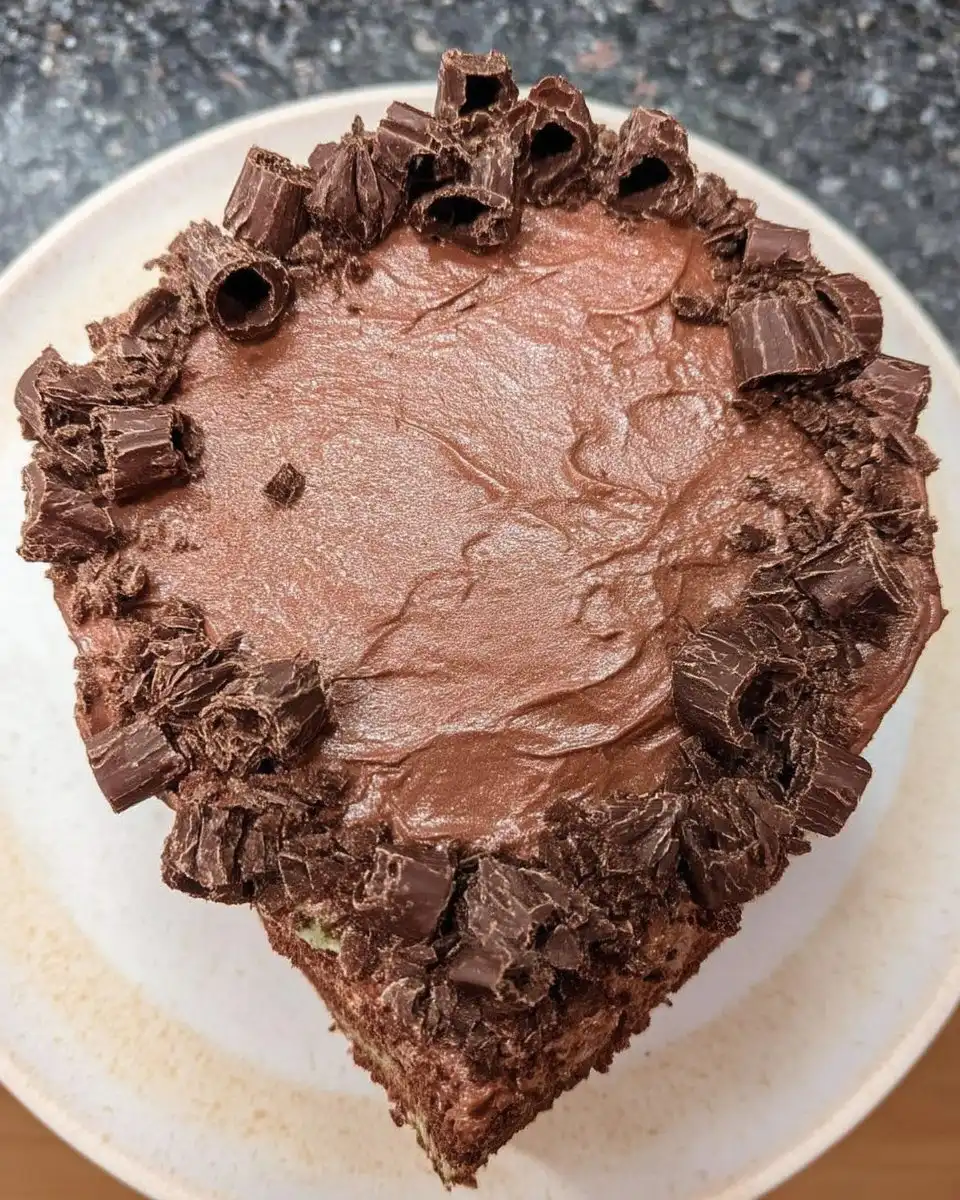
- Serving Temperature: Always serve this cake at room temperature (around 72°F). Butter-based cakes solidify in the fridge; serving them cold masks the flavor and makes the texture feel dry. Allow the cake to sit out for at least 2 hours before slicing.
- Slicing Mechanics: Use a long, thin-bladed knife dipped in hot water and wiped dry between cuts. This ensures the ganache drip doesn’t smear across the buttercream.
- Styling: We utilized a vintage piping technique for the borders. If you love retro aesthetics, check our vintage cake tutorial for specific piping tip numbers and motion mechanics.
Final Analysis
Mastering this New Year Cake comes down to patience during the creaming stage and strict adherence to temperature guidelines. When executed correctly, the physics of the emulsion rewards you with a dessert that is as stable as it is delicious. If you find you prefer a denser, fruit-heavy dessert for the holidays, our chocolate fruit cake is an excellent alternative to explore next.
Did you achieve the perfect crumb? Share your data and photos with us on social media!