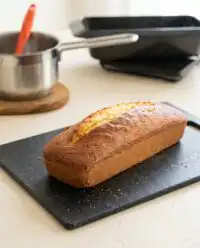
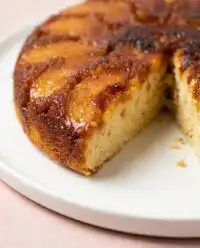
In the Cake Peak test kitchen, we discovered that the density of a sour cream batter provides the ideal suspension matrix for heavy stone fruit. By balancing the acidity of the sour cream with the precise amount of leavener, we achieved a crumb that is tender yet sturdy enough to hold generous chunks of fresh peach without them sinking to the bottom.

This recipe relies on the creaming method to create a light, aerated structure that contrasts beautifully with the juicy, soft fruit. It is a scientifically sound, reliable formula that yields a moist, golden crumb every time you bake it, making it a perfect study in fruit-based batter stability.
The Science of Success
This Peach Cake succeeds because it masters the balance between moisture and structure. Many fruit cakes suffer from a “soggy bottom” because the fruit releases excessive water during baking. Here, the inclusion of sour cream introduces acidity, which tenderizes the gluten strands, while its high fat content coats the flour particles for a plush mouthfeel.
Furthermore, the batter is engineered to be thick enough to support the fruit. By creaming the butter and sugar to maximum aeration, we create mechanical leavening that works in tandem with the chemical leavener. The result is a cake that rises evenly, enclosing the peaches rather than allowing them to pool at the base.
Print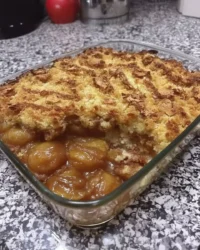
Peach Cake
- Total Time: 1 hour
- Yield: 8 servings
- Diet: Vegetarian
Description
This sophisticated summer dessert features a dense, sour cream-based crumb designed to perfectly suspend juicy slices of fresh peach. The scientific balance of acidity and fat ensures a tender yet sturdy texture that highlights the natural sweetness of stone fruit.
Ingredients
- 180g all-purpose flour
- Baking powder
- Salt
- 170g unsalted butter, softened
- 200g granulated sugar, plus extra for topping
- 2 large eggs, room temperature
- Full-fat sour cream, room temperature
- Vanilla extract
- 3–4 fresh peaches, sliced
Instructions
- Preheat your oven to 350°F (175°C) and grease a 9-inch round cake pan with butter or baking spray.
- In a medium bowl, whisk together the 180g of flour, baking powder, and salt until well combined.
- In a large mixing bowl, beat the 170g of softened butter on medium speed, then add 200g of sugar and cream for 3 minutes until pale and fluffy.
- Incorporate the eggs one at a time, beating well after each, then mix in the sour cream and vanilla extract.
- Gently fold the dry ingredients into the wet mixture on low speed just until no flour streaks remains.
- Hand-fold three-quarters of the peach slices into the thick batter and spread evenly into the prepared pan.
- Arrange the remaining peach slices on top and sprinkle with additional sugar if a crisp crust is desired.
- Bake for 45 minutes or until the internal temperature reaches 205°F–210°F, then cool for 30 minutes before slicing.
Notes
For the most consistent results, always use a kitchen scale to measure your ingredients by weight rather than volume. If you choose to leave the skins on your peaches, you will gain additional color and a rustic texture that holds up beautifully during the 45-minute bake time.
- Prep Time: 15 mins
- Cook Time: 45 mins
- Category: Dessert
- Method: Baking
- Cuisine: American
Ingredient Science
- Sour Cream: This is the variable that controls tenderness. The acidity weakens gluten networks, preventing the cake from becoming tough despite the heavy fruit. For the best texture, use full-fat sour cream.
- Unsalted Butter: We use butter at room temperature (68°F-70°F) to allow for proper emulsification with the sugar. Salted butter varies too much by brand, so we control the sodium independently.
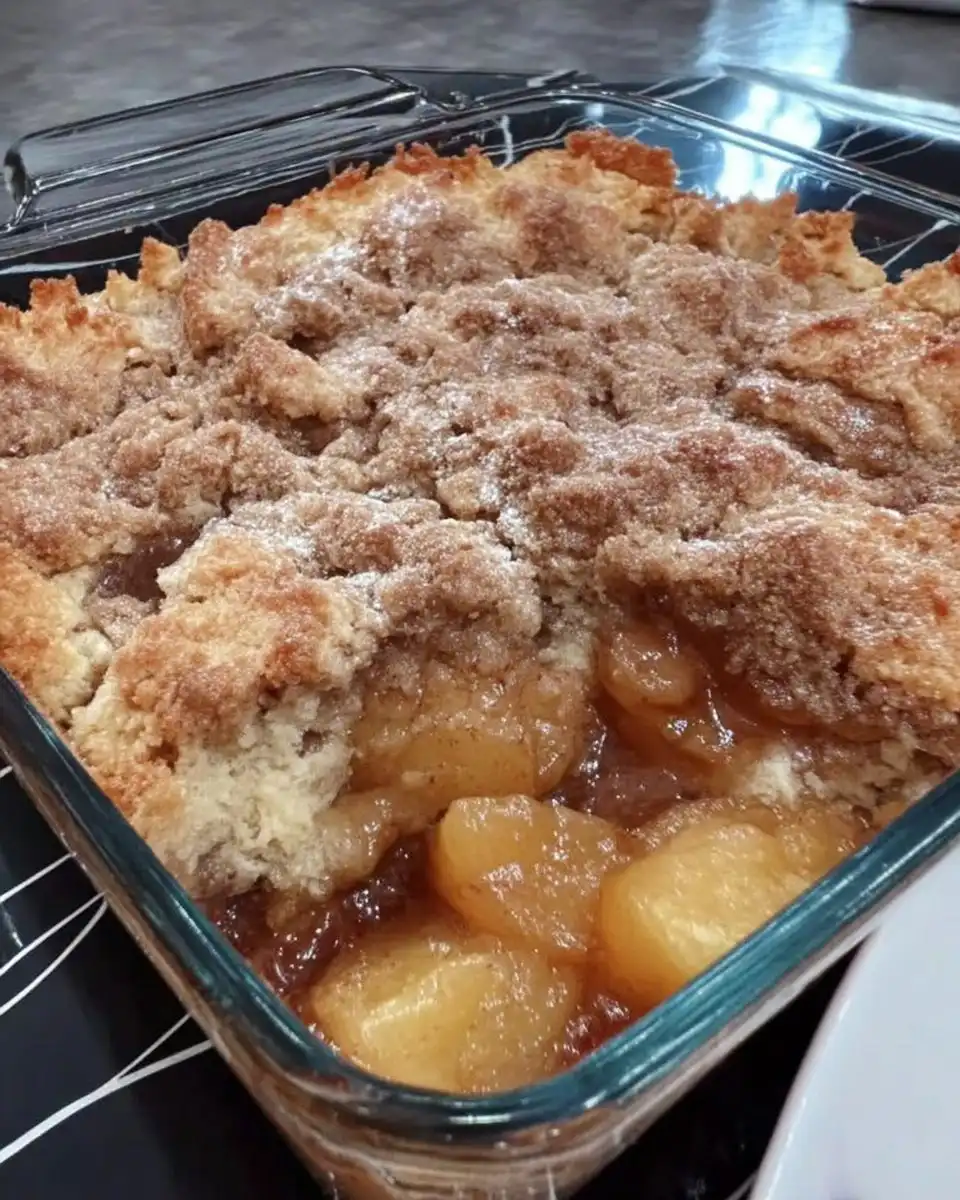
- Peaches: Fresh, ripe peaches are superior here. We tested this with both peeled and unpeeled fruit; unpeeled adds texture and color, while peeled yields a more uniform crumb. If using frozen, they must be thawed and drained to prevent excess liquid from altering the batter’s hydration.
- All-Purpose Flour: A standard protein content (around 10-11%) works best. Weighing your flour to exactly 180g is critical; volume measurements can lead to a dry cake.
- Eggs: These provide structure and stability. They must be at room temperature to emulsify into the creamed butter without curdling the mixture.
The Method
Step 1: Prepare the Equipment
Preheat your oven to 350°F (175°C). Verify the temperature with an oven thermometer for accuracy. Grease a 9-inch round cake pan generously with butter or baking spray. In a medium mixing bowl, whisk together the 180g of all-purpose flour, baking powder, and salt until evenly distributed.
Step 2: Create the Aeration
In a large mixing bowl or the bowl of a stand mixer fitted with the paddle attachment, beat the 170g of softened butter on medium speed until creamy. Add the 200g of sugar and beat on medium-high for exactly 3 minutes. The mixture should be pale and fluffy. Add the eggs one at a time, beating well after each addition to rebuild the emulsion. Scrape down the bowl, then beat in the sour cream and vanilla extract.
Step 3: Combine and Fold
Turn the mixer to the lowest speed. Gradually add the flour mixture, mixing just until the dry streaks disappear. Do not overmix, or you will activate the gluten and toughen the cake. Switch to a spatula and gently fold in three-quarters of the sliced peaches by hand. The batter will be thick.
Step 4: Bake to Precision
Spread the batter evenly into the prepared pan using an offset spatula. Distribute the remaining peach slices over the top and sprinkle with additional sugar if a crisp crust is desired. Bake for 45 minutes. The cake is done when a wooden pick inserted into the center comes out clean or the internal temperature registers 205°F–210°F. Let cool for at least 30 minutes to allow the crumb structure to set.
Lauren’s Lab Notes
- Temperature Matters: If your eggs or sour cream are cold, the butter will seize, resulting in a curdled batter and a greasy final cake. Bring all ingredients to room temperature (approx 70°F) before starting.
- Prevent Sinking: While our thick batter is designed to hold fruit, you can further prevent sinking by tossing the peach chunks in a teaspoon of flour before folding them in. This increases friction between the fruit and the batter.
- Don’t Overmix: Once the flour hits the wet ingredients, mixing should be minimal. Overmixing develops gluten, which we want to avoid in fresh-fruit-baking. Stop mixing the moment the white flour streaks vanish.
- Visual Cues: When creaming the butter and sugar, look for a color change from yellow to pale ivory. This indicates sufficient air incorporation.
Precision Tweaks
- Stone Fruit Swap: This batter formula works effectively with nectarines, plums, or apricots. We found that apricots require slightly less sugar on top as they caramelize quickly.
- Spice Infusion: To add warmth, sift 1/2 teaspoon of cinnamon or 1/4 teaspoon of cardamom with the dry ingredients.
- Texture Comparison: This recipe produces a structured, sliceable cake. If you prefer a looser, spoonable texture closer to a pudding, you might explore a style like this peach cobbler cake, but note that the batter chemistry is quite different.
- Cold Weather Option: If peaches are out of season, this dense sour cream base adapts well to apples, similar to our Irish Apple Cake.
Presentation Notes
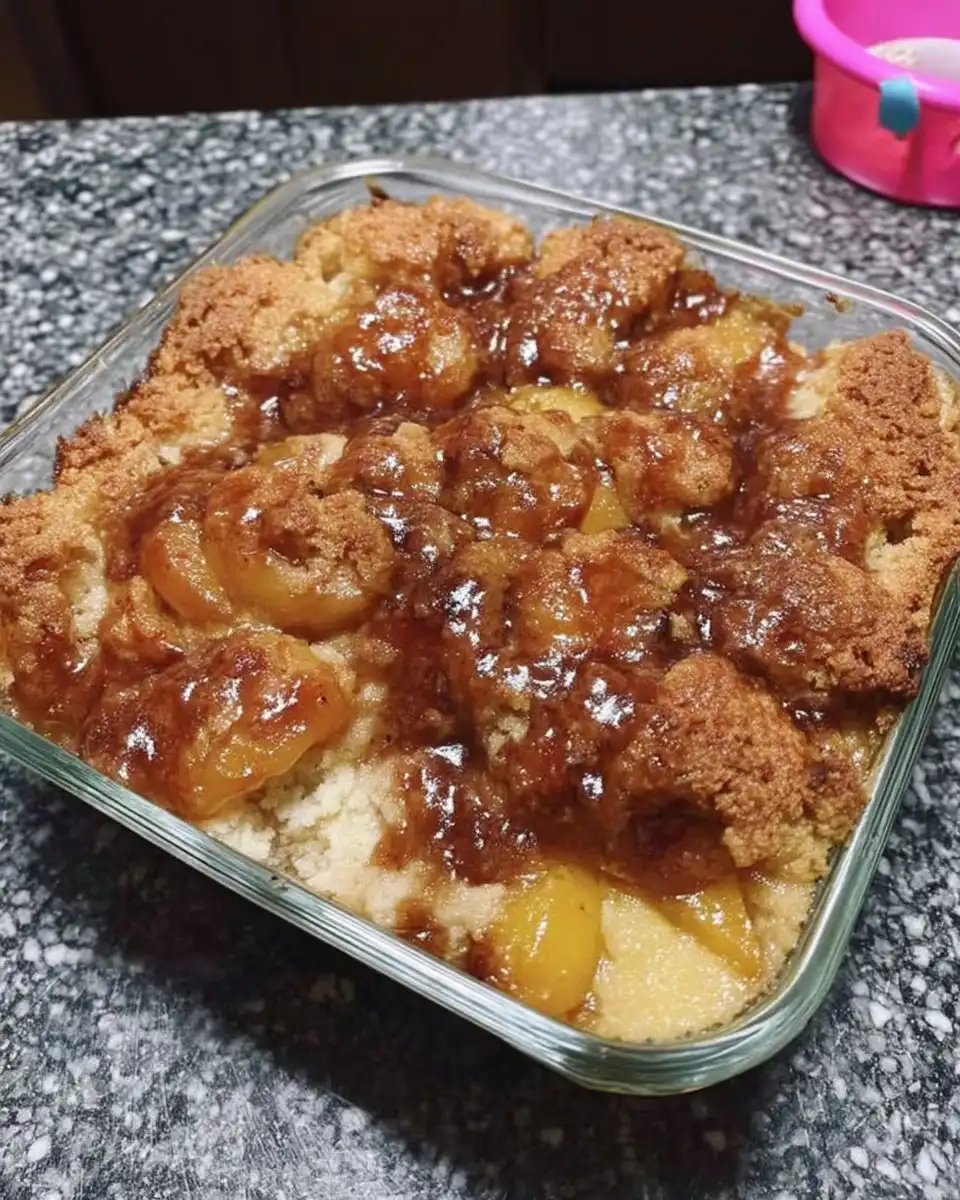
This cake is structurally stable enough to be served warm or at room temperature. For a scientifically perfect pairing, serve it slightly warm to maximize the release of volatile flavor compounds in the peaches.
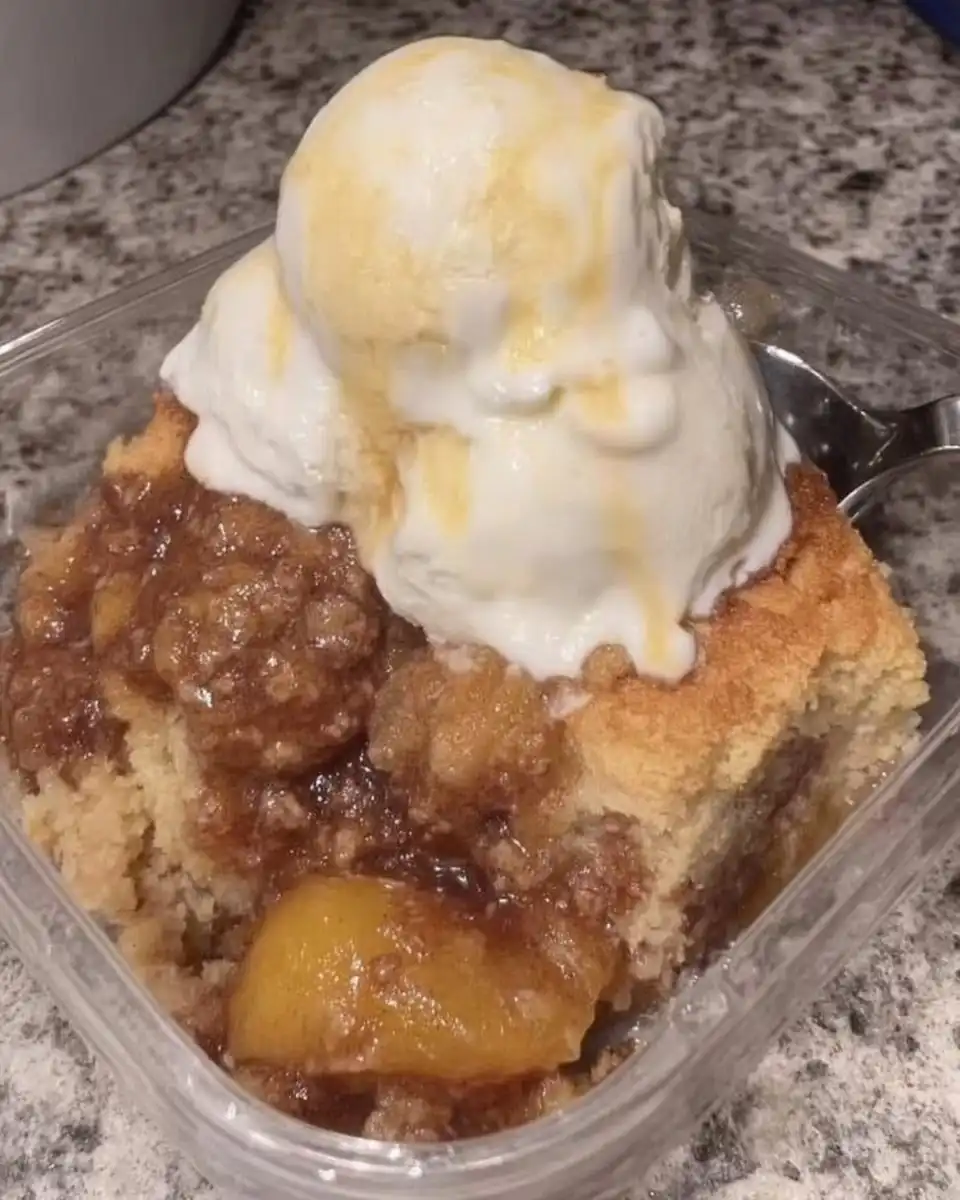
A dollop of lightly sweetened whipped cream or a scoop of vanilla bean ice cream adds a temperature and texture contrast that highlights the cake’s tender crumb. If you enjoy summer desserts with a creamy element, you might also appreciate the technique behind our Strawberry Tres Leches Cake.
The Final Analysis
Mastering this Peach Cake is about respecting the ratio of fat, sugar, and flour to support the heavy moisture content of the fruit. By maintaining precise temperatures and avoiding overmixing, you guarantee a dessert that is as technically sound as it is delicious. If you enjoy this balance of fruit and crumb, apply these same principles to our Blueberry Coffee Cake.
Did you achieve the perfect rise? Share your results with us on social media: