I spent weeks testing the impact of ingredient temperature on emulsion stability, and the results changed how I bake forever. While many recipes vaguely suggest “room temperature” ingredients, we found that bringing your butter, eggs, and milk to specific temperatures (60°F and 65°F, respectively) creates a batter structure that holds air bubbles perfectly. This scientific approach eliminates the guesswork, resulting in a crumb that is consistently plush, level, and tender.

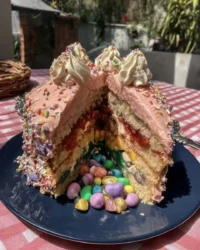
This isn’t just another vanilla cake; it is a texturally superior butter cake that relies on the precise creaming of fat and sugar to create lift. Unlike oil-based cakes which can be one-note, this recipe uses a high ratio of butter for flavor, balanced by bleached all-purpose flour to keep the gluten network delicate. It is the gold standard for birthdays, weddings, and anyone who appreciates the chemistry of a perfect crumb.
The Science of Success
This recipe works because it treats baking as a precise chemical reaction rather than a game of chance. By controlling the temperature of the batter—aiming for exactly 65°F to 68°F—we ensure the butter remains solid enough to trap air but soft enough to emulsify with the liquids. The result is a cake with a fine, velvety grain that stays moist for days. Additionally, using bleached flour lowers the protein content just enough to prevent toughness without compromising structural integrity.
Print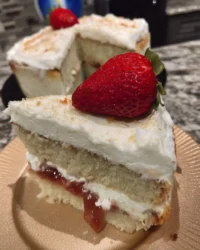
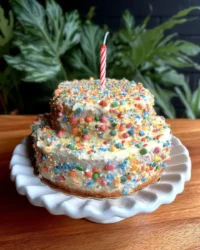
Classic Vanilla Butter Cake
- Total Time: 1 hour 52 mins
- Yield: 12 servings
- Diet: Vegetarian
Description
A scientifically-perfected vanilla cake featuring a plush, velvety crumb achieved through precise temperature control. This high-ratio butter cake is the ultimate foundation for any celebration, offering superior flavor and structure.
Ingredients
- 16 ounces (2 1/4 cups) granulated sugar
- 8 ounces (225g) unsalted butter, cool (60°F)
- 16 ounces (455g) bleached all-purpose flour
- 4 1/2 teaspoons baking powder
- 1/2 teaspoon kosher salt
- 16 ounces whole milk, room temperature (65°F)
- 3 large eggs, room temperature (65°F)
- 1 tablespoon vanilla extract
Instructions
- Preheat oven to 350°F (180°C) and line three 8-inch pans with parchment paper.
- Cream the sugar, baking powder, salt, and butter in a stand mixer on medium for 5 minutes until light and fluffy.
- Incorporate the eggs one at a time on medium speed, followed by the vanilla extract.
- Reduce speed to low and alternate adding the flour and milk in three additions, starting with flour and ending with milk.
- Give the batter a final 3-second mix on medium and verify the temperature is between 65°F and 68°F.
- Divide the batter between pans and bake for approximately 32 minutes, then cool in the pans for one hour.
Notes
To ensure the best results, use a digital thermometer to check your ingredient and batter temperatures, as this is the key to a stable emulsion. Always serve the cake at room temperature to allow the butter-based crumb to soften for the best mouthfeel.
- Prep Time: 20 mins
- Cook Time: 32 mins
- Category: Dessert
- Method: Creaming
- Cuisine: American
The Variables
- Sugar (Plain or Toasted): You need 16 ounces (approx. 2 1/4 cups). Sugar is a tenderizer; it draws water molecules to itself, preventing them from forming gluten. For a deeper flavor profile, we tested this with toasted sugar, and the caramel notes are exceptional.
- Butter (Unsalted): 8 ounces (225g). Crucial variable: The butter must be soft but cool, specifically 60°F (16°C). If it is too warm, it won’t hold the air bubbles created during creaming; too cold, and it won’t mix.
- Flour (All-Purpose, Bleached): 16 ounces (455g). We recommend bleached flour like Gold Medal or Pillsbury. The bleaching process alters the starch and protein, allowing the flour to hold more liquid and sugar, which is vital for this high-ratio cake.
- Leavening: 4 1/2 teaspoons baking powder provides the lift. We mix this directly with the butter and sugar to ensure even distribution.
- Liquids (Milk & Eggs): 16 ounces whole milk and 3 large eggs. Both must be brought to 65°F (18°C) to maintain the batter’s temperature emulsion.
The Method
Step 1: Precise Prep
Adjust your oven rack to the lower-middle position and preheat to 350°F (180°C). Grease three 8-inch anodized aluminum pans and line them with parchment paper. Proper pan prep is critical for clean release.
Step 2: The Creaming Phase
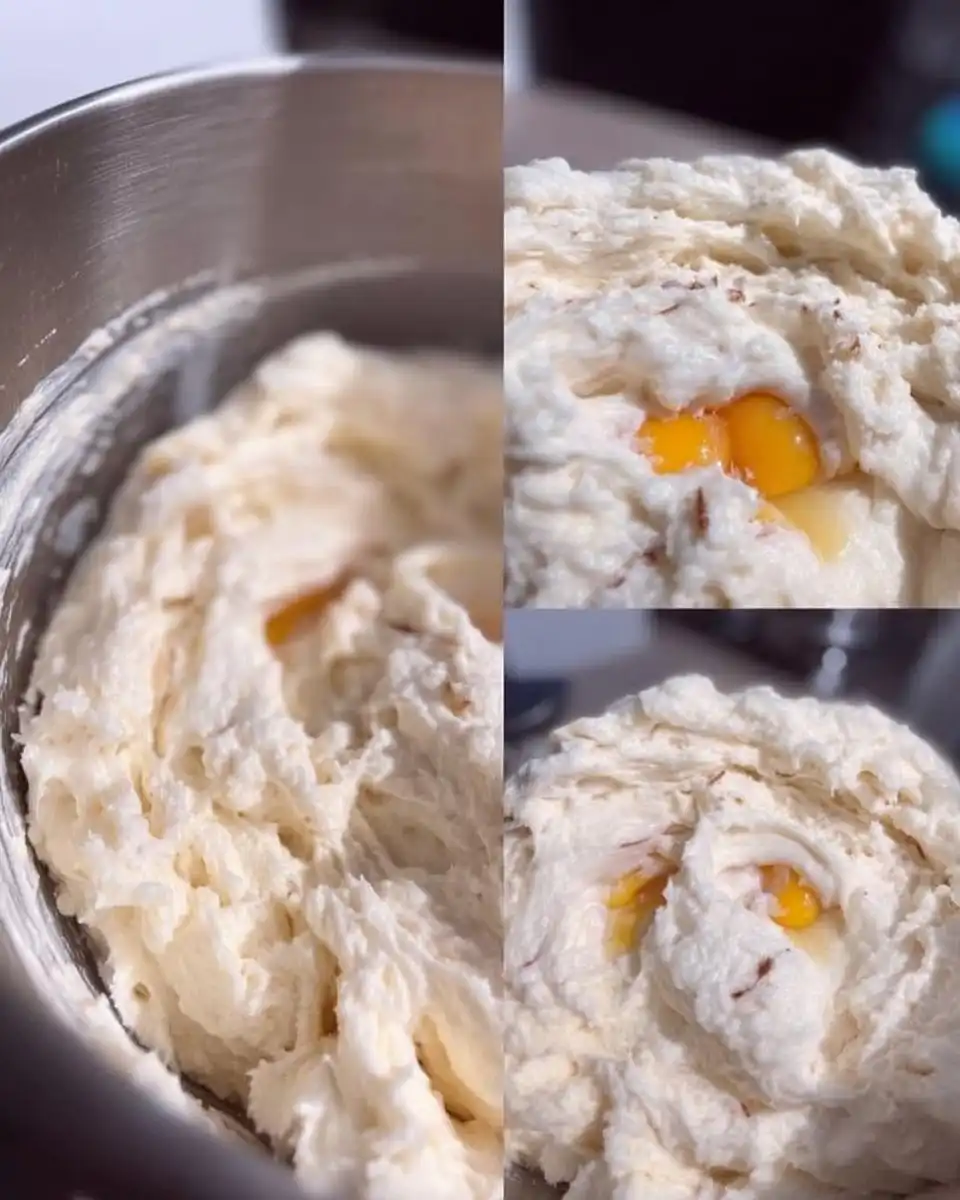
In a stand mixer with the paddle attachment, combine the sugar, baking powder, salt, and 60°F butter. Mix on low to combine, then increase to medium. Beat for exactly 5 minutes until the mixture is fluffy and light. This long creaming time mechanically forces air into the fat, creating the cake’s structure.
Step 3: Establishing Emulsion
With the mixer running, add the eggs one at a time. Let each egg fully incorporate before adding the next. This prevents the mixture from curdling (breaking the emulsion). Drizzle in the vanilla extract.
Step 4: Alternating Dry and Wet
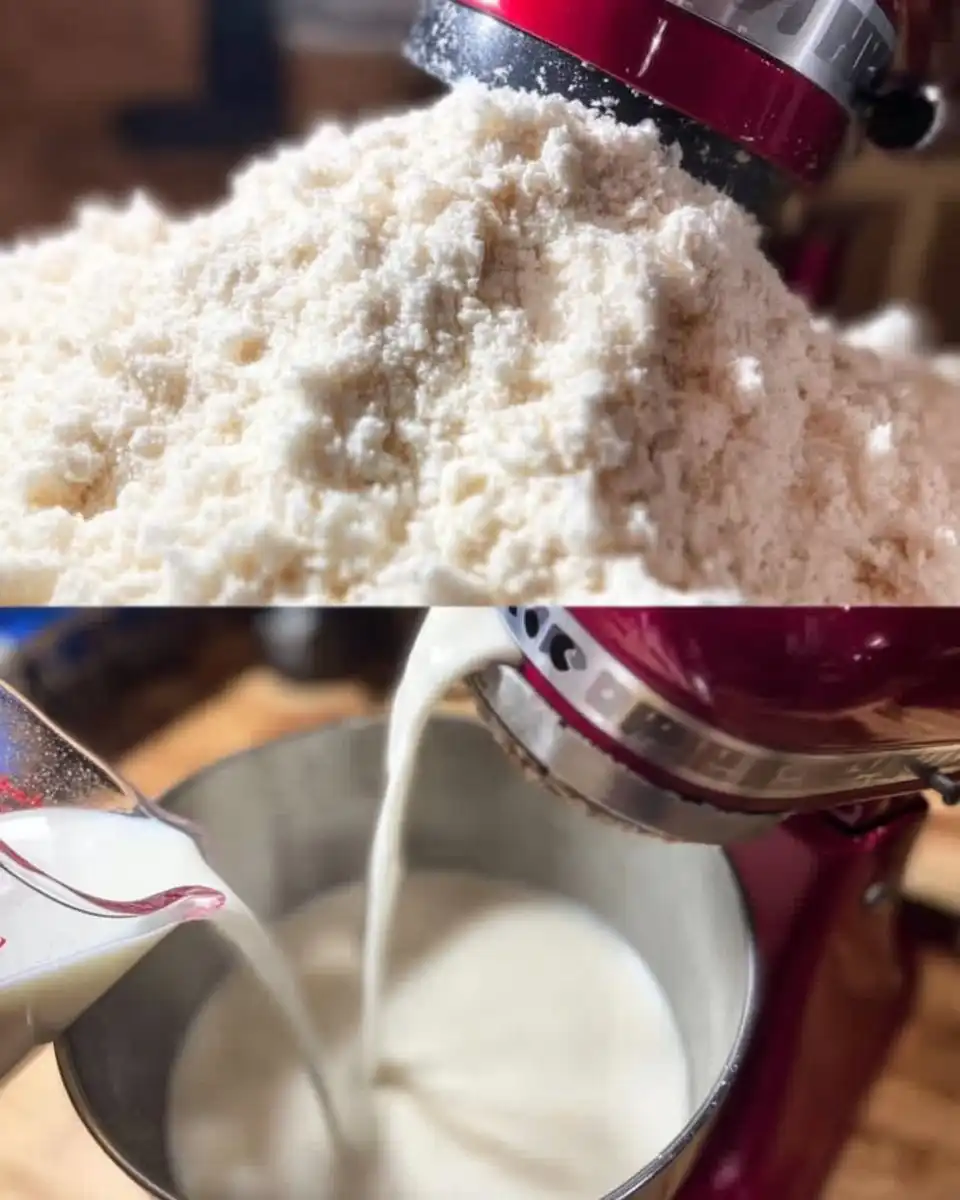
Reduce speed to low. Add one-third of the flour, followed by one-third of the milk. Repeat this process, finishing with the milk. This alternating method prevents the gluten from developing too quickly, which would result in a tough cake.
Step 5: Final Temperature Check
Scrape the bowl and mix for 3 seconds on medium. Check the batter temperature with a digital thermometer. It should register between 65°F and 68°F (18–20°C). If it is in this range, the emulsion is stable.
Step 6: Bake and Cool
Divide the batter (about 20 ounces per pan) and bake for roughly 32 minutes until puffed and pale gold. Cool in pans for 1 hour before inverting onto a wire rack.
Lauren’s Lab Notes
- Temperature is Non-Negotiable: If your finished batter is above 70°F, the cake may develop a coarse crumb or collapse. If this happens, your ingredients were likely too warm. We consider this one of our foundational-recipes for learning temperature control.
- Bleached vs. Unbleached: Do not swap for unbleached flour or bread flour. The higher protein content in unbleached flour will result in significant doming and a tougher texture.
- Visual Cues: When properly emulsified, the batter should look creamy and thick, almost like soft-serve ice cream. If it looks curdled or greasy, the emulsion has broken.
Precision Tweaks
- Toasted Sugar Variant: To add complexity, substitute the plain sugar with an equal weight of granulated sugar that has been roasted in a low oven until sandy and fragrant. This adds notes of caramel without altering the chemistry.
- Yolk-Enriched: If you prefer a richer, yellower crumb similar to our yellow-cake-chocolate-frosting, you can substitute a portion of the whole eggs for yolks, though this alters the liquid ratio slightly.
- Almond Extract: For a wedding cake flavor profile, replace half the vanilla extract with 1/4 teaspoon of high-quality almond extract.
Presentation Notes
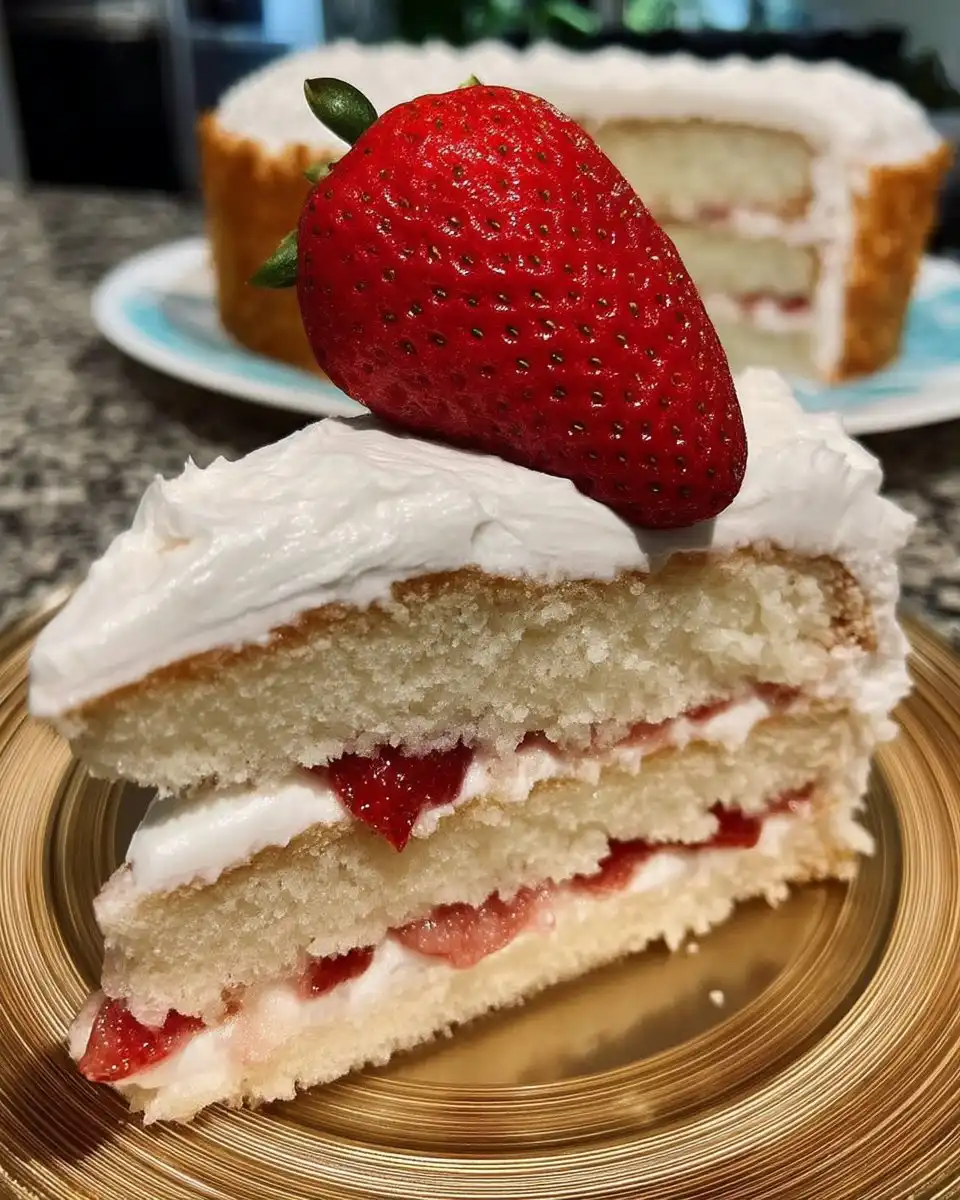
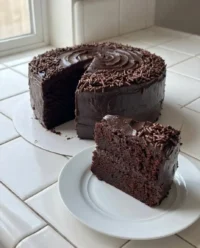
This cake is structurally sound enough to stack for tiered events but tender enough to serve simply. Because it uses real butter, the crumb will firm up significantly when cold. Always serve this cake at room temperature (70°F–72°F) to ensure the butter is soft and the flavor releases properly on the palate. It pairs beautifully with Swiss meringue buttercream or, for a nostalgic contrast, a fudge frosting like the one on our old-fashioned-chocolate-cake.
Mastery Through Science
Mastering this Classic Vanilla Butter Cake is about respecting the variables of time and temperature. Once you understand how 65°F ingredients create a stable emulsion, you can apply that logic to every batter you mix. For a different take on classic textures, you might also enjoy testing our vintage-cake recipe next.
If you enjoyed the precision of this recipe, inspired by the rigorous testing at Serious Eats, please share your results with us. Tag us on Instagram or pin this chart to your Pinterest boards.