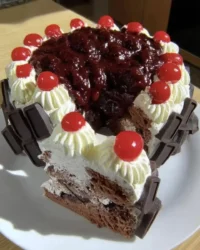
In the Cake Peak test kitchen, we analyzed the structural differences between batter baked in small tins versus sheet pans. We found that baking a shallow 9×12-inch sheet and cutting out rounds yields a significantly more uniform crumb structure than individual molds, which often suffer from doming and tunneling. This recipe uses a hybrid fat method—combining butter for flavor and oil for sensation—to create a sturdy yet tender crumb perfect for precise cutting.

This method offers a scientific solution to the common problem of dry mini cakes. By maximizing the surface area during baking and minimizing the time in the oven, we retain more moisture in the gelatinized starch network. Whether you are assembling trendy bento cakes or simple tea cakes, this base formula provides the consistent stability required for professional-level results.
The Science of Hybrid Fats
Why use both butter and oil? We tested this recipe with 100% butter and 100% oil variants. The all-butter version offered superior flavor but dried out faster due to the water content in butter evaporating. The all-oil version was moist but lacked the structural aeration needed for a layer cake.
By creaming the butter with sugar first, we mechanically incorporate air for lift. Adding oil later coats the flour proteins, limiting gluten formation for tenderness while extending the shelf life of your mini cakes. This dual approach guarantees a texture that is both stable enough to stack and soft enough to melt in your mouth.
Print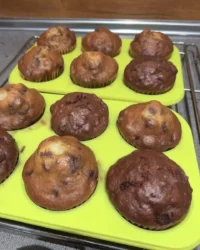
Mini Cake
- Total Time: 48 mins
- Yield: 12 mini cakes
- Diet: Vegetarian
Description
Create perfectly structured mini cakes using a professional sheet-pan method and a unique hybrid fat formula. This recipe combines butter and oil for a moist, stable crumb that is ideal for cutting into precise shapes without crumbling.
Ingredients
- 2 ¼ cups all-purpose flour
- 2 teaspoons baking powder
- ½ teaspoon kosher salt
- ½ cup unsalted butter, softened (65–67°F)
- 1 ½ cups granulated sugar
- ¼ cup neutral oil (canola or vegetable)
- 3 large eggs, room temperature
- 2 teaspoons vanilla extract
- 1 cup whole milk, room temperature
Instructions
- Preheat your oven to 350°F (175°C) and line a 9×12-inch baking pan with parchment paper.
- In a medium bowl, whisk together the flour, baking powder, and salt for 30 seconds to ensure even distribution.
- Cream the softened butter and granulated sugar in a large bowl for 3 to 4 minutes until pale and fluffy, then beat in the oil for another minute.
- Add the eggs one at a time, mixing well after each addition, then stir in the vanilla extract.
- Set the mixer to low speed and add half the dry ingredients, followed by the milk, and finally the remaining dry ingredients, mixing only until just combined.
- Pour the batter into the prepared pan and bake for 25 to 28 minutes, or until the internal temperature reaches 205°F.
- Allow the cake to cool completely on a wire rack before using metal rings to cut out your mini cake rounds.
Notes
To ensure the best results, always use a kitchen scale for flour measurements to avoid a dense texture. If you find the cake rounds sticking to your cutters, dip the metal ring in warm water between each cut to create a cleaner edge. For the most stable assembly, chill your cake rounds for at least 30 minutes before frosting.
- Prep Time: 20 mins
- Cook Time: 28 mins
- Category: Dessert
- Method: Baking
- Cuisine: American
Material Requirements & Variables
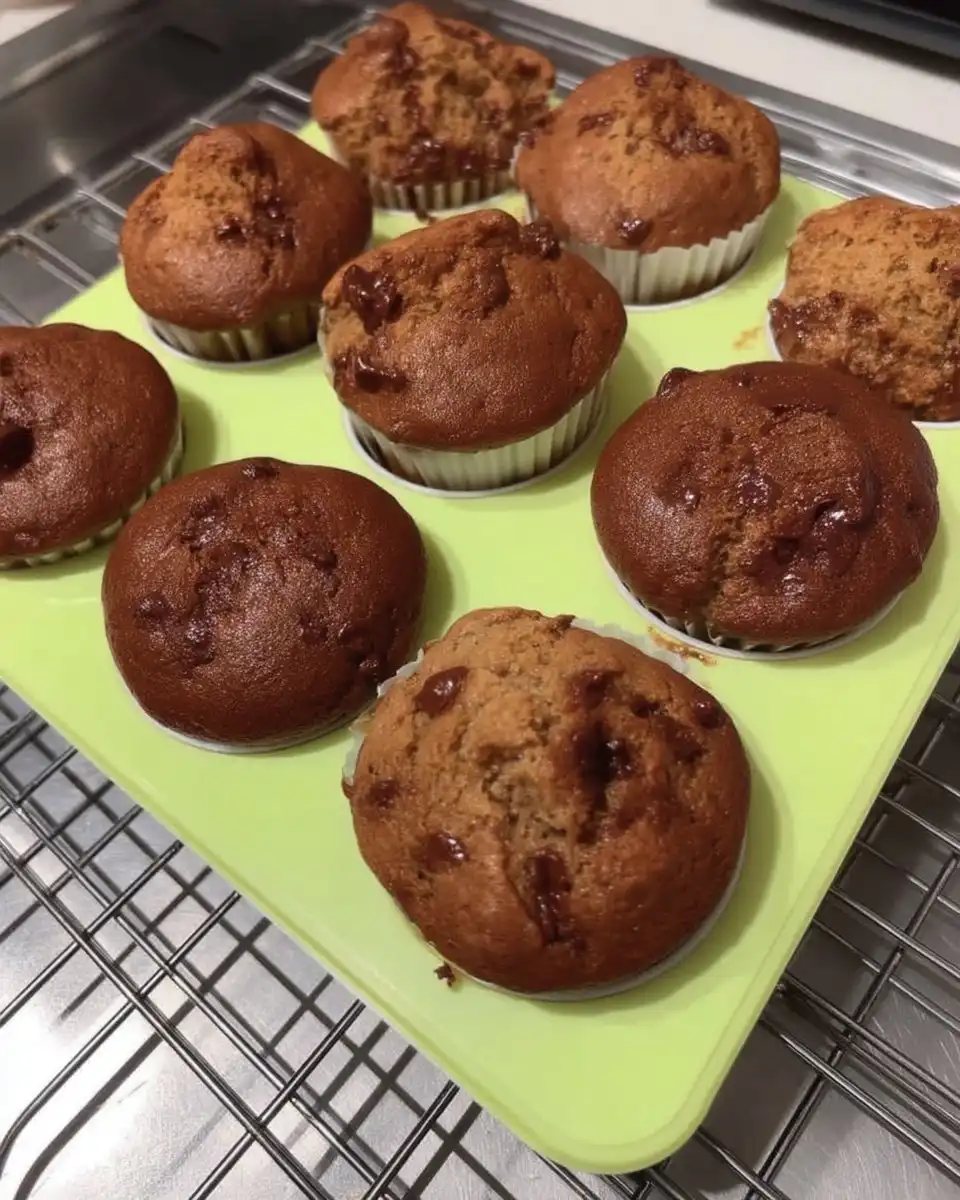
Precision in ingredient temperature and measurement is critical for emulsion stability.
- Unsalted Butter: Must be softened to exactly 65–67°F. If it is too warm (oily), it cannot hold air bubbles; if too cold, it won’t emulsify. We use unsalted to control the sodium data point.
- Neutral Oil: Canola or vegetable oil works best. This remains liquid at room temperature, contributing to the perception of moistness.
- Cake Flour vs. All-Purpose: This recipe uses 2 ¼ cups all-purpose flour. We found the higher protein content (compared to cake flour) provides the necessary structure for handling and cutting the cake rounds without crumbling.
- Eggs: Three large eggs, room temperature. Cold eggs will shock the butter fat, causing the batter to curdle (break emulsion), which leads to a dense, greasy final product.
- Milk: Whole milk at room temperature adds liquid for starch hydration.
- Leavening: Baking powder provides the primary lift. Ensure yours is fresh; inactive baking powder is a common cause of density failures.
The Method
Step 1: Thermal Prep
Preheat your oven to 350°F (175°C). We recommend using an oven thermometer to verify accuracy, as internal sensors can drift. Line a 9×12-inch baking pan with parchment paper, leaving a slight overhang for easy removal. Do not grease the sides if you want a flat top; the batter needs to climb the pan.
Step 2: Dry Blend
In a large bowl, whisk together the 2 ¼ cups flour, 2 teaspoons baking powder, and ½ teaspoon kosher salt. Whisking for 30 seconds ensures the leavening agent is evenly distributed, preventing large air pockets or metallic taste spots.
Step 3: Aeration Phase
Using an electric mixer, beat the ½ cup softened butter and 1 ½ cups granulated sugar on medium speed. This process, known as creaming, should take 3 to 4 minutes. You are looking for a pale yellow color and a fluffy texture. Next, add the ¼ cup oil and mix for another minute until the mixture is visibly aerated.
Step 4: Emulsification
Reduce the mixer speed to medium-low. Add the 3 eggs one at a time, waiting about 15 seconds between each addition. This allows the water in the whites to emulsify with the fat. Add the 2 teaspoons vanilla extract and mix briefly. Scrape down the bowl’s sides and bottom to incorporate any unmixed butter film.
Step 5: The Two-Stage Addition
Add half of the flour mixture and mix on low speed just until the flour streaks disappear. Pour in the 1 cup milk, mixing until combined. Finally, add the remaining flour. Mix only until incorporated—do not overmix, or you will activate the gluten and create a tough, rubbery cake. Finish by folding with a rubber spatula by hand.
Step 6: Baking & Cooling
Pour the batter into the prepared pan and smooth it with an offset spatula. Bake for 25 to 28 minutes. The cake is done when the internal temperature reaches 205–210°F or a toothpick comes out clean. Cool completely on a wire rack before using cutter rings to punch out your contemporary small format cake rounds.
Lauren’s Lab Notes
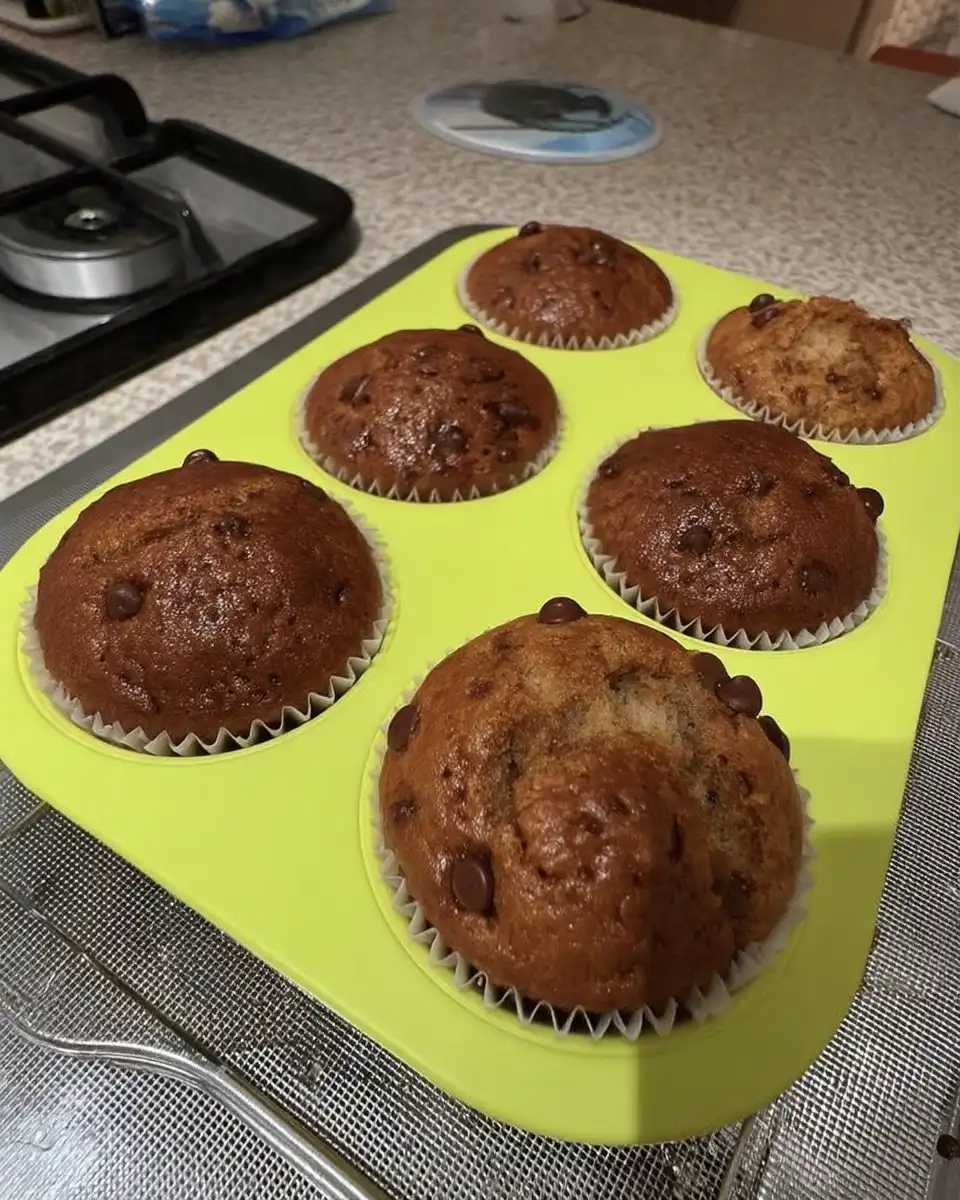
- The Freeze-Cut Technique: For the sharpest edges on your mini cakes, wrap the cooled sheet cake in plastic and freeze it for 45 minutes before cutting. The semi-frozen crumb resists tearing, giving you professional, cylindrical sides.
- Scrap Utilization: You will have leftover cake scraps after cutting out your rounds. Don’t discard them. We crumble these to make cake truffles or layer them into parfaits.
- Internal Temperature: If your cakes often sink, you are likely underbaking. Trust your thermometer over the timer; the center must reach roughly 205°F to ensure the starch structure is set.
- Pan Material: We tested this in dark metal vs. aluminum. Dark metal absorbs heat faster and may brown the edges too quickly. If using dark pans, reduce the oven temperature by 25°F.
Tested Modifications
- Citrus Infusion: Rub 1 tablespoon of lemon or orange zest into the sugar before creaming. The friction releases essential oils for a more potent flavor than extract alone.
- Spice Cake: Add 1 teaspoon cinnamon and ¼ teaspoon nutmeg to the dry mix.
- Rapid Single-Serve: If you lack the time for the full sheet-pan method, you might prefer a chocolate mug cake approach, though the texture will be steamier and less structured than this oven-baked crumb.
- Mini Cupcakes: This batter works perfectly in mini muffin tins. Bake at 350°F for 12–15 minutes. The yield will be approximately 48 mini cupcakes.
Assembly & Presentation
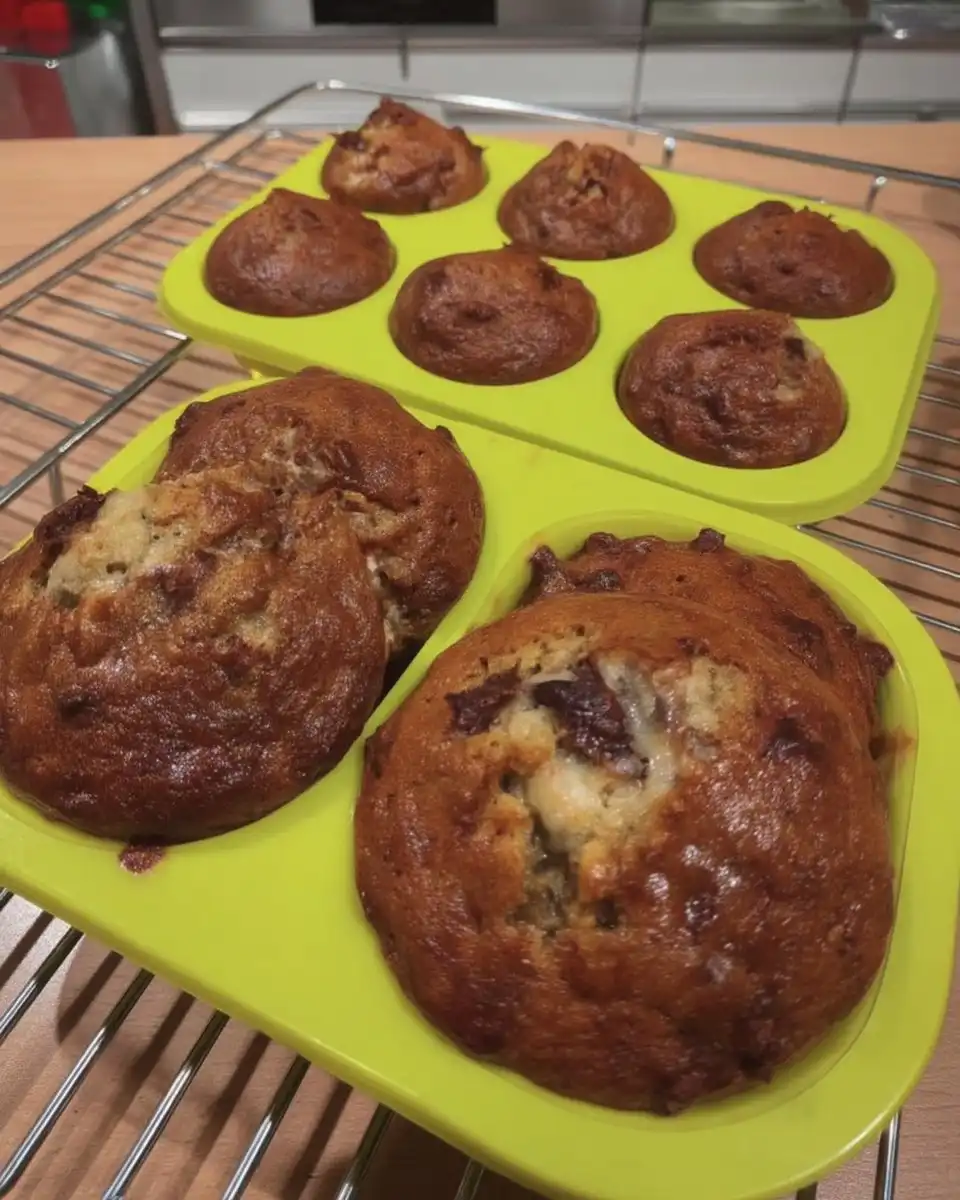
Constructing a mini cake requires more stability than a large round because the surface area for adhesion is smaller.
- Structural Buttercream: Use a stable frosting like Swiss Meringue or American Buttercream. Avoid soft whipped creams or loose glazes if you plan to stack layers.
- Dowel Support: For mini cakes taller than 4 inches, insert a wide bubble tea straw down the center to prevent sliding.
- Design: These clean-cut rounds are perfect for a vintage cake aesthetic—think intricate piping and Lambeth-style borders on a miniature scale.
- Tutorial: For advanced stacking techniques, we recommend reviewing this mini layer cake tutorial to master the crumb coat on such a small surface area.
Mastery Through Science
Baking is chemistry, and this mini cake recipe proves that understanding your variables—temperature, fat ratios, and timing—leads to consistent success. By moving away from individual molds and utilizing the sheet-pan-and-cut method, you achieve perfect cylindrical symmetry and moisture retention every time. Once you master this base, visit our celebration design studio for more architectural inspiration.
If you enjoyed this technical approach to baking, share your results with us on Facebook, Pinterest, or Instagram. We love seeing your data points in action!