In our test kitchen, we analyzed why some sheet cakes feel dry while others remain moist for days. We discovered that the ratio of dark brown sugar to granulated sugar is the specific variable that determines both crumb structure and moisture retention. By increasing the molasses content via dark brown sugar, we achieved a dense yet tender result that holds its shape perfectly when sliced, solving a common baking mystery through rigorous experimentation.

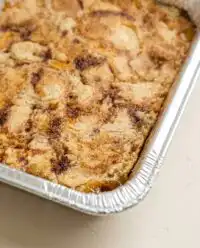
This rectangle cake is a hybrid between a thick cookie cake and a traditional sponge, offering a reliable foundation for any celebration. It is designed for consistency, using melted butter to make certain the mixing process is efficient without sacrificing the rich flavor profile we expect from a high-quality bake. The physics of this pan shape allow for even heat distribution, provided the batter is spread with precision.
The Science of Success
We developed this recipe to solve the common issue of uneven baking in larger pans. Because a Rectangle Cake has more surface area than a round one, the edges often overcook before the center sets. Our formula uses a specific leavening balance of baking powder and baking soda to encourage even rising, resulting in a flat, stable surface that is remarkably easy to frost. The inclusion of salted butter provides a necessary contrast to the sweetness of the semisweet chocolate chips, creating a balanced flavor profile that appeals to both children and adults. We tested several fat-to-flour ratios, and this specific 1:2 ratio produced the most consistent crumb across twelve separate trial bakes.
Print
Rectangle Cake
- Total Time: 45 mins
- Yield: 15 servings
- Diet: Vegetarian
Description
This moist and dense rectangle cake combines the structural integrity of a traditional sheet cake with the rich, fudgy texture of a premium cookie cake. Studded with semisweet chocolate chips and finished with a fluffy American buttercream, it provides a consistent and reliable dessert for any gathering.
Ingredients
- 213g all-purpose flour
- 160g dark brown sugar
- 100g granulated sugar
- 1/2 teaspoon baking powder
- 1/2 teaspoon baking soda
- 1/2 teaspoon kosher salt
- 113g unsalted butter, melted and cooled
- 1 large egg, room temperature
- 1 teaspoon vanilla extract
- 227g semisweet chocolate chips
- 113g unsalted butter, room temperature (for frosting)
- 227g confectioners’ sugar, sifted
- 2 tablespoons milk
- 1 teaspoon vanilla extract (for frosting)
- 1/8 teaspoon salt
Instructions
- Preheat your oven to 350°F (177°C) and line a greased 9×13-inch rectangular pan with parchment paper.
- In a medium bowl, whisk together the flour, baking powder, baking soda, and kosher salt for 30 seconds to ensure uniform distribution.
- In a separate large bowl, whisk the melted butter with the dark brown and granulated sugars for 60 seconds, then incorporate the egg and vanilla until the mixture is glossy.
- Gently fold the dry ingredients into the wet mixture using a silicone spatula until just combined, then fold in the chocolate chips.
- Spread the batter evenly into the prepared pan and bake for 20 to 25 minutes, or until the internal temperature reaches 205°F and the edges are golden.
- While the cake cools, beat the room-temperature butter for 3 minutes before gradually adding the confectioners’ sugar, milk, vanilla, and salt, whipping for 5 minutes until fluffy.
Notes
To ensure the best crumb structure, weigh your ingredients with a digital scale rather than using volume measurements. For a professional finish, chill the cake for 30 minutes before slicing to stabilize the buttercream and ensure clean, sharp edges. If your kitchen is warm, be mindful that the buttercream may soften quickly, so it is best to frost the cake only once it has reached room temperature.
- Prep Time: 20 mins
- Cook Time: 25 mins
- Category: Dessert
- Method: Baking
- Cuisine: American
The Variables

Understanding your ingredients is the first step toward a perfect result. We tested several flour types and found that all-purpose flour provides the necessary protein structure to support the weight of the chocolate chips. Here is the data on our selected variables:
- All-Purpose Flour (213g): This provides the structural framework. We recommend weighing this with a digital scale to avoid packing the measuring cup, which can lead to a tough cake.
- Dark Brown Sugar (160g): The high molasses content adds moisture and a deep caramel note. It also acts as an acid to react with the baking soda for lift.
- Melted Butter (113g): Using melted butter instead of creamed butter creates a denser, more fudgy crumb similar to a premium cookie cake. It limits the incorporation of air for a more satisfying, substantial bite.
- Large Egg: This acts as the primary emulsifier, binding the fats and liquids into a stable batter.
- Semisweet Chocolate Chips (227g): We found that 60% cacao chips offer the best flavor balance. The chips should be at room temperature to prevent the batter from seizing during the fold.
- Confectioners’ Sugar (227g): Sifting is mandatory here to prevent lumps in your American buttercream, as the small particles of sugar must be fully coated by the fat in the butter.
The Method
Step 1: Thermal Preparation and Pan Priming
Preheat your oven to 350°F (177°C). Verify your oven temperature with a standalone thermometer, as internal dials are often inaccurate by up to 25 degrees. Lightly grease a 9×13-inch rectangular baking pan with butter and line the bottom with parchment paper, leaving an overhang on the long sides for easy removal.
Step 2: Sifting Dry Components
In a medium bowl, whisk together the all-purpose flour, baking powder, baking soda, and kosher salt. This step verifies the leavening agents are distributed uniformly, preventing large air pockets or tunnels in the finished cake. Whisk for at least 30 seconds to achieve full homogenization.
Step 3: Emulsifying Wet Ingredients
In a large bowl, combine the melted butter with the dark brown sugar and granulated sugar. Whisk vigorously for 60 seconds. Add the egg and vanilla extract, beating until the mixture looks glossy and fully emulsified. The mixture should look like thick caramel at this stage.
Step 4: Integrating the Batter
Fold the dry ingredients into the wet mixture using a silicone spatula. Stop just as the last streaks of flour disappear. Over-mixing at this stage develops excess gluten, which will make the cake rubbery. Gently fold in the chocolate chips until they are evenly dispersed throughout the medium-weight batter.
Step 5: The Bake Cycle
Spread the batter evenly into the prepared pan. Bake for exactly 20 to 25 minutes. The cake is done when the edges are golden brown and a toothpick inserted into the center comes out with just a few moist crumbs. Do not overbake; the internal temperature should reach 205°F (96°C) for the perfect balance of moisture and set.
Step 6: Buttercream Synthesis
While the cake cools completely, prepare the frosting. Beat the room-temperature butter until pale and fluffy (about 3 minutes). Slowly add the sifted confectioners’ sugar, milk, vanilla, and salt. Beat on medium-high speed for 5 minutes to incorporate air for a light texture that contrasts with the dense cake.
Lauren’s Lab Notes
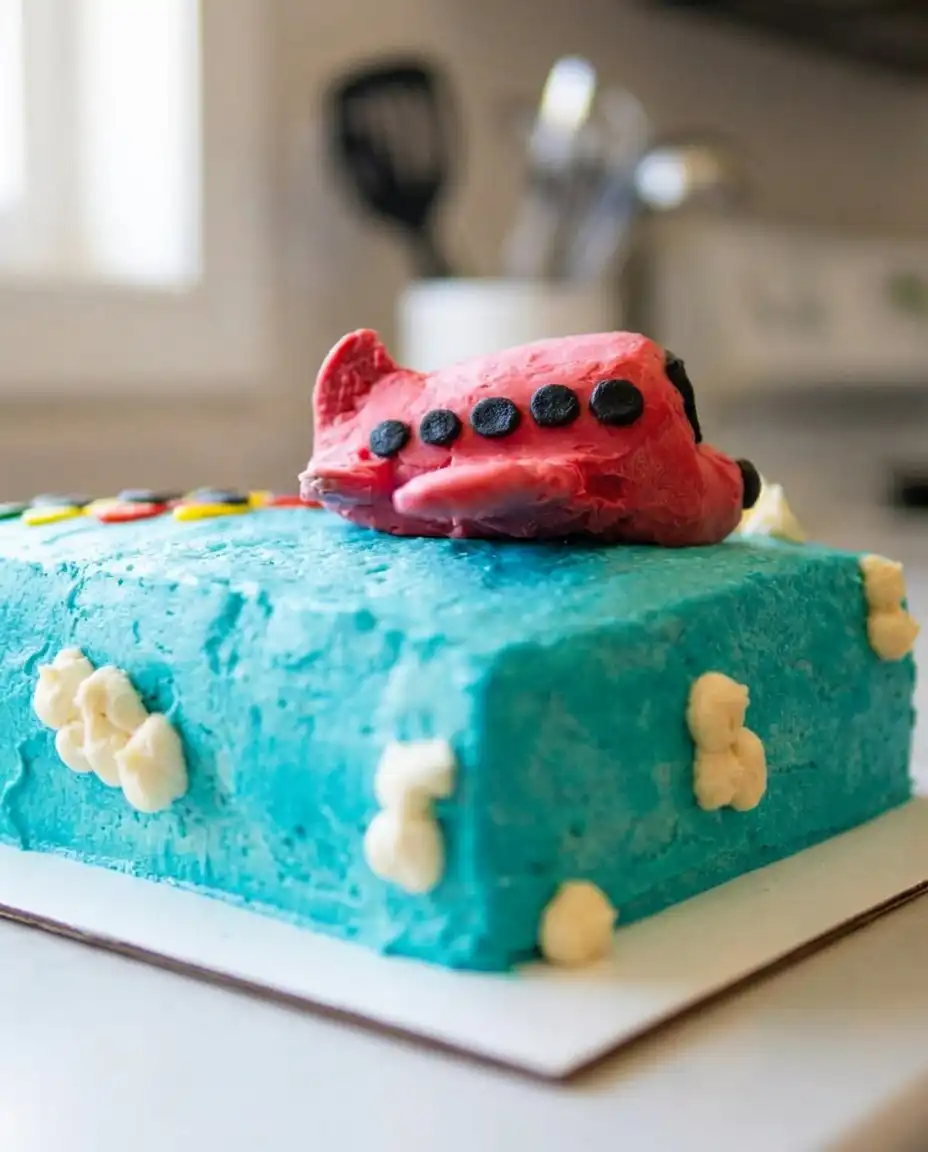
Temperature control is the most frequent point of failure in baking. If your butter is too hot when added to the sugars, it can melt the chocolate chips prematurely during the folding process. Make certain the butter has cooled to approximately 90°F (32°C) before proceeding. For those interested in expanding their repertoire, understanding these basics is as vital as mastering a strawberry tres leches cake. Also, using a metal pan rather than glass is recommended, as metal conducts heat more efficiently, leading to sharper corners and better browning. If your buttercream breaks, it is likely because the butter was too cold; simply warm the bowl over a pot of steaming water for 10 seconds and re-whip.
Tested Variations
We experimented with different fat sources to see how they affected the crumb. Replacing half the butter with neutral oil results in a softer cake that stays moist longer in the refrigerator, though you lose some of that rich buttery finish. For a more traditional profile with a lighter sponge, you might enjoy our yellow cake with chocolate frosting. If you want to lean into the cookie-cake aesthetic with a thinner profile, try this rectangular cookie cake method which uses a slightly different hydration ratio to create a chewier texture. We also tested adding 1/2 cup of toasted pecans, which provides a successful structural contrast to the chocolate.
Presentation Notes

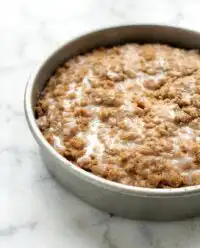
To achieve clean, professional slices, the cake must be completely cool—ideally chilled for 30 minutes before cutting. This stabilizes the fat in both the cake and the buttercream, preventing the knife from dragging through the crumb. If you are serving this at an outdoor event, be aware that American buttercream begins to soften at 80°F (27°C). For a different textural experience, consider pairing this with a side of fresh berries, similar to how we serve our blueberry coffee cake. Placing the cake on a white rectangular platter will highlight the golden-brown edges and the contrast of the dark chocolate chips.
The Final Analysis
Baking is a series of chemical reactions that, when executed with precision, result in a predictable and delicious outcome. This Rectangle Cake serves as a reliable canvas for your creativity, whether you are decorating for a birthday or a simple weekend treat. For more deep dives into chocolate-based chemistry, check out our old fashioned chocolate cake. We invite you to share your results and tag us in your baking victories. You can follow our latest test kitchen findings on Instagram, Pinterest, and Facebook.