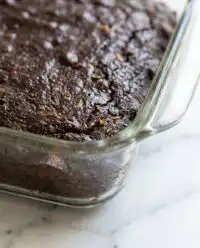
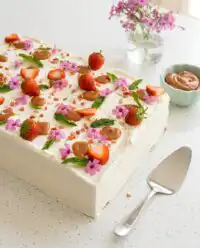
There is a quiet, steady rhythm to the autumn farmers market that I have always found grounding. Last Saturday, I found myself standing before a wooden crate overflowing with dusty, garnet-skinned sweet potatoes, still cool from the morning earth. I couldn’t help but fill my basket, knowing that these heavy, sugar-rich tubers were destined for something much more humble and honest than a complex souffle or a heavy pie.

This sweet potato cake is the very definition of farmhouse simplicity, relying on the natural sweetness of the roasted vegetable rather than a mountain of refined sugar. It is a wet cake, almost like a cross between a pudding and a sponge, that celebrates the harvest with every golden, caramelized bite. When you bake with ingredients this fresh and vibrant, the kitchen feels alive with the scent of the season, and you realize that true beauty in baking often comes from the most basic elements.
Seasonal Perfection
There is something profoundly satisfying about a recipe that lets the main ingredient speak for itself without being shouted over by spices or heavy frostings. This cake is a treasure for those who appreciate the natural, earthy sweetness of the harvest. Unlike many modern desserts that lean on sugar for impact, this treat uses the deep, honey-like notes of roasted sweet potatoes to create a flavor profile that feels both nostalgic and fresh. It is the kind of cake you bake when the air turns crisp and you want something that feels as warm as a sun-drenched field.
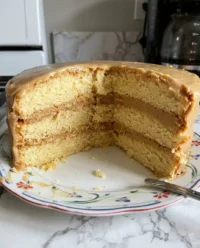
The texture of this cake is what truly makes it a farmhouse favorite. Because we use a generous amount of mashed sweet potato, the crumb remains incredibly moist, almost custard-like in the center, while the high heat of the oven creates a beautifully caramelized surface. It is rustic and unpretentious, with edges that might crack or a center that stays slightly soft—marks of a cake that hasn’t been fussed over in a factory. It is honest food, meant to be shared with friends around a wooden table while the tea is still hot and the conversation is easy.
Print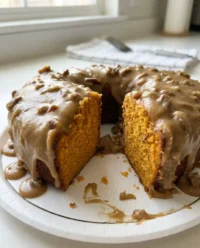
Sweet Potato Cake
- Total Time: 2 hours 5 mins
- Yield: 8 servings
- Diet: Vegetarian
Description
This rustic farmhouse cake celebrates the natural, honey-like sweetness of roasted sweet potatoes. With a texture that sits perfectly between a moist pudding and a traditional sponge, it offers a wholesome, earthy dessert perfect for crisp autumn afternoons.
Ingredients
- 900g sweet potatoes (about 2 large)
- 3 large eggs
- 100 ml single cream or full-fat milk
- 50g unsalted butter
- 150g plain flour
- 1 tsp baking powder
Instructions
- Preheat your oven to 220C (425F) and line a baking tin with parchment paper.
- Prick the sweet potatoes with a knife and roast for approximately 50 minutes until soft and caramelized, then peel and mash the flesh until smooth.
- Reduce the oven temperature to 180C (350F).
- In a mixing bowl, whisk the warm mashed sweet potato with the eggs, cream, and butter until the mixture is smooth and pale orange.
- Gently sift the flour and baking powder into the wet ingredients and fold until just combined, being careful not to over-mix.
- Spoon the batter into the prepared tin and bake for 45 to 60 minutes until the surface is golden brown.
- Let the cake cool completely in the tin to allow the moist crumb to set before serving.
Notes
For the best depth of flavor, ensure you roast the sweet potatoes whole in their skins rather than boiling them, as this concentrates their natural sugars. Because this is a high-moisture cake, it often tastes even better the next day after the flavors have had time to settle in the refrigerator.
- Prep Time: 15 mins
- Cook Time: 1 hour 50 mins
- Category: Dessert
- Method: Baking
- Cuisine: Farmhouse
The Farmhouse Pantry
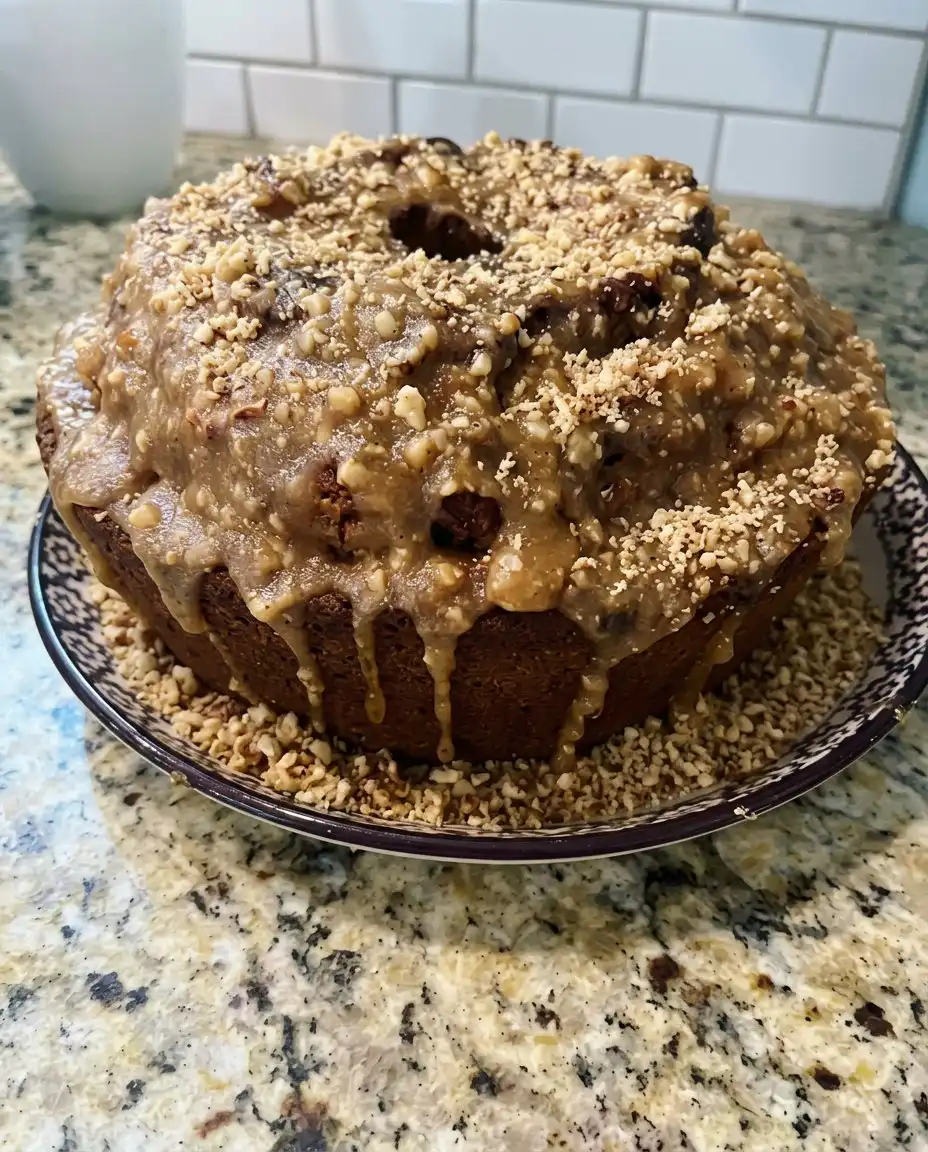
To make this cake truly shine, you want to start with the best possible ingredients you can find. I always recommend visiting your local grower to find sweet potatoes that feel heavy for their size and have smooth, unblemished skin. These are the heart of the recipe, providing both the bulk of the structure and the primary source of flavor. When you roast them whole, their natural sugars concentrate, creating a depth of flavor that you simply cannot get from boiling or using canned puree.
- Sweet Potatoes (900g): Look for two large ones that will provide plenty of rich, orange flesh. Roasting them in their skins is the secret to that deep, earthy sweetness.
- Large Eggs: Use farm-fresh eggs if you can. They help bind the batter together and provide a gentle lift that keeps the dense potato from feeling too heavy.
- Single Cream or Full Fat Milk (100 ml): This adds a silky richness to the batter. I prefer the cream for a more luxurious, farmhouse feel, but full-fat milk works beautifully for a lighter touch.
- Unsalted Butter (50g): High-quality butter provides a subtle nuttiness. Using unsalted allows the natural flavors of the potato to be the star without any unexpected salty notes.
- Plain Flour (150g): A small amount of flour gives the cake just enough structure to hold its shape while maintaining that unique, wet texture.
- Baking Powder (1 tsp): This provides just enough lift to keep the crumb from becoming a solid block, creating a more pleasant mouthfeel.
Simple Steps
Step 1: Roast the Sweet Potatoes
Start by preheating your oven to a high heat of 220C (425F). This high temperature is vital because it helps the sweet potatoes puff up and the skins to pull away slightly as they roast. Line your baking tin with paper so the cake is easy to lift out later. Take a small knife and poke a few holes into the sweet potatoes—this lets the steam escape and prevents them from bursting. Place them on a tray and roast for about 50 minutes. You want them to feel very soft when you pierce them with a fork, and you might even see some of those beautiful sugars bubbling out of the holes. Once they are soft, let them cool down enough to handle, then peel away the skin and mash the vibrant flesh in a medium bowl until it is smooth.
Step 2: Prepare the Batter
Turn the oven temperature down to 180C (350F) for the actual baking of the cake. In a separate bowl, measure out your butter and cream. Add the warm, mashed sweet potato and the large eggs. Using a hand whisk, beat the mixture until it is smooth and the colors have merged into a beautiful, pale orange. The warmth of the potatoes will help the butter incorporate, creating a rich, uniform base for your cake.
Step 3: Mix in the Dry Ingredients
Sift your plain flour and baking powder into the wet mixture. You want to mix this gently until the flour is just combined. Over-mixing can lead to a tougher cake, and we want to preserve that delicate, pudding-like quality. The batter will look thick and heavy, which is exactly what we are aiming for in this rustic style of baking.
Step 4: Bake to Perfection
Spoon the batter into your prepared tin and level the top with the back of a spoon or a spatula. Slide it into the oven and bake for 45 to 60 minutes. The high amount of moisture in the potatoes means this cake takes a little time to set. Look for a deeply caramelized surface—that golden brown color is where the flavor lives. Don’t worry if a skewer comes out a bit sticky; this is a wet cake by design. Let it cool completely in the tin before moving it. For the best texture, I find that letting it rest in the fridge helps the flavors settle and the crumb to firm up perfectly.
Farmhouse Wisdom
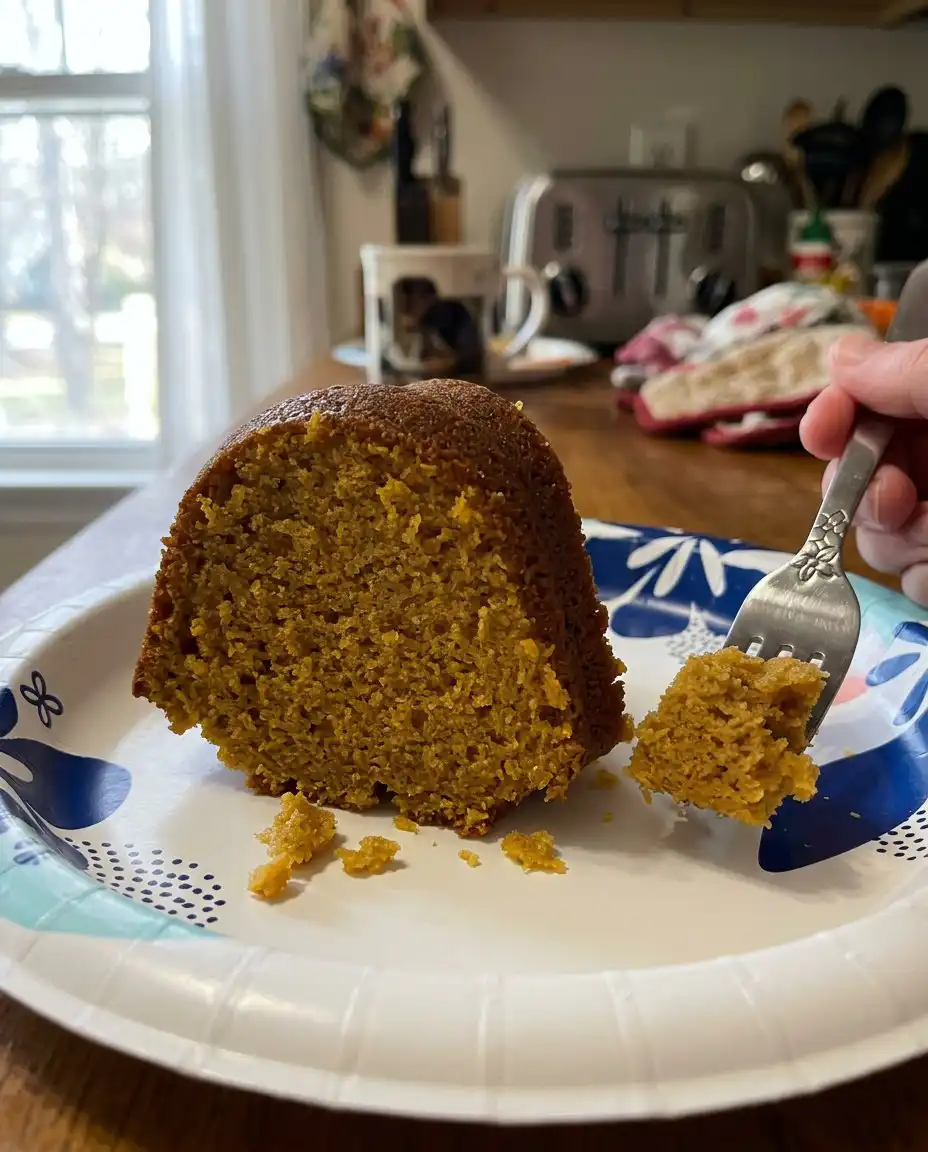
One of the most important things to remember with this cake is that its moisture content is very high. Unlike a traditional sponge, it won’t ever be bone-dry in the center. If you are looking for more fresh fruit baking ideas, you will find that many rustic cakes share this moist, dense quality that keeps them fresh for days. Make sure you don’t skip the roasting step; boiling sweet potatoes adds too much water and dilutes the flavor. For those who want to see how other cultures handle these earthy tubers, you might enjoy these Japanese home recipes that often celebrate the natural sweetness of vegetables in a similar way. Always let the cake cool fully before slicing, as the structure needs time to set after coming out of the heat.
Simple Twists
While this cake is beautiful in its simplicity, you can easily adapt it to what you have in your pantry or the specific season. If you find yourself with an abundance of autumn fruit, you might consider trying an irish apple cake for a different take on rustic textures. For this sweet potato version, try adding a teaspoon of ground ginger or a dash of nutmeg to the flour to lean into those warm, winter vibes. You could also swap the single cream for coconut milk if you want a subtle tropical undertone that pairs wonderfully with the earthiness of the potato. If you prefer a bit of crunch, folding in a handful of chopped pecans or walnuts just before baking adds a lovely contrast to the soft crumb.
At the Table
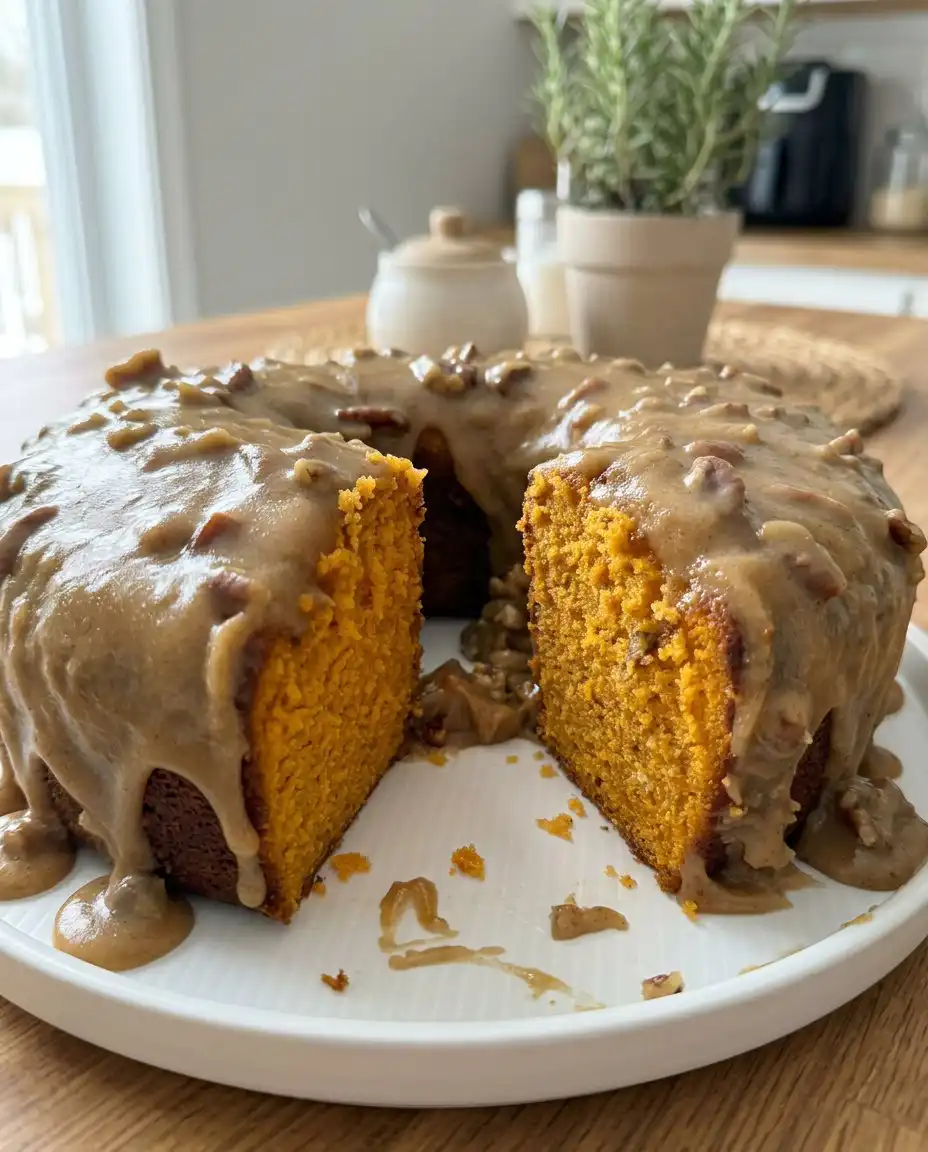
Serving this cake is all about highlighting its rustic charm. I love to bring it to the table right on its baking paper, perhaps on a wooden board. A simple dollop of unsweetened whipped cream or a tiny drizzle of maple syrup is all it needs to feel like a special treat. If you are serving this for a midday snack, it pairs beautifully with a cup of strong coffee, much like my blueberry coffee cake does during the summer months. For a truly farmhouse experience, serve a slice with a wedge of sharp cheddar cheese—the saltiness of the cheese brings out the hidden depths of the sweet potato in a way that is absolutely surprising and wonderful.
The Simple Truth
There is a real joy in baking something that feels so connected to the earth. This sweet potato cake doesn’t try to be anything other than what it is: a humble, wholesome celebration of the harvest. Whether you are baking this for a quiet Sunday afternoon or as a unique addition to a holiday spread, it serves as a reminder that the best flavors often come from the simplest ingredients treated with care. If you find yourself craving something a bit more decadent but still grounded in tradition, our old fashioned chocolate cake is another wonderful way to bring family together. I would love to see your rustic bakes, so please share them with me on Pinterest or Instagram. You can also find more farmhouse inspiration on our Facebook page. Keep your baking honest, your ingredients fresh, and your kitchen warm.