In the Cake Peak test kitchen, we recently conducted a series of experiments to isolate why eggless sponges often fail to achieve the structural integrity of their traditional counterparts. Our data revealed that by adjusting the ratio of buttermilk to baking soda, we could create a chemical reaction robust enough to provide significant lift without the need for egg proteins. This discovery allows us to produce a Pastry Cake with a remarkably fine crumb that remains stable during the complex assembly process.

This Eggless Black Forest Pastry Cake is a study in precision and layered flavor profiles. By combining a scientifically-balanced chocolate sponge with a temperature-controlled cherry syrup and stabilized cream, we achieve a result that is both technically sound and aesthetically refined. Every component has been tested to verify that it contributes to a cohesive, professional-grade dessert.
The Science of Success: Why This Pastry Cake Works
This recipe succeeds because it respects the fundamental chemistry of eggless baking. Most bakers struggle with density in egg-free recipes, but our method uses a specific acid-base reaction between buttermilk and baking soda to create a uniform gas expansion. This results in a sponge that is light yet strong enough to support the weight of the cherry infusion and whipped cream layers.
We also focus on the moisture-to-fat ratio. Using oil instead of butter allows the cake to remain soft even when refrigerated, which is critical for a pastry served cold. The addition of cornstarch effectively lowers the overall protein content of the all-purpose flour, mimicking the delicate nature of cake flour while maintaining the structural ‘spine’ of the pastry. This Pastry Cake is designed for those who value repeatability and technical excellence in their home laboratory.
Print
Pastry Cake
- Total Time: 4 hours 50 mins
- Yield: 10 servings
- Diet: Egg-Free, Vegetarian
Description
This scientifically-developed eggless chocolate pastry features a meticulously balanced crumb structure and a vibrant cherry syrup infusion. Finished with a stabilized, temperature-controlled whipped cream, it delivers a refined dessert experience with professional-grade results.
Ingredients
- 1 1/2 cups all-purpose flour
- 1 tablespoon cornstarch
- Unsweetened cocoa powder
- Baking soda
- Salt
- Granulated sugar
- Vegetable oil
- Chocolate extract
- 1 cup plus 1 tablespoon buttermilk
- Water
- Maraschino cherries
- Heavy whipping cream
- Powdered sugar
- Cream of tartar
- Chocolate shavings
Instructions
- Preheat oven to 350°F (177°C) and grease a 9.5 x 5-inch baking pan, lining it with parchment paper for a clean release.
- Sift the flour, cocoa powder, cornstarch, baking soda, and salt together three times to ensure the leavening agent is distributed at a molecular level.
- In a stand mixer fitted with a whisk attachment, combine the oil, sugar, and chocolate extract and whisk on medium speed for exactly 3 minutes.
- Add the dry ingredients to the wet mixture and slowly pour in the buttermilk, mixing on the lowest setting until just combined.
- Pour the batter into the prepared pan, tap firmly on the counter three times to release air pockets, and bake for 15-18 minutes.
- Allow the cake to set in the pan for 10 minutes before transferring to a wire rack for one full hour of cooling.
- Combine water, sugar, and sliced cherries in a saucepan, bring to a boil, then simmer on low for exactly 5 minutes before cooling.
- Whisk cold heavy whipping cream, powdered sugar, and cream of tartar in a chilled bowl on high speed until stiff peaks form.
- Divide the cooled cake into two horizontal layers and soak the base layer with the prepared cherry syrup.
- Spread 1 cup of stabilized cream and the sliced cherries over the base, then top with the second layer, remaining syrup, and remaining cream.
- Garnish with chocolate shavings and chill the assembled pastry for at least 4 hours before serving.
Notes
For the most consistent results, confirm your oven accuracy with a secondary thermometer, as even a minor variance can impact the moisture level of this eggless sponge. Additionally, ensure the buttermilk is at room temperature to prevent the fat from seizing during the emulsification process.
- Prep Time: 30 mins
- Cook Time: 20 mins
- Category: Dessert
- Method: Baking
- Cuisine: Black Forest
Analyzing the Variables: The Ingredient Science
To achieve a perfect result, each ingredient must be measured with precision. We have tested these variables to verify their performance in the oven.
- All-Purpose Flour and Cornstarch: We use 1 1/2 cups of flour combined with 1 tablespoon of cornstarch. This specific ratio dilutes the gluten-forming proteins, resulting in a more tender crumb structure.
- Unsweetened Cocoa Powder: This provides flavor and contributes to the acidic environment needed for the baking soda to react. We recommend sifting it three times to prevent clumping.
- Baking Soda and Buttermilk: These are your leavening agents. The lactic acid in the buttermilk reacts with the sodium bicarbonate (baking soda) to produce carbon dioxide. We use exactly 1 cup plus 1 extra tablespoon of buttermilk to achieve the ideal batter viscosity.
- Vegetable Oil: We chose oil over butter because it remains a liquid at cooler temperatures, confirming that your pastry won’t turn hard or dry in the refrigerator.
- Cream of Tartar: This is used in the whipped cream as a stabilizer. It functions by preventing the fat globules from over-coalescing and weeping, which keeps your frosting stable for hours.
- Maraschino Cherries and Sugar: These are simmered to create a syrup with a specific brix level (sugar concentration) that allows it to soak into the cake without making it disintegrate.
The Step-by-Step Method: Precision Engineering
Step 1: Dry Ingredient Sifting and Prep
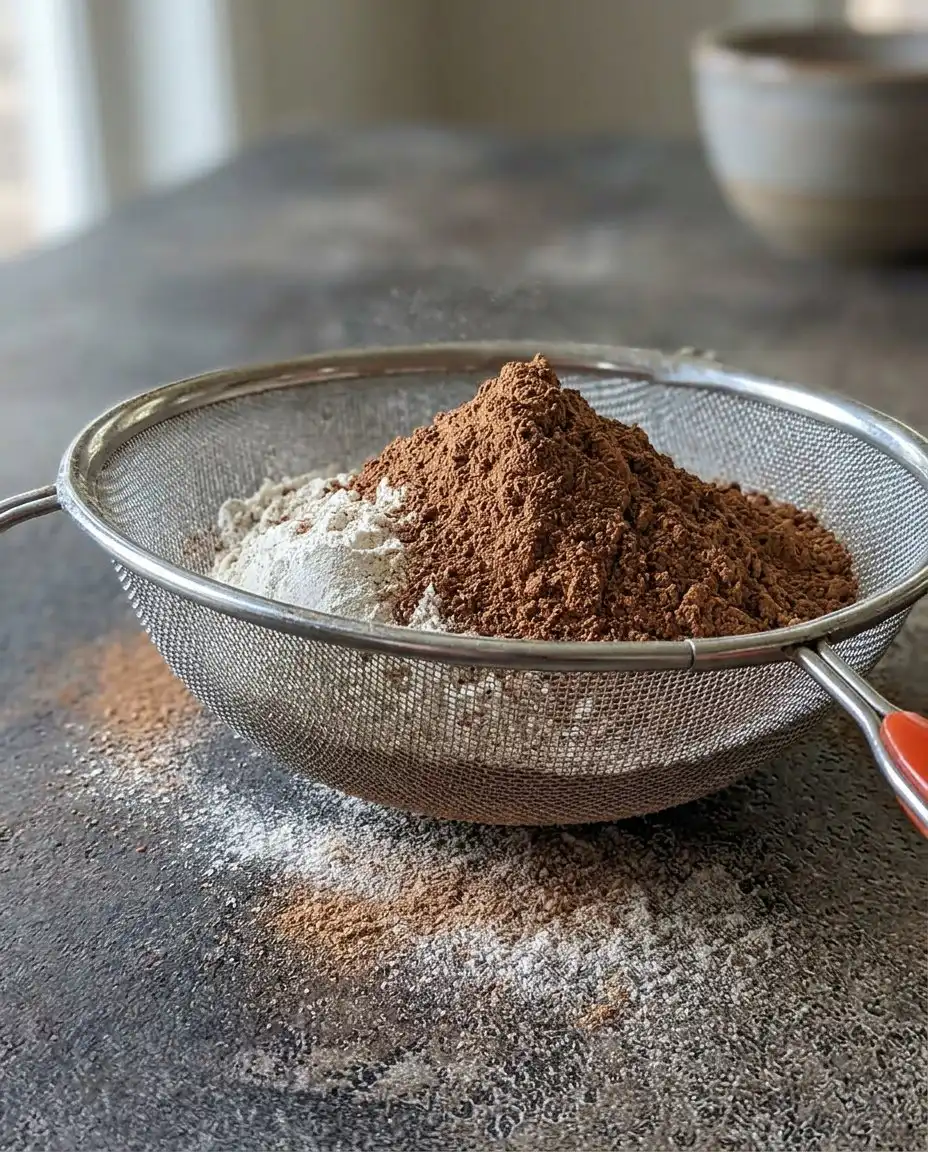
Preheat your oven to exactly 350°F (177°C). Prepare a 9.5 x 5-inch baking pan by greasing it, lining it with parchment paper, and greasing the paper again. This double-greasing method confirms a clean release. Sift the flour, cocoa powder, cornstarch, baking soda, and salt into a large bowl. Repeat the sifting process twice more to verify that the leavening agent is distributed at a molecular level.
Step 2: Emulsifying the Fat and Sugars
In the bowl of a stand mixer fitted with the whisk attachment, combine the oil, sugar, and chocolate extract. Whisk on medium speed for exactly 3 minutes. While it may seem simple, this step helps to evenly disperse the sugar crystals within the oil, which leads to a more uniform crumb during the baking cycle.
Step 3: Incorporating the Leavening Agent
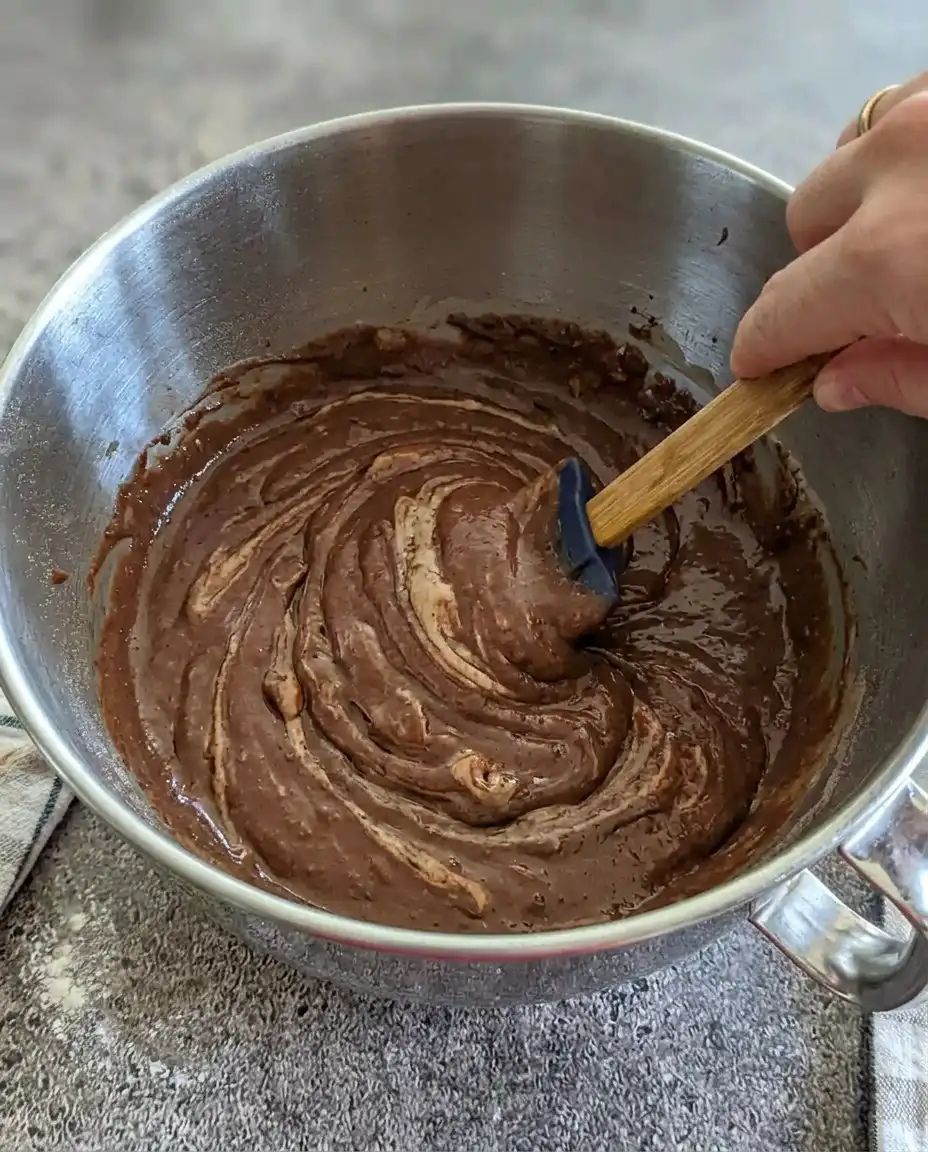
Add the sifted dry ingredients to the wet mixture. With the mixer on the lowest setting, slowly pour in the buttermilk. Mix only until the streaks of flour disappear. Over-mixing at this stage will develop too much gluten, which would ruin the delicate texture of our pastry. The batter should have a glossy finish and coat the back of a spoon smoothly.
Step 4: Temperature-Controlled Baking
Pour the batter into the prepared pans. Tap them firmly on the counter three times to release any trapped air pockets. Bake for 15-18 minutes. Use a toothpick to check the center; it should come out with exactly a few moist crumbs attached. If it is clean, the cake may be overbaked and dry. Let the cake set in the pan for 10 minutes before transferring to a wire rack for one full hour of cooling.
Step 5: Preparing the Cherry Infusion
While the cake cools, combine water and sugar in a small saucepan. Bring to a boil over medium heat, then add the sliced cherries. Reduce the heat to the lowest setting and simmer for exactly 5 minutes. This timeframe allows the sugar to penetrate the cherries while creating a syrup with the correct viscosity for soaking. Set aside to cool to room temperature.
Step 6: Molecular Stabilization of the Whipped Cream
Place your mixing bowl and whisk attachment in the freezer for at least 10 minutes. Cold equipment is non-negotiable for a stable emulsion. Combine the heavy whipping cream, powdered sugar, and cream of tartar. Whisk on high speed until stiff peaks form. The cream of tartar reinforces the protein structures, making the cream resistant to collapsing.
Step 7: Precision Assembly and Layering
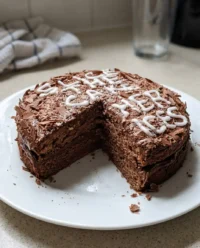
Divide the cooled cake into two equal horizontal layers. Place the base layer on a plate and spoon the cherry syrup across the surface, focusing on the edges which tend to dry out first. Spread 1 cup of the stabilized whipped cream in an even layer. Arrange the sliced cherries across the cream, then top with the second cake layer. Repeat the syrup soak and finish with the remaining cream and chocolate shavings.
Lauren’s Lab Notes: Troubleshooting and Technique
During our testing phases, we found that the temperature of the buttermilk is a critical variable. If the buttermilk is too cold, it can cause the oil to clump, leading to an uneven bake. Aim for exactly 68°F (20°C) for the best emulsification results. If you find your cake is too crumbly to slice, it may be because the gluten structure was too weak; next time, try whisking the batter for an additional 15 seconds to slightly increase protein development. For those interested in mastering more complex textures, I recommend reviewing our foundational recipes to understand the core principles of crumb stabilization. Additionally, always verify your oven temperature with a secondary thermometer, as even a 10-degree variance can alter the final moisture content of this eggless sponge. For more advanced techniques on eggless structures, you can find valuable data at Ruchi’s Kitchen.
Tested Variations: Data-Driven Customization
We tested three different fat sources for this recipe: butter, margarine, and vegetable oil. Vegetable oil provided the most consistent results for a refrigerated pastry, but if you prefer a richer flavor, you can substitute half of the oil with melted, cooled unsalted butter. We also experimented with fruit ratios; while maraschino cherries are traditional, we found that fresh tart cherries provide a superior acidity that balances the sugar. If you choose to use fresh fruit, increase the sugar in the syrup by 1 tablespoon. For those who enjoy a fruit-forward profile, this method can be adapted using techniques found in our Irish apple cake guide, particularly regarding moisture management in fruit-heavy sponges. Another tested variation involves adding 1/2 teaspoon of espresso powder to the dry ingredients, which chemically enhances the perception of chocolate without adding a coffee flavor.
Presentation and Stability: The Final Analysis
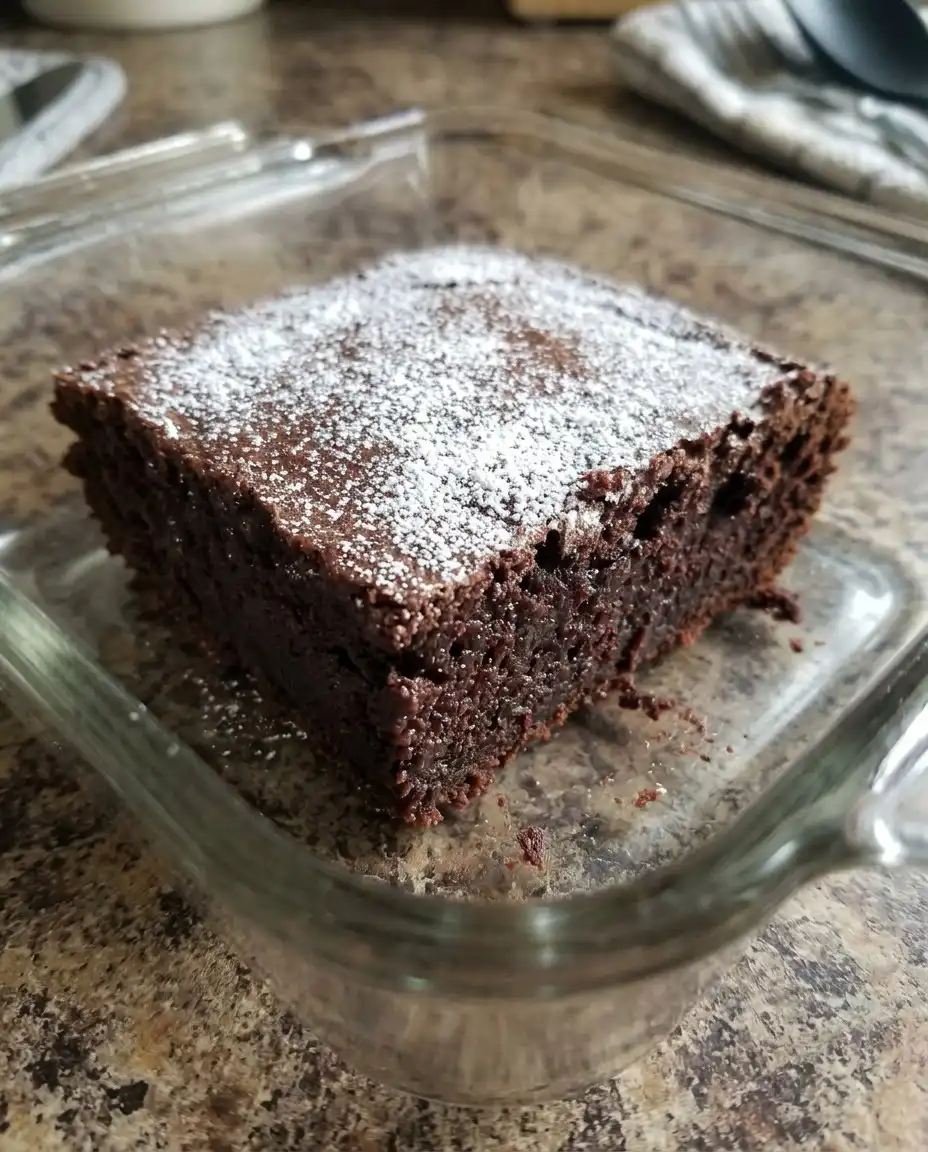
For the cleanest slices, we recommend chilling the assembled Pastry Cake for at least 4 hours before serving. This allows the cherry syrup to fully migrate into the sponge fibers and the stabilized whipped cream to set firmly. Use a sharp chef’s knife dipped in hot water and wiped dry between every single cut. This prevents the cream from dragging and confirms that each layer remains distinct and visible. If you are interested in incorporating seasonal variations, consider our tips on fresh fruit baking to ensure your garnishes remain stable at room temperature. For peak flavor, serve the pastry at approximately 55°F (13°C)—slightly below room temperature but not ice cold—to allow the chocolate notes to be fully perceived by the palate.
Mastery Through Science: The Final Conclusion
Achieving the perfect eggless Pastry Cake is a rewarding challenge that demonstrates the power of chemical leavening and temperature control. By following these precise test kitchen protocols, you can bypass the common pitfalls of egg-free baking and produce a dessert that rivals any traditional sponge. We encourage you to continue verifying your results and adjusting the variables to suit your specific kitchen environment. If you enjoyed this technical approach to baking, you might find our analysis of the blueberry coffee cake equally fascinating. Please share your results and technical triumphs with our community on Pinterest, Instagram, Facebook, or TikTok.