In the Cake Peak test kitchen, we analyzed the structural requirements for a vertical, free-standing character cake without using internal dowels or complex supports. By pairing a 6-inch round base with a 3D ball cake top, we created a stable center of gravity that resists tipping during the icing process. Our testing proved that specific batter volumes are critical to achieving the height necessary for a convincing ghostly silhouette without sacrificing the integrity of the crumb.

This ghost cake relies on geometric stacking rather than difficult carving techniques, making it a reliable project for bakers who prioritize precision. We use a specific buttercream consistency to bridge the gap between the two cake shapes, creating a smooth, tapered form that mimics fabric. The result is a professional-grade Halloween centerpiece that maintains its shape at room temperature for hours, provided the internal temperatures are managed correctly during the cooling phase.
The Science of Structural Success
This recipe works because it respects the physics of weight distribution. Most shaped cakes require extensive carving, which creates waste and compromises the stability of the cake by exposing the delicate interior crumb to air prematurely. By using a 3D ball pan on top of a standard 6-inch cylinder, we create a solid foundation that supports the weight of the domed top. This “no-carve” method keeps the moisture locked inside the cake layers while providing a uniform surface for the buttercream to adhere to.
Furthermore, this design provides a high surface-area-to-volume ratio, allowing for a generous application of frosting. In our test kitchen trials, we found that the combination of the two pan shapes creates the perfect “shoulders” for a ghost, allowing the icing to drape naturally like a shroud. This eliminates the need for plastic supports or wooden skewers, making the cake 100% edible and safe to serve to children and guests. The architectural integrity of this build is what makes it a triumph of home baking engineering.
Print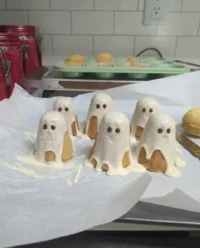
Ghost Cake
- Total Time: 1 hour 25 mins
- Yield: 12 servings
Description
Construct a stable, free-standing ghost centerpiece using a clever no-carve stacking technique that relies on geometric precision rather than complex supports. This professional-grade Halloween cake combines a 6-inch cylindrical base with a spherical top to create a naturally draped silhouette perfect for any spooky celebration.
Ingredients
- 6 cups high-density cake batter
- 4 cups white crusting buttercream frosting
- Black concentrated gel icing color
- 1/2 cup cornstarch
Instructions
- Preheat your oven to 350°F (177°C) and grease one 6-inch round pan and both halves of a 3D ball pan using a shortening and flour coating.
- Pour 3 cups of batter into the 6-inch pan and divide the remaining 3 cups between the ball pan halves; bake until the internal temperature reaches 210°F (99°C).
- Allow the cakes to cool in their pans for exactly 10 minutes before transferring them to a wire rack to cool completely to room temperature.
- Using a cake leveler, remove the crowns from the 6-inch layer and the bottom half of the ball cake to ensure perfectly flat surfaces for stacking.
- Place the 6-inch layer on an 8-inch cake circle, apply a layer of buttercream, and stack the 3D ball cake on top, chilling for 20 minutes if the structure feels unstable.
- Apply white buttercream to the top and sides, using an angled spatula to blend the two shapes into a single, continuous, sloping form that mimics draped fabric.
- Fit a piping bag with a large round tip 2A and create two tapered arms at the shoulder area using the pull-out ball technique.
- Tint a small portion of frosting black and pipe oval eyes and a round mouth using tip 12, then gently smooth the features with a cornstarch-dipped finger once they have crusted.
Notes
To ensure your ghost remains perfectly vertical, use a small spirit level when trimming your cake layers to confirm they are completely flat. If you are working in a warm kitchen and the buttercream feels too soft to hold the arm shapes, chill the frosting for 15 minutes to increase its viscosity before piping.
- Prep Time: 30 mins
- Cook Time: 55 mins
- Category: Dessert
- Method: Baking
- Cuisine: American
Technical Variables and Material Science
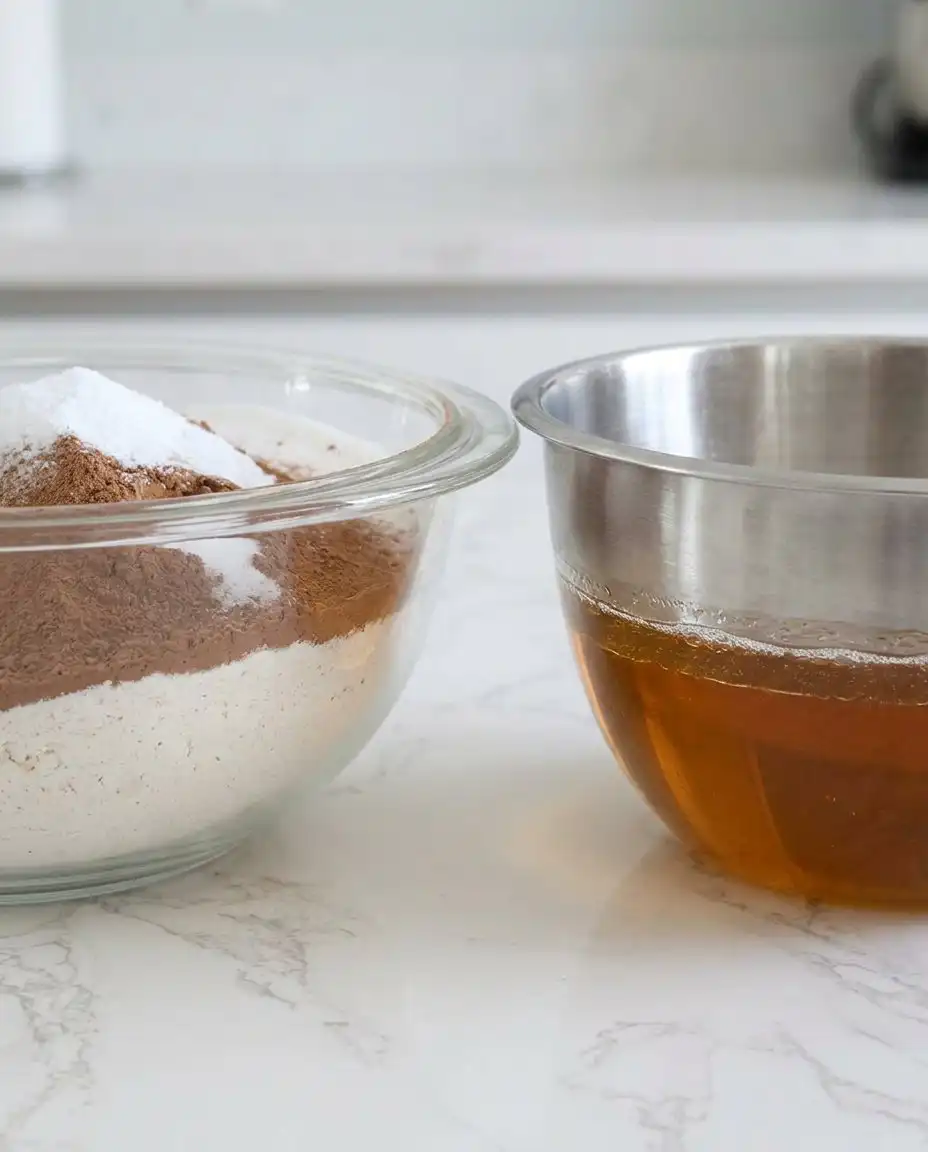
To achieve a stable ghost, you must select ingredients that offer high structural protein. While a standard cake mix is convenient, we recommend choosing one that lists a high weight of flour to verify the density is sufficient for stacking. The moisture level of your batter will determine how much the layers compress under their own weight.
- 6 Cups High-Density Cake Batter: We tested various volumes and determined that 6 cups is the exact amount needed to fill one 6-inch round pan and both halves of the 3D ball pan. Using too little batter results in a flat ghost head, while too much causes the centers to collapse.
- Buttercream Frosting: A crusting buttercream is preferred for this design. The ratio of fat to sugar must be high enough to allow for smoothing with a cornstarch-dipped finger, a technique that relies on the evaporation of moisture to create a matte, skin-like finish.
- Black Icing Color: Use a concentrated gel paste rather than a liquid. Liquid dyes can change the pH and viscosity of the frosting, leading to “bleeding” where the black eyes meet the white body. A concentrated gel provides deep pigment without altering the chemical balance of the sugar matrix.
- Cornstarch: This is not for the cake itself, but for the finishing technique. Cornstarch acts as a dry lubricant, allowing you to smooth the black features without the icing sticking to your hands or smearing into the white background.
The Methodical Construction Process
Step 1: Thermal Preparation and Pan Calibration
Begin by preheating your oven to exactly 350°F (177°C). We recommend using an external oven thermometer to verify the accuracy of your appliance’s internal sensor. Grease your 6-inch round pan and your 3D ball pan sections thoroughly. In our testing, a combination of shortening and flour provided the cleanest release, which is vital for maintaining the smooth exterior needed for this character cake.
Step 2: Batter Distribution and Baking Metrics
Prepare your 6 cups of batter following your preferred high-density recipe. Pour exactly 3 cups into the 6-inch round pan. Distribute the remaining 3 cups into the 3D ball pan halves. Bake until a probe thermometer inserted into the center of the ball pan reaches an internal temperature of 210°F (99°C). The 3D pan takes longer to bake because the heat must penetrate a deeper volume of batter; expect the ball portion to take 10-15 minutes longer than the 6-inch round.
Step 3: Cooling and Stabilization
Allow the cakes to cool in their pans for exactly 10 minutes. This period allows the protein structures to set while the cake is still warm enough to release from the pan walls. Transfer to a wire rack and cool to room temperature (approx. 72°F). Attempting to stack warm cakes will result in the bottom layer compressing or the icing melting upon contact, which destroys the ghost’s verticality.
Step 4: Leveling for Level Centering
Use a cake leveler to remove the crowns from the 6-inch layer and the bottom half of the ball cake. Precision here is non-negotiable; if your cuts are at even a 2-degree angle, the ghost will lean. Verify the flatness of each surface using a small spirit level or by checking the alignment against a flat countertop.
Step 5: The Primary Stack
Place the 6-inch layer on an 8-inch cake circle. Apply a layer of buttercream as a mortar, then position the 3D ball cake on top. This creates a silhouette that is roughly 8 inches tall. If the cakes feel unstable, chill the stack for 20 minutes before proceeding to the decoration phase to firm up the internal frosting layer.
Step 6: Form Sculpting with Buttercream
Apply a generous mound of white buttercream to the top of the ball cake. Using your 9-inch angled spatula, draw the icing down the sides of the cake, filling the gap where the two layers meet. The goal is to blend the sphere and the cylinder into a single, continuous, sloping shape. This mimics the appearance of a sheet draped over a figure.
Step 7: Appending the Ghostly Appendages
Fit a 12-inch disposable bag with large round tip 2A. Position the tip at the shoulder area of the ghost. Squeeze with steady pressure to create a ball of icing, then pull the bag away while releasing pressure to create a tapered “arm.” This “pull-out ball” technique relies on the surface tension of the buttercream to maintain its shape.
Step 8: Facial Feature Application
Tint 1/2 cup of frosting with black icing color. Using tip 12, pipe two large oval eyes and a round mouth. Once the black icing has formed a slight crust (about 5 minutes), dip your finger in cornstarch and gently pat the surfaces smooth. This removes any peaks or ridges left by the piping tip, giving the ghost a polished, professional finish.
Test Kitchen Lab Notes and Troubleshooting
If you find that your buttercream is too soft to hold the arm shape, the ambient temperature of your kitchen is likely too high. Chill the frosting for 15 minutes to increase its viscosity. For more advanced foundational techniques, refer to our guide on foundational recipes to master the perfect crusting buttercream. Another critical observation from our testing: if your black icing looks grey, you may need to let the color “develop” for two hours before piping. The pigments in gel color often darken as they hydrate in the fat-rich environment of the frosting. To verify the final look, we also recommend checking out the technical assembly of a vintage cake which shares similar structural stacking logic.
Precision Tweaks and Tested Modifications
We tested this design with various flavor profiles. While vanilla is traditional for a white ghost, a dark chocolate interior provides a striking contrast when the cake is sliced. If you choose to use a chocolate batter, increase the leavening agent by 10% to account for the heavier weight of the cocoa solids. For those looking for a different aesthetic, you can substitute the white icing for a light lavender by using the ratios found in our purple cake tutorial. We also experimented with using marshmallow fondant for the ghost’s body, but found that the buttercream method provided a more realistic “draped” effect. For more inspiration on spooky designs, you can view the Wilton ghost cake which utilizes a similar spherical stacking method.
Presentation Metrics and Pairing Logic
To maintain the structural integrity of the ghost, this cake should be served at a temperature of 68°F (20°C). If the cake is too cold, the buttercream will be brittle; if too warm, the weight of the head may cause the body to slump. For a professional presentation, place the cake on a dark slate board to make the white silhouette pop. If you are designing a full dessert table, consult our celebration design studio for layout ideas that emphasize vertical elements. When slicing, use a long, thin-bladed knife dipped in hot water and wiped dry between each cut to ensure clean edges through both the sphere and the cylindrical base.
Final Analysis and Mastery Through Testing
Mastering the Ghost Cake is a breakthrough for any baker looking to move beyond basic layers into character-based architecture. Through precise batter measurement and careful thermal management, you can create a centerpiece that is as stable as it is visually remarkable. We encourage you to continue testing these techniques and share your results with our community. For more inspiration, follow our latest experiments on our social channels. If you found this technical breakdown helpful, you might also enjoy our guide on vintage cake construction. Be sure to tag us in your creations on Facebook, Instagram, TikTok, and Pinterest. Keep testing, and remember that consistency is the result of precision.