In the Cake Peak test kitchen, we spent weeks iterating on the specific gravity of this batter to find the exact point where structure meets fudgy decadence. We discovered that a lower baking temperature of 325°F (163°C) allows for a more even rise, preventing the domed peak that often cracks during cooling. This precision makes certain you have a flat, stable surface for the heavy chocolate topping.

This recipe uses a traditional blooming technique where hot liquid is introduced to the cocoa powder to release trapped flavor compounds. The result is a deep, dark crumb that remains moist for days due to the specific ratio of invert sugars and fats. It is a reliable, professional-grade dessert that rewards exactness and high-quality chocolate selection.
The Science of a Superior Crumb
This cake works because of the precise chemical interaction between the acidic buttermilk and the leavening agents. We use both baking soda and baking powder to achieve a specific pH balance that allows the dark cocoa to shine without becoming soapy. The addition of hot coffee or water “blooms” the cocoa, dissolving the solids and intensifying the chocolate profile beyond what standard mixing can achieve. Unlike traditional creamed-butter cakes, this oil-based method guarantees a moist texture even when refrigerated, as oil remains liquid at lower temperatures while butter solidifies. We tested various fat ratios and found that the 1/4 cup of oil provides the perfect lipid barrier to keep the crumb tender without feeling greasy.
Print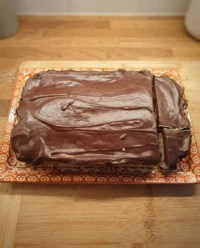
Chocolate Ganache Cake
- Total Time: 1 hour 30 mins
- Yield: 8 servings
- Diet: Vegetarian
Description
This scientifically-developed chocolate cake features a rich, moist crumb achieved through a professional blooming technique. Topped with a silky, two-ingredient ganache, it represents the perfect intersection of culinary precision and deep cocoa flavor.
Ingredients
- 120g All-purpose flour
- Granulated sugar
- 44g Dark cocoa powder (Dutch-processed)
- Baking soda
- Baking powder
- Salt
- 120g Buttermilk (room temperature)
- 118g Hot liquid (coffee or water)
- 55g Vegetable oil
- Large eggs (room temperature)
- Vanilla extract
- 115.5g Heavy cream (min 36% milkfat)
- 5 oz Dark chocolate chips (at least 60% cacao)
Instructions
- Preheat oven to 325°F (163°C) and prepare an 8-inch round cake pan with non-stick spray and parchment paper.
- Mix flour, sugar, cocoa, baking soda, baking powder, and salt in an electric mixer with a paddle attachment on low for 60 seconds.
- Whisk together the room temperature buttermilk, hot liquid, vegetable oil, eggs, and vanilla extract in a separate bowl.
- Slowly pour the liquid mixture into the dry ingredients while mixing on low speed, scraping the bowl once, until just combined.
- Pour the batter into the pan and bake for 25 to 30 minutes until a toothpick has moist crumbs or internal temperature is 205°F.
- Cool in the pan for 10 minutes, then invert onto a wire rack to cool completely before applying ganache.
- Heat heavy cream until simmering, pour over chocolate chips, let sit for 2 minutes, then stir until glossy and let thicken slightly before pouring.
Notes
For the most successful results, prioritize weighing your dry ingredients in grams to ensure structural stability. If your ganache appears to separate, whisk in a teaspoon of cold heavy cream to restore the emulsion. Always use an oven thermometer to confirm your oven temperature, as even small fluctuations can impact the cake’s final rise and texture.
- Prep Time: 20 mins
- Cook Time: 30 mins
- Category: Dessert
- Method: Baking
- Cuisine: American
Technical Ingredient Analysis
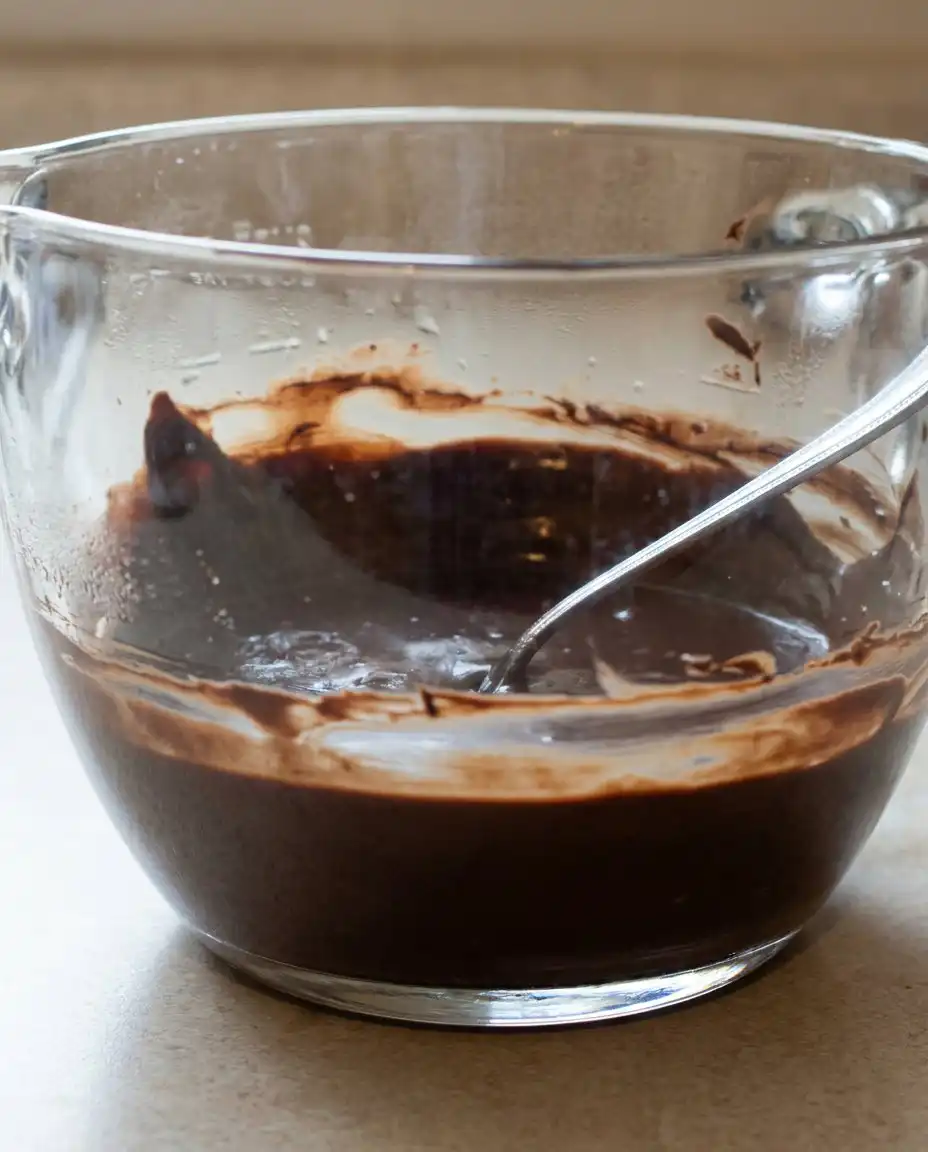
Every component in this recipe serves a specific structural or chemical purpose. For the most consistent results, we recommend weighing ingredients in grams using a digital scale.
- All-Purpose Flour (120g): We use a moderate protein content to provide enough structure to support the ganache without making the cake tough. Over-mixing here will develop too much gluten, so keep the mixing time short.
- Dark Cocoa Powder (44g): Specifically tested with Dutch-processed cocoa for a smoother, less acidic finish. The alkalization process of Dutch cocoa reacts perfectly with the baking powder provided.
- Buttermilk (120g): The lactic acid in the buttermilk tenderizes the gluten strands. If you do not have buttermilk, a mixture of milk and lemon juice can work, though the viscosity may vary slightly.
- Hot Liquid (118g): Essential for blooming the cocoa. While hot water works, we recommend hot coffee as the acidity and bitterness amplify the roasted notes of the chocolate without leaving a coffee flavor.
- Vegetable Oil (55g): Provides the necessary lipids for a moist mouthfeel. Avoid olive oil unless you want a savory undertone; a neutral oil like canola or grapeseed is best.
- Heavy Cream (115.5g): For the ganache, this must have a minimum of 36% milkfat to make certain the emulsion is stable and glossy.
- Dark Chocolate Chips (5 oz): Use high-quality chocolate with at least 60% cacao. The sugar-to-fat ratio in cheaper chips can cause the ganache to seize or become grainy.
The Method
Step 1: Equipment and Oven Preparation
Preheat your oven to exactly 325°F (163°C). Prepare one 8-inch round cake pan by applying a thin layer of non-stick spray, lining the bottom with parchment paper, and applying a second layer of spray over the paper. This double-layer approach is a test kitchen standard to prevent the delicate bottom of the cake from sticking.
Step 2: Sifting and Dry Incorporation
Place the flour, sugar, cocoa, baking soda, baking powder, and salt into the bowl of an electric mixer fitted with the paddle attachment. Mix on the lowest speed for 60 seconds. This step isn’t just for mixing; it aerates the dry ingredients and breaks up any clumps in the cocoa powder, which is prone to clumping due to its fat content.
Step 3: Emulsifying the Wet Ingredients
In a separate medium-sized glass bowl, whisk together the room temperature buttermilk, hot water (or coffee), vegetable oil, eggs, and vanilla extract. It is vital that the eggs and buttermilk are at room temperature to prevent the oil from congealing and to ensure a smooth emulsion when they meet the dry ingredients.
Step 4: Combining the Phases
With the mixer running on low speed, slowly pour the liquid mixture into the dry ingredients. Use a rubber spatula to scrape the bottom and sides of the bowl midway through. Stop mixing as soon as no dry streaks remain. The batter will be quite thin and liquid; this is normal for high-moisture chocolate cakes.
Step 5: The Baking Phase
Pour the batter into the prepared pan and bake for 25 to 30 minutes. Use a toothpick to check for doneness; it should come out with a few moist crumbs attached. If the toothpick is clean, the cake may be slightly overbaked; if it has wet batter, add 3 minutes to the timer. The internal temperature should be approximately 205°F (96°C).
Step 6: Controlled Cooling
Allow the cake to cool in the pan for exactly 10 minutes. This resting period allows the structure to set so it doesn’t fall apart when inverted. Turn the cake out onto a wire cooling rack and remove the parchment paper. It must be completely cool before the ganache is applied, otherwise, the ganache will soak into the cake rather than sitting on top.
Step 7: Ganache Emulsification
Place the heavy cream in a microwave-safe bowl and heat for 60 seconds, or until it just begins to simmer. Pour the hot cream over the chocolate chips. Let it sit untouched for 2 minutes to allow the heat to melt the chocolate solids. Stir gently in small circles from the center outward until the mixture is smooth and glossy. Let it thicken for 5-10 minutes before pouring over the cake.
Lauren’s Lab Notes
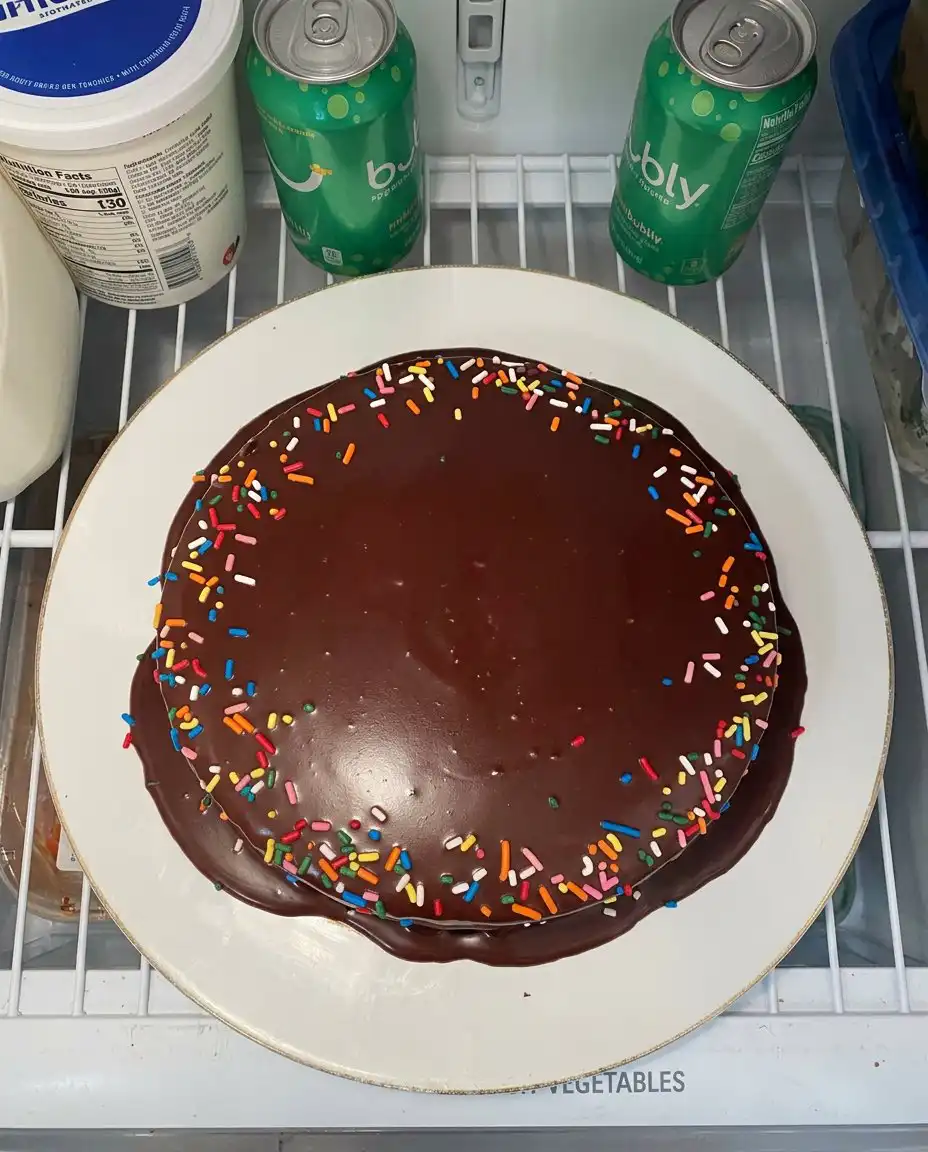
To achieve a professional finish, always use an instant-read thermometer to verify the cake’s internal temperature. If your ganache looks broken or oily, it means the emulsion has failed; you can usually fix this by whisking in a single teaspoon of cold heavy cream. We also recommend weighing your eggs; a “large” egg can vary by 10 grams, which significantly impacts the moisture levels in a single-layer cake. For more on the chemistry of these reactions, read our guide on chocolate alchemy. If you find your cake has a large dome, it is likely your oven is running hot; invest in an oven thermometer to verify the accuracy of your appliance’s dial.
Tested Precision Tweaks
In our testing, we swapped the hot water for a dark stout beer, which adds a fascinating malty depth to the chocolate. If you prefer a lighter profile, you can substitute the dark chocolate in the ganache with milk chocolate, but you must reduce the heavy cream by 15% to maintain the same setting strength. For those looking for a more traditional texture, this batter can also be used as the base for our devils food cake by increasing the flour by 20 grams to support multiple layers. We also tested adding 1 teaspoon of espresso powder to the dry mix, which we found creates a more “adult” flavor profile without making the cake taste like coffee.
Presentation and Stability Notes
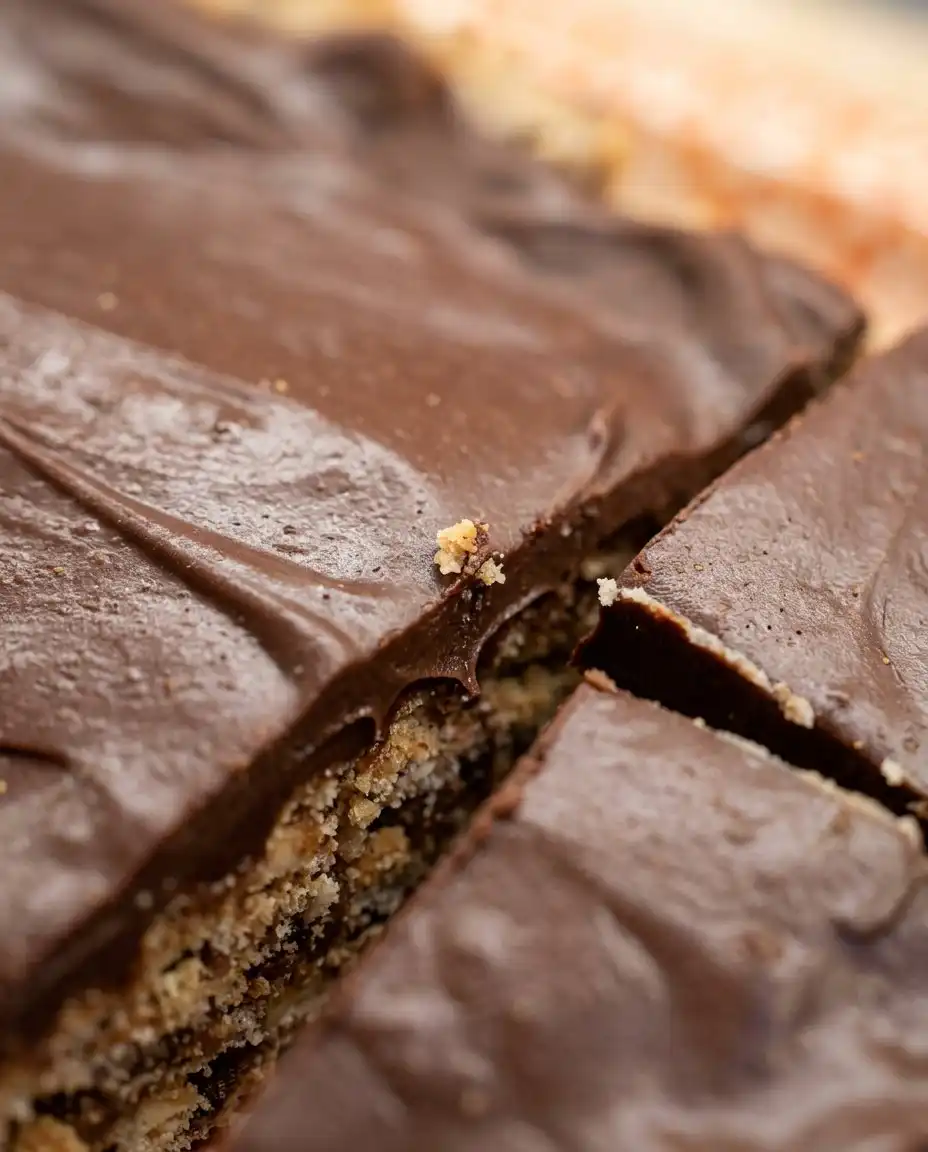
For the best mouthfeel, serve this cake at a room temperature of 70°F (21°C). When the cake is too cold, the fats in the ganache and the oil in the crumb feel waxy on the tongue. To get clean slices, dip a sharp knife in hot water and wipe it dry between every single cut. This melts a tiny path through the ganache for a sharp, professional edge. This cake pairs remarkably well with a tart raspberry coulis or a side of our chocolate fudge cake truffles for a multi-textured chocolate experience.
Final Test Kitchen Analysis
Mastering this Chocolate Ganache Cake is a breakthrough for any home baker looking to move from basic recipes to professional results. The key is respecting the temperatures of your ingredients and the timing of the emulsification process. Once you achieve that perfect, glossy finish, you will see why precision is the most important ingredient in the kitchen. If you want to continue your education in chocolate structures, try our old-fashioned chocolate cake next. Please share your results with us on Pinterest, Instagram, or Facebook.