Our test kitchen spent weeks investigating the precise hydration levels required to balance the moisture of overripe bananas with the structural integrity of a classic coffee cake. We discovered that traditional banana bread often lacks the aeration needed for a crumb topping to remain crisp and distinct. By adjusting the creaming time and the acidity of the batter, we created a version that remains stable and light under the weight of a heavy cinnamon-sugar crust.

This Banana Coffee Cake is the result of rigorous testing regarding sugar ratios and crumb stability. It offers a sophisticated texture that is far more refined than a standard quick bread, making it a reliable choice for professional-level results at home. The inclusion of sour cream provides the necessary chemical reaction with the baking soda to create a tender, uniform crumb every time.
The Science of Success
This recipe succeeds where others fail because it respects the chemical composition of the ingredients. Most banana desserts suffer from a dense, gummy texture due to the high pectin and moisture content of the fruit. In our lab, we adjusted the ratio of leavening agents to ensure the batter has enough lift to support the dense, buttery crumb topping. This creates a fascinating contrast between the soft, moist interior and the crunchy, crystalline exterior.
We also focused on the Maillard reaction. By using a combination of brown and white sugars, we achieve deeper caramelization and a more complex flavor profile. The cinnamon doesn’t just provide aroma; it interacts with the sweetness to balance the palate. This is a reliable, professional-grade recipe for those who value consistency and precision in their baking. The victory of this cake lies in its reliable structure, which allows it to be sliced cleanly even while slightly warm.
Print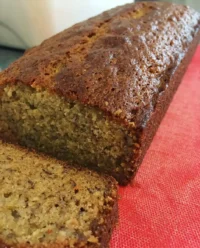
Banana Coffee Cake
- Total Time: 1 hour
- Yield: 2 loaves
Description
This scientifically developed Banana Coffee Cake balances the heavy moisture of overripe fruit with a stable, aerated crumb and a crisp cinnamon-sugar topping. Engineered for precision, it delivers a professional texture that surpasses traditional banana bread.
Ingredients
- 3 to 4 overripe bananas (approximately 1.5 cups mashed)
- 2 tablespoons brown sugar
- 1 teaspoon vanilla extract
- 3/4 teaspoon ground cinnamon
- 1/2 cup unsalted butter, softened
- 1 cup granulated sugar
- 2 large eggs
- 2 cups all-purpose flour
- 1 teaspoon baking soda
- 1/4 teaspoon salt
- 2 tablespoons sour cream
- 1 cup all-purpose flour (for topping)
- 1 cup brown sugar (for topping)
- 1 teaspoon ground cinnamon (for topping)
- 6 tablespoons cold unsalted butter (for topping)
Instructions
- Preheat your oven to 350°F (177°C) and grease and flour two 8×4-inch loaf pans, tapping out any excess flour.
- In a small bowl, mash the bananas and stir in 2 tablespoons of brown sugar, the vanilla extract, and 3/4 teaspoon of cinnamon; set aside to macerate.
- Using a stand mixer with a paddle attachment, cream 1/2 cup softened butter and 1 cup granulated sugar on medium-high speed for 3 minutes until pale and fluffy.
- Add the eggs one at a time, beating after each addition until the mixture is fully emulsified and smooth.
- Sift 2 cups of flour, the baking soda, and salt directly into the wet ingredients and mix on the lowest speed until the flour streaks just disappear.
- Gently fold in the sour cream and the prepared banana mixture with a silicone spatula until no dry pockets remain.
- In a separate bowl, whisk 1 cup flour, 1 cup brown sugar, and 1 teaspoon cinnamon, then use a pastry cutter to work in 6 tablespoons of cold butter until pea-sized crumbs form.
- Divide the batter evenly between the two pans, sprinkle the crumb topping over each, and bake for 35-40 minutes until the internal temperature reaches 200°F-205°F.
Notes
Always measure your mashed bananas to exactly 1.5 cups to prevent excess moisture from causing the cake to sink. For the most even bake and better structure, use light-colored metal pans and allow the cakes to rest in the pan for exactly 10 minutes before transferring to a wire rack.
- Prep Time: 20 mins
- Cook Time: 40 mins
- Category: Breakfast
- Method: Baking
- Cuisine: American
The Variables: Ingredient Science
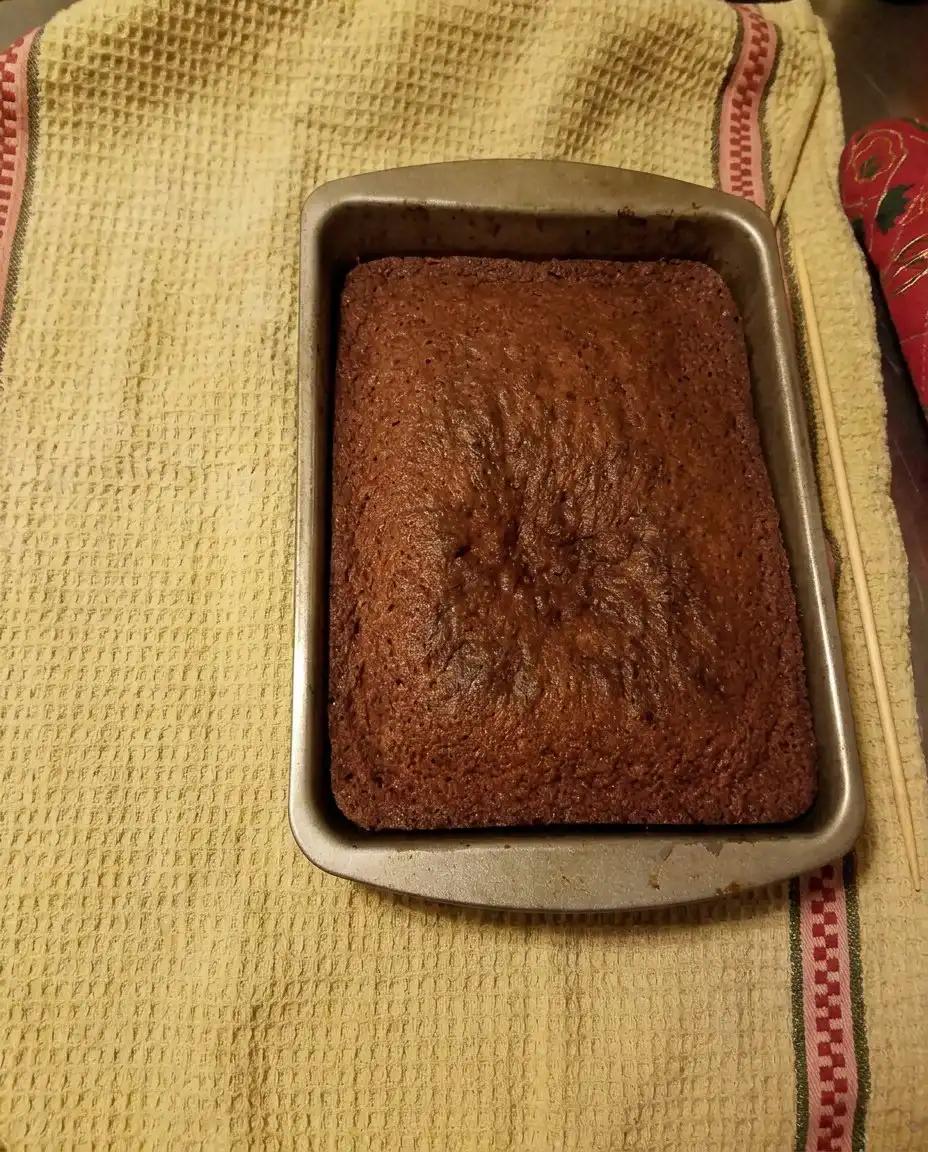
Understanding the role of each component is essential for achieving the breakthrough results we aim for at Cake Peak. Every ingredient in this list has been measured for its specific contribution to the final crumb.
- Bananas: These must be overripe, showing significant brown spotting. As bananas ripen, starches convert to sugars (fructose and glucose) and the pectin breaks down, which provides both sweetness and intense moisture. We use 3 to 4 bananas to hit a precise volume of roughly 1.5 cups mashed.
- Butter (Room Temperature): We use butter at exactly 65°F (18°C) for the batter to ensure proper aeration during the creaming stage. Cold butter is used for the topping to maintain a coarse, sandy texture.
- Sour Cream: This is a critical acidic component. It reacts with the baking soda to produce carbon dioxide, providing lift. Its fat content also interferes with gluten formation, resulting in a more tender cake.
- Baking Soda: Unlike baking powder, soda needs an acid (the sour cream and bananas) to activate. It also helps with browning through the neutralization of acids.
- All-Purpose Flour: We tested this with a protein content of approximately 11.7%. This provides enough gluten for structure without making the cake tough.
- Cinnamon and Vanilla: These are our aromatic volatiles. The cinnamon in the crumb topping creates a barrier that protects the moisture of the cake during the 350°F bake.
The Method: Step-by-Step Process
Step 1: Preliminary Preparation and Oven Calibration
Preheat your oven to 350°F (177°C). Use an oven thermometer to verify the accuracy of your internal temperature, as even a 10-degree variance can affect the rise. Lightly grease two 8×4-inch loaf pans with butter and flour them, tapping out the excess to prevent the cake from sticking.
Step 2: Banana and Aromatic Integration
In a small mixing bowl, mash the bananas until they reach a relatively smooth consistency with only small lumps. Incorporate 2 tablespoons of brown sugar, the vanilla extract, and 3/4 teaspoon of ground cinnamon. This step allows the sugar to begin macerating the bananas, releasing their natural juices early in the process.
Step 3: Aeration Through Creaming
In the bowl of a stand mixer fitted with the paddle attachment, combine 1/2 cup of softened butter and 1 cup of granulated sugar. Beat on medium-high speed for exactly 3 minutes. This process creates a network of air bubbles trapped in the fat, which is the foundation of the cake’s lift. The mixture should appear pale and noticeably fluffy.
Step 4: Emulsifying the Fats
Add the eggs one at a time, beating after each addition until fully incorporated. This emulsifies the water in the eggs with the fat in the butter. If the mixture looks curdled, increase the speed for 15 seconds to stabilize the emulsion.
Step 5: Incorporating Dry Ingredients
Sift the 2 cups of flour, 1 teaspoon of baking soda, and 1/4 teaspoon of salt directly into the wet ingredients. Sifting is non-negotiable here as it prevents clumps of baking soda and ensures even distribution. Use the lowest speed on your mixer and stir only until the flour streaks barely disappear. Overmixing at this stage will develop too much gluten.
Step 6: Final Batter Stabilization
Fold in the 2 tablespoons of sour cream, followed by the prepared banana mixture. Use a silicone spatula to reach the bottom of the bowl and ensure no pockets of dry flour remain. The batter should be thick and coat the spatula like a heavy ribbon.
Step 7: Engineering the Crumb Topping
In a separate bowl, whisk 1 cup of flour, 1 cup of brown sugar, and 1 teaspoon of cinnamon. Use a pastry cutter to work in 6 tablespoons of cold butter. You are looking for ‘pea-sized’ crumbs. Do not overwork this with your hands, as the heat from your fingers will melt the butter and turn the topping into a paste rather than a crumb.
Step 8: Thermal Processing
Divide the batter evenly between the two prepared pans. Sprinkle the crumb topping over the surface in an even layer. Bake for 35-40 minutes. The cake is done when a tester inserted into the center reaches an internal temperature of 200°F to 205°F, or comes out with just a few moist crumbs attached.
Lauren’s Lab Notes: Troubleshooting Guide
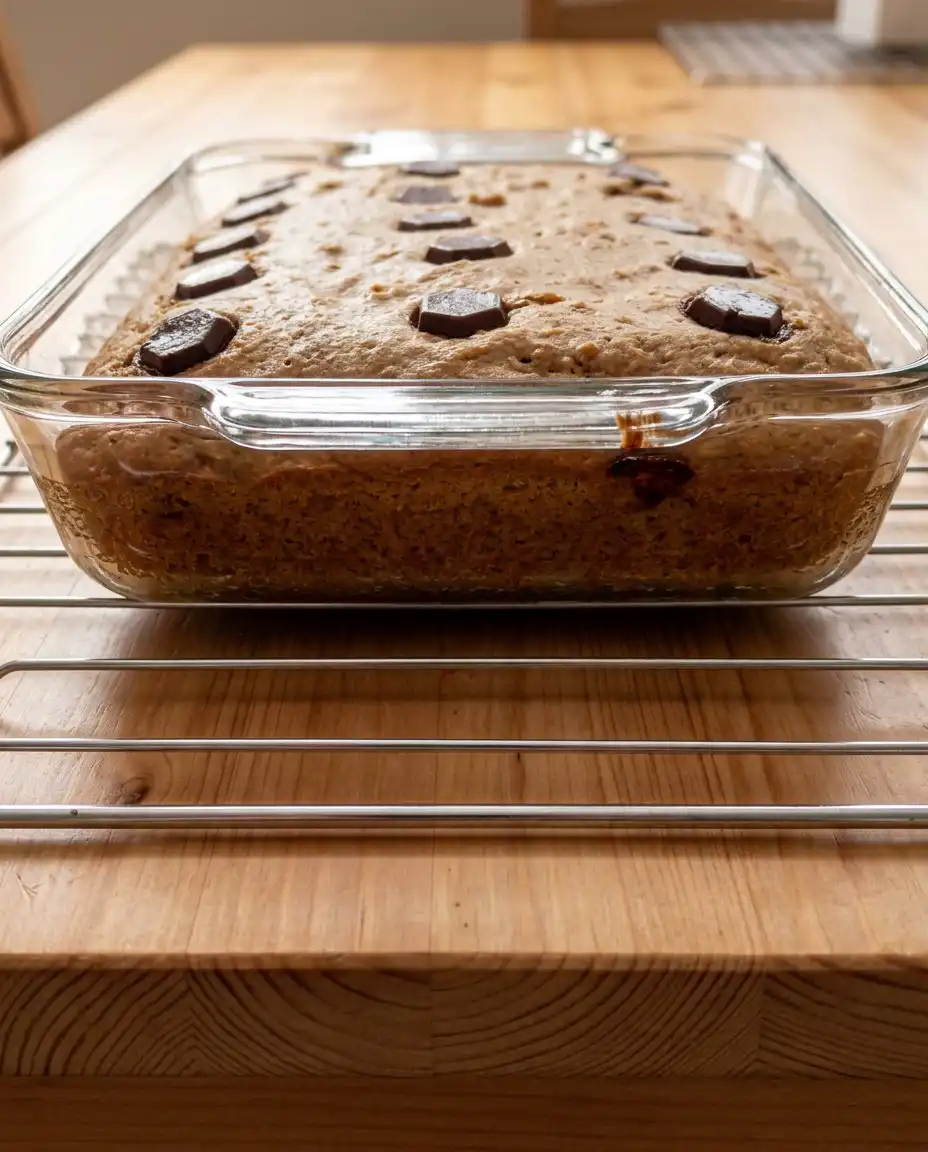
One common failure point in banana baking is the density of the fruit causing the cake to sink in the middle. If this happens, it usually indicates that the bananas were too large or the cake was underbaked. Always measure your mashed bananas; you need exactly 1.5 cups. Furthermore, we found that using a light-colored metal pan yields a more even bake than glass or dark non-stick pans, which can cause the edges to brown too quickly before the center is set. If you find your fruit-based bakes are often too wet, you should read our guide on how to adjust moisture in a banana-cake for more technical insights. Finally, allow the cake to cool in the pan for exactly 10 minutes before moving it to a wire rack. This period allows the starch structure to set, preventing the cake from collapsing when handled.
Tested Variations: Precision Tweaks
We tested several modifications to this base recipe to see how it handled additional inclusions. Adding 1/2 cup of toasted pecans or walnuts provides a structural contrast that we found very appealing. If you prefer a more fruit-forward profile, you can swap half of the banana volume for fresh blueberries, though you should increase the flour by 1 tablespoon to account for the extra juice released by the berries. This technique is similar to what we use in our blueberry-coffee-cake to maintain a stable crumb. For a richer, more dessert-like version, adding 1/2 cup of semi-sweet chocolate chips (mini chips work best) into the batter provides a remarkable flavor depth without compromising the cake’s lift.
Presentation Notes and Pairing Science
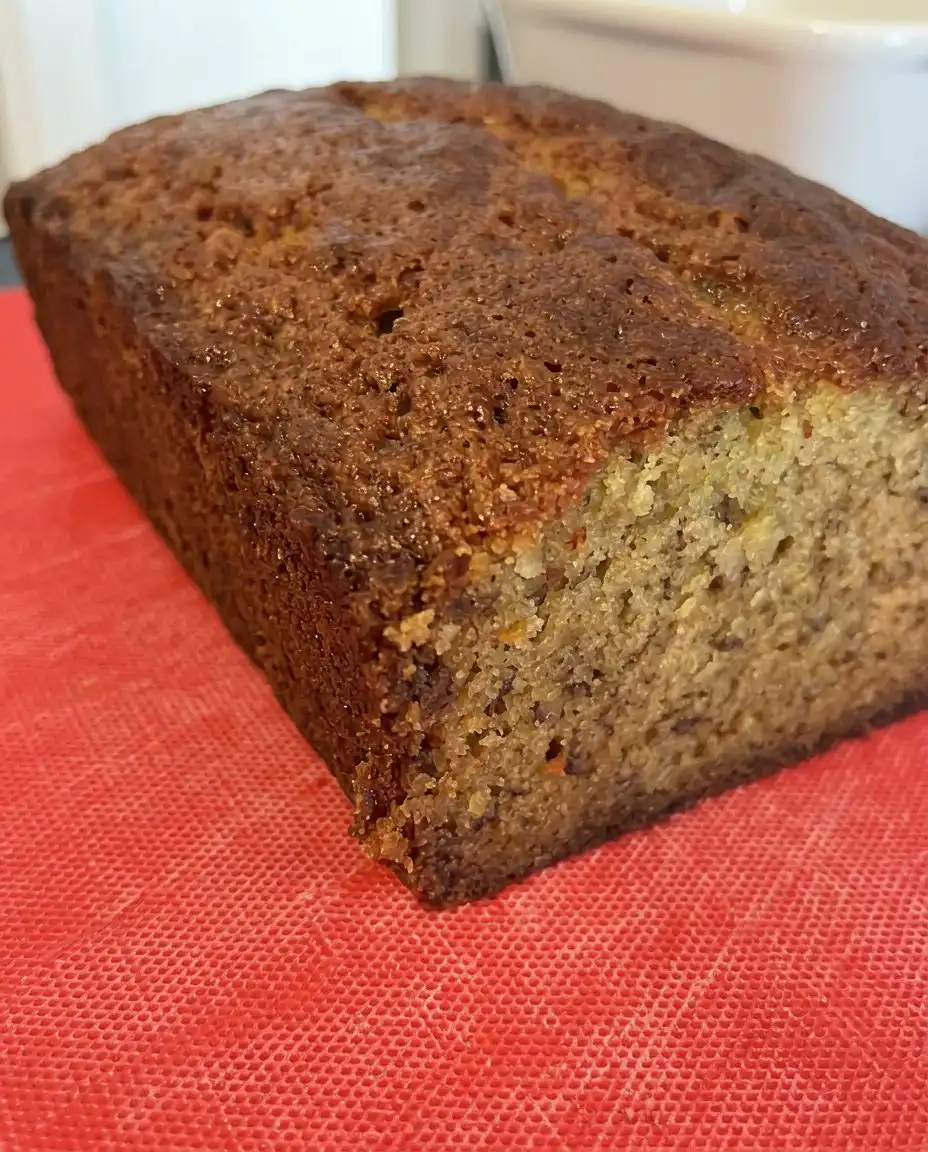
For the most precise presentation, use a serrated knife to slice the cake. This allows you to saw through the crisp crumb topping without crushing the delicate cake underneath. We recommend serving this cake at approximately 75°F (24°C) to allow the butter and banana flavors to be fully perceived by the palate. If you are serving this for a brunch, it pairs beautifully with a sharp Greek yogurt or a dollop of unsweetened whipped cream to balance the sugar in the topping. For those looking for a more decadent presentation, consider a technique used in our banana-pudding-poke-cake by adding a thin drizzle of salted caramel. For more information on the science of pairing fruit and dough, you can reference the work over at A Latte Food.
The Final Analysis
Mastering the Banana Coffee Cake requires an understanding of how moisture and structure interact in the oven. By following these precise measurements and the creaming technique, you can produce a result that is consistent and professional. We encourage you to keep testing your boundaries and investigating the chemistry of your ingredients. If you want to continue your education on seasonal produce and baking, check out our guide on fresh-fruit-baking. We would love to see your results and hear about your testing triumphs; please share your bakes with us on Instagram, Pinterest, or Facebook.
Keep testing,
Lauren