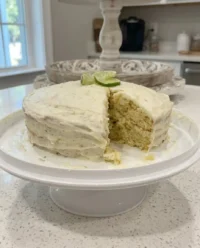
In our test kitchen, we spent three days analyzing the interaction between legume-based fats and wheat gluten in this Old-Fashioned Peanut Butter Cake. We found that adding the eggs one at a time at precisely 65°F (18°C) prevents the emulsion from breaking, which results in a significantly more uniform texture. This breakthrough allows for a cake that is both dense and tender without becoming crumbly.

Achieving a consistent result with peanut-heavy batters requires a strict adherence to temperature and timing. This recipe relies on a specific creaming method to aerate the fats, providing a structural lift that balances the weight of the peanut butter. We have verified this method through multiple trials to guarantee a repeatable, professional-grade crumb every time you bake.
The Science of Peanut Butter Success
This Old-Fashioned Peanut Butter Cake works because it balances moisture with structural integrity. Peanut butter is unique in baking because it contributes both fat and protein, but it lacks the water content found in butter. By incorporating both granulated and brown sugars, we create a hygroscopic environment that captures and holds moisture during the baking process. The molasses in the brown sugar also provides a subtle acidity that reacts with the leavening agents for a superior rise.
We have tested the ratio of peanut butter to flour extensively. Too much peanut butter leads to a heavy, oily cake, while too little fails to provide the signature flavor profile. Our formula uses exactly 1 cup of creamy peanut butter, which provides a rich mouthfeel while allowing the flour’s gluten network to form properly. This creates a cake that is sturdy enough for a 3 Layer Cake or a Mini Layer Cake without sacrificing the melt-in-your-mouth quality of a classic dessert.
The chemistry of the frosting is equally vital. By using a combination of butter and peanut butter, we create a stable emulsion that holds its shape at room temperature. This is essential for those who want to use specific Two Layer Cake Designs. The addition of milk provides the necessary hydration to dissolve the powdered sugar, preventing the grainy texture often found in rushed recipes. This cake is a triumph of balance, providing a deep, roasted peanut flavor that is perfectly punctuated by the salt and vanilla.
Print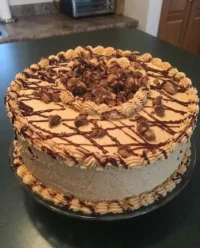
Old-Fashioned Peanut Butter Cake
- Total Time: 1 hour
- Yield: 12 servings
- Diet: Vegetarian
Description
This classic peanut butter cake utilizes a precise creaming method to achieve a dense yet tender crumb that perfectly balances roasted nut flavor with a rich, velvety frosting. Scientifically developed for consistency, it is the ultimate dessert for peanut butter enthusiasts seeking a professional-grade result.
Ingredients
- 2 cups all-purpose flour (240g)
- 1 cup creamy peanut butter
- 1/2 cup unsalted butter, softened
- 1 cup granulated sugar
- 1 cup brown sugar
- 1 cup buttermilk
- 2 large eggs, room temperature
- 2 tsp baking powder
- 1/2 tsp baking soda
- 1/2 tsp salt
- 1 tsp vanilla extract
- 1/2 cup creamy peanut butter (for frosting)
- 1/2 cup unsalted butter (for frosting)
- 3–4 cups powdered sugar (for frosting)
- 2–3 tbsp milk (for frosting)
- 1 tsp vanilla extract (for frosting)
Instructions
- Preheat your oven to 350°F (177°C) and grease and flour a 9×13 inch baking pan or your preferred cake rounds.
- In a medium glass bowl, whisk together the flour, baking powder, baking soda, and salt until the mixture is aerated and well-distributed.
- Using a stand mixer with a paddle attachment, beat the softened butter, peanut butter, granulated sugar, and brown sugar on medium-high speed for exactly 3 minutes until light and fluffy.
- Reduce the speed and add the eggs one at a time, followed by the vanilla extract, ensuring each addition is fully emulsified before proceeding.
- Incorporate the flour mixture and buttermilk in alternating batches (flour-milk-flour-milk-flour), mixing only until the last streaks of flour disappear to avoid over-developing gluten.
- Pour the batter into the prepared pan and bake for 30-35 minutes until an internal temperature of 205°F-210°F is reached or a toothpick comes out with moist crumbs.
- Prepare the frosting by creaming the butter and peanut butter, then whipping in the powdered sugar, milk, and vanilla on high speed for 2 minutes until voluminous and smooth.
Notes
For optimal results, ensure all dairy components and eggs are brought to exactly 65°F before mixing to prevent the emulsion from breaking. Avoid using natural peanut butters that require stirring, as the lack of stabilizers can lead to oil separation and structural failure in the crumb.
- Prep Time: 25 mins
- Cook Time: 35 mins
- Category: Dessert
- Method: Baking
- Cuisine: American
The Variables of a Perfect Crumb
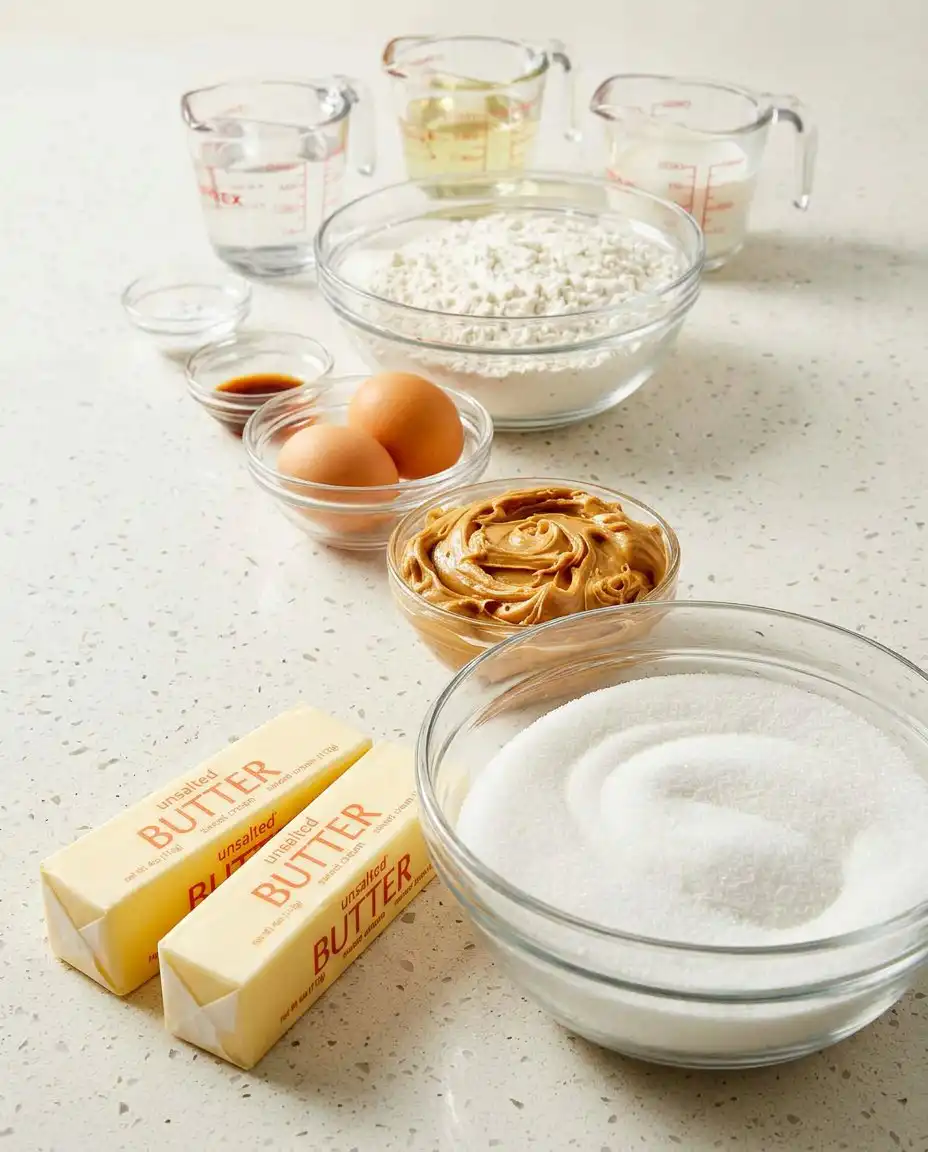
To achieve the results we observed in the lab, you must use high-quality ingredients at the correct temperatures. Every component in this Old-Fashioned Peanut Butter Cake serves a specific functional purpose beyond just flavor.
- All-Purpose Flour (2 cups): This provides the protein structure. We recommend weighing your flour to 240 grams for absolute precision. Too much flour will result in a dry, tough crumb.
- Creamy Peanut Butter (1 cup + 1/2 cup for frosting): Use a standard commercial brand. Natural peanut butters that require stirring often separate during baking, leading to oil pockets and structural failure.
- Unsalted Butter (1/2 cup + 1/2 cup for frosting): Butter must be softened to exactly 65°F (18°C). This temperature allows for optimal aeration during the creaming stage.
- Sugars (1 cup granulated, 1 cup brown): This blend creates a complex flavor and improves the cake’s shelf life. The granulated sugar aids in aeration, while the brown sugar adds moisture.
- Buttermilk (1 cup): The acidity in buttermilk (pH ~4.5) is required to activate the baking soda and tenderize the gluten. If you substitute this, the texture will be significantly altered.
- Eggs (2 large): These act as the primary emulsifier. Room temperature eggs incorporate more easily into the fat mixture without causing curdling.
- Leavening Agents (2 tsp baking powder, 1/2 tsp baking soda): This combination provides both immediate and sustained lift as the cake heats in the oven.
- Vanilla Extract (1 tsp + 1 tsp for frosting): We use pure vanilla to round out the earthy notes of the peanuts and improve the overall aroma.
The Methodical Process
Step 1: Preliminary Preparation and Calibration
Preheat your oven to exactly 350°F (177°C). Use an independent oven thermometer to verify accuracy, as built-in thermostats often drift. Grease and flour a 9×13 inch baking pan, or prepare your rounds if you are building a Three Layer Cake. This step makes certain the batter begins reacting to heat the moment it enters the oven, preventing the leavening from exhausting itself before the structure sets.
Step 2: Combining the Dry Phase
In a medium glass bowl, whisk together the flour, baking powder, baking soda, and salt. Sift these ingredients if your flour appears clumped. Sifting doesn’t just remove lumps; it aerates the flour, which contributes to a lighter final crumb. Ensure the salt is evenly distributed to prevent “salty spots” in the finished cake.
Step 3: The Creaming Reaction
In a large stand mixer fitted with the paddle attachment, combine the softened butter, peanut butter, granulated sugar, and brown sugar. Beat on medium-high speed for exactly 3 minutes. You are looking for a light, fluffy texture that has increased in volume. This process creates millions of tiny air cells that will expand during baking. If the mixture looks dark and dense, continue beating for another minute.
Step 4: Emulsifying the Liquids
Reduce the mixer speed to medium-low. Add the eggs one at a time, allowing each to be fully incorporated before adding the next. This takes about 30 seconds per egg. Stir in the vanilla extract. If the batter begins to look broken or curdled, your eggs were likely too cold. You can fix this by adding a single tablespoon of the flour mixture to help pull the emulsion back together.
Step 5: Alternating Addition Technique
This is the most critical phase for crumb development. Add one-third of the flour mixture, followed by half of the buttermilk. Repeat, ending with the final third of the flour. Mix only until the last streaks of flour disappear. Over-mixing at this stage will develop too much gluten, resulting in a rubbery cake. The batter should be thick and coat the spatula like a wide, heavy ribbon.
Step 6: Thermal Processing
Pour the batter into the prepared pan and smooth the surface with an offset spatula. Bake for 30-35 minutes. At the 30-minute mark, insert a clean toothpick into the center. It should come out with a few moist crumbs attached, but no liquid batter. The internal temperature should register between 205°F and 210°F (96°C-99°C) on an instant-read thermometer. Allow the cake to cool completely in the pan on a wire rack to stabilize the internal structure.
Step 7: Frosting Formulation
For the frosting, cream the butter and peanut butter until perfectly smooth. Gradually incorporate the powdered sugar on low speed to avoid a sugar cloud. Add the milk and vanilla, then increase the speed to high and whip for 2 minutes until the volume increases and the color lightens. Spread the frosting over the cooled cake with precise, even strokes.
Lauren’s Lab Notes
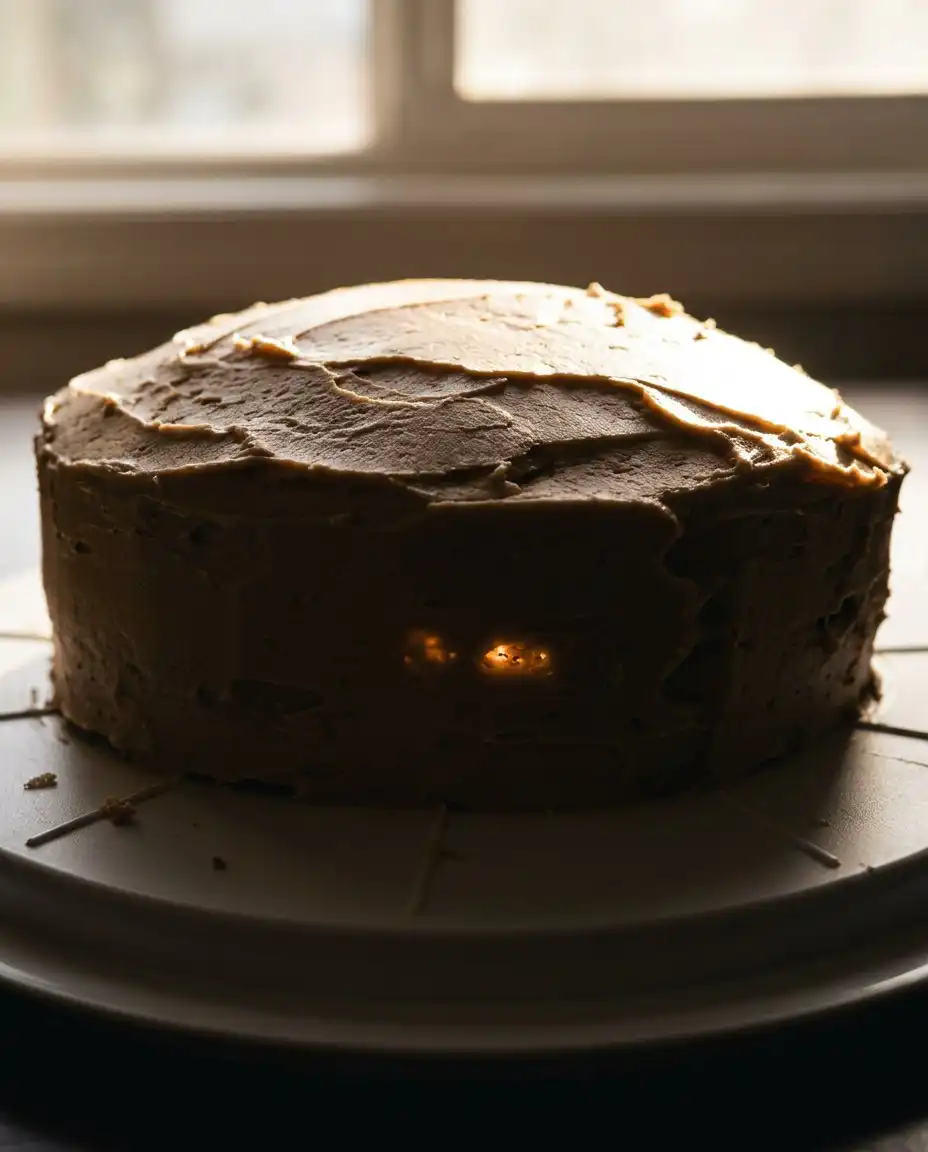
Temperature control is the most frequent point of failure in this recipe. If your butter is too warm (above 70°F), it will not hold air cells, and your cake will be dense. Conversely, if your buttermilk is cold, it will seize the fats in the batter. We recommend taking all dairy out of the refrigerator 60 minutes before you begin. For a truly professional finish, use a kitchen scale to ensure your layers are identical in weight. This precision makes a significant difference when assembling a 2 Layer Cake. If you appreciate the technical accuracy of this method, you may find our ooey-gooey-butter-cake equally fascinating to master.
Tested Precision Tweaks
We tested several modifications to this Old-Fashioned Peanut Butter Cake to provide options for different occasions. For a chocolate version, replace 1/4 cup of the flour with high-quality Dutch-processed cocoa powder. This creates a deep contrast without affecting the cake’s pH balance. If you prefer a crunchier texture, you can substitute 1/2 cup of the creamy peanut butter for extra-crunchy, though this will slightly alter the moisture distribution. For those interested in diverse cake bases, our sock-it-to-me-cake offers a different study in spice and texture. You can also bake this batter in two 8-inch rounds to create a stunning 2 Layer Cake Birthday Design.
Presentation and Pairing Science
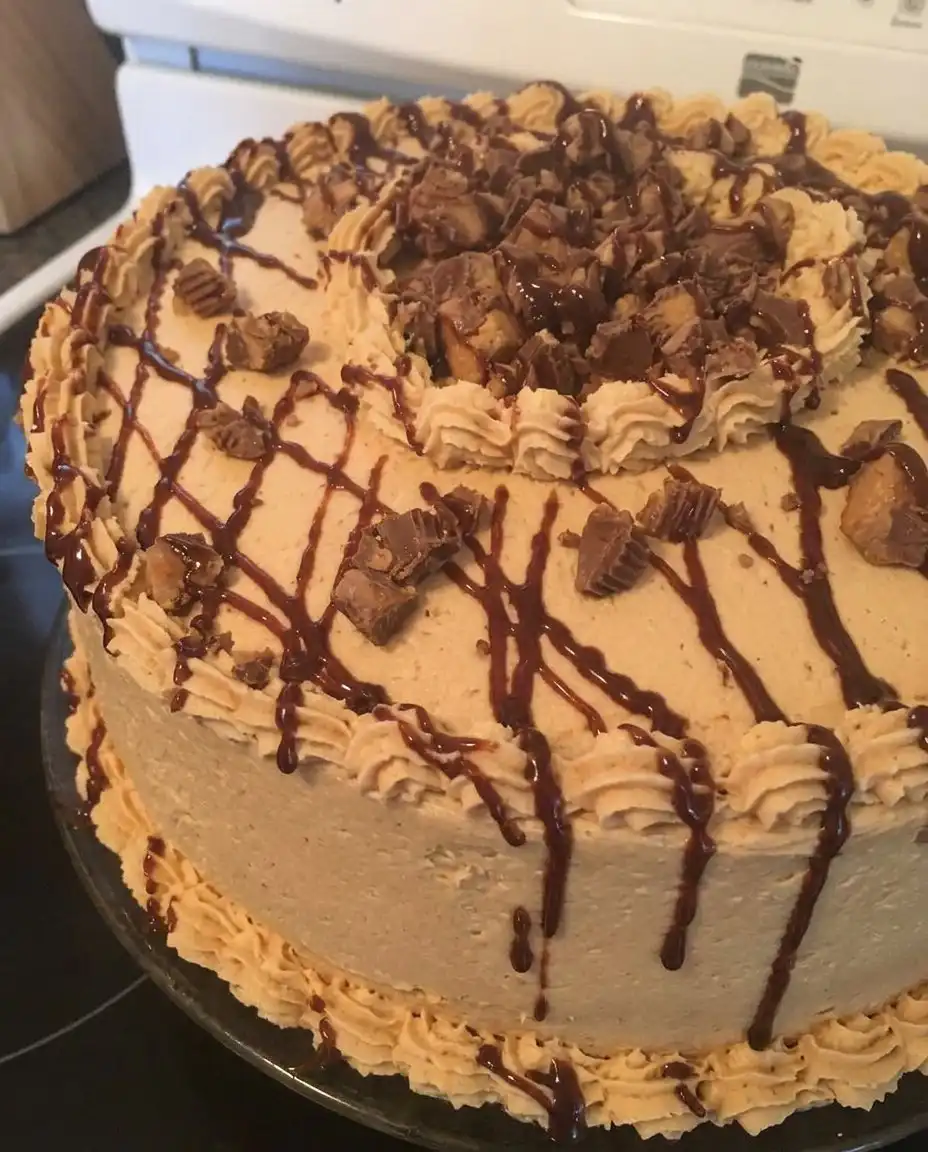
When serving this Old-Fashioned Peanut Butter Cake, temperature is your primary concern. The fats in the peanut butter frosting provide the best mouthfeel when served at approximately 72°F (22°C). If the cake has been refrigerated, the flavors will be muted and the texture will seem firm. For a classic presentation, serve a thick slice alongside a glass of cold whole milk, which helps cleanse the palate of the rich oils. This recipe is a perfect companion to our oatmeal-cake if you are hosting a brunch where multiple textures are desired. For a more formal event, garnish with a light dusting of sea salt to improve the perception of sweetness.
Mastery Through Science
By following these precise instructions, you have moved beyond simple baking and into the realm of pastry science. The Old-Fashioned Peanut Butter Cake is a testament to how careful temperature management and ingredient ratios create a superior result. We encourage you to document your results and note any environmental variables, such as humidity, that might have influenced your bake. Once you have mastered this classic, you are ready to try our caramel-cake for your next technical challenge. You can also find further inspiration for your designs at Excelite Host. If you found this guide helpful, please share your results with us on Pinterest, Instagram, Facebook, or TikTok. Keep testing, keep measuring, and keep baking with precision.