In the Cake Peak test kitchen, we performed extensive trials to determine the exact structural requirements for a cake capable of supporting the heavy saturation of colors and precision piping required for anime-themed aesthetics. Our data revealed that a specific ratio of 2.5 cups of flour to 1 cup of liquid creates the necessary density to prevent sagging while maintaining a tender crumb. We verified that baking this specific formulation at 350°F (177°C) allows for even heat distribution and a level top, which is critical for character mapping.

This lemon-infused base provides a bright, acidic profile that balances the richness of the Swiss meringue buttercream. By substituting 0.25 cup of milk with fresh lemon juice, we lowered the pH of the batter, resulting in a more delicate gluten network. The addition of one full tablespoon of lemon zest adds essential oils that provide a deep citrus resonance without altering the moisture balance of the crumb.
The Science of Success
This recipe works because it treats the cake as a structural foundation rather than just a dessert. We tested various creaming times and found that exactly three minutes at medium speed creates the ideal air-cell distribution for a cake that can be carved or stacked with ease. The use of a Swiss meringue instead of an American buttercream provides a superior surface for detailed piping, as the proteins in the egg whites create a more stable emulsion that resists melting at room temperature. You will find that the crumb is tight enough to hold sharp edges but moist enough to melt on the palate, a result of our careful measurement of the 400 grams of granulated sugar which acts as a powerful humectant.
Print
Anime Cake
- Total Time: 1 hour 15 mins
- Yield: 12 servings
- Diet: Vegetarian
Description
This structurally sound lemon sponge is specifically formulated to support the weight of elaborate anime-style decorations and multi-layered piping. Using a high-stability Swiss meringue buttercream, this cake offers a professional-grade canvas that balances bright citrus notes with a velvety, rich finish.
Ingredients
- 240g unsalted butter, softened
- 400g granulated sugar
- 4 large eggs
- 370g plain flour
- 180ml whole milk
- 60ml fresh lemon juice
- 2.5 tsp baking powder
- 1 tbsp lemon zest
- 1 tsp vanilla extract
- 0.5 tsp salt
- 150g egg whites (approx. 5 large)
- 400g granulated sugar (for buttercream)
- 350g unsalted butter, cubed (for buttercream)
Instructions
- Cream 240g softened butter and 400g sugar on medium-high speed for 3 minutes until pale ivory and increased in volume.
- Add 4 large eggs one at a time, beating for 30 seconds after each addition, then stir in the lemon zest and vanilla extract.
- Sift flour with baking powder and salt, then alternate adding it to the batter with the milk and lemon juice mixture, starting and ending with the dry ingredients.
- Divide the batter into two 8-inch pans and bake at 350°F (177°C) for 30 to 35 minutes until a skewer comes out clean; cool in pans for 10 minutes before moving to a wire rack.
- Whisk egg whites and 400g sugar over a double boiler until they reach 160°F (71°C), whip to stiff peaks, and gradually incorporate 350g butter until a smooth frosting forms.
Notes
To ensure the most stable surface for character mapping, allow the cake layers to cool completely at room temperature before wrapping them in plastic and chilling overnight. This settling period allows the crumb to firm up, making it significantly easier to carve or frost without excessive crumbs or sagging under heavy decor.
- Prep Time: 40 mins
- Cook Time: 35 mins
- Category: Dessert
- Method: Baking
- Cuisine: American
The Variables
Each ingredient in this formula was selected for its chemical properties and contribution to the final structure. We recommend using an instant-read thermometer to check your butter temperature; it should be exactly 65°F (18°C) for the best emulsion.
- Unsalted Butter (240g): This provides the fat phase of our emulsion. Cold butter will not trap enough air, while melted butter will collapse the structure.
- Granulated Sugar (400g): Beyond sweetness, sugar interferes with gluten formation, making the cake more tender. It also assists in the Maillard reaction for a golden crust.
- Large Eggs (4): These provide the protein matrix and lecithin for emulsification. We tested using 3 egg yolks in place of one whole egg if you have leftovers from the frosting; this increases the fat content and creates a more custard-like texture.
- Plain Flour (370g): We chose a protein content of approximately 10% to provide enough strength for height without the toughness of bread flour.
- Milk (240ml total liquid): We split this into 180ml whole milk and 60ml lemon juice to create a homemade buttermilk effect, which activates the baking powder more efficiently.
- Baking Powder (2.5 tsp): This is our primary leavening agent. Check the expiration date; its potency is vital for the 1.5-inch rise we expect.
- Swiss Meringue Components: 5 egg whites (150g) and 400g sugar provide the base for a silky, stable frosting that behaves like a dream under a piping bag.
The Method
Step 1: Creaming the Foundation
Place 240g of softened butter and 400g of sugar in a stand mixer. Cream on medium-high for exactly 3 minutes. The mixture should change from yellow to a pale ivory and increase in volume by approximately 20%. This step is where we build the air pockets that the baking powder will later expand.
Step 2: Emulsifying the Liquids
Add the 4 large eggs one at a time, beating for 30 seconds after each addition. Scrape the bottom of the bowl to make sure no unmixed butter remains. If the batter looks curdled, increase the speed for 10 seconds to force the emulsion. Stir in your lemon zest and vanilla extract at this stage to allow the fats to absorb the flavors.
Step 3: Alternating Dry and Wet
Sift the 370g of flour with the baking powder and salt. With the mixer on low, add one-third of the flour, followed by half of the milk and lemon juice mixture. Repeat, ending with the flour. Mix only until no white streaks remain. Over-mixing at this stage will develop too much gluten, leading to a rubbery texture.
Step 4: The Thermal Phase
Divide the batter into two 8-inch pans. Bake at 350°F (177°C) for 30 to 35 minutes. Verify doneness with a skewer; it should come out clean or with two to three moist crumbs. Cool in the pans for 10 minutes before transferring to a wire rack to prevent steam from making the bottom soggy.
Step 5: Constructing the Meringue
Whisk 5 egg whites and 400g sugar over a double boiler. You do not need a thermometer if you are confident in your technique, but for safety, we suggest heating to 160°F (71°C) to neutralize any bacteria. Once the sugar is dissolved and the mixture is hot, whip to stiff, glossy peaks. Add 350g of butter in small chunks until a smooth, velvety frosting forms.
Testing Insights
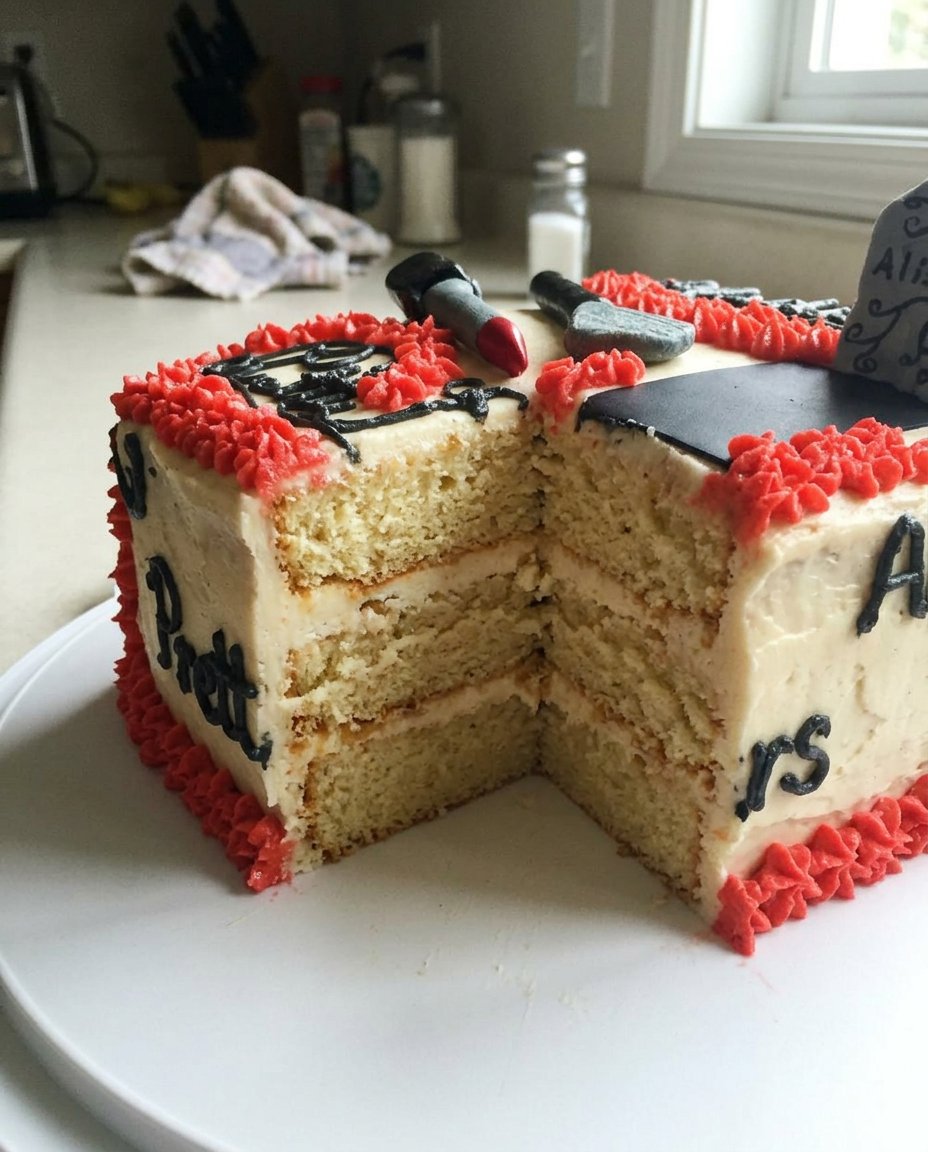
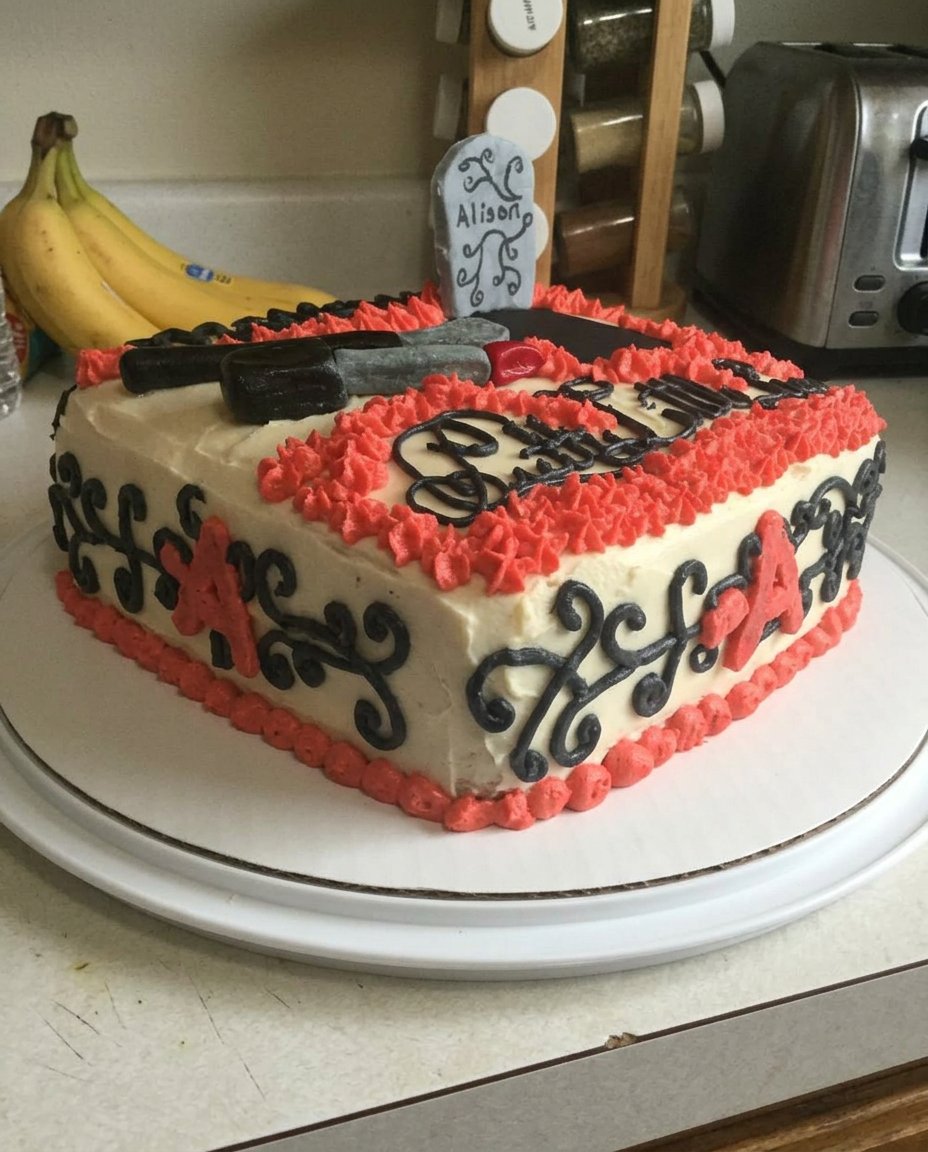
In our laboratory tests, we found that temperature control is the most frequent point of failure. If your Swiss meringue buttercream appears soupy after adding the butter, it is likely that the meringue was still too warm. Simply place the bowl in the refrigerator for 15 minutes and then continue whipping. Conversely, if it looks curdled, the butter was too cold; use a hair dryer on the side of the bowl for 30 seconds to gently warm it back into an emulsion. For those attempting complex character art, referencing this anime birthday cake guide can provide excellent visual inspiration for the final design. If you need a more specific shape for your canvas, consider how this technique applies to a heart cake which offers a different geometric challenge.
Tested Variations
We experimented with flavor substitutions to verify the recipe’s versatility. For a mocha variation, replace 0.5 cup of the milk with 0.5 cup of concentrated cold brew coffee. The acidity of the coffee mirrors that of the lemon juice, so the leavening reaction remains consistent. We also tested adding 45g of high-quality cocoa powder to the flour; in this case, we suggest adding an extra 2 tablespoons of milk to compensate for the drying effect of the cocoa solids. For a more vibrant visual appeal, you might consider our guide on making a purple cake which uses similar stabilization techniques for bright color integration.
Pairing Guide
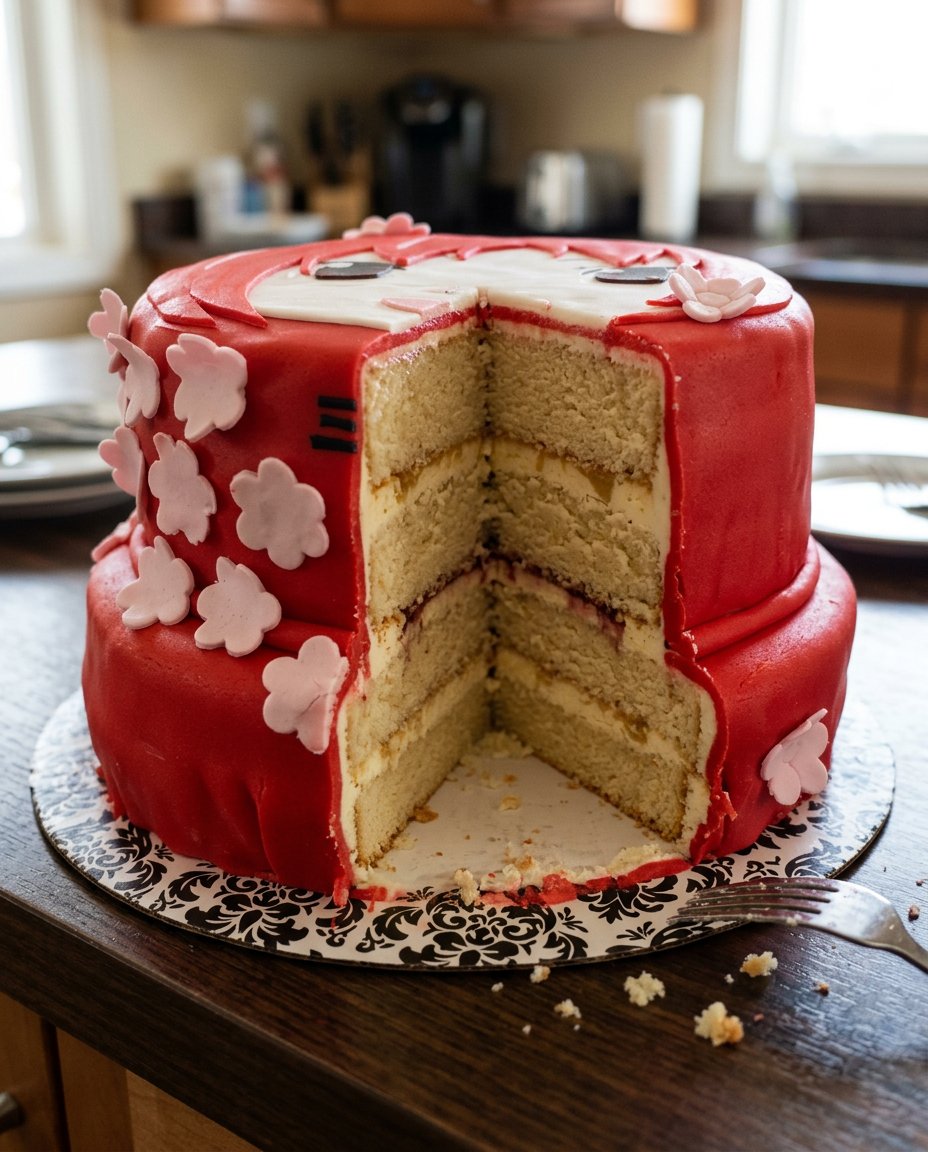
To maintain the structural integrity of the anime decorations, serve this cake at a controlled room temperature of 68-72°F (20-22°C). If the cake is too cold, the butter-heavy frosting will feel waxy; if it is too warm, the delicate character details may begin to sag. We recommend slicing with a thin, serrated knife dipped in hot water for the cleanest edges. For those looking to coordinate their dessert table for a larger event, our celebration design studio offers detailed insights into thematic consistency and layout physics.
Mastery Through Science
Achieving the perfect anime cake is a triumph of both artistic vision and chemical precision. By adhering to the exact measurements of 240g of butter and 400g of sugar, you create a medium that is as reliable as it is delicious. Consistency in baking is not a matter of luck; it is a matter of following the data we have gathered in the test kitchen. If you enjoyed the technical challenge of this build, you might find the intricate details of a vintage cake to be an excellent next step in your baking journey. Stay connected with our latest testing results and breakthroughs by following us on Pinterest, Instagram, and Facebook.