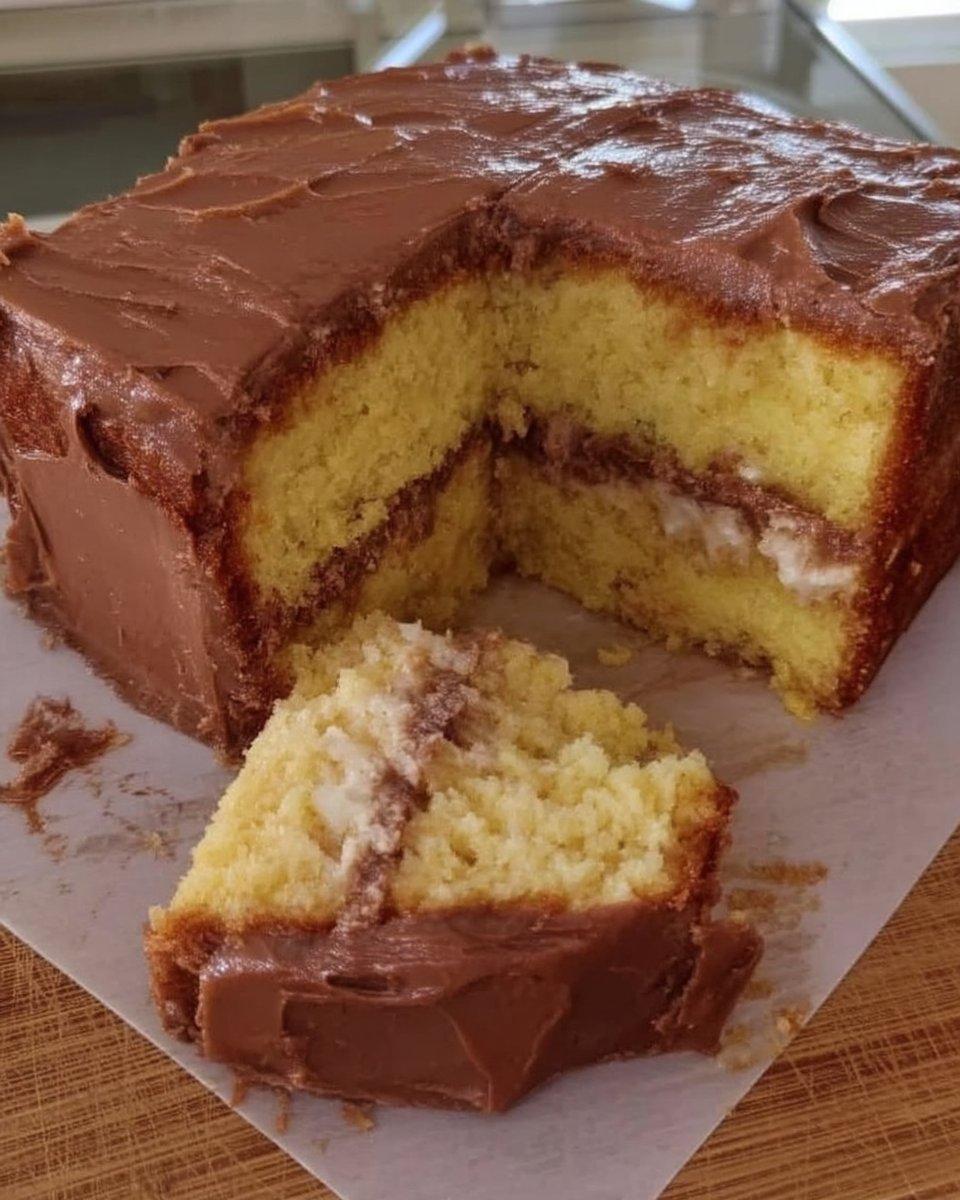
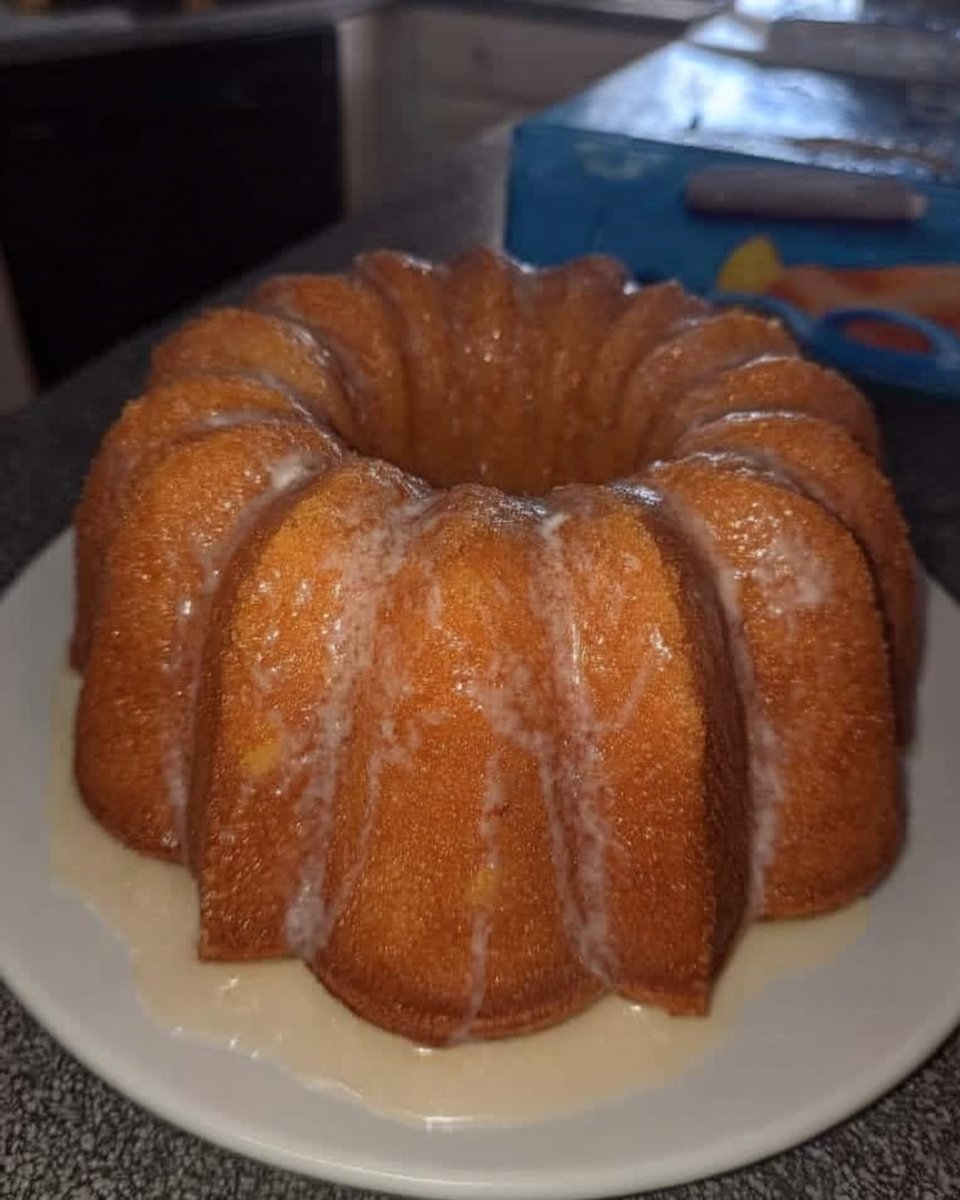
In our test kitchen, we performed a series of controlled experiments to determine the optimal fruit-to-batter ratio for this specific recipe. We discovered that cubing the fruit into precise 8mm (1/3-inch) segments prevents the structure from collapsing while maximizing moisture distribution. This method solves the common mystery of why some fruit cakes turn out soggy while others remain perfectly aerated.

This formulation uses vegetable oil as the primary fat to produce a crumb that remains tender and moist even after several days of storage. Unlike butter-based cakes that can firm up in cooler temperatures, the liquid fat here creates a consistently soft texture. It is a reliable, high-performance dessert that relies on chemical balance rather than complicated techniques for its success.
The Science of Success
The primary reason this recipe succeeds lies in its fat composition. By using 1 cup (250ml) of vegetable oil, we inhibit gluten formation more effectively than with butter, which contains water. This results in a superior, tender crumb that resists staling. Additionally, the specific ratio of brown or white sugar to flour creates a hygroscopic environment that locks in moisture from the apples.
We also found that the inclusion of ground cloves and nutmeg provides a chemical complexity that heightens the natural aromatic compounds in the fruit. The leavening agent, 3/4 tsp of baking soda, reacts with the natural acids in the apples to provide just enough lift without creating an overly alkaline aftertaste. This creates a dense, yet soft, European-style crumb that is technically stable and reliably delicious.
Print
Apple Cake Recipe
- Total Time: 1 hour 15 mins
- Yield: 10 servings
- Diet: Vegetarian
Description
This scientifically-optimized apple cake delivers a superior moisture-retaining crumb by utilizing a specific fat-to-flour ratio and precision-cut fruit segments. The result is a tender, spice-infused dessert that remains soft for days, perfectly balancing technical stability with home-style flavor.
Ingredients
- 2 cups (300g) All-Purpose Flour
- 1 cup (250ml) Vegetable Oil
- 1 1/4 cups (275g) White or Light Brown Sugar
- 2 cups (300g) Granny Smith Apples, cubed into 8mm segments
- 2 Large Eggs, room temperature
- 1 1/2 tsp Vanilla Extract
- 3/4 tsp Baking Soda
- 3/4 tsp Salt
- 1 tsp Ground Cinnamon
- 1/4 tsp Ground Cloves
- 1/4 tsp Ground Nutmeg
- 3/4 cup Chopped Walnuts or Almonds (optional)
Instructions
- Preheat your oven to 180°C (350°F), verify the temperature with a thermometer, and grease a 9-inch springform pan lined with parchment paper.
- In a large glass bowl, whisk together the flour, baking soda, salt, and spices for 30 seconds to ensure even distribution of the leavening agent.
- In a separate vessel, whisk the vegetable oil and sugar vigorously, then incorporate the room-temperature eggs and vanilla extract until the mixture is fully emulsified.
- Pour the wet ingredients into the dry bowl and fold with a spatula until only a few streaks of flour remain, being careful not to over-work the batter.
- Gently fold in the cubed apples and optional nuts, then transfer the thick batter to the prepared pan and smooth the top.
- Bake for 50 to 60 minutes until a skewer emerges clean, then cool in the pan for 10 minutes before moving to a wire rack to set.
Notes
For the best structural results, ensure your apple cubes are cut to a uniform 1/3-inch size to prevent them from sinking or causing the cake to collapse. Bringing your eggs to room temperature is a critical step; it allows for a stable emulsion with the vegetable oil that prevents the batter from breaking during the mixing phase.
- Prep Time: 20 mins
- Cook Time: 55 mins
- Category: Dessert
- Method: Baking
- Cuisine: European
The Variables: Ingredient Science
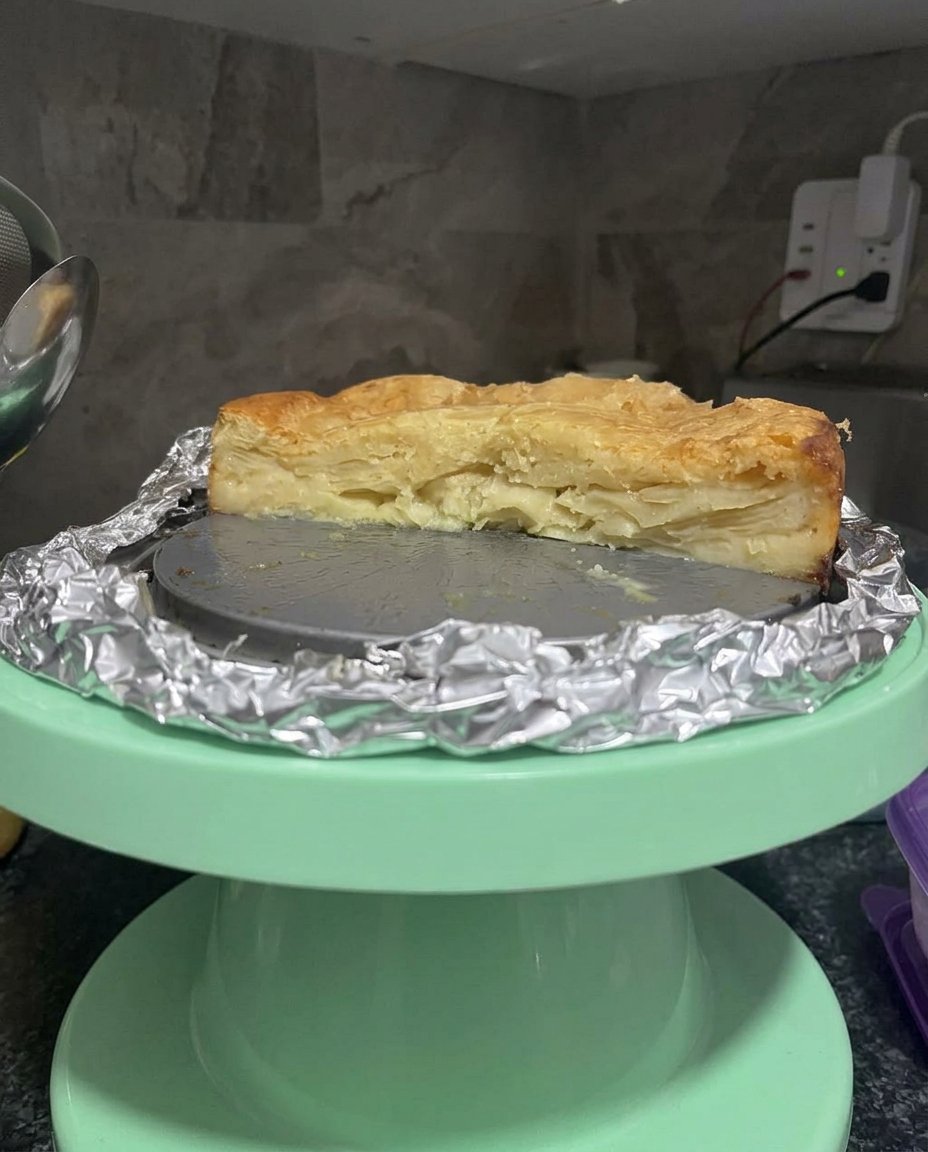
Every component in this list serves a specific functional purpose in the final structure of the cake. Understanding these variables allows for better control over the final result.
- All-Purpose Flour (2 cups / 300g): This provides the structural framework. We recommend a protein content of around 10-11% to achieve strength without toughness.
- Vegetable Oil (1 cup / 250ml): As a 100% fat source, it coats the flour proteins more efficiently than butter, resulting in a softer mouthfeel.
- White or Light Brown Sugar (1 1/4 cups / 275g): Beyond sweetness, sugar acts as a tenderizer and aids in the Maillard reaction for a golden crust.
- Granny Smith Apples (2 cups / 300g cubed): We chose these for their high acidity and firm cellular structure, which prevents them from turning into mush during the 50-minute bake time.
- Large Eggs (2): These act as the primary emulsifier, binding the fat and water-based ingredients into a smooth batter.
- Spices (Cinnamon, Cloves, Nutmeg): These aromatic compounds are fat-soluble, meaning they infuse the oil during the baking process for a deep, integrated flavor profile.
- Baking Soda (3/4 tsp): This alkaline leavener requires the acid from the apples to trigger the release of carbon dioxide for lift.
The Method: Step-by-Step Process
Step 1: Preliminary Setup and Calibration
Preheat your oven to exactly 180°C/350°F and verify the internal temperature with an independent oven thermometer. Grease a 21 cm (9-inch) springform pan and line the base with parchment paper to prevent sticking and facilitate easy removal.
Step 2: Sifting and Combining Dry Ingredients
In a large glass bowl, whisk together the 2 cups of flour, 3/4 tsp baking soda, 3/4 tsp salt, and the spices (cinnamon, cloves, nutmeg). Whisking for at least 30 seconds helps distribute the leavener evenly, which is critical for a uniform rise.
Step 3: Emulsifying the Wet Ingredients
In a separate vessel, combine the 1 cup of vegetable oil and 1 1/4 cups of sugar. Whisk vigorously to begin the integration process. Add the 2 large room-temperature eggs and 1 1/2 tsp of vanilla extract, whisking until the mixture is fully emulsified and slightly lightened in color.
Step 4: The Incorporation Phase
Pour the wet mixture into the dry ingredients. Use a wooden spoon or spatula to fold the components together until only a few streaks of flour remains. Avoid over-mixing at this stage to prevent the development of tough gluten strands. The batter should be thick and heavy.
Step 5: Integrating the Fruit
Fold in the 2 cups of cubed apples and optional almonds or walnuts. The moisture from the apples will slightly thin the batter as it sits. Transfer the mixture to your prepared pan and smooth the surface with an offset spatula.
Step 6: Thermal Processing
Bake in the center of the oven for 50 to 60 minutes. At the 50-minute mark, perform a puncture test with a wooden skewer in the center. The cake is finished when the skewer emerges with no wet batter attached. Allow the cake to sit in the pan for 10 minutes for the internal structure to set before moving it to a wire rack.
Lauren’s Lab Notes: Troubleshooting Guide
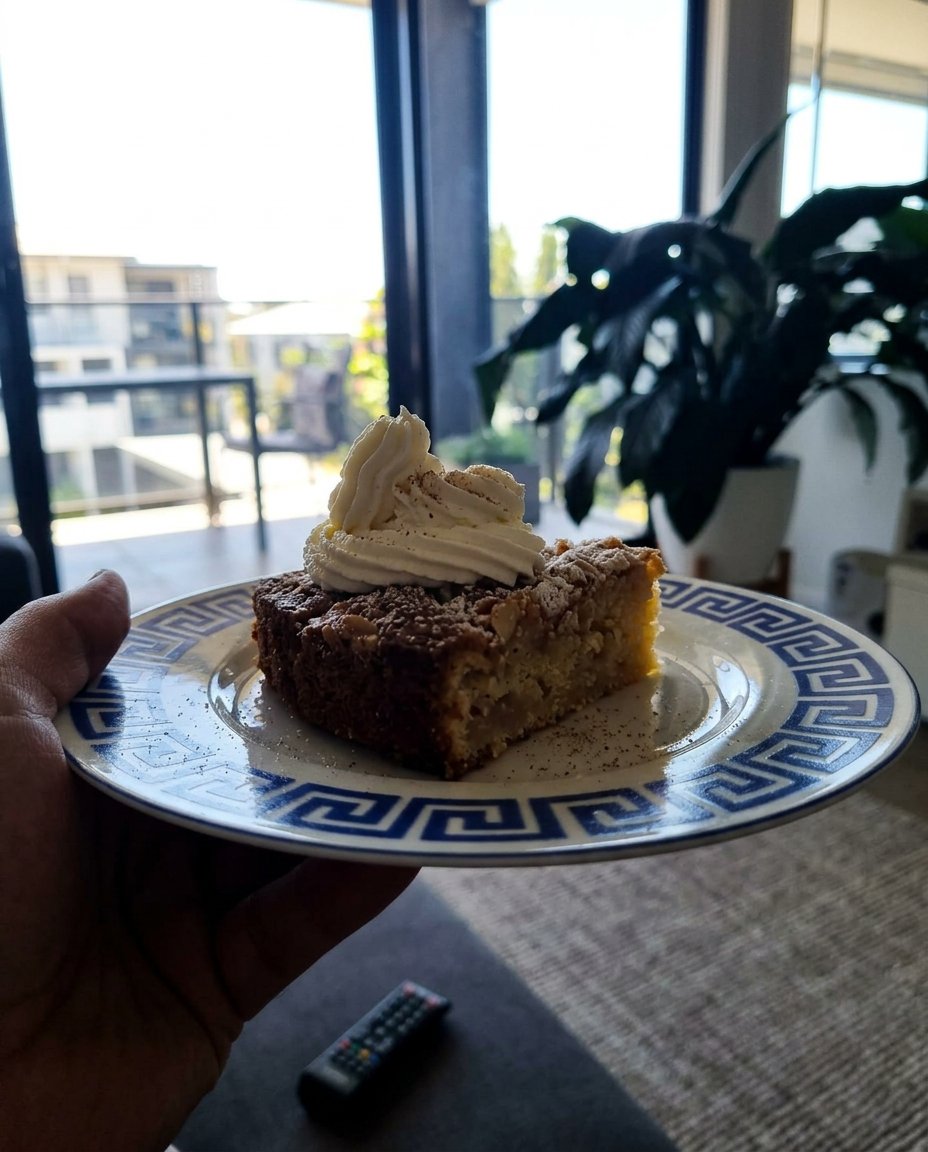
Temperature control is the most frequent point of failure in fruit-based cakes. Make certain your eggs are at room temperature (around 20°C/68°F) to guarantee a proper emulsion with the oil. If the eggs are too cold, the batter may break, leading to an uneven bake. Furthermore, do not over-mix the batter; stop as soon as the flour is incorporated to keep the crumb tender. If you find your fruit desserts are often too dry, comparing this method to our blueberry coffee cake will show you how different fat ratios affect moisture retention. Finally, if the top is browning too quickly, tent the pan loosely with foil at the 40-minute mark to protect the surface while the center finishes cooking.
Tested Variations and Precision Tweaks
Through our testing, we have verified several modifications that maintain the structural integrity of the cake. For a more rustic texture, you can substitute the white flour for whole wheat, but you must reduce the volume by 2 tablespoons to account for the increased fiber absorption. If you prefer a nuttier profile, adding 3/4 cup of chopped walnuts provides a mechanical crunch that offsets the soft apple cubes. For those interested in how different fruits react to this batter base, our research on the strawberry rhubarb cake provides excellent data on handling high-moisture produce without compromising the rise.
Presentation Notes and Pairing Guide
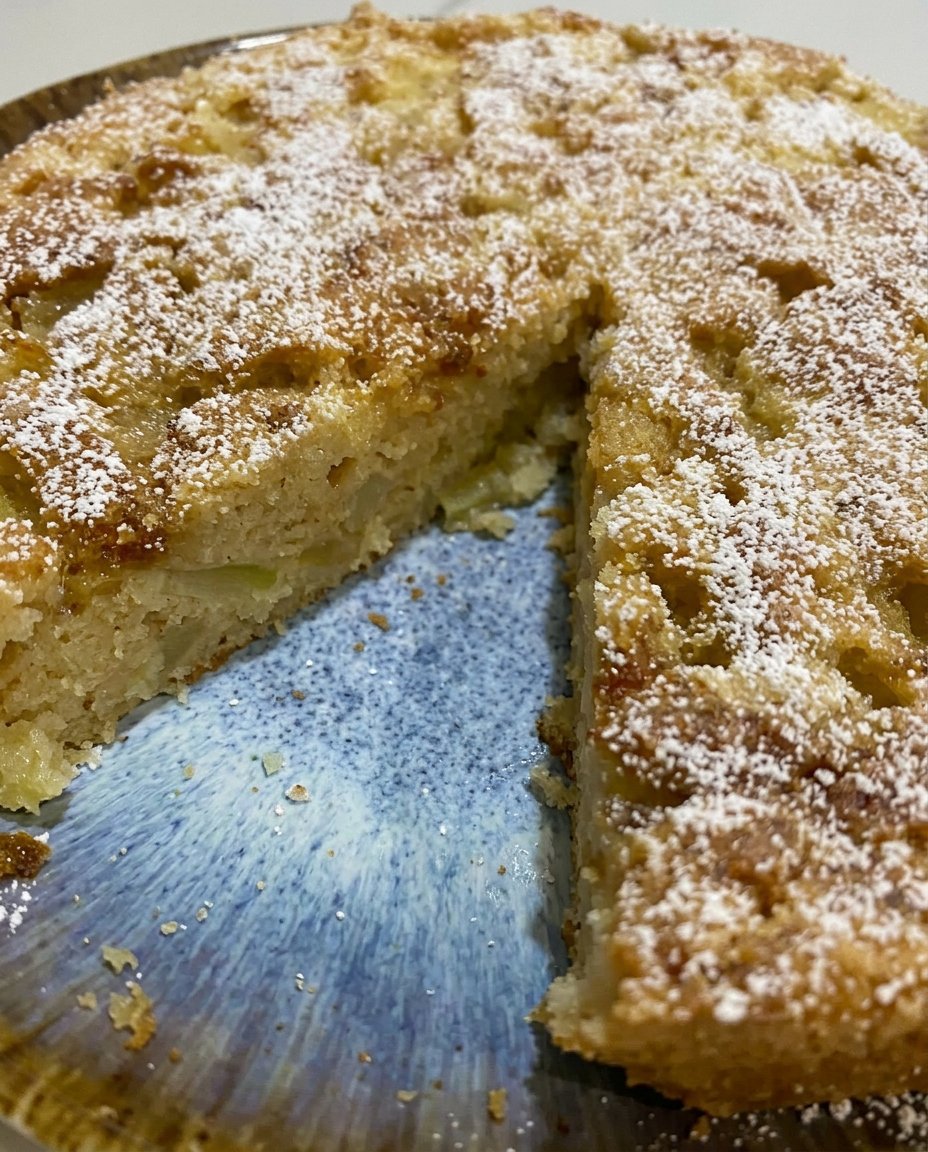
For the cleanest slices, allow the cake to cool completely to room temperature, which typically takes 90 minutes. This allows the fruit starches to fully set. A light dusting of confectioners’ sugar adds a professional finish without overwhelming the natural apple flavor. If you are interested in the broader context of fruit-based desserts, our guide on fresh fruit baking explains how to pair different crumb textures with seasonal produce for maximum impact. This cake is technically moist enough to be eaten alone, but a dollop of unsweetened whipped cream can provide a pleasant temperature and fat contrast.
The Final Analysis: Mastery Through Science
Achieving consistent results in baking requires a commitment to precision and an understanding of ingredient functionality. This apple cake is a testament to how simple variables, like the size of a fruit cube or the type of fat used, can dramatically change the final product. We encourage you to continue verifying your results and adjusting your techniques based on the data your kitchen provides. If you enjoyed this methodical approach to fruit cakes, consider examining our technical breakdown of the irish apple cake. Stay connected with our test kitchen for more scientific baking insights on Pinterest, Instagram, and Facebook.