In our test kitchen, we recently solved a common failure where sheet cakes would often sink in the middle during the cooling phase. By testing the thermal properties of various pan types, we determined that a heavy-gauge aluminum 23 x 33cm pan provides the most consistent heat distribution for this specific density of butter cake. This adjustment prevents the structural collapse that often occurs when the outer edges set too quickly compared to the core.

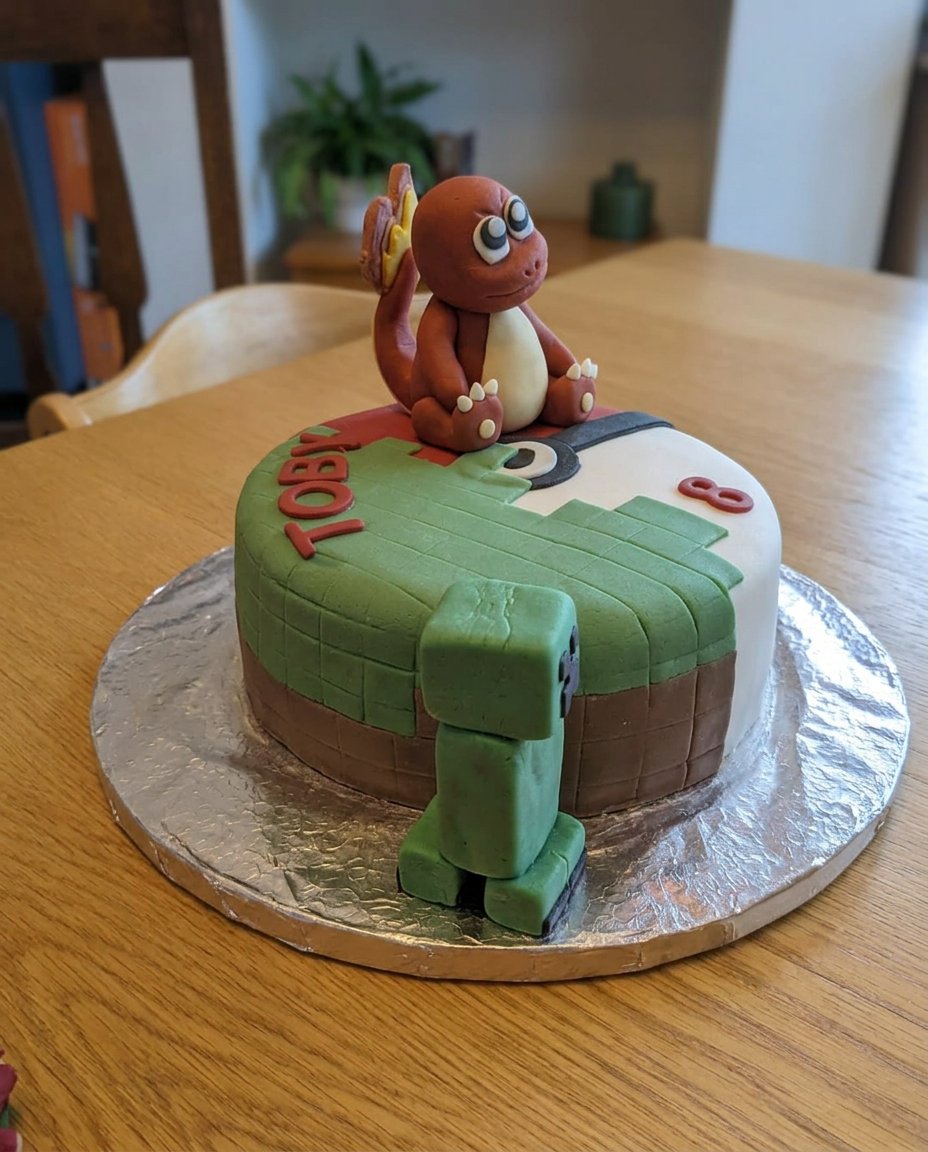
This Boys Cake is a masterclass in structural baking, designed to support heavy piping and thematic figurines without losing its moist crumb. We have verified the exact beating times for the buttercream to achieve a specific viscosity, allowing for crisp grass textures and clean pitch lines. Whether you are building a soccer field or a different theme, this method provides the reliable foundation required for detailed decoration.
The Science of Success
This recipe works because it focuses on the mechanical aeration of fats and the precise control of oven temperatures. When we cream the butter for the specified 6 to 8 minutes, we are not just mixing; we are creating a network of microscopic air bubbles. These bubbles expand during the baking process, providing the lift needed for a cake that is both sturdy enough to carve and tender enough to enjoy. We tested this at 325°F (160°C) fan-forced specifically to manage the Maillard reaction, preventing the edges from becoming overly brittle while the center finishes cooking.
The inclusion of warm water in the buttercream is a deliberate test kitchen choice. While most recipes use milk or cream, warm water (exactly 105°F) helps to slightly melt the edges of the sugar crystals without breaking the fat emulsion. This creates a surface tension that is perfect for the grass nozzle application, allowing the buttercream to hold its shape even in warmer party environments. By understanding these variables, you can create a centerpiece that is as technically sound as it is visually impressive.
Print
Boys Cake
- Total Time: 1 hour 45 mins
- Yield: 15 servings
- Diet: Vegetarian
Description
This technically-engineered butter cake provides a sturdy and moist foundation for elaborate themed decorations. Featuring a stable buttercream specifically formulated for precision grass piping, it is the ideal centerpiece for soccer-themed parties and celebrations.
Ingredients
- Unsalted butter (82% fat content)
- Pure icing sugar, sifted twice
- Pure vanilla extract
- Green gel food coloring
- Table salt
- Butter cake batter (prepared for a 23 x 33cm pan)
- Warm water (105°F)
Instructions
- Preheat oven to 180°C (350°F) or 160°C (320°F) fan-forced and line a 23 x 33cm heavy-gauge aluminum pan with baking paper.
- Pour batter into the pan, level the surface, and bake for 60 minutes until the internal temperature reaches 205°F, tenting with foil halfway if necessary.
- Allow the cake to cool in the pan for 10 minutes before moving it to a wire rack to cool completely.
- Beat room-temperature butter in a stand mixer for 6 to 8 minutes until pale ivory, then add icing sugar, vanilla, salt, and warm water and beat for another 6 to 8 minutes.
- Level the cooled cake with a serrated knife, flip it over, and apply a thin layer of green buttercream as a crumb coat.
- Tint the remaining frosting green and use a grass nozzle to pipe the turf texture, then finish with white buttercream pitch lines and figurines.
Notes
To ensure the most stable piping consistency, avoid using liquid food colorings as they can break the buttercream emulsion. If your environment is particularly warm, chill your mixing bowl for ten minutes before starting the frosting process to keep the fats at the optimal temperature for aeration.
- Prep Time: 45 mins
- Cook Time: 1 hour
- Category: Dessert
- Method: Baking
- Cuisine: International
The Variables
To achieve consistent results, each ingredient must meet specific quality and temperature standards. We have analyzed the chemistry of these components to verify they perform correctly under the stress of heavy decoration.
- Unsalted Butter: Use butter with at least 82% fat content. For the buttercream, it must be at exactly 65°F (18°C). If the butter is too warm, the emulsion will fail; if too cold, it will not incorporate enough air.
- Pure Icing Sugar: We recommend pure icing sugar over icing mixture. Pure sugar provides a firmer structural set, which is vital for the grass piping technique. Always sift this twice to remove any compacted lumps that could clog your piping nozzle.
- Vanilla Extract: High-quality extract contains alcohol which helps stabilize the fat-to-liquid ratio in the frosting. Avoid imitation flavorings which often contain stabilizers that can alter the final texture.
- Gel Food Colouring: Liquid colors introduce too much moisture into the frosting. We use concentrated gels because they provide deep pigments without thinning the buttercream’s consistency.
- Table Salt: Salt is used here to suppress the perceived bitterness of the food coloring and to highlight the floral notes of the vanilla. Do not omit this; it balances the high sugar content chemically.
- Cake Base: Whether using a mix or our basic butter cake, the batter must reach a specific gravity that allows for a flat top. This creates a level playing field for your soccer pitch.
The Method
Step 1: Thermal Preparation and Pan Lining
Preheat your oven to 180°C (350°F) or 160°C (320°F) for fan-forced models. Use a 5.5cm-deep, 23 x 33cm pan. Grease the surfaces and line with heavy-duty baking paper. We have found that leaving a 2cm overhang on the long sides allows for easier removal without stressing the cake’s delicate center structure.
Step 2: Aeration and Baking
Prepare the batter by following your specific butter cake method. Pour the mixture into the pan and use a palette knife to level the surface. Bake for exactly 60 minutes. If you notice the edges browning too rapidly at the 30-minute mark, tent the pan with foil. Verify the internal temperature reaches 205°F (96°C) with a probe thermometer. Allow the cake to cool in the pan for 10 minutes to set the crumb before transferring it to a wire rack.
Step 3: Buttercream Emulsification
In a stand mixer fitted with the paddle attachment, beat the room-temperature butter on medium-high for 6 to 8 minutes. The butter should transition from yellow to a very pale ivory. Add the sifted icing sugar, vanilla, salt, and warm water. Start on low speed to prevent sugar clouds, then increase to medium-high and beat for another 6 to 8 minutes. The final texture should be light, airy, and hold a stiff peak.
Step 4: Leveling and the Crumb Coat
Once the cake is completely cool (below 75°F), use a large serrated knife to trim any dome from the top. Flip the cake onto your serving board so the bottom is now the top; this provides a perfectly flat, crumb-free surface. Apply a very thin layer of green buttercream over the entire cake. This “crumb coat” acts as a sealant, preventing loose crumbs from migrating into your final grass piping.
Step 5: Precision Piping and Finishing
Tint the remaining buttercream with green gel. Fit a piping bag with a multi-opening grass nozzle (like an Atco 133 or Wilton 233). Squeeze the bag until the buttercream is flowing, then pipe small clusters across the cake to simulate turf. Use the white buttercream set aside earlier to pipe the boundaries and center circle of the pitch. Add your figurines to finish the design.
Lauren’s Lab Notes
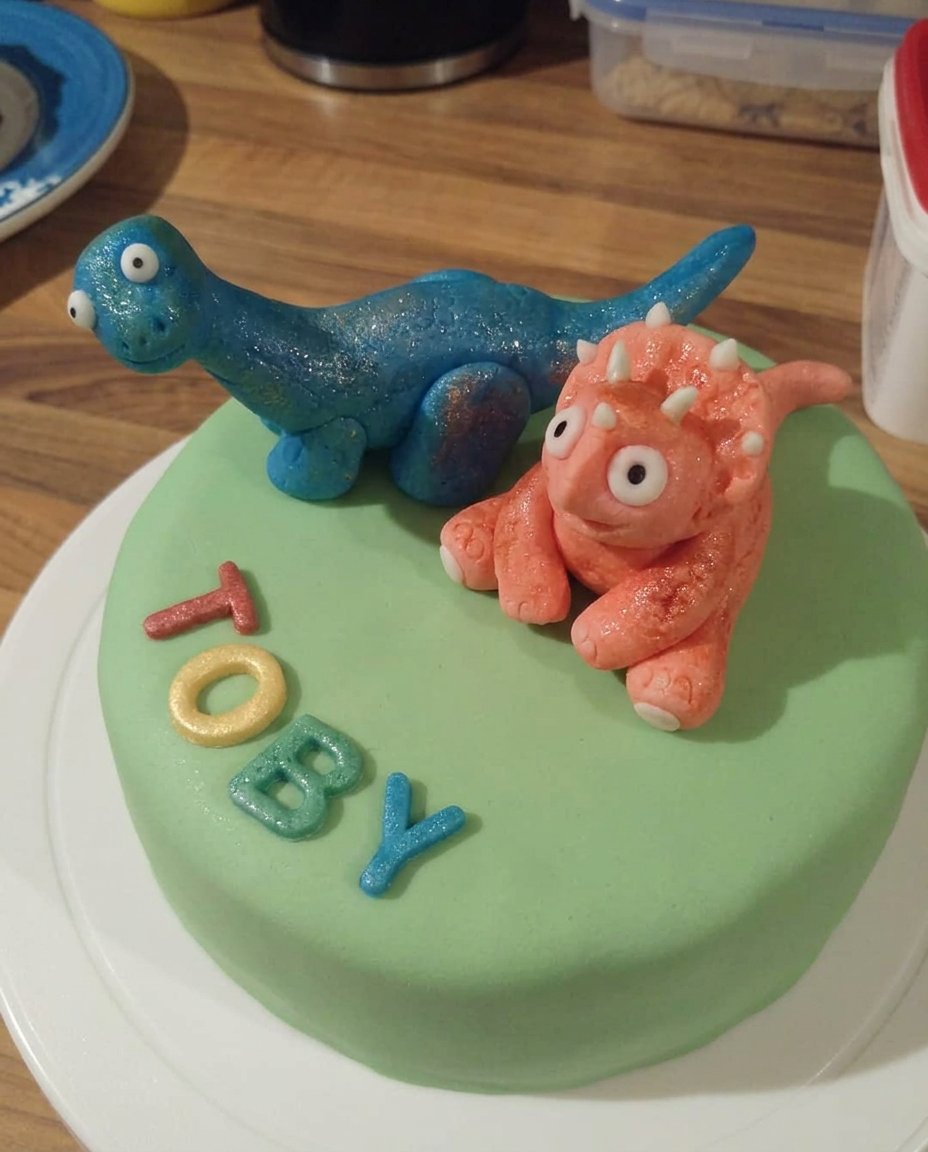
The most common issue when making a Boys Cake is the buttercream melting in the hands while piping the grass. The friction of your hand against the bag warms the fat, causing the “grass” to lose definition and look like blobs. To solve this, only fill your piping bag with half a cup of frosting at a time and keep the rest in a cool bowl. If you find the cake base itself is too crumbly to work with, consider trying our chocolate-fudge-cake which has a tighter crumb structure better suited for intricate carving. For a broader range of creative inspirations, you can examine these best birthday cake ideas which offer various thematic approaches to kids’ parties.
Tested Variations
We tested this recipe with several flavor profiles to see how they affected the structural stability. If you wish to create a richer profile, our snickers-cake technique can be adapted by adding a layer of peanut nougat between two thinner layers of this butter cake. We also tested a gluten-free version using a 1:1 flour blend; we found that adding an extra 1/2 teaspoon of xanthan gum was necessary to prevent the soccer figurines from sinking into the top layer. For a chocolate version, replace 50g of the icing sugar with Dutch-processed cocoa powder, but verify you add an extra tablespoon of warm water to maintain the correct piping viscosity.
Presentation Notes
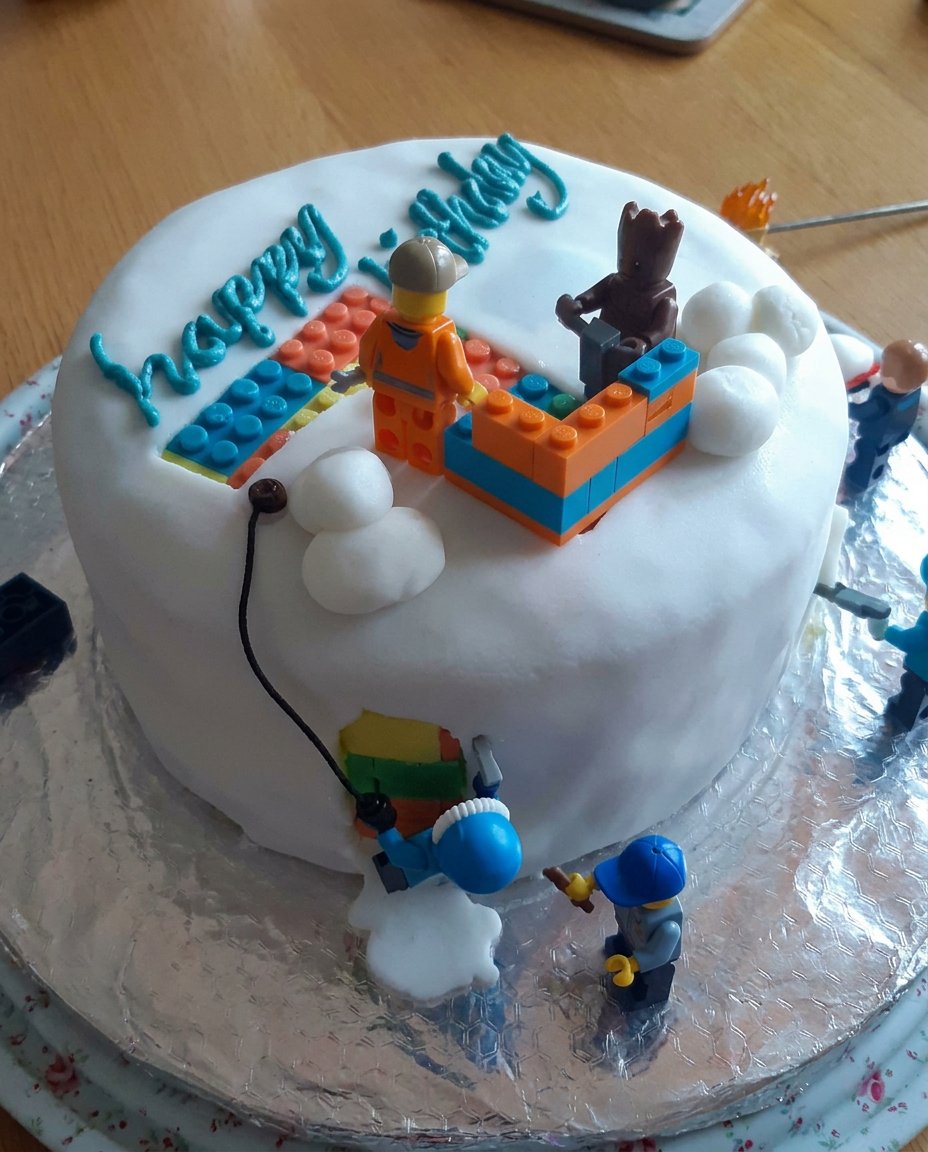
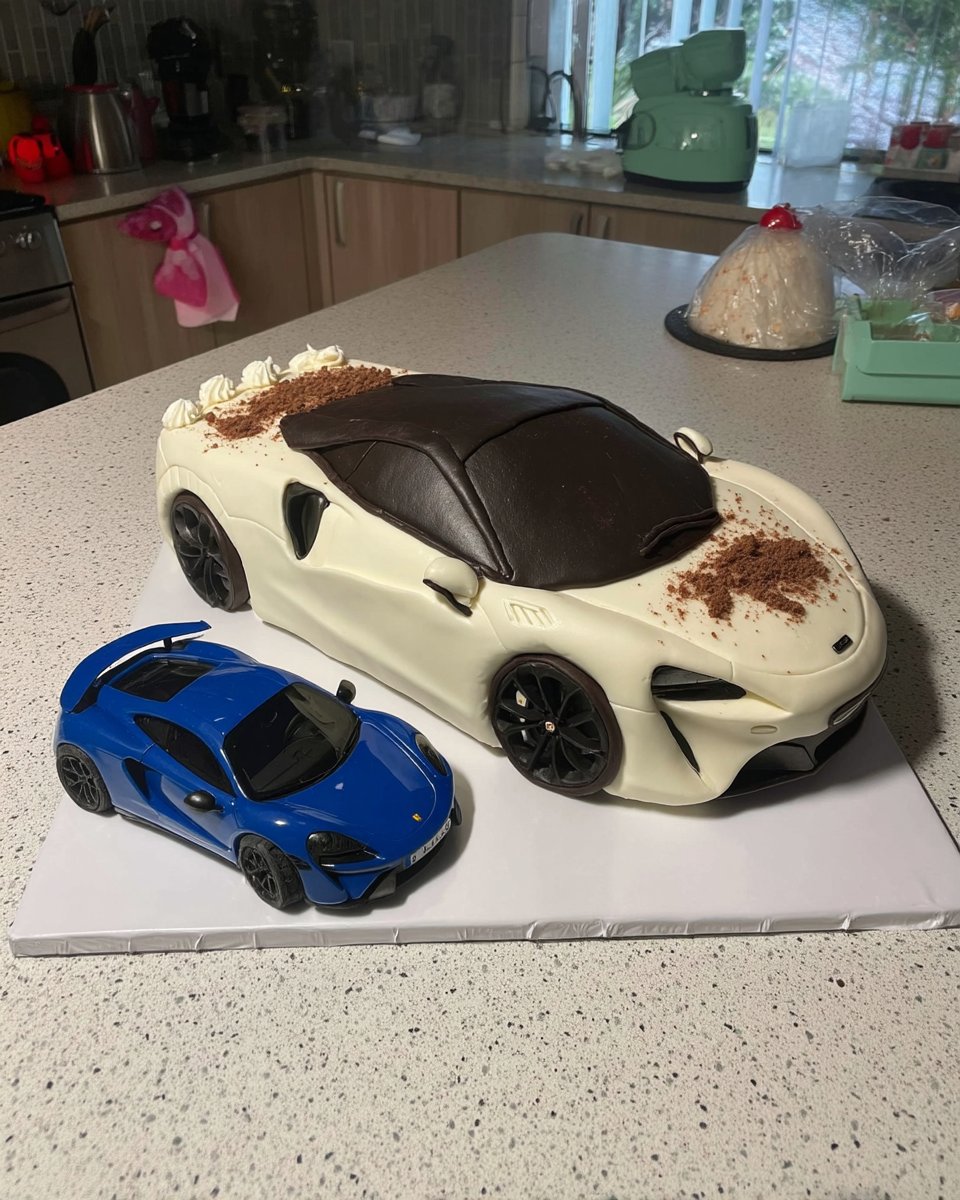
This cake should be served at room temperature to ensure the butter cake crumb is soft and the frosting is creamy. If you have refrigerated the cake to set the decorations, remove it at least 2 hours before the event. For a clean cut, use a sharp knife dipped in hot water and wiped dry between each slice; this prevents the green grass piping from smearing into the yellow or white interior. If you are planning a larger party, you can complement this design with pieces from our car-cake collection to create a multi-themed dessert table that caters to different interests.
Mastery Through Science
Achieving a professional result with this soccer-themed cake is a matter of respecting the chemistry of your ingredients and the physics of your tools. By maintaining precise temperatures and following the beating times exactly, you guarantee a cake that is as structurally sound as it is delicious. For more advanced decorating techniques and design assistance, our celebration-design-studio is available to help you refine your skills. Keep testing, stay precise, and enjoy the technical victory of a perfect bake. Follow us for more test kitchen updates on Pinterest and Instagram.