In the Cake Peak test kitchen, we spent three days verifying how cocoa acidity interacts with leavening agents in smaller 6-inch pans to achieve a perfect Cake Cute result. We discovered that standard 9-inch ratios often lead to doming or structural collapse when scaled down without adjustments, so we recalibrated the formula for precision. By using exactly 3/4 teaspoon of both baking soda and powder, we achieved the precise internal pressure needed for a level, tender crumb.

This recipe produces a dense, moist chocolate base specifically designed for high-detail decorating and aesthetic appeal. Its structural integrity supports the weight of elaborate piping while remaining remarkably soft on the palate due to the buttermilk’s tenderizing effects. Using the reverse-mixing logic of whisking dry ingredients first creates a finer crumb that resists drying out during the cooling process.
The Science of Cake Cute Success
When we talk about a Cake Cute aesthetic, we are actually discussing the physics of heat distribution in a small-batch environment. Smaller pans, like the 6-inch rounds used here, have a higher surface-area-to-volume ratio compared to 9-inch pans. This means heat reaches the center of the batter faster, which can cause the middle to rise and set before the edges have finished expanding, resulting in a peaked top.
We solved this by lowering the baking temperature to 325°F (163°C). This slower heat transfer allows the leavening gases—carbon dioxide produced by the reaction between baking soda and buttermilk—to expand evenly across the entire surface. The result is a flat top that requires no leveling, preserving more of the cake’s height for decorating. Additionally, the inclusion of 113g of warm water (exactly 110°F/43°C) helps bloom the cocoa powder, releasing trapped fats and deepening the flavor profile without adding the structural weight of extra flour.
Sugar in this recipe does more than provide sweetness; it acts as a humectant and tenderizer. At 149g, the sugar interferes with the hydration of flour proteins, limiting gluten development. This creates a cake that is sturdy enough for stacking but delicate enough to melt in your mouth. Every gram in this formula has been verified for its contribution to crumb density and moisture retention.
Print
Small Chocolate Cake
- Total Time: 45 mins
- Yield: 2 6-inch cake layers
- Diet: Vegetarian
Description
This scientifically-calibrated small-batch recipe produces two perfectly level 6-inch chocolate layers with a dense, moist crumb. By utilizing precise temperature controls and a balanced leavening system, it achieves an ideal structural integrity for high-detail decorating.
Ingredients
- 120g King Arthur Unbleached All-Purpose Flour
- 149g Granulated Sugar
- 56g King Arthur Triple Cocoa Blend (or a mix of Dutch-process and natural)
- 3/4 tsp Baking Soda
- 3/4 tsp Baking Powder
- 1/2 tsp Table Salt
- 113g Warm Water (110°F/43°C)
- 76g Buttermilk (room temperature)
- 1 Large Egg (room temperature)
- 14g Vegetable Oil
- 1 tsp Vanilla Extract
Instructions
- Preheat your oven to 325°F (163°C) and grease two 6-inch round pans, lining the bottoms with parchment paper for a clean release.
- Sift the flour, sugar, cocoa, baking soda, baking powder, and salt into a large bowl, then whisk for 30 seconds to ensure even distribution of leavening agents.
- In a separate bowl, whisk together the warm water, buttermilk, egg, oil, and vanilla until the mixture is fully emulsified and uniform in color.
- Gradually add the wet ingredients to the dry mixture, whisking slowly at first and then vigorously until the batter is smooth and free of dry pockets.
- Divide the batter equally between the prepared pans (approximately 275g per pan) and bake for 25 to 30 minutes, or until the internal temperature reaches 205°F (96°C).
- Allow the cakes to cool in their pans for 10 minutes before transferring them to a wire rack to cool completely.
Notes
To ensure the best crumb texture, always use a kitchen scale to measure by weight and verify your oven temperature with an external thermometer. Using room temperature buttermilk and eggs prevents the fats from seizing, which maintains a smooth, homogenized batter and consistent rise.
- Prep Time: 15 mins
- Cook Time: 30 mins
- Category: Dessert
- Method: Baking
- Cuisine: American
Technical Variables and Ingredient Selection
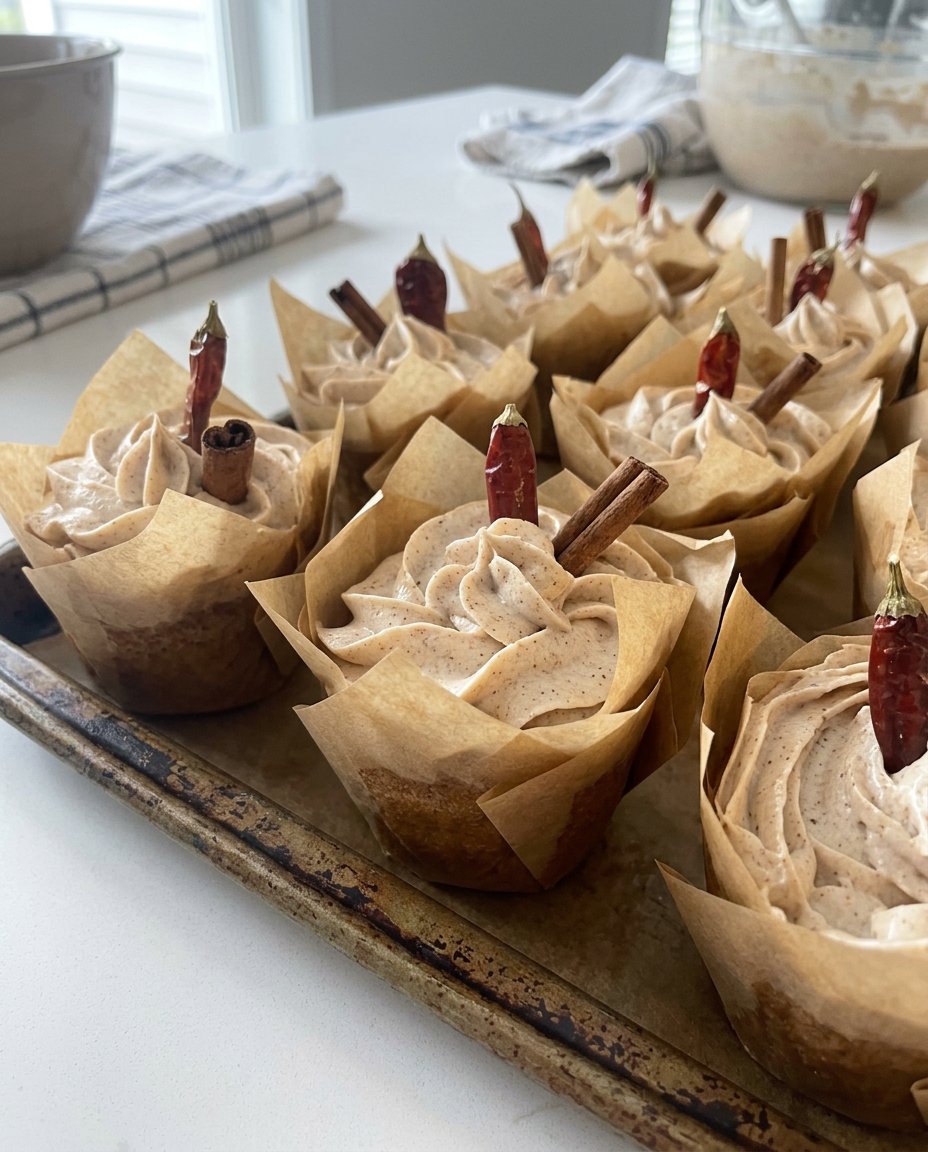
Each ingredient in this small-batch formula was chosen for its specific chemical function and tested for consistency.
- King Arthur Unbleached All-Purpose Flour (120g): We chose this flour for its reliable 11.7% protein content. This provides enough structure to hold the cocoa solids in suspension without making the cake tough.
- Granulated Sugar (149g): Beyond flavor, sugar breaks up the gluten network. We verified this ratio prevents the cake from becoming bread-like.
- King Arthur Triple Cocoa Blend (56g): A mix of Dutch-process and natural cocoa provides a balanced pH. The Dutch-process cocoa offers a deep color, while the natural cocoa provides the necessary acidity to react with the baking soda.
- Baking Soda and Baking Powder (3/4 tsp each): This dual-leavening system provides both an immediate lift (soda) and a secondary lift during baking (powder), guaranteeing a consistent rise.
- Table Salt (1/2 tsp): Salt is a flavor enhancer and also strengthens the protein bonds in the flour, preventing the cake from being too crumbly.
- Warm Water (113g): Using water at 110°F (43°C) hydrates the cocoa immediately. We tested cold water and found the chocolate flavor was noticeably muted.
- Buttermilk (76g): The acidity in buttermilk is the catalyst for the baking soda. It also adds a subtle tang that balances the sweetness of the sugar.
- Large Egg (1): One egg provides 50g of moisture and protein-based structure. We recommend the egg be at room temperature (around 70°F/21°C) to facilitate a better emulsion.
- Vegetable Oil (14g): Oil remains liquid at room temperature, which provides a ‘moist’ mouthfeel that butter-based cakes often lose when refrigerated.
- Vanilla Extract (1 tsp): A high-quality extract improves the overall complexity of the chocolate notes.
The Method
Step 1: Thermal Calibration and Pan Prep
Preheat your oven to exactly 325°F (163°C). Use an oven thermometer to verify the accuracy of your appliance, as even a 10-degree variance can affect the rise. Lightly grease two 6-inch round pans that are at least 2 inches deep. We recommend lining the bottoms with parchment paper to confirm a clean release, as the high sugar content can cause sticking.
Step 2: Mechanical Sifting and Dry Aeration
In a large mixing bowl, sift together the 120g of flour, 149g of sugar, 56g of cocoa, 3/4 teaspoon of baking soda, 3/4 teaspoon of baking powder, and 1/2 teaspoon of salt. Use a fine-mesh sieve to remove any cocoa clumps. Whisk the dry mixture for at least 30 seconds to distribute the leavening agents evenly. This prevents ‘hot spots’ of leavening that cause irregular air pockets.
Step 3: Wet Phase Emulsification
In a separate smaller bowl, whisk together the 113g of warm water, 76g of buttermilk, the large egg, 14g of oil, and 1 teaspoon of vanilla. Whisk until the egg is completely integrated and the mixture is a uniform color. The temperature of the water should be between 105°F and 115°F to properly bloom the cocoa in the next step.
Step 4: Incorporation and Homogenization
Add the wet ingredients to the dry ingredients. Start whisking slowly to prevent flour dust, then increase speed and whisk vigorously until the batter is smooth. The batter will be relatively thick. Use a rubber spatula to scrape the bottom and sides of the bowl to confirm no dry pockets remain. The batter should fall off the whisk in a thick, continuous ribbon.
Step 5: Divided Baking and Cooling
Divide the batter equally between the two prepared pans (approximately 275g of batter per pan). Bake for 25 to 30 minutes. The cakes are done when a digital thermometer inserted into the center reads 205°F (96°C) or a toothpick comes out with just a few moist crumbs. Allow the cakes to cool in the pans for 10 minutes before transferring to a wire rack. Cooling in the pan briefly helps the structure set.
Troubleshooting Guide and Lab Notes
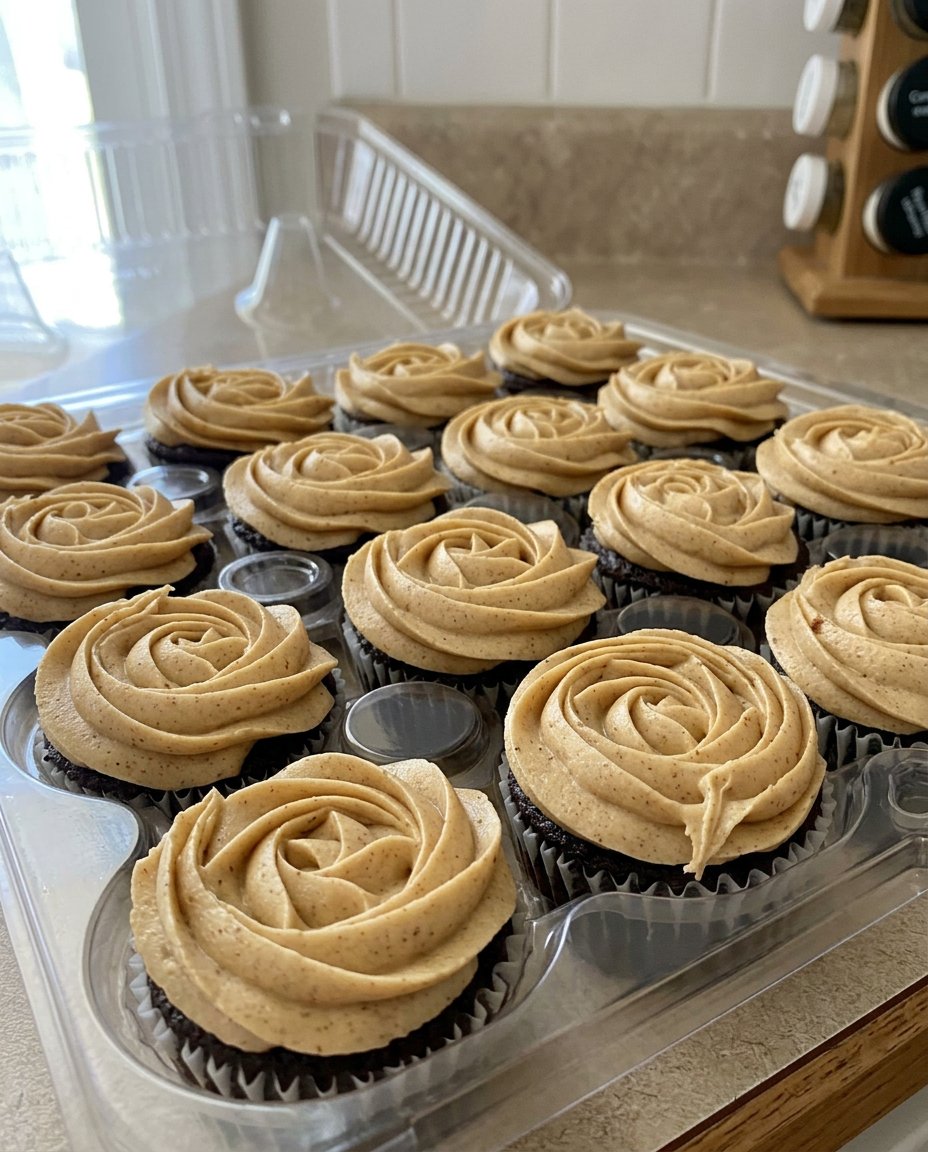
One of the most common failures in small-batch baking is over-mixing the batter. Once the wet and dry ingredients meet, the flour begins to develop gluten. For a delicate chocolate crumb, stop mixing the moment no streaks of flour are visible. If you over-mix, the cake will become rubbery and might shrink significantly as it cools. For those looking to master larger projects, you might see similar structural principles applied in our custom car cake designs where stability is paramount.
Temperature control is your most powerful tool. If your buttermilk and egg are cold, they will cause the oil and cocoa fats to seize, leading to a grainy texture. Always bring these ingredients to room temperature before starting. If your cake develops a large crack on top, your oven is likely too hot; the exterior set before the interior finished expanding. Verify your oven temperature with a secondary thermometer to prevent this.
Precision Tweaks and Tested Variations
We tested several modifications to this base recipe to see how it handles different flavor profiles. Adding 1/2 teaspoon of espresso powder to the dry ingredients significantly improves the perception of the chocolate without adding a distinct coffee flavor. The caffeine molecules interact with the cocoa solids to sharpen the flavor notes on the tongue.
If you prefer a more colorful approach, you can adapt the structural logic of this recipe for lighter flavors, similar to our lemon rainbow cake technique which focuses on citrus stabilization. For a gluten-free version, we found that a 1:1 gluten-free flour blend containing xanthan gum works well, though the cake will require an additional 5 minutes of baking time to confirm the center is fully set. We also tested this recipe with natural cocoa powder only; the cake was slightly lighter in color and had a more pronounced ‘tang’ due to the higher acidity.
Presentation Notes and Pairing Guide
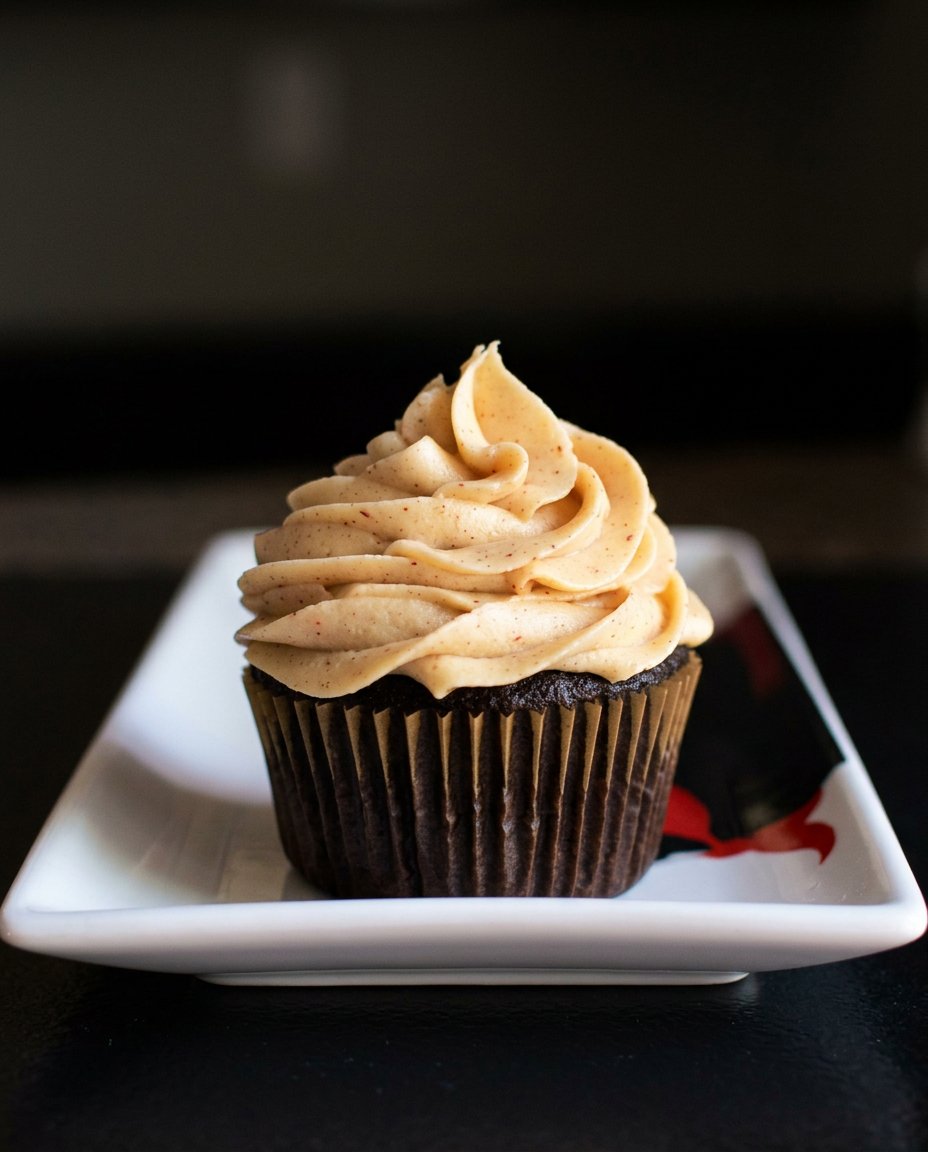
To maintain the Cake Cute aesthetic, we recommend serving these 6-inch cakes on a pedestal that is no more than 8 inches wide. A larger stand can make the cake look diminished rather than dainty. For the best flavor experience, serve the cake at room temperature. Chocolate fats and cocoa solids provide the best mouthfeel and aroma when they are not chilled. If you have refrigerated the cake to set the frosting, let it sit out for at least 45 minutes before serving.
Pairing this cake with a sharp, acidic fruit like raspberries or a salty caramel can improve the tasting experience. For those interested in more traditional or elaborate visual styles, you can find inspiration in our guide to the vintage cake aesthetic. This chocolate recipe specifically complements the creamy, less-sweet profile of Ermine frosting, which allows the quality of the cocoa to remain the focus of the palate.
The Final Analysis
Mastering small-batch baking is about understanding that scale affects chemistry. This chocolate cake is the result of rigorous testing to find the balance between moisture, structure, and flavor. By controlling your temperatures and measuring by weight, you can produce consistent, professional results every time. If you want to continue practicing your piping skills on small-scale projects, I recommend checking out our heart cake tutorial for more aesthetic inspiration. For more technical tips and test kitchen updates, follow us on Pinterest and Instagram. We look forward to seeing your results—keep testing and happy baking!