During our rigorous testing at the Cake Peak lab, we scrutinized the structural transformation that occurs when you deviate from the standard instructions on a box of cake mix. We discovered that by eliminating the liquid components—specifically the water or milk—and adjusting the lipid ratio, we could force the leavening agents and pre-treated flours to behave like a traditional cookie dough rather than a light batter. This experiment proved that precision in hydration is the key to converting a pourable mixture into a stable, scoopable dough.

These Cake Mix Cookies are the result of that scientific curiosity, offering a predictable and repeatable method for creating soft, chewy treats with minimal variables. By using the pre-measured ratios of sugar and flour found in high-quality commercial mixes, we can focus entirely on the technique of emulsification and temperature control to produce a consistent crumb. This guide details exactly how to manage those variables to achieve a professional-grade result every time.
The Science of Success
This recipe works because it manipulates the hydration levels of low-protein cake flour to create a dense, tender crumb. In our test kitchen, we compared several iterations of this formula, varying the fat content and egg quantity to determine the exact point of structural failure. We found that two large eggs provide just enough protein to bind the starch molecules without introducing the excess moisture that would lead to a cake-like, spongy texture.
The presence of emulsifiers like soy lecithin and mono- and diglycerides in the boxed mix actually aids the home baker by creating a more stable bond between the vegetable oil and the egg proteins. This stability allows for a cookie that remains soft for days, as the fats are more effectively distributed throughout the dough. Unlike traditional recipes where creaming butter can be inconsistent based on ambient temperature, this oil-based method provides a reliable lipid profile that ensures a uniform spread and lift in the oven.
Furthermore, the pre-gelatinized starches often found in commercial mixes contribute to a superior mouthfeel. We tested these cookies against a standard flour-based sugar cookie, and the cake-mix version consistently scored higher for moisture retention. This is not just a shortcut; it is a calculated use of food science to achieve a specific texture that is difficult to replicate with raw ingredients alone.
Print
Cake Mix Cookies
- Total Time: 22 mins
- Yield: 24 cookies
- Diet: Vegetarian
Description
Discover the food science behind transforming a standard boxed cake mix into thick, chewy cookies by manipulating hydration and lipid ratios. This method yields a consistent, bakery-quality crumb with minimal variables, perfect for any flavor of mix.
Ingredients
- 1 box (15.25-ounce/432g) Cake Mix
- 1/2 cup (118ml) Vegetable Oil
- 2 Large Eggs
- 1/2 to 1 cup Mix-ins (chocolate chips, sprinkles, etc.)
Instructions
- Preheat your oven to 350°F (177°C) and line two heavy-duty baking sheets with parchment paper.
- In a mixing bowl, combine the cake mix, vegetable oil, and two room-temperature eggs, stirring until a cohesive dough forms.
- Gently fold in your chosen mix-ins during the final seconds of mixing to preserve the dough structure.
- Using a 2-tablespoon (30ml) cookie scoop, portion the dough into balls and place them 2 inches apart on the prepared sheets.
- Bake for 10 to 12 minutes until the edges are set and the centers appear slightly dry to the touch.
- Allow the cookies to rest on the baking sheet for 5 minutes before transferring them to a wire cooling rack to stabilize.
Notes
For the most consistent results, always use a digital scale to verify your cake mix weight, as commercial boxes can vary slightly. Ensure your eggs are at room temperature before mixing to facilitate proper emulsification with the vegetable oil, preventing a patchy or oily texture in the finished cookie.
- Prep Time: 10 mins
- Cook Time: 12 mins
- Category: Dessert
- Method: Baking
- Cuisine: American
The Variables of the Formula
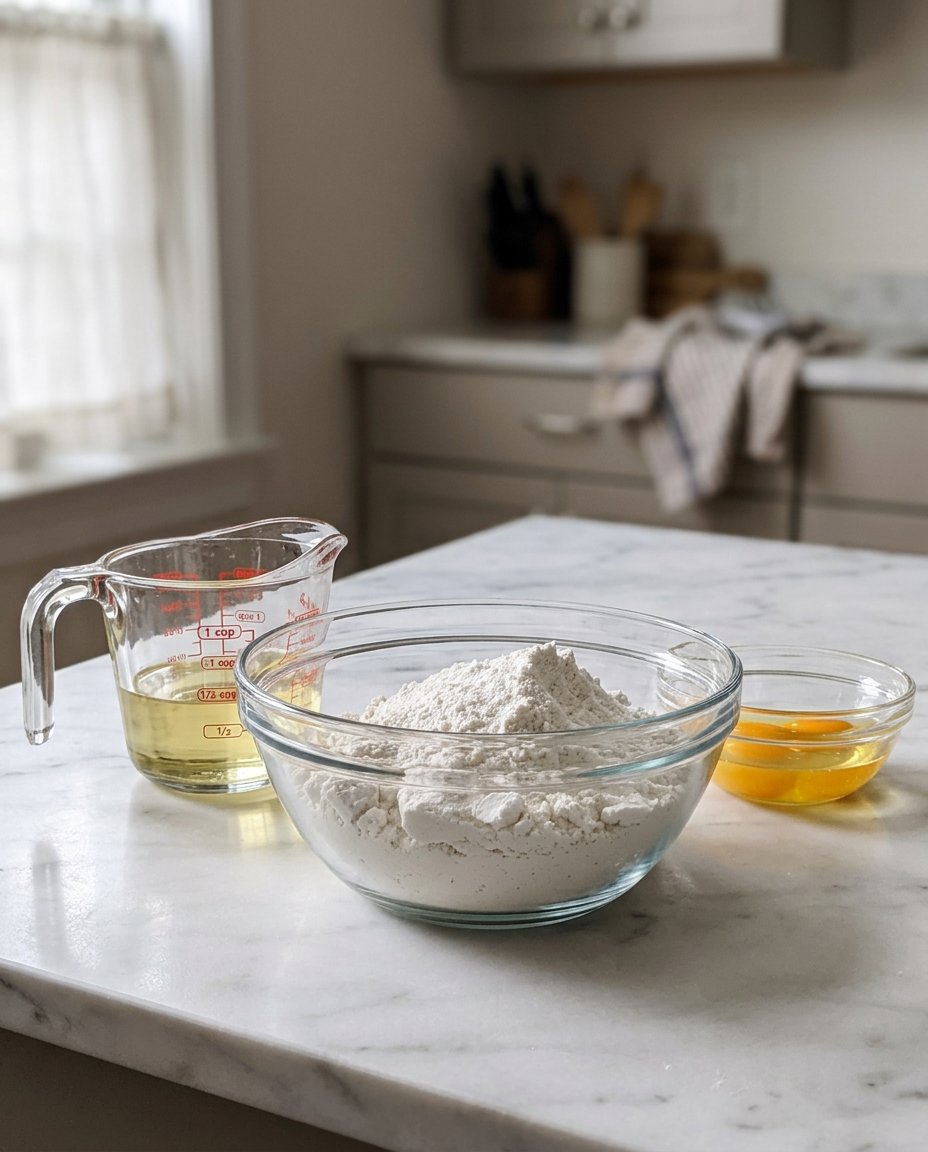
Success in the kitchen depends on understanding the chemical function of each component. In this recipe, we are working with a limited set of variables, which means the quality and temperature of each ingredient become even more critical to the final analysis.
- Boxed Cake Mix (15.25-ounce/432g): This is your primary dry base. Most commercial mixes use chlorinated flour, which has been treated to weaken gluten formation, resulting in a more tender cookie. We tested standard flavors including vanilla, chocolate, and red velvet; the formula remains stable across these variations.
- Vegetable Oil (1/2 cup / 118ml): We use oil instead of butter to achieve a specific ‘chew’ factor. Oil is 100% fat, whereas butter contains about 15-20% water. By using oil, we keep the hydration low, which prevents the cookies from becoming overly ‘cakey’ or fluffy.
- Large Eggs (2 units): These provide the necessary structure. It is vital to use large eggs (approx. 50g each without the shell) to maintain the correct protein-to-starch ratio. In our tests, using extra-large eggs caused the cookies to spread too thin, while medium eggs resulted in a dry, crumbly texture.
- Mix-ins (1/2 to 1 cup): Whether you select semi-sweet chocolate chips or high-quality sprinkles, these additions change the specific gravity of the dough. We recommend keeping mix-ins to a maximum of one cup to avoid compromising the structural integrity of the baked cookie.
Precise measurement is the difference between a successful batch and a kitchen failure. While volume measurements are provided, using a digital scale to verify the weight of your cake mix (432g) will yield the most repeatable results.
The Method
Step 1: Thermal Calibration and Preparation
Begin by preheating your oven to exactly 350°F (177°C). We recommend using an oven thermometer to verify the internal temperature, as built-in thermostats can often be off by 10 to 25 degrees. Line two heavy-duty baking sheets with professional-grade parchment paper to prevent sticking and to provide a neutral surface for heat distribution.
Step 2: Emulsification of the Dough
In a clean glass or stainless steel mixing bowl, combine the cake mix, vegetable oil, and two room-temperature eggs. Use a sturdy spatula or a stand mixer fitted with the paddle attachment on low speed. Stir only until the dry particles are fully hydrated and a thick, cohesive dough forms. If you are adding mix-ins, fold them in gently during the final 15 seconds of mixing to avoid breaking down the starch structures.
Step 3: Precise Portioning
Using a calibrated 2-tablespoon (30ml) cookie scoop, portion the dough into spherical balls. This ensures that each cookie has the same volume, which is crucial for even baking. Place the dough balls on the prepared sheets, maintaining a 2-inch (5cm) clearance between each to allow for thermal expansion during the bake.
Step 4: The Baking Phase
Slide the baking sheets into the center of the oven. Bake for 10 to 12 minutes. At the 10-minute mark, check the cookies: the edges should be set and the centers should appear slightly underbaked or ‘dry’ to the touch but not browned. Avoid overbaking, as the residual heat will continue to set the proteins once the pans are removed from the oven.
Step 5: Post-Bake Stabilization
Allow the cookies to rest on the baking sheet for exactly 5 minutes. This cooling period allows the internal structure to firm up. Use a flat metal spatula to transfer the cookies to a wire cooling rack. This allows air to circulate around the entire cookie, preventing condensation from softening the bottom crust.
Lauren’s Lab Notes
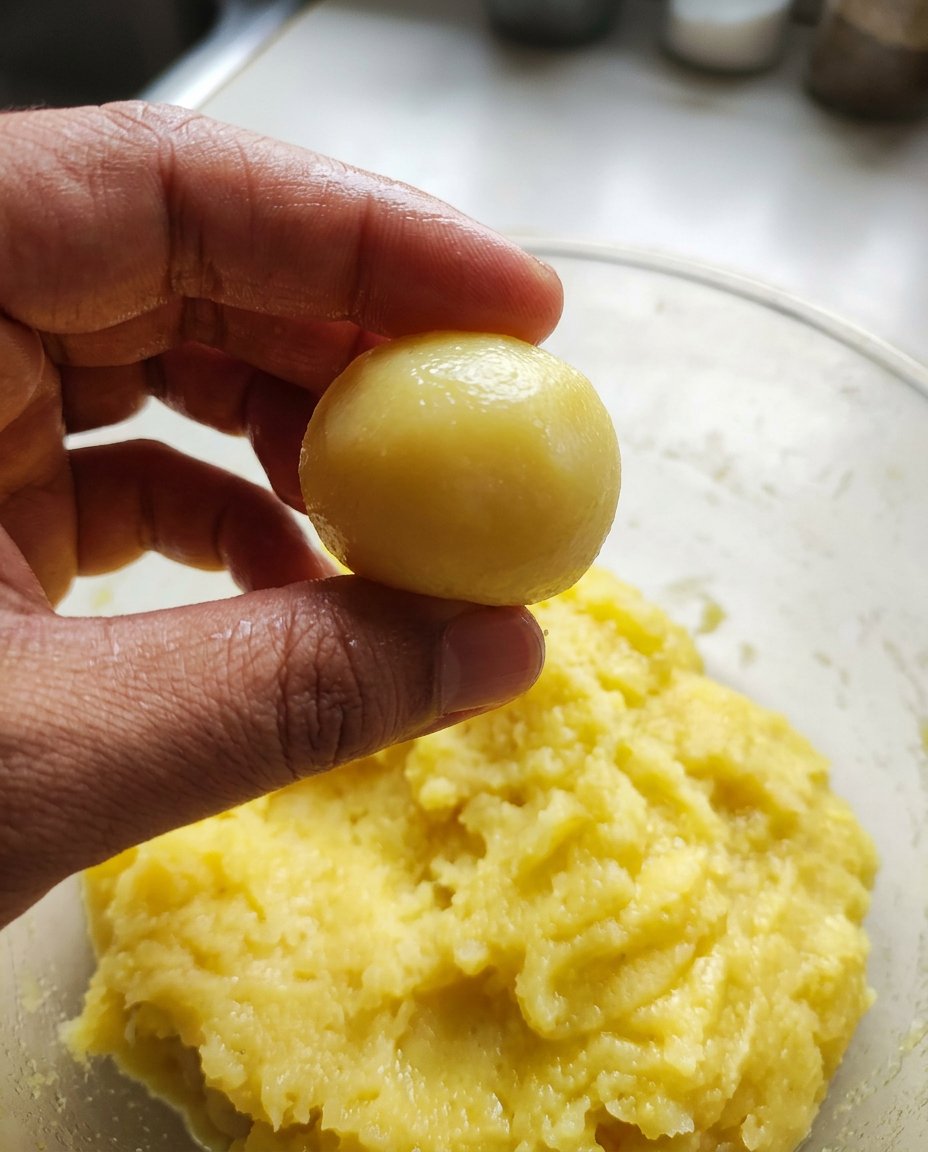
Temperature control is the most overlooked variable in home baking. We found that allowing your eggs to reach an internal temperature of 70°F (21°C) before mixing is essential. Cold eggs can cause the oil to clump, leading to an uneven distribution of fat and a patchy crumb. If you’re looking to expand your knowledge of basic baking science, I highly recommend reviewing our foundational recipes to understand how ingredient temperatures affect final viscosity.
Another critical insight from our test kitchen: the ‘biscuit cutter trick.’ If your cookies come out of the oven with irregular shapes, immediately place a round biscuit cutter over the warm cookie and move it in a rapid circular motion. This uses centrifugal force to reshape the softened edges into a perfect circle. We tested this against several other ‘shaping’ methods, and it consistently produced the most professional, bakery-style aesthetic without damaging the delicate crumb.
Precision Tweaks
During our testing phase, we experimented with several specific modifications to this base formula. For those who prefer a more intense chocolate profile, substituting a dark cocoa mix and increasing the oil by one tablespoon (15ml) creates a profile similar to our chocolate fudge cake. We found that the extra lipid was necessary to balance the higher tannin content in darker cocoa powders.
For a ‘Confetti’ style cookie, we discovered a significant variable: the oil must be reduced to 1/3 cup (79ml). The sprinkles found in these mixes often contain additional waxes and fats that melt during the baking process, contributing to a greater spread. Reducing the added oil compensates for this and maintains a thick, pillowy height. We also tested a gluten-free box mix variation; while the results were acceptable, the dough required a 30-minute rest in the refrigerator to allow the rice-based starches to fully hydrate before baking.
Presentation Notes
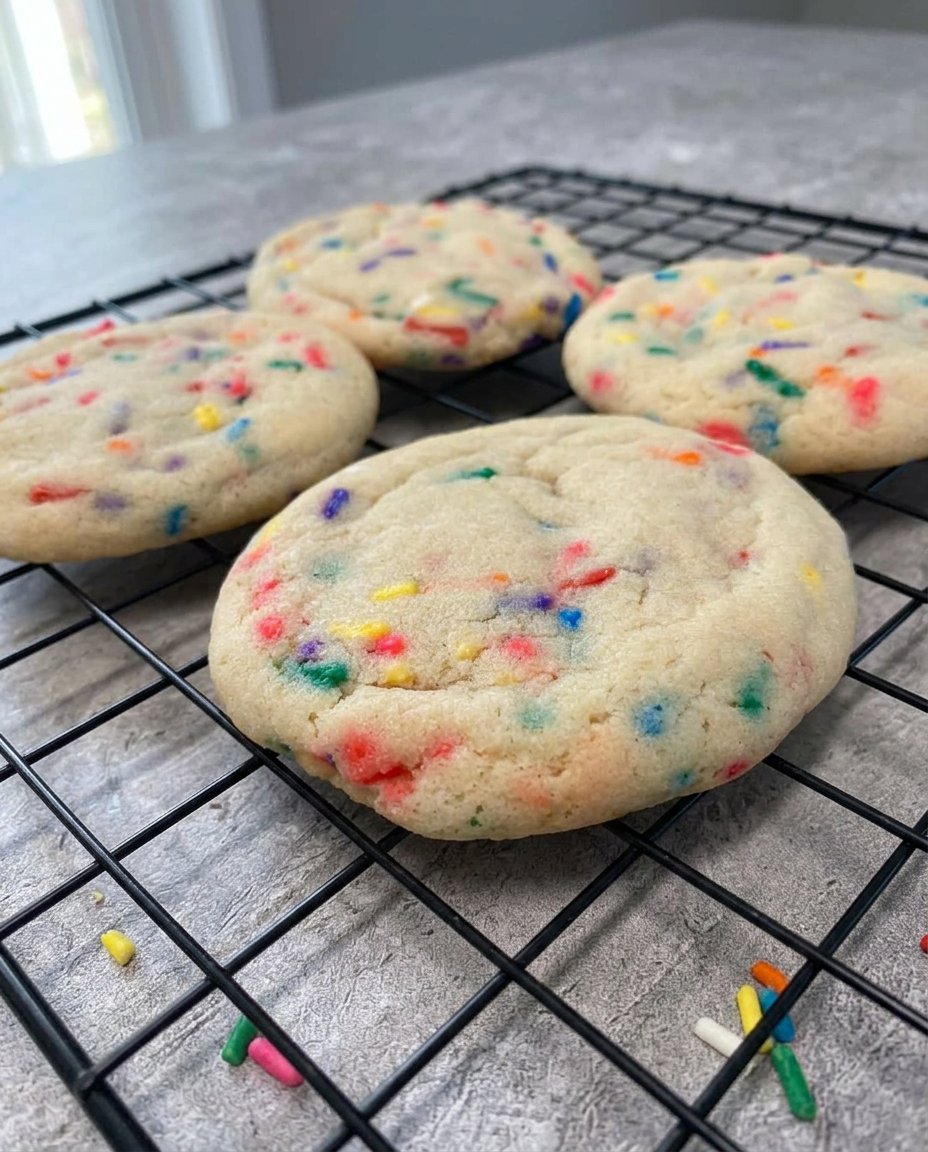
To maintain the peak quality of these cookies, serve them within 24 hours of baking. Because they are high in moisture, they pair exceptionally well with dairy-based accompaniments that can cleanse the palate between bites. If you are planning a dessert spread, these cookies are a fantastic companion to a more traditional slice of yellow cake with chocolate frosting, as the textures provide a satisfying contrast.
For an advanced presentation, you can create ‘Cookie Sandwiches’ by pipe-filling two cookies with a stiff buttercream. Our tests show that these cookies are stable enough to hold a heavy filling without crumbling, provided they have been cooled for at least two hours. When storing, place a piece of parchment paper between each layer to prevent the surfaces from sticking together, which can occur due to the sugar concentration at the surface.
Mastery Through Science
Achieving the perfect cookie from a boxed mix is not a matter of luck; it is a matter of respecting the ratios and the thermal processes involved in baking. By treating your kitchen like a laboratory and following these precise steps, you can turn a simple convenience product into a sophisticated treat. If you enjoyed this focused approach to baking hacks, you might also find our analysis of the chocolate mug cake fascinating, as it uses similar principles of rapid leavening and hydration. Keep testing, keep measuring, and never settle for inconsistent results. Be sure to share your results with our community on Facebook, Instagram, and Pinterest.