In the Cake Peak test kitchen, we discovered that the difference between a delightful, truffle-like bite and a gummy disaster lies entirely in the frosting-to-crumb ratio. We tested ratios ranging from 1:4 to 1:1, finding that a precise binding technique is necessary to preserve the cake’s tender crumb while ensuring structural integrity on the stick. This recipe applies scientific rigor to the classic treat, ensuring a snap-perfect coating every time.

We utilize a standard yellow cake base for this iteration to guarantee a consistent moisture content, allowing us to focus our attention on the mechanics of the dip and decoration. By controlling the thermal shock between the chilled dough and the warm coating, we eliminate the dreaded hairline cracks that plague many home bakers.
The Science of the Perfect Bite
Cake pops offer a unique textural experience that traditional slice-and-serve cakes cannot replicate. The compression of the crumb creates a dense, fudge-like interior that contrasts sharply with the brittle snap of the candy coating. This duality is not accidental; it is the result of re-emulsifying the baked cake with fat and sugar.
From a logistical standpoint, these treats are superior for events. Their self-contained structure eliminates the need for plates and forks, making them the ultimate portable dessert. Our testing confirms that the candy coating acts as a hermetic seal, preserving the moisture of the interior for up to 5 days at room temperature—significantly longer than an exposed slice of cake.
Print
Cake Pops
- Total Time: 2 hours
- Yield: 18 pops
- Diet: Vegetarian
Description
Master the art of the perfect cake pop with this scientifically-tested method that ensures a truffle-like interior and a snap-perfect candy shell. By focusing on the ideal frosting-to-crumb ratio and temperature control, you will create professional-quality treats that stay moist for days.
Ingredients
- 1 box (15.25 oz) yellow cake mix
- Water, vegetable oil, and eggs (quantities per cake mix box instructions)
- 1 container (16 oz) chocolate frosting
- 12–16 oz candy melts
- Vegetable oil or shortening (optional, for thinning coating)
- Lollipop sticks
- Assorted sprinkles
Instructions
- Preheat your oven to 350°F (175°C) and grease a 9×13-inch baking dish.
- Combine the cake mix, water, oil, and eggs in a large bowl and mix on medium speed for 2 minutes.
- Pour into the prepared pan and bake for 28 to 33 minutes, or until the internal temperature reaches 205°F.
- Cool the cake completely on a wire rack for at least 1 hour until the crumb is firm.
- Crumble the cooled cake into a large bowl until it reaches a fine, uniform, sand-like texture.
- Stir in the chocolate frosting until the mixture reaches a pliable, dough-like consistency that holds its shape.
- Roll the mixture into eighteen 1.5-inch spheres and place them on a parchment-lined baking sheet.
- Refrigerate the cake balls for 30 minutes to firm up, ensuring they do not freeze.
- Melt the candy melts in a microwave-safe bowl in 20-second intervals, stirring until smooth.
- Dip the tip of a lollipop stick into the melted coating and push it halfway into a chilled cake ball to anchor it.
- Allow the anchor to set for 5 minutes before gently dipping the entire ball into the coating.
- Tap the stick against the bowl to remove excess coating and place upright in a styrofoam block to cure, applying sprinkles immediately.
Notes
To achieve a perfectly smooth finish, ensure your cake crumbs are extremely fine before adding the frosting. If your candy coating is too thick, stir in a teaspoon of shortening to improve the flow, and always avoid freezing the cake balls as the resulting expansion can cause the outer shell to crack.
- Prep Time: 45 mins
- Cook Time: 30 mins
- Category: Dessert
- Method: Baking
- Cuisine: American
Ingredient Variables and Functions
- Yellow Cake Mix: We use a commercial mix (15.25 oz) because the stabilizers and emulsifiers provide a predictable crumb structure that crumbles uniformly without becoming oily. If you prefer precision control, weigh your mix to ensure it matches the 15.25 oz standard.
- Chocolate Frosting: This acts as the binder. It is crucial to use a frosting with high stability. The fat crystals in the frosting help glue the crumbs together once chilled. We use exactly one 16-ounce container, but you may need slightly less depending on the humidity in your kitchen.
- Candy Melts: Unlike pure chocolate, candy melts contain fractionated palm kernel oil, which eliminates the need for tempering. This ensures a glossy, hard finish that sets at room temperature without blooming.
- Vegetable Oil & Eggs: These enrich the cake base. We strictly follow the package ratios to ensure the cake reaches the correct hydration level before we crumble it down.
The Method: Precision Engineering
Step 1: Baking the Base
Preheat your oven to 350°F (175°C). Grease a 9×13-inch baking dish. Combine the cake mix, water, oil, and eggs in a large bowl. Mix on low for 30 seconds to moisten the dry ingredients, then increase to medium speed for exactly 2 minutes. This incorporates enough air for a light crumb but prevents excessive gluten development. Pour into the pan and bake for 28 to 33 minutes, or until a toothpick registers 205°F to 210°F internal temperature.
Step 2: Crumb Structure Modification
Allow the cake to cool completely on a wire rack for at least 1 hour. This resting period allows the starches to retrograding slightly, making the crumb firm enough to handle. Once cool, crumble the cake into a large bowl. You want a fine, uniform texture with no large lumps, similar to coarse sand.
Step 3: Creating the Emulsion
Add the chocolate frosting to the crumbs. Mix by hand or with a spoon until the mixture reaches a play-dough consistency. Test Kitchen Note: The mixture is ready when you can roll a ball that holds its shape without cracking. If it cracks, it is too dry; if it sticks aggressively to your hands, it is too wet.
Step 4: Thermal Setting
Roll the mixture into eighteen 1.5-inch spheres. Place them on a baking sheet lined with parchment paper. Refrigerate for at least 30 minutes. This step creates a “cold core” that helps the coating set, but do not freeze them—freezing causes the coating to crack due to expansion.
Step 5: The Dip
Melt the candy melts in a microwave-safe bowl in 20-second intervals, stirring in between to prevent scorching. Dip the tip of a lollipop stick into the melted coating, then push it halfway into a chilled cake ball. This creates an internal anchor. Allow this to set for 5 minutes.
Step 6: Coating and Curing
Gently dip the ball into the coating. Do not swirl vigorously; instead, tap the stick gently against the side of the bowl to remove excess. The coating should flow off in a steady stream. Stick the upright pop into a styrofoam block to cure. Apply sprinkles immediately before the coating crystallizes.
Lauren’s Lab Notes: Avoiding Structural Failure
- Temperature Shock: The most common failure point is a cracked shell. This happens when the cake ball is frozen and expands as it thaws inside the setting chocolate. Keep your cake balls chilled, not frozen, to mitigate this thermal expansion.
- Consistency is Key: If your candy melts are too thick, add a teaspoon of coconut oil or shortening to thin the viscosity. Understanding chocolate alchemy and flow properties is vital for achieving that smooth, professional finish.
- The Anchor: Never skip dipping the stick before inserting it into the cake. This “glue” step mechanically locks the stick to the center of the dense cake mass, preventing the dreaded slide-off during dipping.
Tested Flavor Modifications
- Homemade Base: If you prefer a scratch-made binder with a more complex flavor profile, try using our yellow cake with chocolate frosting recipe. You will need to weigh the final baked cake to match the 15.25 oz standard of a box mix to maintain the ratio.
- Alternative Coatings: We tested white chocolate with oil-based candy coloring. While delicious, real white chocolate requires tempering. For beginners, we recommend sticking to candy melts or almond bark.
- Scratch Comparison: While our tests focused on the consistency of the box mix method, those interested in a fully from-scratch vanilla bean approach might review the data at Sally’s Baking Addiction for comparison on texture variables.
Presentation Mechanics
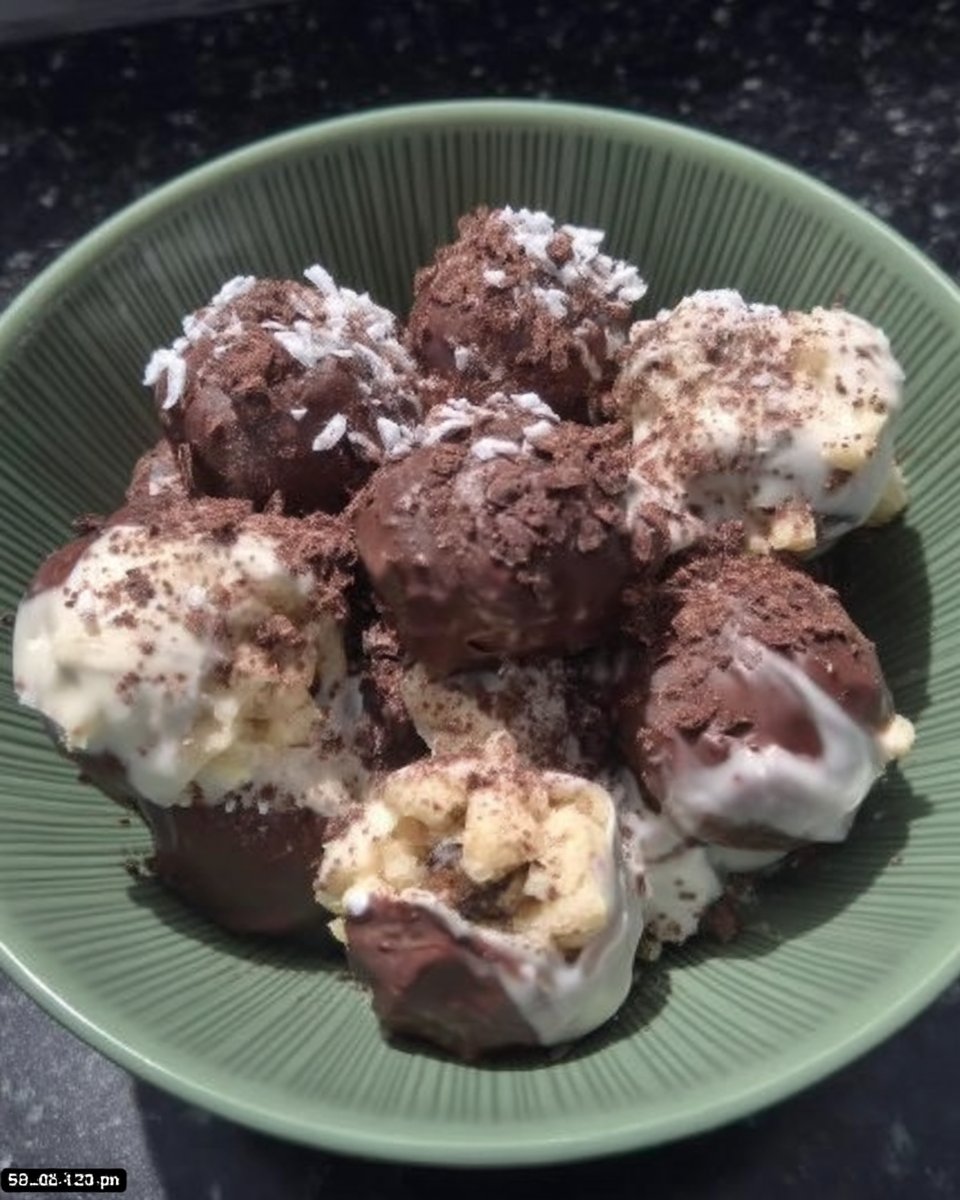
Serving these requires structural support. We recommend using a high-density Styrofoam block or a pre-drilled wooden stand to keep the pops upright while the coating sets and during display. For more creative display ideas, check our guide on contemporary small format desserts, which explores vertical presentation. Serve these at room temperature; if they are too cold, the condensation can ruin the sheen of the coating.
Final Analysis: Mastering the Mini
Mastering the cake pop is an exercise in temperature control and ratio management. Once you understand the variables that prevent cracking and falling, you can produce bakery-quality results in your own kitchen. Visit our celebration design studio for advanced decorating techniques to take your finish to the next level. If you master this technique, tag us in your results!