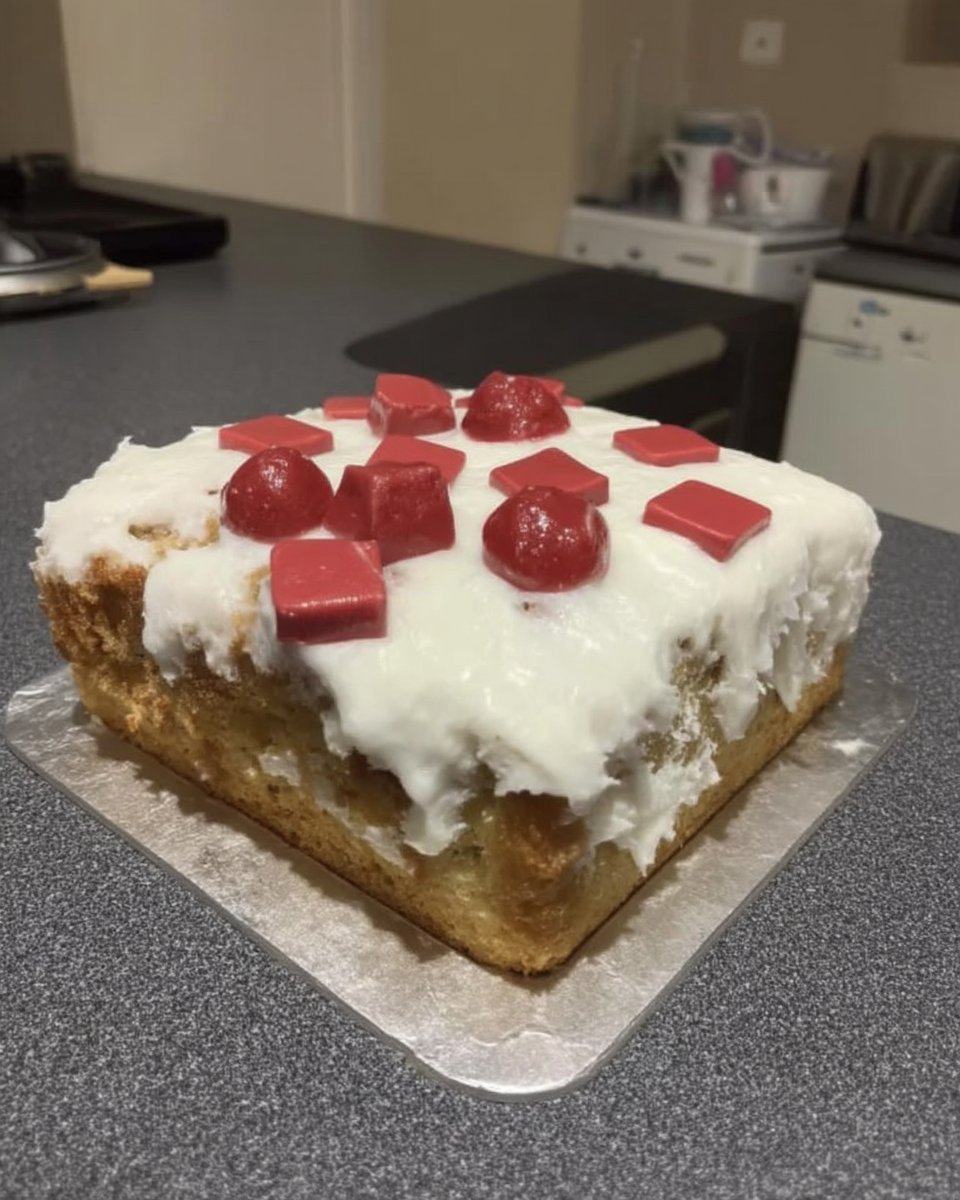
In the Cake Peak test kitchen, we spent three full days testing the specific gravity of carrot cake batters to understand why some slices crumble while others remain perfectly intact. We discovered that a ‘cake slice’ requires a different structural integrity than a standard tiered cake because it lacks the support of multiple layers and heavy frosting dams. Our research led us to this specific ratio of oil-to-flour that creates a dense, moist, and reliable crumb every time.

This specific carrot cake slice method focuses on the science of ‘snack cakes’ or traybakes, where the surface area to volume ratio is higher. By using a flat baking dish, we achieve more consistent heat distribution, which prevents the common ‘sunken center’ problem found in deeper pans. The result is a uniform, golden-hued square that balances the earthy sweetness of carrots with the sharp tang of a stabilized cream cheese frosting.
The Science of Success
This recipe works because it relies on lipid-based moisture rather than mechanical aeration. While many cakes require creaming butter and sugar to trap air, this cake slice uses vegetable oil. Because oil is 100% fat and remains liquid at room temperature, it coats the flour proteins more efficiently, which inhibits gluten development and produces a tender, melt-in-your-mouth texture that doesn’t go stale quickly.
We also chose brown sugar for its hygroscopic properties. Brown sugar contains molasses, which is a natural humectant that attracts and holds onto water molecules. This is the secret to a cake that stays moist for up to five days. Furthermore, the inclusion of mixed spice provides more than just flavor; the aromatic compounds in cinnamon and nutmeg interact with the warmth of the oven to create a complex sensory profile that masks the vegetal notes of the carrots.
Finally, the structural victory of this recipe comes from the specific grating size of the carrots. We tested fine, medium, and coarse grates. The medium grate is the winner because it provides enough moisture release to hydrate the batter without making the crumb soggy or weak. You get a perfect, clean-cut slice with every single attempt.
Print
Cake Slice
- Total Time: 55 mins
- Yield: 12 slices
- Diet: Vegetarian, Egg-Free
Description
This meticulously tested carrot cake slice features a precise oil-to-flour ratio to ensure a dense, moist crumb that holds its shape perfectly when cut. Topped with a stabilized cream cheese frosting, it balances earthy spices and sweet carrots for a professional-grade snack cake.
Ingredients
- 250g self-raising flour
- 100g brown sugar
- 2 cups grated carrots (medium grate)
- 150g vegetable oil
- 45g chopped walnuts
- 1 tsp mixed spice
- 200g full-fat block cream cheese
- 100g icing sugar
- 50g unsalted butter, softened
- 1 tsp vanilla extract
Instructions
- Pre-heat oven to 180°C (360°F) and line a rectangular baking dish with parchment paper, leaving an overhang on the sides.
- In a mixing bowl, fold together the self-raising flour, brown sugar, carrots, walnuts, and mixed spice with the vegetable oil until a thick, cohesive batter forms.
- Transfer the batter into the prepared dish, press firmly into the corners, and bake for 30-35 minutes until a skewer comes out with moist crumbs.
- Cool in the pan for 10 minutes to allow the structure to set, then use the parchment sling to move it to a wire rack to cool completely.
- In a clean bowl, beat the cream cheese, icing sugar, softened butter, and vanilla until stiff enough to hold a peak, then spread evenly over the cold cake.
- Slice into rectangles using a sharp, non-serrated knife, wiping the blade with a warm, damp cloth between each cut for clean edges.
Notes
To prevent a weeping frosting, ensure your cream cheese is at room temperature before mixing and never apply it to a cake that is still even slightly warm. For the cleanest presentation, wipe your knife blade after every single cut to prevent the frosting from dragging into the cake layers.
- Prep Time: 20 mins
- Cook Time: 35 mins
- Category: Dessert
- Method: Baking
- Cuisine: Modern Australian
The Variables and Their Functions
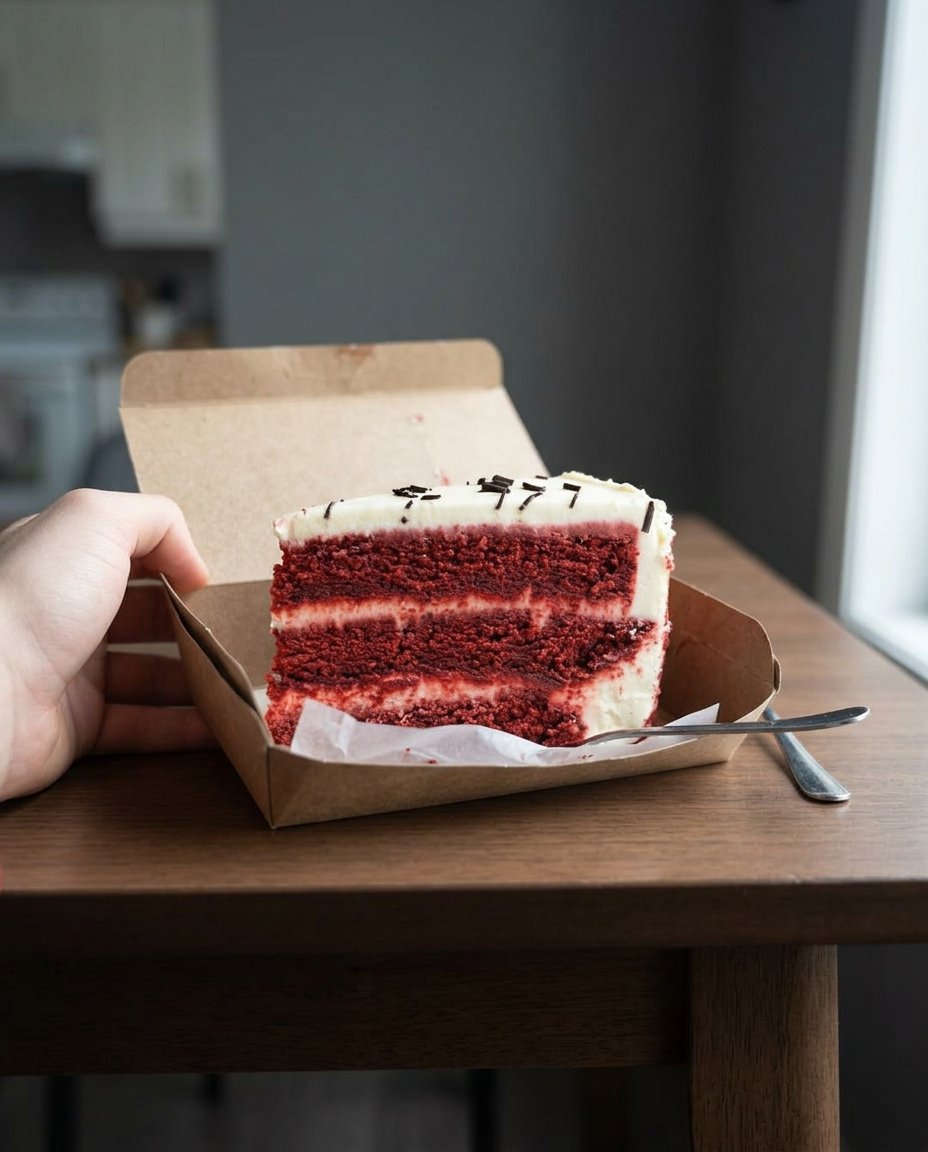
Understanding your ingredients is the first step toward baking mastery. Here is the breakdown of why these specific components are necessary for your cake slice.
- Self-Raising Flour (250g): This is a pre-blended mixture of all-purpose flour, baking powder, and a touch of salt. It provides the chemical leavening necessary for lift. We use a precise 250g measurement to maintain a protein-to-fat ratio that supports the heavy inclusions like carrots and walnuts.
- Brown Sugar (100g): Lightly packed brown sugar adds acidity. This acidity reacts with the leavening agents in the flour to provide a secondary boost of lift, while the caramel notes deepen the color of the slice.
- Grated Carrots (2 cups): These are the primary moisture source. As the cake bakes, the cellulose in the carrots breaks down, releasing water into the flour matrix. This creates a steamed-from-within effect that keeps the interior soft.
- Vegetable Oil (150g): We use oil instead of butter because oil lacks water and milk solids. This results in a more consistent fat distribution and a crumb that remains soft even when refrigerated.
- Walnuts (45g): Beyond flavor, walnuts provide structural contrast. The tannins in the walnut skins offer a slight bitterness that balances the high sugar content of the frosting.
- Cream Cheese (200g): For the frosting, use full-fat block cream cheese. The fat content is vital for stabilization; low-fat versions contain too much water and will cause the icing to weep or run.
The Method
Step 1: Thermal Calibration and Prep
Pre-heat your oven to 180˚C (360˚F). Use an oven thermometer to verify the temperature, as internal dials are often inaccurate by up to 25 degrees. Line a rectangular baking dish with parchment paper, leaving an overhang on the sides. This ‘sling’ allows you to lift the entire cake slice out once cooled, preventing the structural damage that occurs when trying to dig pieces out of a corner.
Step 2: Homogenizing the Base
In a medium glass mixing bowl, combine the self-raising flour, brown sugar, grated carrots, chopped walnuts, and mixed spice. Pour the vegetable oil over the dry ingredients. Use a sturdy spatula to fold the mixture together. You are looking for a thick, cohesive batter. If the carrots were particularly dry, you might need an extra 10g of oil; if the batter looks like a thick ribbon, it is perfect.
Step 3: Compaction and Baking
Transfer the batter into the prepared dish. Use the back of a large metal spoon to press the mixture into the corners and flatten the surface. This compression is vital for a ‘slice’ style cake to prevent air pockets. Bake for exactly 30-35 minutes. At the 30-minute mark, insert a wooden skewer into the center. It should come out with a few moist crumbs but no raw batter.
Step 4: The Cooling Phase
Remove the pan from the oven and place it on a wire rack. Let the cake sit in the pan for exactly 10 minutes. This allows the starches to set and the structure to firm up. Afterward, use the parchment sling to transfer it to the rack to cool completely. Never frost a warm cake; the residual heat will melt the fat in the cream cheese, leading to a collapsed mess.
Step 5: Emulsifying the Frosting
In a clean bowl, beat the room-temperature cream cheese, icing sugar, softened butter, and vanilla extract. Start on low speed to incorporate the sugar, then increase to medium. Do not overbeat, as the friction can warm the butter too much. The frosting should be stiff enough to hold a peak. Slather it across the cooled cake in an even layer.
Step 6: Final Slicing
Use a sharp, non-serrated knife to cut the cake into rectangles. For the cleanest edges, wipe the blade with a warm, damp cloth between every single cut. This prevents frosting drag and keeps the crumb visible and sharp.
Testing Insights and Lab Notes
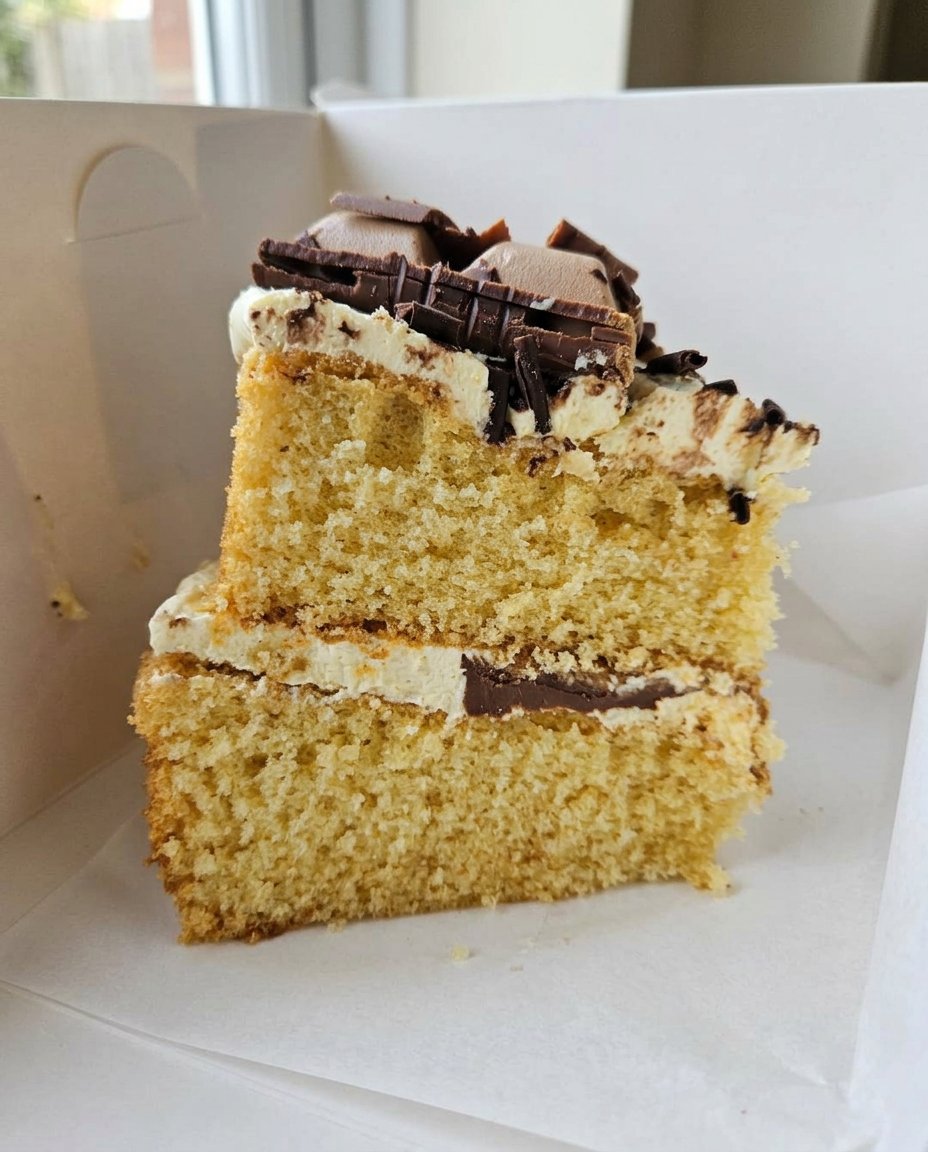
One of the most common failures in this recipe is a ‘weeping’ frosting. This occurs when the sugar draws moisture out of the cream cheese. To avoid this, make sure your cream cheese is at a true room temperature (around 68°F or 20°C) before mixing. If it is too cold, you will get lumps; if it is too hot, it will lose its emulsion. If you find yourself in a rush, you can learn about quick techniques in our chocolate-mug-cake guide, which covers rapid-result baking physics.
Another critical observation from our test kitchen: do not over-grate the carrots. If you use a microplane, the carrots become a puree, which releases too much liquid and ruins the flour-to-liquid ratio. A standard box grater’s medium holes are the gold standard for this cake slice. Also, verify that your mixed spice is fresh. Spices lose their volatile oils over time, and an old jar will result in a flat-tasting cake.
Precision Tweaks and Tested Variations
We tested this recipe with several fat substitutions. If you prefer a richer, more traditional dairy flavor, you can swap the 150g of vegetable oil for 150g of melted, unsalted butter. Our data showed that the butter version is slightly more flavorful but has a shorter shelf life and becomes firm when cold. For a lighter texture similar to a standard sponge, you might consider the techniques used in our yellow-cake-chocolate-frosting which utilizes a different aeration method.
You can also modify the inclusions. Replacing half of the carrots with crushed, drained pineapple (squeeze out all excess juice!) creates a ‘Morning Glory’ style slice. This adds acidity and a different type of fiber to the crumb. For more inspiration on carrot-based textures, the carrot cake slice from WanderCooks offers a great perspective on Australian-style traybakes.
Presentation Notes and Pairing Guide
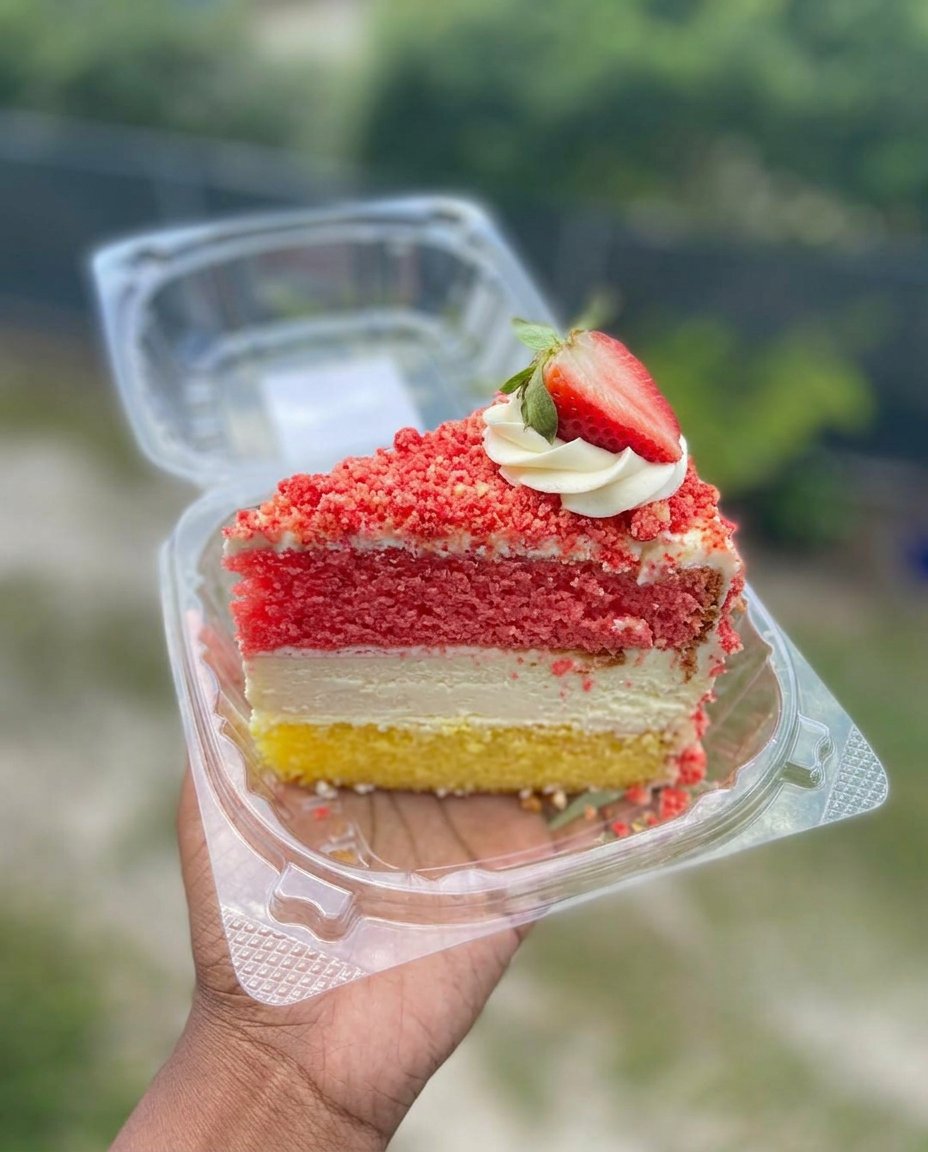
To serve this cake slice professionally, consider the temperature of the environment. Because of the high cream cheese content in the frosting, these slices should not sit out in a room warmer than 72°F (22°C) for more than two hours. If you are serving at an outdoor event, keep the slices in a chilled container until the moment of service. For those who enjoy modern plating styles, you can find more ideas in our contemporary-small-format baking guide.
Pairing this slice with the right beverage is a matter of balancing pH levels. The sweetness of the frosting and the earthiness of the carrot pair beautifully with a high-tannin black tea or a medium-roast coffee. The acidity in the coffee cuts through the fat of the cream cheese, cleansing the palate between bites. For a visual flourish, garnish each square with a tiny piece of candied carrot or a single walnut half placed precisely in the center.
The Final Analysis
Mastering the cake slice is a victory of ratio and temperature control. By following these precise measurements and allowing for proper cooling cycles, you verify that every batch is as consistent as the last. This recipe is a foundational tool in any baker’s kit, proving that you don’t need complex equipment to achieve professional-grade results. If you enjoyed the technical aspects of this bake, I highly recommend trying our old-fashioned-chocolate-cake for another study in crumb moisture. For more test kitchen updates, follow us on Instagram, Facebook, Pinterest, and YouTube. Keep testing and keep baking.