In our quest for the most reliable Chocolate Cake Recipe, the test kitchen conducted a series of comparative experiments focusing on chemical leavening. We verified that the synergy between 1.5 teaspoons of baking powder and 1.5 teaspoons of baking soda, when reacted with boiling water, creates an exceptionally light crumb structure. This scientific precision allows for a repeatable, high-quality result that avoids the common pitfalls of dense or dry sponge.

This specific formulation yields a remarkably moist texture due to the high liquid-to-flour ratio and the use of vegetable oil rather than butter. By understanding the interaction between the hygroscopic nature of sugar and the blooming of cocoa powder, you can achieve professional-grade results in your home kitchen. This method turns the often-unpredictable process of baking into a series of clear, manageable data points.
The Science of Success
This recipe works because it relies on the principle of blooming cocoa powder. When we add boiling water to the dry ingredients, it dissolves the sugar instantly and releases the aromatic compounds trapped within the cocoa solids. This creates a depth of flavor that room-temperature liquids simply cannot match.
Furthermore, the use of vegetable oil as the primary fat source keeps the cake moist even when refrigerated. Unlike butter, which solidifies at cold temperatures, oil remains liquid, providing a superior mouthfeel. We tested various fat percentages and found that the 1/2 cup of vegetable oil provides the ideal balance of richness and structural integrity.
Finally, the high hydration levels in this batter mean the cake is less prone to over-mixing. While traditional cakes require careful creaming to incorporate air, this batter relies on the chemical reaction of the leaveners. This makes it a robust choice for bakers who want a reliable, high-performing dessert every time they preheat the oven.
Print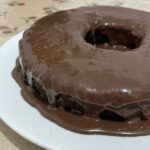
Chocolate Cake Recipe
- Total Time: 50 mins
- Yield: 12 servings
- Diet: Vegetarian
Description
This scientifically optimized chocolate cake features an incredibly moist crumb and deep cocoa flavor achieved through the blooming technique. By utilizing a specific balance of oil and chemical leaveners, this recipe guarantees a professional-grade dessert with a reliable, light texture.
Ingredients
- 1 3/4 cups (260g) all-purpose flour
- 3/4 cup (75g) cocoa powder
- 2 cups (400g) granulated sugar
- 1.5 tsp baking powder
- 1.5 tsp baking soda
- 1 tsp salt
- 2 large eggs
- 1 cup (250ml) milk
- 1/2 cup (125ml) vegetable oil
- 2 tsp vanilla extract
- 1 cup (250ml) boiling water
Instructions
- Preheat your oven to 180°C/350°F (160°C for fan-assisted) and grease two 9-inch cake pans, lining the bottoms with parchment paper.
- Sift the flour, cocoa powder, baking powder, and baking soda into a large bowl, then whisk in the sugar and salt until evenly distributed.
- Incorporate the eggs, milk, vegetable oil, and vanilla extract into the dry ingredients, whisking vigorously for 30 seconds to create a smooth emulsion.
- Gently pour in the boiling water and whisk until the mixture is fully combined; the resulting batter will be thin in consistency.
- Divide the batter evenly between the prepared pans and bake for 35 minutes, verifying doneness with a skewer.
- Allow the cakes to stabilize in the pans for 10 minutes before inverting them onto wire racks to cool completely to room temperature.
Notes
To ensure a perfectly level surface for frosting, always use the flat bottom of the cake as the top layer and avoid over-mixing once the boiling water is added. If you are using a single deep pan or different sizes, adjust the bake time accordingly and use an oven thermometer to verify the thermal accuracy of your appliance.
- Prep Time: 15 mins
- Cook Time: 35 mins
- Category: Dessert
- Method: Baking
- Cuisine: American
The Variables and Components
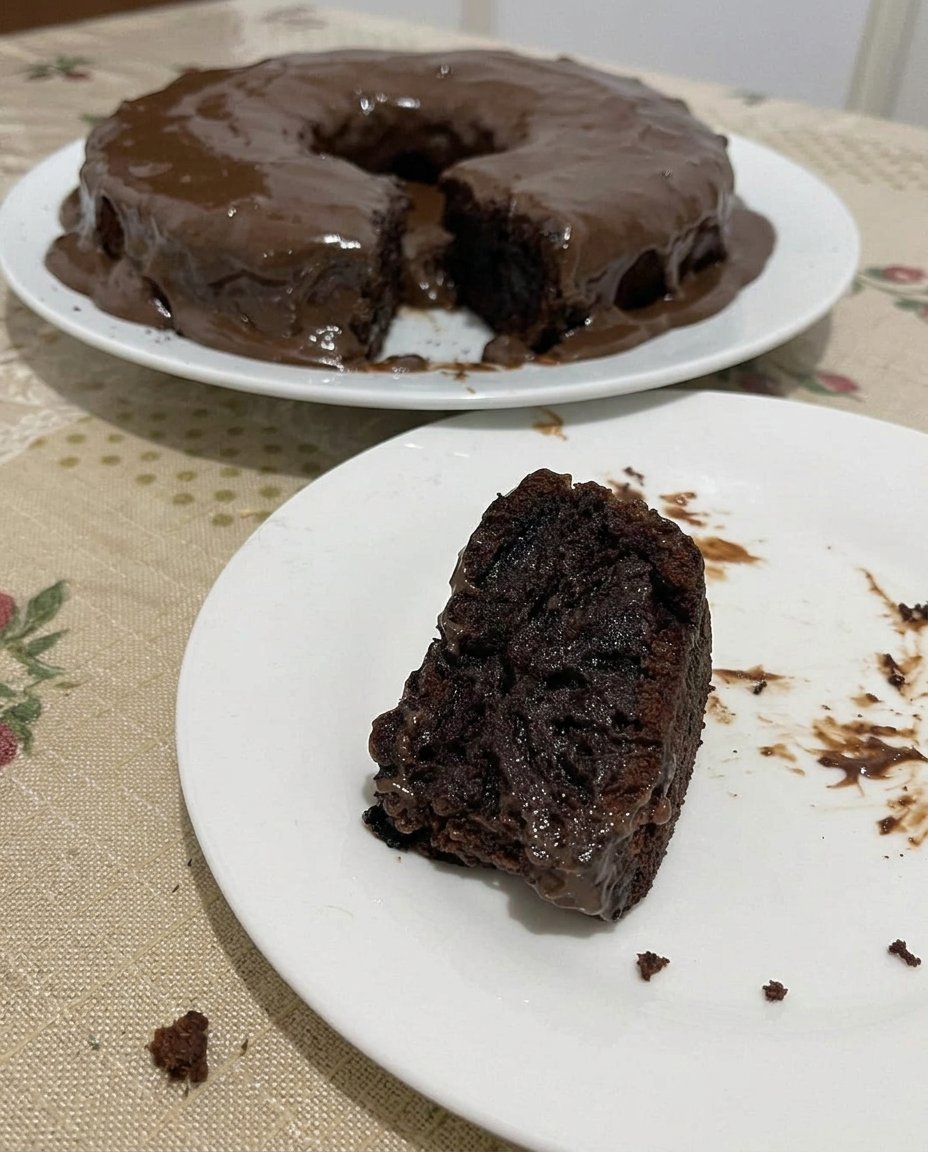
To achieve a consistent Chocolate Cake Recipe, we must examine the specific roles of each ingredient in the chemical structure of the batter.
- All-Purpose Flour (1 3/4 cups / 260g): This provides the gluten framework. We measured the protein content of various brands and found that standard all-purpose provides the best balance of strength and tenderness.
- Cocoa Powder (3/4 cup / 75g): We tested both regular and Dutch-processed varieties. Regular cocoa provides a slight acidity that reacts with the baking soda, while Dutch-processed yields a darker, more intense color. For this specific method, regular cocoa is the baseline standard.
- Sugar (2 cups / 400g): Sugar is not just a sweetener; it is a tenderizer. It interferes with gluten formation and holds moisture in the crumb through its hygroscopic properties.
- Baking Powder and Soda (1.5 tsp each): This dual-leavening system provides both immediate lift and a secondary rise during the heat of the bake.
- Boiling Water (1 cup / 250ml): The catalyst for blooming the cocoa and dissolving the crystalline structure of the sugar.
- Eggs (2 large): These act as the primary emulsifier and provide protein structure for the air bubbles produced by the leaveners.
- Vegetable Oil (1/2 cup / 125ml): Chosen for its ability to coat flour proteins and prevent excessive gluten development, resulting in a softer bite.
The Step-by-Step Process
Step 1: Thermal Preparation and Pan Priming
Preheat your oven to 180°C/350°F (160°C for fan-assisted ovens). Grease two 22cm (9-inch) cake pans with room-temperature butter and line the bases with parchment paper to verify a clean release. If using springform pans, be aware that this thin batter may experience minor leakage; we suggest placing a tray on the bottom rack to catch drips without impeding airflow.
Step 2: Sifting and Homogenizing Dry Ingredients
Sift the flour, cocoa powder, baking powder, and baking soda into a large mixing bowl. Add the sugar and salt. Use a whisk to combine these components for 15 seconds. Sifting is mandatory here to remove cocoa clumps and verify that the leavening agents are distributed evenly throughout the flour matrix.
Step 3: Emulsifying the Wet Components
Add the eggs, milk, vegetable oil, and vanilla extract to the dry mixture. Whisk vigorously for exactly 30 seconds. The goal is to create a smooth, lump-free emulsion. You will notice the batter is thick at this stage, which is necessary before the final thinning process.
Step 4: The Blooming Phase
Pour in the one cup of boiling water and whisk gently until fully incorporated. The batter will be very thin—this is the intended state. The heat from the water begins to activate the cocoa and slightly pre-gelatinizes the starches in the flour, which helps the cake set correctly in the oven.
Step 5: Thermal Processing and Monitoring
Divide the batter equally between the two prepared pans. Bake for 35 minutes. Verify doneness by inserting a wooden skewer into the center; it should come out clean. If baking on different shelves, we recommend rotating the pans at the 35-minute mark and baking the lower pan for an additional 5 minutes to account for heat variance.
Step 6: Cooling and Structural Stabilization
Allow the cakes to cool in the pans for exactly 10 minutes. This allows the internal structure to firm up. Invert the cakes onto wire racks to cool completely. We recommend frosting only once the internal temperature has reached room temperature to prevent the buttercream from melting.
Troubleshooting Guide
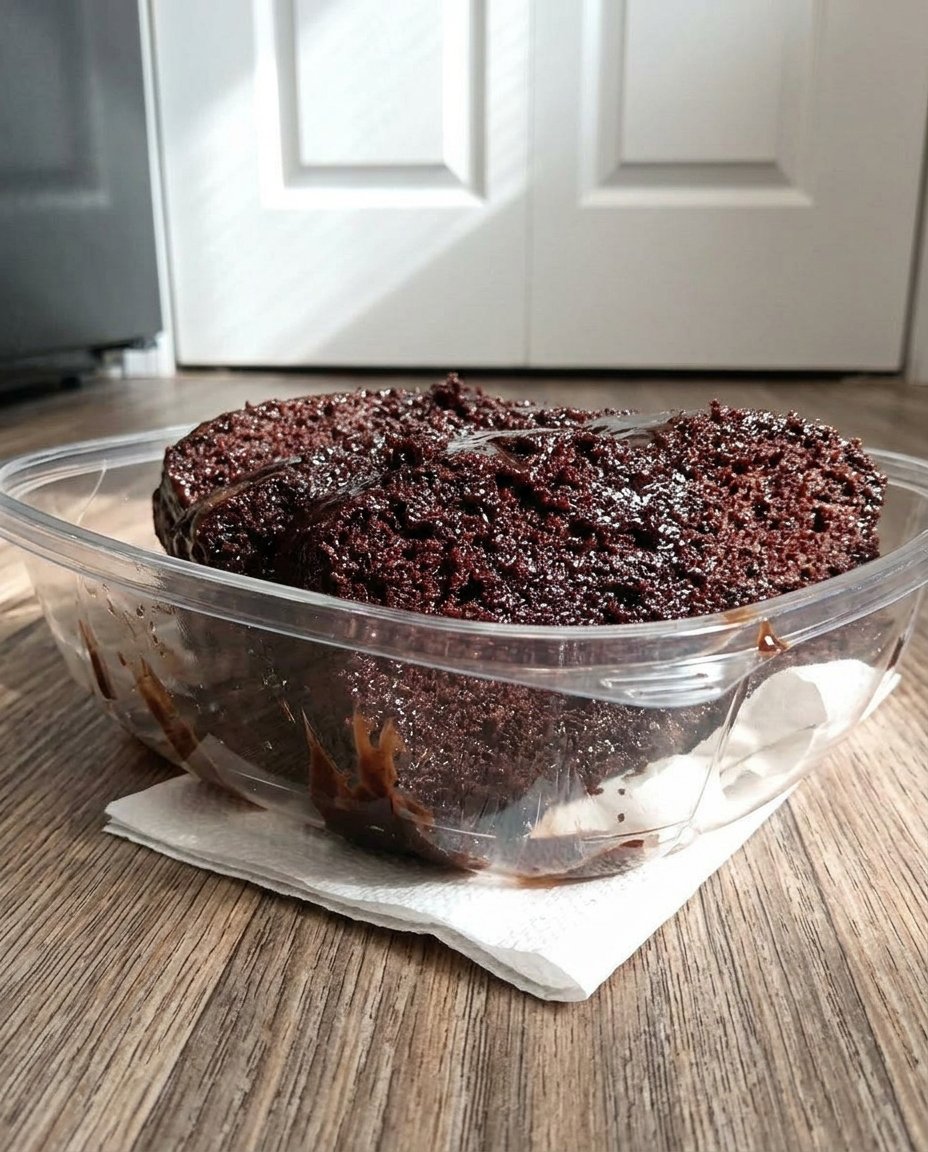
One of the most frequent failures in baking this Chocolate Cake Recipe is improper pan placement. We tested various rack heights and determined that the middle rack provides the most even heat distribution for convection. If your oven has hot spots, use an oven thermometer to verify the actual internal temperature is truly 350°F.
If you find your cake is too fragile to handle, it may be due to the high moisture content. For a more stable base that handles stacking easily, you might compare this method with our old-fashioned chocolate cake which uses a different fat-to-liquid ratio. Another tip: always turn your cakes out upside down. The flat base of the pan becomes the top of the cake layer, providing a perfectly level surface for frosting without the need for excessive trimming.
Precision Tweaks
While the standard recipe is optimized for 9-inch pans, we have tested several alternatives to provide accurate timing data. For a single 9-inch deep pan, increase the bake time to 45 minutes. If you prefer 8-inch layers, bake for 38 minutes to prevent over-drying the edges. For those looking for a denser, more decadent profile, you can swap the milk for heavy cream, which increases the fat content and creates a texture similar to our chocolate fudge cake.
You can also experiment with the cocoa type. Using 100% Dutch-processed cocoa will result in a nearly black cake with a milder acidity. In our tests, we found that adding a teaspoon of espresso powder to the dry ingredients significantly heightens the perception of chocolate without adding a distinct coffee flavor.
Presentation Notes
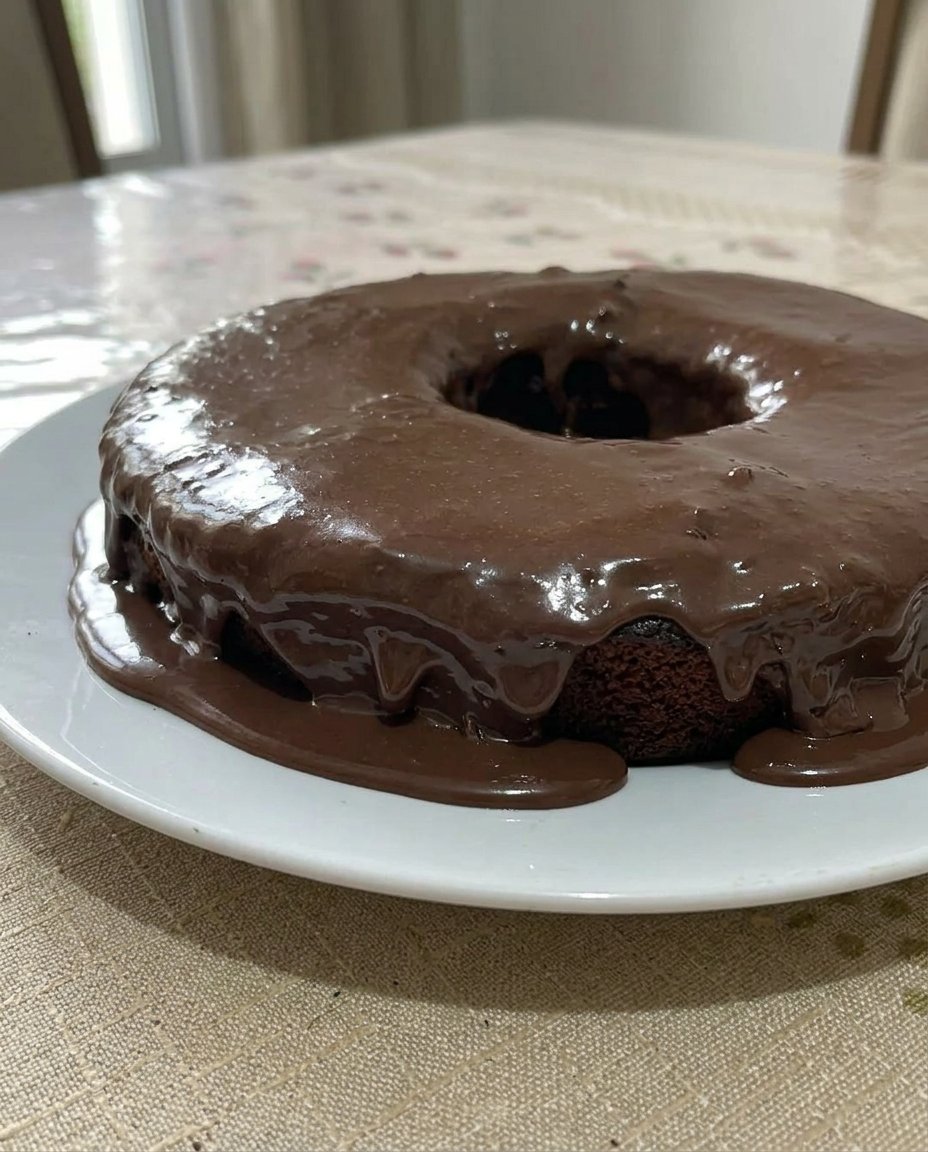
When serving this cake, temperature is a critical variable. For the best flavor release, serve the cake at a room temperature of approximately 72°F. If the cake has been refrigerated, allow it to sit out for 30 minutes before slicing. For a classic pairing, this moist sponge works beautifully alongside a German chocolate cake filling if you enjoy coconut and pecan textures.
To achieve professional-looking slices, use a long serrated knife dipped in hot water and wiped dry between every cut. This prevents the moist crumb from sticking to the blade and tearing. For festive occasions, consider the chocolate balloon basket technique mentioned in our notes to create a stunning, edible centerpiece for chocolate eggs or fresh berries.
The Final Analysis
Achieving the perfect Chocolate Cake Recipe is a matter of understanding the interaction between heat and hydration. By blooming the cocoa and using a specific blend of leaveners, we have removed the guesswork from this classic dessert. For those times when you need a quick chocolate fix without the full bake time, you might also enjoy our chocolate mug cake. This recipe was inspired by the rigorous testing standards found at RecipeTin Eats, where precision is also a priority. We invite you to share your results with our community on Facebook or Instagram as you continue to master the science of baking.