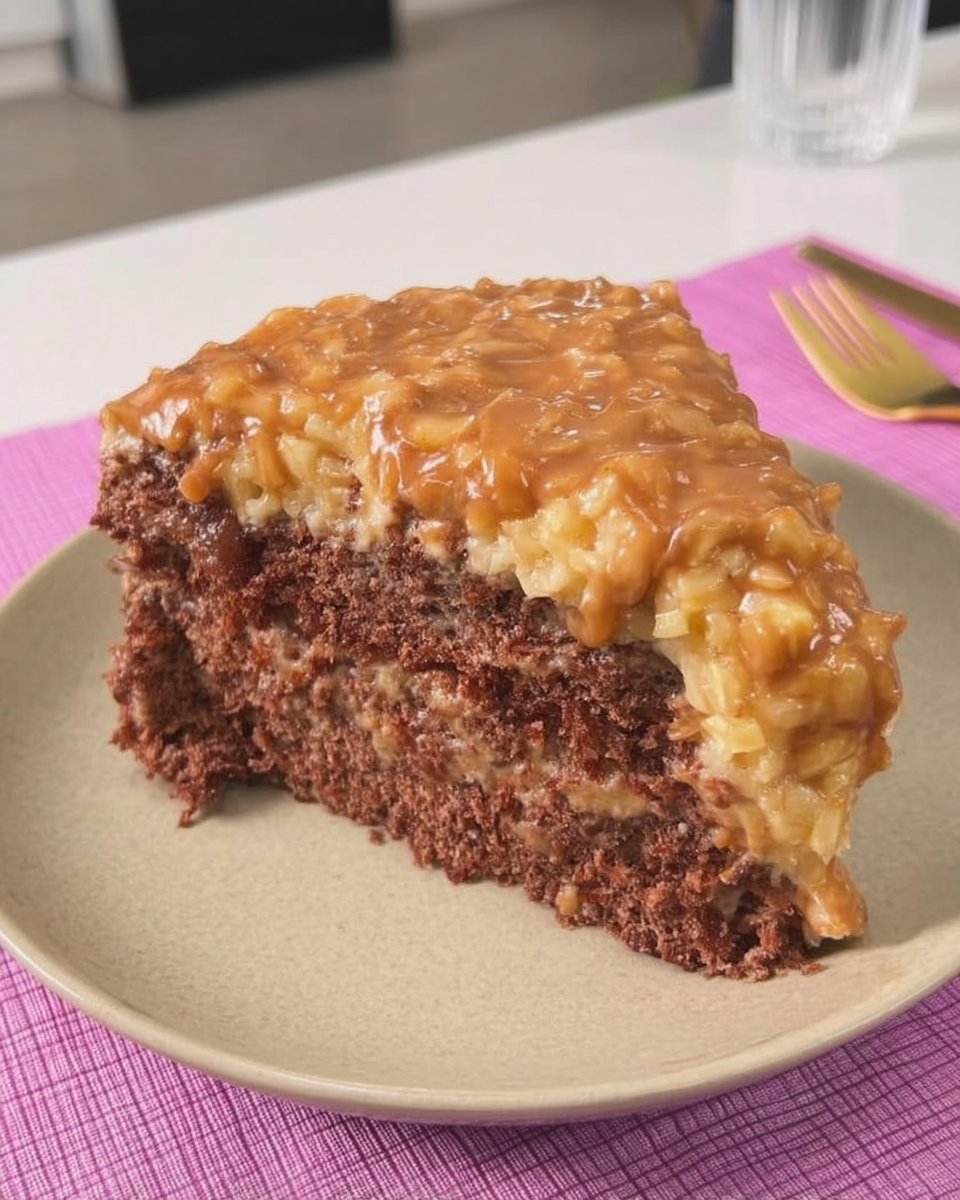
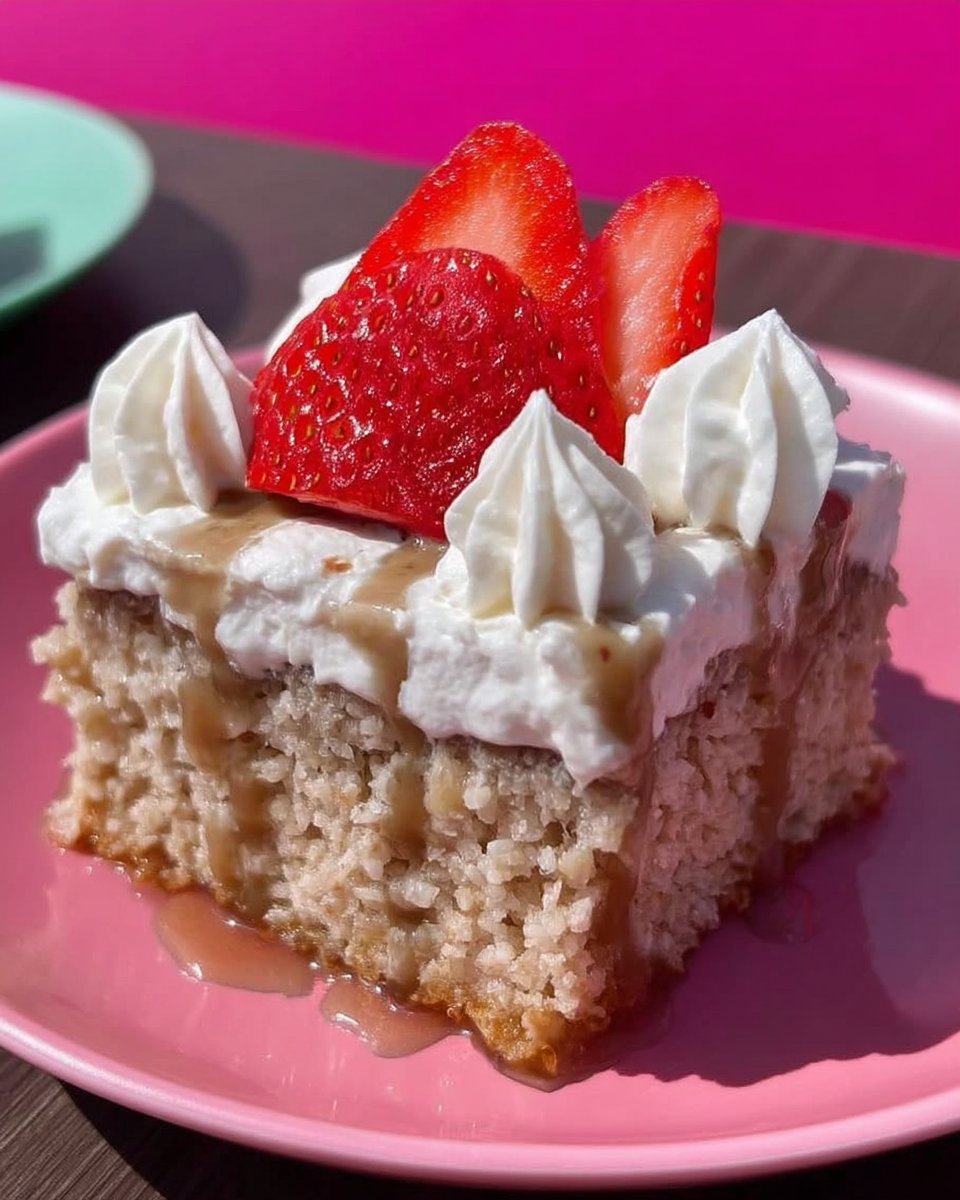
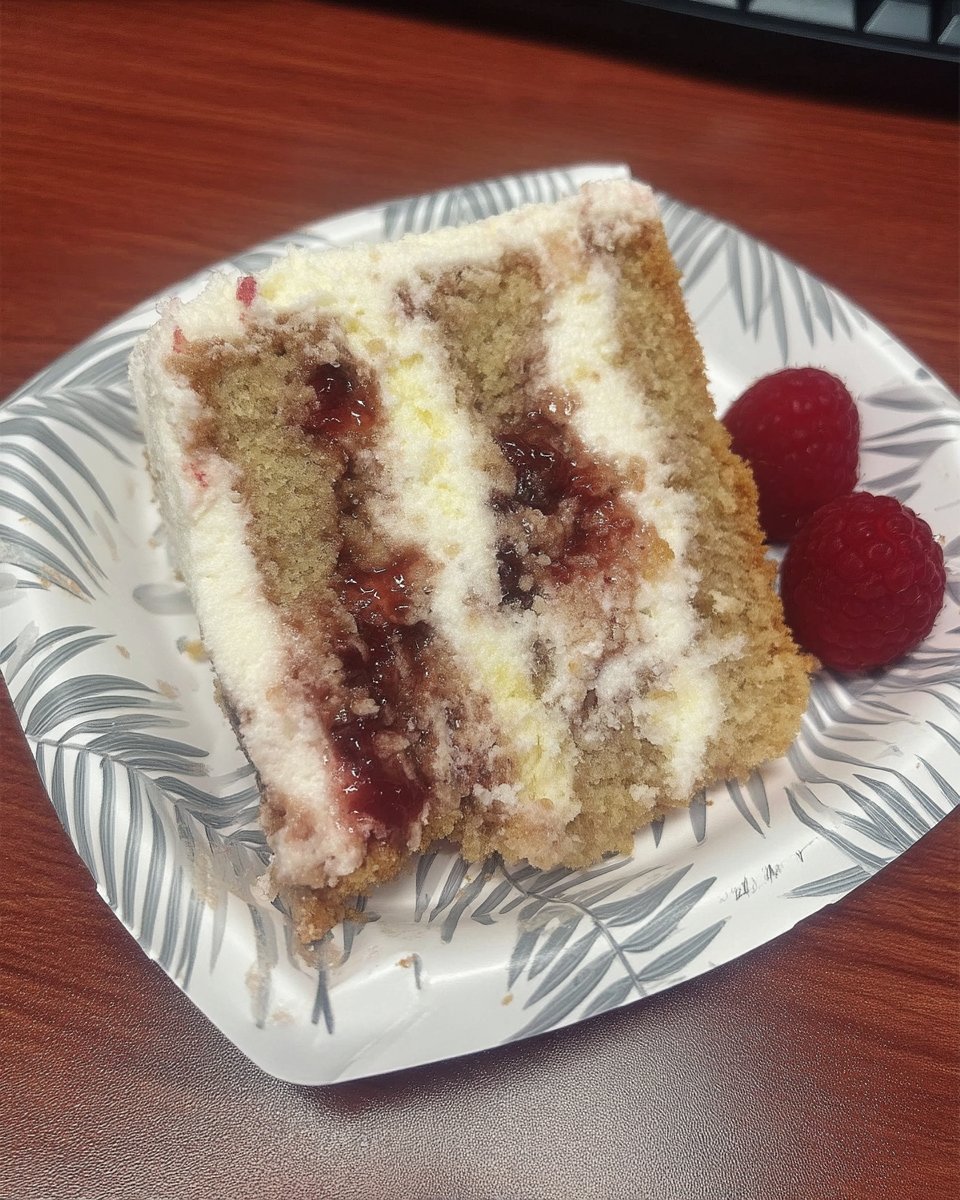
There is a specific moment in late summer when the blackberries are heavy on the vine and the strawberries are so ripe they stain your fingertips red just by touching them. In my farmhouse kitchen, that abundance of fresh fruit begs for a partner that can stand up to its brightness without overshadowing it. While many think of vanilla or sponge for fruit, I believe there is nothing quite like the deep, earthy contrast of a dark chocolate cake to make those seasonal jewels truly shine.

This isn’t your traditional dried fruit brick; it is a lush, moist chocolate fruit cake designed to be the canvas for nature’s candy. The buttermilk brings a tender crumb, while the Dutch-processed cocoa offers a sophistication that balances the sweetness of whatever seasonal bounty you have on hand. It is simple, honest baking at its best.
A Rustic Canvas for Seasonal Flavors
This recipe bridges the gap between deep comfort and fresh vibrancy. The cake itself is an old-fashioned standard—reliable, moist, and deeply chocolatey thanks to the blooming method with hot water. But what makes it a true “fruit cake” in my book is how it supports the fresh produce of the season.
Whether you top it with macerated spring strawberries, late-summer stone fruit, or autumn pears, the sturdy yet tender crumb holds up beautifully. It captures that farmhouse spirit where we don’t fuss with fondant or complex piping; we let the ingredients speak for themselves. The dark chocolate frosting provides a silky mortar that holds everything together, creating a dessert that feels both nostalgic and refreshingly modern.
Print
Chocolate Fruit Cake
- Total Time: 50 mins
- Yield: 12 servings
- Diet: Vegetarian
Description
A sophisticated yet rustic dessert that combines a moist, dark chocolate buttermilk cake with the brightness of seasonal fresh fruit. This recipe uses a unique blooming technique and a cube-by-cube butter incorporation to create a velvet-like texture that perfectly complements ripe berries or stone fruits.
Ingredients
- 3 oz semi-sweet chocolate, chopped
- 1/2 cup hot water
- 3/4 cup Dutch-processed cocoa powder, divided
- 2 1/4 cups granulated sugar, divided
- 2 1/2 cups all-purpose flour
- 1 1/2 teaspoons baking soda
- 1 teaspoon salt
- 1 cup buttermilk, room temperature
- 2 teaspoons vanilla extract
- 3 large eggs plus 2 egg yolks, room temperature
- 1 cup unsalted butter, softened and cubed
- 2 cups fresh seasonal fruit (berries, cherries, or sliced figs)
- 2 cups confectioners’ sugar
- 1 teaspoon espresso powder (optional)
- 3–4 tablespoons heavy cream
Instructions
- Preheat your oven to 350°F and grease three 6-inch baking pans (or two 9-inch pans), lining the bottoms with parchment paper.
- In a double boiler or heatproof bowl over simmering water, combine the chopped chocolate, hot water, 1/2 cup of the cocoa powder, and 1/2 cup of the sugar; stir until melted and glossy.
- In a small bowl, whisk together the flour, baking soda, and salt. In a separate cup, stir together the room-temperature buttermilk and vanilla extract.
- In a stand mixer, whip the eggs, egg yolks, and remaining 1 3/4 cups of sugar on high speed for about 5 minutes until pale and thick.
- Reduce speed and mix in the slightly cooled chocolate mixture, then add the softened butter one cube at a time, allowing each to incorporate fully.
- Turn the mixer to low and add the flour mixture in three parts and the buttermilk mixture in two parts, alternating between them and starting/ending with the flour.
- Divide the batter evenly among pans and bake for 18–22 minutes, or until a toothpick comes out with moist crumbs.
- Cool in pans for 15 minutes before turning out onto wire racks.
- For the frosting, whisk the remaining cocoa, confectioners’ sugar, and espresso powder, then beat with softened butter and heavy cream until smooth and creamy.
- Frost the cooled cake layers and top with a generous mound of fresh seasonal fruit.
Notes
For the most professional finish, chill your cake layers for at least 30 minutes before frosting to minimize crumbs. If your fruit is particularly juicy, wait to top the cake until just before serving to prevent the juice from bleeding into the chocolate frosting and affecting the presentation.
- Prep Time: 30 mins
- Cook Time: 20 mins
- Category: Dessert
- Method: Baking
- Cuisine: American
The Farmhouse Pantry
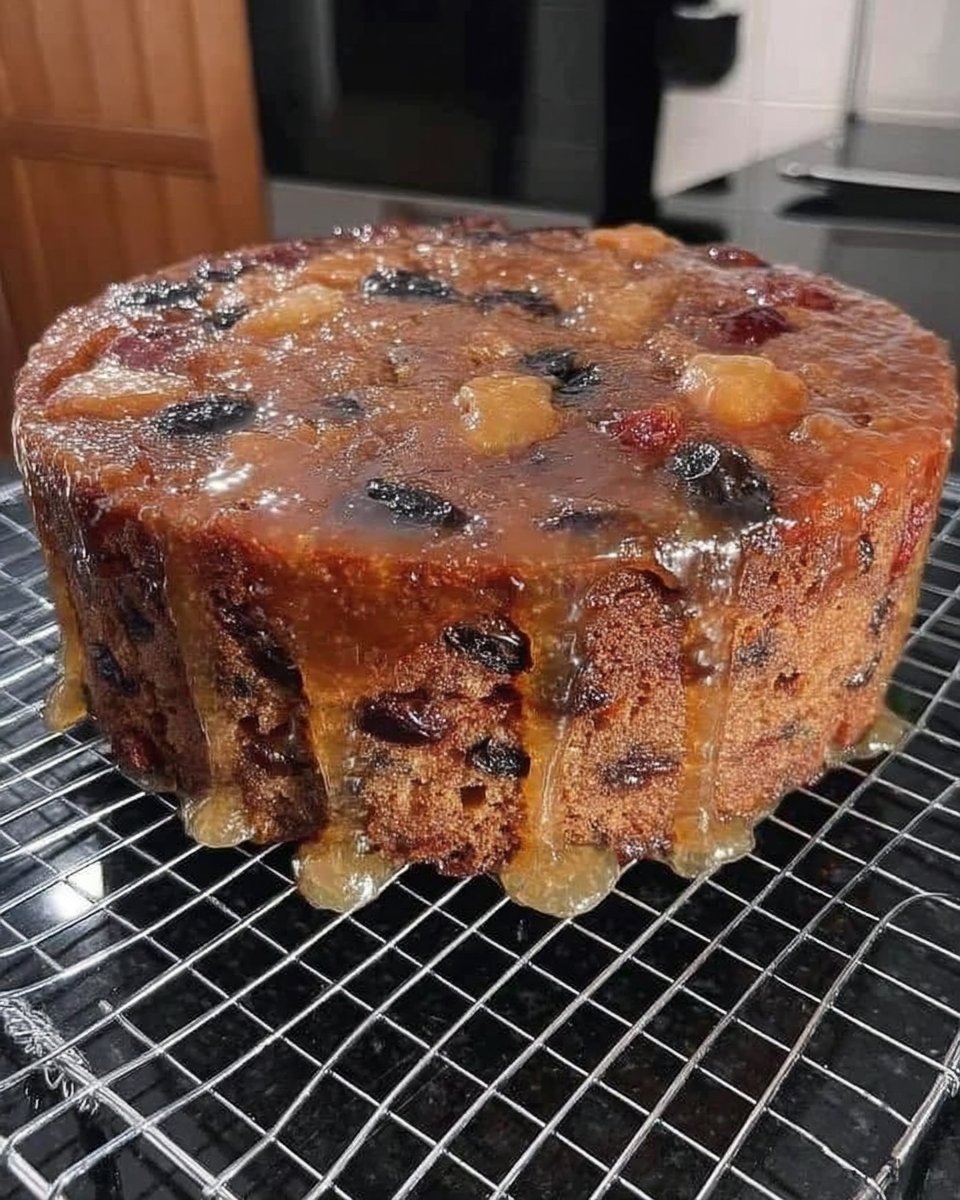
To achieve that perfect balance of structure and tenderness, we rely on a few key staples. Here is what you need to gather:
- Semi-Sweet Chocolate & Dutch-Processed Cocoa: Using both melted chocolate and cocoa powder creates a multi-dimensional flavor profile. I prefer Dutch-process for its mellow, earthy notes.
- Buttermilk: This is the secret to a tender crumb. The acidity breaks down the gluten just enough and reacts with the baking soda for a lovely lift.
- Hot Water: Essential for “blooming” the cocoa, releasing its full aromatic potential before it even hits the oven.
- Unsalted Butter: Room temperature is non-negotiable here. It needs to emulsify perfectly with the sugars and eggs.
- Fresh Seasonal Fruit: While not in the batter, this is the crowning glory. Choose whatever is at its peak—berries, cherries, or sliced figs.
- Espresso Powder: An optional addition to the frosting that amplifies the chocolate without making it taste like coffee.
How to Make It
Step 1: Prep and Bloom
Start by preheating your oven to 350°F. Grease and flour three 6-inch baking pans (or two 9-inch pans), lining the bottoms with parchment paper for insurance. In a double boiler or heatproof bowl set over simmering water, combine the chocolate, hot water, cocoa powder, and ½ cup of the sugar. Stir until melted and glossy, then remove from heat to cool slightly.
Step 2: Dry and Wet Prep
In a small bowl, whisk together the all-purpose flour, baking soda, and salt. In a separate cup or small bowl, combine the room-temperature buttermilk and vanilla extract. Having these ready makes the final mixing process smooth and stress-free.
Step 3: The Creaming Stage
In your mixer, whip the eggs, egg yolks, and the remaining 1 ¾ cups of sugar on high speed. Let this go for about 5 minutes. You want it pale and thick—this builds the structure of the cake. Once whipped, mix in the cooled chocolate mixture until well-combined.
Step 4: Emulsify the Butter
With the mixer running, add the softened butter one cube at a time. This might feel unusual, but adding the butter slowly allows it to emulsify into the batter, creating a velvety texture. Wait for each piece to incorporate before dropping in the next.
Step 5: The Alternating Mix
Turn the mixer to low. Add the flour mixture in three parts and the buttermilk mixture in two parts, alternating between them. Always start and end with the flour. Mix just until the last streak of flour disappears to keep the cake tender.
Step 6: Bake
Divide the batter evenly among your prepared pans. Bake for 18–22 minutes. A toothpick inserted into the center should come out with just a few moist crumbs attached. Let them cool in the pans for 15 minutes before turning them out onto wire racks to cool completely.
Step 7: The Chocolate Frosting
While the cakes cool, make the frosting. Whisk the cocoa powder, confectioners’ sugar, and espresso powder to break up lumps. Beat the soft butter with the cocoa mixture and salt. It will look dry and lumpy at first—don’t worry. Add the heavy cream one tablespoon at a time, beating on medium speed until it transforms into a smooth, creamy spread.
Christine’s Seasonal Secrets
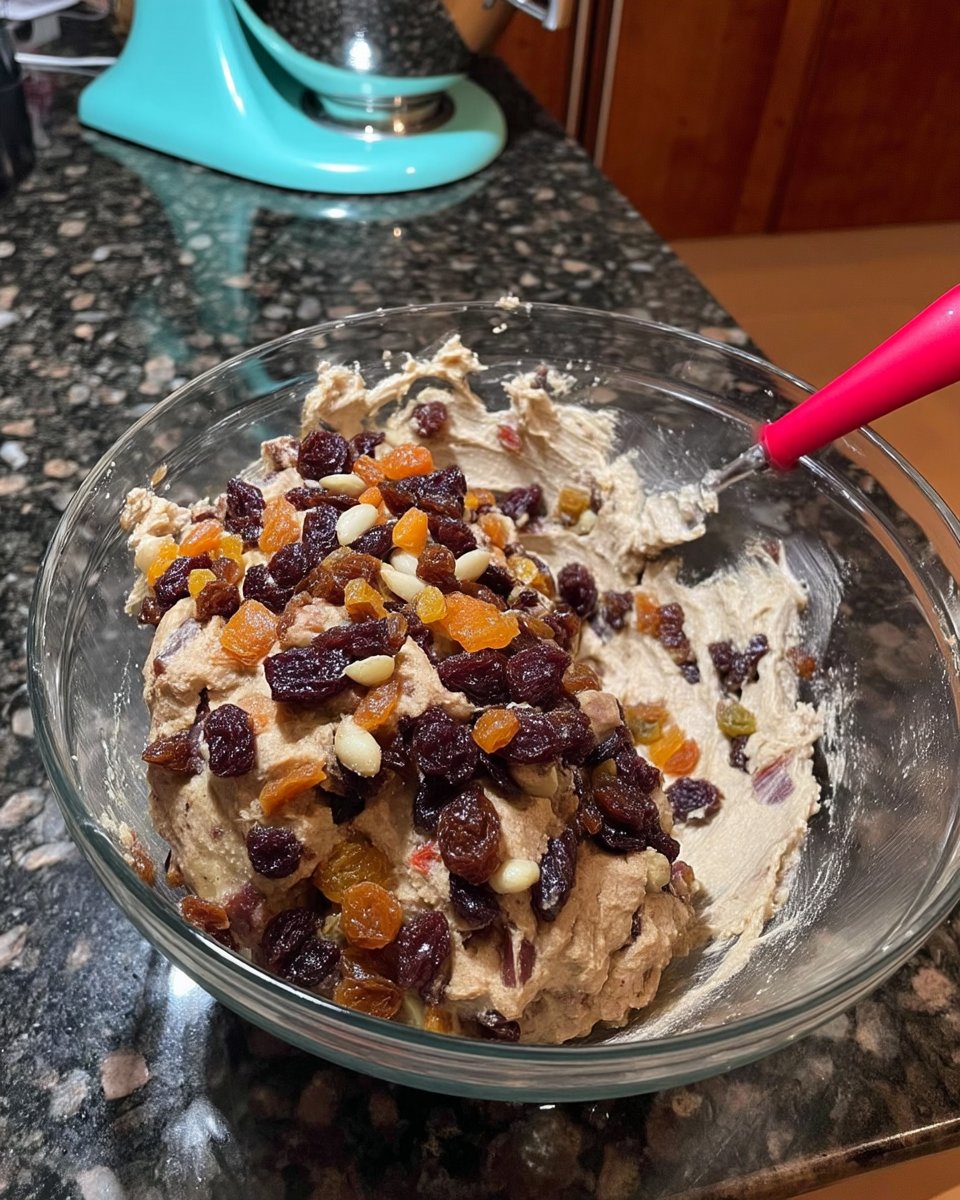
Temperature Matters:
Since we are adding butter cube by cube, your butter must be truly soft, not melted, and your eggs must be room temperature. If the batter looks curdled (broken), the ingredients were likely too cold. Keep beating—it often comes back together.
Bloom the Cocoa:
Never skip the hot water step. Mixing cocoa with hot liquid dissolves the solids and releases flavor compounds that fat alone cannot unlock. It is a technique often discussed in Chocolate Alchemy, and it makes all the difference in a rich fruit cake base.
Leveling:
If your cakes dome slightly, slice the tops off to create a flat surface. Don’t throw away the scraps—crumble them over yogurt or ice cream for a rustic treat.
Simple Twists
Winter Citrus:
In the colder months when berries are scarce, add a tablespoon of orange zest to the batter. Top the frosted cake with candied orange slices or pomegranate arils for a jewel-toned winter fruit cake.
Summer Berry Patch:
For a classic summer vibe, pile fresh strawberries and raspberries high in the center of the cake. You can check our Fresh Fruit Baking section for more ideas on handling delicate summer produce.
Naked Cake Style:
For a truly rustic look, frost only the tops of the layers and leave the sides bare. This lets the beautiful dark crumb peek through and puts the focus on the fresh fruit topping.
At the Table
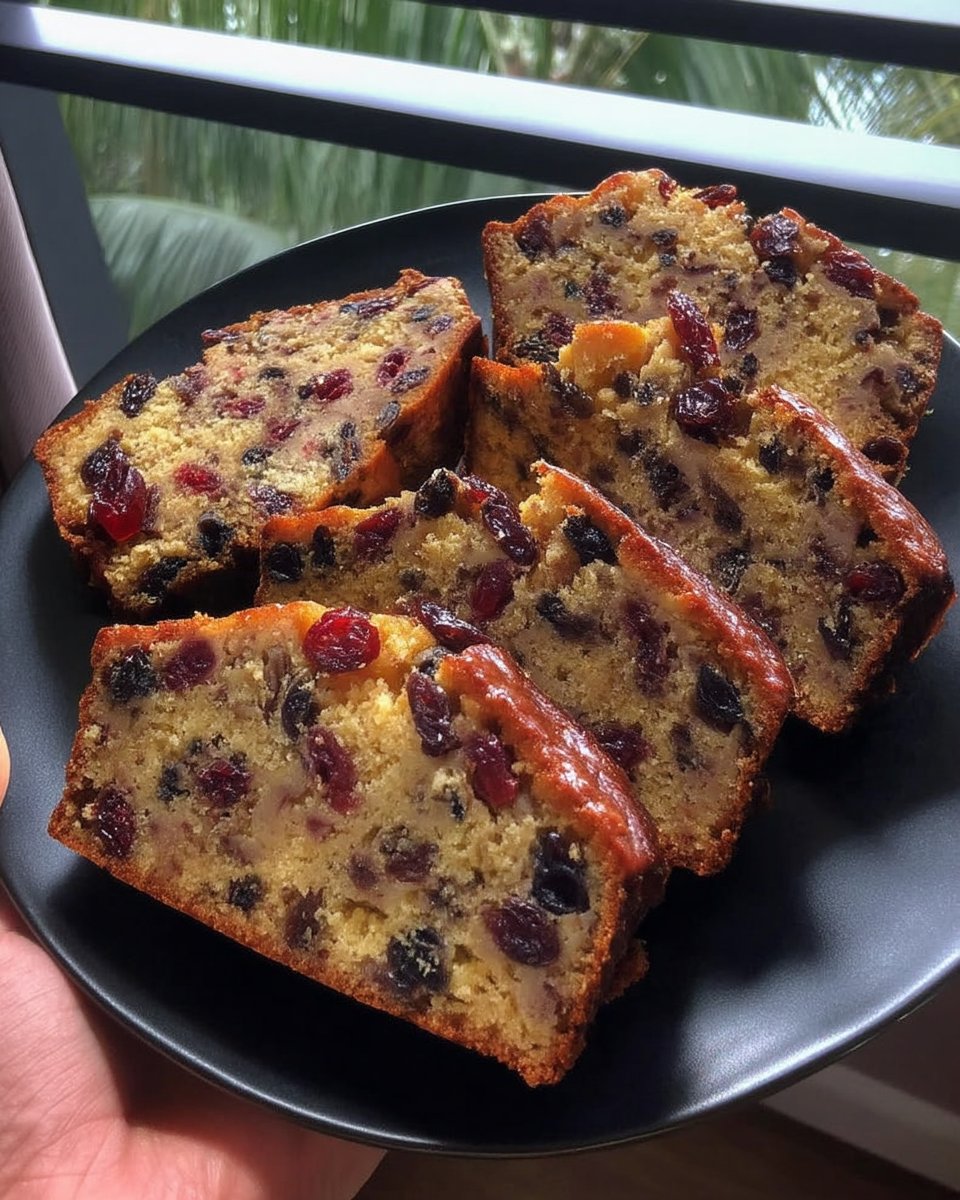
I love serving this cake on a wooden board or a ceramic platter to emphasize its rustic nature. Pile your chosen fruit high on top—don’t worry about symmetry. If a strawberry rolls off, let it sit on the platter; that imperfection is beautiful.
For a special gathering, pair a slice with a dollop of unsweetened whipped cream to cut through the richness of the chocolate. If you are looking for more plating inspiration, the Celebration Design Studio has excellent tips on arranging simple desserts for maximum impact.
The Simple Truth
This chocolate fruit cake reminds us that baking doesn’t need to be complicated to be spectacular. By starting with a solid, flavor-packed base and finishing with the simple beauty of fresh fruit, you create a dessert that feels grounded and genuine. It brings out the true spirit of baking—sharing something homemade and delicious with the people you love.
For more staples that belong in every baker’s repertoire, explore our Foundational Recipes. And if you are looking for community inspiration, I recently saw a discussion on Reddit about how rewarding it is to finally nail a fruit-forward cake recipe.
We would love to see how you top your cake! Share your rustic creations with us on Pinterest, Instagram, or Facebook.