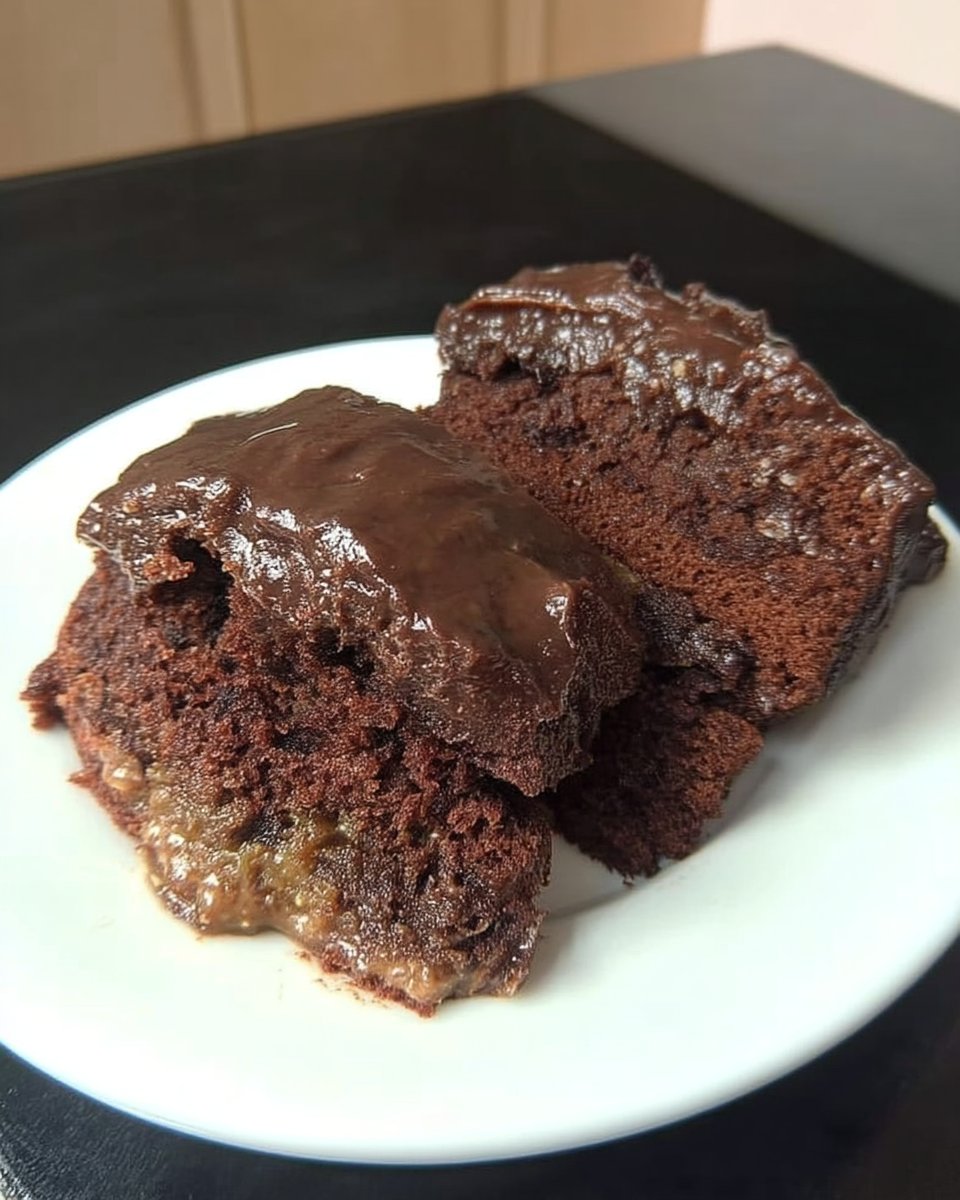
At the Cake Peak test kitchen, we performed extensive trials to solve the common issue of structural collapse in molten desserts. We discovered that inserting a pre-chilled ganache core into the Chocolate Lava Cake 2 batter creates a reliable liquid center without requiring the cake walls to remain raw. This technical adjustment provides a consistent, professional result that eliminates the guesswork of underbaking.

This formulation relies on a precise balance of fats and proteins to create a delicate crumb that supports the heavy molten interior. By utilizing extra egg yolks, we increase the lecithin content, which improves the emulsification and produces a richer mouthfeel. Following these exact measurements and temperature settings will result in a dessert with superior stability and a perfect chocolate flow.
The Science of the Perfect Molten Core
This Chocolate Lava Cake 2 recipe succeeds because it separates the cake structure from the molten center. Most recipes ask you to underbake the batter, which often leads to a floury, raw taste and a dessert that falls apart when de-molded. By preparing a separate ganache core, we guarantee a liquid center every single time while allowing the surrounding cake to bake fully and develop a stable, tender crumb.
Our testing showed that using a high-fat cream in the ganache prevents the center from solidifying even as the cake cools slightly. The contrast between the warm, springy sponge and the silk-like ganache creates a sensory experience that is both technically impressive and deeply satisfying. This method turns a volatile baking project into a repeatable, scientific process for any kitchen.
Print
Chocolate Lava Cake
- Total Time: 3 hours 40 mins
- Yield: 4 cakes
- Diet: Vegetarian
Description
This technically-refined chocolate lava cake uses a pre-chilled ganache core to guarantee a perfectly liquid center every time. By separating the structural cake batter from the molten interior, we achieve a consistent, professional-grade dessert with superior stability and rich flavor.
Ingredients
- 100g Dark Chocolate (50% cocoa or less), for ganache
- 60ml Heavy Cream (at least 36% fat), for ganache
- 100g Semi-sweet chocolate chips, for batter
- 100g Unsalted Butter, cubed
- 2 Whole Eggs, room temperature
- 2 Egg Yolks, room temperature
- 50g Caster Sugar
- 2 tablespoons (16g) All-Purpose Flour
- Softened butter and cocoa powder, for coating molds
Instructions
- Combine 100g dark chocolate and heavy cream in a microwave-safe bowl; heat in 20-second intervals until smooth, then refrigerate for at least 3 hours until firm.
- Preheat oven to 390°F (200°C) and coat four 170ml dariole molds with softened butter and a thin layer of cocoa powder.
- Melt 100g chocolate chips and butter cubes in the microwave using 30-second bursts, stirring until smooth, then let cool for 5 minutes.
- In a separate bowl, whisk room-temperature whole eggs, yolks, and caster sugar until the mixture lightens in color and volume.
- Gently fold the cooled chocolate mixture into the eggs, then sift the flour over the top and fold with a spatula until no white streaks remain.
- Fill each mold one-third full with batter, place a heaped teaspoon of chilled ganache in the center, and top with remaining batter.
- Place molds on a baking sheet and bake for 20 minutes; allow to rest for 2 minutes before inverting onto serving plates.
Notes
To ensure the best emulsion, always use room-temperature eggs; cold eggs can cause the melted chocolate to seize and ruin the batter texture. Utilizing tall, narrow dariole molds rather than shallow ramekins provides a better height-to-lava ratio and more consistent heat distribution.
- Prep Time: 20 mins
- Cook Time: 20 mins
- Category: Dessert
- Method: Baking
- Cuisine: American
Deconstructing the Chemical Components
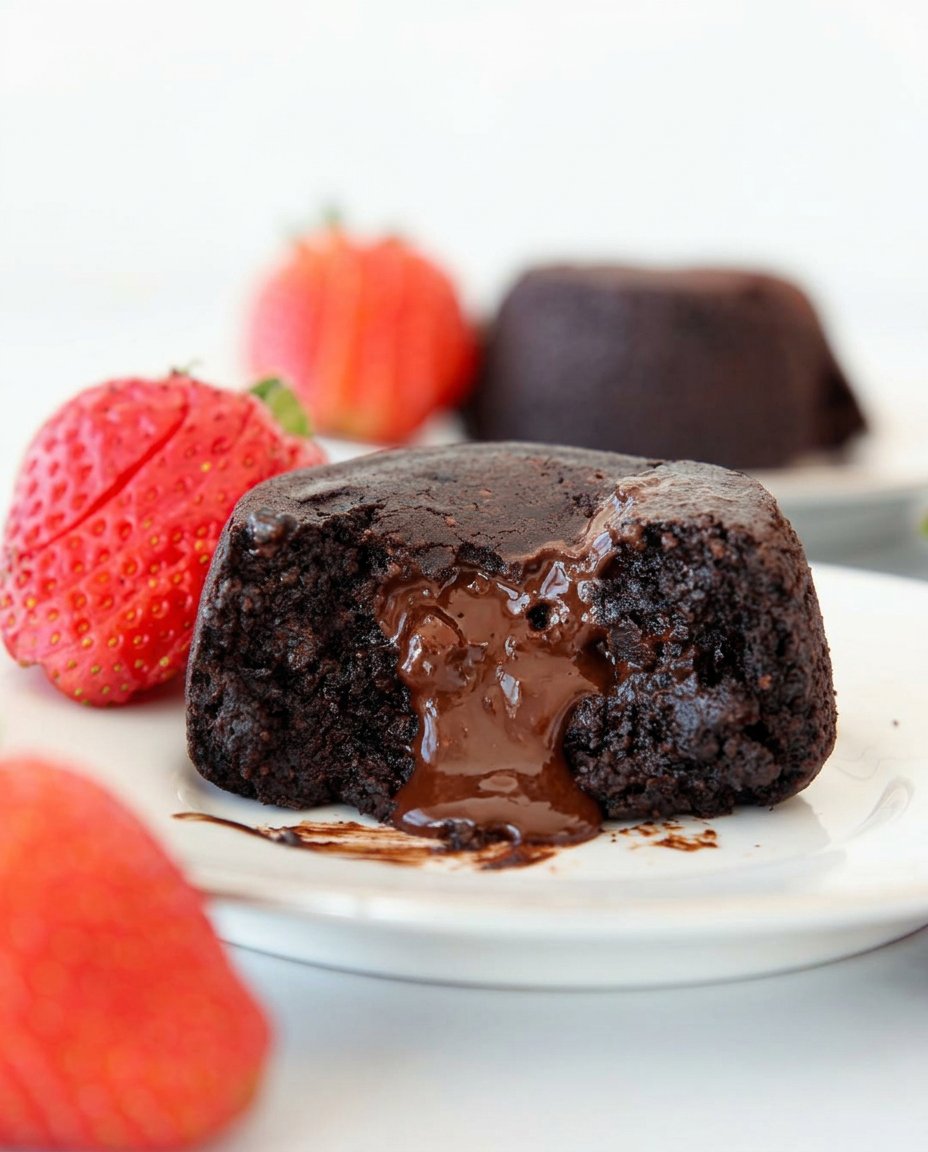
To achieve the best results with Chocolate Lava Cake 2, the quality and temperature of your ingredients are the primary variables. Each component serves a specific structural or chemical purpose in the final bake.
- Dark Chocolate (50% Cocoa or Less): We tested various cocoa percentages and found that higher cocoa solids (above 60%) create a center that is too firm. For the perfect ooze, semi-sweet chips with a lower cocoa mass provide the ideal viscosity.
- Unsalted Butter: The butter must be cut into 1cm (0.5 inch) cubes to facilitate even melting without overheating. This prevents the fat from separating, which would lead to a greasy texture.
- Whole Eggs and Egg Yolks: The whole eggs provide structure through protein coagulation, while the additional yolks add fat and emulsifiers. This ratio creates a cake wall that is strong enough to hold the lava but delicate enough to melt in the mouth.
- Caster Sugar: Also known as superfine sugar, its smaller crystal size allows it to dissolve quickly into the eggs, creating a stable foam that traps air for a light lift.
- All-Purpose Flour: We use exactly 2 tablespoons (approximately 16g). This minimal amount of gluten is just enough to bind the ingredients without making the cake tough or dense.
- Heavy Cream: For the ganache, a cream with at least 36% fat is required to keep the chocolate in a liquid state at room temperature.
Executing the Technical Workflow
Step 1: Formulate the Ganache Core
Combine the dark chocolate and heavy cream in a microwave-safe glass bowl. Heat in three 20-second intervals at high power, stirring between each burst until the mixture is a homogenous, glossy liquid. Allow the ganache to sit at room temperature for 10 minutes to stabilize, then refrigerate for at least 3 hours. The goal is a firm consistency that can be scooped into balls.
Step 2: Thermal Calibration and Mold Prep
Preheat your oven to 390°F (200°C) or 355°F (180°C) if using a convection fan setting. Precision in oven temperature is vital for the 20-minute bake time. Coat 4 dariole molds (170ml/5.75oz) with softened butter and a thin layer of cocoa powder. This creates a non-stick barrier that allows the cake to slide out without tearing the delicate exterior.
Step 3: Melt the Structural Fats
Place the butter cubes and chocolate chips in a clean bowl. Use 30-second microwave bursts, stirring thoroughly after each. Once the mixture reaches a smooth state, let it cool for 5 minutes. If the chocolate is too hot when added to the eggs, it will scramble the proteins and ruin the emulsion.
Step 4: Aerate the Eggs and Sugar
In a separate vessel, whisk the room-temperature eggs, extra yolks, and caster sugar. You are looking for the mixture to lighten in color and slightly increase in volume. This step introduces micro-bubbles that provide the cake with its tender lift.
Step 5: Integrate the Batter
Gently pour the cooled chocolate-butter mixture into the egg foam. Whisk until just combined. Sift the flour over the wet ingredients and fold it in using a silicone spatula. Stop the moment no white streaks remain to avoid over-developing the gluten.
Step 6: Assemble the Layers
Fill each prepared mold one-third of the way with the batter. Place a heaped teaspoon of the chilled ganache directly into the center. Top with the remaining batter until you reach 1.5cm (0.6 inches) from the rim. This headspace is necessary as the cake will expand during the leavening process.
Step 7: The Controlled Bake
Place the molds on a heavy-duty baking sheet and bake for exactly 20 minutes. The tops should be set and spring back slightly when touched. Let the cakes stand for exactly 2 minutes before inverting them onto serving plates. This brief rest allows the internal steam to stabilize the cake walls.
Lauren’s Lab Notes and Troubleshooting
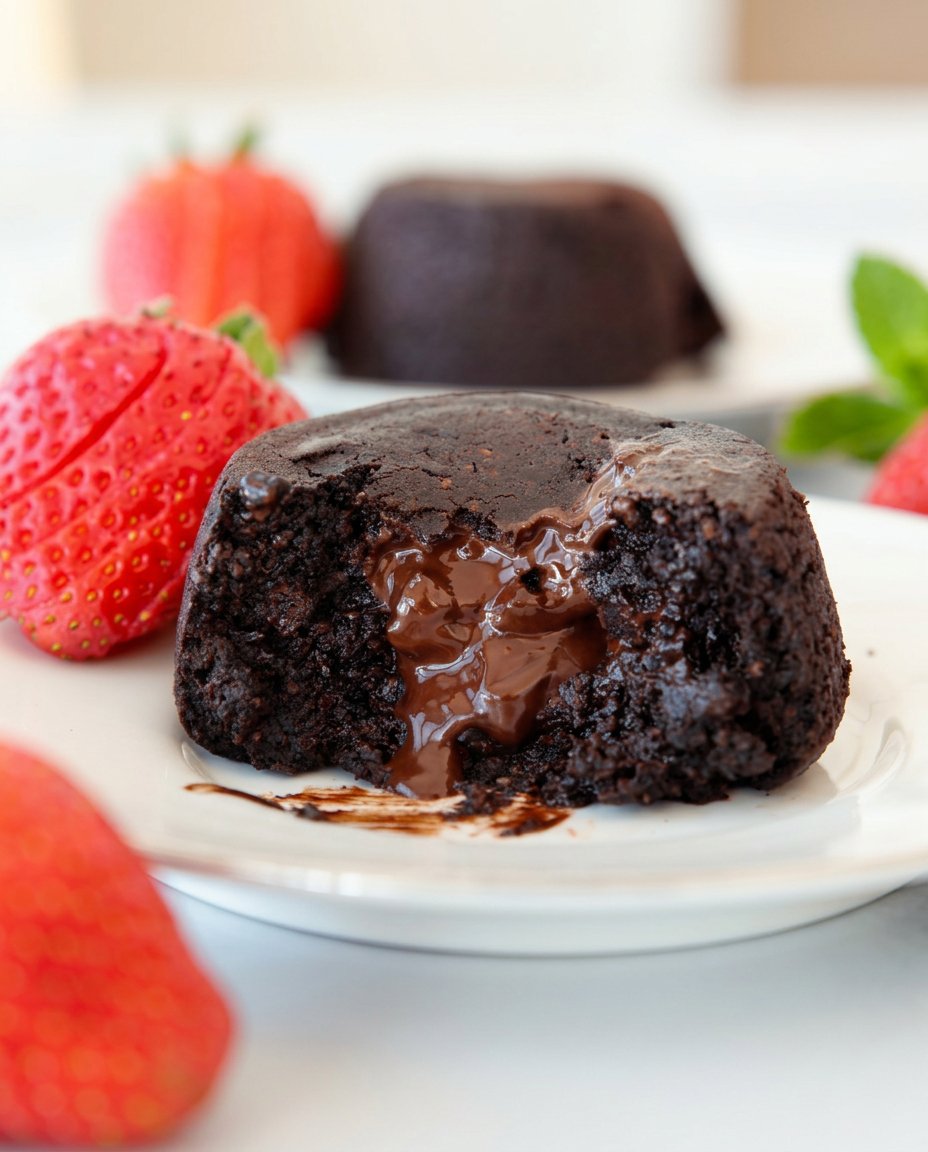
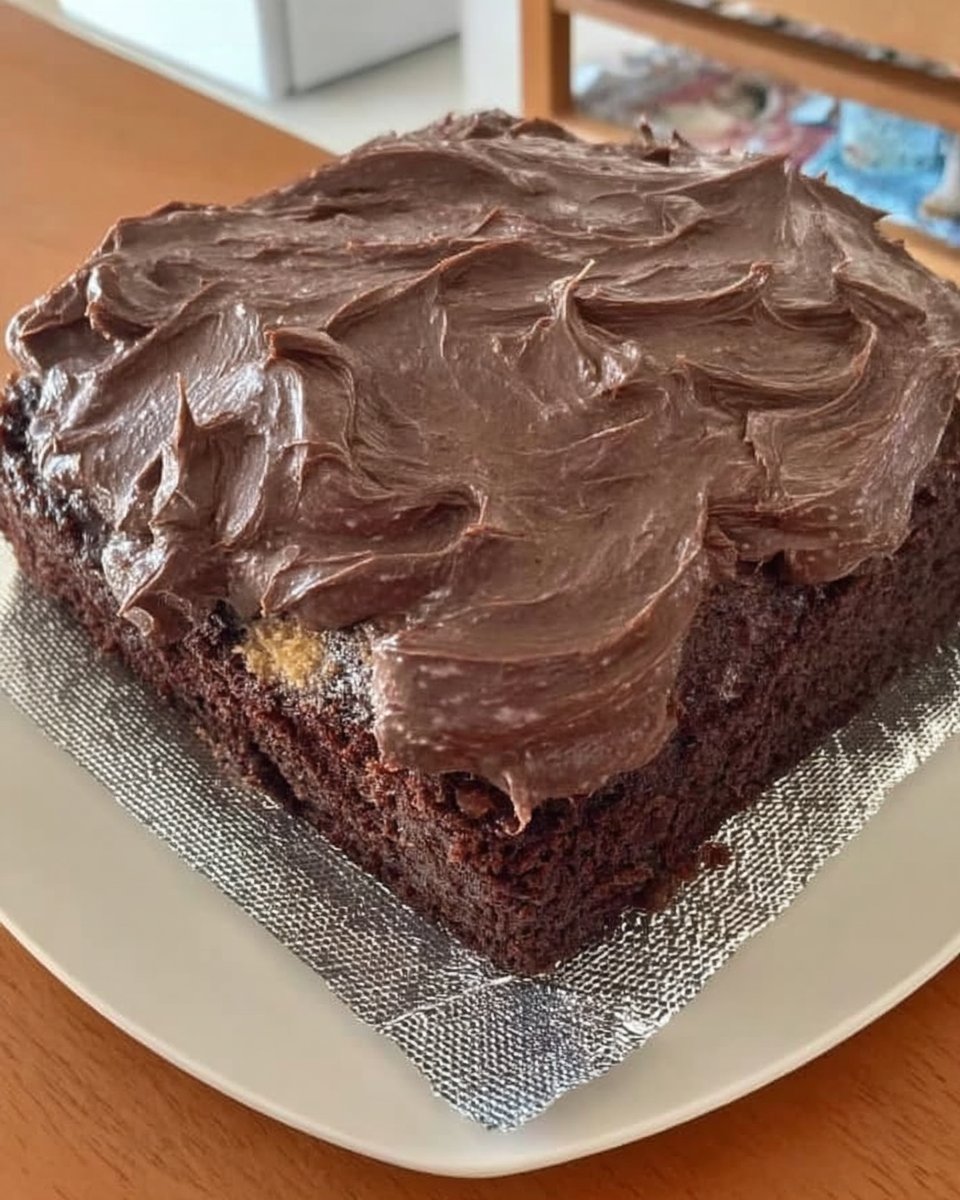
Temperature control is the most frequent point of failure. If your eggs are cold, they will cause the melted chocolate to seize, resulting in a lumpy batter. Always allow your eggs to sit at room temperature for at least 15 minutes after separating. Similar to the precision needed for our chocolate fudge cake, maintaining ingredient temperatures within a 5-degree window produces the most consistent crumb.
If you find your ganache is not melting sufficiently during the bake, verify your oven temperature with an independent thermometer. For further technical insights on molten centers, the methodology used by RecipeTin Eats confirms that mold shape significantly impacts heat distribution. Narrower, taller molds like dariole molds yield a better height-to-lava ratio than wide ramekins.
Validated Structural Modifications
We tested several alternative cores to determine how different sugar concentrations affect the flow rate. For a white chocolate variation, replace the center ganache with a mixture of white chocolate and a touch of vanilla bean paste, but reduce the baking time by 2 minutes as white chocolate has a lower melting point. For those needing a faster individual serving, you can apply similar principles to our chocolate mug cake, although the texture will be less refined than this oven-baked version.
Another tested modification involved adding a pinch of espresso powder to the batter. The caffeine doesn’t just add flavor; it acts as a flavor enhancer for the polyphenols in the chocolate, making the Chocolate Lava Cake 2 taste significantly more intense without changing the moisture balance.
Presentation and Pairing Dynamics
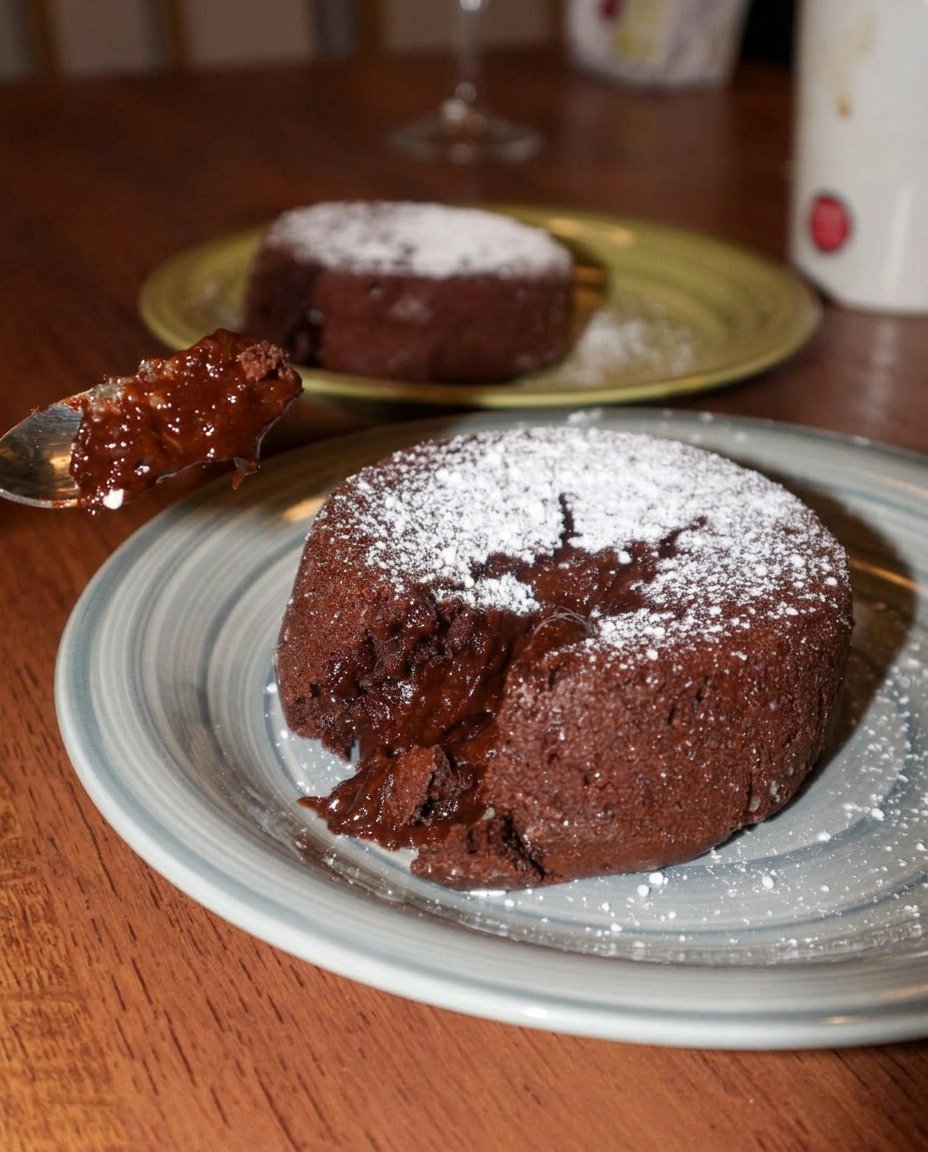
To maintain the structural integrity of the Chocolate Lava Cake 2, serve it immediately after the two-minute resting period. The thermal energy is highest at this point, ensuring the center remains fluid. We recommend pairing the cake with a high-fat vanilla bean ice cream; the temperature contrast between the 140°F cake and the 30°F ice cream creates a pleasant thermal shock on the palate.
For a more sophisticated presentation, dust the plate with cocoa powder or use a raspberry coulis to provide an acidic counterpoint to the rich chocolate. This technique is similar to how we plate our devils food cake for professional photography. A sprig of mint or a few fresh raspberries can also add a necessary visual contrast to the dark tones of the cake.
Achieving Consistency Through Technique
Mastering the Chocolate Lava Cake 2 is a significant milestone for any precision baker. By separating the ganache core from the cake batter, you have removed the volatility associated with traditional molten cakes and replaced it with a reliable scientific method. Once you have perfected this balance of protein and fat, I encourage you to apply these same principles of emulsification to our old-fashioned chocolate cake. Continue testing your oven’s calibration and ingredient weights to achieve mastery in your home laboratory.
For more test kitchen updates and scientific baking breakthroughs, follow us on Pinterest, Instagram, and Facebook.