A quiet morning at the local farmers market often brings more than just fresh eggs and berries; sometimes, it brings a spark of old-fashioned inspiration. Last Saturday, I spotted a vendor with vintage lace ribbons and delicate dried flowers, which immediately made me think of the soft, romantic curves of a coquette cake. There is something deeply grounding about bringing that timeless, feminine aesthetic into a farmhouse kitchen, where the smell of vanilla and the rhythmic sound of a whisk create a sense of peace.

This recipe focuses on the beauty of the heart shape and the intricate details of vintage piping. While it looks like a treasure from a professional patisserie, the process is approachable for anyone who values the honest satisfaction of a handmade treat. We will use simple buttercream and a few classic piping tips to turn basic cake layers into a centerpiece that feels both nostalgic and fresh.
A Timeless Celebration of Beauty
The coquette cake is more than just a sweet treat; it is a nod to a slower era where every detail mattered. You will love this project because it invites you to slow down and enjoy the meditative process of piping delicate ruffles and swirls. The soft pink hues and the heart-shaped silhouette bring a touch of whimsy to any table, making it perfect for a birthday, a bridal shower, or just a quiet Sunday afternoon tea. It celebrates the idea that baking is an art form that feeds the soul as much as the body.
Print
Coquette Cake
- Total Time: 1 hour 15 mins
- Yield: 12 servings
- Diet: Vegetarian
Description
This romantic Coquette Cake brings a vintage farmhouse aesthetic to your kitchen with its delicate heart shape and intricate buttercream ruffles. Perfect for special celebrations, this guide teaches you how to transform simple cake layers into a professional-looking masterpiece using classic piping techniques.
Ingredients
- Two 8-inch round cakes, completely cooled
- 9 cups thick vanilla buttercream frosting
- AmeriColor Deep Pink food color gel
- AmeriColor Fuchsia food color gel
- Edible pearls or sugar dots (optional)
Instructions
- Using a serrated knife, carve the two 8-inch round cakes into a heart shape by removing two small wedges from the bottom and one notch from the top center.
- Apply a thin crumb coat of buttercream over the entire surface of the heart cake and chill in the refrigerator for 30 minutes to seal the surface.
- Apply a thicker second layer of frosting, smoothing the top and sides with an angled spatula or icing smoother to create a clean canvas.
- Using Wilton Tips 4B and 32, pipe shell borders and stars around the base and top edges, then use Tip 102 with a rhythmic motion to create delicate side ruffles.
- Finish the design by using Tip 3 to pipe a custom message or fine dots across the top surface for a professional, vintage look.
Notes
To prevent the cake from sliding during the carving process, use a small dab of buttercream to secure the bottom layer to a 10-inch cardboard cake base. If you find your ruffles are drooping, your buttercream may be too warm; simply chill the piping bag for five minutes to firm up the frosting for sharper detail.
- Prep Time: 45 mins
- Cook Time: 30 mins
- Category: Dessert
- Method: Decorating
- Cuisine: American
The Farmhouse Pantry Essentials
To create this masterpiece, we start with quality foundations. I always recommend using the best butter you can find, as the flavor of the frosting is the star here. You will need:
- Cake Layers: Two 8-inch round cakes, baked with care and completely cooled. Chilling them slightly makes the carving process much easier.
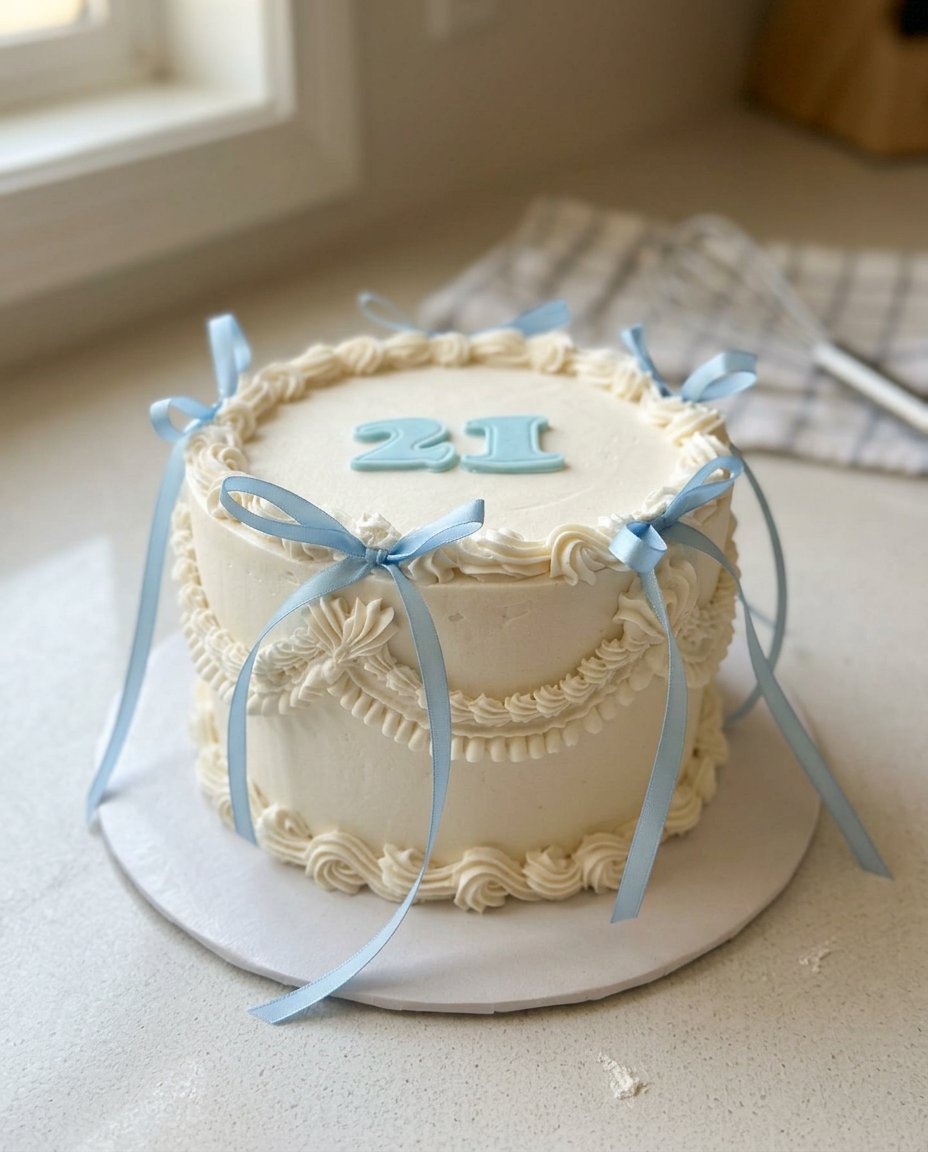
- Vanilla Buttercream: About nine cups of thick, creamy frosting. This provides the structure for those beautiful vintage ruffles.
- Food Color Gels: I prefer AmeriColor Deep Pink and Fuchsia to get those soft, romantic gradients that define the coquette style.
- Tools of the Trade: A serrated knife for shaping, an angled spatula for smoothing, and a sturdy cake turntable to keep your movements steady. Using a 10-inch cardboard base helps keep the cake stable as you work.
The Process of Crafting Your Heart Cake
Step 1: Carving the Heart
Start with your cooled 8-inch rounds. Using a serrated knife, we will transform these circles into a classic heart shape. I find it helpful to cut two small wedges from the bottom and one from the top center to create the lobes. If you want a perfectly symmetrical look, you can use a cardboard template as a guide. Take your time with this step, as the shape of the cake is the foundation of the entire design.
Step 2: The Crumb Coat
Once your heart is shaped, apply a thin layer of vanilla buttercream over the entire surface. This crumb coat acts as a seal, trapping any loose bits of cake so they do not end up in your final decorative layer. Make sure you fill any gaps where the layers meet. Let this chill in the fridge for about 30 minutes until it feels firm to the touch.
Step 3: Smoothing the Canvas
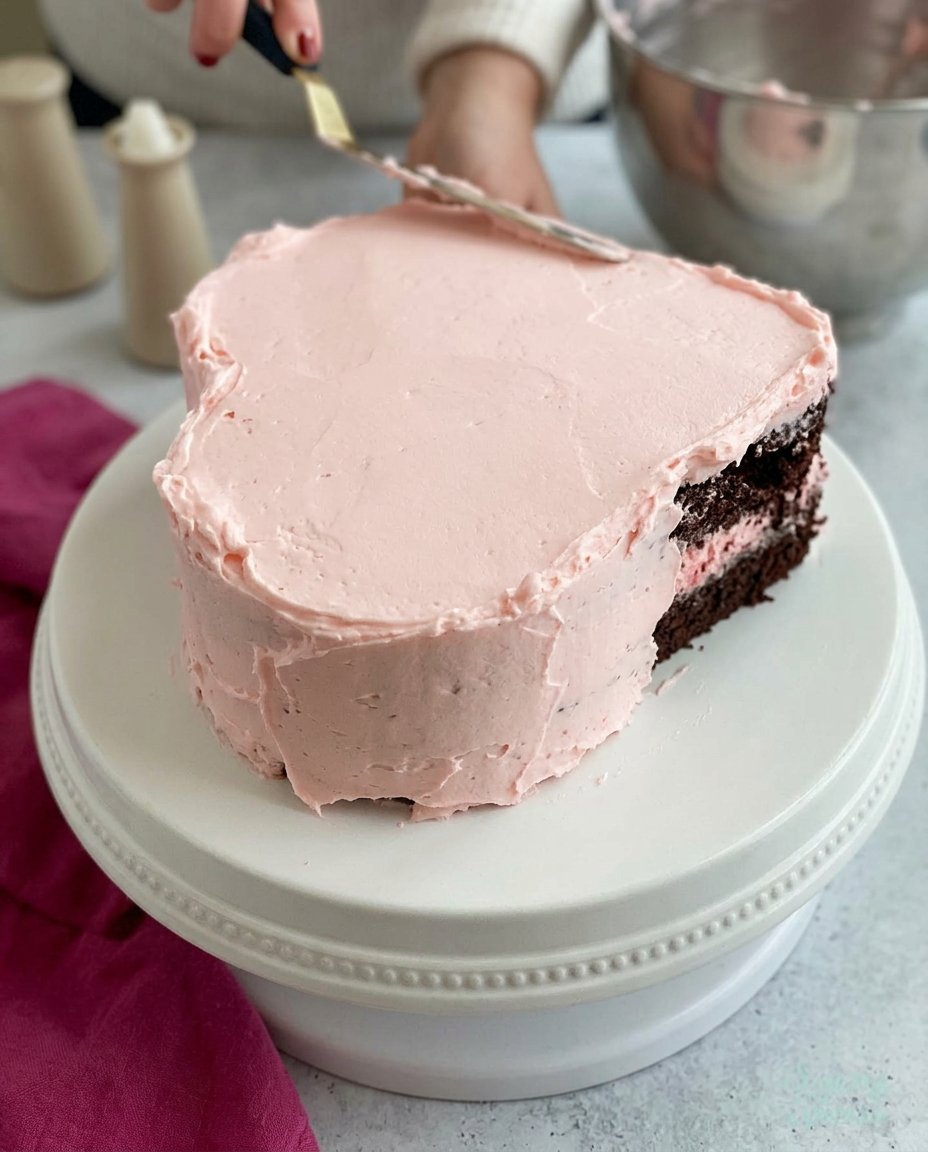
Apply a thicker layer of frosting over the chilled crumb coat. Use your icing smoother and angled spatula to create a clean, flat surface on the top and sides. The smoother the base, the more your piped details will stand out. Don’t worry if it isn’t perfect—the ruffles will cover many imperfections, which is part of the rustic charm of this style.
Step 4: Piping the Vintage Ruffles
Now comes the magic. Using Wilton Tips 4B and 32, create rows of shells and stars along the base and the top edge. For the signature coquette look, use Tip 102 to create delicate ruffles that drape like fabric. Move the piping bag in a small, rhythmic up-and-down motion as you travel around the cake. This slow, steady movement creates the characteristic pleated look of vintage cakes.
Step 5: The Final Flourish
Using Tip 3, carefully write a sweet message or add tiny dots across the top. This is where you can let your personality shine. Whether it is a name, a date, or a simple word like ‘Love,’ the fine lines add a professional touch to your rustic creation. Finish with small piped bows or tiny edible pearls if you wish to add extra detail.
Farmhouse Wisdom for Perfect Piping
One secret to successful decorating is the temperature of your buttercream. If the frosting gets too warm from the heat of your hands, the ruffles will lose their definition and look slumped. If this happens, simply pop the piping bag in the fridge for five minutes to firm it up again. For more detailed guidance on shaping, you might find our heart cake tutorial quite helpful for mastering the initial carving. Also, remember to keep a damp cloth nearby to wipe your tips frequently; clean tips produce much sharper details. If you are looking for more advanced techniques, this vintage heart cake tutorial offers wonderful insight into the ‘over-piping’ style that makes these cakes so special.
Seasonal Swaps and Personal Touches
While pink is the classic choice for a coquette cake, you can easily adapt this design to the changing seasons. In the autumn, consider using a soft sage green or a muted terracotta to reflect the harvest. For a different flavor profile that still feels elegant, our raspberry white chocolate cake makes a stunning base for these vintage decorations. You can also swap the piped message for fresh, edible flowers like pansies or lavender to bring even more of the garden onto your plate. Adding a different extract like almond or lemon to your buttercream can also change the mood of the cake entirely.
At the Table
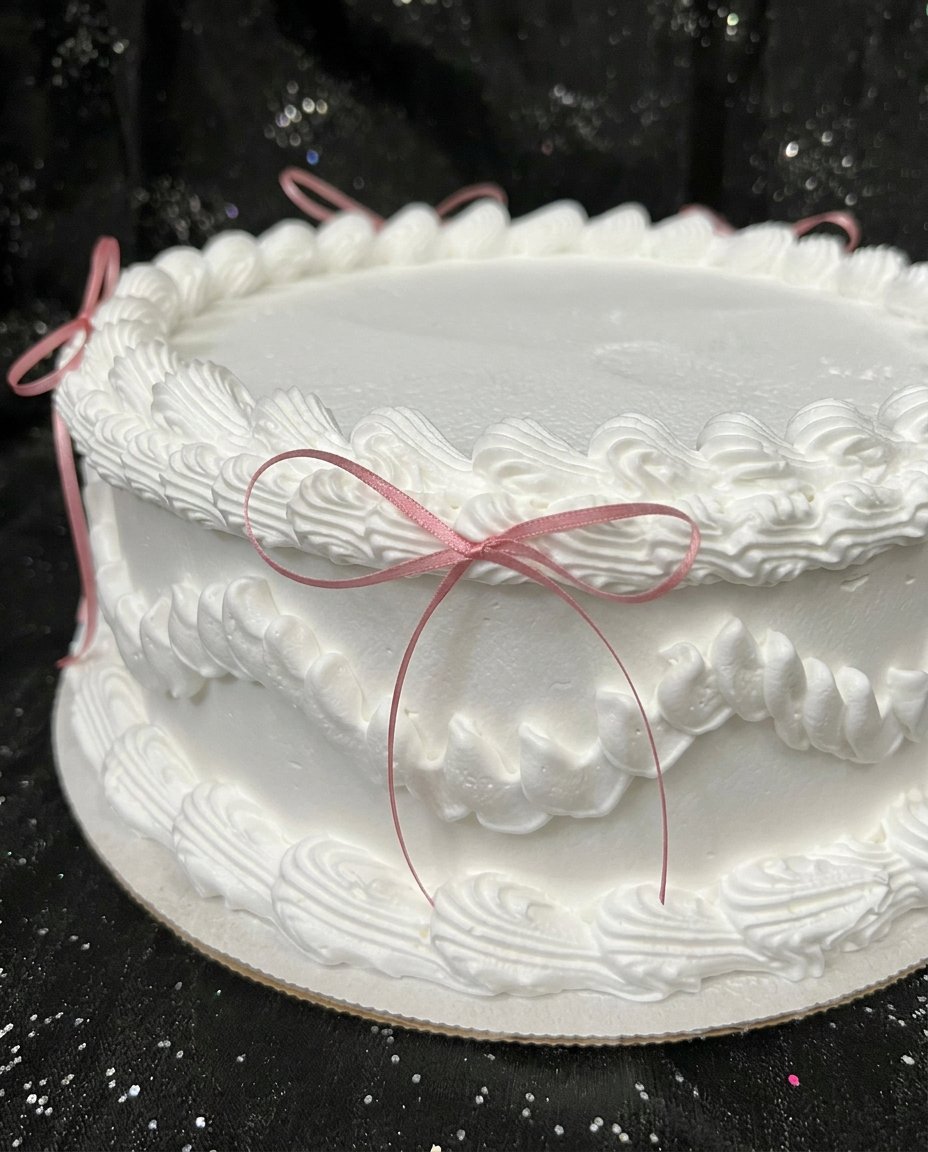
I love serving this cake on a simple wooden pedestal or a vintage ceramic plate to lean into that rustic charm. Pair it with a pot of herbal tea or a light, sparkling cider for a mid-afternoon celebration. To make the occasion even more special, you can set a table with linen napkins and fresh greenery from the garden. If you are planning a larger event and want to see how this fits into a theme, visit our celebration design studio for more ideas on how to coordinate your desserts with a beautiful, cohesive look.
The Simple Beauty of Homemade
There is a unique kind of joy that comes from spending an afternoon in the kitchen, focused on the small details of a beautiful creation. This coquette cake reminds us that even in a fast-paced world, there is room for things that are slow, pretty, and made with love. I hope this recipe brings a little bit of farmhouse magic to your home and encourages you to try more traditional techniques. For more inspiration on classic styles, check out our guide on the vintage cake trend. Don’t forget to share your creations with me on Instagram or Pinterest—I truly love seeing how you bring these recipes to life in your own kitchens.