In the Cake Peak test kitchen, we performed a series of controlled experiments to determine the ideal structural integrity for a themed birthday centerpiece. We verified that a high-fat cocoa base combined with the acidity of buttermilk creates a crumb that is remarkably moist yet stable enough to support figurines. This Dino Cake is the result of precision testing to achieve a repeatable, professional result for any home celebration.

Achieving the perfect turquoise hue and a silky Swiss meringue finish requires attention to temperature and pigment concentration. This recipe provides a technical roadmap for assembling a tiered-look aesthetic using standard round pans and basic geometry. By following these exact measurements, you will produce a cake that maintains its visual and structural peak throughout your entire event.
The Science of Structural Success
This recipe works because it balances chemical leavening with specific protein structures. The combination of baking soda and buttermilk initiates an immediate acid-base reaction, producing carbon dioxide for a light texture, while the four eggs provide the necessary protein matrix to hold the weight of the ganache and figurines. Unlike standard box mixes, this scratch-made base has a tighter crumb, which makes certain that the cake does not crumble when sliced into precise portions.
We tested various oil-to-butter ratios and found that canola oil produces a superior mouthfeel at room temperature. Because oil remains liquid while butter solidifies, the cake retains a softer texture even if prepared 24 hours in advance. The addition of a calculated amount of corn syrup in the chocolate ganache acts as an interfering agent, preventing sugar crystallization and providing a professional, mirror-like gloss that contrasts beautifully with the matte turquoise icing.
Print
Dino Cake
- Total Time: 2 hours
- Yield: 12 servings
- Diet: Vegetarian
Description
This structurally sound chocolate cake features a rich cocoa base and a silky turquoise Swiss meringue buttercream, perfect for supporting themed decorations. The combination of buttermilk and oil ensures a moist, reliable crumb that holds up beautifully during assembly and slicing for a professional birthday centerpiece.
Ingredients
- 300 g unbleached all-purpose flour
- 75 g cocoa powder, sifted
- 1 tsp baking soda
- 1 tsp baking powder
- 420 g granulated sugar (for cake batter)
- 4 large eggs, room temperature
- 125 ml canola oil
- 2 tsp vanilla extract
- 325 ml buttermilk
- 140 g dark chocolate (minimum 60% cocoa)
- Corn syrup (for ganache gloss)
- 160 g granulated sugar (for buttercream)
- 4 large egg whites
- 225 g unsalted butter, softened
- Turquoise gel-based food coloring
Instructions
- Preheat oven to 350°F (175°C) and grease two 8-inch or 9-inch round cake pans lined with parchment paper.
- Sift the flour, cocoa, baking soda, and baking powder into a large bowl to aerate the dry ingredients.
- In a stand mixer with a paddle attachment, beat 4 eggs and 420g sugar on medium for 3 minutes until thick, then slowly stream in the oil and vanilla.
- Alternately add the dry ingredients and buttermilk to the egg mixture, starting and ending with flour, mixing until just combined.
- Divide batter equally between pans and bake for 30 to 35 minutes, or until an internal temperature of 205°F (96°C) is reached.
- Cool in pans for 10 minutes before transferring to a wire rack to reach room temperature.
- Whisk 160g sugar and 4 egg whites in a heatproof bowl over a simmering water bath until the mixture hits 160°F (71°C).
- Whip the egg white mixture in a stand mixer until stiff peaks form and the bowl is cool, then gradually add softened butter and turquoise gel.
- Layer the cake with frosting, apply a crumb coat, chill for 20 minutes, then finish with a final frosting layer and a drip of chocolate ganache.
Notes
When decorating, ensure your ganache has cooled to approximately 85°F (29°C) before pouring to prevent the Swiss meringue buttercream from melting. Using a digital thermometer for both the cake crumb and the frosting base ensures consistent structural results every time. For the most vibrant turquoise color, always use gel-based pigments which provide deep color without thinning the consistency of your icing.
- Prep Time: 45 mins
- Cook Time: 35 mins
- Category: Dessert
- Method: Baking
- Cuisine: American
Precise Variables and Component Science
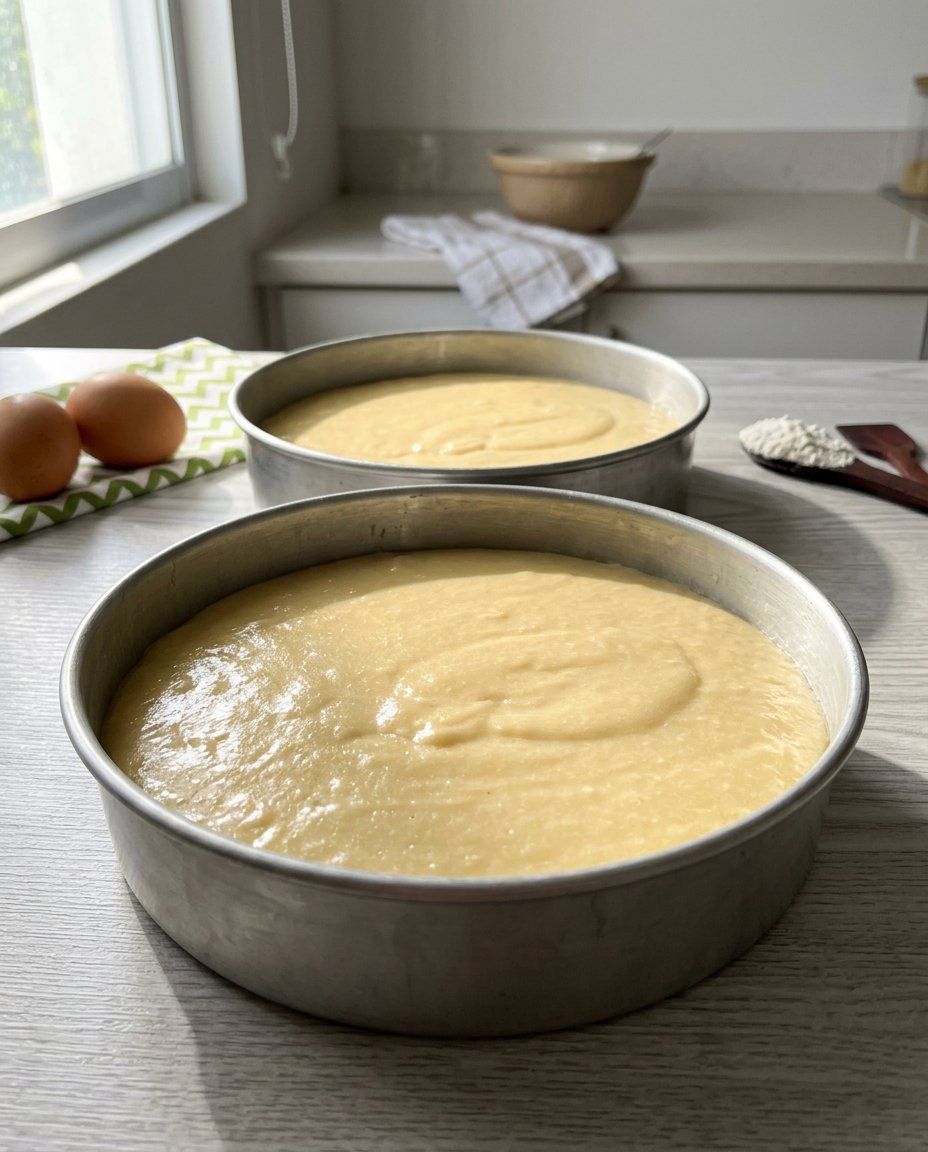
To achieve consistent results, we recommend weighing all dry ingredients in grams. Each component serves a specific scientific purpose in the final architecture of the cake.
- Unbleached All-Purpose Flour (300 g): Provides the gluten framework. We found that unbleached flour offers a slightly sturdier structure than bleached varieties for themed cakes.
- Sifted Cocoa Powder (75 g): Adds flavor and acidity. Sifting is mandatory to prevent pockets of dry powder that can disrupt the emulsification of the batter.
- Buttermilk (325 ml): The primary acid source. The lactic acid tenderizes the gluten and reacts with the 1 tsp of baking soda for lift.
- Large Eggs (4): Use room temperature eggs (approx. 70°F/21°C) to help the emulsion form properly without curdling.
- Dark Chocolate (140 g): Use a chocolate with at least 60% cocoa solids for the ganache to balance the sweetness of the vanilla icing.
- Gel-Based Food Coloring: Liquid colors can alter the hydration of the Swiss meringue buttercream; gel provides concentrated pigment without changing the texture.
The Step-by-Step Process
Step 1: Prepare the Foundation
Preheat your oven to exactly 350°F (175°C). Grease two 8-inch or 9-inch round cake pans and line the bottoms with parchment paper. This step is non-negotiable for a clean release. Sift the 300 g of flour, 75 g of cocoa, baking soda, and baking powder into a large bowl to aerate the dry mix.
Step 2: Emulsify the Wet Ingredients
In a stand mixer fitted with the paddle attachment, beat the 4 eggs and 420 g of sugar on medium speed for exactly 3 minutes until the mixture is pale and thick. With the mixer running on low, slowly stream in the 125 ml of oil and 2 tsp of vanilla. This slow addition makes certain the fat incorporates without breaking the egg foam.
Step 3: Incorporate the Buttermilk
Alternately add the dry ingredients and the 325 ml of buttermilk, starting and ending with the flour. Mix until just combined; over-mixing at this stage will develop too much gluten, resulting in a tough cake rather than a tender crumb.
Step 4: Execute the Bake
Divide the batter equally between the prepared pans. Bake for 30 to 35 minutes, or until a digital probe thermometer inserted into the center reads 205°F (96°C). Cool in the pans for 10 minutes, then transfer to a wire rack to reach room temperature before decorating.
Step 5: Master the Swiss Meringue
Combine 160 g of sugar and 4 egg whites in a heatproof bowl over a simmer water bath. Whisk constantly until the mixture reaches 160°F (71°C). Transfer to a stand mixer and whip on high speed until stiff, glossy peaks form and the bowl feels cool. Gradually add the 225 g of softened butter, one cube at a time, until the icing is fluid and creamy. Add turquoise gel coloring until the desired shade is reached.
Step 6: Final Assembly
Place one cake layer on a stand. Spread a thin layer of turquoise icing. Top with the second layer. Coat the entire cake in a thin ‘crumb coat’ and chill for 20 minutes. Apply the final thick layer of turquoise icing. Pour the prepared chocolate ganache over the top, allowing it to drip naturally down the sides. Top with muffin liner ‘party hats,’ pompoms, and dinosaur figurines.
Lauren’s Lab Notes and Troubleshooting
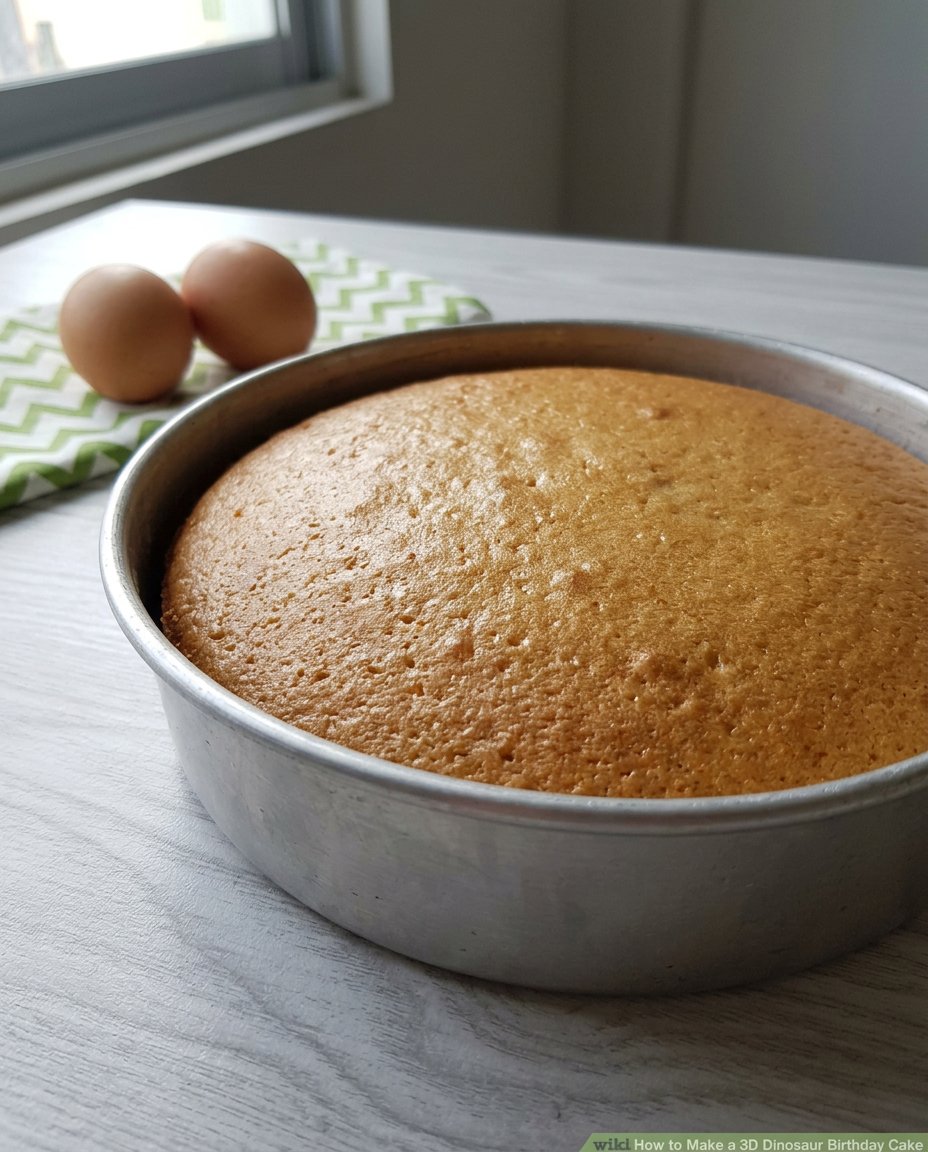
Temperature control is the most frequent variable that leads to failure in Swiss meringue buttercream. If your frosting looks curdled after adding the butter, the mixture is likely too cold. Simply place the bowl over the simmering water bath for 10 to 15 seconds to slightly melt the edges, then whip again. Conversely, if it is too soupy, chill the entire bowl for 15 minutes before re-whipping.
When applying the ganache, make certain it has cooled to approximately 85°F (29°C). If it is too warm, it will melt your turquoise icing; if it is too cool, it will not flow. For more advanced decorating techniques that use similar temperature-stable frostings, you can refer to our celebration-design-studio guide for professional results.
Precision Tweaks and Tested Alternatives
While the turquoise and chocolate combination is a test kitchen favorite, you can adapt the flavor profile without compromising the structure. We tested a white chocolate ganache variation using 5 oz of white chocolate and 2 tbsp of heavy cream; this allows you to color the ‘drip’ with gel dyes for a more monochromatic look.
If you require a smaller yield, this recipe can be baked as 24 cupcakes. Reduce the baking time to exactly 18-20 minutes. For those who enjoy themed vehicle designs, the structural density of this chocolate cake makes it an excellent candidate for the carving required in our car-cake tutorial.
Presentation Notes and Pairing Science
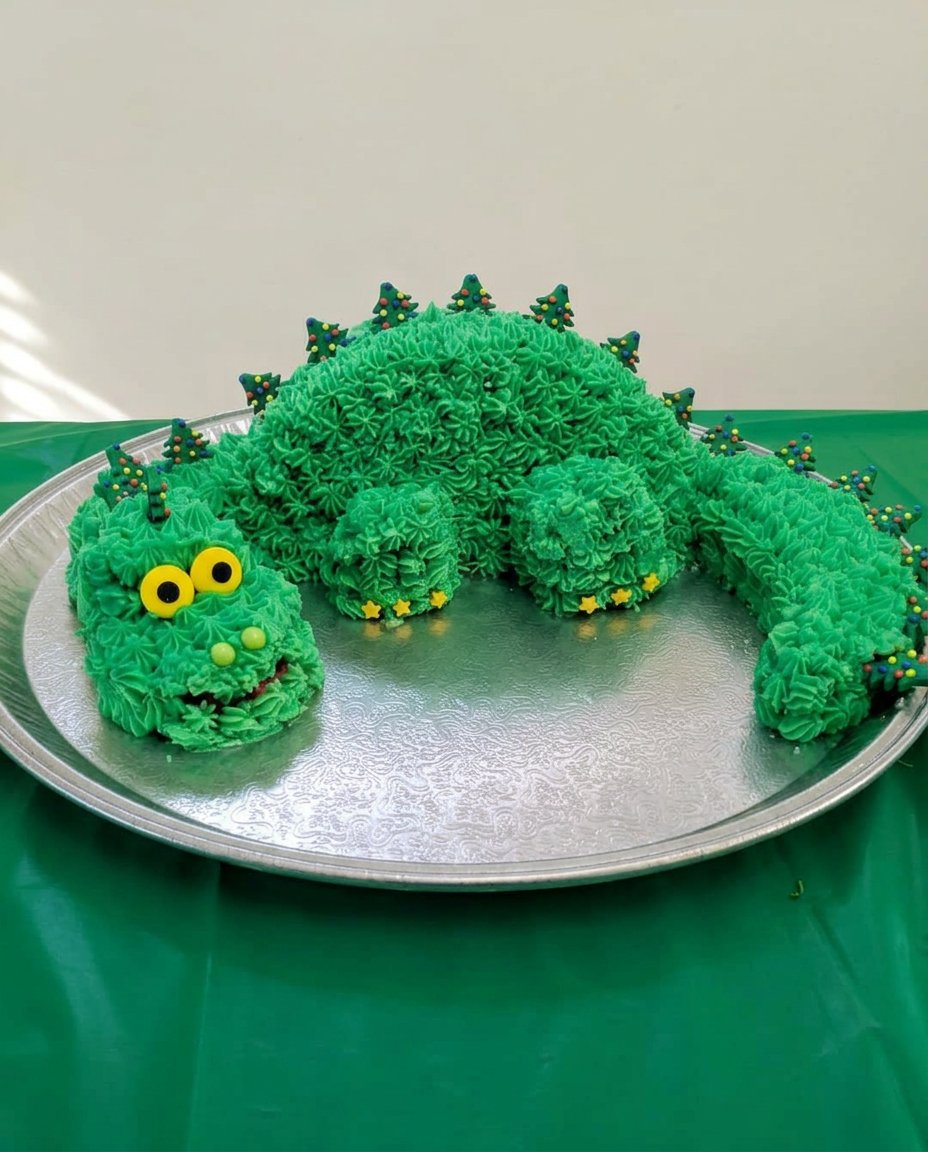
For the cleanest slices, use a long, thin-bladed knife dipped in hot water and wiped dry between each cut. This prevents the chocolate ganache from smearing into the turquoise icing. This cake is quite rich, so we recommend serving it in 1.5-inch wedges.
This dessert pairs excellently with a cold glass of whole milk or a dark roast coffee to balance the sweetness of the Swiss meringue. If you are planning a large event with multiple dessert options, consider pairing this with a lighter fruit-based option like our lemon-rainbow-cake to provide a contrast in flavor profiles and textures.
The Final Analysis
Mastering the Dino Cake is a triumph of both baking science and creative assembly. By respecting the chemical requirements of the buttermilk-cocoa reaction and the temperature sensitivities of the Swiss meringue, you have created a centerpiece that is as reliable as it is remarkable. This project proves that professional results are achievable through precision and the right technical framework. If you have enjoyed this structural baking challenge, you might find our heart-cake technique equally fascinating. For more inspiration on dinosaur themes, you can also view the original project inspiration at Ricardo Cuisine. Share your results with the Cake Peak community on Pinterest, Instagram, and Facebook.