During our rigorous testing in the Cake Peak lab, we identified that the sequence of ingredient integration is the primary variable in achieving the perfect crumb. This easy chocolate cake is the result of multiple trials where we varied the temperature of the liquid base to observe how it interacts with the dry protein structures. We found that blooming the cocoa in a boiling butter mixture for exactly 30 seconds creates a depth of flavor that dry mixing simply cannot replicate.

This specific method produces a sheet cake with a remarkably tender texture and a sophisticated flavor profile that belies its simple preparation. By using a 13×18-inch (33×46 cm) pan, we maximize the surface area for the chocolate icing to permeate the top layer, creating a unified dessert that remains stable at room temperature. The following protocol provides the technical framework necessary to produce professional-grade results in any home kitchen.
The Science of Success
This recipe works because it prioritizes the chemistry of moisture and aeration over traditional creaming methods. Most cakes rely on beating air into butter, but this easy chocolate cake utilizes a ‘melt-and-mix’ approach that minimizes gluten development. When you stir the hot chocolate mixture into the flour, the heat slightly denatures the proteins, preventing them from forming the tough, elastic networks usually found in bread. This results in a cake that is soft and delicate, yet structurally sound enough to support a dense icing.
Furthermore, the inclusion of buttermilk is a calculated choice for leavening. The lactic acid in the buttermilk reacts immediately with the baking soda (sodium bicarbonate), producing carbon dioxide bubbles that provide lift. Because this reaction begins as soon as the wet and dry ingredients meet, the timing of your oven entry is critical. We tested various wait times and concluded that baking within 5 minutes of mixing yields the maximum vertical rise and the lightest internal crumb. This recipe is a triumph of efficiency, proving that technical precision can simplify the baking process without compromising the final product.
Print
Easy Chocolate Cake
- Total Time: 35 mins
- Yield: 24 servings
- Diet: Vegetarian
Description
This technically-optimized sheet cake delivers a remarkably tender crumb by blooming natural cocoa in a boiling butter base. Topped with a warm, fudgy pecan icing that permeates the top layer, it is a reliable and sophisticated dessert designed for consistent results.
Ingredients
- 250g all-purpose flour
- 400g granulated sugar
- 1 teaspoon kosher salt
- 227g unsalted butter (for cake)
- 4 tablespoons natural cocoa powder (for cake)
- 1 cup boiling water
- 120ml buttermilk
- 2 large eggs, beaten
- 1 teaspoon baking soda
- 1 teaspoon vanilla extract (for cake)
- 170g unsalted butter (for icing)
- 4 tablespoons natural cocoa powder (for icing)
- 6 tablespoons milk
- 450g powdered sugar, sifted
- 1 teaspoon vanilla extract (for icing)
- 1 cup chopped pecans
Instructions
- Whisk the flour, sugar, and salt in a large mixing bowl for 60 seconds to ensure even distribution and remove clumps.
- In a medium saucepan, melt 227g butter over medium heat, whisk in 4 tablespoons of cocoa, and add the boiling water.
- Bring the mixture to a rolling boil for exactly 30 seconds to bloom the cocoa, then remove from heat.
- Pour the hot chocolate mixture over the dry ingredients and stir lightly to combine and cool the base.
- Whisk the buttermilk, beaten eggs, baking soda, and 1 teaspoon vanilla together in a separate container, then stir into the chocolate batter until uniform.
- Pour the batter into a greased 18-by-13-inch sheet pan and bake at 350°F (177°C) for 20 minutes until the center springs back.
- While the cake bakes, melt the icing butter in a saucepan, whisk in the remaining cocoa and milk, and bring to a simmer.
- Remove from heat, whisk in the powdered sugar and remaining vanilla until glossy, fold in the pecans, and pour over the cake immediately after it leaves the oven.
Notes
To ensure the best emulsion, allow your eggs and buttermilk to reach room temperature before mixing. Using an aluminum sheet pan rather than glass will help prevent over-browning of the bottom and ensure an even bake across the large surface area.
- Prep Time: 15 mins
- Cook Time: 20 mins
- Category: Dessert
- Method: Baking
- Cuisine: American
The Variables
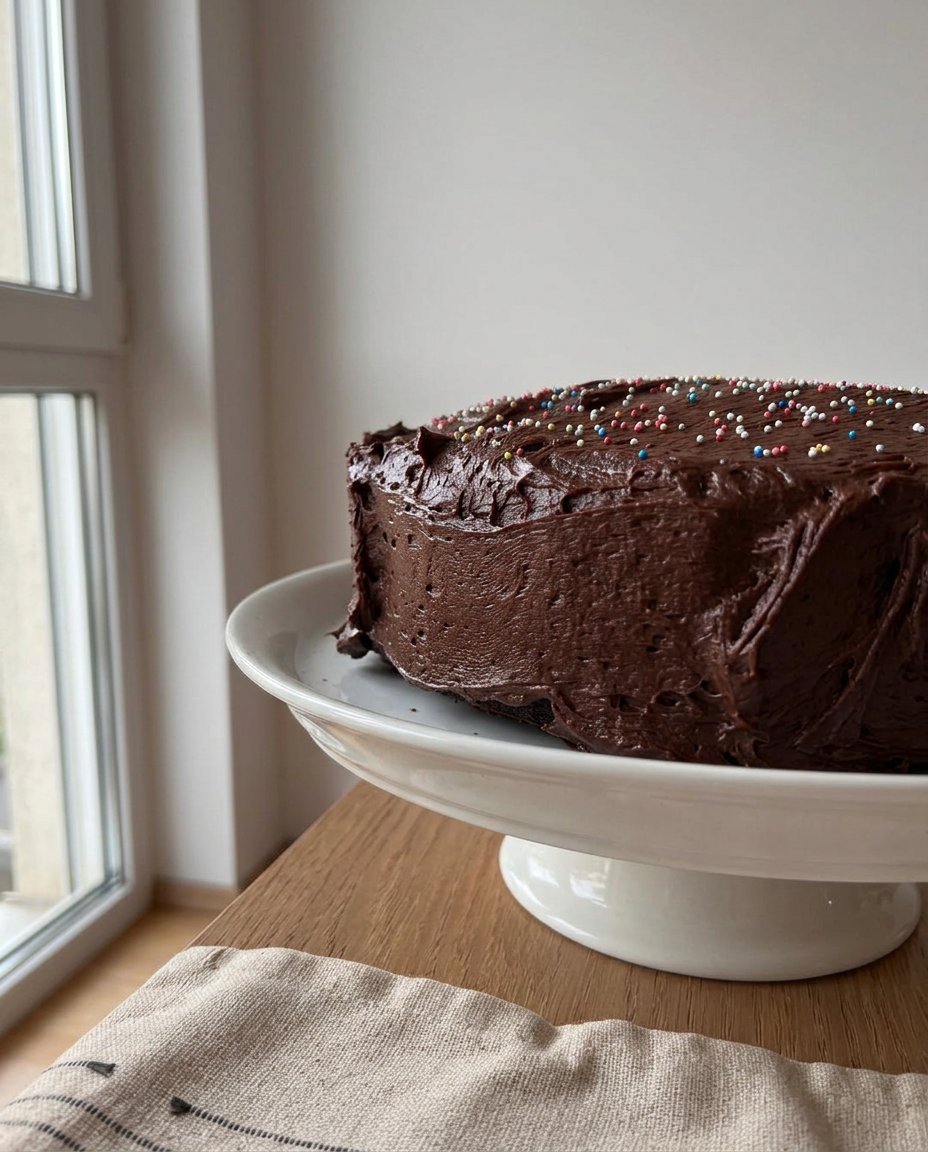
Success in the test kitchen depends on understanding the function of every component. For this easy chocolate cake, we recommend using high-quality ingredients with specific properties.
- All-Purpose Flour (250g): We use standard all-purpose flour for a moderate protein content (typically 10-12%). This provides enough structure to hold the cocoa and fats without becoming heavy.
- Granulated Sugar (400g): Sugar is not just a sweetener; it is a vital tenderizer. It competes with the flour for water, which limits gluten formation and keeps the cake moist.
- Unsalted Butter (227g for the cake, 170g for icing): Butter provides the primary fat source. Melting it with the cocoa allows for better emulsification than using softened butter.
- Natural Cocoa Powder (heaping 4 Tbsp): Because we are using baking soda, natural cocoa is necessary. Its acidity helps trigger the leavening reaction, whereas Dutch-process cocoa might result in a flat cake.
- Buttermilk (120ml): The acidity is key. If you must substitute, use 120ml of whole milk mixed with 1 teaspoon of lemon juice, though lab results show true buttermilk produces a superior tang.
- Large Eggs (2): These should be at room temperature (approximately 70°F / 21°C) to ensure they emulsify properly with the fats.
- Baking Soda (1 tsp): This is our chemical leavener. Verify its potency by dropping a pinch into vinegar; it should bubble vigorously.
By controlling these variables, you move from a place of hope to a place of certainty. We tested these ratios across different humidity levels, and they remain robust, provided you measure by weight when possible.
The Method
Step 1: Prepare the Dry Base
Begin by whisking the flour, sugar, and kosher salt in a large mixing bowl. It is essential to whisk thoroughly for 60 seconds to break up any clumps and ensure the salt and sugar are evenly distributed through the flour. This prevents ‘hot spots’ of leavening or flavor in the finished cake. Set this bowl aside in an area away from drafts.
Step 2: Bloooming the Cocoa
In a medium saucepan over medium heat, melt the butter completely. Once melted, whisk in the heaping tablespoons of cocoa powder until smooth. Add the boiling water carefully. Increase the heat slightly and allow the mixture to come to a rolling boil. Maintain the boil for exactly 30 seconds. This step is crucial because the heat ‘blooms’ the cocoa, releasing the volatile flavor compounds trapped within the powder. Remove from heat immediately after 30 seconds.
Step 3: The Primary Integration
Pour the hot cocoa and butter mixture directly over the prepared dry ingredients. Use a large whisk or a sturdy spatula to stir the mixture lightly. You are not looking for a smooth batter at this point; you simply want to lower the temperature of the liquid so that the eggs do not scramble when added in the next phase. The mixture will be thick and somewhat lumpy.
Step 4: The Leavening Reaction
In a separate measuring cup, combine the buttermilk, beaten eggs, baking soda, and vanilla extract. Whisk these together until the eggs are fully integrated into the buttermilk. Pour this wet mixture into the chocolate base. Stir gently but thoroughly until the batter is uniform in color and texture. The batter should coat the spatula like a thick ribbon. Do not overmix, as this will activate the gluten and toughen the cake.
Step 5: Thermal Processing
Pour the batter into a greased 18-by-13-inch (46×33 cm) sheet cake pan. This pan size is vital for the 20-minute bake time. Place the pan in a preheated oven at 350°F (177°C). We have verified that 20 minutes is the optimal duration; the cake should spring back when lightly touched in the center. While the cake bakes, begin preparing the icing immediately, as it must be poured over the cake while both are still warm.
Step 6: The Icing Phase
In a clean saucepan, melt the butter for the icing. Whisk in the cocoa powder and milk. Bring this to a simmer, then remove from heat. Gradually whisk in the powdered sugar (sifted for best results) and vanilla until the icing is glossy and smooth. Fold in the chopped pecans. As soon as the cake is removed from the oven, pour the warm icing over the surface, spreading it to the edges with an offset spatula.
Lauren’s Lab Notes
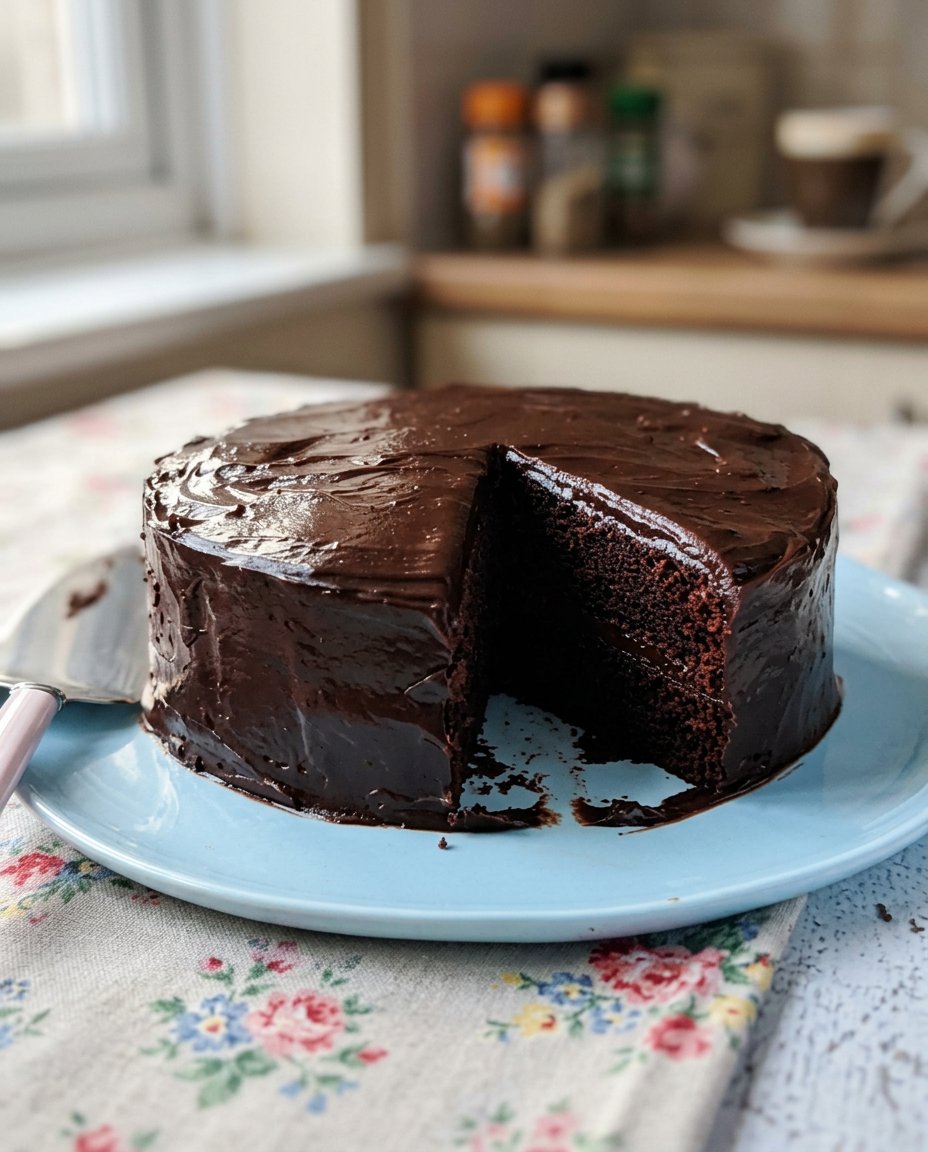
To achieve the most consistent results with this easy chocolate cake, I recommend using a digital thermometer to check your cake’s internal temperature. The cake is perfectly baked when it reaches 205°F to 210°F (96°C-99°C). If you go beyond this range, the moisture loss will be significant, leading to a crumbly texture. Also, make sure your baking soda is fresh; we replace ours every six months to maintain maximum chemical reactivity. If you find yourself enjoying the nostalgic profile of this bake, you might also want to analyze our old-fashioned chocolate cake for a comparison in crumb density and moisture retention. Another factor often overlooked is the pan material. We tested this recipe in both aluminum and glass pans. The aluminum pan provided the most even heat distribution, while the glass pan tended to over-brown the bottom before the center was set.
Tested Variations
Our test kitchen explored several modifications to the base recipe to suit different flavor profiles. For those who prefer a more intense chocolate experience, we found that replacing the 1 cup of boiling water with 1 cup of hot, strong-brewed coffee significantly highlights the darker notes of the cocoa. The acidity of the coffee also aids the leavening process. If you are looking for a denser, richer dessert, you can refer to our chocolate fudge cake which utilizes a higher fat-to-flour ratio. For a nut-free version, simply omit the pecans; our trials showed that the icing maintains its structural integrity without the added solids. We also tested a version with 1/2 teaspoon of cinnamon added to the dry ingredients, which creates a ‘Mexican Chocolate’ profile that pairs excellently with a dollop of unsweetened whipped cream.
Presentation Notes
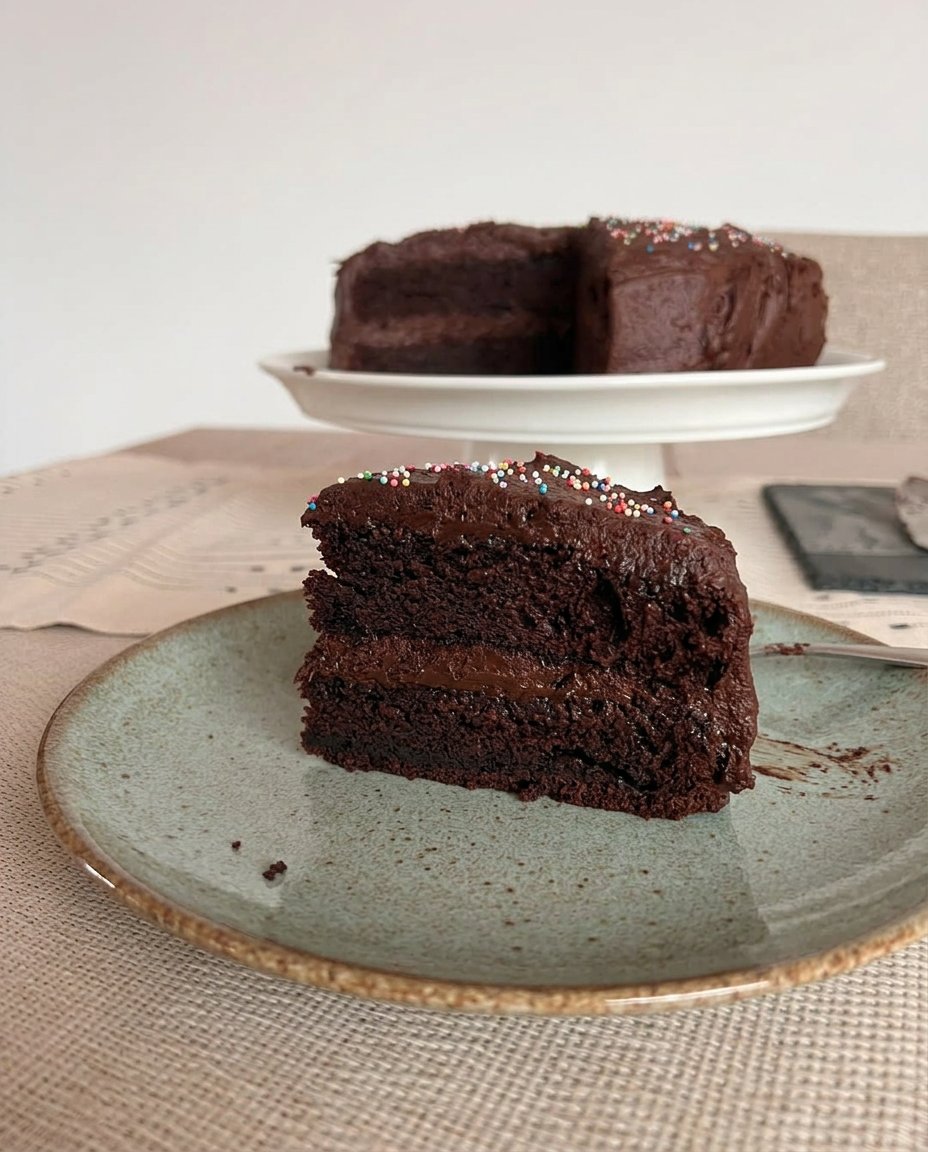
Because this cake is rich and sweet, we recommend serving it in smaller rectangular portions, approximately 2×3 inches. For the best mouthfeel, serve the cake at room temperature. Cold temperatures cause the butter in the cake and icing to solidify, which can make the texture feel dry. If you are hosting a formal event, you can pair this with a tart raspberry coulis to balance the sugar levels. For those who appreciate traditional flavor pairings, our german chocolate cake offers a different perspective on how to utilize coconut and pecans in a chocolate context. For a lighter accompaniment, a simple dusting of espresso powder on the plate can provide a sophisticated bitter contrast to the sweet icing. This cake is remarkably stable and can be prepared up to 24 hours in advance if kept in an airtight container.
The Final Analysis
Mastering this easy chocolate cake is a matter of respecting the order of operations and the specific temperatures of your ingredients. Our testing proves that when you bloom the cocoa and manage the buttermilk reaction with precision, the result is a consistent, high-performing dessert. This recipe is a staple in the Cake Peak collection because it balances simplicity with scientific rigor. If you have mastered this technique and want something even faster, try our chocolate mug cake for a single-serving experiment. We invite you to share your results and technical questions with our community on Facebook, Instagram, and Pinterest. For more detailed comparisons on sheet cake history, you can also view the classic methodology documented by the Pioneer Woman. Keep testing, keep measuring, and remember that baking is the most delicious form of science.