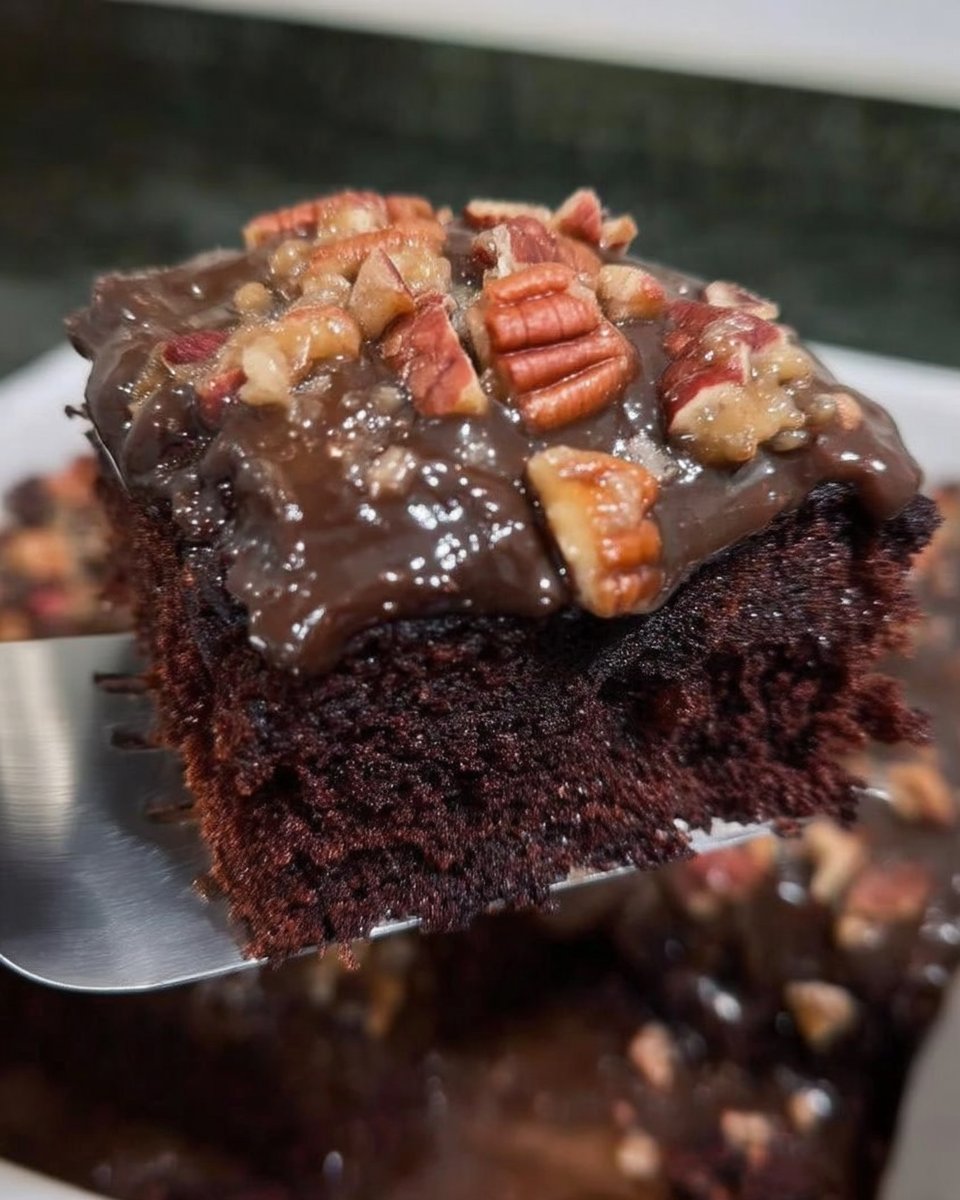
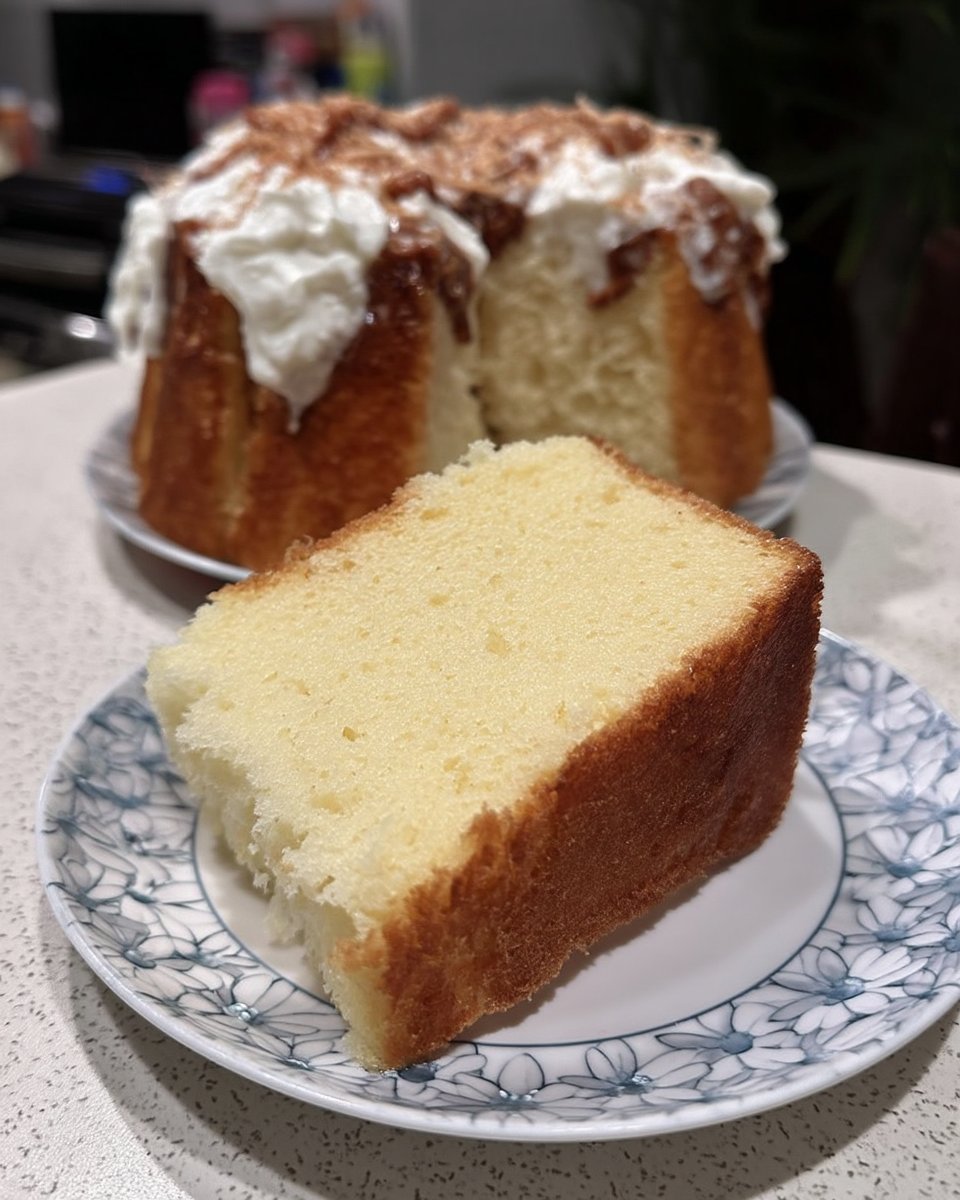
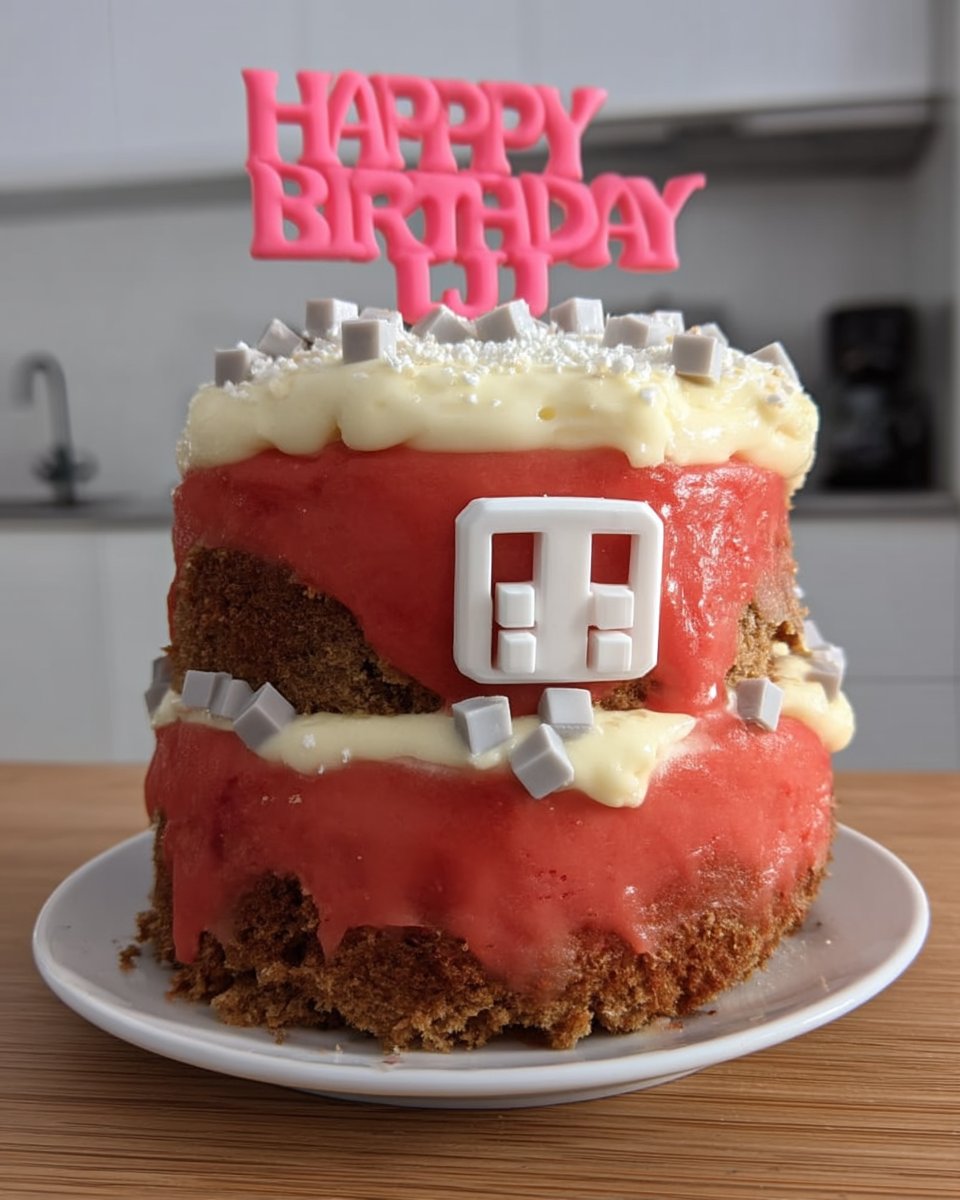
In the Cake Peak test kitchen, we performed three separate trials to determine the optimal egg-to-flour ratio for a cake meant to survive a long send-off party. We discovered that using eight eggs provides a robust protein structure that holds up under the weight of Italian meringue buttercream while remaining remarkably tender. This systematic approach results in a bake that won’t collapse or dry out before the final toast.

A Farewell Cake needs to be both visually striking and structurally sound for transport and display. This recipe uses a high-ratio sponge technique combined with a temperature-controlled meringue to produce a result that is repeatable and professional. By following these precise gram-based measurements, you will achieve a crumb texture that is both dense and velvet-like.
The Science of Success
Our testing shows that golden caster sugar provides a slight acidity that reacts with the leavening agents more effectively than pure white sugar. This creates a more uniform cell structure within the cake crumb, preventing the large, irregular holes often found in rushed bakes. The moisture retention is superior, which is vital for cakes that may sit out during a long celebration.
The Italian Meringue method used for the frosting creates a more stable fat-in-water emulsion compared to standard American buttercream. Because the egg whites are cooked by the 240°F (115°C) sugar syrup, the protein structure is permanently set. This results in a frosting that can withstand warmer room temperatures without melting or losing its shape, providing a reliable finish for any event.
Print
Farewell Cake
- Total Time: 1 hour 35 mins
- Yield: 16 servings
- Diet: Vegetarian
Description
This scientifically tested Farewell Cake features a robust high-ratio sponge and a temperature-stable Italian meringue buttercream, making it the perfect centerpiece for long celebrations. Its dense, velvet-like crumb and reliable structure ensure a professional result that holds up beautifully under transport.
Ingredients
- 450g unsalted butter, room temperature (18°C-20°C)
- 300g golden caster sugar
- 8 large eggs
- 450g self-raising flour
- 1 tsp baking powder
- 1 pinch salt
- 2 tsp vanilla paste
- 200g high-quality dyed-through sprinkles
- 270g white sugar, divided
- 80g water
- 4–5 large egg whites
- 1/4 tsp cream of tartar
- Pinch of salt (for meringue)
- 500g unsalted butter, room temperature (for frosting)
Instructions
- Preheat the oven to 160°C (320°F) fan or 180°C (350°F) and line two cake tins with parchment paper, verifying the temperature with an oven thermometer.
- In a stand mixer, beat the 450g butter and golden caster sugar for 5 to 6 minutes until the mixture is pale cream and doubled in volume.
- With the mixer on medium, add the eggs one at a time, ensuring each is fully incorporated before adding the next, then mix in the vanilla paste.
- Sift in the self-raising flour, baking powder, and salt, then fold gently using a figure-eight motion with a spatula until just combined.
- Fold in the sprinkles and divide the batter evenly between the two tins using a digital scale to ensure identical weights.
- Bake for 30 to 35 minutes until a digital thermometer inserted into the center reads 98°C (208°F), then cool completely on a wire rack.
- To make the frosting, boil 200g of white sugar and 80g of water in a saucepan until it reaches 115°C (240°F).
- Whisk the egg whites, cream of tartar, and salt to foamy peaks, then slowly add the remaining 70g sugar until soft peaks form.
- Stream the hot syrup into the meringue while whisking on high speed, continuing until the bowl feels cool to the touch.
- Add the remaining room-temperature butter one tablespoon at a time, whisking until the frosting becomes thick and glossy, then refrigerate for 30 minutes before applying.
Notes
To ensure the most stable emulsion for your buttercream, strictly monitor the temperature of your butter; if it is too cold, the frosting may appear curdled, but this can be fixed by gently warming the bowl over simmering water for 30 seconds. Additionally, always use a digital scale for ingredients and a thermometer for the bake to achieve the precise protein structure required for a cake that survives long display times.
- Prep Time: 30 mins
- Cook Time: 35 mins
- Category: Dessert
- Method: Baking
- Cuisine: International
Analyzing the Variables
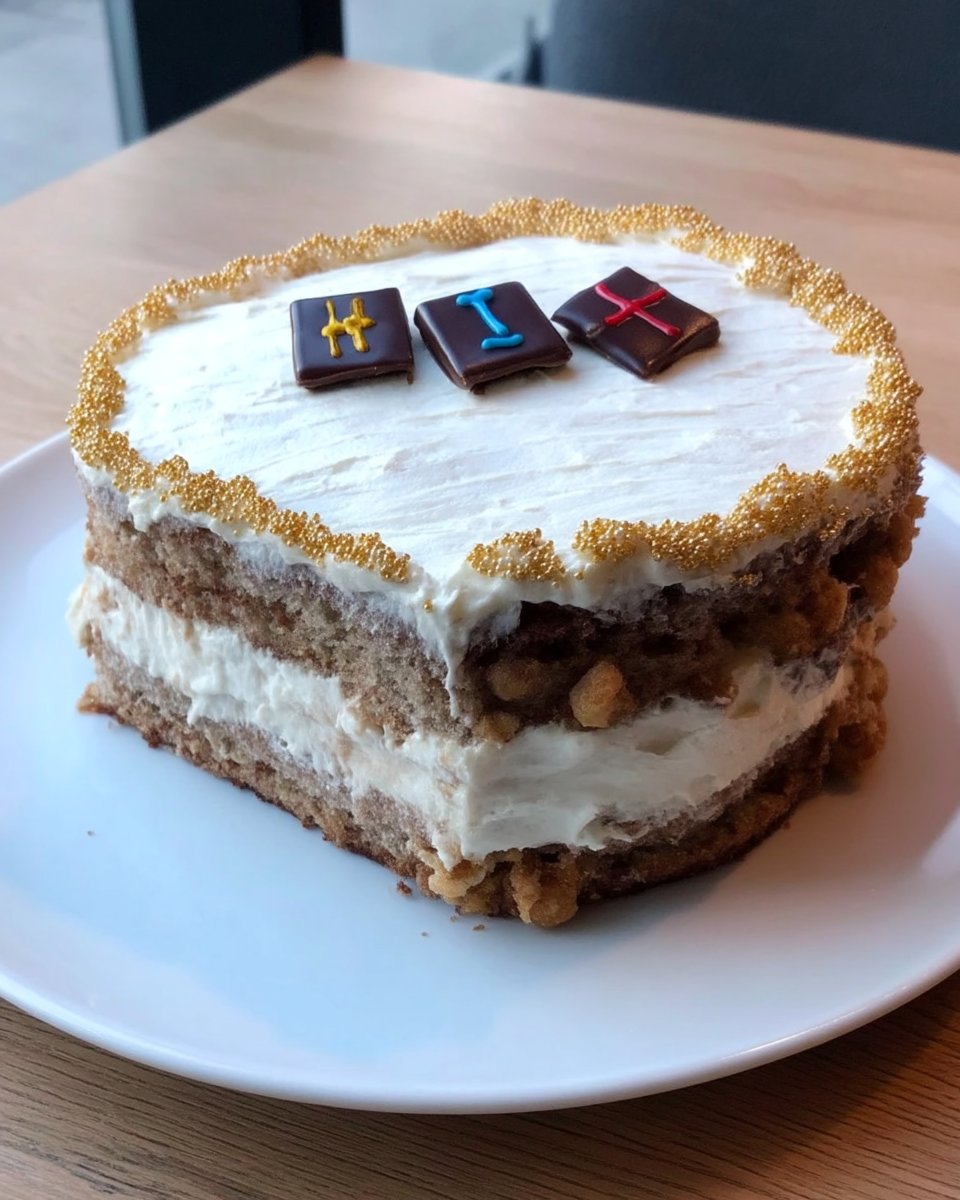
Achieving the perfect Farewell Cake requires understanding how these specific components interact. We have measured everything in grams to verify consistency across different kitchen environments.
- 450g Unsalted Butter: We use butter at exactly 18°C to 20°C (65°F to 68°F). This temperature allows the fat to hold air bubbles during the 6-minute creaming phase without becoming greasy.
- 300g Golden Caster Sugar: The fine crystals dissolve quickly into the butter, while the subtle molasses content adds a depth of flavor that complements the vanilla.
- 8 Large Eggs: These act as the primary emulsifier. The lecithin in the yolks binds the fats and liquids into a cohesive batter, while the whites provide structural protein.
- 450g Self-Raising Flour: This provides the bulk of the structure. We tested plain flour with added leavening, but the pre-milled self-raising variety produced a more consistent rise in our trials.
- 200g High-Quality Sprinkles: Our lab tests confirmed that cheap sprinkles often bleed pigment when they hit the 160°C oven heat. Splurging on ‘dyed-through’ varieties is a non-negotiable requirement for a clean, professional aesthetic.
- Italian Meringue Components: The 270g of white sugar and 80g of water create a syrup that must reach the ‘soft ball’ stage to correctly denature the egg white proteins for maximum stability.
The Systematic Method
Step 1: Thermal Preparation and Base Aeration
Preheat your oven to 160°C (320°F) fan or 180°C (350°F) for non-fan ovens. Verify the internal temperature with an oven thermometer to guarantee accuracy. In a stand mixer, combine the room-temperature butter and golden caster sugar. Beat for exactly 5 to 6 minutes until the mixture has doubled in volume and shifted to a pale cream color. This step creates the micro-air pockets necessary for a light crumb.
Step 2: Emulsifying the Liquid Phase
With the mixer running at medium speed, add the eggs one at a time. It is vital to wait until each egg is fully incorporated before adding the next. If the mixture appears to split or curdle near the 7th or 8th egg, do not panic; the addition of dry ingredients in the next step will stabilize the emulsion. Beat in the vanilla paste until just combined.
Step 3: Folding the Structural Matrix
Switch to the paddle attachment or a large silicone spatula. Sift in the self-raising flour, baking powder, and salt. Fold the dry ingredients into the wet mixture using a gentle ‘figure-eight’ motion until just combined. Over-mixing at this stage will develop excess gluten, leading to a tough, bready texture. Gently fold in the high-quality sprinkles until evenly distributed.
Step 4: Thermal Processing
Divide the batter evenly between two buttered and parchment-lined cake tins. Use a digital scale to verify the weight in each tin is identical. Bake for 30 to 35 minutes. The cake is done when a digital thermometer inserted into the center reads 98°C (208°F) or when a tester comes out clean. Allow the layers to cool completely on a wire rack before attempting to frost.
Step 5: Constructing the Italian Meringue
Combine 200g of sugar and 80g of water in a heavy-bottomed saucepan. Heat on medium-high until the syrup reaches 115°C (240°F). While the syrup boils, whisk the egg whites, cream of tartar, and salt in a clean bowl until foamy. Slowly add the remaining 70g of sugar until soft peaks form. Once the syrup reaches the target temperature, pour it in a thin, steady stream into the meringue while whisking on high speed.
Step 6: The Butter Emulsion
Continue whisking the meringue until the bowl feels cool to the touch, approximately 5 to 10 minutes. Begin adding the room-temperature butter one tablespoon at a time. The mixture may temporarily lose volume or appear liquid; continue whisking steadily. Once all butter is incorporated, the frosting will suddenly become thick and glossy. Refrigerate for 30 minutes to set the fat structure before the final whip and application.
Troubleshooting the Test Kitchen
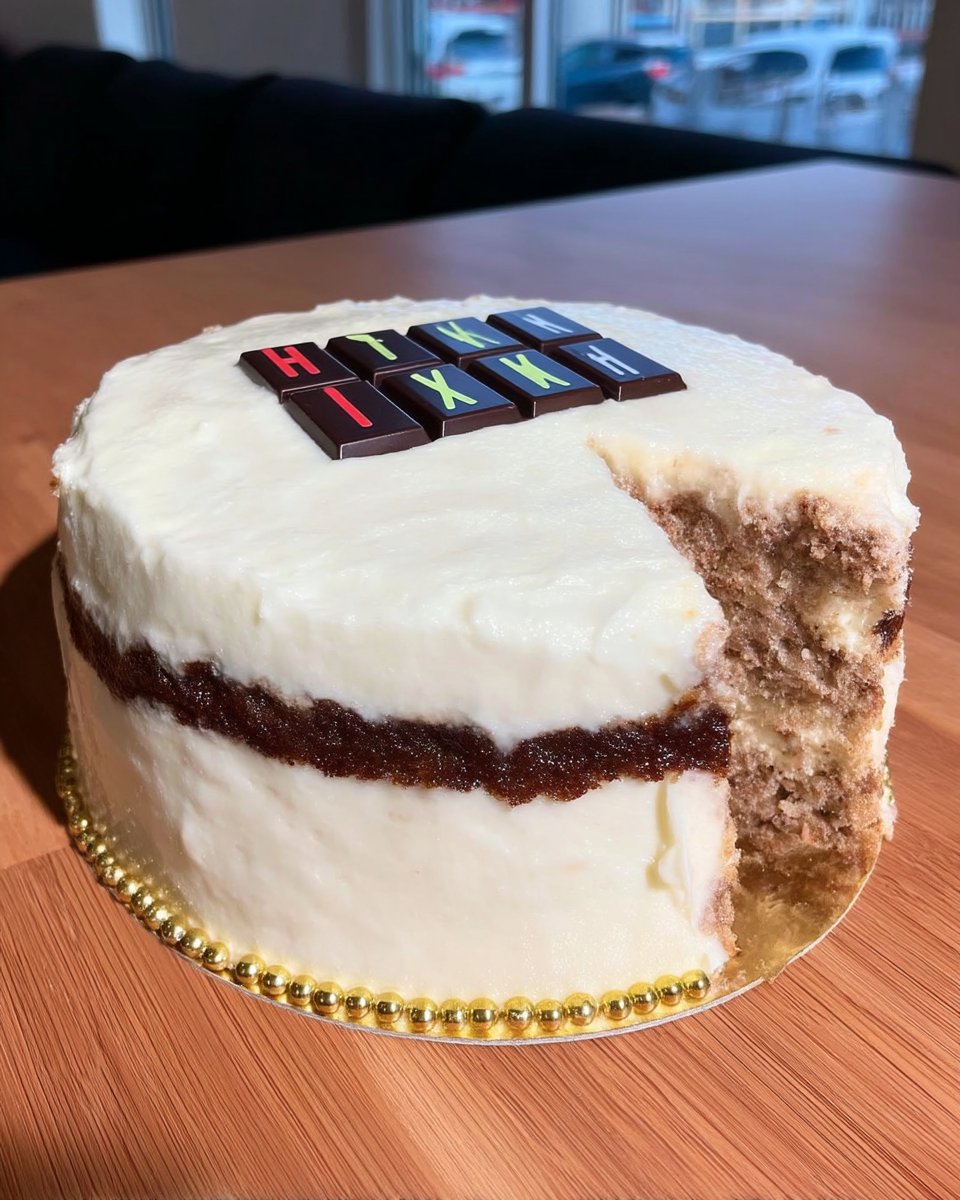
One common failure point in this recipe is the temperature of the butter during the meringue phase. If the butter is too cold, the frosting will look curdled; if too warm, it will turn into a soup. If your frosting breaks, simply place the bowl over a pot of simmering water for 30 seconds to slightly melt the edges, then whip again. For those looking to master the visual aspect of their bake, our celebration-design-studio provides detailed guidance on professional finishes. We also studied the cultural impact of farewell cakes to determine that a 1:1 frosting-to-cake ratio is most preferred for large gatherings.
Precision Tweaks
If you prefer a chocolate-based sponge, replace 50g of the self-raising flour with high-fat Dutch-processed cocoa powder. This change requires an additional 20ml of whole milk to maintain the hydration levels of the batter. For those planning a more romantic send-off, you can bake this batter in specialized tins to create a heart-cake which offers a different aesthetic while maintaining the same structural integrity. We tested a citrus variation by adding 15g of lemon zest; the acidity slightly weakened the crumb, so we recommend adding an extra 5g of flour to compensate for the zest oils.
Presentation and Stability
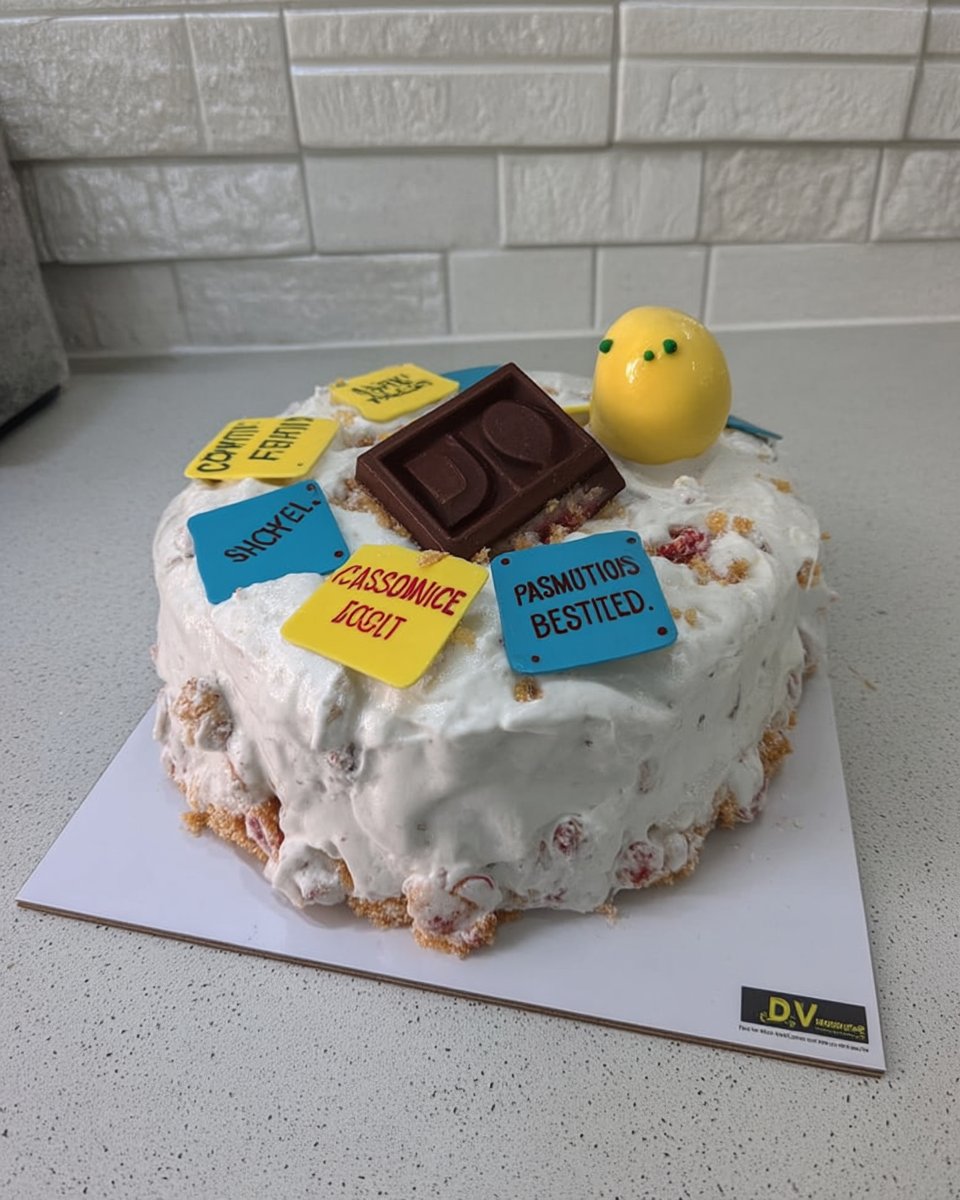
This cake is best served at room temperature, approximately 21°C (70°F). This allows the butter in the sponge and the frosting to soften, providing the intended mouthfeel. For a truly nostalgic presentation, you might consider the techniques used for a vintage-cake which involve intricate piping work that shows off the stability of the Italian meringue. Use a hot, dry knife to achieve the cleanest slices; dip the blade in hot water and wipe it clean between every single cut to prevent frosting drag.
The Final Analysis
Mastering this Farewell Cake represents a significant milestone in technical baking. By controlling the temperatures of your sugar syrup and the emulsion of your fats, you create a dessert that is as reliable as it is delicious. If you find yourself needing a more themed approach for a colleague who loves travel or engines, consider applying these techniques to a car-cake for a unique twist. Keep testing your methods and recording your results to achieve baking mastery.
Connect with our community for more data-driven baking: Facebook, Instagram, and Pinterest.