In the Cake Peak test kitchen, we spent three weeks testing the structural integrity of various buttercream ratios to determine which could best support the weight of traditional over-the-top piping. Our testing revealed that a high-fat American buttercream, when whipped at a specific speed for exactly six minutes, provides the ideal density for the intricate ruffles and shells that define this style. Mastering the Lambeth technique is less about artistic flair and more about understanding the physics of pressure and the temperature of your medium.

This method dates back to the 1930s and relies on a series of layered piping patterns that create a three-dimensional architectural effect on the cake’s surface. By using specific piping tips and maintaining a constant 72°F (22°C) environment, you can produce a cake that is as stable as it is visually striking. This recipe focuses on the foundational skills required to execute precise garlands, ruffles, and shell borders using a standard vanilla base.
The Science of Success
This recipe works because it treats cake decorating as an engineering project rather than just an aesthetic endeavor. The Lambeth style is famous for its ‘over-piping’—a technique where you layer different patterns directly on top of one another to build depth. Our test kitchen confirmed that by using a slightly denser cake base, we can support the significant weight of the additional frosting without the layers compressing or leaning over time.
You will appreciate the predictability of this method. We have removed the guesswork by specifying the exact piping tips and the specific angles required for each movement. Whether you are aiming for a vintage aesthetic or a modern colorful twist, the underlying principles of tip pressure and hand positioning remain constant. This is the ultimate project for the baker who craves technical mastery and repeatable, professional results.
Print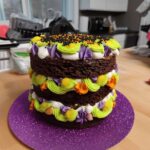
Lambeth Cake
- Total Time: 3 hours
- Yield: 16 servings
- Diet: Vegetarian
Description
Master the intricate art of 1930s-style over-piping with this technically precise Lambeth cake recipe. Featuring a dense vanilla base and structurally sound buttercream, it is designed for bakers looking to create a stunning, vintage architectural centerpiece.
Ingredients
- Unsalted butter (at least 80% fat content)
- Cake flour (7-8% protein)
- Granulated sugar
- Large eggs
- Whole milk
- Vanilla extract
- Baking powder and salt
- Confetti sprinkles
- Gel food coloring (Pink, Orange, Yellow, Green, and Warm Brown)
- Sugar pearls
- Non-stick baking spray
- Birthday candles
Instructions
- Preheat the oven to 350°F (177°C) and prepare four 6-inch or 8-inch cake pans with non-stick spray.
- Divide the cake batter into four equal portions, tinting three with pink, orange, and yellow gel coloring, and adding confetti sprinkles to the fourth.
- Bake the layers for 25-35 minutes until the internal temperature reaches 210°F (99°C), then cool completely on a wire rack.
- Level the cooled cakes with a serrated knife to ensure a flat, stable surface for stacking and to prevent sliding.
- Prepare a large batch of American buttercream; stack and fill the layers, then apply a crumb coat and chill for 30 minutes.
- Apply the final smooth coat of frosting and refrigerate the cake for at least 60 minutes to create a firm foundation.
- Divide the remaining frosting and tint as directed, fitting piping bags with tips 104, 4B, 17, 69, 129, and 352.
- Use a round cookie cutter to lightly mark eight symmetrical half-circle guides around the top edge of the cake.
- Execute the over-piping technique by layering ruffles, garlands, and shell borders using the marked templates as a guide.
- Finish with small piped flowers, sugar pearls, and green leaves before inserting decorative candles into the top rim.
Notes
To maintain the crisp edges of the intricate ruffles, it is essential to keep the buttercream at a consistent temperature. If the frosting in your piping bag begins to soften from the heat of your hands, swap it for a chilled backup bag every ten minutes to ensure the architectural details do not blur or lose their definition.
- Prep Time: 1 hour
- Cook Time: 35 mins
- Category: Dessert
- Method: Baking
- Cuisine: British
The Variables: Ingredients and Tools
Success in the test kitchen depends on the quality and temperature of your starting materials. Each component in this list has been selected for its specific chemical properties and contribution to the final structure.
- Unsalted Butter: We use butter with at least 80% fat content. The temperature must be exactly 65°F (18°C) before creaming to allow for maximum aeration without melting the crystalline fat structures.
- Cake Flour: With a lower protein content (around 7-8%), cake flour produces a finer crumb that holds together during the heavy piping process while remaining tender.
- Gel Food Coloring: Liquid colors introduce unnecessary moisture that can destabilize the buttercream. High-concentration gels like super red or leaf green provide vibrant hues without affecting the fat-to-liquid ratio.
- Confetti Sprinkles: Added to the 4th batter bowl, these provide a visual contrast and a variance in texture within the internal cake structure.
- Sugar Pearls: These serve as the final architectural anchors for the piped flowers, providing a necessary focal point and weight distribution.
The Method: Step-by-Step Process
Step 1: Thermal Preparation and Baking
Position your oven rack in the center to guarantee even heat distribution. Preheat the oven to 350°F (177°C). Prepare your pans using a non-stick spray, focusing on the bottom surface. For a tall 7-inch cake, we recommend four 6-inch pans; for a more manageable 16-serving cake, use four 8-inch pans. The thinner 8-inch layers bake in 25-30 minutes, while the thicker 6-inch layers require 30-35 minutes. Verify doneness with a thermometer; the internal temperature should reach 210°F (99°C).
Step 2: Layer Leveling and Batter Management
Divide your batter into four equal portions by weight. Tint three bowls with pink, orange, and yellow gel coloring. Add the confetti sprinkles to the fourth. After baking and cooling completely on a wire rack, use a serrated knife to level the cakes. Removing the domed top is vital for structural stability; a flat surface prevents the heavy piped layers from sliding later in the process.
Step 3: Buttercream Synthesis and Crumb Coating
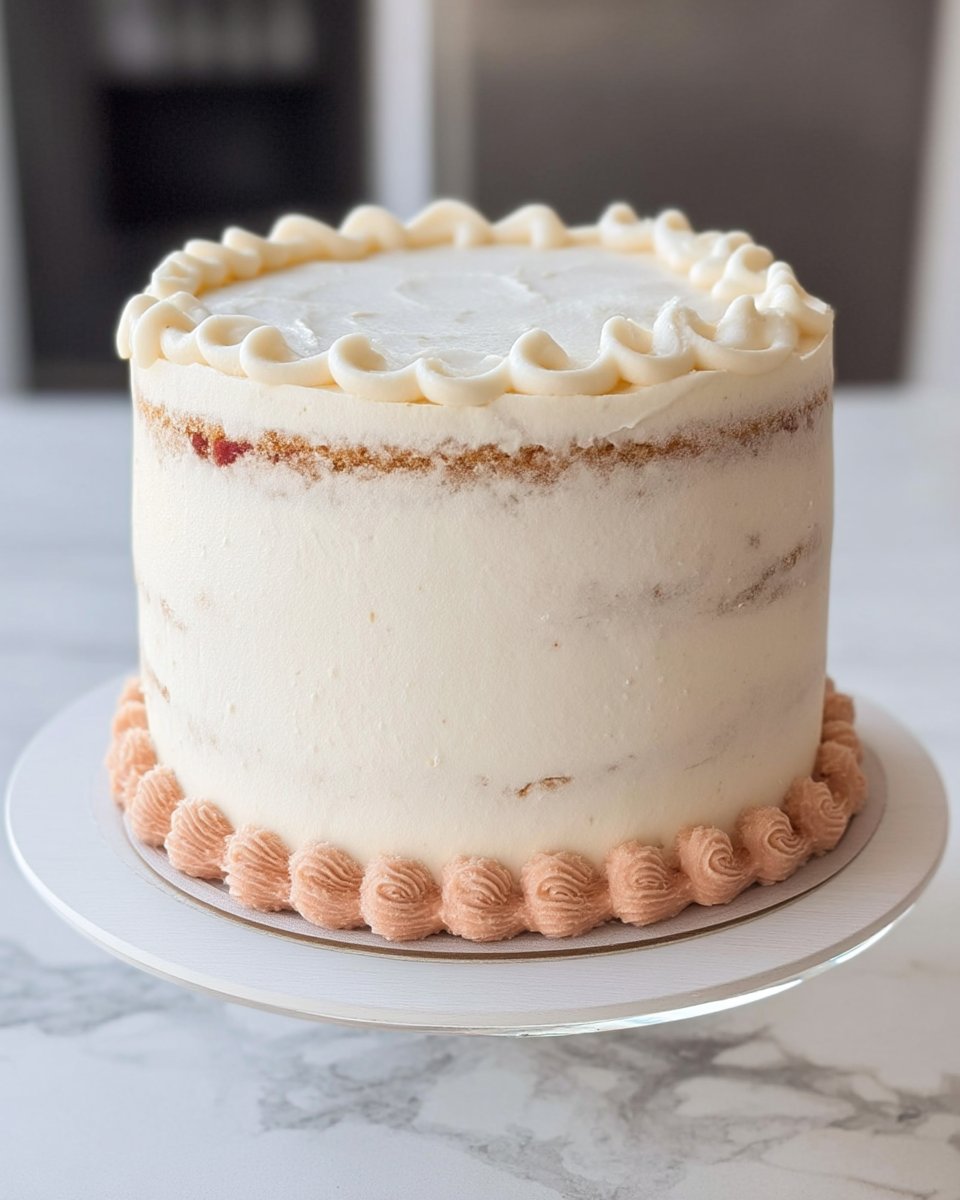
Prepare six times the standard recipe for American buttercream to provide enough volume for the over-piping. Stack the layers, filling each with a level layer of frosting. Apply a thin crumb coat to seal in loose particles and refrigerate for 30 minutes. This creates a firm, dry foundation for the final smooth coat. Apply the final coat and refrigerate for at least 60 minutes before beginning the decorative phase.
Step 4: Color Calibration and Bag Prep
Divide the remaining buttercream into four bowls. Use 1 cup for pink, 3/4 cup for orange, 1/2 cup for yellow, and 2 tablespoons for green. To achieve a sophisticated vintage look, add a microscopic drop of warm brown gel to each color to mute the brightness. Fit your piping bags with tips 104, 4B, 17, 69, 129, and 352 as directed in the following steps.
Step 5: Establishing the Template
Using a round cookie cutter, lightly mark eight half-circles around the top edge of the cake. This provides a geometric template to verify that your piping remains symmetrical. Consistent spacing is the difference between a professional result and a disorganized one. Use these marks as your start and stop points for every garland layer.
Step 6: Primary Ruffling and Garlands
Using tip 104 and the orange buttercream, pipe a ruffle around the bottom edge of the cake. Hold the bag at a 45-degree angle with the wide end of the tip touching the cake. Follow the marked half-circles to create the draped garland design. Leave space at the top of each drape for subsequent layers. Repeat the process with pink buttercream directly over the orange ruffles.
Step 7: Secondary Borders and Floral Finishes
Utilize tip 4B for a pink shell border at the base and tip 17 for a yellow shell border. The ‘push-pull’ motion must be rhythmic to create uniform shells. Use tip 69 for the top edge ruffle and tip 129 for small pink flowers on the sides. Secure a sugar pearl in the center of each flower and use tip 352 to add green leaves. The final step is inserting candles into the 4B swirls on the top rim.
Troubleshooting Guide
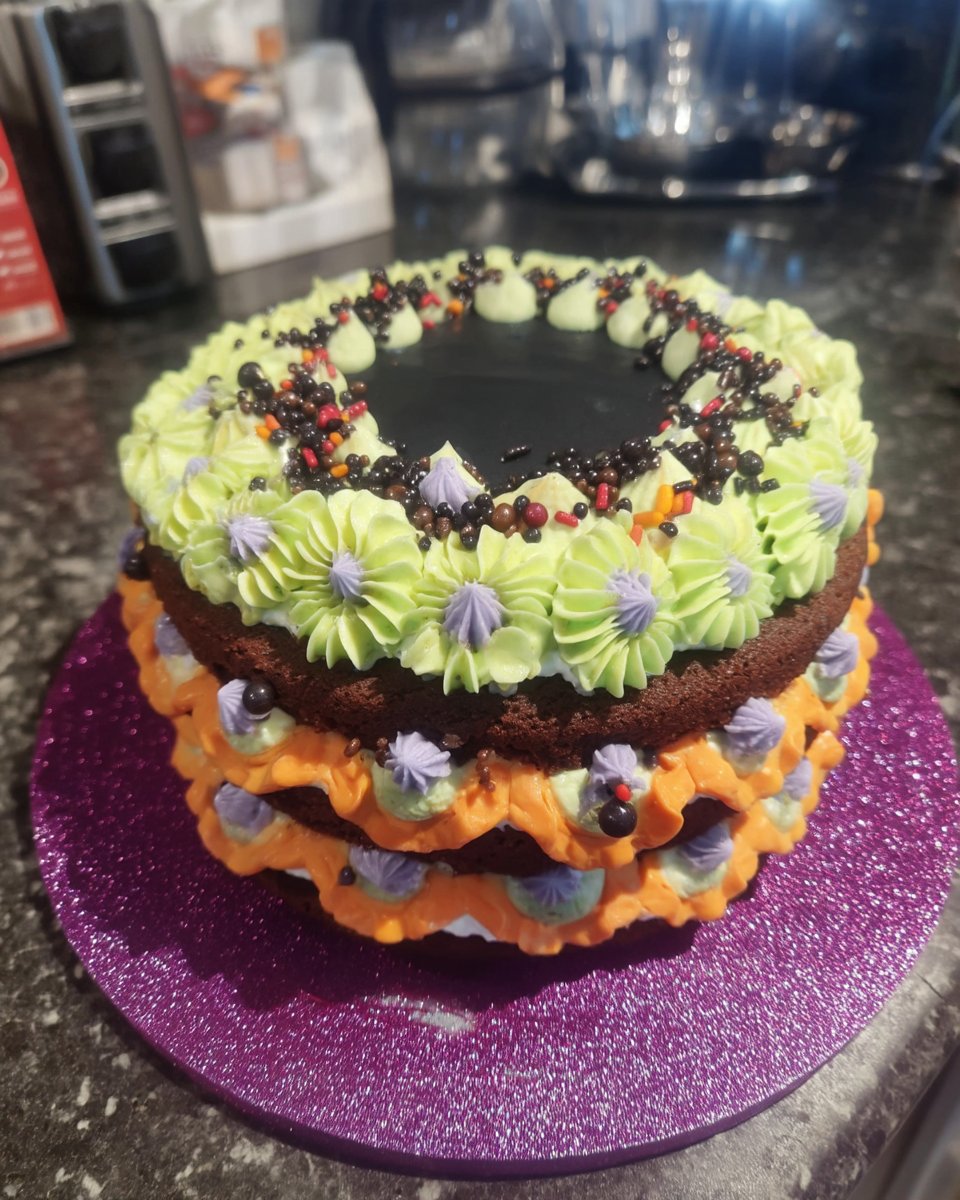
Temperature control is your most significant variable when working with this style of cake. If your hand heat begins to melt the buttercream in the piping bag, the ruffles will lose their crisp edges and look blurred. We recommend using two bags for each color and rotating them in and out of the refrigerator every 10 minutes to maintain a firm consistency.
Another common failure point is ‘dragging’ the tip through the frosting. Ensure you are moving the tip at a consistent speed that matches the pressure you are applying to the bag. If you find your lines are shaky, try resting your non-dominant hand’s index finger against the tip of the bag to provide a stabilizer. For more foundational help with these movements, check out our guide on foundational-recipes which covers the basics of bag grip and pressure control. Additionally, you can find further inspiration on high-altitude adjustments at this expert resource.
Tested Precision Tweaks
While the classic round Lambeth is the gold standard, our test kitchen has verified several modifications that maintain the structural integrity of the design. We tested a chocolate version by substituting 15% of the flour weight with high-quality cocoa powder; the darker background provides a stunning contrast for pastel piping.
For those wanting a different silhouette, you can apply these same piping techniques to a heart-cake base. The key is to start your piping at the ‘V’ of the heart and work outward to maintain symmetry. We also tested monochromatic designs—using five different shades of the same color—which highlights the shadows created by the ruffles without the distraction of multiple hues.
Presentation and Slicing Science
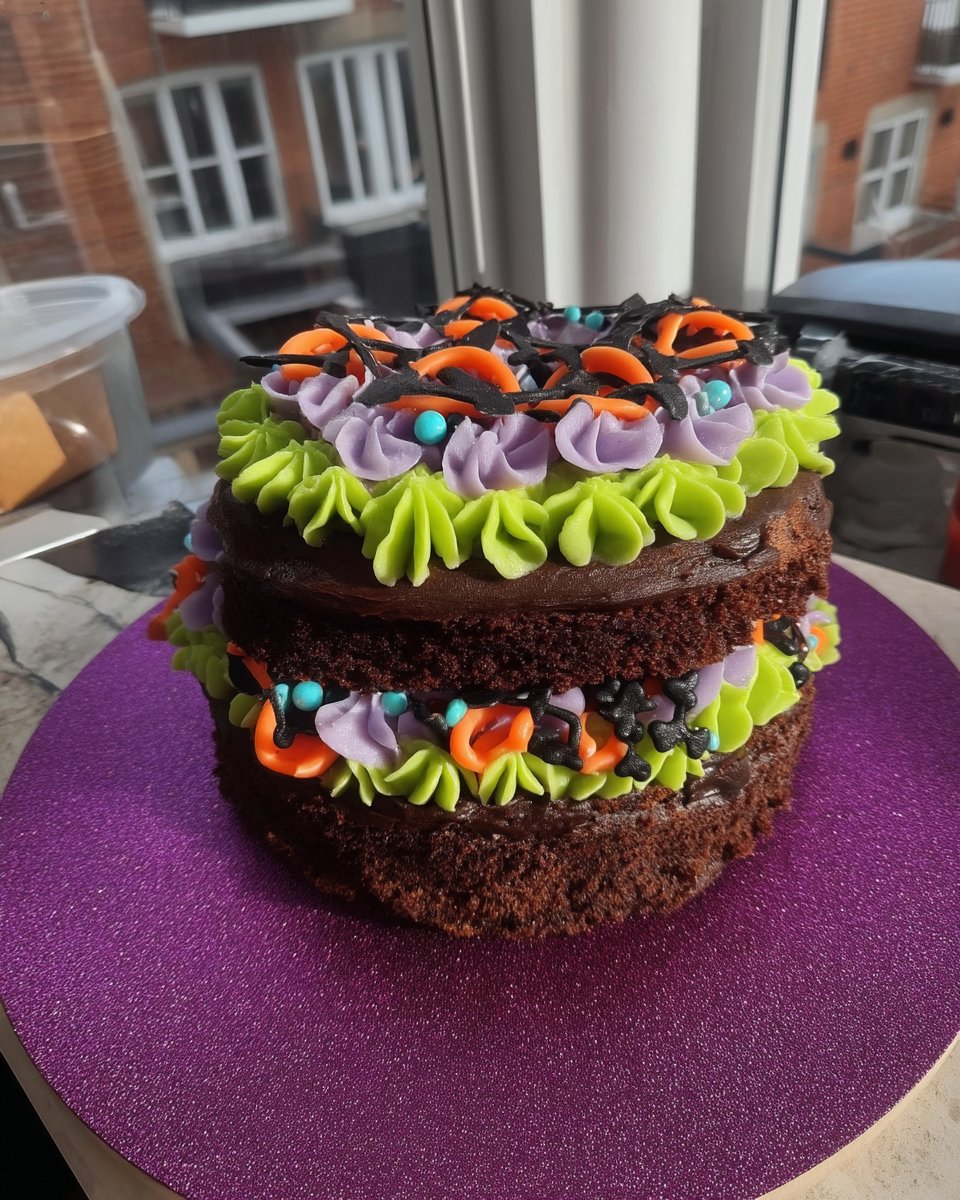
Due to the high volume of buttercream used in a Lambeth design, we recommend serving small, thin slices. The internal temperature of the cake should be approximately 68°F (20°C) for the best flavor profile; serving it directly from the refrigerator will mask the delicate notes of the vanilla. Use a sharp, thin-bladed knife dipped in hot water and wiped dry between every cut to prevent the intricate exterior piping from smearing into the cake layers.
For an extra touch of sophistication, consider planning your dessert table layout in our celebration-design-studio to see how this ornate cake pairs with other textures. This cake is a centerpiece and should be given ample space to be admired before it is sliced.
Final Analysis and Mastery
Executing a Lambeth Cake is a testament to a baker’s precision and patience. By controlling the variables of temperature and pressure, you turn a simple vanilla cake into a work of architectural art. We have verified that the methods outlined here provide the most consistent results for both beginner and advanced decorators. If you enjoyed mastering these intricate borders, you might also be interested in our guide to the vintage-cake for more historical inspiration. Keep testing your limits in the kitchen and share your results with us. Follow our latest experiments on Pinterest, Instagram, and Facebook.