Growing up in Virginia, nothing said “welcome home” quite like the bright, sunny aroma of lemons wafting from the kitchen on a Sunday afternoon. My grandmother used to say that a tart lemon cake was the only cure for a humid Southern day, serving up thick, golden slices on the back porch with a tall glass of iced tea. It wasn’t just about the sugar; it was about that moment of pause, the refreshing zing that woke up your taste buds and brought a smile to your face. That memory of simple, citrus-scented comfort is the heart and soul of this recipe.

This recipe is my love letter to those porch-sitting days, refined with a bit of professional know-how to guarantee the most tender crumb imaginable. By combining butter for rich flavor and oil for lasting moisture, plus a DIY cake flour hack using cornstarch, we create a texture that is dense enough to slice beautifully but melts instantly on the tongue. It is a classic done right, ready to become your family’s new favorite tradition for everything from birthdays to church potlucks.
Sunshine in Every Bite
There is something undeniably cheerful about this lemon cake. It strikes that perfect balance between the deep, buttery richness of a classic Southern pound cake and the bright, zesty lift of fresh lemon. It is not cloyingly sweet, making it just as appropriate for a Sunday brunch as it is for a dessert table. The combination of Greek yogurt and milk ensures a moisture level that stays fresh for days, unlike dry sponge cakes that need immediate eating. You get the best of both worlds: the comfort of a dense crumb and the lightness of citrus.
Print
Lemon Cake
- Total Time: 53 mins
- Yield: 2 8-inch cakes
- Diet: Vegetarian
Description
A bright and refreshing Southern-style cake that balances the rich flavor of butter with the incredible moisture of vegetable oil. This tender-crumbed dessert features fresh lemon zest and Greek yogurt for a zesty, velvety finish that is perfect for any celebration.
Ingredients
- All-purpose flour
- Cornstarch
- Baking powder
- Salt
- Unsalted butter (room temperature)
- Vegetable oil (such as canola)
- Granulated sugar
- Fresh lemon zest
- Greek yogurt (plain and unsweetened)
- Fresh lemon juice
- Eggs (room temperature)
- Milk (whole or 2%)
Instructions
- Preheat your oven to 350°F (180°C) and grease two 8-inch cake tins, lining the bottoms with parchment paper.
- In a medium bowl, whisk together the flour, cornstarch, baking powder, and salt until aerated and well combined.
- In a large mixing bowl, beat the room-temperature butter, vegetable oil, granulated sugar, and lemon zest on medium speed for about 2 minutes until pale and fluffy.
- Add the eggs one at a time, beating well and scraping down the bowl after each addition to maintain the emulsion.
- Mix in the milk, yogurt, and fresh lemon juice; the batter may appear curdled at this stage, which is normal.
- Using a rubber spatula, gently fold the dry ingredients into the wet mixture just until no flour streaks remain, being careful not to overmix.
- Distribute the batter evenly between the two tins and bake for 33 minutes, or until a toothpick inserted into the center comes out clean.
- Allow the cakes to cool in their pans for 15–20 minutes before transferring them to a wire rack to cool completely.
Notes
For the best results, ensure all your refrigerated ingredients reach room temperature before you begin mixing to create a smooth, stable batter. If you prefer a more intense citrus punch, you can brush the warm cake layers with a simple lemon syrup made from equal parts sugar and lemon juice. To store, wrap the cooled cakes tightly in plastic wrap to keep the crumb moist for several days.
- Prep Time: 20 mins
- Cook Time: 33 mins
- Category: Dessert
- Method: Baking
- Cuisine: American
The Science of Softness
What makes this recipe a true winner is the careful balance of fats. In culinary school, we learned that butter provides flavor while oil provides texture. Butter is solid at room temperature, which helps with structure, but oil remains liquid, coating the flour proteins to prevent toughness. By using both, along with the acidity of the yogurt which tenderizes the gluten strands, we achieve a cake that is incredibly soft and moist. It is a foolproof method that delivers professional bakery results in your own kitchen.
The Foundation of Flavor
- All-Purpose Flour & Cornstarch: We are essentially making our own cake flour here. The addition of cornstarch inhibits gluten formation, ensuring that tender, melt-in-your-mouth texture without needing a special trip to the store for cake flour.
- Unsalted Butter & Vegetable Oil: I always preach about this “power couple” of fats. The butter provides that nostalgic, creamy flavor we crave, while the vegetable oil (I use canola) ensures the cake stays moist and soft even days after baking.
- Greek Yogurt: This is the secret weapon for a velvety crumb. The acidity in the yogurt reacts with the baking powder for a good rise and adds a subtle tang that complements the lemon profile perfectly. Make sure it is plain and unsweetened.
- Fresh Lemons: You will need both the zest and the juice. Please, I beg you, use fresh lemons. Bottled juice just cannot replicate the floral, aromatic oils found in the fresh zest that give this cake its signature scent.
- Eggs: Room temperature is non-negotiable here. Cold eggs will seize your butter mixture and lead to a heavy, dense cake rather than a fluffy one. They provide structure and richness.
- Milk: Combined with the yogurt, this adds liquid volume and helps create a smooth batter. Whole milk is best for flavor, but 2% works in a pinch.
How to Make It
Step 1: Prep and Sift
Start by preheating your oven to 350°F (180°C). Proper oven temperature is crucial for an even rise. Grease two 8-inch cake tins generously—I use my homemade cake release, but butter and flour work too—and line the bottoms with parchment paper to guarantee an easy release. In a medium bowl, whisk together the flour, cornstarch, baking powder, and salt until they are perfectly aerated and combined. Sifting isn’t just about removing lumps; it’s about aerating the flour for a lighter cake.
Step 2: The Creaming Stage
In a large mixing bowl, combine the room-temperature butter, vegetable oil, granulated sugar, and lemon zest. Using a hand mixer or stand mixer on medium speed, beat these together for about 2 minutes. You want the mixture to look pale and fluffy. This process, known as creaming, drives air bubbles into the fat, which expands during baking to create lift.
Step 3: Adding the Eggs
Add the eggs one at a time, beating well after each addition to ensure they are fully emulsified into the fats. Scrape down the sides and bottom of the bowl with a spatula to make sure everything is incorporated evenly. If you add them all at once, you risk breaking the emulsion, leading to a greasy crumb.
Step 4: The Liquid Mix
Pour in the milk, yogurt, and fresh lemon juice. Mix until combined. Don’t panic if the batter looks curdled or grainy at this point—this is normal due to the acidity of the lemon juice and yogurt reacting with the dairy. It will smooth out perfectly once the flour is added.
Step 5: The Final Fold
Add your pre-sifted dry ingredients to the wet mixture. Switch to a rubber spatula and gently fold the batter just until the flour streaks disappear. This is the most critical moment: overmixing at this stage activates the gluten and can make the cake tough. Treat the batter with kindness.
Step 6: Bake to Perfection
Distribute the batter evenly into the two prepared cake tins. Bake for 33 minutes, or until a toothpick inserted into the center comes out clean or with just a few moist crumbs attached. Avoid opening the oven door too early, as the draft can cause the cakes to sink. Let the cakes cool in the pans for 15–20 minutes before turning them out onto a wire rack to cool completely before frosting.
Jesse’s Secrets to Success
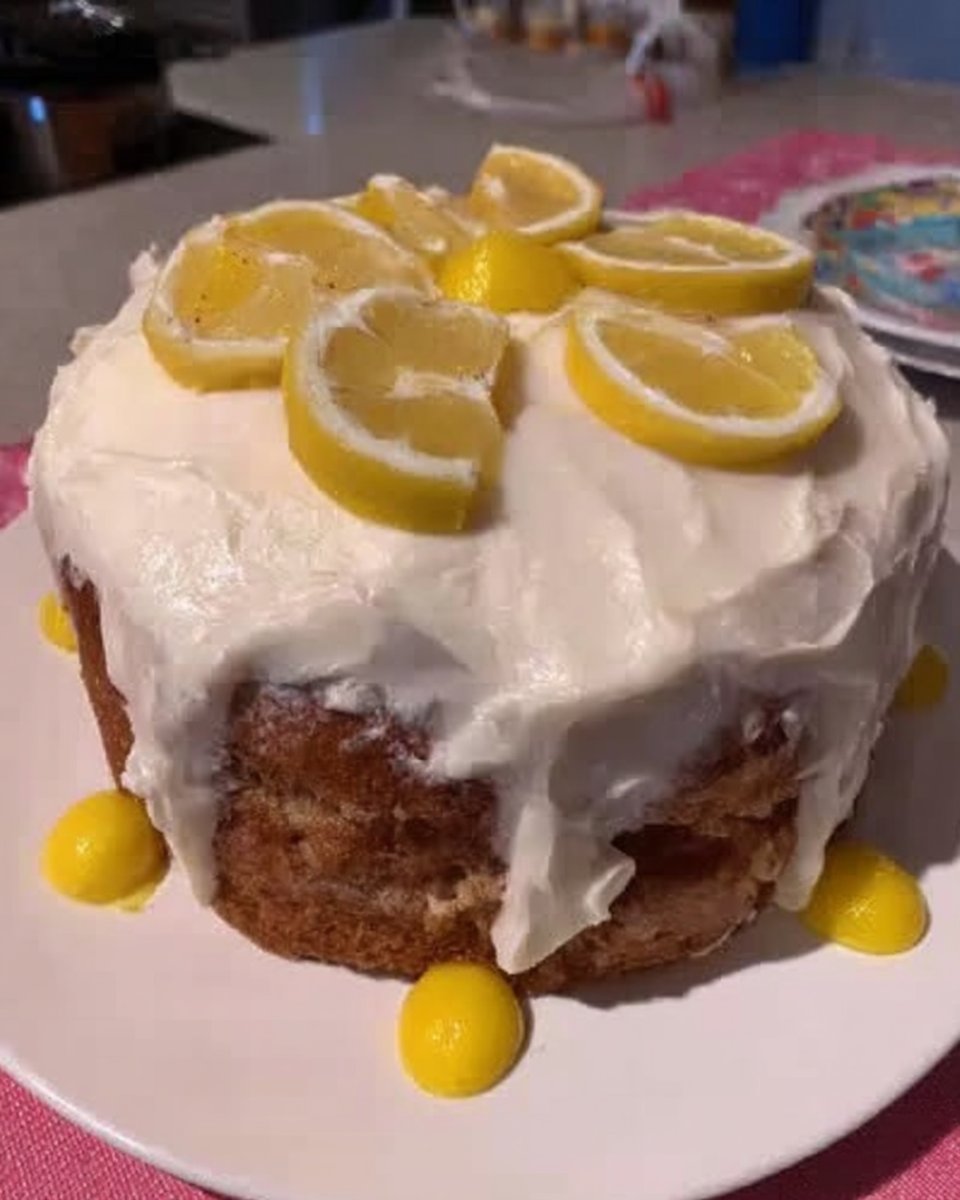
- Rub the Zest: For an even deeper lemon flavor, try rubbing the lemon zest into the sugar with your fingertips before you start creaming. This releases the essential lemon oils directly into the sugar crystals, perfuming the entire batter in a way that mixing alone cannot achieve.
- Room Temperature is Key: I cannot stress this enough—make sure your butter, eggs, milk, and yogurt are all at room temperature. This allows them to emulsify into a smooth, homogeneous batter which traps air better during baking, leading to a finer crumb.
- Don’t Fear the Curdle: When you add the lemon juice and milk, the batter might look broken or curdled. Trust the process. The flour acts as a binder, and once the dry ingredients hit that bowl, it transforms into a smooth, velvety batter.
- Fresh Fruit Options: If you love adding texture to your cakes, check out my guide on fresh-fruit-baking to learn the best ways to incorporate berries without them sinking to the bottom of your layers.
Make It Your Own
- Lemon Blueberry: Toss a cup of fresh blueberries in a tablespoon of flour and fold them into the batter at the very end. It reminds me of a lighter version of our blueberry-coffee-cake but with a brighter citrus punch.
- Citrus Glaze: Instead of a heavy frosting, whisk together powdered sugar and lemon juice for a tart glaze that seeps into the warm cake. This is perfect for a lighter, tea-time treat.
- Lemon Elderflower: Add a tablespoon of elderflower cordial to the batter for a floral, spring-time twist that feels very elegant and perfect for weddings or showers.
- Texture Twist: If you are exploring different crumb textures and want something even lighter, you might find inspiration in this recipe for a soft lemon cake which uses a slightly different mixing method to achieve a sponge-like consistency.
At the Table
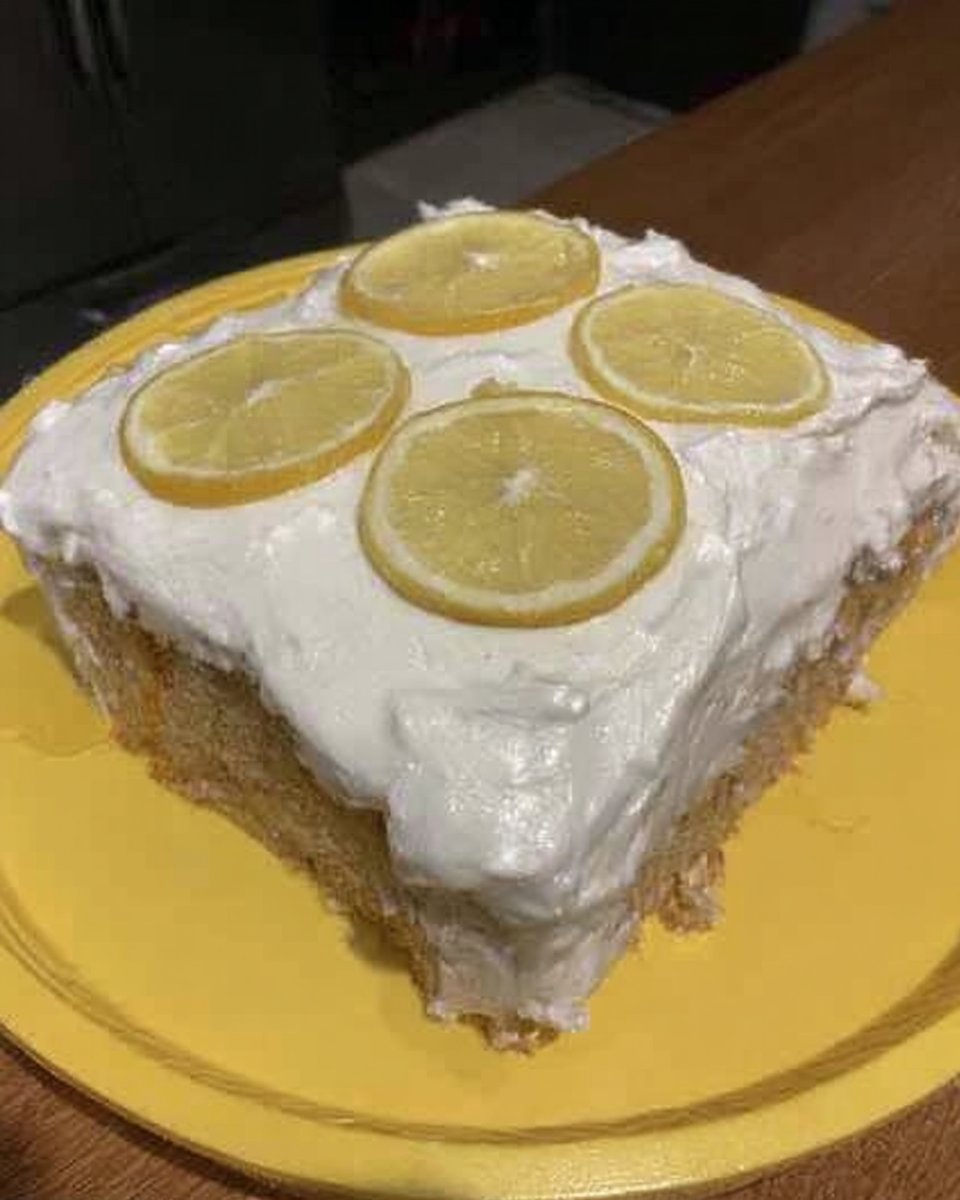
This cake shines best when served simply, allowing the bright lemon flavor to take center stage. A dusting of powdered sugar and a dollop of fresh whipped cream are all it really needs for a casual afternoon treat. It is the perfect companion for a cup of Earl Grey tea, where the bergamot notes complement the citrus beautifully. For a summer gathering, I love serving this with a scoop of vanilla bean ice cream and a side of macerated strawberries. If you are looking for something a bit lighter for a brunch spread, our lemon-yogurt-cake is another fantastic option that pairs beautifully with fruit salads.
The Final Slice
There is a reason lemon cake remains a staple in Southern kitchens. It is reliable, refreshing, and deeply comforting. Whether you frost it with a rich cream cheese frosting or keep it plain, the tender crumb and bright flavor are sure to win over anyone at your table. Baking is about sharing joy, and this cake delivers that in spades. If you are planning a bigger celebration and want more color, take a peek at our lemon-rainbow-cake for a show-stopping alternative.
Connect with us and share your baking triumph!