There is something truly restorative about walking through the farmers market when the first bright citrus of the season arrives. The air is still crisp, but the sight of those sunny yellow lemons feels like a promise of warmer days and shared meals on the porch. This past weekend, I found a basket of heavy, thin-skinned lemons that were just begging to be transformed into something sweet and honest.

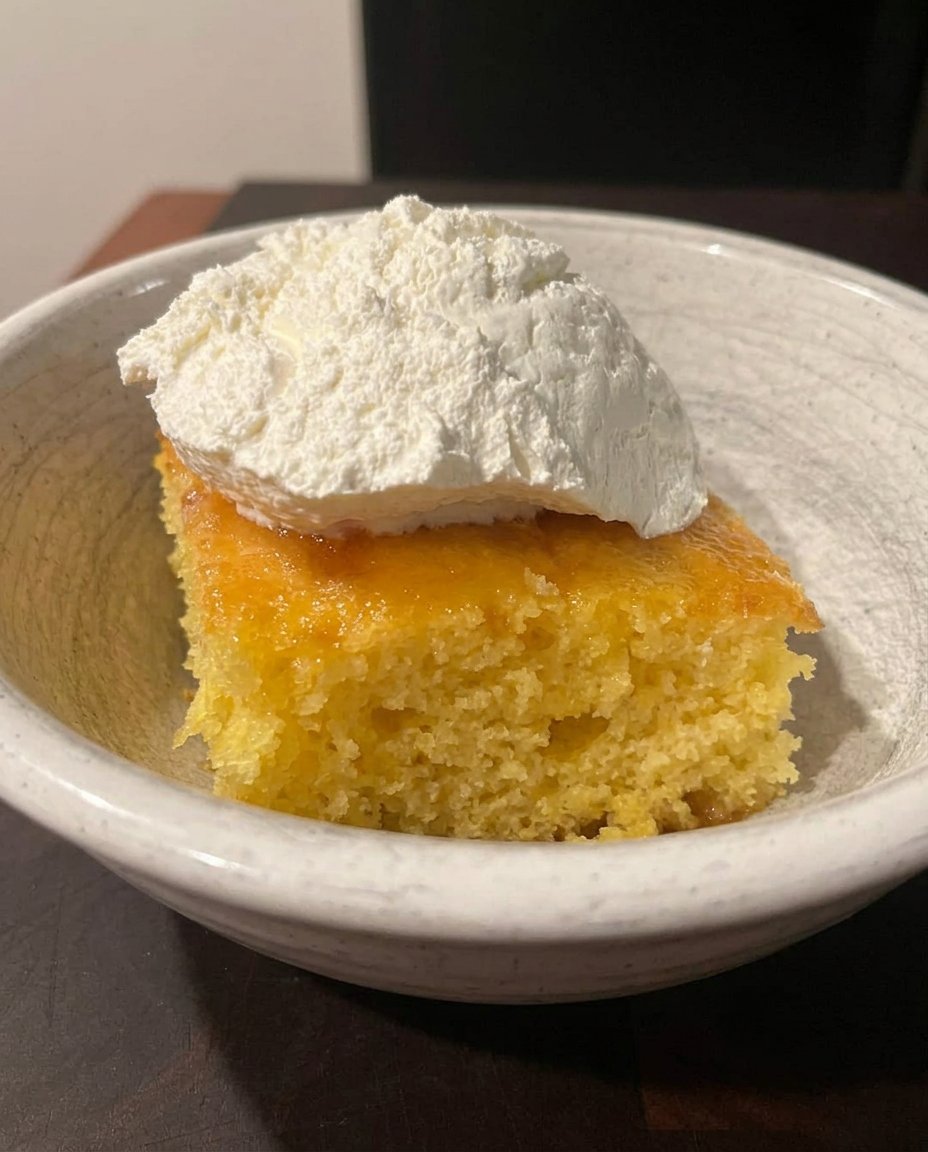
This lemon poke cake 3 is the result of that weekend haul, a recipe that relies on the simple magic of soaking a warm sponge with a tart, sugary glaze. It is the kind of cake that doesn’t need fancy frosting to impress; its beauty lies in the way the lemon juice seeps deep into the crumb, creating a texture that is impossibly moist and vibrant. Whether you are a seasoned baker or just starting your journey in a farmhouse kitchen, this recipe offers a reliable path to a cheerful dessert.
Seasonal Perfection
You will fall in love with this cake because it celebrates the bright, zesty spirit of fresh fruit without any unnecessary fuss. The addition of a pudding mix into the batter creates a soft, cushiony texture that holds up beautifully against the soaking glaze. It is a recipe that values substance over style, giving you a dessert that is as comforting as a warm quilt on a cool spring evening.
The real secret is the ‘crusty glaze’ that forms on the top of the cake. By letting the sponge cool just slightly before pouring over the lemon juice and sugar mixture, you create a thin, sugary layer that crinkles under your fork. It provides a wonderful contrast to the tender, soaked interior, making every bite a balance of tartness and sweet satisfaction. It is a humble treat that brings a bit of sunshine to any table, reminding us that the best flavors are often the simplest ones.
Print
Lemon Poke Cake 3
- Total Time: 45 mins
- Yield: 15 servings
- Diet: Vegetarian
Description
This bright and zesty dessert combines a tender lemon sponge with a sweet, tart glaze that creates a signature crinkle top. Perfect for spring gatherings, it is an easy-to-make farmhouse classic that stays incredibly moist thanks to the addition of lemon pudding.
Ingredients
- 1 (15.25 oz) box lemon cake mix
- 1 (3.4 oz) package instant lemon pudding mix
- 4 large eggs
- 1/2 cup canola oil
- 1 cup water
- 2 medium lemons, zested and juiced
- 2 cups confectioner’s sugar
Instructions
- Preheat your oven to 350°F (175°C) and line a 13×9 inch cake pan with parchment paper.
- In a large mixing bowl, combine the cake mix, lemon pudding mix, eggs, water, canola oil, and half of the lemon zest until smooth.
- Pour the batter into the prepared pan and bake for approximately 30 minutes until golden brown.
- In a medium bowl, whisk together the confectioners’ sugar, 1/3 cup of fresh lemon juice, and the remaining zest.
- Let the baked cake rest for 3 to 5 minutes, then poke holes across the surface with a fork or chopstick.
- Pour the glaze evenly over the warm cake and allow it to cool completely before slicing.
Notes
To achieve the perfect sugary snap on top, ensure you wait the full five minutes for the cake to cool slightly before pouring the glaze. If the cake is too hot, the sugar will soak in entirely rather than forming that characteristic thin crust.
- Prep Time: 15 mins
- Cook Time: 30 mins
- Category: Dessert
- Method: Baking
- Cuisine: American
The Farmhouse Pantry
To make this lemon poke cake 3, you want to start with the freshest ingredients you can find. Farm-fresh eggs with their deep orange yolks will give the cake a lovely color and a rich mouthfeel that store-bought eggs simply cannot match. When it comes to lemons, look for fruit that feels heavy for its size, as this indicates a higher juice content and a more intense flavor.
- Lemon Cake Mix: A reliable 15.25-ounce box serves as our sturdy foundation.
- Instant Lemon Pudding Mix: This is the key to that signature moist, tender crumb.
- Large Eggs: Four eggs provide the structure and richness needed for a farmhouse sponge.
- Canola Oil & Water: These simple liquids keep the cake light and airy without masking the lemon flavor.
- Fresh Lemon Juice: You will need about a third of a cup for the glaze, which usually comes from two medium lemons.
- Lemon Zest: Dividing the zest between the batter and the glaze ensures that the bright aroma is present in every layer.
- Confectioner’s Sugar: This creates a smooth, sweet glaze that settles into the holes and creates that lovely top crust.
Simple Steps
Step 1: Prep Your Ingredients
Begin by gathering your ingredients on a clean workspace. Preheat your oven to 350°F (175°C) to ensure it is nice and hot when the batter is ready. Take a 13×9 inch cake pan and line it with parchment paper; a quick spray of vegetable oil before laying down the paper helps it stay in place so your cake doesn’t stick.
Step 2: Mix the Batter
In a large mixing bowl, combine the cake mix, lemon pudding mix, four large eggs, water, and canola oil. Add half of your lemon zest into the bowl as well. Use a wooden spoon or a sturdy spatula to stir everything together until the mixture is smooth and combined. There is a quiet joy in watching the pale yellow batter come together, smelling the immediate burst of citrus from the zest.
Step 3: Bake to Golden Perfection
Pour the batter into your prepared pan, smoothing the top with your spatula. Slide it into the center of the oven and bake for roughly 30 minutes. Every oven behaves a little differently, so keep an eye on it. You are looking for a beautiful golden brown color. If you see the edges starting to pull away from the pan, it might be getting a bit too dry, so check it early.
Step 4: Prepare the Lemon Glaze
While the kitchen fills with the scent of baking cake, juice the lemons you zested earlier. In a medium bowl, whisk together two cups of confectioners’ sugar with a third of a cup of fresh lemon juice. Stir in the remaining lemon zest until you have a smooth, pourable glaze that looks like liquid sunshine.
Step 5: Poke and Pour
Once the cake comes out of the oven, let it rest for about three to five minutes. This short wait allows the structure to set slightly while still being warm enough to drink up the glaze. Using a fork, a chopstick, or the end of a wooden spoon, poke about a dozen holes across the surface of the cake. Pour the glaze evenly over the top, watching as it disappears into the holes, leaving behind that lovely zest.
Step 6: Cool and Slice
Resist the urge to cut into it right away! Let the cake cool completely so the glaze can set and the flavors can marry. Once it is cool to the touch, lift the cake out using the parchment paper or slice it right in the pan. Each piece should show those beautiful tunnels of lemon glaze running through the golden sponge.
Farmhouse Wisdom
One of the most important things I’ve learned in my kitchen is that a digital thermometer is a baker’s best friend. For a cake like this, you want the internal temperature to be right around 200°F (93°C) to ensure it is cooked through but still moist. If you are new to using tools like this, check out our guide on fresh fruit baking for more advice on getting your bakes just right.
When poking the holes, do not be afraid to go all the way to the bottom of the pan. This allows the glaze to travel through the entire height of the cake, ensuring no bite is left dry. If you prefer a very soft, soaked cake, pour the glaze on while the cake is piping hot. If you are like me and enjoy a bit of a sugary snap on top, wait those full five minutes before glazed. The slightly cooler surface keeps more of the sugar on top while the juice still finds its way into the holes.
Farm-Fresh Options
You can easily adapt this lemon poke cake 3 to match whatever is growing in your garden or available at the market. In the height of summer, I love to press fresh raspberries or blueberries into the top of the batter before baking. The berries burst and create little pockets of jammy sweetness that pair beautifully with the tart lemon. If you are looking for a different citrus profile, you might enjoy trying our lemon rainbow cake which offers a similar bright flavor with a fun visual twist.
For a winter variation, try using Meyer lemons if you can find them. They are naturally sweeter and have a floral aroma that makes the cake feel very special. You can also swap the lemon juice in the glaze for lime juice if you want a ‘lemon-lime’ punch that is incredibly refreshing on a humid afternoon. Just remember to keep the proportions the same so the glaze remains thick enough to form that signature crust.
Rustic Presentation
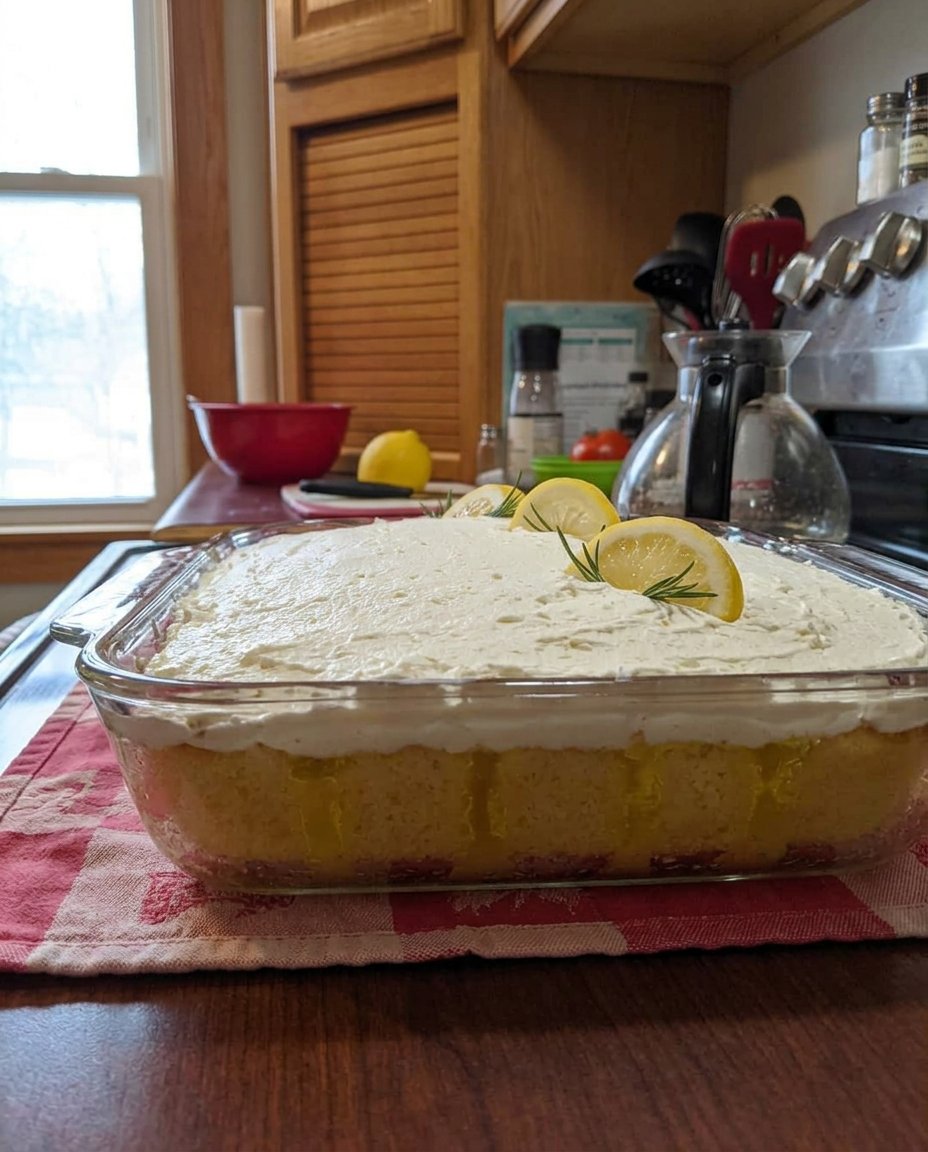
When it comes to serving this lemon poke cake 3, I prefer to keep things simple and let the cake speak for itself. A light dusting of extra confectioner’s sugar right before serving adds a touch of elegance without being too formal. If you are hosting a gathering, a dollop of loosely whipped cream—barely sweetened—is the perfect companion to the tart lemon flavor. For another fruit-forward dessert that serves a crowd, you might also like our strawberry tres leches cake.
I often serve this on a large wooden board or a simple ceramic platter. If you have some fresh mint in your garden, a few small leaves tucked around the cake add a beautiful pop of green and a fresh scent that complements the citrus. It is a wonderful dessert for an outdoor lunch or a simple afternoon tea with friends.
The Simple Truth
Baking should be a source of joy and a way to connect with the seasons, and this lemon poke cake 3 is a perfect example of that philosophy. It is an honest, reliable recipe that rewards you with bright flavors and a comforting texture. If you find yourself with extra lemons, you should also try making our lemon yogurt cake for another variation on this sunny theme. For even more inspiration and a different take on this method, I often look to the wonderful ideas at Kitchen Serf.
I hope this cake brings a little bit of farmhouse warmth to your kitchen. If you make it, I would love to see how it turns out! Please share your baking photos and stories with our community on Instagram, Pinterest, or Facebook. Happy baking, and keep it seasonal!