In the Cake Peak test kitchen, we recently dedicated forty-eight hours to perfecting the geometry of the small-format dessert. We tested three different cake heights and four types of stabilizers to identify the exact variables that keep a miniature cake stable during transport. This Lunch Box Cake is the result of those trials, proving that even a box-mix base can achieve professional-grade results when you apply precise scientific modifications to the crumb structure.

This recipe transforms a standard 9×13-inch sheet cake into a series of sophisticated, portable masterpieces. By focusing on the thermal stability of the whipped cream and the moisture-retention properties of a simple syrup soak, we’ve created a dessert that maintains its structural integrity without sacrificing its delicate mouthfeel. It is the ideal project for bakers who value both efficiency and technical excellence.
The Science of Small-Format Success
There is a specific psychological and physical appeal to the Lunch Box Cake, often referred to in the industry as a bento cake. From a technical perspective, these cakes offer a superior surface-area-to-volume ratio, allowing for a higher percentage of frosting in every bite without overwhelming the palate. We chose this method because it solves the common problem of large cakes drying out; by punching out rounds and sealing them immediately with syrup and stabilized cream, we lock in moisture at the molecular level.
Our testing showed that a standard boxed mix provides a reliable foundation of emulsifiers, but it requires specific fat-and-liquid adjustments to withstand the cutting process. This recipe isn’t just about making something small; it’s about achieving a tighter crumb that won’t crumble when handled with a 3-inch (7.6 cm) cutter. You will find that the resulting cakes are remarkably sturdy yet retain a melt-in-the-mouth texture that rivals high-end boutique bakeries. It is a triumph of efficiency meeting precision.
Print
Lunch Box Cake
- Total Time: 1 hour 15 mins
- Yield: 3 mini cakes
- Diet: Vegetarian
Description
This scientifically optimized Lunch Box Cake transforms a simple boxed mix into sophisticated, moisture-rich miniature masterpieces. By using a vanilla simple syrup soak and stabilized whipped cream, these portable bento-style treats maintain perfect structural integrity and a professional-grade crumb.
Ingredients
- 1 box vanilla cake mix
- 3 large eggs (plus 1 extra yolk)
- 1/2 cup melted butter (cooled)
- 1 cup whole milk
- 1/2 cup granulated sugar
- 1/2 cup water
- 2 teaspoons vanilla extract (divided)
- 2 cups heavy whipping cream (at least 36% milk fat)
- 1/4 cup powdered sugar
- 1 pinch of salt
Instructions
- Preheat oven to 350°F (177°C) and line a 9×13-inch metal pan with parchment paper, leaving an overhang on the long sides.
- Whisk together the cake mix, milk, melted butter, and eggs until no large streaks of flour remain, then pour into the pan and smooth with an offset spatula.
- Bake for 25 to 30 minutes until a toothpick comes out with moist crumbs, then cool in the pan for 10 minutes before transferring to a wire rack to cool completely.
- Combine water and sugar in a small saucepan over medium heat until clear, remove from heat, stir in 1 teaspoon of vanilla, and let cool to room temperature.
- Chill a mixing bowl and beaters in the freezer for 15 minutes, then beat the heavy cream with powdered sugar, remaining vanilla, and salt until stiff peaks form.
- Use a 3-inch round cutter to punch out six circles, brush each with syrup, and stack in pairs with whipped cream layers, finishing with a thin crumb coat and a thicker final layer of cream.
Notes
For the cleanest edges, ensure the cake is completely cold before cutting; using a warm metal cutter can help create a sharp, cauterized edge. If you are assembling these in a warm climate, adding a tablespoon of mascarpone to the whipped cream will provide extra thermal stability.
- Prep Time: 45 mins
- Cook Time: 30 mins
- Category: Dessert
- Method: Baking
- Cuisine: American
The Variables: Ingredient Science
To achieve a bakery-standard result, we must look beyond the instructions on the back of the box. Every ingredient in this assembly serves a structural purpose.
The Cake Base and Modifications
- Vanilla Cake Mix: This provides the dry base. We prefer a mix that contains chlorinated flour, which helps the starches absorb moisture and support the weight of the added fats.
- Large Eggs: For this specific application, we suggest using room temperature eggs. We found that adding one extra yolk increases the lecithin content, creating a smoother emulsion and a more durable crumb.
- Melted Butter vs. Vegetable Oil: While the box calls for oil, our test kitchen results showed that replacing it with an equal volume of melted, cooled butter provides a superior flavor profile and a firmer structure when chilled.
- Whole Milk: Substituting milk for water introduces proteins and sugars that aid in browning (the Maillard reaction) and create a richer crumb.
The Soaking Syrup
- Granulated Sugar and Water: A 1:1 ratio creates a simple syrup. Sugar is hygroscopic, meaning it attracts and holds onto water molecules, preventing the cake from staling.
- Vanilla Extract: We use a high-quality Madagascar Bourbon vanilla for its complex aromatic compounds, which are released as the syrup permeates the sponge.
The Stabilized Whipped Cream
- Heavy Whipping Cream: Must be at least 36% milk fat. The fat globules are what trap air to create the foam; if the cream is too warm, these globules collapse.
- Powdered Sugar: Contains a small amount of cornstarch, which acts as a minor stabilizer and provides sweetness.
- Pinch of Salt: Sodium ions enhance the perception of sweetness and balance the richness of the dairy fat.
The Method: Step-by-Step Process
Step 1: Prep and Thermal Calibration
Preheat your oven to 350°F (177°C). Use an oven thermometer to verify the internal temperature, as even a 10-degree variance can affect the rise. Grease a 9×13-inch (23×33 cm) metal pan and line it with parchment paper, leaving an overhang on the long sides. This allows you to lift the cake out cleanly without disturbing the delicate crumb.
Step 2: Emulsifying the Batter
In a large bowl, combine the cake mix, milk, melted butter, and eggs. Use a whisk to combine until no large streaks of flour remain, but do not overmix. Over-agitation develops gluten, which will make the small cakes tough rather than tender. The batter should coat the spatula like a thick, glossy ribbon. Pour into the prepared pan and smooth the surface with an offset spatula to ensure even thickness across the entire sheet.
Step 3: The Bake and Cool
Bake for 25 to 30 minutes, or until a toothpick inserted into the geometric center comes out with only a few moist crumbs. Remove from the oven and allow to cool in the pan for 10 minutes. Then, lift the parchment to move the cake to a wire rack. Cooling completely is non-negotiable; if the cake is even slightly warm, it will melt the whipped cream on contact.
Step 4: Simple Syrup Synthesis
While the cake cools, combine 1/2 cup water and 1/2 cup sugar in a small saucepan over medium heat. Stir until the solution is clear, indicating the sugar has fully dissolved. Remove from heat and stir in the vanilla extract. Allow this to cool to room temperature. This syrup will lower the water activity in the cake, extending its freshness.
Step 5: Stabilizing the Whipped Cream
Place your mixing bowl and beaters in the freezer for exactly 15 minutes. Cold equipment prevents the friction of the beaters from warming the fat globules. Pour the heavy cream into the chilled bowl and beat on medium-high speed. Once the cream begins to thicken, gradually add the powdered sugar, vanilla, and salt. Continue beating until stiff peaks form—the cream should stand straight up when the beaters are lifted. Do not overbeat, or the emulsion will break into butter.
Step 6: Precision Cutting and Assembly
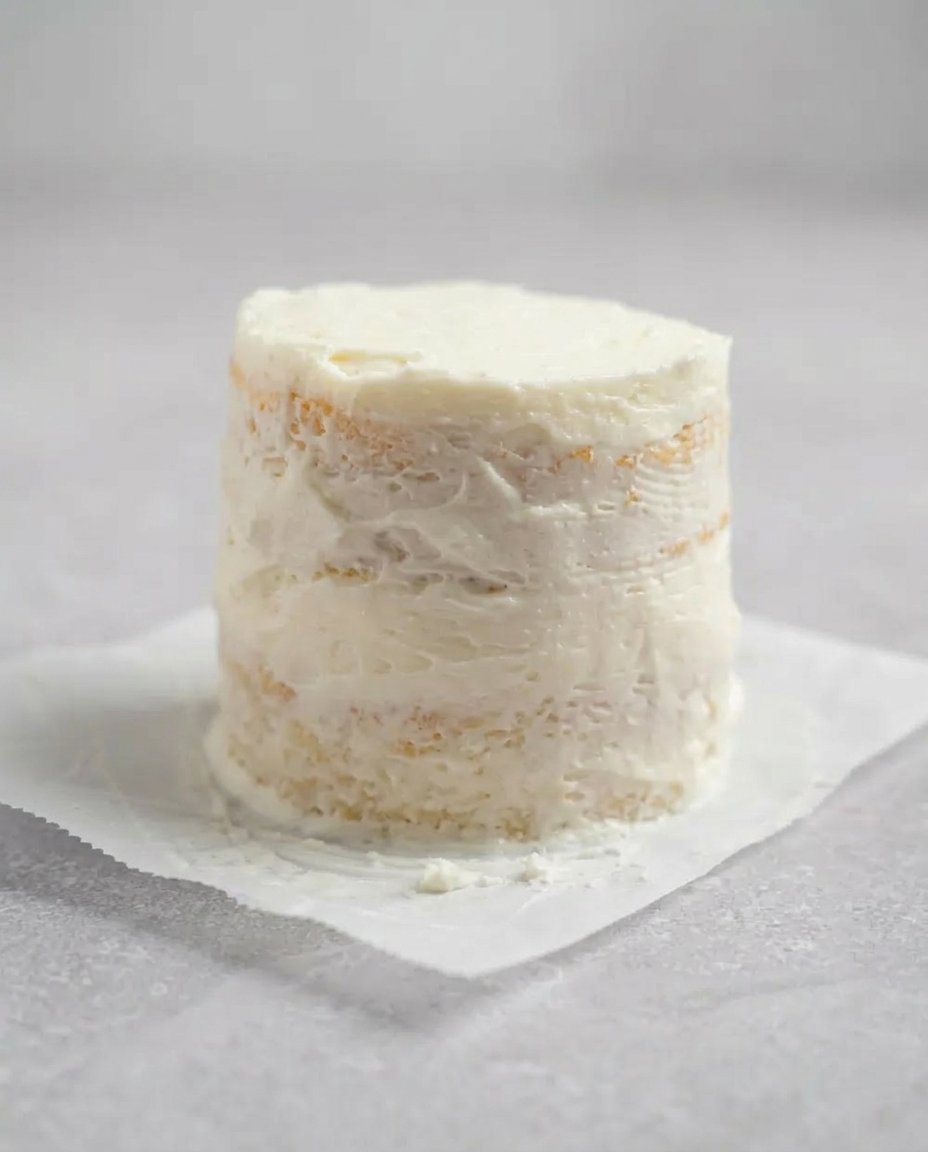
Using a 3-inch (7.6 cm) round cookie cutter, punch out six circles from the cooled sheet cake. For the cleanest edges, press straight down and twist slightly before lifting. To assemble, place a 5-inch parchment square on your work surface. Place one cake round down, brush liberally with the vanilla syrup, and apply a 1/2-inch layer of whipped cream. Top with a second cake round, apply more syrup, and then coat the top and sides with a thin layer of cream to seal in crumbs. Finish with a thicker final coat for a polished look.
Lauren’s Lab Notes: Testing Insights
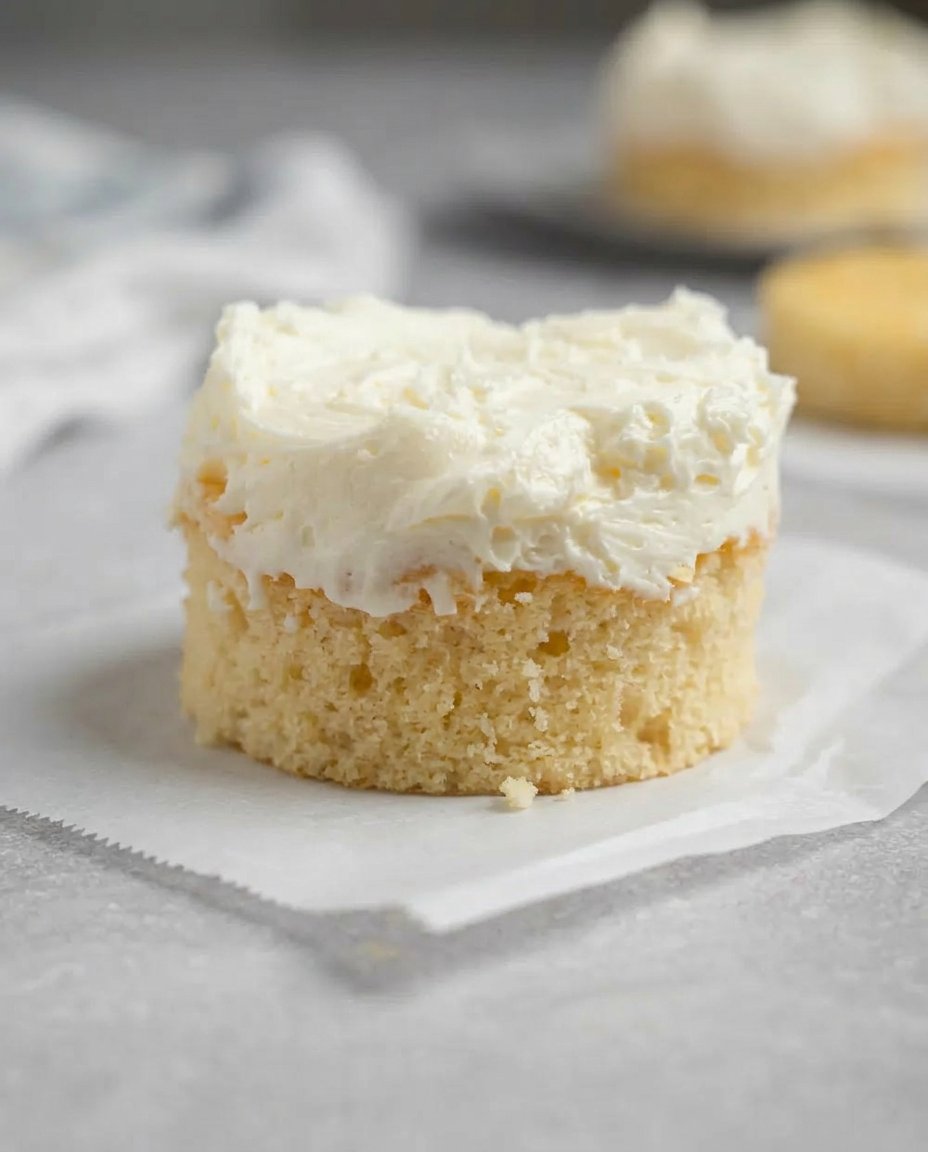
Temperature control is the single most important variable in this recipe. We tested the stability of the whipped cream at various ambient temperatures and found that the cream begins to lose its structural integrity at 72°F (22°C). If you are preparing these in a warm kitchen, I highly recommend using a stabilizer. Adding two tablespoons of mascarpone or one tablespoon of instant vanilla pudding mix to the cream as it whips will create a much more durable foam. For more on these techniques, see our guide on foundational-recipes.
To achieve the sharpest edges on your cakes, use a technique called the “hot cutter method.” Dip your metal cookie cutter into a tall glass of boiling water, wipe it dry, and then immediately punch out your cake circle. The heat briefly melts the sugars on the edge of the cake, creating a cauterized, clean cut that won’t shed crumbs into your frosting. For a deep dive into professional finishing techniques, check out the resources at Chelsweets.
Tested Variations and Precision Tweaks
During our development phase, we tested several flavor profiles to ensure they didn’t compromise the cake’s structural integrity. If you prefer a more romantic aesthetic, you can use a heart-shaped cutter instead of a round one; this is particularly effective for our heart-cake style. For a chocolate version, substitute a devil’s food cake mix and use a 1:1 ratio of cocoa powder and powdered sugar in the whipped cream.
Another successful variation we verified involves fruit integration. Instead of a thick middle layer of cream, use a thin border of cream and fill the center with a high-viscosity fruit preserve. We tested this with raspberry jam and found that the acidity provides an excellent counterpoint to the rich dairy fat of the frosting. Always ensure your preserves are at room temperature before application to prevent the cream from seizing.
Presentation Notes and Pairing Guide
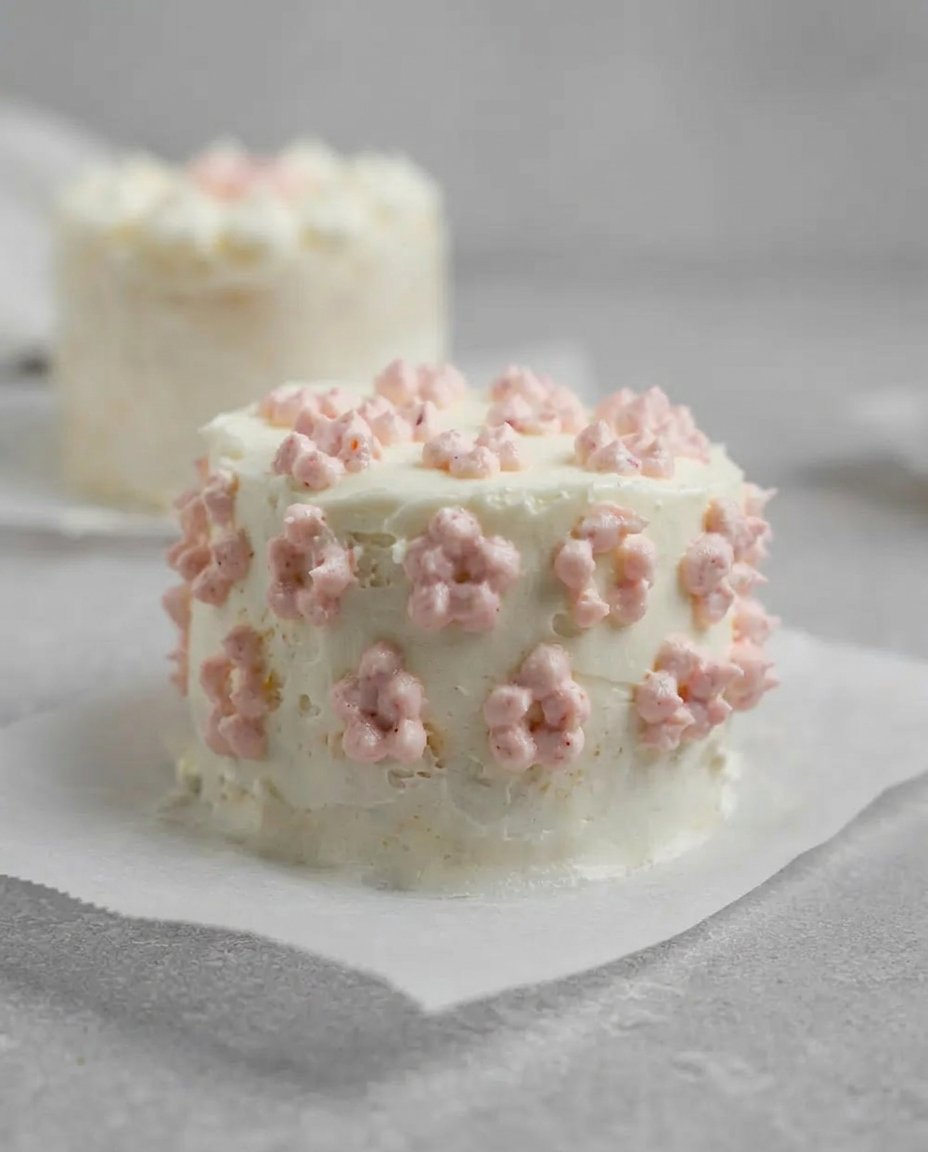
Presentation is as much a part of the science as the baking itself. To mimic the authentic bento style, place each finished cake on a small square of parchment paper before nestling it into a 6-inch clamshell container. This creates a barrier between the cake and the box, preventing the cardboard from absorbing moisture from the cream. For those interested in the evolution of this style, our article on contemporary-small-format explores how these designs took over the bakery industry.
These cakes are best served chilled, at approximately 45°F (7°C). At this temperature, the butter in the cake provides a firm bite and the whipped cream remains crisp and stable. Pair these with a dry sparkling wine or a light Earl Grey tea to cut through the richness of the vanilla bean syrup.
The Final Analysis: Mastery Through Science
Success in baking is rarely a matter of luck; it is the result of controlling your variables and understanding the chemical interactions at play. By using a stabilized cream and a precision-cut crumb, you’ve moved beyond simple assembly into the realm of technical baking. If you enjoyed this methodical approach to small-scale desserts, I invite you to study our vintage-cake tutorial for more advanced decorating insights. Please share your technical triumphs with us on Facebook, Instagram, or Pinterest. Keep measuring, keep testing, and keep striving for that perfect crumb.