I remember the screen door creaking at my grandmother’s house in Virginia, the air thick with the scent of toasted oats and warm cinnamon. She’d pull a steaming Oatmeal Cake from the oven, its broiled coconut topping crackling under the heat, promising a texture that was both rustic and refined. It was more than just a dessert; it was her way of saying welcome home before anyone even said a word.

This Oatmeal Cake is the ultimate comfort for any home baker looking for a reliable, moisture-rich treat. By soaking the oats in boiling water, we create a tender crumb that stays soft for days, perfectly balanced by a crunchy, nutty topping that’s a hallmark of Southern hospitality. Whether it’s for a church potluck or a quiet Sunday dinner, this recipe brings a piece of history to your modern kitchen.
A Southern Tradition of Perfect Moisture
There is something truly special about an Oatmeal Cake that moves beyond the typical snack cake. Most people think of oats as just a breakfast staple, but here, they provide a structural integrity and a deep, earthy sweetness that white flour alone cannot achieve. The secret to this recipe’s success is the moisture—thanks to the combination of butter, eggs, and a generous amount of brown sugar, each bite melts away while still providing a satisfying chew.
Another reason you will fall in love with this treat is the broiled topping. Unlike traditional buttercream that can sometimes feel heavy or overly sweet, this topping is a mix of coconut, nuts, and evaporated milk that caramelizes under the broiler. It creates a shattered-sugar texture that contrasts beautifully with the soft cake underneath. It is a humble cake with a sophisticated finish that never fails to impress a crowd.
Finally, this recipe is a masterclass in flavor depth. We use a combination of cinnamon and nutmeg to bring out the toasted notes of the oats. It’s a warm, inviting spice profile that feels like a hug in every slice. Because it is baked in a 9×13 inch pan, it’s also incredibly easy to transport, making it the perfect choice for family reunions or neighborhood gatherings where you want to share a bit of Southern soul.
Print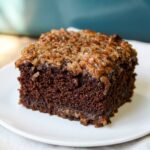
Oatmeal Cake
- Total Time: 1 hour
- Yield: 12 servings
- Diet: Vegetarian
Description
This classic Southern Oatmeal Cake features a moist, tender crumb achieved by soaking old-fashioned oats in boiling water. Topped with a rich, caramelized coconut and pecan layer that is broiled to perfection, it is a timeless dessert that brings warmth and nostalgia to any table.
Ingredients
- 1 cup old-fashioned rolled oats
- 1 1/4 cups boiling water
- 1/2 cup unsalted butter, softened
- 1 cup granulated sugar
- 1 cup light brown sugar, firmly packed
- 2 large eggs, room temperature
- 1 teaspoon vanilla extract
- 1 1/2 cups all-purpose flour
- 1 teaspoon baking soda
- 1/2 teaspoon salt
- 1 teaspoon ground cinnamon
- 1/2 teaspoon ground nutmeg
- 6 tablespoons butter, for topping
- 1 cup shredded coconut
- 1 cup chopped pecans or walnuts
- 2/3 cup brown sugar, for topping
- 1/2 cup evaporated milk
Instructions
- Preheat your oven to 350°F and grease a 9×13 inch baking pan with butter or baking spray.
- In a heat-proof bowl, pour the boiling water over the old-fashioned oats and let sit for 20 minutes to soften.
- In a large mixing bowl, cream together the softened butter, granulated sugar, and brown sugar until the mixture is light and fluffy.
- Add the eggs one at a time, beating well after each addition, then stir in the vanilla extract and the soaked oat mixture.
- Sift together the flour, baking soda, salt, cinnamon, and nutmeg, then gradually mix these dry ingredients into the wet batter until just combined.
- Pour the batter into the prepared baking dish and bake for 30 minutes, or until a wooden pick inserted into the center comes out clean.
- While the cake is finishing, melt 6 tablespoons of butter in a saucepan over low heat and stir in the shredded coconut, chopped nuts, brown sugar, and evaporated milk.
- Remove the hot cake from the oven and immediately spread the topping mixture evenly across the surface.
- Set the oven to broil and return the cake to the oven for 2-4 minutes, watching closely until the topping is golden brown and bubbling.
- Allow the cake to cool slightly before serving to let the topping set.
Notes
To achieve a professional finish, ensure your evaporated milk is at room temperature before mixing the topping to prevent the melted butter from seizing. For an even deeper flavor profile, try toasting the pecans in a dry skillet for 3-5 minutes before adding them to the coconut mixture.
- Prep Time: 25 mins
- Cook Time: 35 mins
- Category: Dessert
- Method: Baking
- Cuisine: Southern American
The Foundation of a Great Oatmeal Cake
To achieve that signature tender crumb and rich flavor, starting with quality ingredients is essential. In my kitchen, I always emphasize using room temperature eggs and butter to help the fats and liquids emulsify properly. This is the first step to creating a cake that doesn’t just taste good but has a professional texture.
- Old-Fashioned Oats: Use uncooked, rolled oats for the best texture. Quick oats can become too mushy, while old-fashioned oats retain just enough bite after their hot water soak.
- Boiling Water: This is a critical component. It hydrates the oats and starts the breakdown of starches, which is why our Oatmeal Cake remains so incredibly moist.
- Butter and Sugars: We use a mix of granulated and firmly packed brown sugar. The molasses in the brown sugar adds moisture and a hint of caramel flavor that pairs perfectly with the spices.
- The Spice Blend: Cinnamon and nutmeg are the stars here. They provide that classic warmth that defines Southern baking.
- The Topping Essentials: Coconut, chopped nuts, and evaporated milk create a rich, gooey layer that hardens into a beautiful crust under the broiler.
Using a quality evaporated milk is a little Southern secret; it provides a richness that regular milk simply cannot match in a broiled frosting.
How to Create This Classic Southern Treat
Step 1: Hydrate the Oats
Start by preheating your oven to 350 degrees. Measure out your old-fashioned oats into a heat-proof bowl and pour the boiling water directly over them. Let this mixture sit for at least 20 minutes; this allows the oats to absorb the liquid and soften, which is the key to a cake that isn’t grainy or tough.
Step 2: Cream the Butter and Sugars
In a large mixing bowl, cream together your softened butter, granulated sugar, and firmly packed brown sugar. You want to beat these until the mixture is light and fluffy. This process incorporates air, which helps the baking soda do its job later on. Add the eggs one at a time, beating well after each addition to maintain a stable emulsion.
Step 3: Incorporate the Oats and Vanilla
Once your butter and sugar base is ready, add in the vanilla extract and the soaked oatmeal mixture. The mixture might look a bit separated at first because of the extra water from the oats, but don’t worry. Just stir it together until it is mostly combined.
Step 4: Mix the Dry Ingredients
Sift together the all-purpose flour, baking soda, salt, cinnamon, and nutmeg. Gradually add these dry ingredients to your wet batter. Mix well but be careful not to overwork the flour, as this can develop the gluten too much and lead to a tough cake. You want a batter that is smooth and aromatic.
Step 5: Prepare the Baking Dish
Grease a 9×13 inch baking pan thoroughly. I prefer using butter for this, but a high-quality baking spray works too. Pour the thick batter into the pan and spread it evenly into the corners with a spatula.
Step 6: The First Bake
Place the pan in the center of the oven and bake for approximately 30 minutes. You’ll know it’s done when a wooden pick inserted into the center comes out clean and the edges have slightly pulled away from the sides of the pan. The kitchen should smell absolutely heavenly at this point.
Step 7: Prepare the Broiled Topping
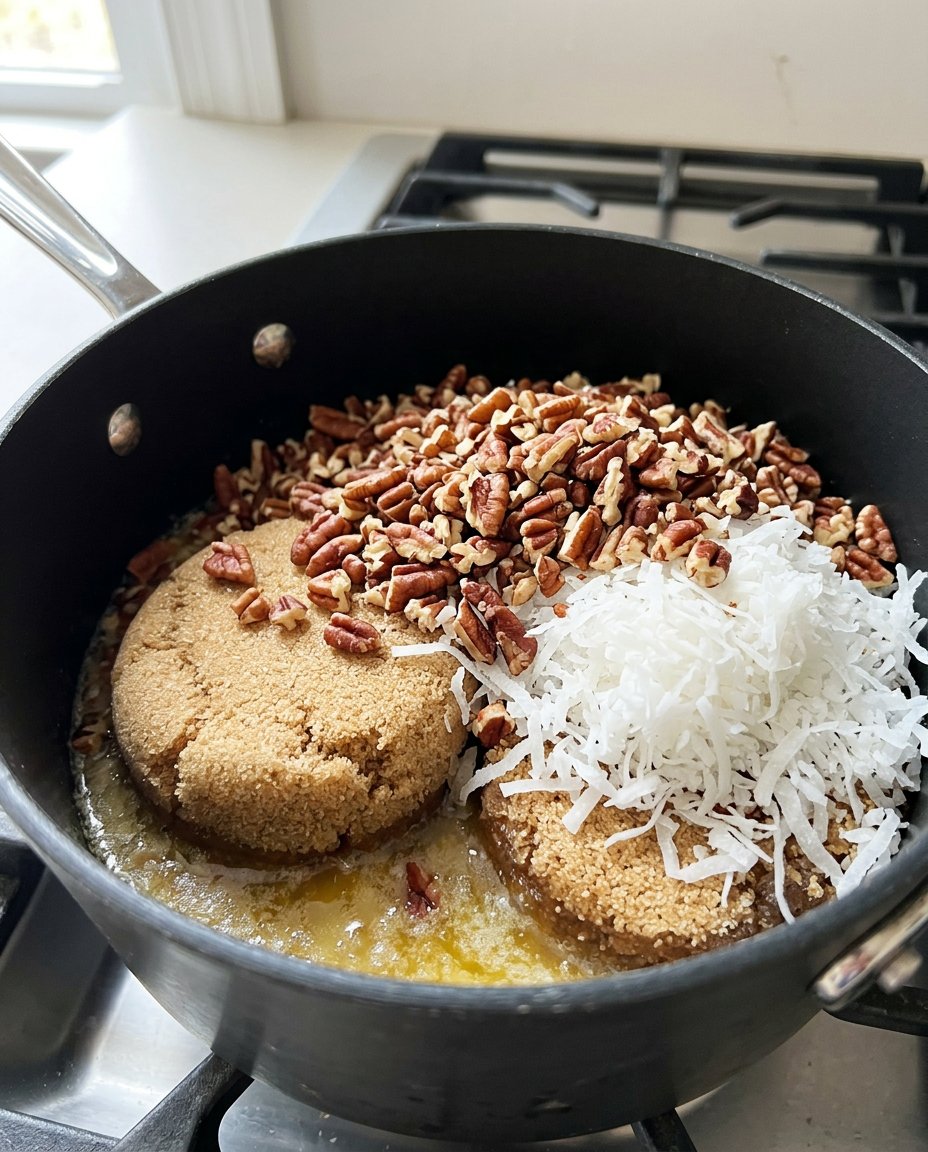
While the cake is in its final minutes of baking, prepare the topping. In a medium saucepan over low heat, melt the butter. Stir in the shredded coconut, finely chopped nuts, brown sugar, and evaporated milk. The evaporated milk is the secret to a professional finish.
Step 8: Combine the Topping Ingredients
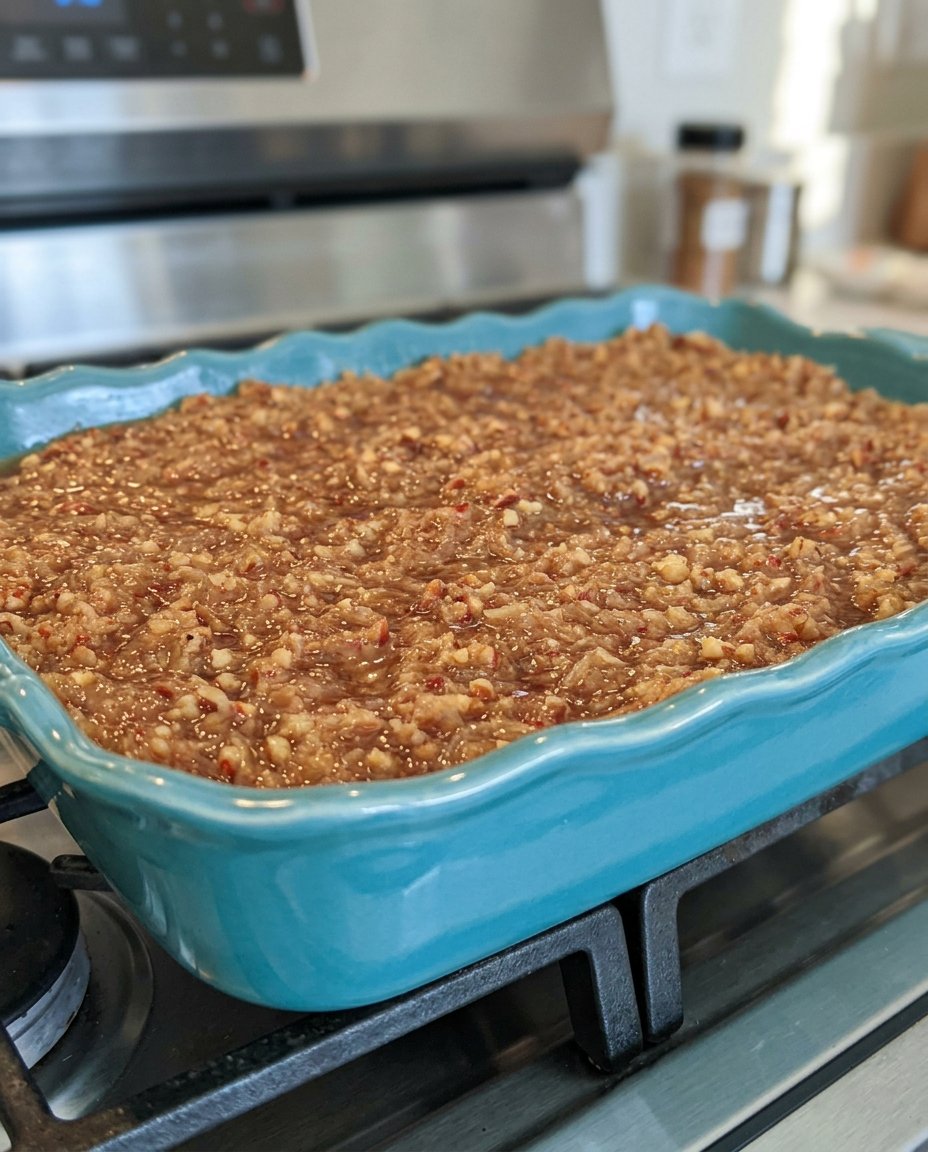
Mix the topping ingredients well until the sugar has dissolved and the mixture is uniform. It should be thick, glossy, and full of texture from the nuts and coconut.
Step 9: Frost the Warm Cake
As soon as you pull the cake out of the oven, spread the topping mixture evenly over the hot surface. It is important to do this while the cake is hot so that some of that sugary goodness seeps just slightly into the top layer of the crumb.
Step 10: The Golden Broil
Turn your oven to the broil setting. Place the cake back in, ideally on a middle or upper rack, and watch it very closely. This only takes a few minutes. You are looking for the coconut and nuts to turn a deep golden brown and for the topping to bubble. Do not walk away from the oven during this step, as it can go from perfect to burnt in a matter of seconds.
Secrets to a Perfect Southern Crumb
To get the absolute best results with your Oatmeal Cake, I recommend paying close attention to the temperature of your ingredients. Room temperature eggs and butter are not just a suggestion; they are a requirement for a smooth batter that traps air efficiently. If you find your cake is a bit dry, you might be over-measuring your flour—always spoon and level your measuring cups rather than dipping them directly into the bag.
Another pro move is to toast your nuts before adding them to the topping. This brings out the oils and adds a layer of flavor that raw nuts just can’t match. If you enjoy recipes with this level of texture and richness, you should check out our German Chocolate Cake which features a similar coconut-pecan frosting that folks just adore. Lastly, make sure your baking soda is fresh; if it’s been sitting in the pantry for more than six months, it might not provide the lift you need for a light, airy cake.
Personalizing Your Oatmeal Cake
While the classic version is hard to beat, there are several ways to put your own spin on this Southern staple. For a bit of extra warmth, you can add a tablespoon of bourbon to the topping mixture while it’s melting in the saucepan. The alcohol cooks off, leaving behind a rich, oaky flavor that complements the toasted oats beautifully. If you prefer a brighter profile, adding a teaspoon of orange zest to the batter can provide a lovely citrus note that cuts through the sweetness.
For those who love a bit of fruit in their bakes, folding half a cup of raisins or dried cranberries into the batter at the very end is a wonderful choice. These little pockets of sweetness work perfectly with the cinnamon and nutmeg. If you are looking for more inspiration for timeless desserts, you might enjoy looking through our collection of vintage cake recipes that have stood the test of time. You can also swap the pecans for walnuts or even macadamia nuts if you want a more buttery crunch in the topping.
How to Serve Your Masterpiece
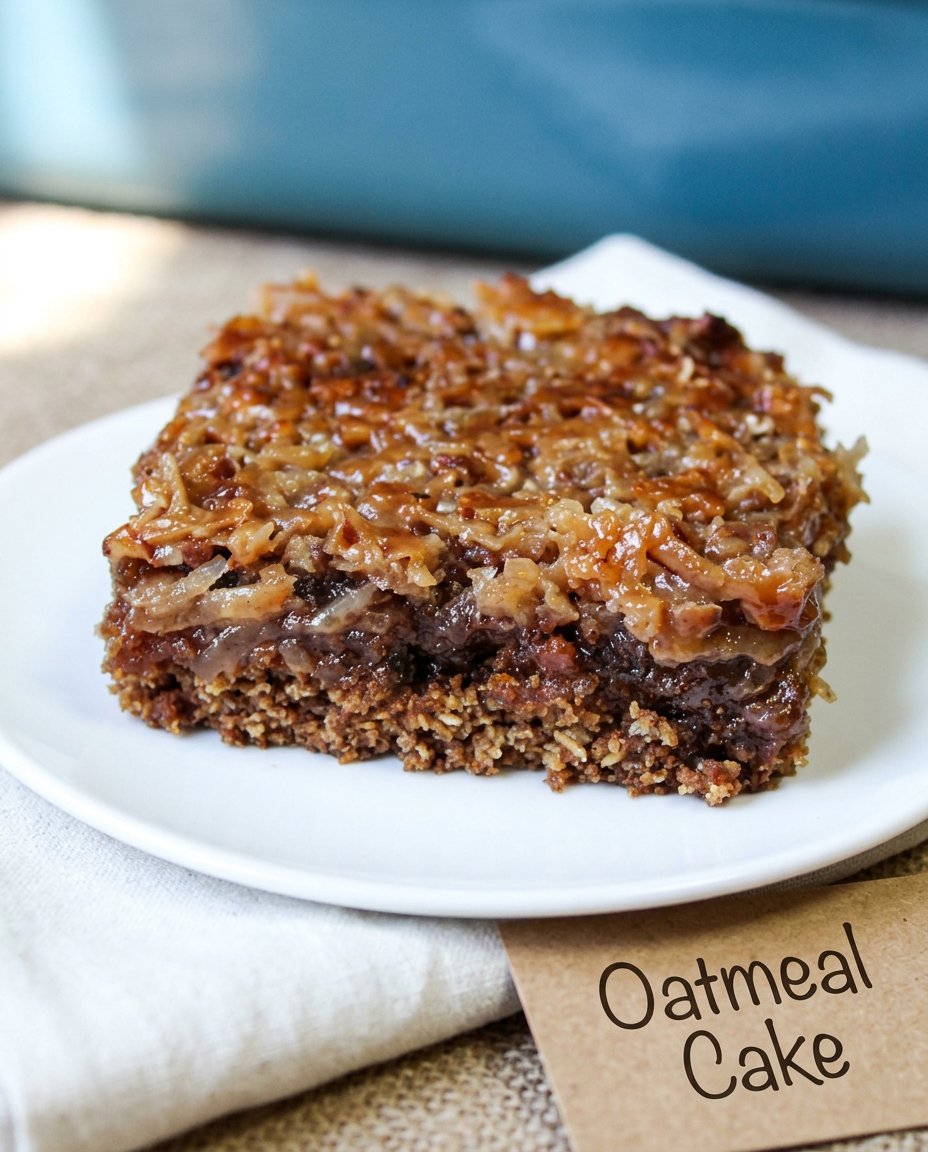
This Oatmeal Cake is best served slightly warm, which keeps the topping a bit soft and the crumb at its most tender. A thick slice goes perfectly with a tall glass of cold milk or a steaming cup of coffee. If you’re hosting a dinner party, a small scoop of vanilla bean ice cream on the side adds a lovely temperature contrast that guests will love.
For a true Southern experience, serve this alongside some sweet tea during an afternoon porch gathering. If you find yourself enjoying the combination of fruit and grains in your treats, you might also like our Blueberry Coffee Cake for your next brunch. This cake is quite rich, so smaller squares are often the way to go, allowing folks to come back for seconds if they have the room!
Bringing People Together with Every Slice
Baking this Oatmeal Cake is about more than just following a set of instructions; it’s about carrying on a tradition of comfort and care. The way the warm spices fill your home and the golden crust crackles under a fork is a reminder that the best things in life are often the simplest. This recipe has been a favorite in many Southern homes for generations, and I hope it becomes a treasured part of your family’s celebrations too. If you’re looking for another rustic classic to try next, don’t miss our Irish Apple Cake.
I’d love to see how your bake turned out! Please share your photos and stories with me on Pinterest, Instagram, or Facebook. There’s nothing that brings me more joy than seeing these recipes bring folks together. Keep baking, keep sharing, and remember that love is always the most important ingredient in any kitchen.