In the Cake Peak test kitchen, we often challenge the physics of traditional desserts to create new experiences. By fortifying a classic cheesecake batter with a precise ratio of flour and subjecting it to a rigorous double-cooling process, we transformed a standard plated dessert into these portable Push Pop Cakes. We tested the structural integrity at various temperatures and found that freezing the spherical portions is the critical variable for a smooth dipping process.

This recipe balances the characteristic tang of cream cheese with the structural stability required for a lollipop stick. The result is a dense, creamy interior shielded by a brittle snap of confectioners’ coating—a perfect study in textural contrast. While precise timing is required during the dipping phase, the method yields consistent, bakery-quality results.
The Physics of Portability
Unlike traditional air-leavened cakes, these Push Pop Cakes rely on the density of a cheesecake base to maintain their shape. We love this recipe because it solves the common issue of dry cake pops by using a naturally moist, fat-rich batter. The addition of sour cream introduces acidity that tenderizes the protein structure, resulting in a melt-in-your-mouth texture that remains stable at room temperature.
Furthermore, the versatility of the coating process allows for precise customization. Whether you use white confectioners’ coating or semi-sweet chocolate, the thermal shock of dipping a frozen center into warm coating creates an instant, glossy shell. It is a satisfying engineering feat that tastes as good as it looks.
Print
Push Pop Cakes
- Total Time: 5 hours 45 mins
- Yield: 24 pops
- Diet: Vegetarian
Description
These bite-sized cheesecake treats offer a sophisticated twist on the classic cake pop, featuring a dense, creamy interior and a crisp confectioners’ shell. Perfectly engineered for stability and portability, they make for an elegant and crowd-pleasing dessert at any gathering.
Ingredients
- 16 oz full-fat brick cream cheese, softened
- 1 cup granulated sugar
- 1/2 cup sour cream
- 2 tablespoons all-purpose flour
- 1 teaspoon vanilla extract
- 1/4 teaspoon salt
- 2 large eggs
- 12 oz confectioners’ coating
- 1/2 cup toasted coconut or mini chocolate chips
Instructions
- Preheat oven to 350°F (175°C) and grease a 9-inch springform pan.
- In a large bowl, beat the softened cream cheese and sugar for 2–3 minutes until smooth, then mix in the sour cream, flour, vanilla, and salt.
- Incorporate the eggs one at a time, beating well after each addition, then pour the batter into the prepared pan and bake for 50 minutes.
- Cool the cake on a wire rack for 1 hour before refrigerating for at least 3 hours or overnight to ensure it is firm enough to scoop.
- Portion the cold cheesecake into 1½-inch balls using a scoop, roll them smooth, insert a lollipop stick into each, and freeze for 30 minutes.
- Melt the coating in a deep vessel, dip each frozen pop to coat, immediately add toppings like coconut or chips, and let set on waxed paper.
Notes
To ensure a perfectly smooth finish, use a deep, narrow glass for melting your coating; this allows you to submerge the entire pop in one motion without using excessive chocolate. If you notice the cheesecake softening while you work, return the tray to the freezer for 10 minutes to maintain structural integrity.
- Prep Time: 25 mins
- Cook Time: 50 mins
- Category: Dessert
- Method: Baking
- Cuisine: American
Variable Control: Ingredients
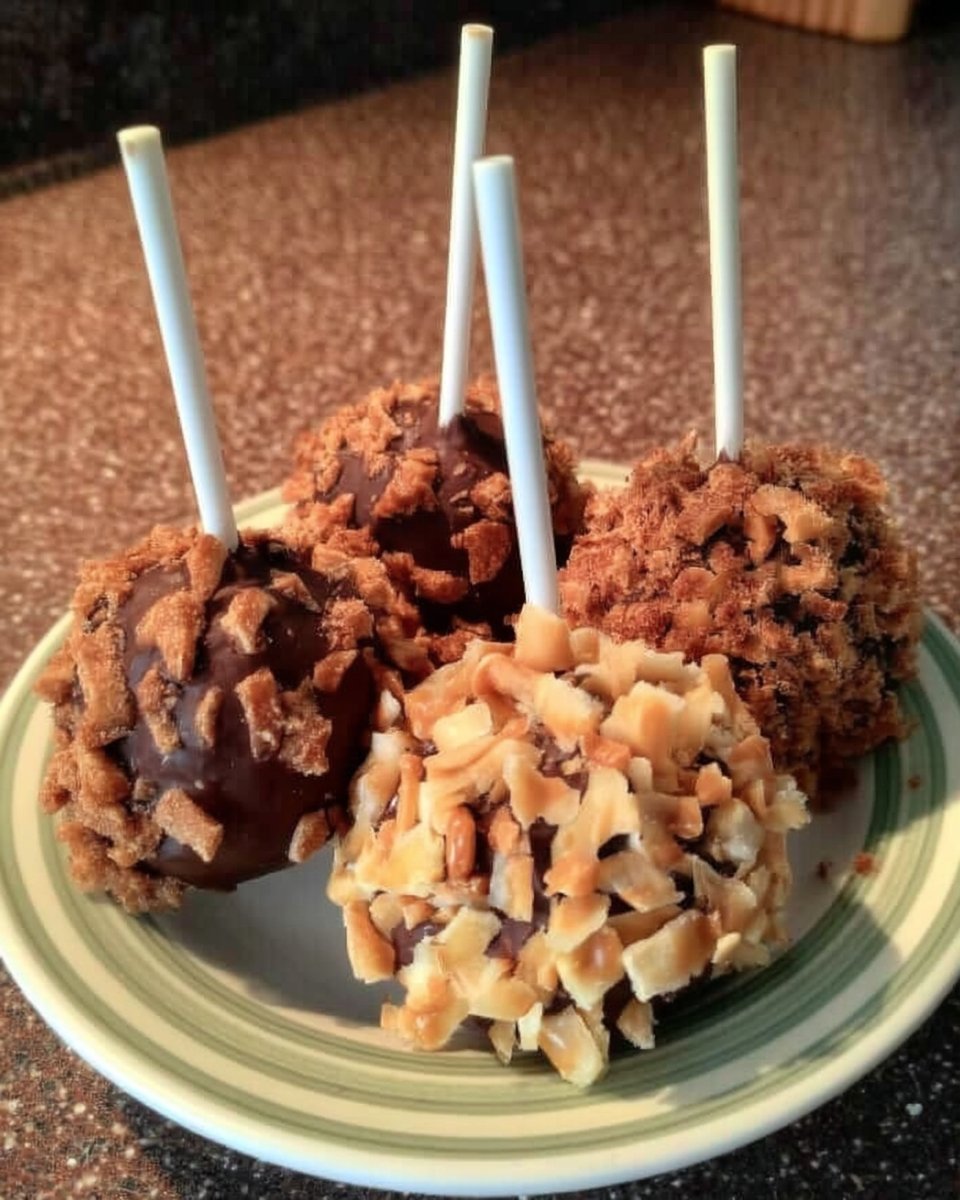
Achieving the correct emulsion is key to preventing a grainy texture. Here is the science behind what you will need:
- Cream Cheese: Use full-fat brick style, softened to exactly 65°F–70°F (18°C–21°C). This allows it to aerate properly with the sugar without leaving lumps.
- Sugar: Granulated sugar not only sweetens but also breaks up the cream cheese density, creating a smoother mouthfeel.
- Sour Cream: This adds moisture and acidity. The acid reacts with the proteins to prevent the cheesecake from becoming too rubbery during the bake.
- All-Purpose Flour: Unlike standard cheesecake, this recipe requires starch for structural binding. The flour acts as a scaffold, allowing the balls to hold their shape on the stick.
- Eggs: Added one at a time to maintain the emulsion. They provide structure and richness.
- Confectioners’ Coating: We prefer this over pure white chocolate for dipping because it has a higher melting point and sets harder at room temperature.
- Toasted Coconut & Mini Chips: For texture and aesthetic finish.
Method: Step-by-Step Protocols
Step 1: Create the Emulsion
Preheat your oven to 350°F (175°C). In a large mixing bowl, beat the softened cream cheese and sugar on medium speed for 2–3 minutes until the mixture is perfectly smooth. Scrape the bowl down thoroughly. Add the sour cream and mix until blended. Incorporate the flour, vanilla, and salt, mixing just until combined to avoid overworking the gluten.
Step 2: Incorporate Eggs and Bake
Add the eggs one at a time, beating well after each addition to re-establish the emulsion. Pour the batter into a greased 9-inch springform pan. Bake for 50 minutes. The visual cue for doneness is when the edges turn golden brown and the center is set but still slightly wobbly.
Step 3: Controlled Cooling
Cool the cake on a wire rack for exactly 1 hour. This resting period allows the structure to settle. Transfer the pan to the refrigerator for at least 3 hours (or overnight). Cold cheesecake is denser and easier to scoop.
Step 4: Forming the Spheres
Using a small cookie scoop, portion the cold cheesecake into rounds. Roll them quickly between your palms to form smooth 1½-inch balls. Place them on a cookie sheet lined with waxed paper. Insert a lollipop stick into the center of each ball. Freeze these units for 30 minutes; this thermal drop is essential for the coating to set quickly.
Step 5: The Dip and Set
Melt the confectioners’ coating in a deep, narrow vessel to minimize waste. Dip each frozen cheesecake pop into the coating, allowing excess to drip off. Immediately dip into toasted coconut or mini chocolate chips before the shell hardens. Place on waxed paper to fully set before refrigerating.
Lauren’s Lab Notes
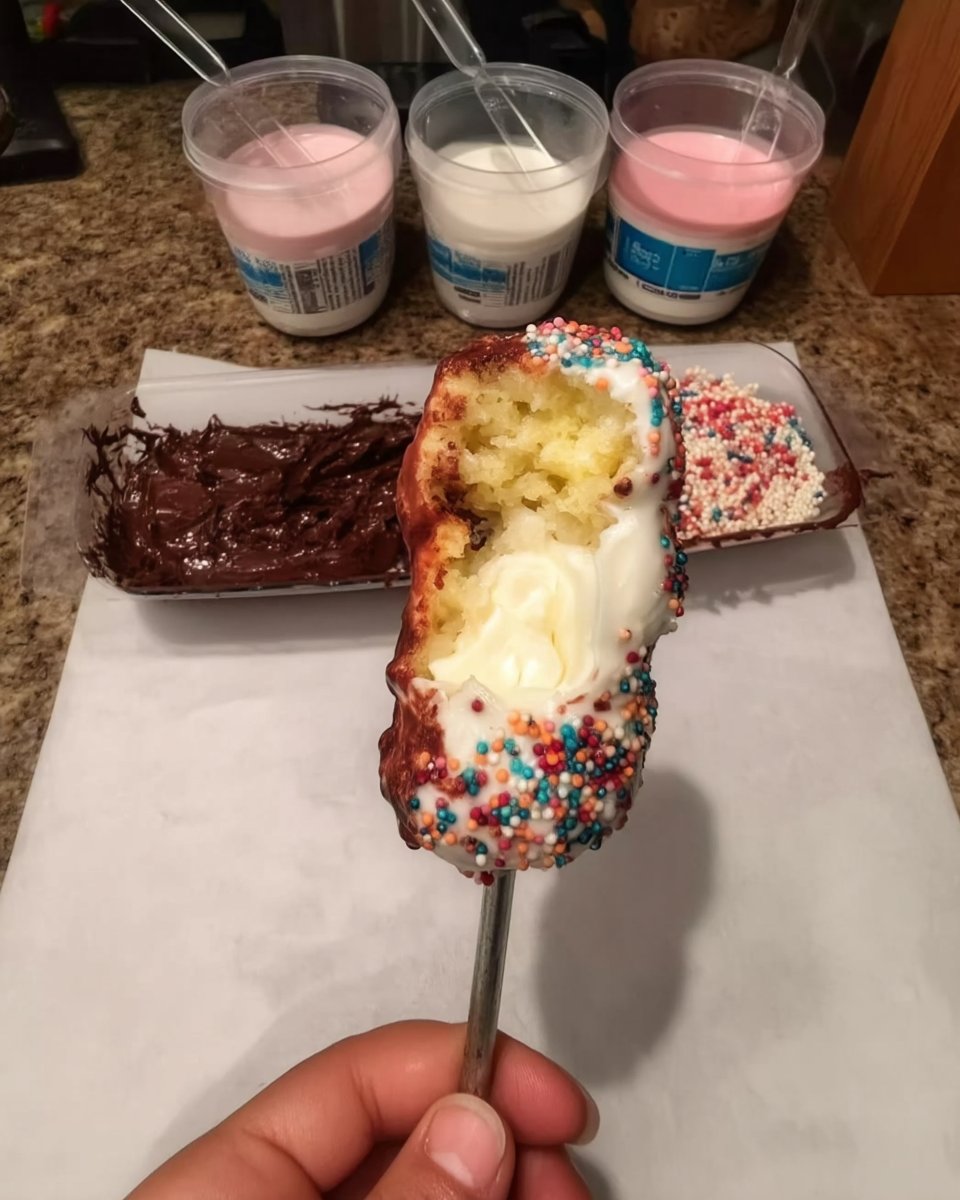
- Temperature Matters: If your coating cracks after dipping, the temperature difference between the frozen pop and the warm coating is too extreme. Let the frozen pops sit at room temperature for 2 minutes before dipping.
- Smooth Rolling: If the cheesecake mixture sticks to your hands during rolling, dust your palms lightly with powdered sugar or dampen them with cold water.
- Ingredient Prep: Review our guide on foundational recipes to understand why room temperature ingredients are non-negotiable for cheesecake batters. Cold ingredients will cause the fat in the cream cheese to resolidify, leading to a lumpy batter.
- Storage Data: These pops are best stored in the refrigerator due to the dairy content. They maintain peak freshness for up to 5 days.
Tested Variations
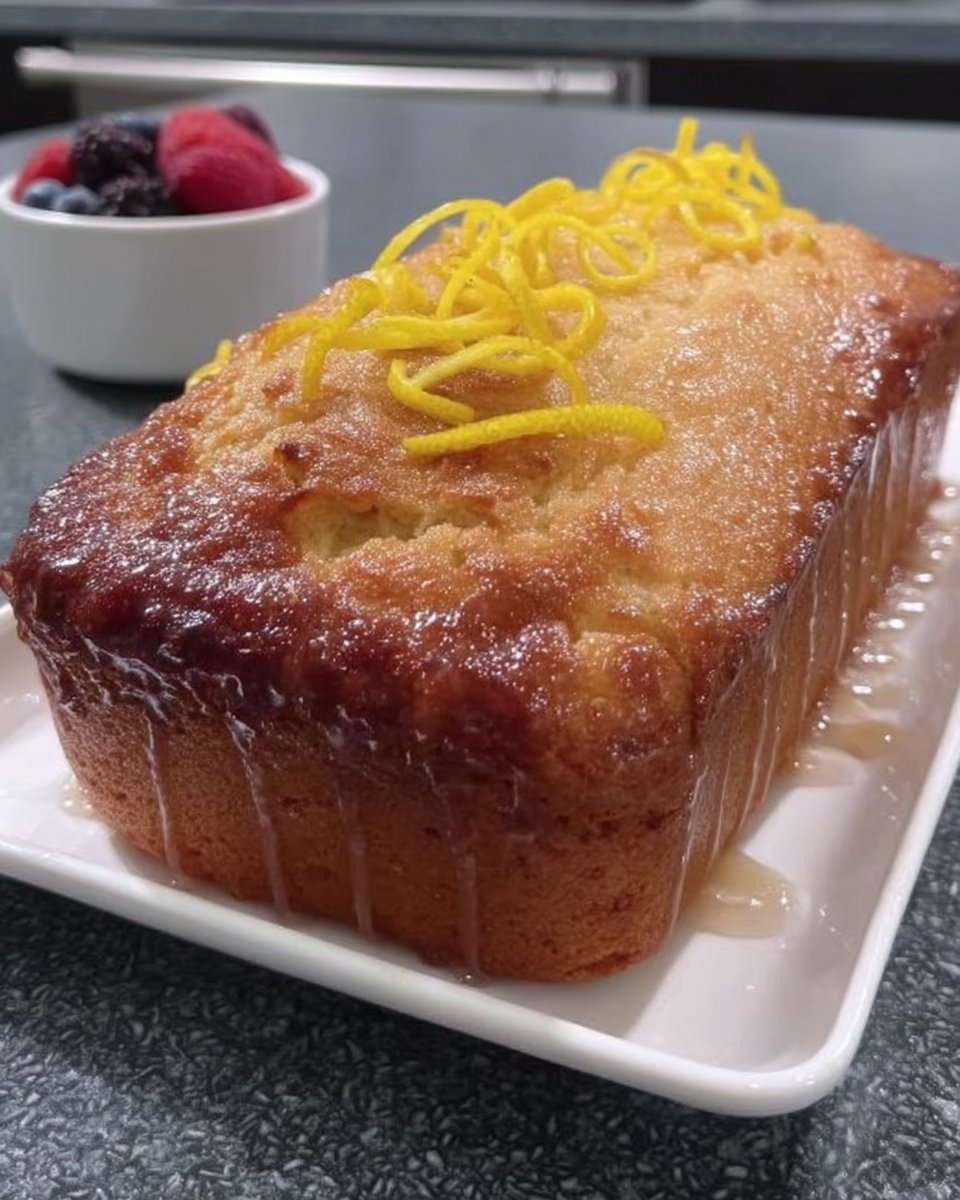
- Citrus Infusion: We tested adding 1 tablespoon of lemon zest to the batter. The oils in the zest cut through the richness effectively. For more citrus inspiration, look at the flavor profiles in our lemon rainbow cake.
- Chocolate Base: Substitute 2 tablespoons of the flour with cocoa powder for a mild chocolate cheesecake flavor.
- Crust Integration: Roll the finished balls in crushed graham cracker crumbs instead of coconut to mimic a traditional cheesecake profile.
- Stickless Truffles: Skip the stick entirely and serve these as elegant cheesecake truffles in mini paper cups.
Presentation Mechanics
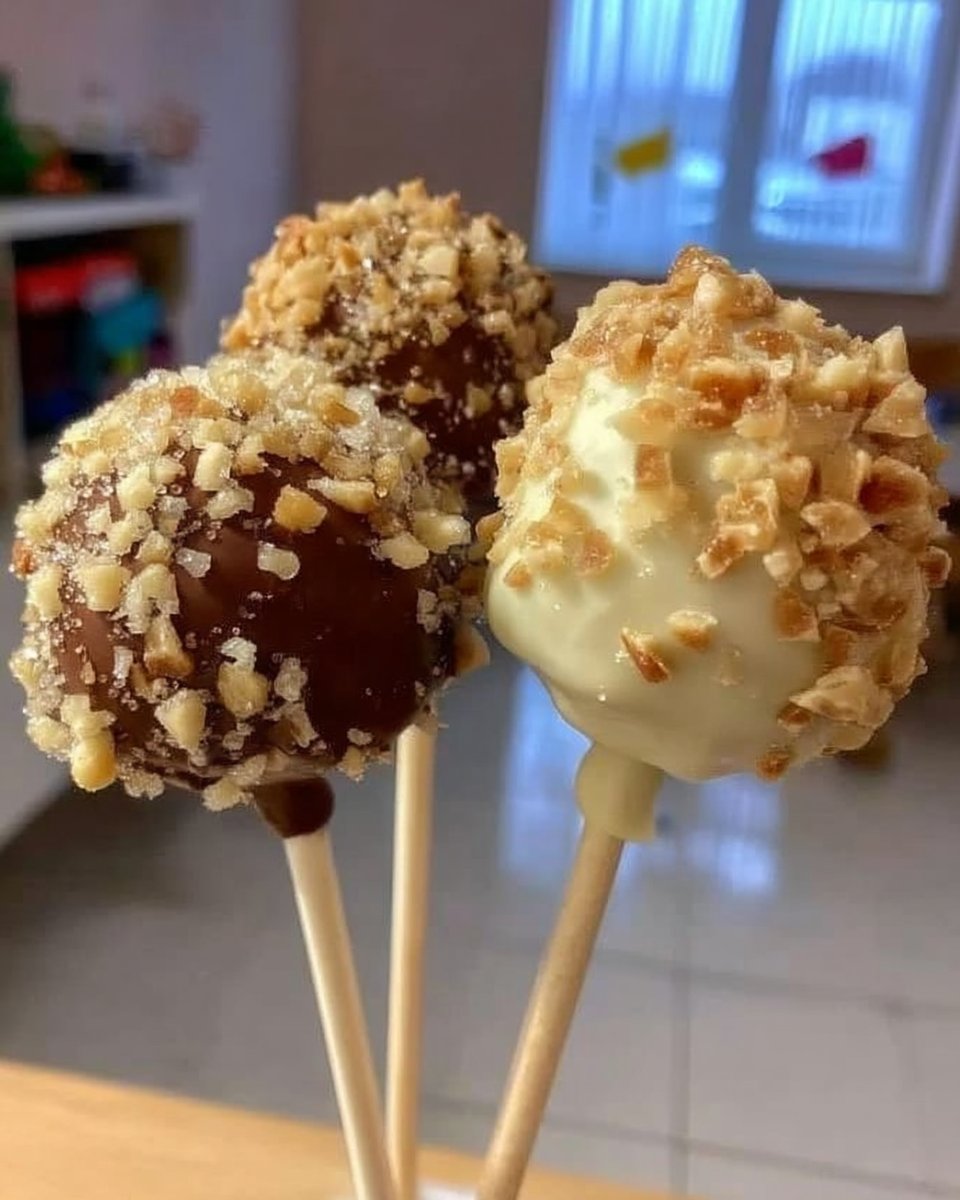
For a stable display, use a block of Styrofoam covered in wrapping paper or a dedicated cake pop stand. The vertical presentation is part of the appeal. Serve these chilled; if they sit out too long, the cheesecake interior will soften significantly. For a modern dessert table, pair these with other contemporary small format treats to offer guests a variety of textures.
Final Analysis
Mastering these Push Pop Cakes adds a valuable technique to your baking repertoire: the ability to transform a plated custard into a portable confection. The key lies in the precise chilling times and the temperature management of the coating. If you enjoy experimenting with small-scale desserts, you might also want to test our chocolate mug cake for another quick, single-serving option. For a different perspective on the “push pop” format using plastic containers, you can review the approach at Just a Mum’s blog.
Share your results with us on social media: