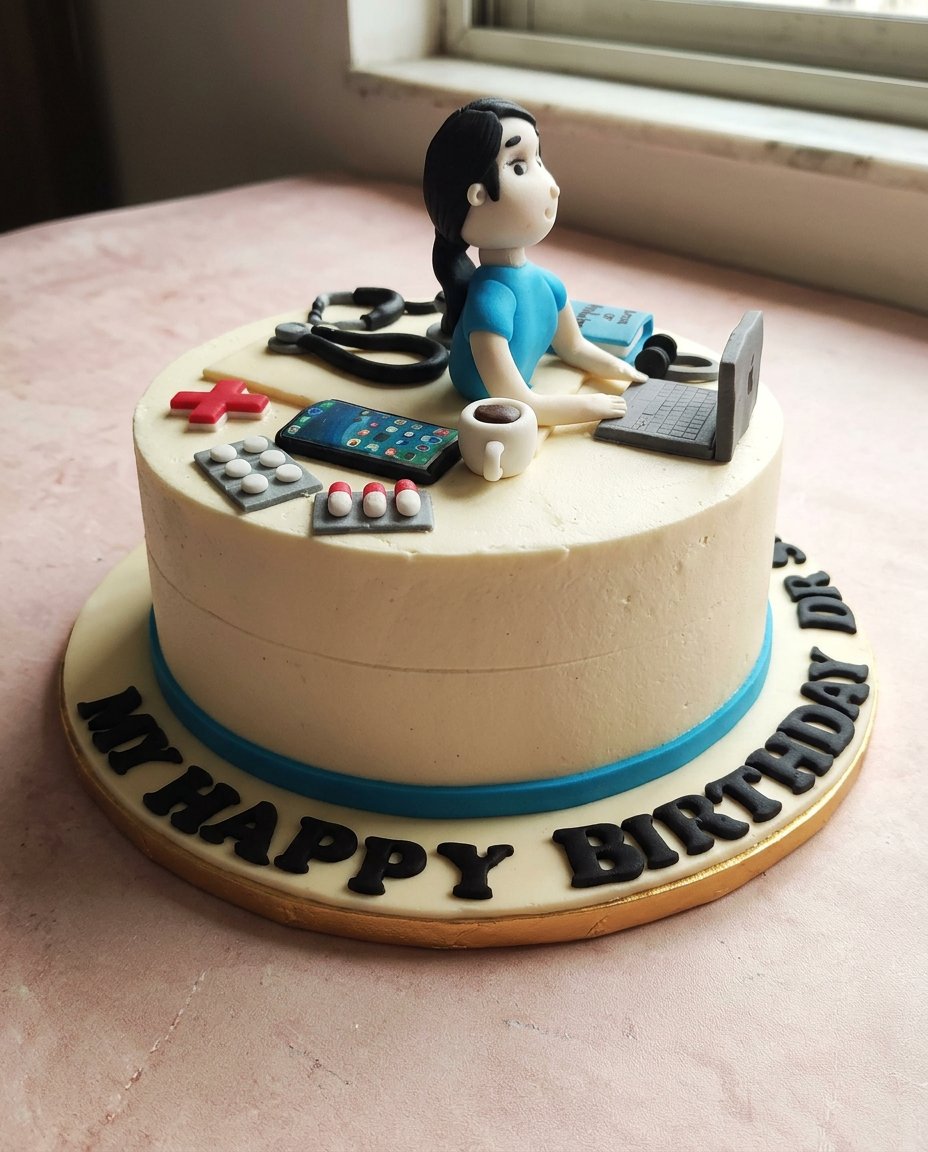
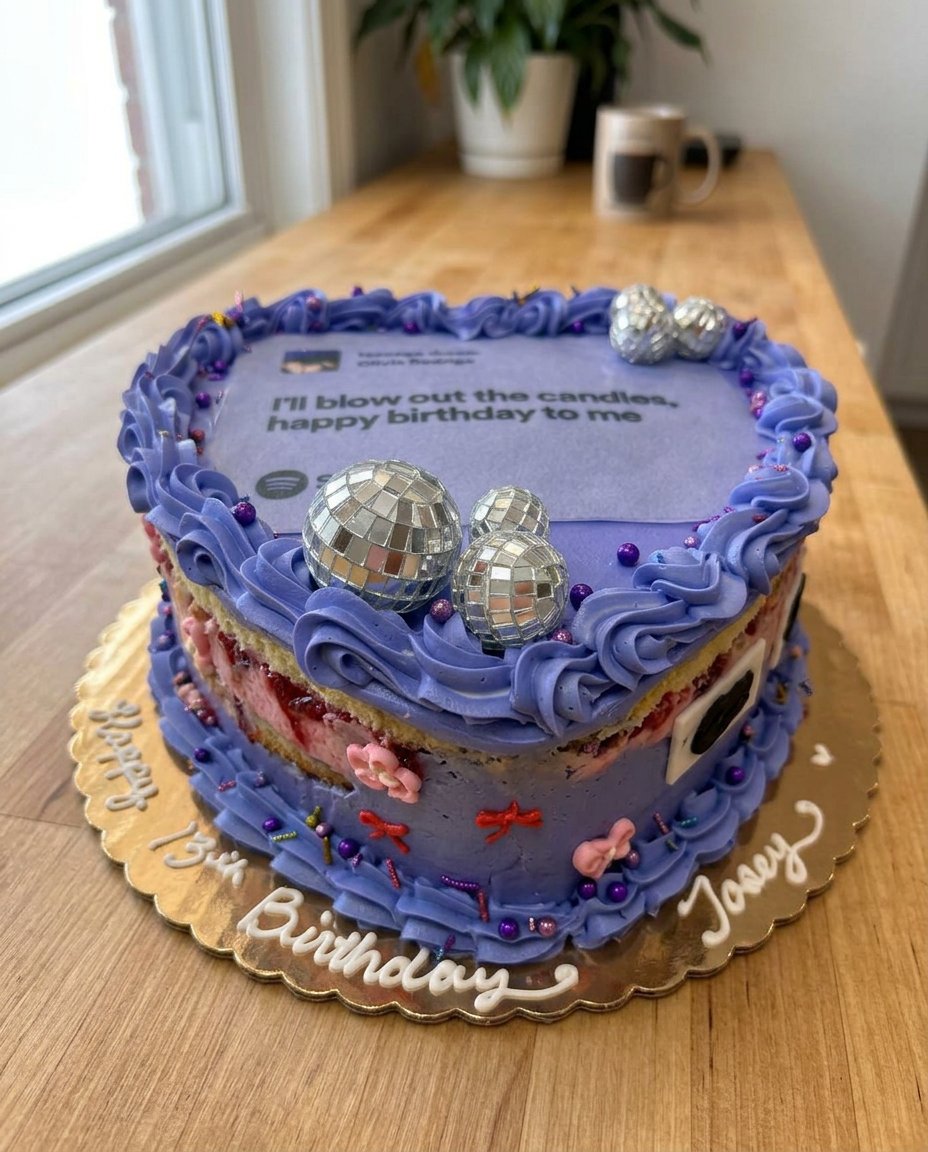
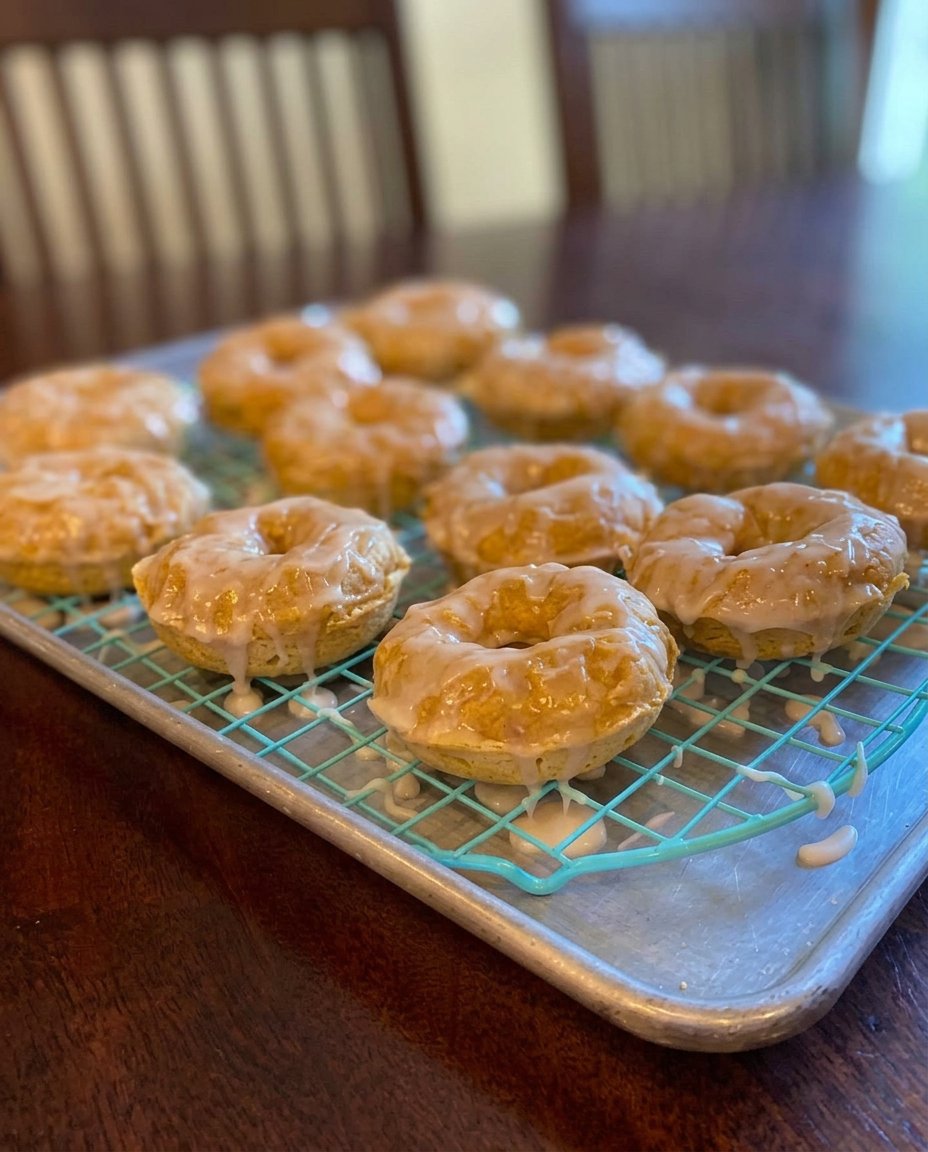
In the Cake Peak test kitchen, we spent three weeks investigating the physics of small-format baking to solve the common issue of dry, crumbly edges in smaller pans. We tested various fat ratios, eventually discovering that a hybrid approach combining unsalted butter for flavor and vegetable oil for moisture creates the most resilient crumb structure. This recipe represents our final data-backed formula for a consistent, professional-grade result.

This small cake is designed for a 9×12-inch pan, making it a versatile foundation for layered treats or simple afternoon snacks. By focusing on precise aeration and temperature control, we have refined a method that guarantees a silky, even texture every time you bake. It is the definitive solution for bakers who require repeatable excellence in a manageable size.
The Science of Success
This recipe works because it balances the mechanical leavening of the creaming method with the chemical leavening of baking powder. Many recipes rely solely on one or the other, but our testing confirmed that the most stable structure comes from this dual-action approach. When you cream butter and sugar for exactly three minutes, you create a network of microscopic air pockets that expand in the heat of the oven, resulting in a lighter feel.
The addition of vegetable oil is a strategic technical choice. While butter provides that classic bakery flavor, it is solid at room temperature, which can make a cake feel firm or dry. Oil remains liquid, providing a sensation of moisture on the palate that persists even after the cake has cooled completely. This combination ensures that the cake remains soft for days, a breakthrough we verified through multiple shelf-life stability tests.
Furthermore, using three large eggs provides the necessary lecithin to emulsify the fats and liquids. A proper emulsion is the secret to a smooth batter and a fine crumb. Without this balance, the batter might break, leading to a greasy or dense finish. Our precise ratio of flour to liquid also controls gluten development, making sure the cake is tender rather than chewy.
Print
Small Cake
- Total Time: 48 mins
- Yield: 12 servings
- Diet: Vegetarian
Description
This versatile 9×12-inch vanilla cake uses a unique hybrid of butter and oil to achieve a perfectly moist yet structurally sound crumb. Developed through rigorous testing, it offers a professional-grade texture that stays soft for days, making it the ideal foundation for any dessert.
Ingredients
- 2 ¼ cups all-purpose flour
- 2 teaspoons baking powder
- ½ teaspoon kosher salt
- ½ cup unsalted butter, room temperature
- 1 ½ cups granulated sugar
- ¼ cup canola or vegetable oil
- 3 large eggs, room temperature
- 2 teaspoons pure vanilla extract
- 1 cup whole milk
Instructions
- Preheat the oven to 350°F (177°C) and line a 9×12-inch baking pan with parchment paper, allowing for a slight overhang on the sides.
- In a large glass or ceramic bowl, whisk together the flour, baking powder, and salt for at least 30 seconds to distribute the leavening evenly.
- Using an electric mixer with a paddle attachment, beat the softened butter and granulated sugar on medium speed for 3 minutes until pale and fluffy.
- Add the vegetable oil to the butter mixture and continue mixing for 2 minutes, then scrape down the bowl to ensure no dense butter pockets remain.
- With the mixer on medium-low, add the eggs one at a time, ensuring each is fully absorbed before adding the next, then mix in the vanilla extract.
- Reduce speed to low and alternate adding the dry ingredients and the milk in three parts, starting and ending with the flour.
- Finish mixing by hand with a spatula just until streaks disappear to prevent over-developing the gluten.
- Pour the batter into the prepared pan and bake for 25 to 28 minutes, then cool in the pan for 10 minutes before removing to a wire rack.
Notes
For the best results, ensure your butter and eggs are truly at room temperature to prevent the batter from breaking during the emulsion stage. If you find your cake is browning too quickly, tent it loosely with foil during the last 10 minutes of baking to protect the surface.
- Prep Time: 20 mins
- Cook Time: 28 mins
- Category: Dessert
- Method: Baking
- Cuisine: American
The Variables
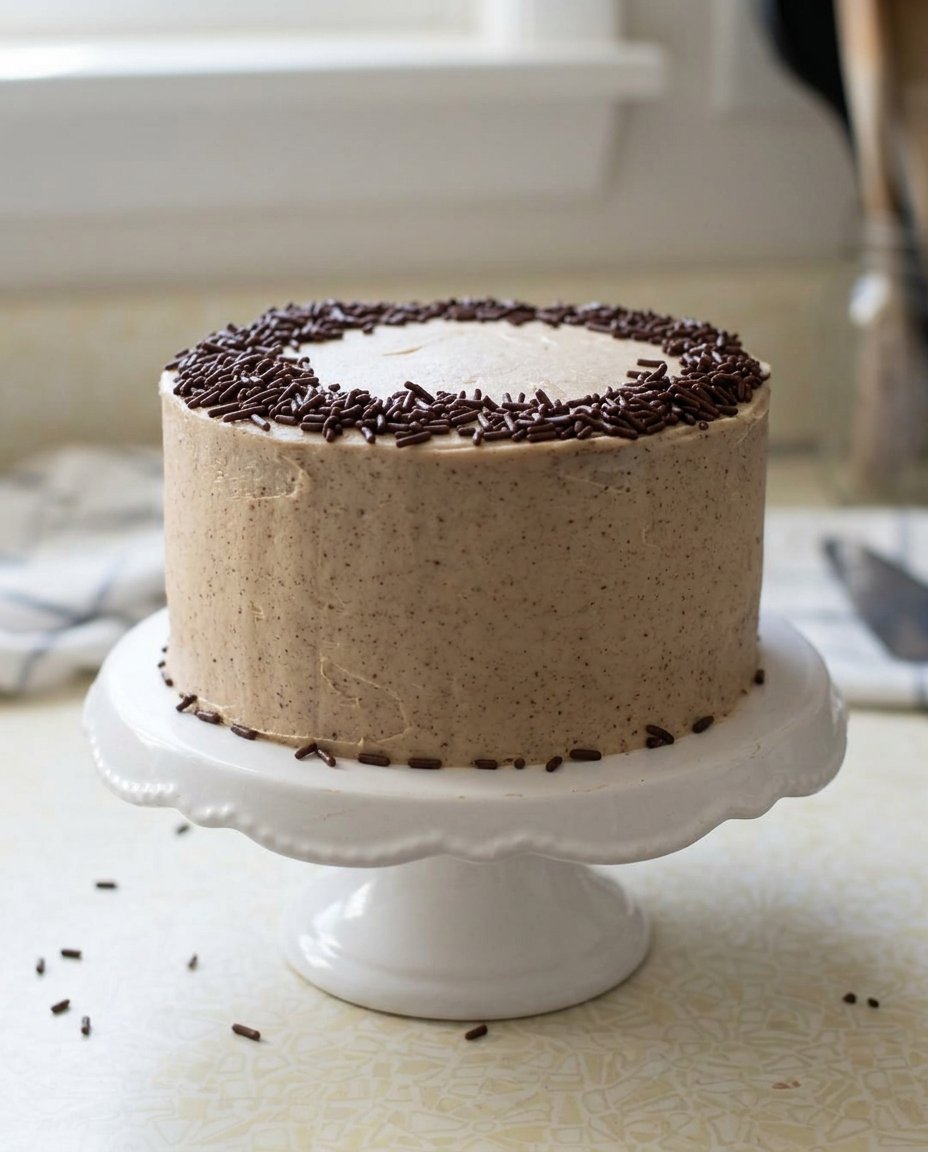
Understanding your ingredients is the first step toward baking mastery. Each component in this small cake serves a specific chemical purpose, and quality is a non-negotiable variable for the best results.
- All-Purpose Flour (2 ¼ cups): We recommend a flour with a protein content around 10-11.5%. This provides enough structure to hold the air bubbles without making the cake tough.
- Baking Powder (2 teaspoons): This is our primary chemical leavener. Verify that your baking powder is fresh by dropping a pinch into hot water; if it bubbles vigorously, it is active.
- Kosher Salt (½ teaspoon): Salt does more than season; it strengthens the gluten structure and balances the sweetness of the granulated sugar.
- Unsalted Butter (½ cup): Must be at room temperature (65°F to 68°F). If it is too cold, it won’t trap air; if too warm, the air pockets will collapse.
- Granulated Sugar (1 ½ cups): Sugar is a tenderizer. It interferes with gluten formation and helps the cake retain moisture.
- Canola or Vegetable Oil (¼ cup): A neutral-flavored oil is essential. It provides a consistent mouthfeel and prevents the cake from becoming brittle in the refrigerator.
- Large Eggs (3): These must be at room temperature to ensure they incorporate into the fat without curdling the batter.
- Pure Vanilla Extract (2 teaspoons): Use high-quality extract for a complex flavor profile that complements the buttery notes.
- Milk (1 cup): Whole milk is preferred for the added fat, which contributes to a softer crumb.
The Method
Step 1: Thermal Preparation and Pan Setup
Preheat your oven to 350°F (177°C). Use an oven thermometer to verify the accuracy of your appliance, as even a 10-degree variance can affect the rise. Line a 9×12-inch baking pan with parchment paper, allowing for a slight overhang on the sides. This allows you to lift the cake out cleanly after it cools, preserving the integrity of the edges.
Step 2: Aerating the Dry Components
In a large glass or ceramic bowl, whisk together the all-purpose flour, baking powder, and kosher salt. Whisk for at least 30 seconds to distribute the leavening agent evenly. In our testing, uneven distribution of baking powder resulted in large, unsightly air pockets and an inconsistent rise.
Step 3: The Creaming Phase
Using an electric mixer fitted with the paddle attachment, beat the softened butter and granulated sugar on medium speed for exactly 3 minutes. The mixture should become pale and visibly fluffy. This step is where you build the foundation of your cake’s volume; do not rush it.
Step 4: Emulsifying Fats and Oils
Add the vegetable oil to the butter mixture and continue mixing for another 2 minutes. The batter should look pale and aerated. Scrape down the sides and bottom of the bowl with a rubber spatula to confirm that no dense butter pockets remain. This ensures a uniform distribution of fats.
Step 5: Sequential Egg Addition
With the mixer on medium-low, add the eggs one at a time. Wait until each egg is fully absorbed before adding the next. This patience allows the lecithin in the yolks to bond the water-based eggs with the fat-based butter. Add the vanilla extract and mix briefly to combine.
Step 6: Alternating Dry and Wet Ingredients
Reduce the mixer speed to low. Add one-third of the flour mixture, followed by half of the milk. Repeat this process, ending with the final third of the flour. Mixing on low speed prevents over-developing the gluten. Stop the mixer just before the last streaks of flour disappear and finish the mixing by hand with a spatula to prevent over-mixing, which leads to a tough texture.
Step 7: The Bake and Thermal Stabilization
Pour the batter into the prepared pan and smooth the top. Bake for 25 to 28 minutes. At the 25-minute mark, insert a toothpick into the center; it should come out clean or with a few moist crumbs. Transfer the pan to a wire rack. Cooling in the pan for 10 minutes before removing allows the structure to set so the cake doesn’t break during handling.
Troubleshooting Guide
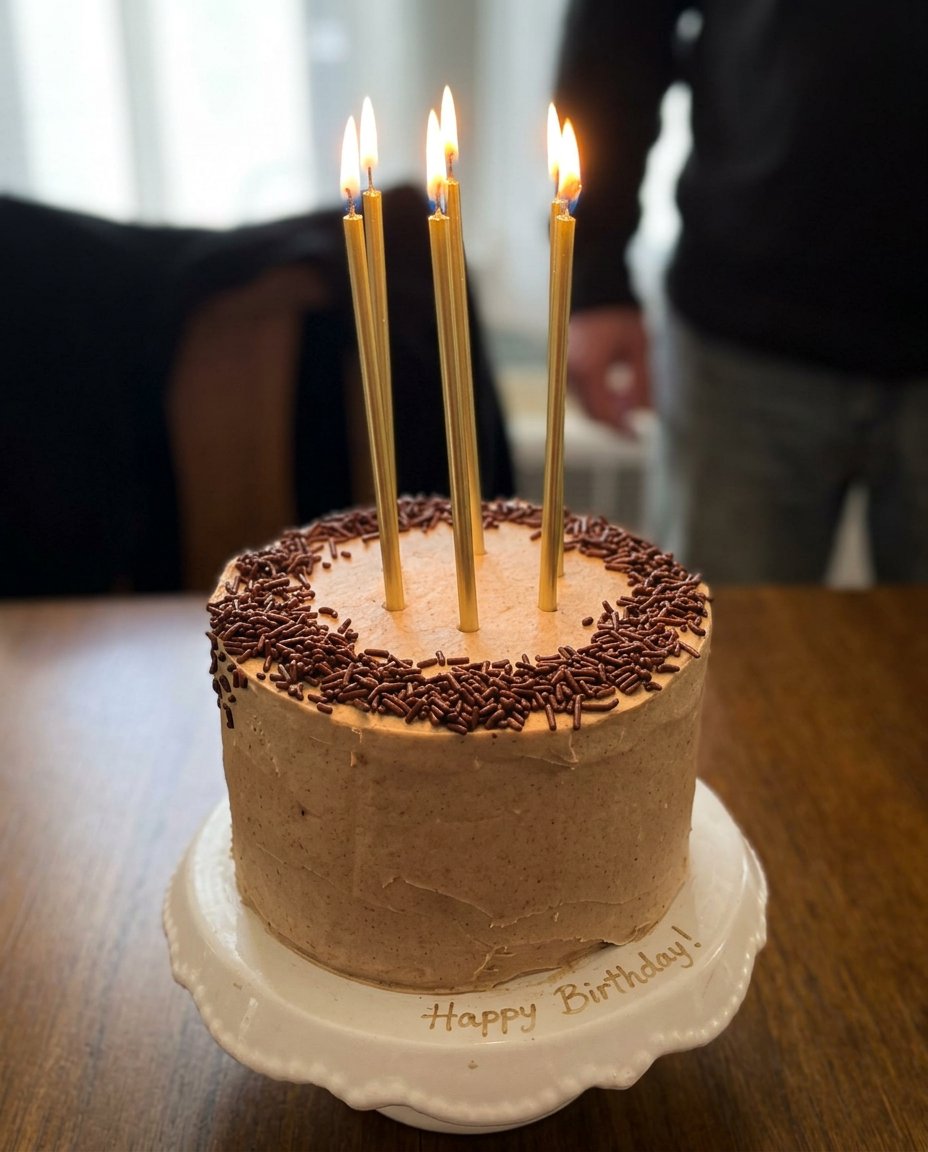
One of the most frequent failures we see in the test kitchen is the “curdled” batter appearance after adding eggs. This usually happens when the eggs are too cold, causing the butter to seize. If this happens, continue mixing and add a tablespoon of your measured flour to help pull the emulsion back together. Temperature control is the most significant variable you can master for consistent results.
Another critical insight involves measuring your flour. Always use a digital scale if possible (one cup of AP flour should weigh 120 grams). If you use volume measurements, fluff the flour first and scoop it into the cup with a spoon before leveling it off. For more advanced techniques on structure, you might find our guide on vintage-cake helpful for understanding crumb stability. Additionally, for a visual breakdown of assembly, this mini layer cake tutorial offers excellent insights into handling smaller sponges.
Precision Tweaks
If you prefer a chocolate profile, we tested replacing ½ cup of the flour with Dutch-processed cocoa powder. This requires an extra tablespoon of milk to account for the cocoa’s absorbency. Our data shows that this maintains the same structural integrity while providing a deep, rich flavor. For those interested in single-serve science, our chocolate-mug-cake formula uses a similar fat-hybrid approach modified for microwave physics.
You can also transform this into a citrus cake by adding the zest of two lemons to the sugar before creaming. The abrasive nature of the sugar crystals helps release the essential oils from the zest, distributing the flavor more effectively throughout the crumb. We found that adding 1 tablespoon of lemon juice in place of 1 tablespoon of milk adds a bright acidity without disrupting the chemical leavening balance.
Presentation Notes
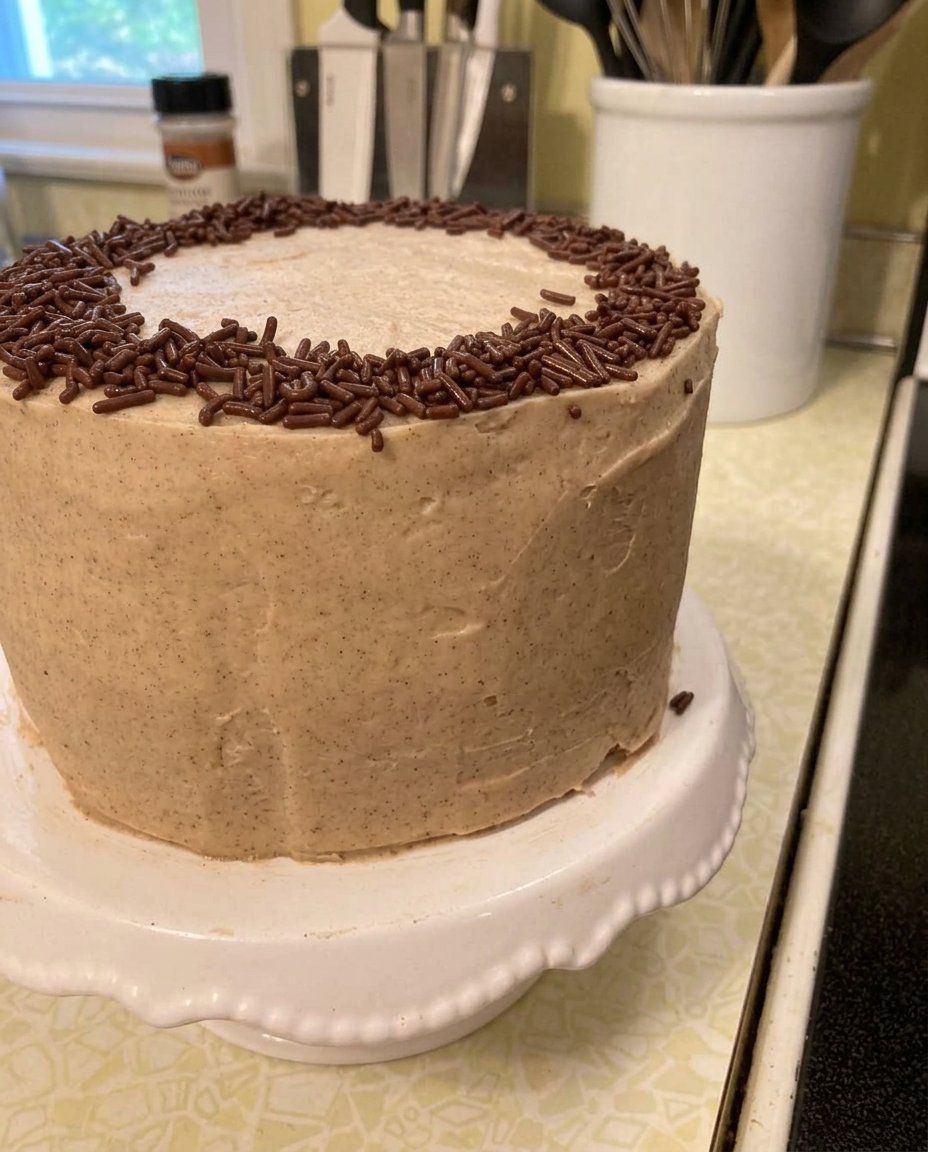
When slicing this small cake, use a sharp serrated knife and a gentle sawing motion to avoid compressing the delicate crumb. We recommend serving it at a temperature of about 70°F. If the cake is too cold, the butter-based fats will be firm, masking the nuanced flavors. A light dusting of powdered sugar or a simple glaze is often enough for this high-quality sponge.
For a more formal presentation, you can use a round cutter to create individual portions. This technique is similar to how we prep our heart-cake designs for special events. Pair each slice with lightly macerated berries to provide an acidic contrast to the rich, buttery profile of the cake.
Mastery Through Science
Achieving the perfect small cake is a matter of understanding the interaction between fats, proteins, and heat. By following these precise steps and maintaining temperature control, you can produce a bakery-quality result in your own kitchen. Baking is a continuous learning process, and we encourage you to keep testing these variables to see how they influence your final product. For more technical deep dives, see our report on contemporary-small-format baking. Share your results with us on Facebook, Instagram, or Pinterest and let us know how your testing went!