In the Cake Peak test kitchen, we spent three weeks perfecting the structural integrity of this tiered masterpiece. We found that a combination of sour cream and cake flour provides the ideal crumb strength to support multiple layers of lemon curd and raspberry jam. The result is a consistent, reliable base that withstands the weight of intricate buttercream floral work without compression.

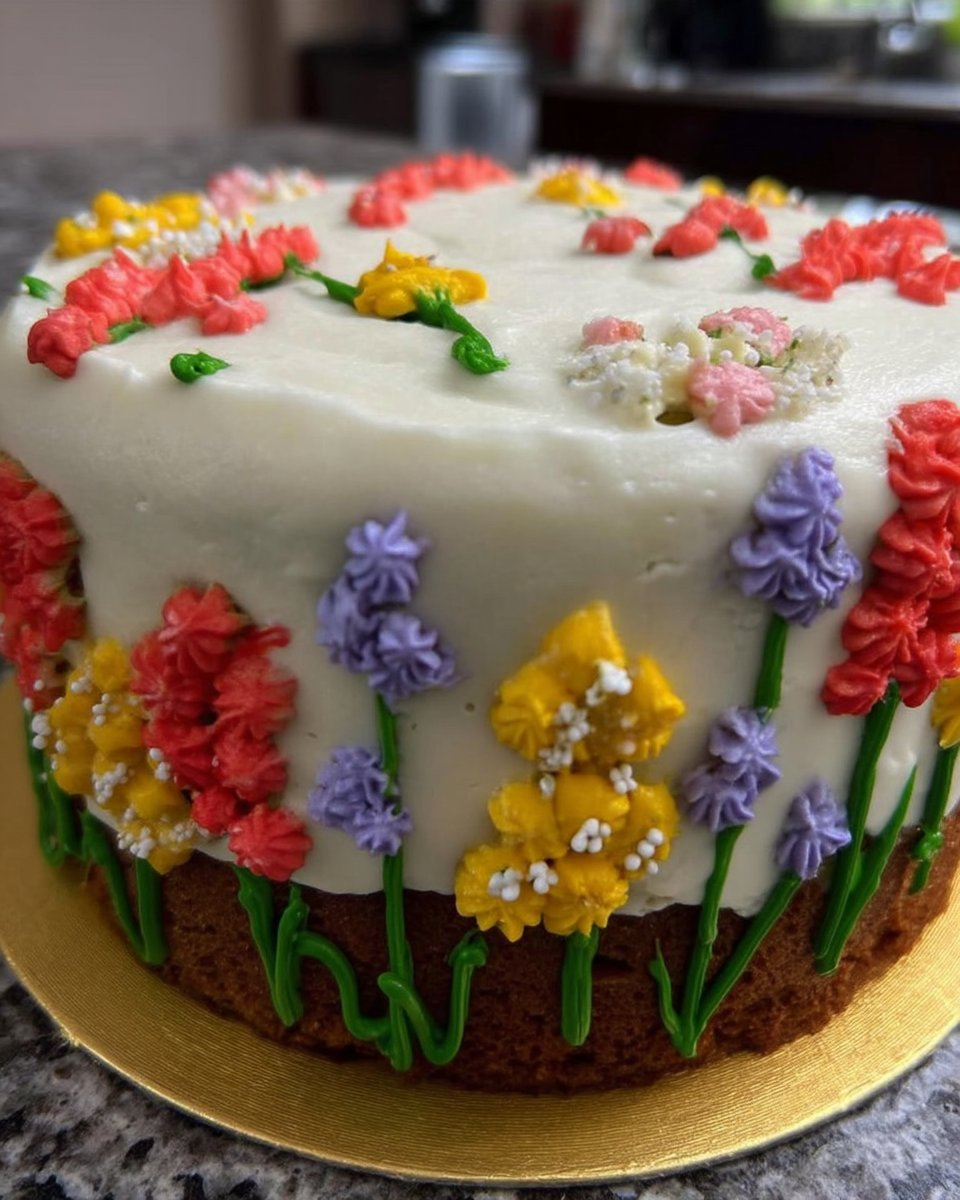
This Spring Cake features a moist vanilla bean sponge layered with tart citrus and bright berry components. It is finished with a unique birch-bark texture and a vibrant garden of Russian piping tip flowers. By following our precise temperature guidelines, you can achieve a professional-level finish that is as stable as it is visually striking.
Peak Performance and Flavor Chemistry
This recipe is a triumph of baking engineering because it balances flavor with mechanical stability. We specifically chose a reverse-creaming-adjacent method to minimize gluten development, guaranteeing a tender bite that still holds its shape during assembly. The interplay between the acidic lemon curd and the sweet, dense raspberry jam creates a complex flavor profile that isn’t overwhelming. You will appreciate how the buttercream remains stable even in warmer spring temperatures thanks to the specific ratio of fat to sugar we’ve validated through multiple test batches. This cake isn’t just a dessert; it is a breakthrough in texture and reliability.
Print
Spring Cake
- Total Time: 2 hours 25 mins
- Yield: 12 servings
Description
This structurally sound tiered cake features a delicate vanilla sponge fortified with sour cream and cake flour. Layered with bright lemon curd and stiff raspberry jam, it is finished with a stunning birch-bark buttercream texture and hand-piped floral decorations.
Ingredients
- 12 oz cake flour
- 8 oz full-fat sour cream
- 9 oz unsalted butter, softened to 65°F (for cake)
- 8 fl oz pasteurized liquid egg whites
- Granulated sugar
- Baking powder
- Baking soda
- Salt
- Vanilla extract
- Unsalted butter, room temperature (for buttercream)
- Powdered sugar
- Lemon curd
- Stiff raspberry jam
Instructions
- Preheat the oven to 350°F (177°C) and line three 6-inch cake pans with parchment rounds and non-stick spray.
- Combine the granulated sugar, cake flour, baking powder, baking soda, and salt in a stand mixer and mix on low for 60 seconds.
- Add the 9 ounces of butter and the majority of the sour cream to the dry ingredients, mixing on medium for 90 seconds to coat the flour in fat.
- Whisk the egg whites, remaining sour cream, and vanilla together, then add to the mixer in three separate batches, mixing well after each addition.
- Divide the batter between the prepared pans and bake for 35-40 minutes until the internal temperature reaches 210°F.
- Prepare the buttercream by mixing egg whites, powdered sugar, and salt for 5 minutes, then gradually beat in the room-temperature butter for 10 minutes.
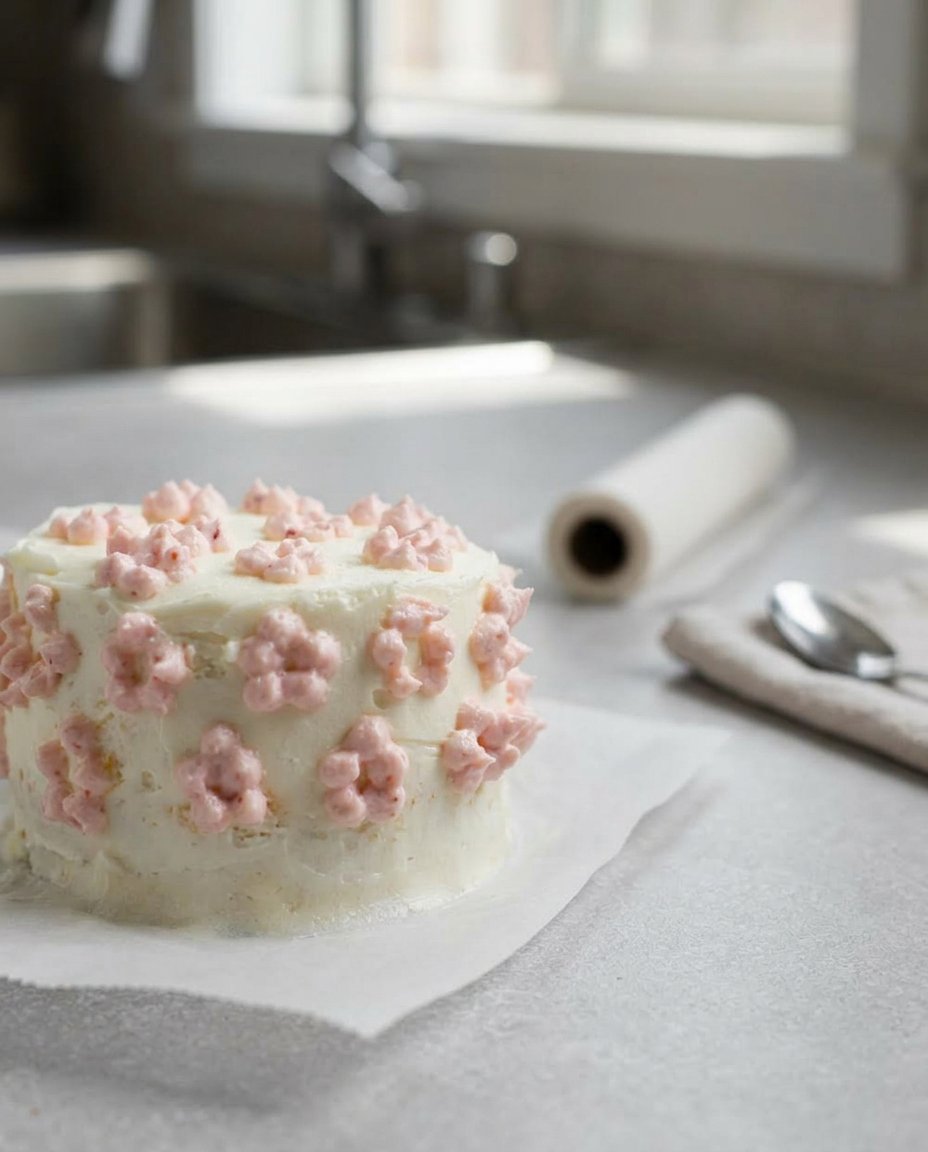
- Pipe floral shapes onto wax paper using Russian tips and refrigerate for 60 minutes until firm.
- Assemble the cake by piping buttercream dams to hold the lemon curd and jam, then apply the birch-bark finish and chilled flowers.
Notes
For the best results, ensure your butter is exactly 65°F; this specific temperature allows for the perfect emulsion that supports the heavy fruit fillings. If your buttercream appears to break while adding the butter, simply continue beating at medium speed and the mixture will eventually smooth out into a stable frosting.
- Prep Time: 45 mins
- Cook Time: 40 mins
- Category: Dessert
- Method: Baking
- Cuisine: American
The Variables: Ingredient Science
Success starts with understanding the chemical role of each component in your mixing bowl. Every ingredient was selected for its specific contribution to the cake’s final structure and palate profile.
- Cake Flour (12 oz): With a lower protein content (around 7-8%), cake flour makes certain the crumb remains soft and delicate rather than chewy. This prevents the tiers from becoming too tough when chilled.
- Sour Cream (8 oz): This adds acidity to activate the baking soda and fat to tenderize the crumb. We tested full-fat versus low-fat; full-fat is mandatory for the required structural lipids.
- Unsalted Butter (9 oz): At 65°F (18°C), butter is pliable enough to incorporate air but firm enough to maintain the emulsion during the mixing process.
- Pasteurized Liquid Egg Whites (8 fl oz): Using liquid whites in the buttercream provides safety and consistency without the variable of yolk contamination which can destabilize meringue.
- Lemon Curd and Stiff Raspberry Jam: These provide the essential flavor contrast. Using a high-pectin jam is critical so the filling does not migrate out of the cake layers under the weight of the upper tiers.
The Precise Multi-Stage Method
Step 1: Prep Your Foundations
Preheat the oven to 350°F (177°C). Line three 6-inch cake pans with parchment rounds and spray the sides. This technique guarantees a clean release and prevents the delicate outer crust from tearing.
Step 2: Combine Dry Ingredients
Combine the sugar, cake flour, baking powder, baking soda, and salt in the bowl of a stand mixer. Mix on low speed for exactly 60 seconds. This step aerates the flour and distributes the chemical leaveners evenly throughout the mixture.
Step 3: Emulsify the Fats
Add the butter and the majority of the sour cream (saving a small portion for the egg mixture). Mix on low until moistened, then increase to medium for 90 seconds. This coats the flour particles in fat, which inhibits gluten formation once the eggs are introduced.
Step 4: Incorporate the Liquid Phase
Whisk the eggs, the remaining sour cream, and vanilla extract. Add this to the mixer in three distinct batches, mixing for 20-30 seconds after each. This slow addition maintains the emulsion and creates a smooth, aerated batter.
Step 5: The Bake Cycle
Divide the batter equally between the pans. Bake at 350°F for 35-40 minutes. The cakes are ready when the internal temperature reaches 210°F (99°C) on an instant-read thermometer. Cool on a wire rack for 10 minutes before de-panning.
Step 6: Construct the Buttercream
Mix egg whites, powdered sugar, and salt on medium speed for 5 minutes. Gradually add room-temperature butter and beat for another 10 minutes. The frosting should double in volume and become exceptionally light as the fat crystals trap air.
Step 7: Form the Floral Array
Tint portions of frosting and use Russian piping tips to create flowers on a baking sheet lined with wax paper. Refrigerate for exactly 60 minutes. This cold-set technique allows you to handle the flowers manually without damaging the petals.
Step 8: Final Assembly and Tiering
Stack the layers, piping a buttercream dam around the edges before filling with lemon curd and jam. Insert dowels for support, then apply the birch-bark texture with an offset spatula. Press the chilled flowers onto the fresh frosting to complete the garden effect.
Lauren’s Lab Notes and Troubleshooting
Temperature control is the most frequent point of failure in tiered cake construction. If your butter is too warm (above 72°F), the cake will have large, uneven air pockets and a greasy mouthfeel. If your buttercream appears curdled while adding butter, do not panic; continue beating on medium speed, and the emulsion will eventually stabilize as the fats and proteins bond. For those looking to master the handling of fruit-heavy components, our guide on fresh fruit baking provides data on how to manage moisture levels in fillings.
Tested Variations and Precision Tweaks
During our testing phase, we experimented with several flavor profiles to verify the recipe’s versatility. You can replace the lemon curd with a tart lime curd or even a grapefruit reduction for a sharper citrus edge. If you prefer a more vibrant interior, the technique used in our lemon rainbow cake can be applied here by tinting the batter layers before baking. We also found that adding 2 ounces of finely grated white chocolate to the batter (melted and cooled) creates a denser, more pound-cake-like texture if you require even more structural support for higher tiers.
Presentation Notes and Pairing Science
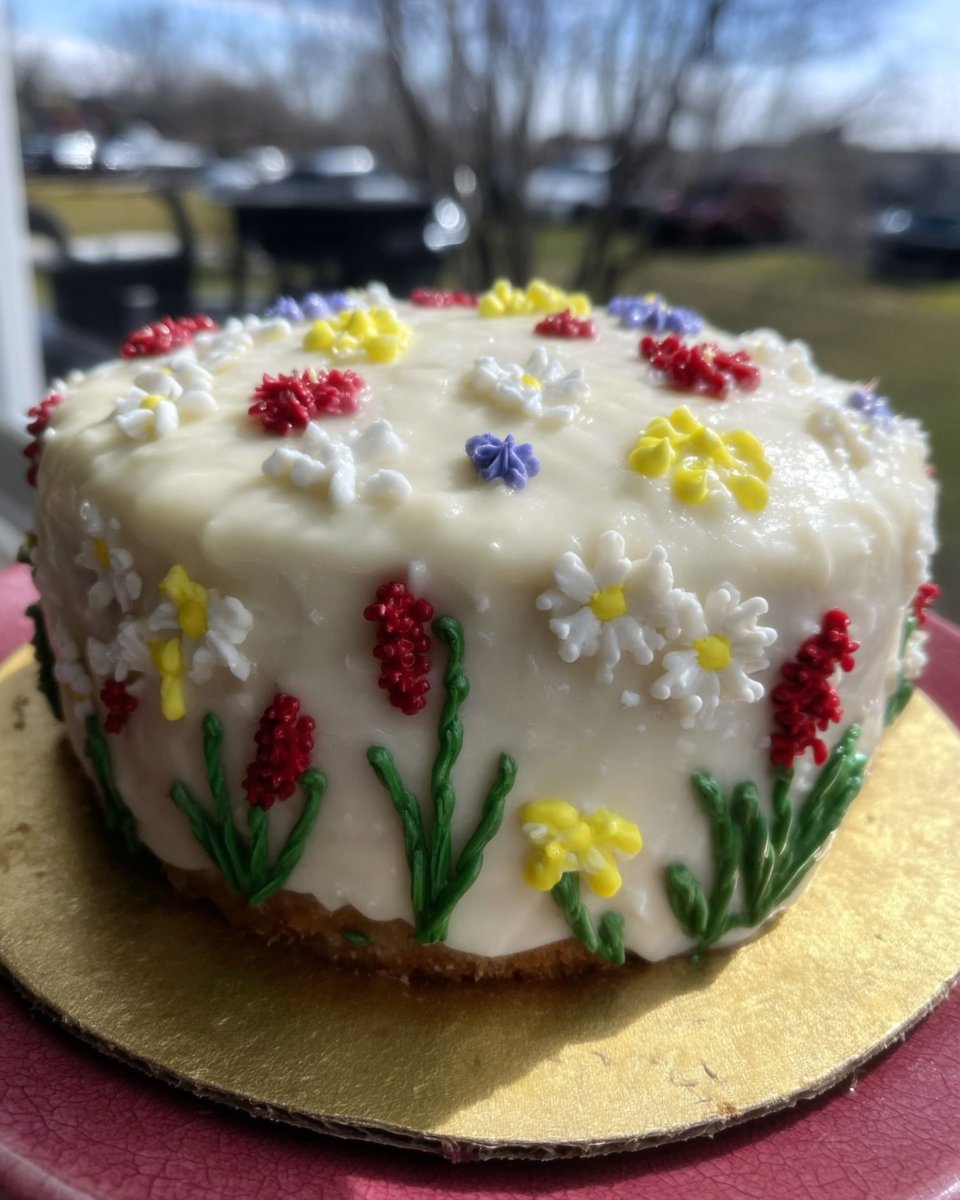
This cake is best served at a precise room temperature of 70°F (21°C). If the cake is served too cold, the butter-heavy crumb will feel dense and the flavor profile will be muted. For large gatherings, pairing this with a lighter option like our strawberry tres leches cake offers guests a contrast in textures. Use a long, thin serrated knife dipped in hot water and wiped dry between each cut to guarantee clean, professional slices that show off the distinct layers of curd and jam.
The Final Analysis and Mastery
Achieving a perfect tiered cake is a breakthrough moment for any baker, moving from simple sweets to architectural confectionery. By respecting the ratios and temperatures outlined in this test kitchen report, you have made a reliable and stunning result certain. If you enjoyed the technical challenge of this build, you might also find success with our raspberry white chocolate cake which uses similar structural principles. For more floral inspiration, examine this Spring in Bloom Layer Cake. We would love to see your progress; share your results with the community on Pinterest, Instagram, or Facebook.