In the Cake Peak test kitchen, we spent weeks investigating why many tres leches cakes end up as a soggy, structural mess rather than a delicate, milk-soaked masterpiece. We discovered that a traditional butter cake density often prevents the three milks from penetrating the center, while a standard sponge lacks the fat necessary to support the moisture. By verifying the exact protein-to-liquid ratio through a modified chiffon-style base, we achieved a crumb that acts like a structural sponge, capable of holding 31 ounces of liquid while remaining firm to the fork.

This recipe uses a precise balance of five large eggs and exactly 250 grams of all-purpose flour to create a durable yet light framework. We have tested this method across various temperatures and found that cooling the cake for exactly 30 to 60 minutes before the soak is the critical window for maximum absorption. Follow this scientific approach to master the definitive Latin American dessert with professional consistency.
The Science of Saturated Success
A successful Tres Leches cake must balance three distinct sensory factors: moisture, sweetness, and structural support. This version succeeds because we use a high-protein structure to offset the heavy moisture of the condensed and evaporated milks. You will appreciate how the cake remains light on the palate despite being deeply saturated, thanks to the aeration of the egg whites.
We tested several leavening methods and found that the combination of physical aeration from the whipped whites and chemical leavening from baking powder provides the most reliable lift. This double-leavening strategy prevents the cake from collapsing under the weight of the dairy. Furthermore, the absence of excessive fat in the sponge allows the pores of the cake to stay open, creating an efficient delivery system for the milk mixture.
This method yields a triumph of texture—a cake that is nearly creamy in its saturation but maintains a distinct, pleasant crumb. It is a breakthrough for bakers who have struggled with overly sweet or falling cakes in the past. By managing the variables of egg white stability and soak timing, you produce a professional result every single time.
Print
Tres Leches Cake
- Total Time: 6 hours
- Yield: 12 servings
- Diet: Vegetarian
Description
A scientifically-engineered sponge cake designed to absorb a rich three-milk soak without losing its structural integrity. Topped with lightly sweetened whipped cream and a hint of cinnamon, this Latin American classic offers a perfect balance of moisture and airy texture.
Ingredients
- 5 large eggs (separated, room temperature)
- 400 grams granulated sugar (divided)
- 250 grams all-purpose flour
- 113 grams unsalted butter (softened)
- 1 1/2 teaspoons vanilla extract
- 2 teaspoons baking powder
- 1 teaspoon salt
- 1 cup milk
- 14 oz sweetened condensed milk
- 12 oz evaporated milk
- 2 cups heavy cream (divided)
- 1/2 teaspoon vanilla extract (for soak)
- 65 grams powdered sugar
- 1/2 teaspoon vanilla extract (for topping)
- Ground cinnamon
Instructions
- Preheat oven to 350°F (175°C) and lightly coat a 9×13 glass baking dish with baking spray.
- Beat egg whites on medium-low until foamy, then increase speed and gradually add 200g of sugar until stiff, glossy peaks form.
- In a separate bowl, cream softened butter and 200g of sugar until light; beat in egg yolks one at a time, followed by 1 1/2 teaspoons vanilla.
- Whisk together flour, baking powder, and salt in a medium bowl.
- Alternately fold the flour mixture and 1 cup of milk into the yolk mixture in four parts to prevent gluten over-development.
- Gently fold the whipped egg whites into the batter using a cut-and-fold motion until no white streaks remain.
- Pour batter into the prepared dish and bake for 35-40 minutes until a toothpick comes out clean; cool on a wire rack for 30-60 minutes.
- Whisk together condensed milk, evaporated milk, 1/2 cup heavy cream, and 1/2 teaspoon vanilla.
- Poke holes across the entire surface of the cake and slowly pour the milk mixture over; cover and refrigerate for at least 4 hours or overnight.
- Beat 1 1/2 cups heavy cream with powdered sugar and 1/2 teaspoon vanilla until stiff; spread over the chilled cake and garnish with cinnamon.
Notes
To ensure the most effective absorption, target the 30-minute cooling window before pouring the milk mixture; too hot and the cake becomes soggy, too cold and the liquid pools on top. Additionally, always use a pristine glass or metal bowl when whipping the meringue, as any trace of fat can prevent the egg whites from achieving the volume necessary for the cake’s structural sponge.
- Prep Time: 30 mins
- Cook Time: 40 mins
- Category: Dessert
- Method: Baking
- Cuisine: Latin American
The Variables of the Three Milks
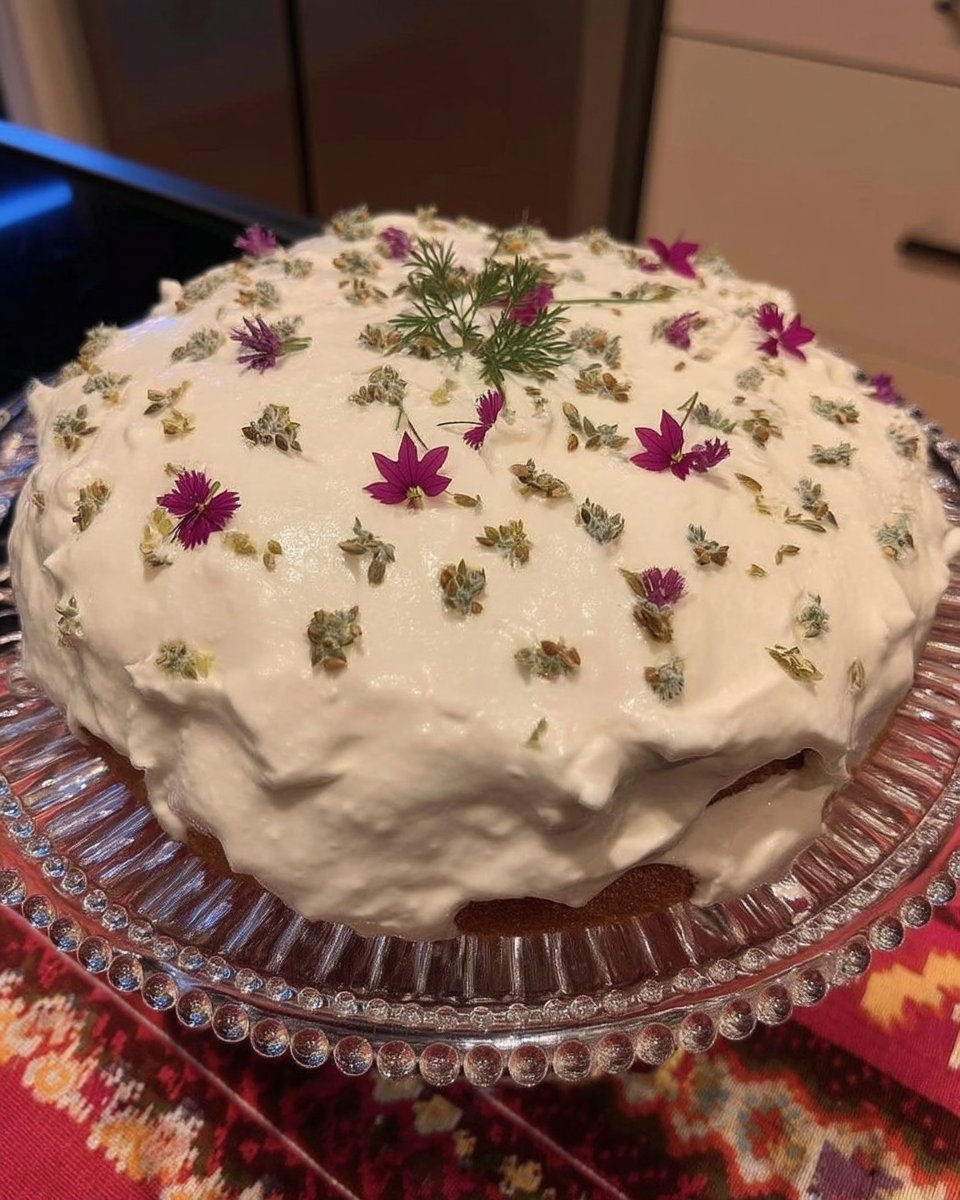
Every ingredient in this lab-tested recipe serves a specific functional purpose in maintaining the cake’s integrity while providing a rich flavor profile.
- Large Eggs (Separated): The yolks provide emulsifiers and fat, while the whites provide the leavening and protein structure. Room temperature eggs (70°F) are mandatory for achieving the correct volume in the meringue.
- Granulated Sugar: Beyond sweetness, sugar stabilizes the egg white proteins. We divide the sugar to ensure the yolks cream properly and the whites reach a glossy, stiff state.
- All-Purpose Flour: With 250 grams of flour, we provide enough gluten to trap the air bubbles from the meringue without making the cake tough.
- The Three Milks (Leches): Sweetened condensed milk provides viscosity and sugar; evaporated milk adds a toasted, concentrated dairy flavor; heavy cream provides the fat needed for a smooth mouthfeel.
- Unsalted Butter: A small amount of softened butter (exactly 113g) adds a richness that pure sponge cakes lack, improving the overall flavor profile without clogging the crumb pores.
We recommend using a kitchen scale for the flour and sugar to guarantee accuracy. Variations in cup measurements can lead to a cake that is too dense to absorb the liquid or too weak to hold it.
The Step-by-Step Process
Step 1: Prepare the Foundation
Preheat your oven to 350°F (175°C). We found that a glass 9×13 baking dish provides the most even heat distribution for this specific batter. Lightly coat the dish with baking spray. This prepares the vessel for a clean release during slicing later.
Step 2: Create the Meringue
Place five large egg whites in a clean, grease-free bowl. Beat on medium-low until foamy, then increase speed to medium-high. Gradually add 200 grams (1 cup) of sugar, adding roughly 2 tablespoons every 10 seconds. Continue beating until you achieve stiff, glossy peaks. This physical leavening is the primary structure of your cake.
Step 3: Cream the Butter and Yolks
In a separate large bowl, beat the softened butter and the remaining 200 grams (1 cup) of sugar until the mixture is light and creamy. Add the five egg yolks one at a time, beating after each addition to verify full emulsification. Stir in 1 ½ teaspoons of vanilla extract.
Step 4: Sift and Whisk Dry Ingredients
In a medium bowl, whisk together 250 grams of all-purpose flour, 2 teaspoons of baking powder, and 1 teaspoon of salt. Sifting the flour is recommended to remove any clumps, which prevents over-mixing later in the process.
Step 5: Alternate Liquid and Dry Additions
Using a spatula, manually fold the flour mixture and 235 ml (1 cup) of milk into the yolk mixture. Work in four parts: add some flour, then some milk, stirring gently between each. This technique prevents gluten over-development, which would result in a tough, rubbery sponge.
Step 6: Fold in the Meringue
Take your stiff egg whites and gently fold them into the batter using a wide spatula. Do not stir vigorously; use a ‘cut and fold’ motion to preserve the air bubbles. Stop as soon as no white streaks remain. This creates the ‘sponge’ that will eventually absorb the milks.
Step 7: The Bake and Initial Cool
Spread the batter evenly in the pan. Bake at 350°F (175°C) for 35 to 40 minutes. A toothpick inserted into the center should come out clean. Remove from the oven and allow the cake to cool on a wire rack for 30 to 60 minutes. This cooling period is vital; a hot cake will turn into mush when soaked, but a completely cold cake will not absorb as much liquid.
Step 8: The Triple Milk Soak
Whisk together the sweetened condensed milk, evaporated milk, ½ cup of heavy cream, and ½ teaspoon of vanilla. Use a large fork or skewer to poke holes across the entire surface of the cake, reaching all the way to the bottom of the pan. Pour the milk mixture slowly over the cake, allowing it to sink in. Cover and refrigerate for at least 4 hours, though overnight is superior for flavor maturation.
Step 9: Whipped Topping and Finish
Beat 355 ml (1 ½ cups) of heavy cream with 65 grams of powdered sugar and ½ teaspoon of vanilla until stiff peaks form. Spread evenly over the chilled cake. Sprinkle with ground cinnamon for a classic finish. Slice into squares and serve immediately.
Lauren’s Lab Notes
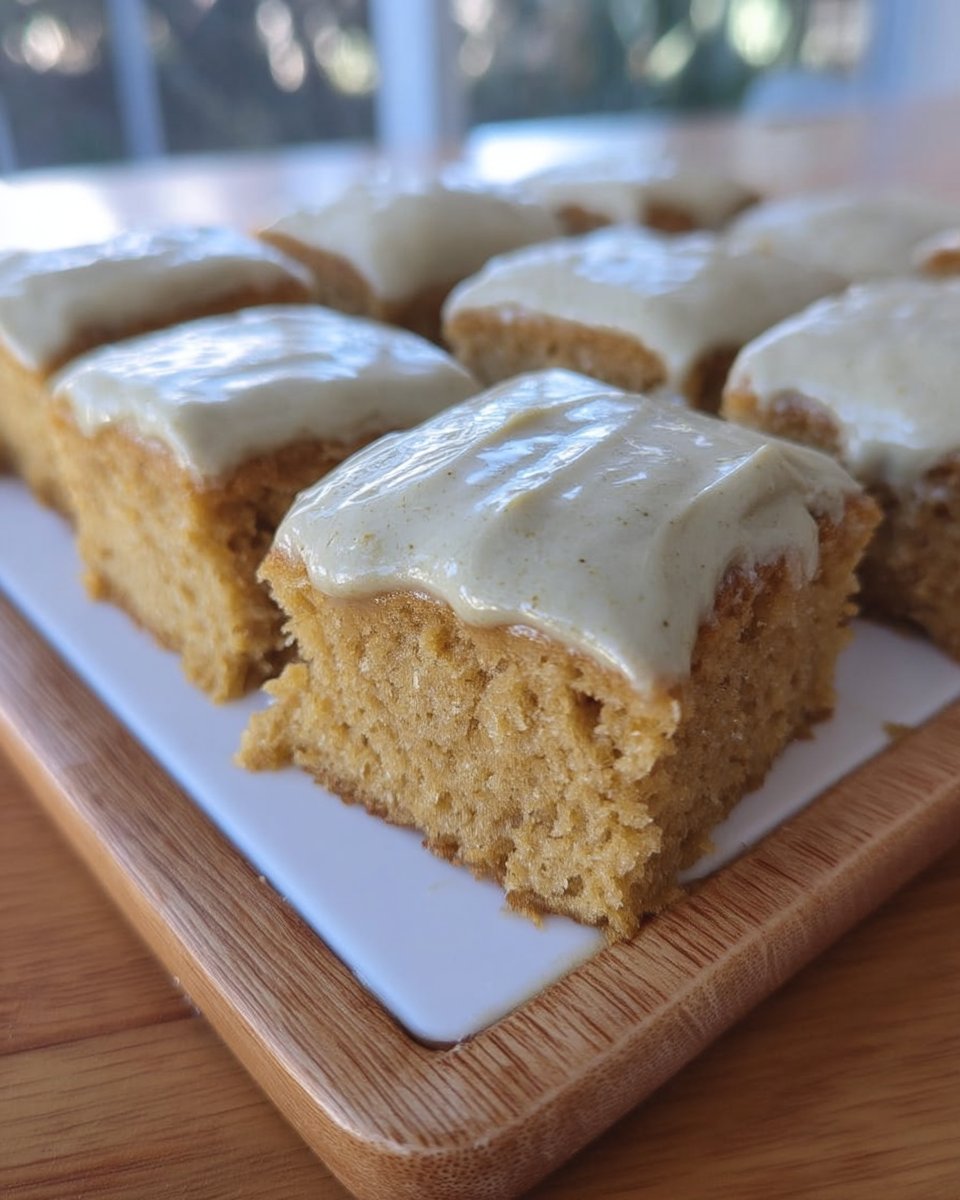
The most common failure in this recipe is the collapse of the egg whites. To prevent this, make sure your mixing bowl and whisk are completely free of fat or yolk residue before starting the meringue. Even a tiny drop of oil can prevent the protein bonds from forming correctly. If you want to refine your skills with similar techniques, you should review our foundational recipes for more detailed science on egg stabilization.
Another critical variable is the hole density. For a perfectly saturated cake, aim for approximately one hole every half-inch. We tested various tools and found that a standard dinner fork provides the best ‘channel’ size for the milk to travel through the crumb without tearing the sponge. If the milk pools on top without sinking in, your holes may be too shallow or the cake may have been too hot when you poured. Wait for the 30-minute cooling mark for the best results.
Tested Variations and Precision Tweaks
We tested several modifications to the classic tres leches profile to see how different fats and acids affect the crumb. For a brighter, more acidic version, you can substitute the ½ cup of heavy cream in the soaking liquid with whole fat buttermilk. This provides a subtle tang that cuts through the sweetness of the condensed milk. We found that this variation works exceptionally well if you are following our strawberry tres leches cake method for a fruit-forward finish.
If you prefer a more adult flavor profile, our testing showed that adding 2 tablespoons of dark rum to the milk mixture improves the complexity of the dessert without compromising the soak. We also experimented with coconut milk as a replacement for the evaporated milk. While delicious, this increases the fat content significantly, so we recommend reducing the butter in the cake base by 25 grams to compensate and maintain the sponge’s absorptive capacity.
Presentation and Pairing Guide
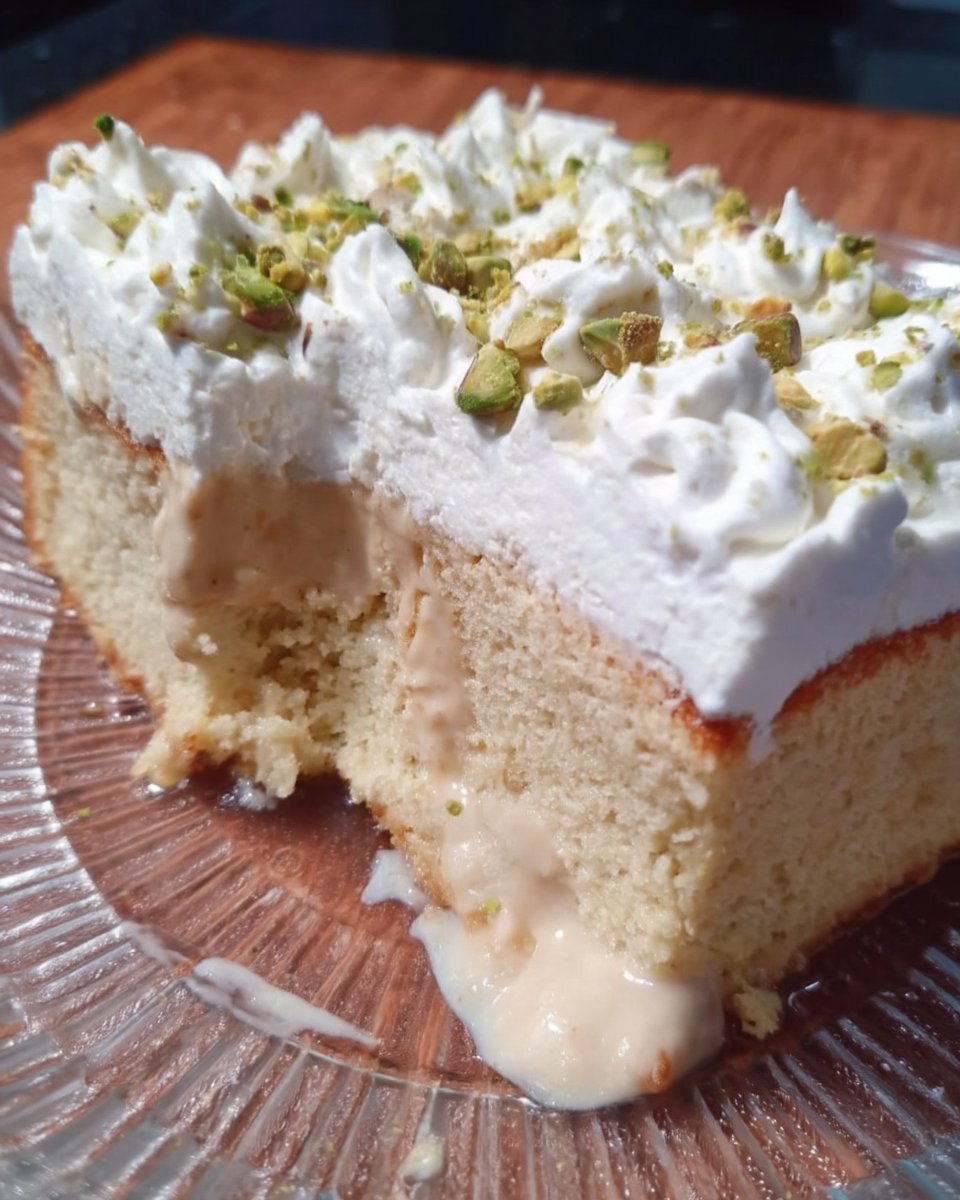
Temperature is a key variable for the best serving experience. This cake should always be served well-chilled, ideally between 38°F and 42°F. Cold temperatures help the dairy stay stable and make the sweetness less cloying. For an elegant presentation, serve a square of cake with a side of tart berries to balance the richness. Our guide on fresh fruit baking offers insights on which berries are in season and how their acidity interacts with sweet dairy bases.
When slicing, use a sharp knife and wipe it clean between every cut. This ensures that the whipped cream topping stays neat and the milk-soaked layers are clearly visible to your guests. If you are serving this at an outdoor event, keep the cake on a bed of ice; the whipped cream and milk mixture are highly temperature-sensitive and will lose their structural integrity if left in the sun for more than 20 minutes.
Mastery Through Science
Achieving the perfect Tres Leches cake is a victory of moisture management and protein stability. By following this precise method, you have moved beyond guesswork and into the realm of consistent, professional results. For more technical deep dives into the world of confectionery, visit our recipe index. This particular approach is a favorite in our community because it removes the common pitfalls of traditional methods. For another perspective on this classic, you can also check out the version at Sugar Spun Run. We would love to see your successful bakes; please share your results with us on Pinterest, Instagram, or Facebook. Keep testing, keep measuring, and enjoy your baking breakthrough!