In the Cake Peak test kitchen, we treat every recipe as a chemical equation, and few are as fascinating as the Wacky Cake. Born from the scarcity of the Great Depression, this batter eliminates dairy and eggs entirely, relying instead on a vigorous acid-base reaction to generate lift. It is a historical marvel that demonstrates how understanding ingredient properties can yield a moist, tender crumb even when standard stabilizers are absent.

Also known as Depression Cake or Crazy Cake, this chocolate dessert defies traditional creaming methods. By mixing ingredients directly in the baking pan and activating the leavening agent at the very last second, we create a distinctively airy texture. Our testing confirms that despite the lack of butter, the high ratio of oil to flour proteins inhibits gluten formation, resulting in a cake that stays soft for days.
The Science of Scarcity
This recipe works not because of what it contains, but because of how its components interact. Without eggs to provide structure or butter for flavor, the Wacky Cake relies on the violent reaction between acetic acid (vinegar) and sodium bicarbonate (baking soda). This produces carbon dioxide gas immediately upon mixing, which is trapped within the oil-coated flour matrix.
- Chemical Lift: The rapid CO2 release creates a light, porous structure that rivals any egg-based sponge.
- Moisture Retention: Oil remains liquid at room temperature, meaning this cake feels moister on the palate than butter-based cakes, which solidify as they cool.
- Allergy Friendly: By accident of history, this formula is naturally vegan and dairy-free, making it an inclusive option for many bakers.
Wacky Cake (Depression Cake)
- Total Time: 45 mins
- Yield: 9 servings
- Diet: Vegan, Dairy-Free
Description
Experience a fascinating piece of culinary history with this moist chocolate cake that swaps traditional eggs and dairy for a clever chemical reaction. This one-pan wonder delivers a tender, airy crumb and deep cocoa flavor using simple pantry staples.
Ingredients
- 1 1/2 cups (190g) all-purpose flour
- 1 cup (200g) white sugar
- 3 tablespoons (28g) unsweetened cocoa powder
- 1 teaspoon baking soda
- 1/2 teaspoon salt
- 1/3 cup vegetable oil
- 1 teaspoon cider vinegar
- 1 teaspoon vanilla extract
- 1 cup warm water
Instructions
- Preheat your oven to 350°F (175°C) and prepare an 8×8-inch ungreased cake pan.
- Sift the flour, sugar, cocoa powder, baking soda, and salt directly into the pan, then whisk until the dry ingredients are a uniform color.
- Using the back of a spoon, make three distinct wells in the dry mixture: two small ones and one large one.
- Pour the vegetable oil into the large well, the vinegar into one small well, and the vanilla extract into the other small well.
- Pour the warm water over the entire mixture and immediately stir with a fork until smooth, making sure to reach the corners of the pan.
- Bake for 30 to 40 minutes, or until an internal temperature of 200°F–205°F is reached and a toothpick comes out clean.
Notes
To maximize the chocolate flavor, use hot brewed coffee in place of water to bloom the cocoa. Always ensure your baking soda is fresh, as it provides the only source of lift in this recipe, and avoid greasing the pan so the batter can climb the sides for a better rise.
- Prep Time: 10 mins
- Cook Time: 35 mins
- Category: Dessert
- Method: Baking
- Cuisine: American
Material Composition & Variables
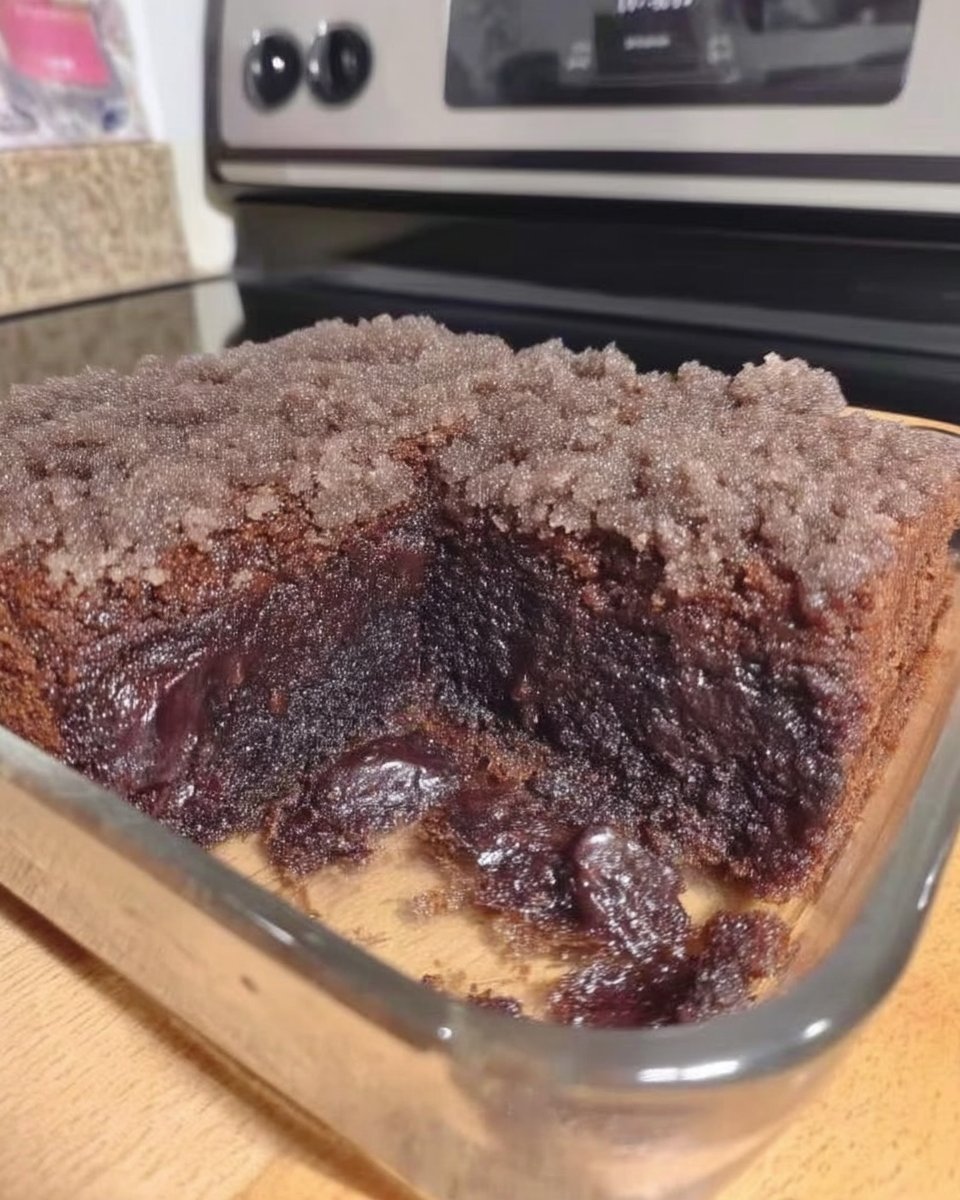
Precision with these humble ingredients is critical. Since there are no eggs to act as an emulsifier, the balance of dry to wet measurements dictates the final stability of the crumb.
- All-Purpose Flour (190g): We recommend weighing your flour. Too much flour creates a dry, dense puck because there aren’t enough lipids to coat the excess starch granules.
- White Sugar (200g): Sugar does more than sweeten; it is a tenderizer. It attracts water (hygroscopy), delaying starch gelatinization and keeping the crumb soft.
- Unsweetened Cocoa Powder (Approx. 28g): Use natural cocoa powder if possible. Its natural acidity boosts the reaction with the baking soda, though the vinegar provides the primary acid source.
- Baking Soda: This is your only leavening agent. Ensure it is fresh; if it doesn’t fizz aggressively when mixed with vinegar, your cake will be a flat, dense brownie.
- Vegetable Oil: A neutral oil is essential here. It coats flour proteins to prevent toughness. Do not substitute with butter, as the water content in butter changes the chemistry.
- Cider Vinegar: The catalyst. You can substitute white vinegar, but cider vinegar adds a subtle fruity complexity that mirrors the fermentation notes in chocolate.
- Water: We found that using warm water helps ‘bloom’ the cocoa powder, releasing more aromatic compounds before baking.
Precision Method: The Wacky Technique
Step 1: Pan Preparation and Thermal Calibration
Preheat your oven to 350°F (175°C). We validated this temperature to ensure the batter sets before the gas bubbles escape. Use an 8×8-inch ungreased cake pan. Do not grease the pan; the batter needs traction on the sides of the pan to climb as it rises.
Step 2: Dry Ingredient Homogenization
Sift the flour, sugar, cocoa powder, baking soda, and salt directly into the pan. Sifting is non-negotiable here; because we are mixing by hand, any lumps of cocoa or soda will result in bitter pockets in the final bake. Whisk these dry ingredients together until they are a uniform color.
Step 3: The Depression Technique
Using the back of a spoon, make three distinct depressions (wells) in the dry mixture: two small ones and one large one. This traditional method ensures the liquid ingredients are distributed before mixing begins.
Step 4: Activation and Emulsion
Pour the vegetable oil into the large well. Pour the vinegar into one of the small wells and the vanilla extract into the other. Finally, pour the water over the entire mixture. The vinegar will immediately begin reacting with the baking soda—you will see fizzing.
Step 5: Rapid Agitation
Working quickly, stir the batter with a fork. Focus on the corners of the pan where dry flour tends to hide. Mix just until the batter is smooth and no dry streaks remain. Do not overmix, or you will deflate the bubbles you just created.
Step 6: The Bake
Immediately transfer the pan to the oven. Bake for 30 to 40 minutes. We look for an internal temperature of 200°F–205°F (93°C–96°C). A toothpick inserted into the center should come out clean or with a few moist crumbs attached.
Lab Notes for Consistency
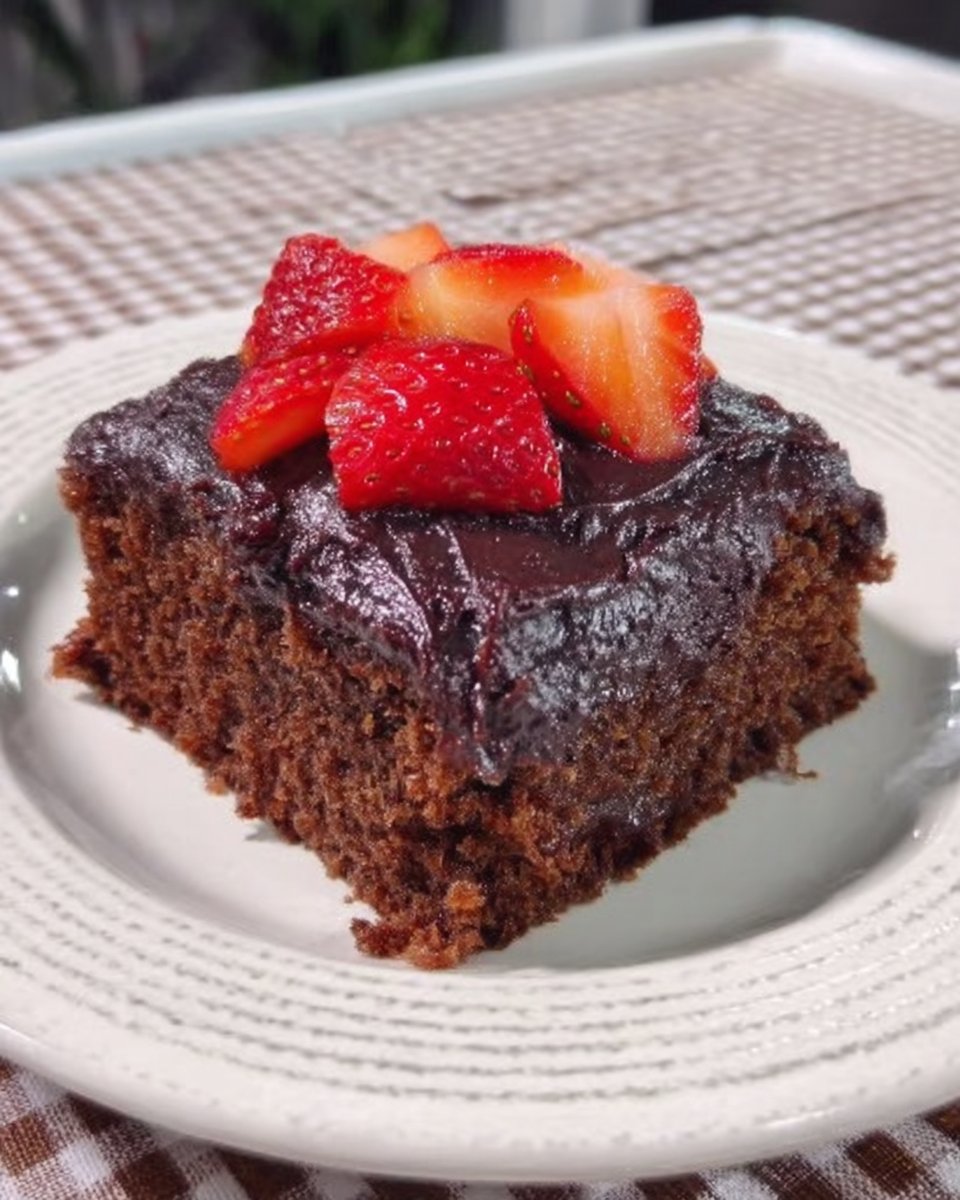
Through repeated testing, we discovered that speed is the most significant variable in this recipe. Once the vinegar hits the baking soda, the clock starts. If you dawdle, the carbon dioxide dissipates into the air rather than getting trapped in the batter.
- The Cocoa Variable: For a deeper flavor profile, we recommend reading about chocolate alchemy to understand how blooming your cocoa in hot water changes the flavor structure. Using hot coffee instead of water is a common modification that intensifies the chocolate notes without adding coffee flavor.
- Pan Material: If using a glass pan, reduce the oven temperature by 25°F. Glass holds heat longer and can scorch the edges of this high-sugar batter before the center is set.
- Don’t Over-mix: Stirring develops gluten. Since this cake lacks eggs for tenderness, over-developed gluten will make the texture rubbery rather than velvety.
Tested Formula Adjustments
While the classic formula is robust, careful adjustments can yield interesting results without breaking the chemistry.
- The Mocha Variant: Swap the water for an equal amount of strong, hot brewed coffee. The acidity in coffee complements the vinegar and baking soda reaction while deepening the chocolate color.
- Spiced Chocolate: Add 1 teaspoon of cinnamon and a pinch of cayenne with the dry ingredients. This mimics a Mexican hot chocolate profile.
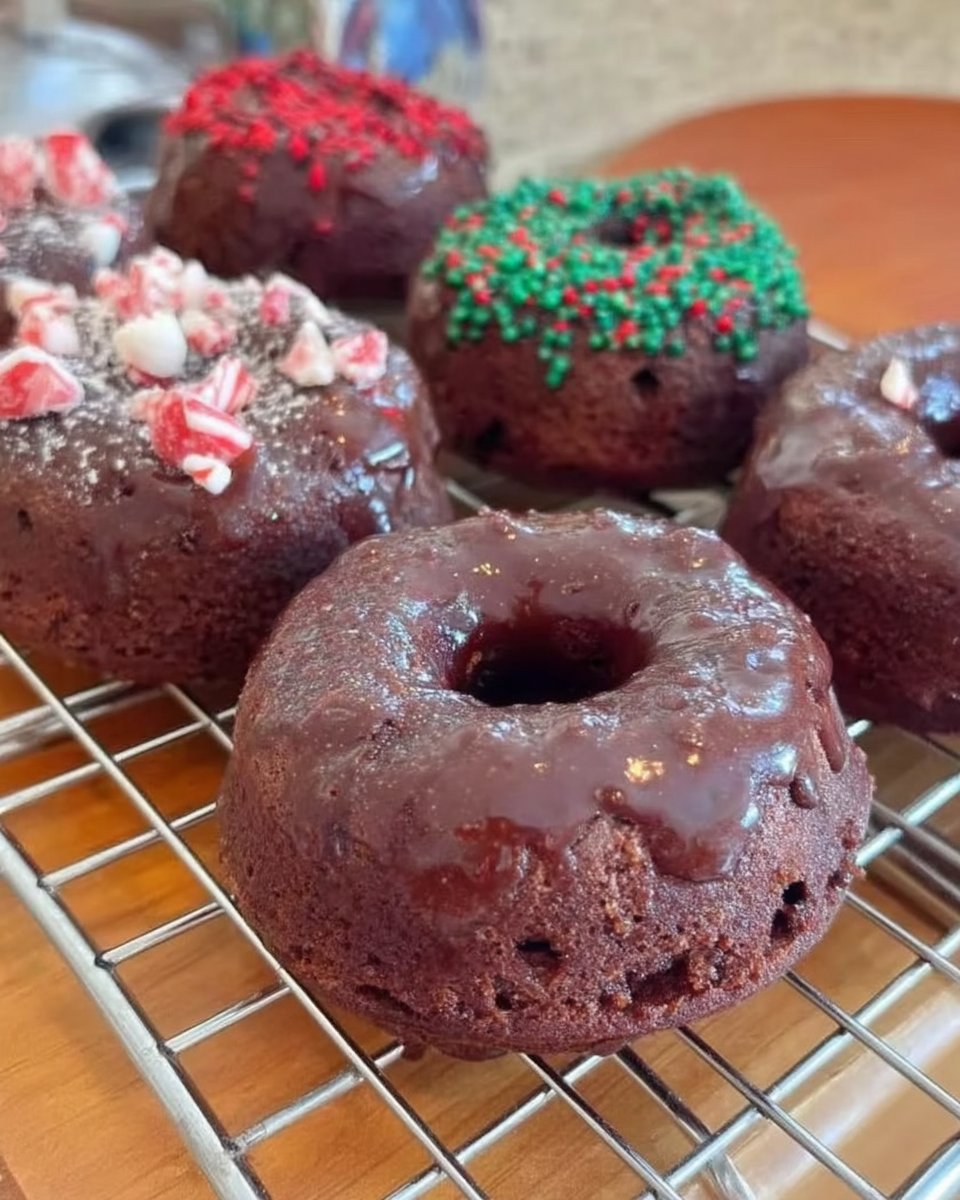
- Extract Swaps: Vanilla is standard, but if you enjoy the nostalgia of a vintage cake, try using almond extract or even peppermint extract for a holiday twist. Just be mindful that peppermint is potent; reduce the volume by half.
Presentation Protocols
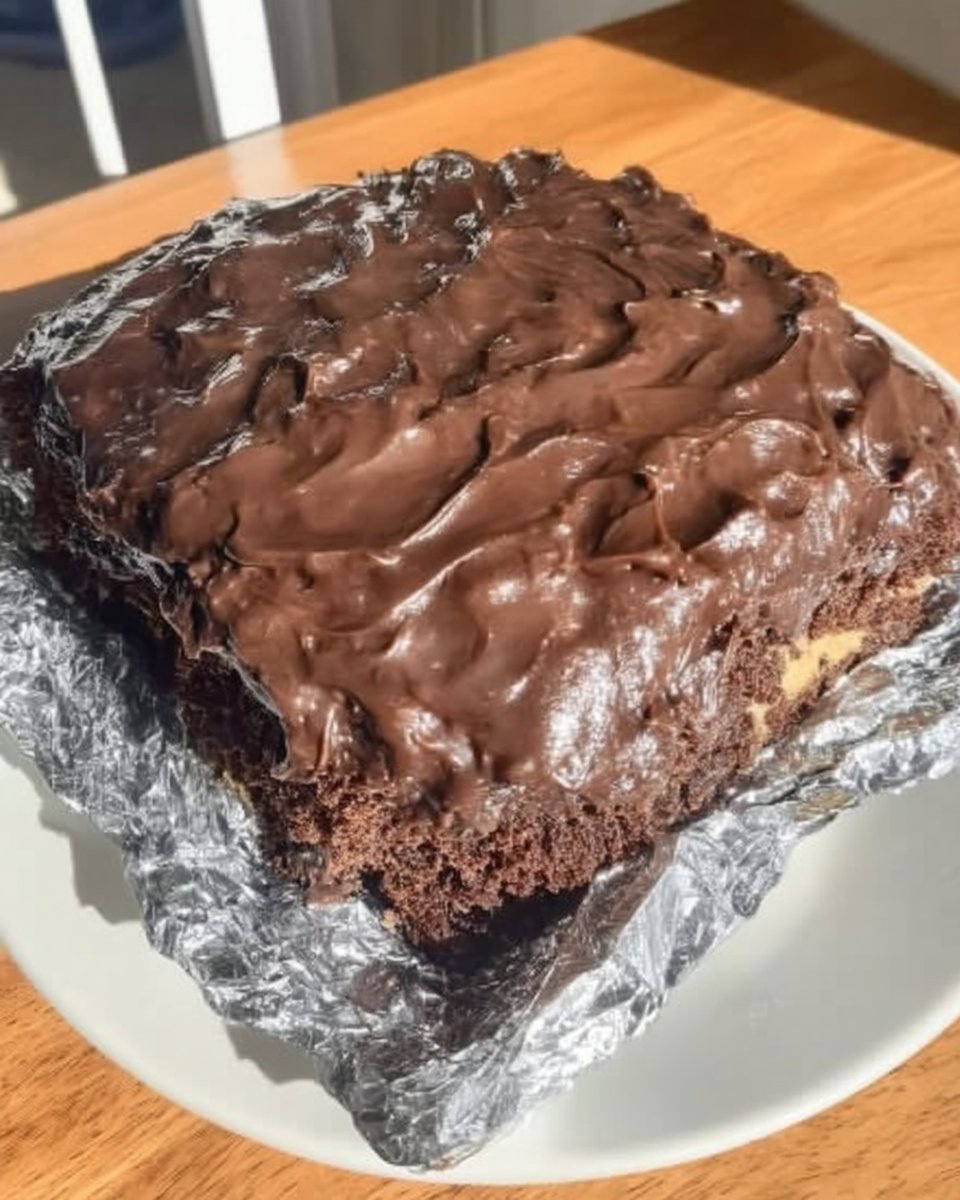
Because this cake is so moist, it can be fragile when warm. We strongly advise letting it cool completely in the pan before attempting to slice or frost it.
- Classic Dusting: A simple dusting of powdered sugar is traditional and highlights the dark color of the crumb.
- Frosting Pairings: If you want to dress it up, a simple ganache works beautifully. However, if you prefer a contrast, a vanilla buttercream works well. For those who love a old fashioned chocolate cake experience, a fudge frosting brings out the richness of the cocoa.
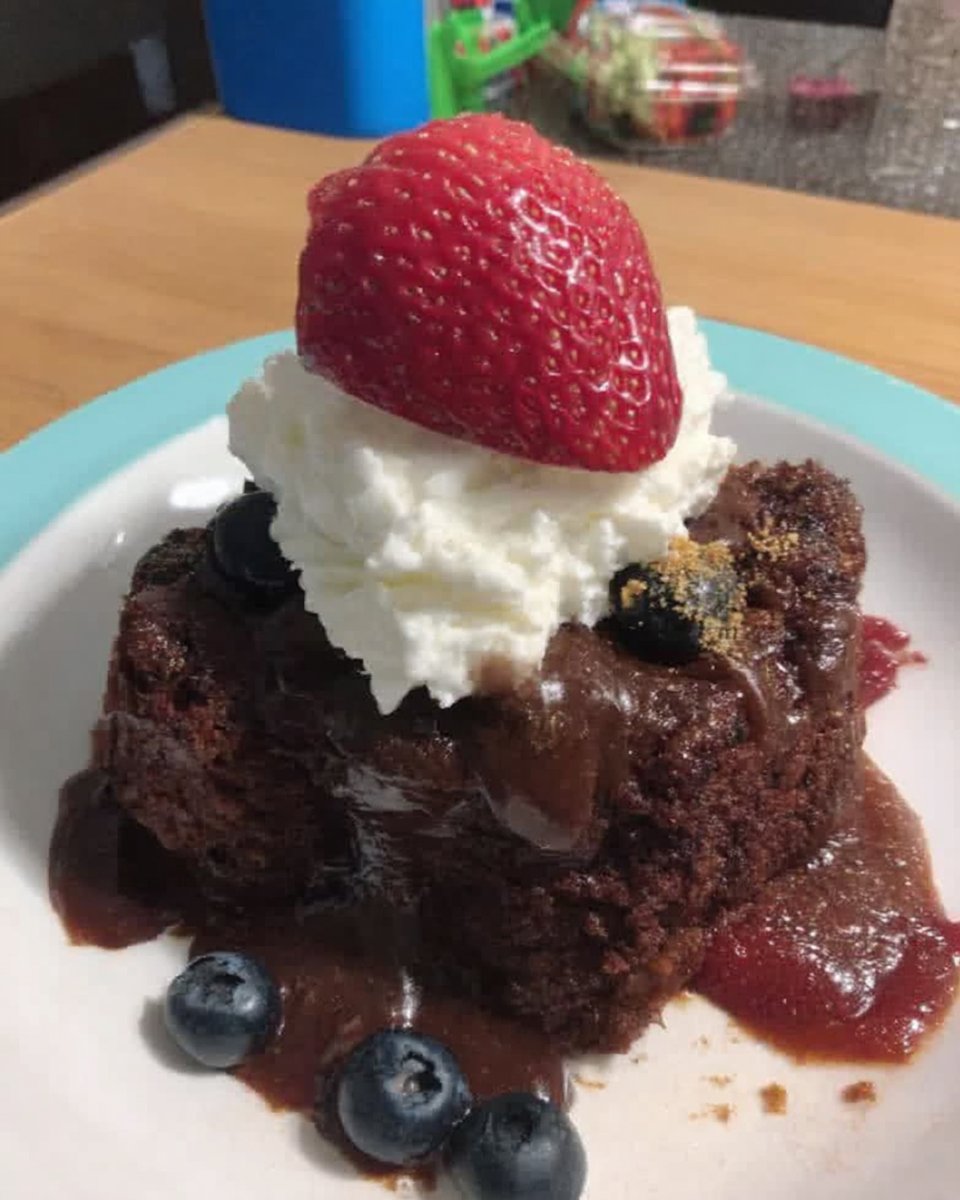
- Texture Contrast: Serve with a side of tart berries or a dollop of stabilized whipped cream to cut through the sweetness.
Final Analysis
The Wacky Cake is more than a budget-friendly hack; it is a testament to the power of baking chemistry. By controlling the acid-base reaction and managing the lipid dispersion, you can achieve a result that stands toe-to-toe with any chocolate fudge cake in your repertoire. We encourage you to log your results—note the vinegar type, the cocoa quality, and the bake time—to perfect your own formula.
For a look at how other bakers have approached this historical recipe, you can read more at I Am Baker.
Did you achieve the perfect rise? Share your data with us on social media: