In the Cake Peak test kitchen, we spent weeks analyzing the specific gravity of batter to solve the dryness dilemma common in yellow cakes. We found that while butter provides the necessary flavor profile, it often lacks the sensation of moisture that oil provides. By splitting the fat content—using a precise ratio of unsalted butter for taste and vegetable oil for shelf-life and crumb tenderness—we achieved a result that remains soft for days.

This is not just a vanilla cake; it is a chemically balanced yellow cake defined by the inclusion of extra egg yolks and a custard-like richness. Paired with our “bloomed” cocoa buttercream, where hot butter amplifies the chocolate solids before mixing, this recipe offers a textural contrast that is scientifically superior to standard bakery blends.
The Science of Success
This recipe works because we control the protein development and fat distribution with exacting precision. By substituting a portion of all-purpose flour with cornstarch, we artificially lower the protein content, mimicking the tenderness of cake flour without requiring a special trip to the store. This interference with gluten formation creates a plush, velvety crumb.
Furthermore, the frosting technique utilizes heat to release flavor. Most American buttercreams rely on raw cocoa powder, which can taste dusty. Our method involves blooming the cocoa in melted butter, dissolving the solids and releasing the volatile flavor compounds for a frosting that tastes like a high-end ganache but pipes like a buttercream.
Print
Yellow Cake with Chocolate Frosting
- Total Time: 55 mins
- Yield: 12 servings
- Diet: Vegetarian
Description
This scientifically-engineered yellow cake utilizes a dual-fat system of butter and oil to create a plush, velvety crumb that stays moist for days. Topped with a unique bloomed cocoa buttercream, it offers a sophisticated depth of chocolate flavor and a professional-grade texture.
Ingredients
- 270g All-Purpose Flour
- 35g Cornstarch
- 2 tsp Baking powder
- 1/2 tsp Salt
- 113g Unsalted Butter, room temperature
- 60mL Vegetable Oil
- 300g Granulated Sugar
- 1 tbsp Vanilla extract
- 3 Whole Eggs
- 2 Egg Yolks
- 240mL Buttermilk
- 1 1/4 cups Unsalted Butter, divided
- 1/2 cup Cocoa powder
- 2 oz Semisweet chocolate, chopped
- 1/2 cup Milk, divided
- 4 cups Powdered sugar
Instructions
- Preheat oven to 350°F (175°C) and grease and flour three 6-inch round cake pans.
- Whisk together the flour, cornstarch, baking powder, and salt in a medium bowl to ensure even leavening distribution.
- Cream the room temperature butter and sugar in a stand mixer on medium-high speed, then incorporate the oil and vanilla until the mixture is pale and aerated.
- Add the whole eggs and additional yolks one at a time, beating thoroughly after each addition to emulsify the fats and liquids.
- On low speed, add the dry ingredients in three parts and the buttermilk in two parts, alternating and beginning/ending with the flour.
- Divide the batter between the pans and bake for 30 minutes or until the internal temperature reaches 205°F–210°F.
- While cakes cool, bloom the cocoa by whisking it into 1/4 cup of melted butter, then set aside to cool slightly.
- Create a ganache by melting the semisweet chocolate with 1/4 cup of milk until smooth.
- Beat the remaining 1 cup of butter, add the bloomed cocoa mixture and powdered sugar, then finish by whipping in the ganache until the frosting is light and aerated.
Notes
When preparing the batter, make sure your buttermilk and eggs are at true room temperature to prevent the emulsion from breaking, which can lead to a dense cake. For the smoothest frosting application, apply a thin crumb coat first and refrigerate for 20 minutes before adding the final decorative swirls.
- Prep Time: 25 mins
- Cook Time: 30 mins
- Category: Dessert
- Method: Baking
- Cuisine: American
The Variables
The Flour Blend
We use a mix of 270g All-Purpose Flour and 35g Cornstarch. The cornstarch acts as a tenderizer, physically interrupting the gluten network to prevent toughness.
The Fats
We use a dual-fat system. 113g of Unsalted Butter (room temperature) provides the aeration capability needed for lift, while 60mL Vegetable Oil remains liquid at room temperature, coating the flour proteins to perceive moisture on the palate.
The Eggs
3 Whole Eggs provide structure, while the 2 additional Yolks add fat and emulsifiers (lecithin), contributing to the distinct golden color and rich, custard-like texture that defines a true yellow cake.
Buttermilk
240mL of Buttermilk is essential. Its acidity reacts with the baking powder for lift and tenderizes the gluten strands. If you don’t have buttermilk, a mixture of milk and vinegar is a functional, though not identical, substitute.
The Cocoa Bloom
For the frosting, we use a specific ratio of melted butter to bloom the cocoa powder. This step is non-negotiable for achieving the deep, fudge-like flavor profile.
The Method
Step 1: Temperature Stabilization
Preheat your oven to 350°F (175°C). Verify this with an oven thermometer, as dial displays can drift. Grease and flour three 6-inch round pans. Accurate temperature is vital for the chemical leavening to react at the correct rate.
Step 2: Dry Ingredient Homogenization
In a medium bowl, whisk together the flour, cornstarch, baking powder, and salt. Whisking acts as a sieve here, breaking up clumps and distributing the leavening agents evenly to prevent tunneling in the baked cake.
Step 3: The Creaming Phase
In a stand mixer fitted with the paddle attachment, beat the room temperature butter and sugar on medium-high speed. We want to trap air bubbles in the fat matrix. Add the oil and vanilla, mixing until combined. The mixture should look pale and aerated.
Step 4: Emulsification
Add the eggs and yolks one at a time, beating well after each addition. This allows the water in the eggs to emulsify with the fat. If the batter looks curdled, the ingredients were likely too cold; keep mixing until smooth.
Step 5: The Alternating Mix
Turn the mixer to low speed. Add the flour mixture in three parts and the buttermilk in two parts, beginning and ending with the flour (Dry-Wet-Dry-Wet-Dry). Mix only until streaks of flour disappear. Over-mixing at this stage creates gluten, leading to a tough cake.
Step 6: Baking
Distribute batter evenly among the pans. Bake at 350°F for approximately 30 minutes. The cake is done when the internal temperature reaches 205°F–210°F, or the centers spring back when lightly pressed.
Step 7: The Frosting Bloom
While the cakes cool, melt 1/4 cup of the frosting butter in the microwave. Whisk in the cocoa powder immediately. The heat blooms the cocoa, intensifying the flavor. Set aside to cool slightly.
Step 8: Ganache Prep
Melt the semisweet chocolate with 1/4 cup milk. Stir until smooth to create a loose ganache. This adds a silky mouthfeel and stabilizes the buttercream.
Step 9: Buttercream Emulsion
Beat the remaining 1 cup of room temperature butter until creamy. Pour in the cooled cocoa-butter mixture and mix to combine. Gradually add the powdered sugar on low speed. Finally, pour in the chocolate ganache and the remaining milk (as needed for consistency). Whip until the frosting creates a “clacking” sound against the bowl, indicating proper aeration.
Lauren’s Lab Notes
Weigh Your Flour
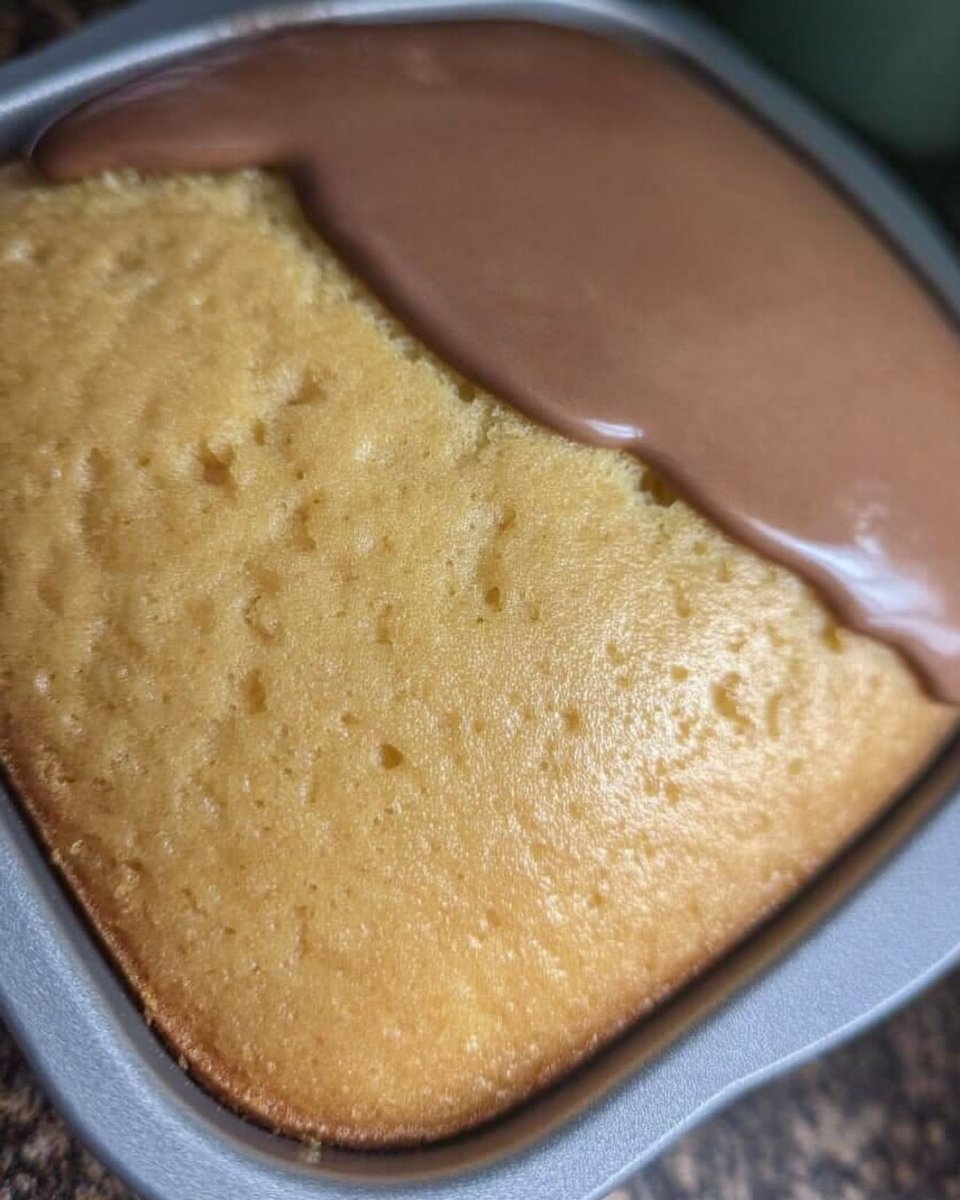
The most common cause of a dry cake is heavy-handed flour measurement. We strictly recommend using a scale (270g). If volume is your only option, fluff the flour, spoon it into the cup, and level it off—never scoop directly.
Temperature is King
Your butter, eggs, and buttermilk must be at room temperature (approx 70°F/21°C). Cold ingredients will cause the batter to seize and break the emulsion, resulting in a dense, greasy crumb.
Cake Strips for Flat Tops
To avoid doming, wrap your pans in damp cake strips. This insulates the edges, forcing the cake to bake evenly from the outside in. If you mastered this technique, you can apply it to our other Foundational Recipes for consistent stacking.
Frosting Consistency
If the frosting is too soft, the butter may have been too warm. Refrigerate the bowl for 10 minutes and rewhip. If it appears split, remove 1/4 cup, melt it, and pour it back in while whipping to re-emulsify.
Precision Tweaks
The Gluten-Free Variable
For a gluten-free adaptation, we recommend replacing the AP flour and cornstarch with a high-quality 1:1 gluten-free baking blend that includes xanthan gum. You can also compare our ratios with other tested formulas, such as this gluten-free yellow cake method, to see how hydration needs change.
Dark Chocolate Intensity
If you prefer a less sweet, more bitter contrast, increase the cocoa powder to 1/3 cup and use 70% dark chocolate for the ganache portion. See our Chocolate Alchemy section for more data on cocoa percentages.
Sheet Cake Format
This batter fits perfectly in a 9×13 inch pan. Bake at 350°F for 35-40 minutes. The larger surface area creates more evaporation, so check for doneness at the 30-minute mark.
Presentation Notes
Temperature Matters
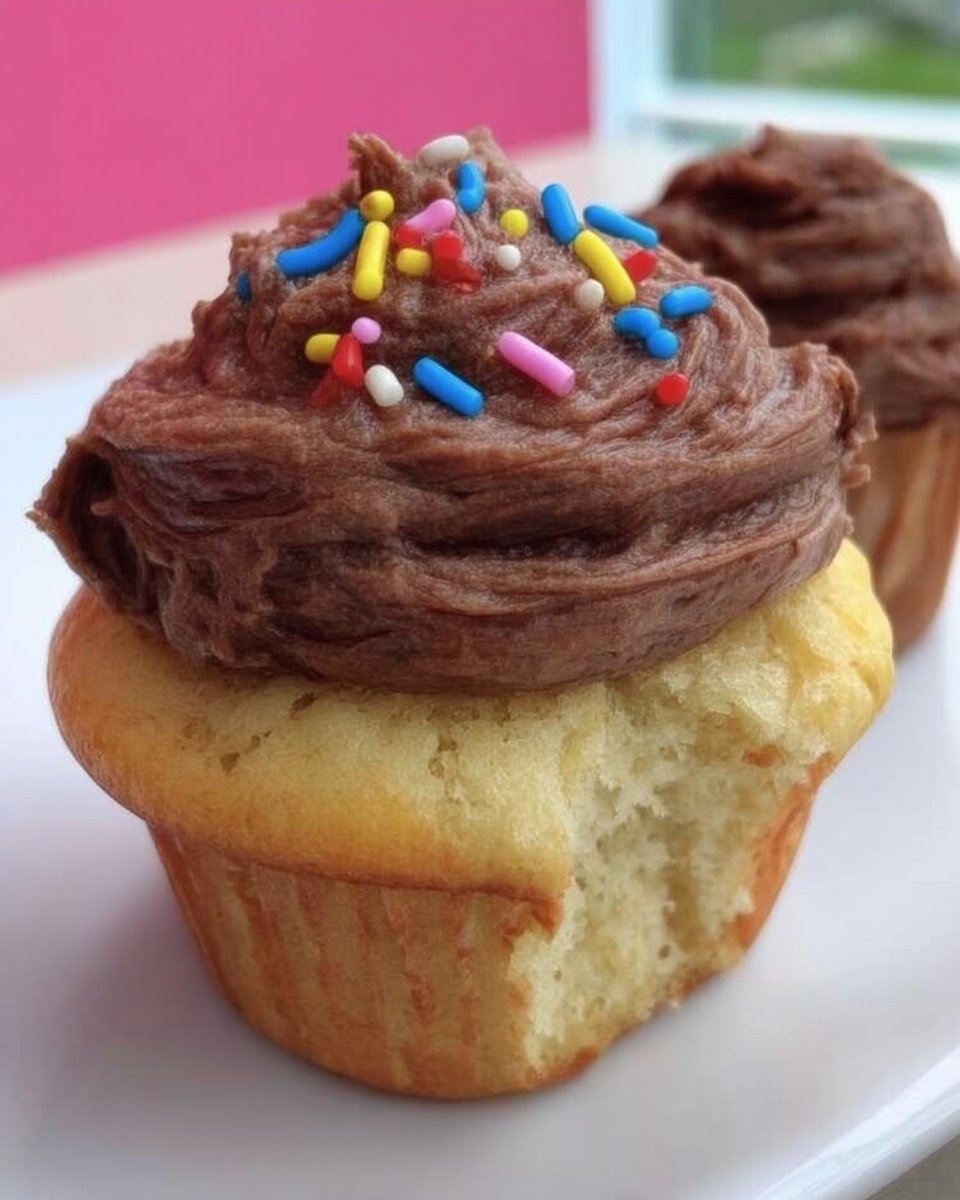
Always serve this cake at room temperature. Butter-based cakes and frostings solidify in the fridge, leading to a perception of dryness. Allow the cake to sit out for at least 2 hours before serving if it has been chilled.
Rustic Swirls
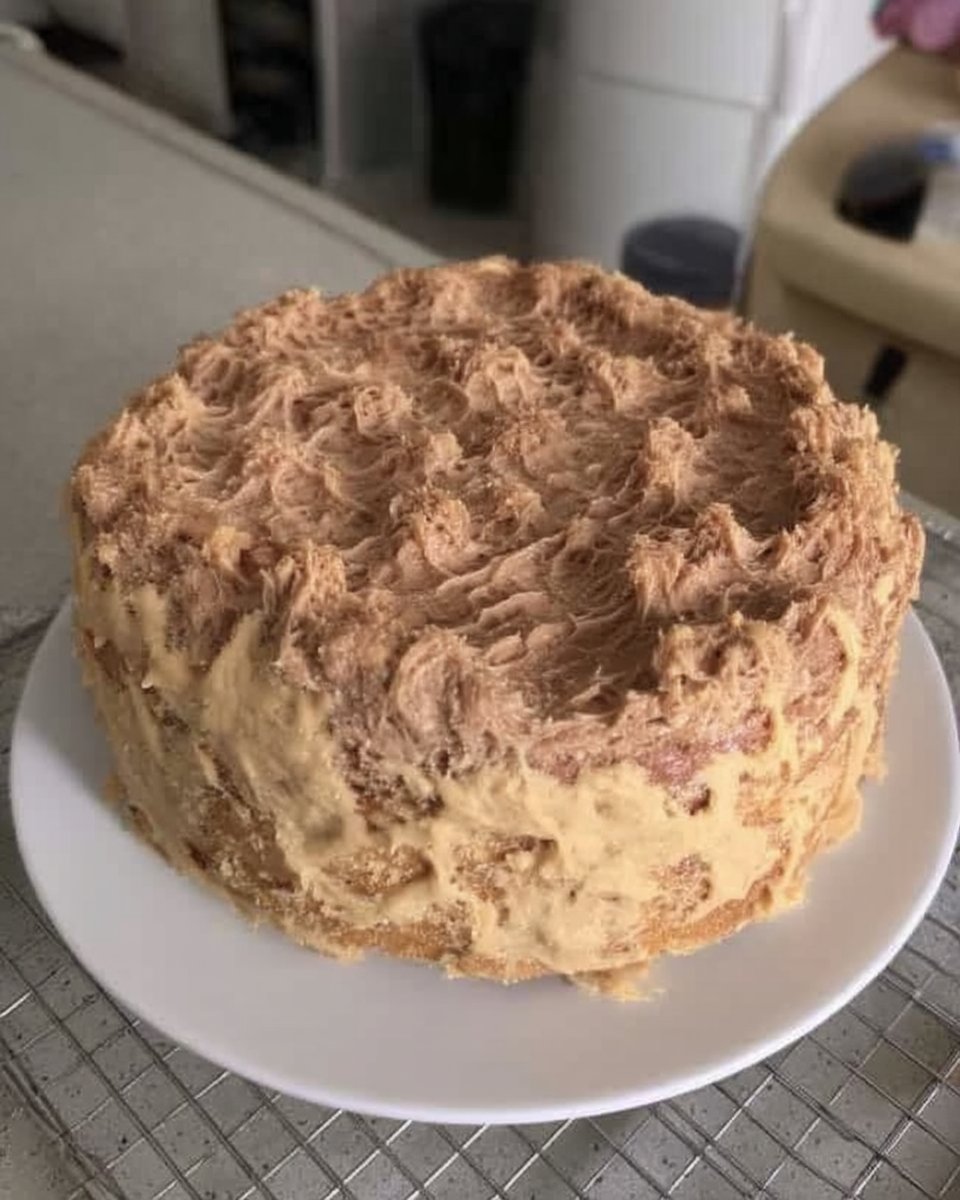
For the finish, we utilize an offset spatula to create deep swoops in the chocolate buttercream. This “homestyle” look is classic for yellow cake. For more advanced piping techniques, visit our Celebration Design Studio.
Pairing
A glass of cold milk is the chemically perfect pairing; the milk fats cleanse the palate of the rich chocolate, preparing your taste buds for the next bite.
The Final Analysis
Mastering this yellow cake with chocolate frosting is about understanding the interaction between fats and flours. By controlling the protein with cornstarch and blooming the cocoa for the frosting, you achieve a bakery-quality result at home. Keep testing your oven accuracy and ingredient temperatures for the best results.
For smaller portions of this batter, check out our Contemporary Small Format guide for converting cake recipes to cupcakes.
Share Your Results
Did you nail the crumb texture? Tag us in your photos!