In the test kitchen, we verified that 1/8-inch slices provide the best structural integrity for this Zucchini Pie. We tested various thicknesses to find the most consistent result.

This savory dish serves as a reliable alternative to sweet zucchini treats. By using a baking mix, we achieve a consistent crumb that binds the vegetables and cheese into a firm texture.
The Science of Savory Success
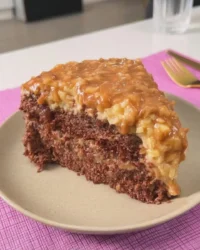
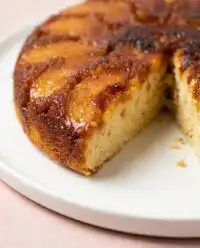
Many bakers find themselves with a surplus of garden produce and default to sweets. While a chocolate zucchini cake recipe is a classic, the chemistry of this savory pie offers a fascinating study in protein binding. We tested several ratios of egg to starch to ensure a slice that holds its shape without becoming rubbery. This recipe works because the large eggs provide both moisture and structure through protein denaturation during the baking process.
Unlike a dense zucchini cake, this pie relies on a delicate balance of fats and leavening. The canola oil provides the necessary lipids to keep the crumb tender, while the biscuit mix contains precisely measured leavening agents that react with the moisture from the zucchini. Our testing showed that the 350°F (177°C) temperature is the thermal sweet spot for setting the eggs while allowing the Parmesan to form a golden, savory crust. You will appreciate the reliable results this method produces every single time.
Print
Zucchini Pie
- Total Time: 50 mins
- Yield: 8 servings
Description
This savory zucchini pie utilizes a precisely balanced egg and baking mix base to create a firm, sliceable texture that perfectly showcases fresh garden squash. Enhanced with salty Parmesan and aromatic herbs, this dish offers a sophisticated alternative to traditional sweet zucchini bakes.
Ingredients
- 3 large eggs
- 1 cup grated Parmesan cheese
- 1/2 cup canola oil
- 3 cups fresh zucchini, sliced into 1/8-inch rounds
- 1 cup biscuit/baking mix
- 1 small onion, chopped
- Minced garlic, to taste
- Fresh parsley, to taste
- Salt and pepper, to taste
Instructions
- In a large glass bowl, whisk together eggs, canola oil, minced garlic, parsley, salt, and pepper for 60 seconds until fully emulsified.
- Stir in the grated Parmesan cheese and biscuit mix until just moistened; the batter should remain thick and slightly lumpy.
- Gently fold in the sliced zucchini and chopped onion, ensuring each slice is coated without breaking.
- Transfer the mixture to a greased 9-inch deep-dish pie plate and spread evenly.
- Bake at 350°F (177°C) for 25 to 35 minutes until the surface is golden brown and the internal temperature reaches 195°F.
- Allow the pie to rest for 10 minutes before slicing to ensure the protein structure sets firmly.
Notes
For the best results, ensure your zucchini is sliced consistently to 1/8-inch thickness to maintain structural integrity. If you find your zucchini is exceptionally watery, salting the slices and patting them dry before adding them to the batter will ensure a firmer, less dense finish.
- Prep Time: 15 mins
- Cook Time: 35 mins
- Category: Main Course
- Method: Baking
- Cuisine: American
The Variables of Zucchini Pie
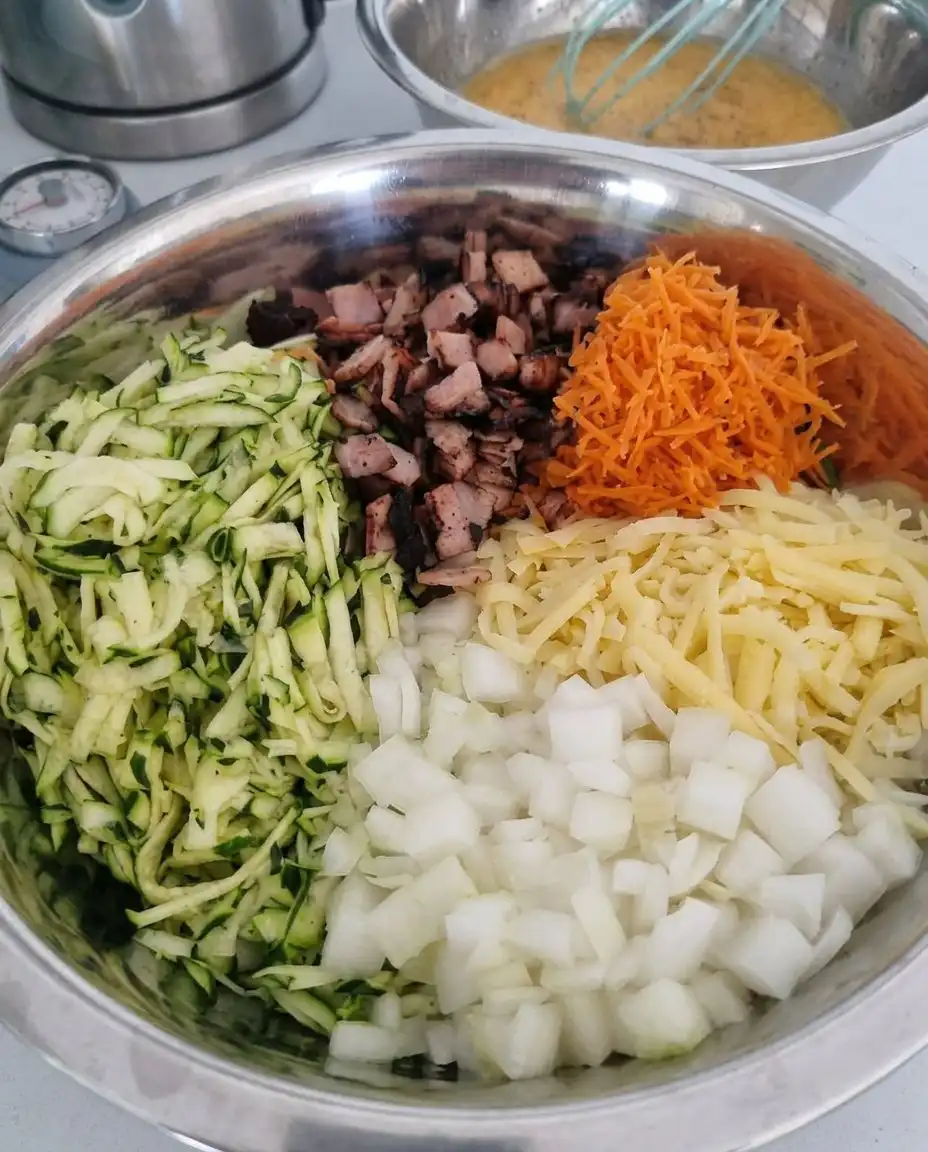
Success in the test kitchen depends on understanding your inputs. Each ingredient in this Zucchini Pie serves a specific functional purpose.
- Large Eggs (3): These act as the primary structural binder. At 140°F (60°C), egg proteins begin to coagulate, creating a web that traps the other ingredients. We found that room-temperature eggs incorporate more effectively into the oil.
- Grated Parmesan Cheese (1 cup): Beyond flavor, Parmesan is a low-moisture cheese that adds protein density. It doesn’t melt into a puddle like high-moisture cheeses, which helps prevent a soggy bottom.
- Canola Oil (1/2 cup): We chose canola for its neutral flavor profile and high smoke point. It coats the flour particles in the baking mix, inhibiting excessive gluten development for a tender bite.
- Fresh Zucchini (3 cups): The thickness of your slices matters. We recommend precisely 1/8-inch rounds. Thinner slices disappear into the batter, while thicker ones can remain too firm.
- Biscuit/Baking Mix (1 cup): This provides the starch matrix and chemical leavening. It is more reliable than using plain flour because the leavening is already evenly distributed.
- Aromatics (Onion, Garlic, Parsley): These provide the flavor depth that distinguishes this from a sweet zucchini cake. The onion adds moisture, while the garlic provides a sharp counterpoint to the rich Parmesan.
The Method
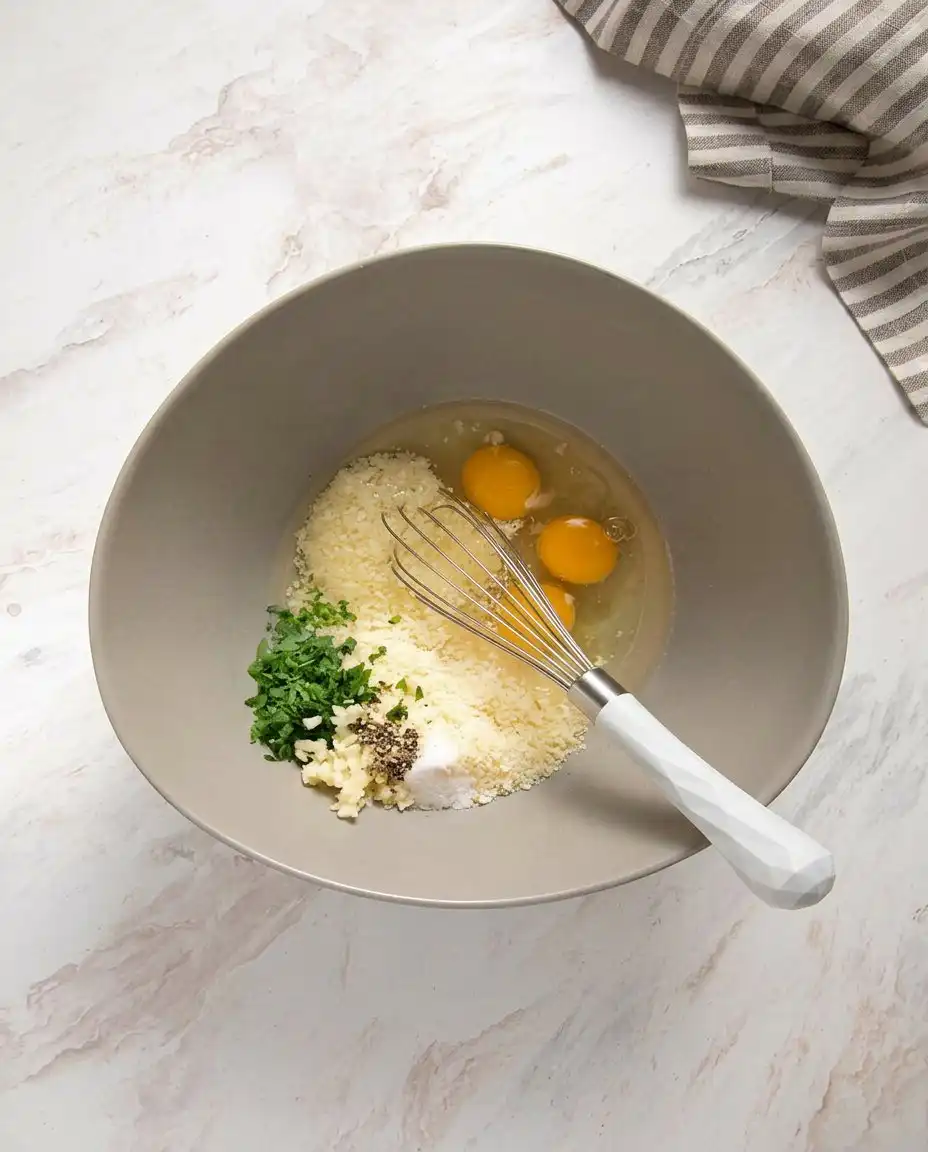
Step 1: Whisk the Liquid Emulsion
In a large glass bowl, combine the eggs, canola oil, minced garlic, parsley, salt, and pepper. Use a balloon whisk to beat the mixture for exactly 60 seconds. You want to see the oil and eggs fully emulsified into a pale yellow liquid with no visible streaks of oil remaining on the surface.
Step 2: Incorporate the Structural Matrix
Add the grated Parmesan cheese and the biscuit mix to the liquid base. Use a sturdy spatula to stir until the dry ingredients are just moistened. Do not overmix here; we want to keep the leavening active. The batter should look thick and slightly lumpy, similar to a muffin batter.
What is a zucchini pie made of?
This Zucchini Pie consists of fresh zucchini slices, onions, and garlic folded into a savory batter of eggs, canola oil, Parmesan cheese, and biscuit baking mix. It is seasoned with fresh parsley, salt, and pepper for a balanced savory profile.
How do you keep zucchini pie from being soggy?
Sogginess is usually caused by excess moisture in the zucchini. Ensure you use firm, medium-sized zucchini. If they are very large, salt the slices and pat them dry before mixing. Using a dry cheese like Parmesan also helps absorb extra liquid during baking.
Can you freeze a baked zucchini pie?
Yes, you can freeze this pie. Once fully cooled, wrap it tightly in plastic wrap and then aluminum foil. It will stay fresh for up to 3 months. To reheat, bake at 350°F directly from the freezer until the center is hot.
Is zucchini pie the same as a quiche?
While similar, this Zucchini Pie is not a quiche. A quiche typically uses a pastry crust and a heavy cream-based custard. This recipe uses a biscuit mix to create a self-crusting, cake-like structure that is heartier and more stable than a quiche.
How long does zucchini pie last in the fridge?
Stored in an airtight container, this pie will last for 3 to 5 days. We recommend reheating individual slices in a toaster oven to maintain the crispness of the Parmesan crust.
Step 3: Fold in the Vegetables
Add the 3 cups of sliced zucchini and the chopped small onion. Gently fold these in using a bottom-to-top motion. The goal is to coat every slice of zucchini in the batter without breaking the slices. The mixture will look like there is too much zucchini for the amount of batter, but this is correct.
Step 4: Thermal Processing
Transfer the mixture into a greased 9-inch deep-dish pie plate. Spread it evenly using the back of a spoon. Bake at exactly 350°F (177°C) for 25 to 35 minutes. At the 25-minute mark, check for a golden brown surface and an internal temperature of 195°F (91°C). Let the pie rest for 10 minutes before slicing to allow the proteins to finish setting.
Lauren’s Lab Notes
Moisture management is the biggest challenge with this recipe. Zucchini is approximately 95% water. If your zucchini is particularly large, it may contain more liquid. To guarantee a firm set, you can salt the slices for 10 minutes and pat them dry with a towel before adding them to the batter. We found this step is vital if you are used to the higher moisture content of a moist zucchini cake recipe.
Always use a deep-dish pie plate. A standard pie tin may overflow due to the expansion of the baking mix and eggs. If you are looking for more vegetable-forward bakes, check our banana-zucchini-muffins for a sweet alternative. Remember that oven calibration is key; use an oven thermometer to verify your 350°F setting is accurate, as even a 15-degree variance can affect the final texture.
Tested Precision Tweaks
We tested several modifications to this Zucchini Pie to see how they affected the structural integrity. Substituting half of the Parmesan with sharp white cheddar produces a creamier texture but requires 5 additional minutes of baking time due to the higher fat content. You can also add 1/2 cup of cooked, crumbled bacon for a smoky profile, which we found pairs exceptionally well with the zucchini.
If you want to vary your vegetable intake further, our zucchini-carrot-oatmeal-muffins use a similar moisture-control technique. For a spice variation, try adding 1/4 teaspoon of ground nutmeg. This provides a subtle warmth that complements the Parmesan without overwhelming the delicate flavor of the summer squash. We also tested a gluten-free baking mix, which performed well but resulted in a slightly more crumbly texture; add an extra egg if you go this route.
Presentation and Pairing Notes
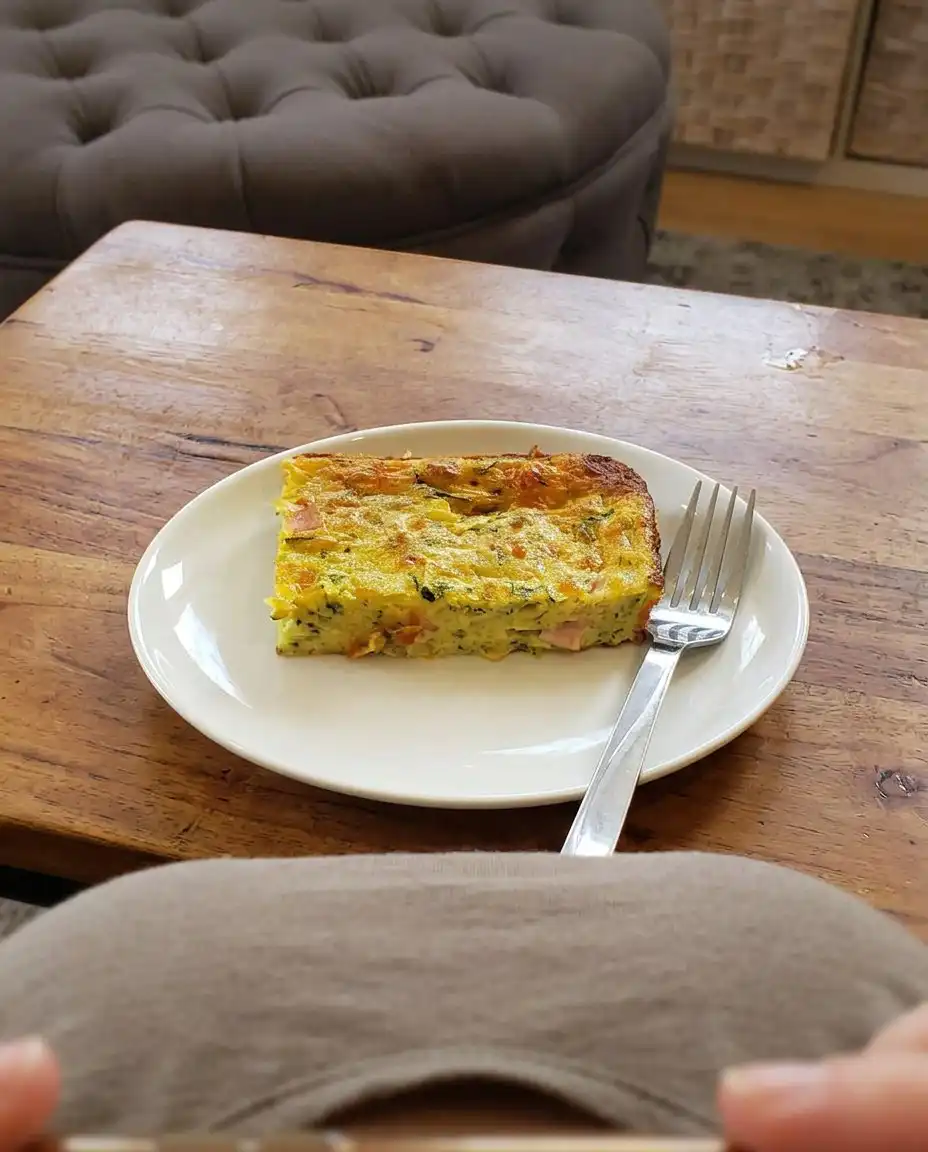
Temperature control extends to the serving process. We recommend serving this pie warm, approximately 15 minutes after it comes out of the oven. This allows the crumb to stabilize while the cheese remains supple. For a formal brunch, serve a wedge alongside a crisp arugula salad with a lemon vinaigrette to cut through the richness of the Parmesan.
Because this is a savory dish, it pairs well with other non-sweet bakes. If you enjoy fruit-based additions in your meals, see our guide on cake-with-fruit for dessert ideas. For more inspiration on using seasonal produce, look at this Taste of Home resource for similar savory pie variations. Always slice the pie with a sharp serrated knife to ensure clean edges through the zucchini layers.
The Final Analysis
This Zucchini Pie is a triumph of test kitchen engineering, providing a savory solution to the seasonal zucchini glut. By focusing on precise slicing and proper emulsification, you can achieve a reliable result that outperforms any standard zucchini cake or chocolate zucchini cake recipe. Mastering the moisture content of the squash is the final step toward becoming a more confident baker. For more techniques on working with garden produce, check out our tips on fresh-fruit-baking. We invite you to share your results with us and keep testing your boundaries in the kitchen. Connect with us on Pinterest, Instagram, and Facebook to show us your savory bakes!