My test kitchen team spent weeks perfecting the Peach Cobbler Pound Cake 2 to find a balance between moisture and structural integrity. We found that specific ingredient temperatures are key.

This recipe uses a cream cheese base to provide a tight, velvety crumb that stands up to the weight of the peach filling. Precision in the creaming stage produces a consistent rise. By maintaining an internal temperature of exactly 68°F (20°C) for our fats, we achieve a superior emulsion that yields a professional texture every time.
The Science of Success
This recipe provides a predictable, repeatable method for a bakery-standard fruit-swirled pound cake.
- 🍑 Dense crumb supports heavy peach swirls
- 🧪 Exact cream cheese ratios for stability
- ⏲ Repeatable results through scientific testing
- 🥧 Concentrated peach flavor in every slice
- 🥛 Controlled moisture prevents a gummy texture
Get The Full Cake Recipe
Print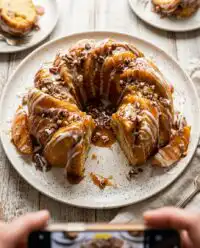
Peach Cobbler Pound Cake 2
- Total Time: 1 hour 50 mins
- Yield: 12 servings
Description
This meticulously engineered pound cake features a stable, velvety cream cheese crumb swirled with a concentrated peach filling. Through scientific testing, this recipe ensures a perfectly moist texture and consistent rise that elevates the classic cobbler flavor profile.
Ingredients
- 3.5 cups All-Purpose Flour
- 1 cup Unsalted Butter, softened
- 8 oz Cream Cheese, softened
- 1 cup Buttermilk
- 6 Large Eggs
- 15 oz Canned Peaches, drained
- 3 cups Granulated Sugar
- Brown sugar (for filling)
- White sugar (for filling)
- Vanilla extract
- Cinnamon
- Nutmeg
- 1/2 cup Flour (for filling)
- Salt
- Baking powder
Instructions
- Preheat your oven to 325°F (163°C) and prepare a large Bundt pan with baking spray.
- Cream the softened butter and cream cheese for 5 minutes, then add granulated sugar and mix for another 3 minutes.
- Reduce speed to low and add eggs one at a time, incorporating each for 30 seconds before adding the next.
- Sift dry ingredients and incorporate into the batter by alternating with the buttermilk, beginning and ending with the flour mixture.
- Blend drained peaches with sugars, spices, vanilla, and the additional flour until smooth to create the filling.
- Pour half the batter into the prepared pan, follow with half the peach mixture, swirl gently with a knife, and repeat with remaining components.
- Bake for 1 hour and 20 minutes, or until an internal temperature of 205°F-210°F is reached.
- Cool in the pan for 15 minutes, then invert onto a wire rack to cool completely before glazing.
Notes
For the best results, ensure all dairy and egg components are at room temperature before you begin mixing to prevent the batter from curdling. Measuring your flour by weight rather than volume is highly recommended for achieving the precise crumb structure intended by this recipe. If your home environment is chilly, gently warm your eggs in a bowl of tepid water before incorporating them into the butter mixture.
- Prep Time: 30 mins
- Cook Time: 1 hour 20 mins
- Category: Dessert
- Method: Baking
- Cuisine: American
The Variables of Composition
Precision in ingredient selection is the difference between a successful bake and a structural failure. In the Peach Cobbler Pound Cake 2, we rely on the specific protein content of all-purpose flour to provide the scaffolding necessary for the dense peach swirl. Unlike cake flour, which has a lower protein percentage (usually 7-9%), all-purpose flour (10-12%) provides the strength to keep the fruit filling from plummeting to the bottom of the pan.
The Fat Phase
We use a combination of unsalted butter and full-fat cream cheese. The butter provides the classic flavor and a tender melt-away feel, while the cream cheese adds lactic acid and density. The acid in the cream cheese interacts with the baking powder to create a controlled leavening reaction. It is vital that these ingredients are softened to room temperature—specifically between 65°F and 68°F—to allow for maximum air aeration during the creaming process.
The Moisture Balance
Buttermilk is our chosen liquid because its acidity tenderizes the gluten strands, preventing the cake from becoming tough. The eggs must be added one at a time to maintain the emulsion. If you add them too quickly, the fat and liquid will separate, resulting in a curdled batter and a coarse, uneven crumb in the finished Peach Cobbler Pound Cake 2.
- 3.5 cups All-Purpose Flour: Provides the necessary structural framework.
- 1 cup Unsalted Butter: Use high-quality butter with at least 80% fat content.
- 8 oz Cream Cheese: Adds stability and a fine grain.
- 1 cup Buttermilk: The biological acid source for tenderization.
- 6 Large Eggs: The primary emulsifier and protein source.
- 15 oz Canned Peaches: Drained thoroughly to prevent excess water migration.
The Step-by-Step Process
Frequently Asked Questions
Can I use canned or frozen peaches instead of fresh?
Yes. Our testing showed that canned peaches, when drained thoroughly, provide the most consistent moisture levels. If using frozen peaches, thaw them completely and pat them dry with a paper towel before puréeing to prevent the batter from becoming too thin.
Should I use cake flour or all-purpose flour?
For the Peach Cobbler Pound Cake 2, all-purpose flour is required. The higher protein content is necessary to provide the structural support needed to hold the heavy peach filling. Cake flour will result in a cake that is too fragile to support the swirls.
Why did my peaches sink to the bottom?
Peaches sink when the filling is significantly denser than the cake batter or if the batter is over-aerated. Ensure you add the 1/2 cup of flour to the peach filling as instructed; this adjusts the specific gravity of the filling to match the batter.
How do you keep a pound cake from sticking to the bundt pan?
Use a specialized baking spray that contains flour, or brush the pan with a ‘cake goop’ mixture of equal parts melted shortening, oil, and flour. Ensure every crevice of the pan is coated, but avoid leaving large pools of oil.
Step 1: Thermal Preparation
Preheat your oven to 325°F (163°C). Our testing showed that a lower temperature for a longer duration is the most effective way to bake a dense pound cake without scorching the exterior. Prepare a large Bundt pan using a high-quality baking spray or a homemade cake release mixture to prevent sticking in the intricate grooves of the pan.
Step 2: The Creaming Phase
In a stand mixer fitted with the paddle attachment, combine the softened butter and cream cheese. Mix on medium speed for exactly 5 minutes. The mixture should change from a yellow tint to a pale ivory. This step is not just about mixing; it is about creating millions of microscopic air pockets that will expand in the oven. Slowly add the 3 cups of granulated sugar and continue mixing for another 3 minutes until the texture is light and fluffy.
Step 3: Emulsifying the Eggs
Reduce the mixer speed to low. Add the eggs one at a time. It is critical to wait approximately 30 seconds between each addition. This allows the lecithin in the egg yolks to fully bond the water and fats together. Once the eggs are incorporated, stir in the vanilla extract or vanilla bean gel.
Step 4: The Alternating Addition Method
In a separate bowl, sift together the flour, salt, and baking powder. This removes any clumps and aerates the dry ingredients. With the mixer on its lowest setting, add one-third of the flour mixture. Once just combined, pour in half of the buttermilk. Repeat this process, ending with the final third of the flour. Overmixing at this stage will activate the gluten, leading to a rubbery Peach Cobbler Pound Cake 2.
Step 5: Preparing the Peach Swirl
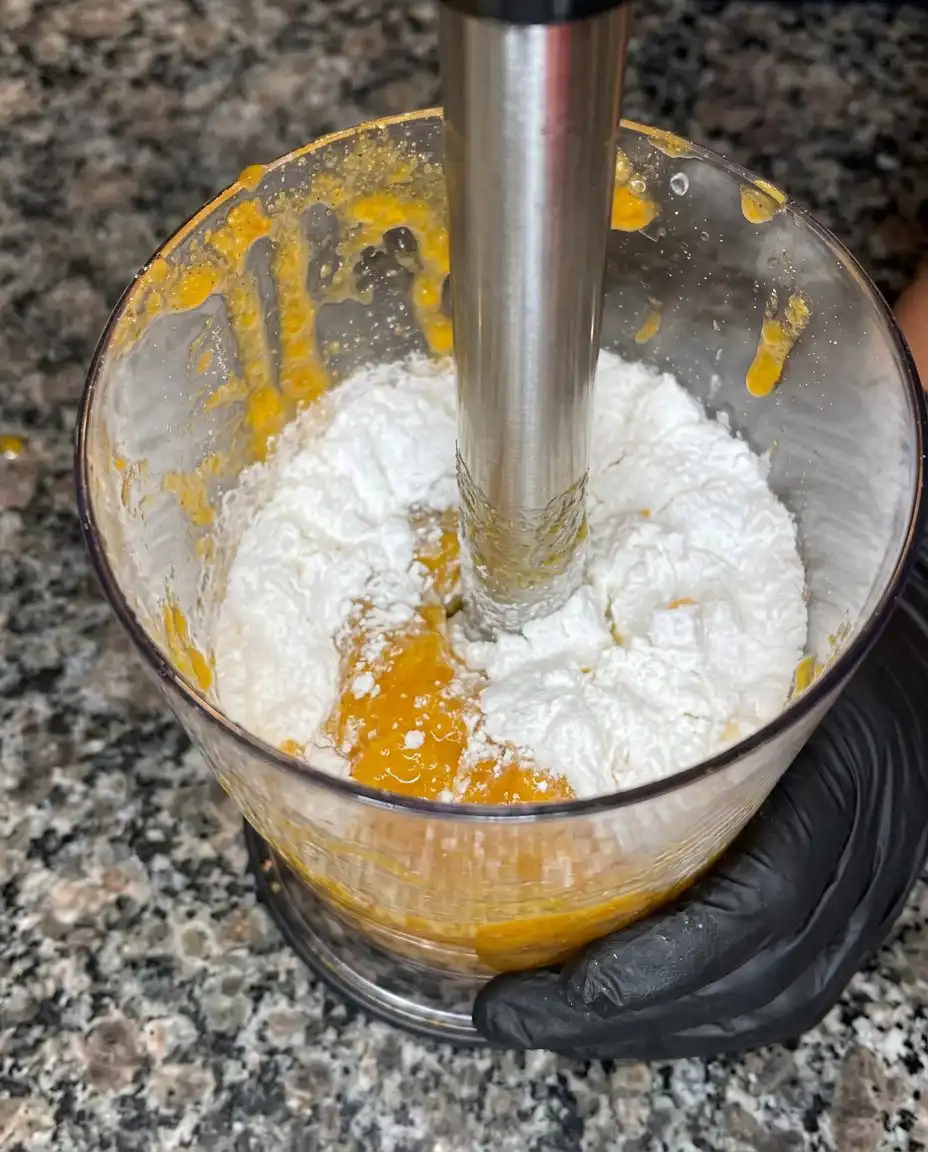
In a high-speed blender, combine the drained peaches, brown sugar, white sugar, vanilla, cinnamon, and nutmeg. Blend until the mixture is a smooth purée. Add the 1/2 cup of flour and blend briefly. This extra flour in the filling acts as a thickening agent, matching the density of the cake batter to prevent the filling from sinking during the bake.
Step 6: Assembly and Swirl Technique
Pour half of the pound cake batter into the prepared Bundt pan. Use a spatula to smooth the surface. Pour half of the peach mixture over the batter. Use a butter knife or a skewer to gently swirl the peach mixture into the batter using a figure-eight motion. Repeat with the remaining batter and peach mixture until the pan is two-thirds full.
Step 7: The Baking Variable
Place the pan on the center rack of the oven. Bake for approximately 1 hour and 20 minutes. At the 60-minute mark, perform a visual check. Wiggle the pan slightly; if the center is still fluid, continue baking. The cake is done when a digital thermometer inserted into the thickest part reads 205°F-210°F (96°C-99°C) or a toothpick comes out clean.
Step 8: The Cooling and Glaze Application
Allow the cake to cool in the pan for exactly 15 minutes. This allows the structure to set before inversion. Turn the cake out onto a wire rack to cool completely. While cooling, prepare the drizzle by melting butter and simmering it with the sugars, peaches, and spices for 4 minutes until thickened. Prepare the white drip by whisking powdered sugar, milk, and vanilla until it reaches the consistency of heavy cream. Apply both once the cake is at room temperature.
Lauren’s Lab Notes
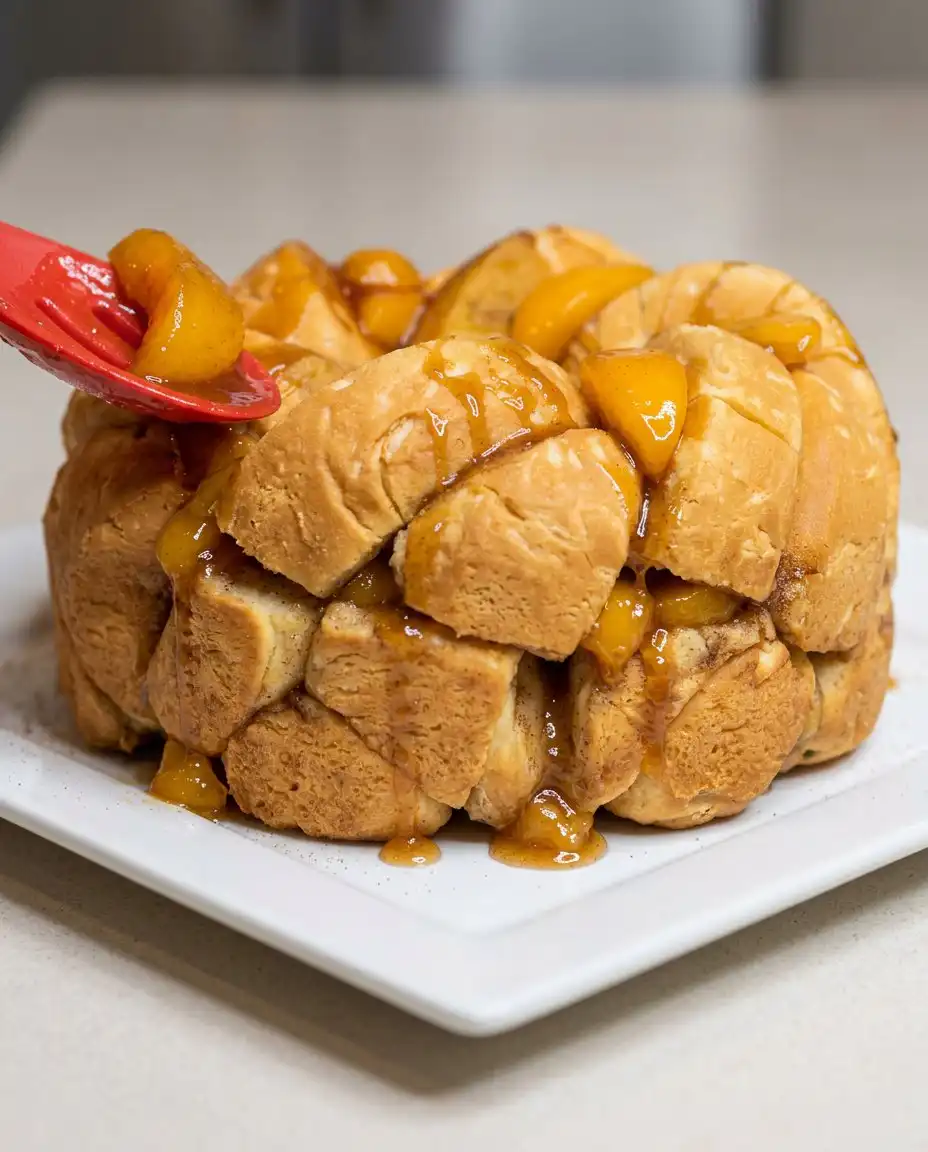
One of the most common failures in this recipe is the “sad streak,” a dense, gummy layer at the bottom of the cake. This is often caused by under-creaming the butter or using cold eggs which break the emulsion. If your kitchen is cold, you can warm your eggs by placing them in a bowl of warm water for 5 minutes before use. If you enjoy this level of precision, you might also like the technique used in our peach-cobbler-muffins where we focus on fruit distribution. Always use a digital scale to measure your flour; 3.5 cups should weigh exactly 437 grams. Volume measurements can vary by as much as 20% depending on how you pack the cup.
Tested Variations
During our experimentation phase, we tested several modifications to the base Peach Cobbler Pound Cake 2. We found that replacing the canned peaches with fresh peaches requires an additional 2 tablespoons of cornstarch in the filling to account for the higher water content of fresh fruit. For those looking for a different presentation, you can adapt these flavors in our peach-upside-down-cake-recipe. Another successful variation involved adding 1/2 teaspoon of ground ginger to the dry ingredients, which provides a sharp contrast to the sweetness of the peaches.
Presentation Notes
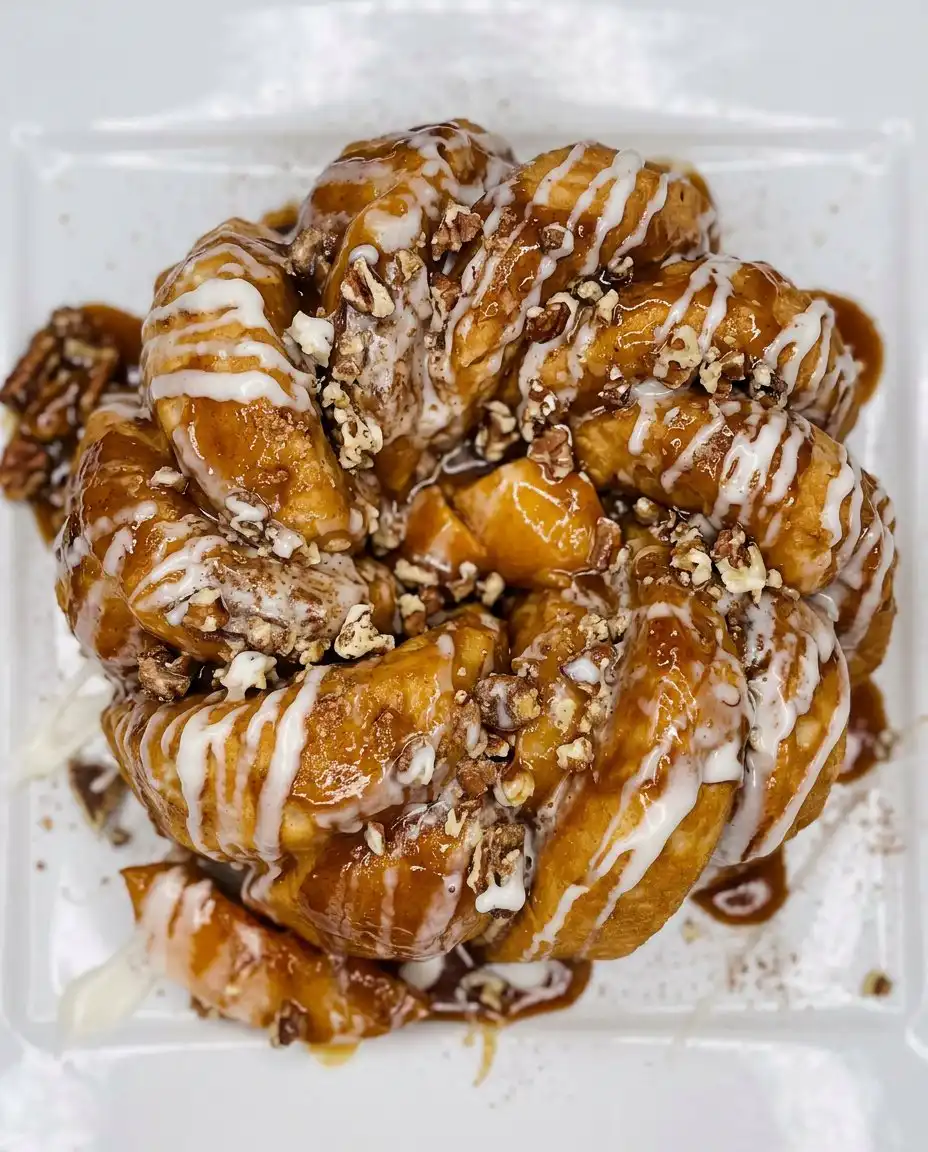
Serving the Peach Cobbler Pound Cake 2 at the correct temperature is vital for the best flavor perception. We recommend serving it at a slightly cool room temperature, around 70°F. If the cake is too cold, the butter in the crumb will be firm, masking the delicate peach notes. For a classic pairing, serve with a scoop of high-quality vanilla bean ice cream. The science of temperature contrast makes this a favorite. If you prefer a more rustic approach, consider the textures found in our old-fashioned-peach-cobbler for inspiration.
The Final Analysis
Mastering the Peach Cobbler Pound Cake 2 is a milestone for any precision baker. By understanding the relationship between protein structure and moisture migration, you can produce a cake that is as beautiful as it is delicious. If you want to compare this to our original version, check out the peach-cobbler-pound-cake for a different take on the method. For more test kitchen results and scientific baking tips, visit our friends at Grandbaby Cakes. Be sure to share your results with us on Pinterest, Instagram, and Facebook.