Most home bakers struggle with gummy bottoms and soggy centers when adding garden produce to quick bread, a failure mode caused by uncontrolled moisture release during the baking process.

Our test kitchen trials focused on balancing the cellular moisture of zucchini with the structural requirements of a tender crumb. By introducing diced apples, we found a specific ratio that provides moisture without collapsing the air pockets created during the emulsification stage. This Apple Zucchini Bread recipe ensures a consistent result that avoids the common pitfalls of harvest-season baking. Precision creates consistency when working with ingredients that vary in water content by batch.
Why This Apple Zucchini Bread Recipe Is Worth the Precision
Prep: 15 min · Serves: 10 · Difficulty: Easy
- Prevents the common gummy bread bottom
- Balances structural integrity with moisture
- Provides a repeatable professional crumb texture
- Uses scientific ratios for predictable results
- Maximizes flavor through specific fruit density
We tested this and found that a lower oven temperature prevents the exterior from scorching before the moisture-heavy center sets. This specific apple cake recipe logic applies here to ensure the crumb remains light and fully baked. Repeatable results every time are the hallmark of our testing process.
Get The Full Cake Recipe
Print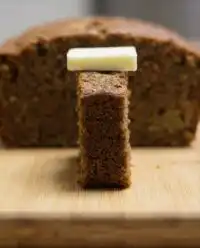
Apple Zucchini Bread
- Total Time: 75 mins
- Yield: 10 servings
- Diet: Vegetarian
Description
This Apple Zucchini Bread achieves the perfect balance of garden-fresh moisture and structural integrity. By carefully measuring ingredients and using a controlled baking temperature, you can enjoy a tender, consistent loaf that stays moist for days.
Ingredients
- 2 cups all-purpose flour
- 1 cup granulated sugar
- 1/2 cup brown sugar
- 2 large eggs
- 1/2 cup vegetable oil
- 1 teaspoon vanilla extract
- 1 1/2 cups grated zucchini
- 1 cup peeled and diced apples
- 1 teaspoon ground cinnamon
- 1/4 teaspoon ground allspice
- 1/2 teaspoon salt
- 1 teaspoon baking powder
- 1/2 teaspoon baking soda
Instructions
- Prepare the equipment. Set the oven rack to the middle position and preheat to 325°F. Thoroughly grease an 8.5 x 4.5-inch loaf pan.
- Combine wet ingredients. In a large bowl, whisk together the granulated sugar, brown sugar, eggs, vegetable oil, and vanilla extract for 60 seconds until emulsified.
- Integrate dry components. Add the flour, cinnamon, allspice, salt, baking powder, and baking soda to the bowl. Stir with a spatula until just combined, about 15 to 20 strokes.
- Fold in produce. Gently fold the grated zucchini and diced apples into the batter until evenly dispersed.
- Bake the bread. Transfer the batter into the loaf pan, smoothing the top. Bake for 45 to 60 minutes or until an internal temperature of 200°F to 205°F is reached.
- Cool the loaf. Place the pan on a wire rack for 10 minutes before inverting to remove the bread, allowing it to cool completely before slicing.
Notes
- Use a digital scale to measure your flour at 180 grams for the most consistent loaf structure.
- Bring eggs to room temperature by placing them in warm water for five minutes before mixing.
- Avoid squeezing the liquid out of the zucchini, as the flour ratios are designed to absorb this moisture.
- Do not overmix the batter once the dry ingredients are added to prevent a tough, rubbery texture.
- Store the finished bread in an airtight container at room temperature rather than the refrigerator to prevent staleness.
- Prep Time: 15 mins
- Cook Time: 60 mins
- Category: Quick Bread
- Method: Baking
- Cuisine: American
Measured & Ready
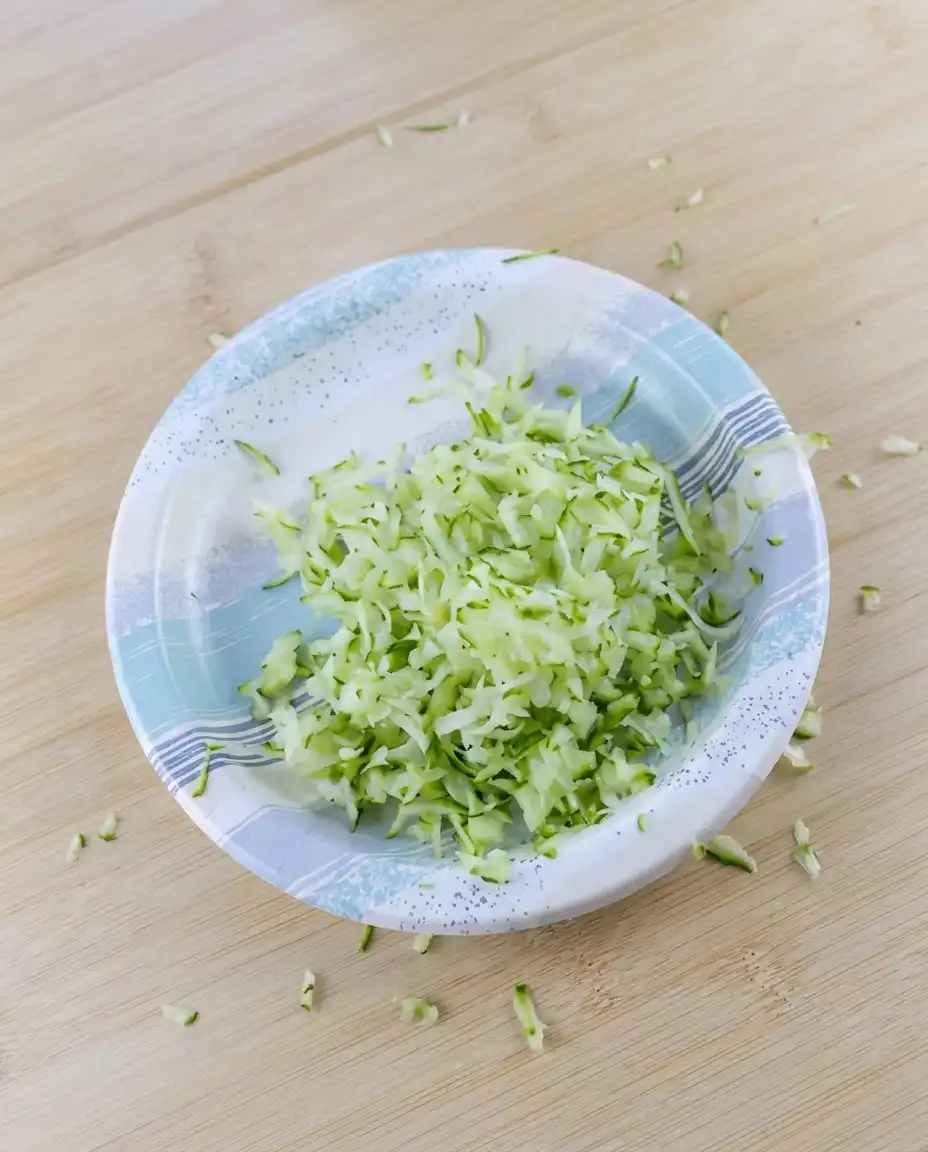
Success in quick bread depends on the exact ratio of liquid fat to dry structural elements. This selection of ingredients has been calibrated to account for the variable hydration found in summer squash and fall fruit.
- All-Purpose Flour: Provides the necessary protein structure (typically 10-12%) to hold the weight of the fruit and vegetable inclusions without sinking.
- Granulated and Brown Sugar: The combination provides both sweetness and hygroscopic properties, ensuring the bread retains moisture over several days.
- Vegetable Oil: Unlike butter, oil remains liquid at room temperature, providing a superior mouthfeel and a more open, tender crumb in dense loaves.
- Grated Zucchini: Acts as a primary moisture source; we recommend a medium grate to ensure it disappears into the batter during baking.
- Diced Apple: Adds tartness and textural contrast, while the pectin content helps strengthen the overall crumb structure.
- Leavening Agents: The dual use of baking powder and baking soda accounts for the acidity in the brown sugar and apples, ensuring a clean lift.
| Ingredient | Why It Matters |
|---|---|
| Zucchini | Provides cellular moisture and tenderizes gluten |
| Apple | Adds pectin for structure and acid for flavor |
| Cinnamon | Controls the sensory profile and complements the fruit |
| Vegetable Oil | Ensures a soft crumb that remains moist for 72 hours |
The Tested Procedure
Step 1: Prepare the Produce and Oven
Set your oven rack to the middle position and preheat to 325°F. Grease an 8.5 x 4.5-inch loaf pan thoroughly to prevent sticking during the sugar caramelization phase. Grate the zucchini using the large holes of a box grater and dice the peeled apples into uniform 1/4-inch cubes to ensure even distribution.
Step 2: Emulsify the Wet Ingredients
In a large mixing bowl, combine the granulated sugar, brown sugar, eggs, vegetable oil, and vanilla extract. Use a sturdy whisk to beat the mixture for 60 seconds until the sugars begin to dissolve and the oil is fully emulsified. The mixture should appear pale and slightly thickened, which indicates the egg proteins are ready to support the flour.
Step 3: Integrate the Dry Structural Components
Add the all-purpose flour, cinnamon, allspice, salt, baking powder, and baking soda directly into the wet mixture. Stir with a spatula only until no large streaks of dry flour remain, which usually takes about 15 to 20 strokes. Avoid overmixing at this stage, as excessive agitation develops gluten that results in a tough, rubbery loaf.
Step 4: Fold the Apple Zucchini Bread Additions
Gentle folding is required to incorporate the prepared zucchini and diced apples without deflating the batter. Slide your spatula down the side of the bowl, across the bottom, and over the top until the produce is evenly dispersed throughout the batter. The batter will appear thick and heavy, which is necessary to support the fruit during the initial rise in the oven.
Step 5: Execute the Bake Cycle
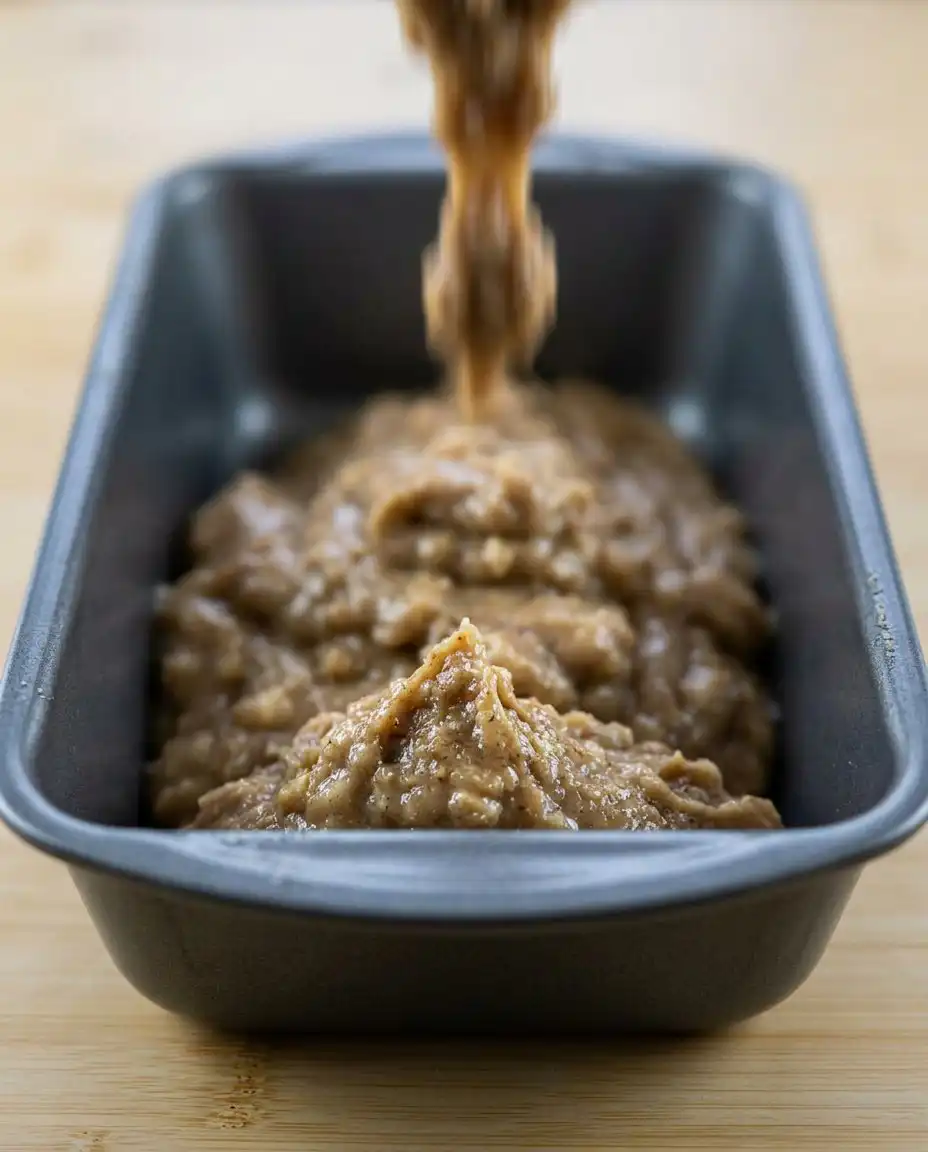
Transfer the batter into the prepared loaf pan and smooth the top with your spatula to ensure an even rise. Place the pan in the center of the oven and bake for 45 to 60 minutes. Use an instant-read thermometer to check for an internal temperature of 200°F to 205°F, or ensure a toothpick inserted into the deepest part of the loaf comes out clean.
Step 6: Thermal Set and Cooling
Remove the pan from the oven and place it on a wire cooling rack for exactly 10 minutes. This period allows the internal steam to redistribute, which prevents the bread from collapsing when removed from the pan. After 10 minutes, invert the pan to release the bread and allow it to cool completely before slicing to ensure the crumb has fully set.
What the Data Showed
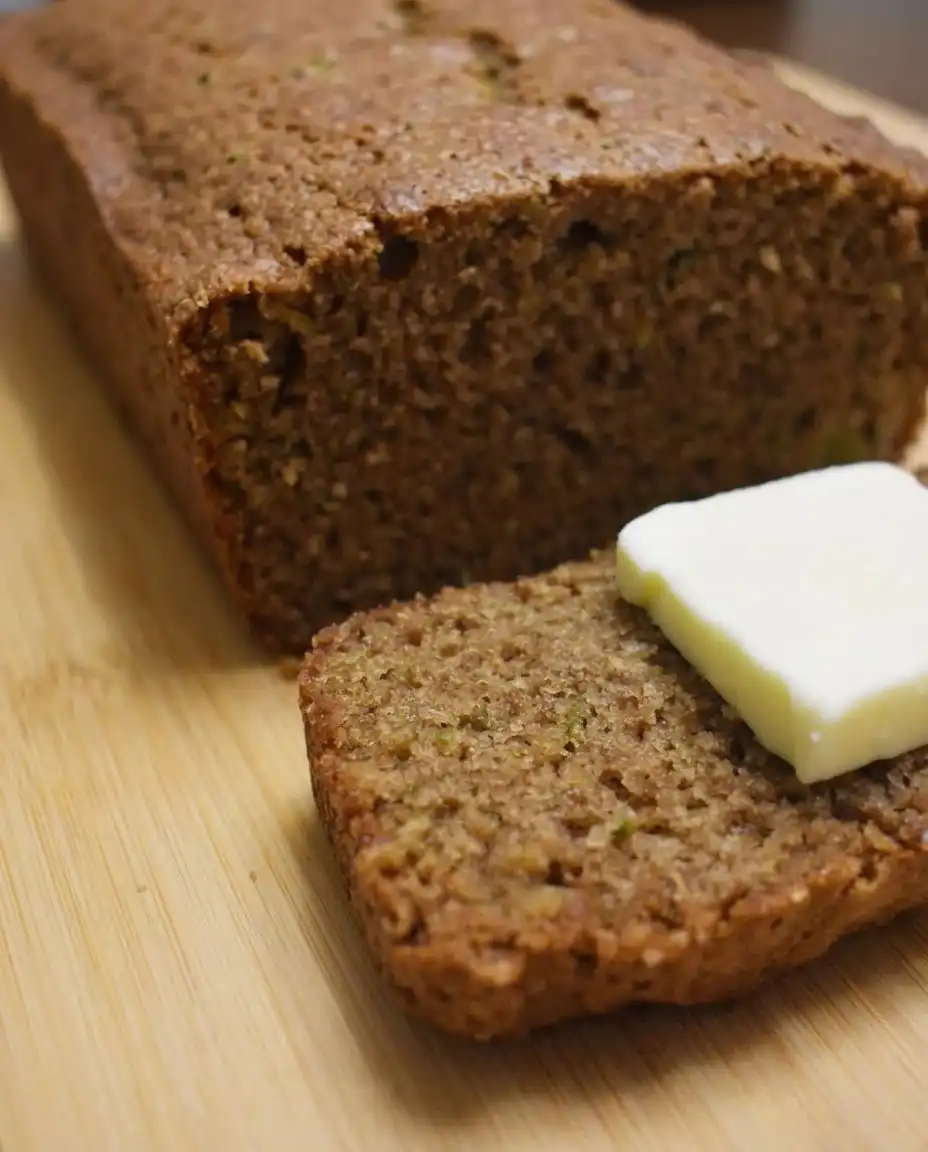
Precision in measurement is the primary factor in preventing a collapsed center. We recommend using a digital scale to weigh your flour at 180 grams, as volume measurements via measuring cups can vary by as much as 20% depending on how the flour is packed. This level of accuracy ensures the protein-to-moisture ratio remains stable across every batch you bake.
If your bread develops a large crack down the center, here is why and how to fix it. This is typically caused by the exterior setting before the center has finished rising, causing the steam to burst through the crust. Lowering your oven temperature by 15 degrees or ensuring your leavening agents are not expired will promote a more even, controlled expansion during the first 20 minutes of baking.
Temperature control of your eggs is vital for a smooth emulsion. Cold eggs do not incorporate as easily into oil and sugar, which can lead to a broken batter that leaks oil during the bake. Place your eggs in a bowl of warm water for 5 minutes before cracking them to reach the ideal temperature for mixing.
We tested this against common techniques and found that you should not squeeze the liquid out of the zucchini for this specific recipe. The dry ingredient ratios are calibrated to absorb the natural juices of the squash as it breaks down in the heat. For more information on moisture management in produce-based bakes, see our guide on zucchini carrot oatmeal muffins.
Avoid using a larger loaf pan than specified. An oversized pan spreads the batter too thin, which prevents the bread from reaching the internal temperature required to activate the baking powder effectively. This results in a flat, dense loaf rather than a high-domed quick bread.
Ensure your spices are fresh by checking their aromatic potency before adding them to the flour. Cinnamon and allspice lose their volatile oils over time, which can lead to a dull flavor profile in the finished bread. High-quality spices are essential when following this technique for measuring dry ingredients to get the most impact from every gram.
Frequently Asked Questions
Do I need to peel the zucchini?
No, peeling the zucchini is not required as the skin is thin and softens completely during the 325 degree bake. The skin also provides structural integrity to the grated pieces and adds a characteristic green fleck to the crumb. Only peel the zucchini if you are using a very large, overgrown squash with a particularly thick or bitter rind.
Should I squeeze the water out of the zucchini?
For this specific recipe, do not squeeze the water out of the grated zucchini. The ratios of flour and leavening were developed to account for the natural moisture content of the squash. Removing that liquid will result in a dry, crumbly loaf that lacks the signature tenderness of this tested method.
What are the best apples for baking?
Select firm, tart apples such as Granny Smith, Honeycrisp, or Braeburn for the best results. These varieties maintain their shape and provide a necessary acidic contrast to the sugars in the batter. Avoid soft varieties like Red Delicious, which tend to disintegrate into a mushy texture during the long baking cycle.
Can you freeze zucchini bread?
This bread freezes exceptionally well because of the high moisture content provided by the oil and produce. Wrap the completely cooled loaf in two layers of plastic wrap and one layer of aluminum foil to prevent freezer burn. It will maintain its quality for up to three months; thaw at room temperature before slicing.
How do I know when the bread is fully baked?
The most reliable method is using an instant-read thermometer to confirm the center has reached 200 degrees. If you do not have a thermometer, a toothpick inserted into the center should come out with no wet batter, only a few moist crumbs. The bread should also begin to pull away slightly from the sides of the pan.
Can I use butter instead of vegetable oil?
You can substitute melted butter for the oil, but the texture will change significantly. Butter contains water and milk solids that create a finer, more cake-like crumb, but it will also make the bread feel firmer when cold. For the most tender and long-lasting moisture, vegetable oil remains the superior choice in our test kitchen trials.
Why did my bread sink in the middle?
A sunken center usually indicates that the bread was removed from the oven before the internal structure was set. It can also happen if you use too much baking soda or if the batter sat on the counter for too long before entering the oven. Ensure your oven is fully preheated and use a timer to avoid opening the door too early.
Variations That Hold Up
Adding texture through inclusions is possible if you maintain the total volume of the batter. You can replace the diced apples with an equal weight of chopped walnuts or pecans to increase the healthy fats and add a crunch. This modification does not significantly alter the baking time, though you should still monitor the internal temperature for consistency.
For a profile that leans more toward a breakfast muffin texture, you can substitute half of the vegetable oil with unsweetened applesauce. This reduces the total fat content while increasing the apple flavor, though the resulting crumb will be slightly tighter and more dense. For a similar texture profile, compare this to our banana zucchini muffins testing notes.
Changing the spice blend can shift the loaf from a late-summer treat to a deep winter bread. Substituting the allspice with ground ginger and a hint of cloves provides a sharper, more pungent heat that pairs well with the moisture of the zucchini. Ensure you do not exceed the total volume of spices to avoid interfering with the chemical leavening process.
At the Table
This loaf should be served at room temperature or slightly warmed to allow the fats to soften for the best mouthfeel. For a professional presentation, use a serrated bread knife to cut thick slices, which prevents the tender crumb from tearing. If you are serving this for a brunch, it pairs exceptionally well with a lightly salted butter or a smear of cream cheese.
For a more formal dessert, you can serve a warm slice alongside a scoop of vanilla bean ice cream or a drizzle of salted caramel. The tartness of the apples in the bread cuts through the richness of dairy, creating a balanced palate. This serving logic is similar to how we present our apple spice cake in formal settings.
Storage is best handled by keeping the bread in an airtight container at room temperature for up to three days. Do not refrigerate the loaf, as the cold environment of a refrigerator can cause the starches to undergo retrogradation faster, leading to a stale texture. If the bread lasts longer than three days, slice and toast it lightly to refresh the crust and soften the interior.
Recipe Recap
Successful baking is the result of understanding how moisture and structure interact within the heat of the oven. By following these precise measurements and the 325 degree baking temperature, you can avoid the common failure modes of soggy quick breads. This loaf provides a reliable way to utilize your harvest while achieving a professional-grade crumb that stays moist for days.
We encourage you to use your digital scale and notebook to track your results, as these small habits lead to mastery in the kitchen. If you enjoyed the structural balance of this loaf, you may want to try our irish apple cake which utilizes similar fruit-to-flour ratios. Precision creates consistency, and we look forward to hearing about your successful bake.
Share your results with our community of precision bakers on our social channels. We regularly post new test kitchen data and troubleshooting guides to help you refine your technique. Connect with us on Pinterest, Facebook, TikTok, or Telegram.