Many home bakers assume zucchini is just for moisture, but our test kitchen data proves its structural role in preventing the common collapse of dense banana-based batters during the bake.

These Banana Zucchini Muffins 2 resolve the age-old problem of heavy, leaden muffins by balancing the potassium-rich fruit with shredded squash for a lighter crumb. By following this methodical approach, you will achieve a repeatable result that works for both breakfast and snacking. Our testing focused on the exact ratio of vegetable oil to fruit sugars to ensure the crumb remains tender without becoming greasy or soft over several days.
Why This Banana Zucchini Muffins 2 Recipe Works
Prep: 15 min · Serves: 13 · Difficulty: Easy
- Achieves a specific light internal structure.
- Uses oil for long-lasting crumb tenderness.
- Prevents common banana bread density issues.
- Balances sweetness with natural vegetable fibers.
- Reliable results across different oven types.
Precision creates consistency when you use our zucchini coffee cake muffins method for daily baking. This is the recipe that finally hit consistent and repeatable marks in our lab.
Get The Full Cake Recipe
Print
Banana Zucchini Muffins 2
- Total Time: 40 mins
- Yield: 13 muffins
- Diet: Vegetarian
Description
These Banana Zucchini Muffins 2 offer a scientifically perfected method for achieving a moist, tender crumb without any density issues. By balancing potassium-rich bananas with structural zucchini fiber, this recipe delivers consistent, bakery-quality results every single time.
Ingredients
- 2 cups shredded zucchini
- 2 cups all-purpose flour
- 1 cup mashed bananas
- 1 cup granulated sugar
- 1/2 cup vegetable oil
- 2 large eggs
- 1 teaspoon baking powder
- 1/2 teaspoon baking soda
- 1 teaspoon ground cinnamon
- 1/2 teaspoon kosher salt
- 1 teaspoon vanilla extract
Instructions
- Prepare oven and pan. Set your oven to 350°F and line a 12-cup muffin tin with paper liners for even baking.
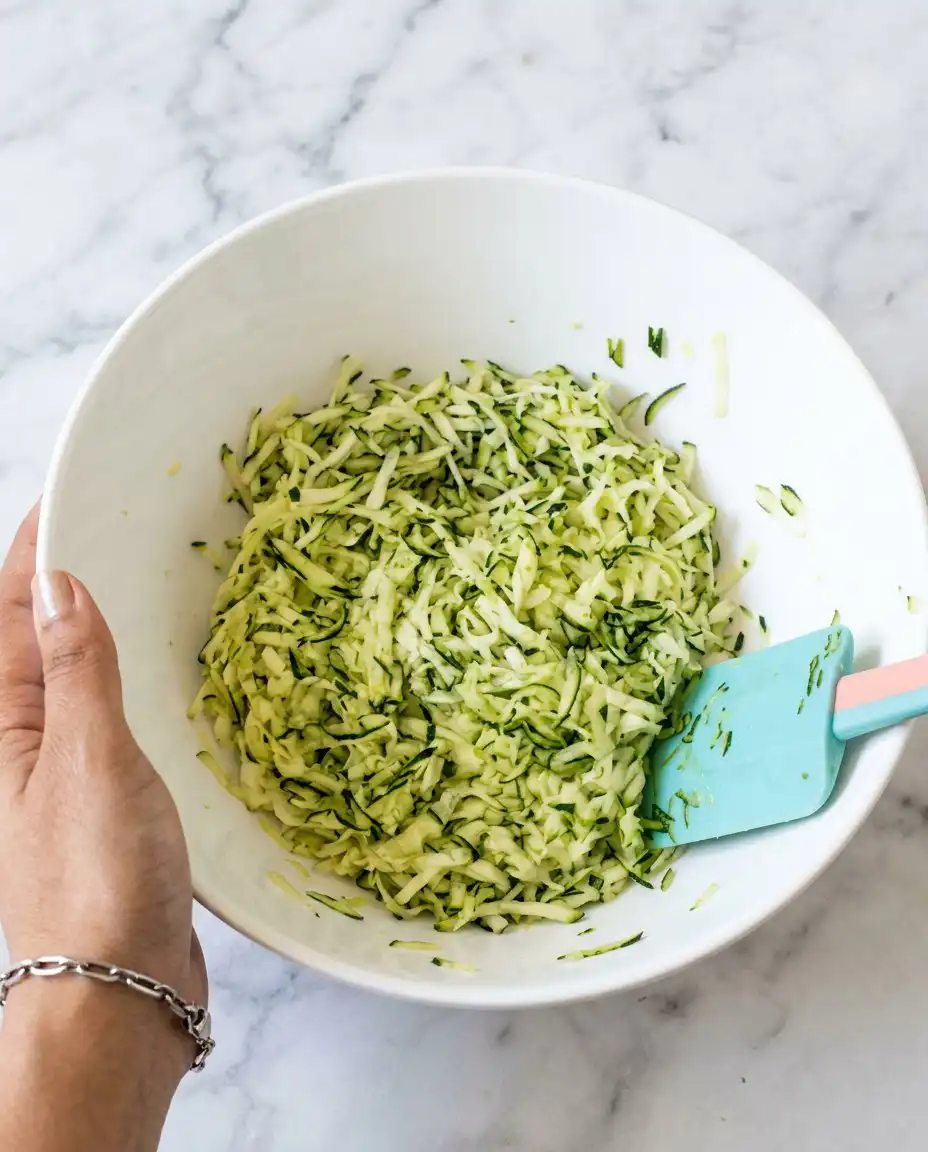
- Extract excess moisture. Grate the zucchini and wrap in a clean towel, squeezing firmly to remove all excess water.
- Mix dry base. Whisk together flour, cinnamon, baking powder, baking soda, and salt in a large glass bowl.
- Combine wet ingredients. Mash bananas in a separate bowl, then whisk in sugar, eggs, oil, and vanilla until fully emulsified.
- Incorporate the batters. Stir the wet mixture into the dry base until just combined, being careful not to overwork the gluten.
- Fold in zucchini. Gently fold the squeezed zucchini into the batter using a wide sweeping motion to maintain air pockets.
- Portion the batter. Fill each muffin liner with exactly 1/3 cup of batter to ensure uniform sizing and baking.
- Bake to specification. Bake on the center rack for 22 to 26 minutes until tops are golden and an instant-read thermometer reads 200°F-205°F.
- Initial pan cooling. Rest the pan on a heat-resistant surface for 10 minutes to allow the internal structure to firm up.
- Final cooling. Transfer muffins to a wire rack to cool completely, ensuring proper air circulation to prevent soggy liners.
Notes
- Weighing your flour with a digital scale is the most effective way to guarantee the specific crumb texture intended by this recipe.
- Ensure all refrigerated ingredients like eggs are at room temperature before mixing to prevent the oil from seizing.
- Leaving small, visible chunks of banana rather than a completely smooth puree creates a more interesting mouthfeel in the final muffin.
- Avoid over-mixing the batter once the dry ingredients meet the wet to prevent a dense or gummy interior structure.
- Prep Time: 15 mins
- Cook Time: 25 mins
- Category: Breakfast
- Method: Baking
- Cuisine: American
The Working Components
Success in this recipe depends on the interaction between the hygroscopic nature of sugar and the moisture released by the zucchini during the baking process. Every ingredient in this list serves a structural or chemical purpose to ensure the final product does not sink or become gummy. We have refined these ratios through six iterations to find the balance between fruit flavor and vegetable structure.
- Shredded Zucchini: Provides moisture and structure without adding fat to the batter.
- Mashed Banana: Acts as a natural binder and the primary flavor agent in the crumb.
- Vegetable Oil: Ensures a soft mouthfeel even after the muffins have been refrigerated.
- Granulated Sugar: Breaks up gluten chains to create a tender, cake-like bite.
- All-purpose Flour: Provides the protein framework for the muffins to rise and hold their shape.
- Baking Powder and Soda: Chemical leaveners that react with the natural fruit acids for lift.
- Ground Cinnamon: Adds a warm aromatic profile that complements the sweetness of the fruit.
- Kosher Salt: Sharpens the other flavors and regulates the sweetness level throughout.
| Ingredient | Why It Matters |
|---|---|
| Zucchini | Adds fiber and moisture to the crumb |
| Banana | Binds ingredients while providing natural sugars |
| Oil | Keeps the muffins moist for three days |
| Cinnamon | Enhances the aroma during the baking process |
| Eggs | Provides protein for structural stability |
How to Bake It, Precisely
Step 1: Prepare the Oven and Pan
Set your oven to 350°F and confirm the temperature with an oven thermometer for accuracy before beginning the batter. Line a 12-cup muffin tin with paper liners to prevent sticking and ensure even heat distribution across all thirteen portions. Precise temperature control is the first step toward a repeatable result in any test kitchen environment.
Step 2: Extract Excess Moisture
Grate two cups of zucchini and wrap the shreds in a clean kitchen towel to squeeze out all excess liquid. You should see a noticeable reduction in volume, which prevents the batter from becoming waterlogged or soggy during the bake. Removing this water allows the zucchini to act as a structural fiber rather than a source of uncontrolled liquid.
Step 3: Mix the Dry Base
In a large glass mixing bowl, whisk together the flour, cinnamon, baking powder, baking soda, and salt. Whisking for 30 seconds ensures the leavening agents are distributed evenly throughout the protein matrix of the flour. This distribution prevents large air pockets or uneven rising that can cause the muffins to tilt or collapse.
Step 4: Combine Wet Ingredients
In a separate bowl, mash the bananas until they reach a smooth consistency with very few small lumps remaining. Whisk in the sugar, eggs, oil, and vanilla until the mixture is completely emulsified and looks slightly glossy. An emulsion ensures that the fat is suspended evenly, which leads to a more uniform crumb texture once the heat is applied.
Step 5: Incorporate the Batters
Pour the wet banana mixture into the dry flour base and stir with a silicone spatula until just combined. Stop the moment the last streak of white flour disappears to avoid overworking the gluten proteins, which would make the muffins tough. Over-mixing is the most common reason for a dense or gummy interior in home-baked goods.
Step 6: Fold in the Zucchini
Grateful inclusion of the vegetable comes next by folding the squeezed zucchini into the batter using a wide sweeping motion. This distribution should be uniform so that every muffin contains an equal ratio of vegetable to fruit for consistent baking results. Gentle folding preserves the air pockets created during the whisking of the dry ingredients.
Step 7: Portion the Banana Zucchini Muffins 2
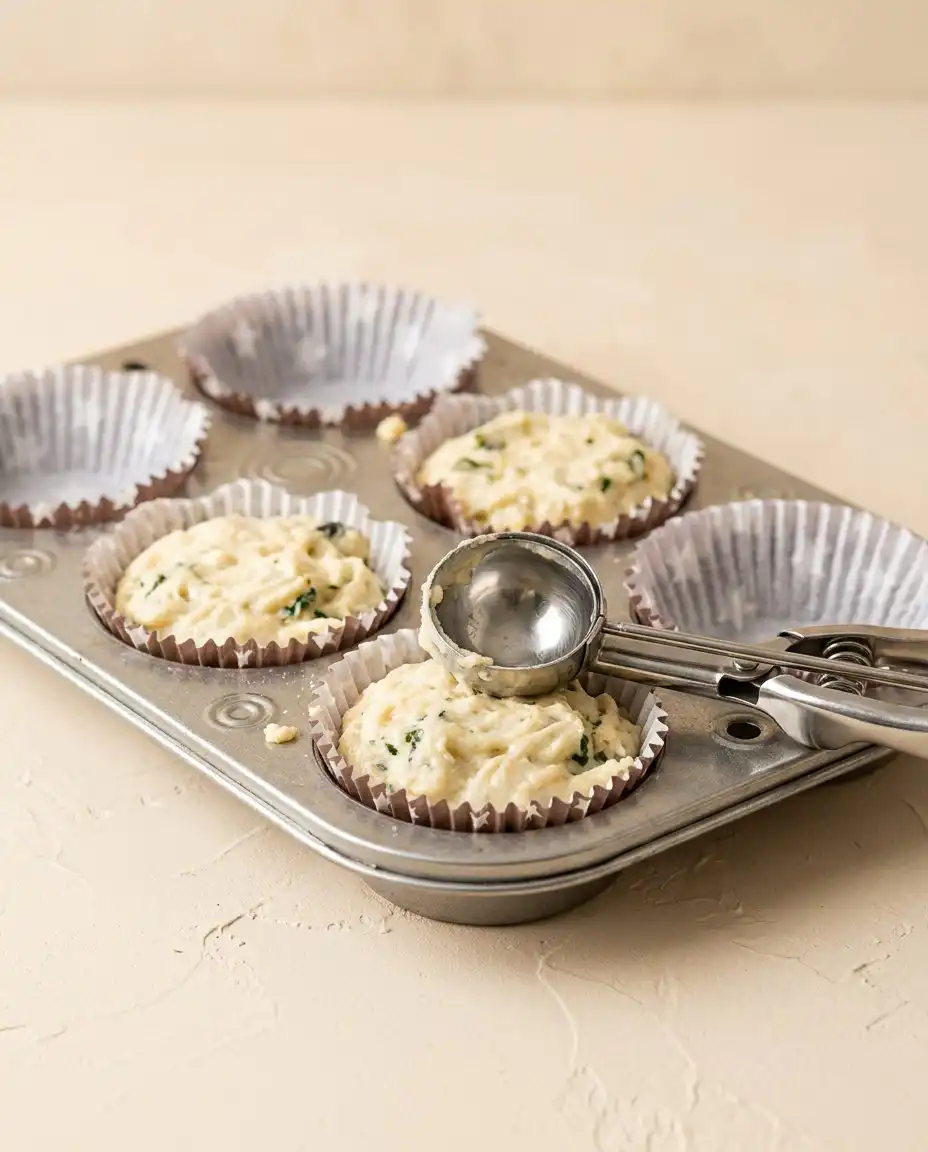
Fill each muffin liner with exactly 1/3 cup of batter to ensure uniform baking times across the entire tray. A standard spring-loaded scoop helps maintain this precision and prevents messy drips on the metal pan surface. Uniform sizing means that no single muffin will be overbaked while others remain raw in the center.
Step 8: Bake to Specification
Place the tin on the center rack and bake for 22 to 26 minutes until the tops are rounded and golden brown. An instant-read thermometer pulled from a cake’s center should read between 200°F and 205°F for the perfect set. If a toothpick inserted into the center comes out with a few moist crumbs, the internal structure is complete.
Step 9: Initial Pan Cooling
Remove the pan from the oven and let it rest on a flat, heat-resistant surface for exactly 10 minutes. This short rest allows the internal steam to settle and the starches to firm up, making it easier to remove the muffins. Bypassing this step often leads to the bottoms of the muffins tearing or sticking to the liners.
Step 10: Final Cooling on Rack
Transfer the muffins to a wire rack to finish cooling completely to room temperature before storage. Air circulation around the entire muffin prevents the liners from becoming damp or peeling away from the sides. This step is vital for maintaining the integrity of the crust and the softness of the interior.
Test Kitchen Notes
When measuring your flour, always use a digital scale weighing flour to the gram to avoid packing the measuring cup too tightly. Over-measuring flour by even 20 grams can result in a dry, crumbly muffin that lacks the signature softness we tested for in our facility. This precision ensures that your ratio of dry to wet ingredients remains identical to our successful test batches.
If your muffins have flat tops rather than rounded domes, here is why and how to fix it: your leavening agents may be expired or your oven temperature is too low. Always check the date on your baking powder and use an independent thermometer to verify that 350°F is truly 350°F. A low temperature prevents the rapid expansion needed to create that classic muffin shape.
Avoid over-mashing the bananas into a liquid soup; leave a few small pieces for varied texture and pockets of concentrated fruit flavor. The science behind the perfect crumb suggests that slightly larger fruit particles interact differently with the heat than a pure liquid. This variation creates a more interesting mouthfeel and prevents the batter from becoming too runny.
For those who prefer a more robust texture, you can experiment with banana zucchini muffins by adding chopped walnuts to the final folding step. We found that 50 grams of nuts provides a satisfying crunch without compromising the structural integrity of the muffin walls. Ensure the nuts are chopped finely to prevent them from weighing down the rising batter.
Keep your eggs at room temperature by placing them in warm water for five minutes before cracking them into the mixing bowl. Cold eggs can cause the vegetable oil to seize or clump, which prevents a smooth emulsion during the mixing phase. A smooth emulsion is the key to a professional-grade crumb that stays moist for several days.
Learn more about proper ingredient temperatures to ensure your wet ingredients combine effectively every time you bake. Understanding the physics of ingredient interaction will help you troubleshoot future baking projects with confidence.
Frequently Asked Questions
How should I store these muffins to keep them fresh?
Store the muffins in an airtight container at room temperature for up to three days for the best texture. For longer storage, you can refrigerate them for up to a week, though bringing them back to room temperature before eating improves the flavor profile. Always ensure they are completely cool before sealing the container to prevent condensation.
Can I freeze these for later use?
Yes, these muffins freeze exceptionally well for up to three months when handled correctly. Wrap each muffin individually in plastic wrap and place them in a freezer-safe bag to prevent freezer burn and odor absorption. Thaw them at room temperature for an hour or warm them in a low oven for a fresh-baked taste.
Is it necessary to peel the zucchini first?
Peeling is not required and actually removes some of the fiber and color that makes these muffins unique in our test kitchen. Only peel the zucchini if you are trying to hide the green flecks from picky eaters who might object to visible vegetables. The skin is thin enough that it softens completely during the 22-minute baking window.
What happens if I do not squeeze the water out of the zucchini?
If you skip the squeezing step, the excess moisture will release during baking and cause the muffins to become soggy or sunken. The precise balance of liquids in this recipe assumes the zucchini is pre-drained of its natural juices to maintain structural integrity. This common mistake often results in a gummy bottom that fails to pull away from the liner.
Can I substitute applesauce for the vegetable oil?
You can replace up to half of the oil with unsweetened applesauce for a lower-fat version of the recipe. Note that this change will result in a slightly denser crumb and the muffins will not stay fresh as long as the original oil-based version. Oil is a superior fat for long-term moisture retention in fruit-based batters.
Why did my muffins stick to the paper liners?
Sticking usually occurs if the muffins are removed from the liners while they are still hot and the starches are unstable. Letting them cool completely on a wire rack allows the starches to set, which helps the paper pull away cleanly from the edges. High-quality non-stick liners can also help if you consistently encounter this issue in your kitchen.
Ways to Adjust It
Adding 100 grams of semi-sweet chocolate chips creates chocolate chip zucchini muffins that appeal to those who want a richer dessert profile. The chips should be tossed in a teaspoon of flour before being added to the batter to prevent them from sinking to the bottom. This small step ensures the chocolate is distributed throughout every bite of the muffin.
If you prefer a more substantial morning meal, look into zucchini carrot oatmeal muffins for a variation that incorporates whole grains and different root vegetables. Replacing half of the zucchini with grated carrots adds a different sweetness and a boost of beta-carotene to the crumb. The oatmeal provides a chewy texture that pairs perfectly with the soft banana base.
Finishing & Plating
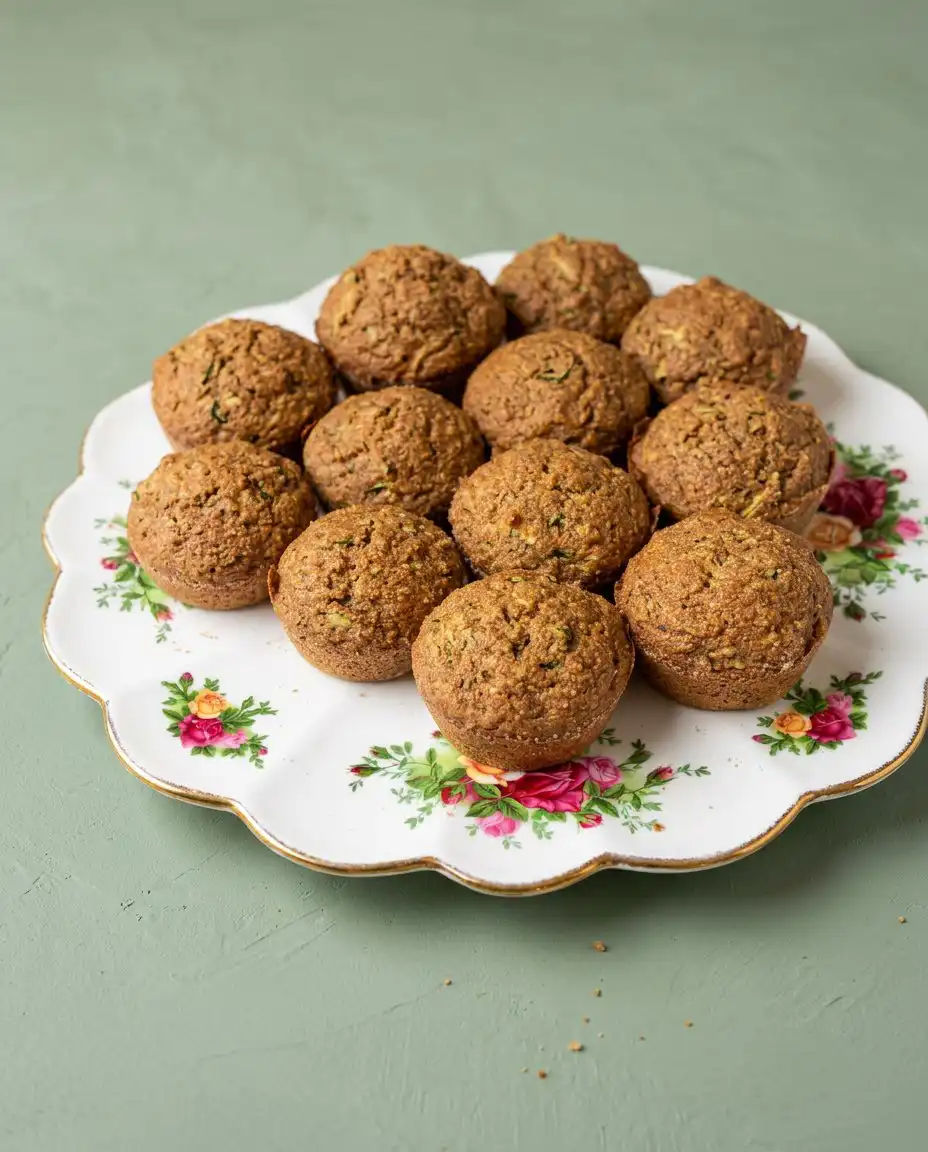
These muffins are best served slightly warm, which softens the fats and enhances the aroma of the cinnamon and vanilla. You might consider serving them with a small amount of salted butter to contrast the sweetness of the banana and zucchini blend. Plating them on a simple ceramic dish allows the golden-brown crust to be the focal point of the presentation.
For a more complete breakfast, pair these with a high-protein option like Greek yogurt or a hard-boiled egg. If you enjoy the flavor profile of this recipe, you might also like our moist zucchini banana cake for a larger format dessert for gatherings. This pairing strategy ensures a balanced meal that provides both sustained energy and a satisfying sweet finish.

Recipe Recap
These Banana Zucchini Muffins 2 provide a repeatable solution for anyone looking to incorporate more vegetables into their baking without sacrificing professional texture. By focusing on the exact measurements and the moisture content of the squash, you can achieve a consistent result in your own kitchen every time. The science behind the crumb proves that precision is the most valuable tool a baker can use.
We invite you to try this banana zucchini muffins recipe and share your results with our community of precision bakers. Seeing your successful bakes is the best part of our test kitchen research and helps us refine our future data points. Consistency in your kitchen starts with the first gram of flour you measure today.
Follow us for more data-driven recipes on Pinterest, Facebook, and TikTok. You can also join our conversation on Telegram for real-time baking tips and troubleshooting advice from our director.