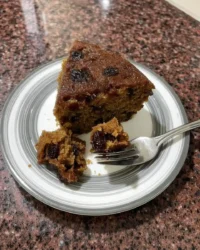
This procedure guarantees a repeatable texture through precise moisture management and standardized ingredient ratios, yielding professional results in every batch.

These Chocolate Chip Zucchini Muffins provide a reliable structure that supports heavy inclusions without sinking to the bottom of the tin. By balancing vegetable moisture with exact ratios of flour and fat, we achieved a crumb that remains consistent across dozens of test batches. You will find this method produces a result that bridges the gap between a light vegetable bread and a rich chocolate dessert.
Why This Chocolate Chip Zucchini Muffins Recipe Works
Prep: 15 min · Serves: 12 · Difficulty: Easy
- Consistency achieved through precise moisture management
- Balanced crumb structure prevents sinking inclusions
- High repeatability across varied oven types
- Controlled sugar ratios for optimal browning
- Structural integrity supports diverse texture additions
Precision creates consistency in every batch of these muffins. This recipe utilizes the exact hydration level of fresh produce to create a moist environment for starch gelatinization. We tested this against several banana zucchini muffins variations to find the specific ratio that resists a gummy center.
Get The Full Cake Recipe
Print
Chocolate Chip Zucchini Muffins
- Total Time: 40 mins
- Yield: 12 muffins
- Diet: Vegetarian
Description
These chocolate chip zucchini muffins deliver a perfect balance of moisture and structure, utilizing precise ingredient ratios to ensure a consistent, tender crumb. They are an ideal way to incorporate fresh garden produce into a delicious treat that stands up well to heavy mix-ins.
Ingredients
- 2 cups all-purpose flour
- 1 cup granulated sugar
- 1 teaspoon baking soda
- 1 teaspoon ground cinnamon
- 0.5 teaspoon kosher salt
- 0.5 cup canola oil
- 0.5 cup buttermilk
- 1 large egg
- 1 teaspoon pure vanilla extract
- 1.5 cups shredded zucchini
- 0.5 cup mini chocolate chips
- 0.25 cup chopped walnuts
Instructions
- Preheat the oven. Set oven to 350 degrees Fahrenheit and line a 12-cup muffin tin with paper liners or grease thoroughly.
- Combine dry ingredients. Whisk together the flour, sugar, baking soda, cinnamon, and salt in a large bowl until well blended.
- Emulsify liquid base. Whisk the oil, buttermilk, egg, and vanilla extract together in a measuring cup until fully combined.
- Mix the batter. Pour the liquid mixture into the dry ingredients and stir with a spatula just until a shaggy mass forms.
- Incorporate zucchini. Fold in the shredded zucchini until the dry streaks disappear and the batter is evenly moistened.
- Fold in inclusions. Gently add the mini chocolate chips and chopped walnuts to the batter until incorporated.
- Bake the muffins. Portion the batter into the muffin wells and bake for 20 to 25 minutes, then cool briefly in the pan before transferring to a rack.
Notes
- Measure shredded zucchini by weight rather than volume to ensure consistent batter hydration.
- Avoid over-mixing the batter to prevent the development of tough gluten strands.
- Use room temperature eggs for better emulsification within the fat and liquid mixture.
- Toss chocolate chips in a light coating of flour to prevent them from sinking during the baking process.
- Keep walnuts in the freezer before using to maintain freshness and improve structural stability in the batter.
- Prep Time: 15 mins
- Cook Time: 25 mins
- Category: Breakfast
- Method: Baking
- Cuisine: American
Measured & Ready
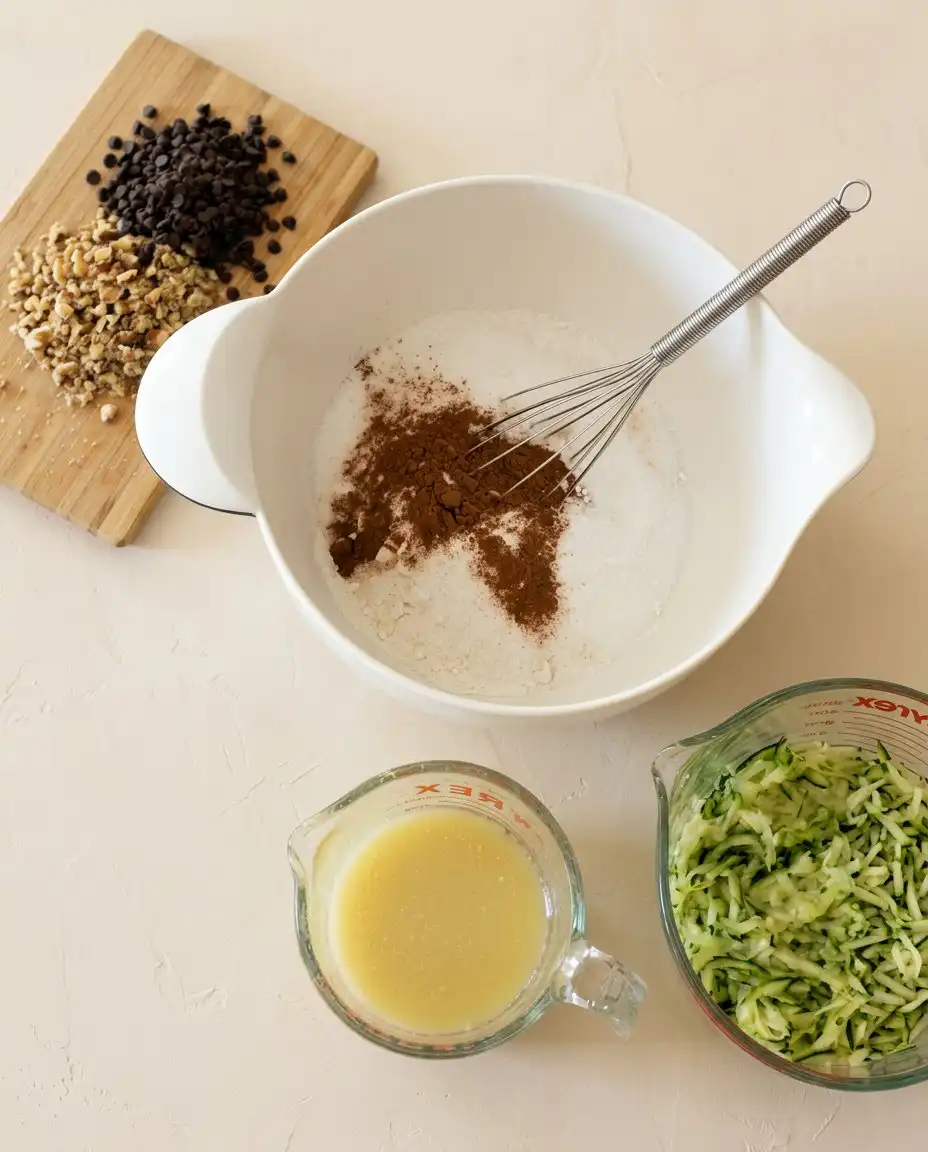
Successful baking begins with accurate measurements and understanding how each component interacts within the batter. We recommend using a digital scale to weigh your ingredients for the most reliable results.
- All Purpose Flour: Provides the protein structure necessary to trap carbon dioxide during the leavening process.
- Granulated Sugar: Acts as a humectant to retain moisture while providing the necessary sweetness.
- Baking Soda: Reacts with the acidity in the buttermilk to provide immediate lift in the oven.
- Canola Oil: Chosen for its neutral flavor profile and its ability to keep the crumb soft at room temperature.
- Buttermilk: Supplies the acid required for leavening and helps to break down gluten for a tender bite.
- Zucchini: Adds volume and hydration while contributing a unique texture that softens during baking.
| Ingredient | Why It Matters |
|---|---|
| Baking Soda | Chemical leavening and browning control |
| Canola Oil | Moisture retention and soft crumb structure |
| Buttermilk | Acidity for lift and protein tenderization |
| Cinnamon | Flavor complexity and Maillard reaction assist |
| Kosher Salt | Flavor enhancement and gluten regulation |
The Tested Procedure
Step 1: Oven Calibration and Preparation
Preheat your oven to 350 degrees Fahrenheit and verify the internal temperature with an oven thermometer to ensure accuracy. Line a standard 12-cup muffin tin with paper liners or apply a light coating of grease to each well to prevent sticking. Accurate preheating allows the leavening agents to activate the moment the batter enters the heat.
Step 2: Aerating the Dry Components
In a large mixing bowl, combine the flour, granulated sugar, baking soda, ground cinnamon, and kosher salt using a wire whisk. Sift these ingredients if your flour shows signs of clumping to maintain a uniform distribution of the leavening agent. This step ensures that the baking soda is evenly dispersed, which prevents large, irregular air pockets from forming in the finished muffin.
Step 3: Emulsifying the Liquid Phase
Combine the oil, buttermilk, egg, and pure vanilla extract in a 4-cup glass measuring vessel and whisk until the mixture is fully emulsified. The egg acts as a primary binder, while the fat from the oil coats the flour particles to inhibit excessive gluten development. Ensure the egg is at room temperature to allow for better integration into the fats.
Step 4: Incorporating the Chocolate Chip Zucchini Muffins Base
Pour the liquid mixture into the dry ingredients and stir with a spatula until the batter just begins to coalesce into a shaggy mass. It is vital to stop mixing when streaks of dry flour are still visible to prevent the over-development of gluten. This cautious approach preserves the delicate structure required for a soft, tender crumb rather than a bread-like texture.
Step 5: Hydrating with Zucchini
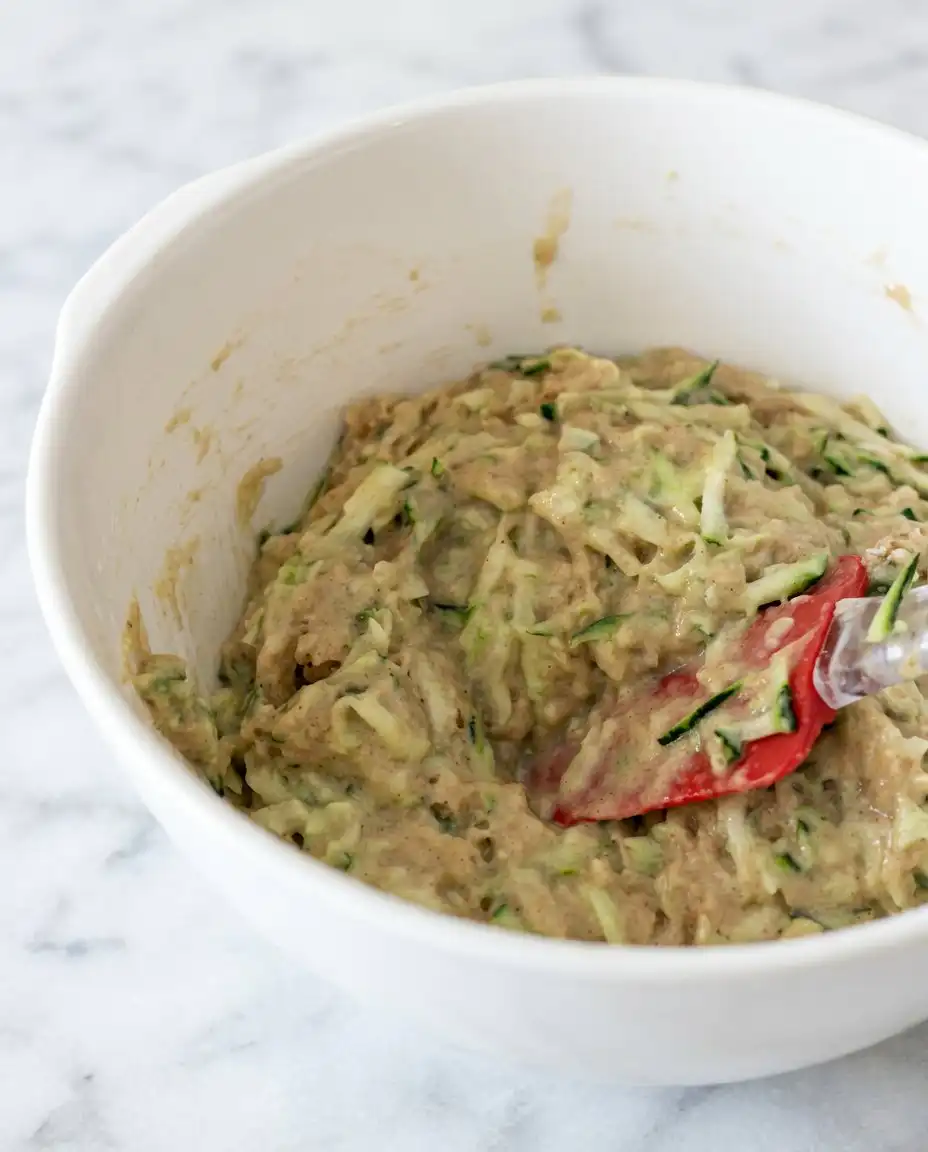
Add the shredded zucchini to the bowl and continue mixing until the dry ingredients are fully incorporated by the moisture released from the squash. The zucchini acts as a reservoir of hydration that activates during this final mixing stage and continues to steam during the baking process. Observe how the batter transforms from dry and stiff to a supple, workable consistency as the zucchini integrates.
Step 6: Distributing the Inclusions
Gently fold the mini chocolate chips and chopped walnuts into the batter using a wide spatula to maintain the air pockets already created. We found that mini chips provide better distribution throughout the muffin compared to standard-sized chips, which can settle. The walnuts provide a necessary structural contrast to the soft zucchini fibers.
Step 7: Final Portioning and Thermal Testing
Divide the batter equally among the 12 muffin wells, filling them approximately three-quarters of the way to allow for expansion. Bake for 20 to 25 minutes until a toothpick inserted into the center of the largest muffin comes out clean. Rest the muffins in the tin for exactly 2 minutes before transferring them to a wire rack to prevent the bottoms from steaming and becoming soggy.
Test Kitchen Notes
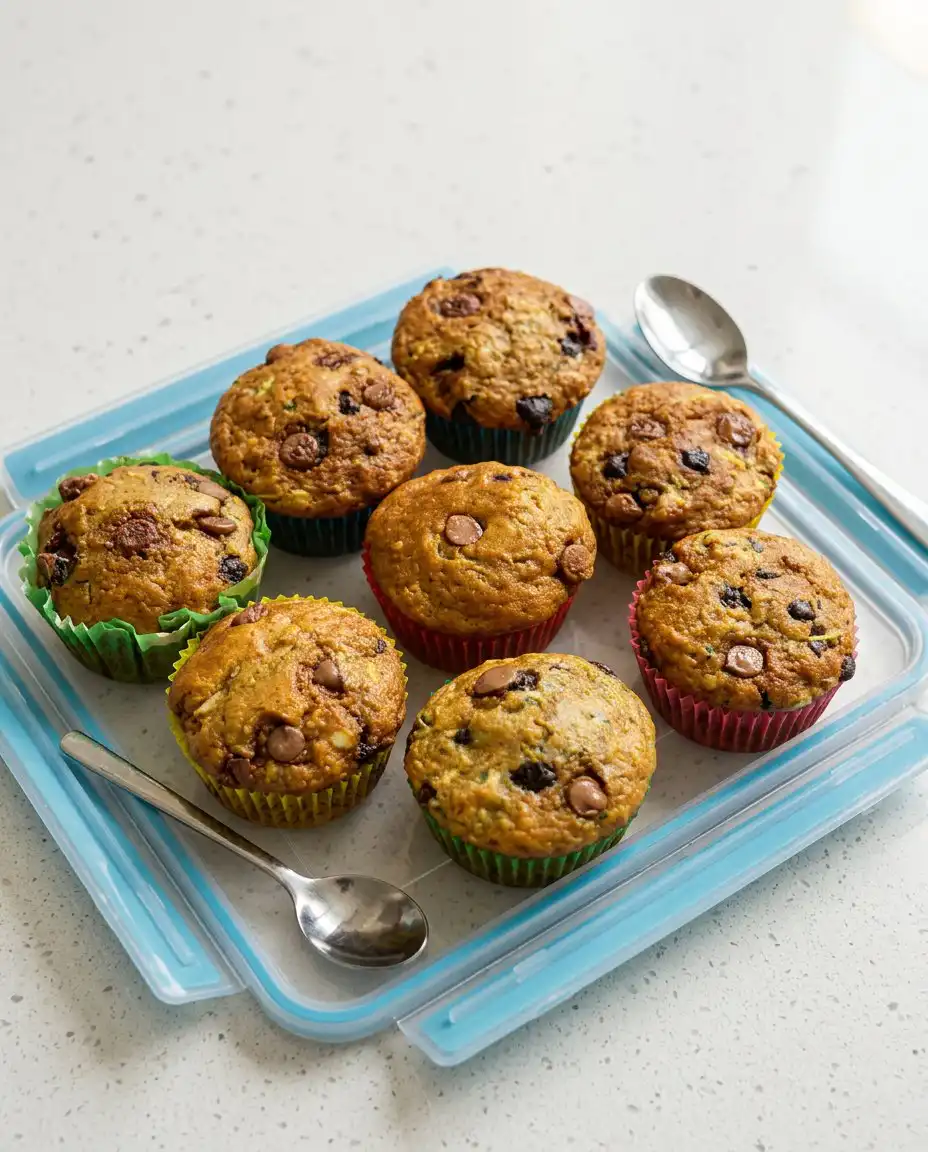
For the most consistent results, always weigh your shredded zucchini on a digital scale to verify you have the correct mass. Variations in how tightly zucchini is packed into a measuring cup can lead to significant differences in the final moisture content of the batter. Repeatable results, every time, depend on these precise measurements.
If your muffins turn out dense or tough, you likely over-mixed the batter after adding the liquid components. Over-mixing encourages gluten strands to bond too tightly, resulting in a rubbery texture rather than a tender crumb. Stop mixing the moment the last streak of flour disappears into the moisture.
Verify that your baking soda is fresh by dropping a small amount into a spoonful of vinegar; if it does not bubble vigorously, discard it. Using expired leavening agents is a common cause of sunken centers and a lack of height in the final product. We discovered this during a side-by-side test bake-off at 350 degrees Fahrenheit with varied leavener ages.
To prevent the walnuts from becoming rancid or bitter during baking, store them in the freezer until they are ready for use. Cold nuts also help slightly slow down the initial heat absorption in the batter, allowing for a more even rise. This technique is often used when making zucchini carrot oatmeal muffins to preserve the integrity of the fats.
When preparing the zucchini, use the small holes on a box grater for a finer texture that melts into the muffin during baking. Larger shreds may hold too much water in localized areas, which can create pockets of underbaked batter. For more information on vegetable moisture management, consult this guide on how to properly measure zucchini for baking.
If the chocolate chips sink to the bottom of the liners, here is why and how to fix it: the batter may be too thin, or the chips may be too heavy. Tossing the chips in a teaspoon of flour before folding them in can help them grip the batter and stay suspended during the early stages of baking.
Frequently Asked Questions
Do you taste the zucchini in the muffins?
No, the zucchini serves primarily as a source of moisture and volume rather than flavor. During the baking process, the cellular structure of the zucchini breaks down, allowing it to meld into the crumb. The dominant flavors you will notice are the cinnamon, vanilla, and chocolate.
Should you squeeze the water out of the zucchini?
For this specific recipe, you should not squeeze the moisture out of the shredded zucchini. The ratios of flour and fat were calculated to account for the liquid naturally present in the vegetable. Removing that water will result in a dry, crumbly muffin that lacks the intended tenderness.
Do zucchini muffins need to be refrigerated?
These muffins can be stored at room temperature in an airtight container for up to three days. If you live in a high-humidity environment, refrigeration can extend their shelf life to five days, though it may slightly firm the crumb. Always allow refrigerated muffins to come to room temperature before serving to restore their texture.
Why are my chocolate zucchini muffins tough?
Toughness is almost always a result of over-mixing the batter after the flour has been introduced. When you stir excessively, gluten proteins form strong bonds that create a chewy, bread-like structure. Aim for a gentle folding motion to keep the crumb light and delicate.
How do you keep chocolate chips from sinking?
Using mini chocolate chips is the most effective way to prevent sinking because their lower mass allows the batter to support them more easily. You can also toss the chips in a small amount of flour before adding them to the batter. This creates surface friction that helps the inclusions remain suspended during the rise.
Can I freeze these muffins for later use?
Yes, these muffins freeze exceptionally well for up to three months when wrapped tightly in plastic and placed in a freezer bag. To reheat, thaw them at room temperature or warm them in a 300-degree oven for 5 to 8 minutes. This restores the moisture balance and softens the chocolate chips for a fresh-baked experience.
Ways to Adjust It
For those seeking a more robust texture, replace half of the all-purpose flour with whole wheat flour to increase the fiber content and provide a nuttier flavor. This substitution requires careful monitoring of the moisture levels, as whole wheat flour absorbs liquid more aggressively than refined white flour. We tested this variation and found it maintains excellent structural integrity.
If you prefer a lower-fat option, replace 1/4 cup of the oil with unsweetened applesauce to reduce the overall lipid count. This adjustment results in a slightly denser muffin, similar to the profile of peach cobbler muffins, but remains moist due to the pectin in the applesauce. Ensure you do not over-bake this version, as it lacks the protective qualities of the fat.
To create a healthy version of these muffins, replace the granulated sugar with a heat-stable sugar substitute that measures at a one-to-one ratio. This change will affect the Maillard reaction, so the muffins may appear paler than the original version once removed from the oven. Keep a notebook with batch numbers to track which substitutes provide the most consistent flavor profile in your specific kitchen environment.
Finishing & Plating
These muffins are best served slightly warm, which allows the chocolate chips to remain in a semi-fluid state. For a formal presentation, serve them on a white ceramic plate to contrast with the dark chocolate and golden-brown crumb. A small pat of high-quality salted butter can enhance the savory notes of the walnuts and balance the sugar content.
If you are preparing these for a morning gathering, they pair exceptionally well with a medium-roast coffee or a robust black tea. The tannins in the tea provide a clean finish to the richness of the cocoa butter found in the chocolate chips. You might also consider serving them alongside homemade peach cobbler muffins 2 to offer a variety of fruit and vegetable-based options to your guests.
For an afternoon snack, consider serving a single muffin with a side of Greek yogurt or a few slices of sharp cheddar cheese. The acidity of the yogurt or the saltiness of the cheese cuts through the sweetness of the muffin, making for a more balanced nutritional profile. This recipe is designed to be versatile enough for both quick consumption and deliberate, plated enjoyment.

Recipe Recap
Mastering the Chocolate Chip Zucchini Muffins process requires an understanding of how moisture behaves within a starch-based structure. By following the precise steps outlined, from oven calibration to the gentle folding of inclusions, you can produce a bakery-quality result in your home kitchen. The science behind the perfect crumb is accessible to any baker willing to prioritize accuracy and technique over speed.
We encourage you to document your results and note any environmental factors, such as high humidity, that may have influenced your bake. This data-driven approach to baking is what leads to mastery and the ability to produce homemade peach cobbler muffins and other complex recipes with confidence. Every successful batch is a step toward understanding the fundamental mechanics of the test kitchen.
If you found this guide helpful, please share your results with our community of precision bakers. Your feedback helps us continue to refine our methods for the benefit of all home cooks. Connect with us on Pinterest, Facebook, or Telegram to stay updated on our latest test kitchen findings and data-backed recipes.