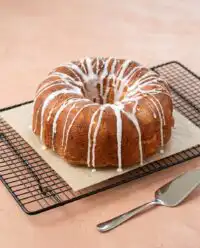
A cake with a cracked top and juice-stained edges tells a far more honest story of the late August orchard than any perfectly smoothed buttercream ever could.

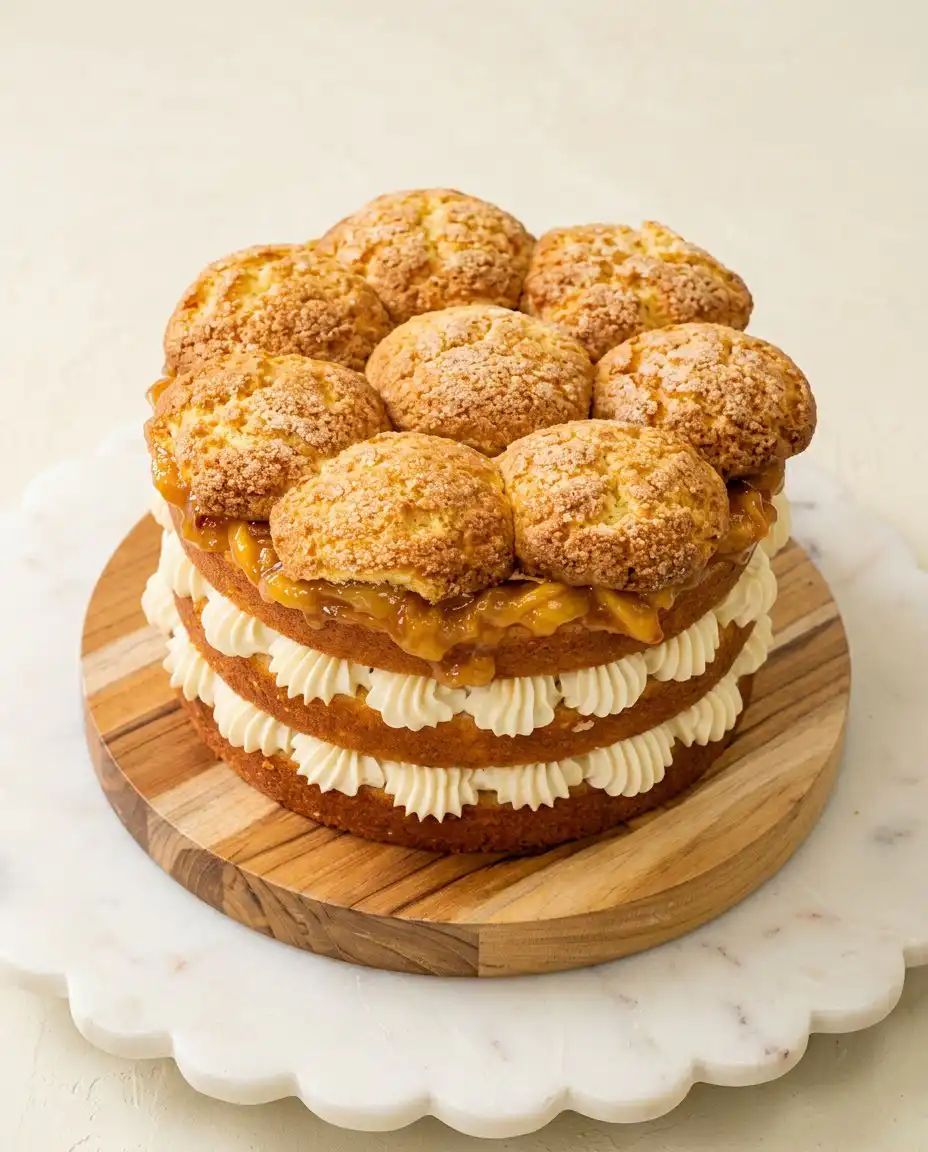
Late August brings a specific kind of heat to the valley. The air feels heavy, and the peaches at the Saturday farmers market are so ripe they practically yield at a glance. This Peach Cobbler Layer Cake is my way of capturing that fleeting ripeness before the season turns. The edges crack — that’s rustic charm, a sign that the cake is honest and unpretentious.
Why Rustic Wins with Peach Cobbler Layer Cake
Prep: 45 min · Serves: 12 · Difficulty: Medium
- Real fruit flavor in every bite.
- Textured cornmeal adds farmhouse character.
- Roasted peaches keep the cake light.
- Perfect for late summer gatherings.
- Honest ingredients shine through clearly.
This bake honors the fruit by letting it lead the way rather than burying it under sugar. It is the kind of dessert that feels right at home next to a southern peach cake recipe on a wooden sideboard. This is the cake that my family requests every single year when the first baskets of stone fruit arrive.
Get The Full Cake Recipe
Print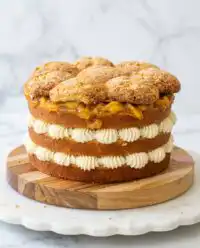
Peach Cobbler Layer Cake
- Total Time: 2 hours 5 mins
- Yield: 12 servings
- Diet: Vegetarian
Description
This rustic layer cake combines a tender, cornmeal-infused crumb with layers of roasted, jammy peaches to capture the essence of late summer. It is an honest, unpretentious dessert that perfectly balances farmhouse texture with fresh orchard flavor.
Ingredients
- 2 cups all-purpose flour
- 1 cup fine cornmeal
- 1.5 cups granulated sugar
- 2 tsp baking powder
- 0.5 tsp salt
- 1 cup buttermilk, room temperature
- 3 large eggs, room temperature
- 1 tsp vanilla extract
- 1 tbsp lemon zest
- 0.75 cup unsalted butter, melted and cooled
- 4 cups fresh peaches, peeled and wedged
- 2 tbsp liquid pectin
- 1 cup heavy whipping cream
- Additional sugar for dusting
Instructions
- Prepare the pans. Grease three 9-inch round cake pans and line the bottoms with parchment paper; preheat your oven to 350°F.
- Whisk dry base. Combine flour, cornmeal, sugar, baking powder, and salt in a large mixing bowl until evenly distributed.
- Mix wet ingredients. Stir together buttermilk, eggs, lemon zest, and vanilla, then slowly whisk in the melted butter.
- Combine the batter. Pour wet ingredients into the dry mixture and whisk gently until just combined, ensuring no flour streaks remain.
- Bake cake layers. Divide the batter among pans and bake for 30 to 40 minutes, or until a skewer inserted in the center comes out clean.
- Prepare crust dough. Mix flour, cornmeal, sugar, and baking powder, then rub in cold butter and stir in whipping cream to form a shaggy dough.
- Bake cobbler topping. Shape the dough into rounds on a parchment-lined tray, brush with cream, and bake at 350°F for 15 to 20 minutes until browned.
- Roast fresh peaches. Toss peach wedges with sugar, strain the released juices for later, and roast the fruit at 350°F for 20 minutes.
- Set the filling. Combine reserved peach juice with pectin, toss with roasted peaches, and return to the oven for 20 minutes until glossy and thick.
- Assemble the cake. Layer cake rounds with the peach filling, stacking them high and topping the final layer with the baked cobbler disk.
Notes
- Use room temperature ingredients to prevent the melted butter from solidifying into clumps in the batter.
- Measure cornmeal using the spoon-and-level method to avoid packing the cup and resulting in a dry cake.
- Roast the peaches completely before assembly to prevent excess moisture from compromising the structural integrity of the cake layers.
- Wait for the cobbler topping to cool entirely before adding it to the cake to keep the assembly stable and prevent sliding.
- Prep Time: 45 mins
- Cook Time: 1 hour 20 mins
- Category: Dessert
- Method: Baking
- Cuisine: Southern
Honest Ingredients
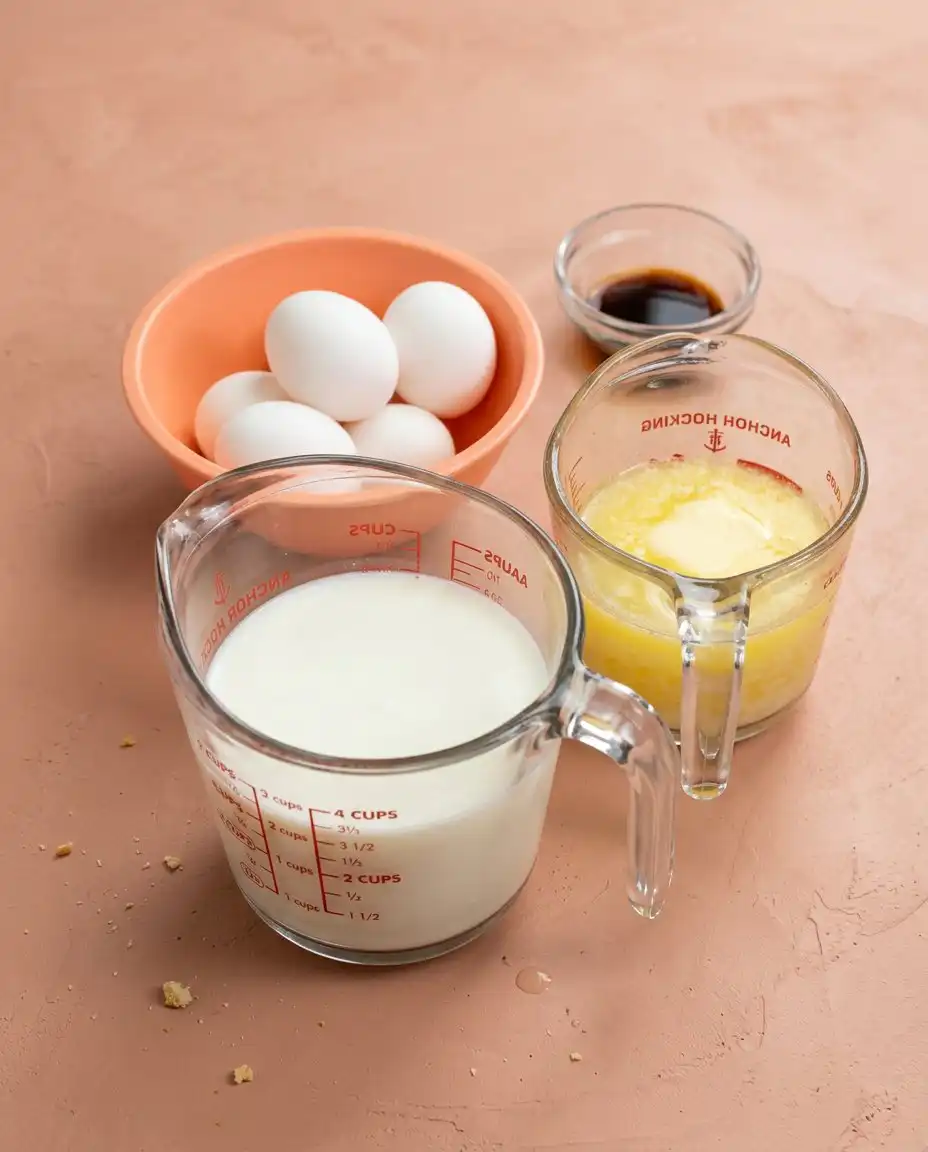
When the fruit is this good, keep it simple. We start with a base of fine cornmeal and buttermilk to create a crumb that is sturdy enough to hold the weight of roasted fruit without becoming dense or soggy. These are ingredients you likely already have on the counter: farm eggs with deep orange yolks and butter that has been cultured nearby.
- Fine Cornmeal: This provides a subtle grit and a golden hue that mimics a traditional cobbler crust.
- Buttermilk: The tang breaks down the gluten in the flour, making the crumb tender and soft.
- Fresh Peaches: We roast these first to concentrate the sugars and keep the cake layers from getting wet.
- Lemon Zest: A bright note that cuts through the richness of the butter and the sweetness of the fruit.
- Liquid Pectin: This helps the roasted peach juices set into a jam-like consistency for the filling.
- Unsalted Butter: Melted and slightly cooled, it provides a dense, pound-cake-like texture that remains moist.
- Cinnamon: A warming touch that bridges the gap between the fruit and the golden cake layers.
| Ingredient | Why It Matters |
|---|---|
| Cornmeal | Adds a distinct, rustic grit that echoes traditional cobbler crusts. |
| Buttermilk | Provides a subtle tang and tenderizes the heavy cornmeal crumb. |
| Fresh Peaches | Roasting them intensifies their natural sugar and prevents a soggy cake. |
| Pectin | Thickens the natural peach juices into a jam-like filling without overcooking. |
The Method, Step by Step
Step 1: Prepare the Cake Pans
Grease the sides of three 9-inch round cake pans with a bit of softened butter. Line the bottoms with parchment paper to make sure the layers release cleanly after baking. Preheat your oven to 350 degrees and set a wooden cutting board on the counter for later. This preparation allows you to move at a slow, steady pace once the batter is mixed.
Step 2: Mix the Dry Base
In a large enamel mixing bowl, whisk together the all-purpose flour, cornmeal, sugar, baking powder, and salt. The cornmeal should be evenly distributed through the flour, looking like fine yellow sand. Use a hand whisk to break up any small clumps of sugar. This dry foundation is what gives the cake its characteristic farmhouse weight.
Step 3: Whisk the Wet Ingredients
In a separate bowl, combine the room temperature buttermilk and the eggs. Stir in the lemon zest and vanilla extract until the yolks are fully incorporated into the milk. Slowly pour in the melted and slightly cooled butter while whisking constantly. Keeping the ingredients at room temperature prevents the butter from seizing up as it hits the cold milk.
Step 4: Combine the Cake Batter
Slowly pour the wet ingredients into the dry mixture while whisking gently. You want to mix only until the flour streaks disappear and the batter is smooth. Over-mixing will make the cornmeal feel tough rather than tender. The batter should look thick and deeply golden from the cornmeal and the egg yolks.
Step 5: Bake Your Peach Cobbler Layer Cake
Divide the batter evenly between the three prepared pans. Smooth the tops with a spatula, but do not worry about making them look factory-perfect. Bake for 30 to 40 minutes, or until a wooden skewer inserted into the center comes out clean. The tops will be golden and the edges will just begin to pull away from the sides of the pan.
Step 6: Form the Cobbler Topping
While the cakes cool, prepare the topping by mixing flour, cornmeal, sugar, and baking powder. Rub the cold, cubed butter into the dry mix with your fingertips until it feels like coarse gravel. Stir in the whipping cream until a shaggy dough forms. This rustic dough is what will provide the crunch on top of the finished cake.
Step 7: Bake the Golden Topping
Place a 9-inch pan upside down on a baking tray and cover the top with parchment. Scoop small rounds of the dough onto the pan in a flower pattern, brushing them with cream and a sprinkle of sugar. Bake at 350 degrees for 15 to 20 minutes until the edges are brown. This creates a single, beautiful disk of cobbler crust to crown the cake.
Step 8: Roast the Season’s Peaches
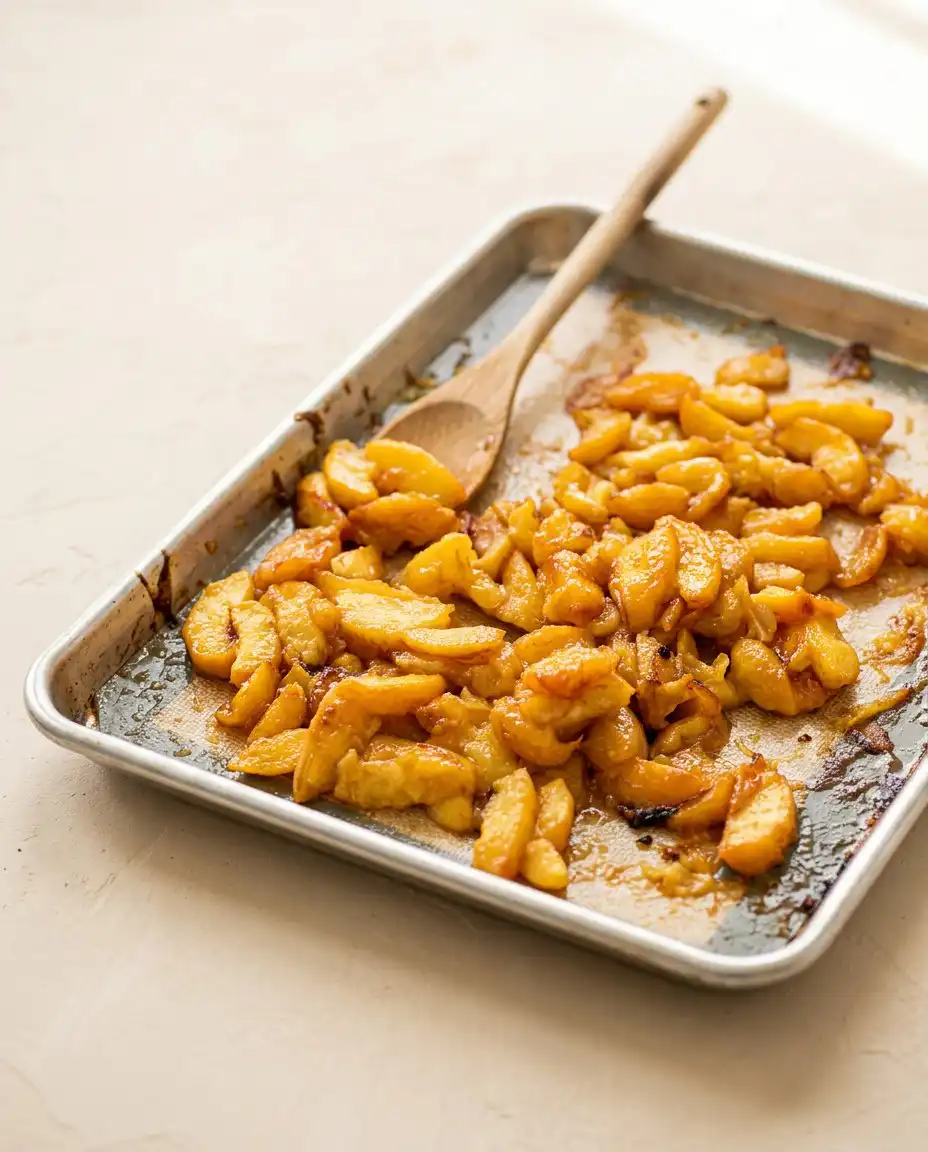
Toss the peeled peach wedges with sugar and let them sit for 20 minutes to draw out the juice. Strain the juice into a small bowl and set it aside for later. Spread the peaches onto a baking tray and roast at 350 degrees for 20 minutes. The fruit should look soft and the edges should just start to caramelize in the oven’s heat.
Step 9: Set the Peach Filling
Mix the reserved peach juice with the liquid pectin in a small jar. Carefully toss the hot, roasted peaches with this juice mixture and return them to the oven for another 20 minutes. The pectin will react with the heat and the fruit acid to create a thick, glossy filling. Let this cool completely before you even think about assembling the layers.
Step 10: Assemble the Rustic Layers
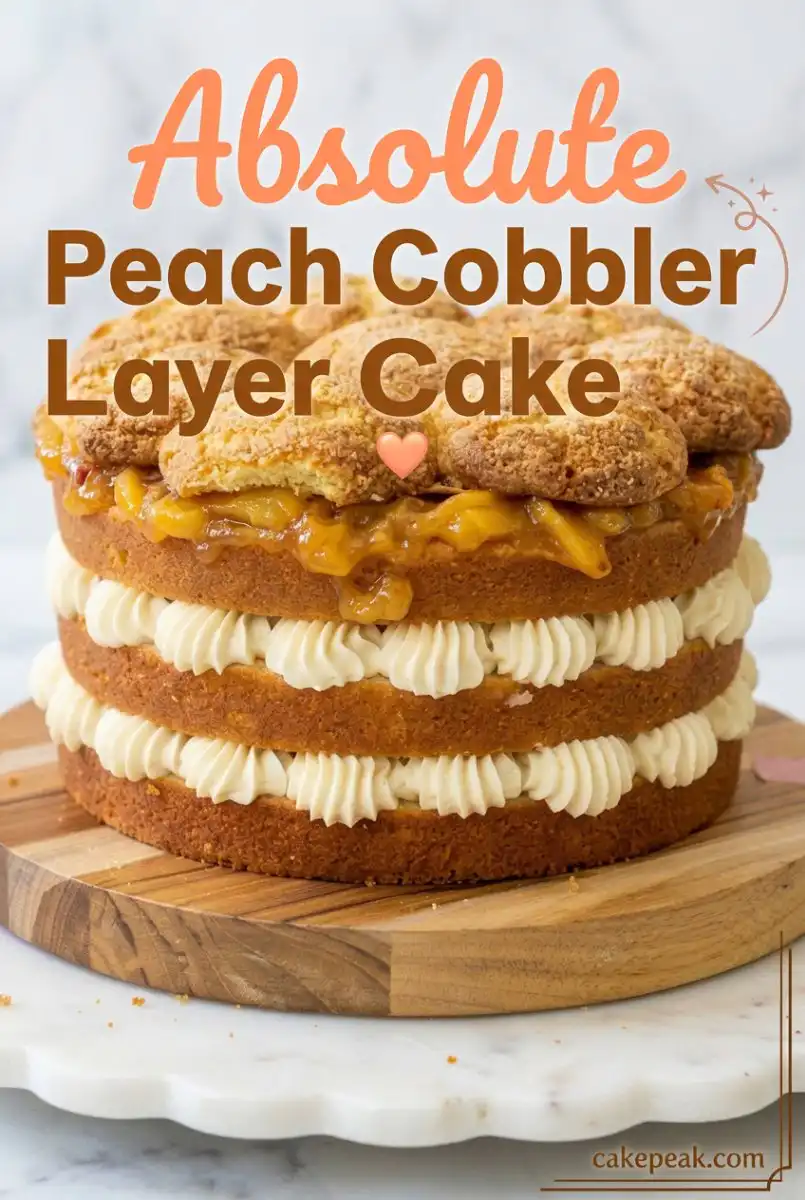
Place the first cake layer on a plain white plate and spread half of the peach filling over the top. Add the second layer, the remaining fruit, and the final cake layer. Top the entire assembly with your golden cobbler disk. The juices may drip down the sides slightly, but that is the point of an honest, farm-to-table dessert.
Notes From the Kitchen
Always use room temperature buttermilk and eggs to ensure the fats in the recipe emulsify correctly. If the liquids are too cold, the melted butter will form tiny solid beads, leading to an uneven crumb. Taking the time to let these ingredients sit on the counter for an hour makes a significant difference in the final texture.
When measuring your cornmeal, use the spoon-and-level method rather than scooping directly with the cup. Scooping packs the cornmeal down, which can result in a cake that feels dry or overly gritty. A light hand with the measurements keeps the cake tender and moist.
If your cake layers appear to be sinking in the middle, it is often because the baking powder has lost its potency or the oven door was opened too early. Confirm your leavening agents are fresh by dropping a pinch into hot water to see if it bubbles. Keep the oven door closed until at least the 30-minute mark to let the structure set.
Roasting the peaches is a step you cannot skip if you want the best flavor. Raw peaches release too much moisture during the assembly, which can turn a beautiful layer cake into a soggy mess. The roasting process locks in the flavor and gives the fruit a texture that stands up to the heavy cake layers.
You can find more ways to use a simpler base in my notes on peach cobbler yellow cake mix for those busy market days. Using the best fruit available is always the priority, regardless of how you start the batter.
Make sure the cobbler topping is completely cold before placing it on the cake. A warm topping will melt the fruit juices and cause the layers to slide. Patience at the cooling stage is the secret to a cake that looks rustic but remains stable on the plate.
Frequently Asked Questions
How do you peel peaches?
The easiest way to peel a peach is to use the blanching method. Score a small ‘X’ on the bottom of each fruit and drop them into boiling water for 30 seconds. Move them immediately to an ice bath, and the skins will slip off under your fingers without any struggle.
Can I halve this recipe?
Yes, you can halve the recipe to make a smaller single-layer cake or use 6-inch pans. When halving the eggs, use three small eggs or two large eggs plus an extra yolk to maintain the richness. Baking times will need to be reduced, so begin checking for doneness at the 20-minute mark.
Which peach variety is best for this cake?
Freestone peaches are the best choice for baking because the pit pulls away easily from the flesh. Varieties like Elberta or Redhaven are common at the farmers market and hold their shape well when roasted. Avoid Clingstone peaches if possible, as they are difficult to slice into clean wedges.
Can I use frozen peaches instead of fresh?
You can use frozen peaches, but you must thaw and drain them thoroughly before roasting. Frozen fruit often holds more water, so you may need to roast them for an extra 10 minutes to ensure the filling thickens properly. The flavor will be good, though nothing quite matches the fragrance of a fresh August peach.
How should I store the leftover cake?
Because of the fresh fruit filling, this cake should be stored in the refrigerator in an airtight container. It will stay fresh for up to three days, though the cobbler topping may soften slightly over time. Bring slices to room temperature before serving to let the butter in the cake soften.
Can I make the components ahead of time?
The cake layers and the roasted peach filling can be made one day in advance. Store the cake layers wrapped in plastic at room temperature and keep the fruit in the refrigerator. Assemble the cake on the day you plan to serve it to keep the textures as fresh as possible.
Make It Your Own
During the peak of summer, I often toss a handful of fresh blackberries in with the peaches before roasting. The berries bleed a beautiful purple juice into the peaches, creating a marbled effect in the filling. This addition follows the same roasting times and adds a pleasant tartness that balances the sweet peaches.
If you prefer a richer finish, you might consider a peach cobbler cake with brown butter frosting for a different take on these flavors. The nuttiness of brown butter pairs beautifully with the cornmeal in the cake base. It is a more indulgent version that still feels grounded in the season.
For a lighter, spring-focused version, you can swap the roasted peaches for fresh strawberries and a bit of honey. This peaches and cream layer cake approach works well if you want a softer, more delicate flavor profile. Keep the cornmeal in the batter, as it provides a wonderful contrast to the soft berries.
At the Table
This cake needs very little ornamentation when it reaches the table. A simple dollop of unsweetened whipped cream or a small scoop of vanilla bean ice cream is all you need to complement the warm cinnamon and peach flavors. Serve it on a plain white plate to let the golden colors of the cornmeal and the deep orange of the peaches stand out.
It is the perfect centerpiece for a Sunday lunch or a quiet afternoon in the garden with friends. If you enjoy the density of a traditional loaf, you might also like serving a slice of cream cheese peach cobbler pound cake alongside some fresh mint tea. The rustic nature of these bakes makes them feel approachable and warm.
Place the cake on a wooden board and let guests cut their own thick slices. There is something deeply satisfying about seeing the layers of fruit and cake exposed. This is not a dessert meant for tiny, delicate bites; it is meant to be enjoyed fully while the season is at its peak.
A Last Note
Baking this Peach Cobbler Layer Cake is a slow and steady process that rewards the patient cook. It reminds us that the best things in the kitchen often come from humble ingredients handled with respect. When the air begins to cool and the days grow shorter, a slice of this cake brings the warmth of the summer orchard back to the table.
I hope you find as much peace in the mixing and roasting as I do every August. Honest ingredients, honest cake—that is the philosophy that guides every bake in my farmhouse kitchen. For more seasonal inspiration, you can look at my peach cobbler pound cake 2 for another way to celebrate the harvest.
If you decide to bake this for your family, I would love to see how it turns out in your own kitchen. Please share your photos and stories with me through the links below. Happy baking to you and yours.