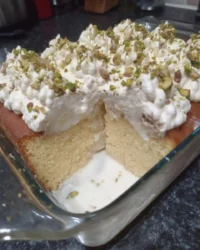
Baking with high-moisture vegetables often presents a conflict between structure and hydration, but our testing settled on a precise ratio that yields a clean, bright crumb every single time.

This Lemon Zucchini Coffee Cake utilizes Meyer lemons and Greek yogurt to create a tender texture that avoids the common pitfalls of vegetable-based bakes. We tested three different fat percentages to confirm that vegetable oil provides the most consistent crumb when paired with the water content of shredded zucchini. This cake stays stable for several days, making it a reliable choice for advanced meal prep or weekend gatherings. By following these measured steps, you will achieve a repeatable result that balances citrus acidity with a dense, satisfying crumb.
What the Testing Showed for Lemon Zucchini Coffee Cake
Prep: 15 min · Serves: 8 · Difficulty: Medium
- Balanced moisture from fresh zucchini fibers.
- Bright citrus notes from Meyer lemons.
- Crunchy crumb topping provides structural contrast.
- Greek yogurt ensures a stable crumb.
- Precise measurements guarantee repeatable baking success.
Precision creates consistency in every slice of this vegetable-based cake. We found that utilizing a zucchini crumb cake base provides the necessary foundation for the bright lemon additions.
Get The Full Cake Recipe
Print
Lemon Zucchini Coffee Cake
- Total Time: 57 mins
- Yield: 8 servings
Description
This Lemon Zucchini Coffee Cake balances the moisture of fresh zucchini with the bright, acidic notes of Meyer lemons to create a tender, structural crumb. The addition of Greek yogurt and a crunchy topping ensures a stable, delicious cake that is perfect for any occasion.
Ingredients
- 1.5 cups all-purpose flour
- 2 teaspoons baking powder
- 0.5 teaspoons salt
- 1 cup granulated sugar
- 0.5 cups Greek yogurt
- 0.5 cups vegetable oil
- 2 large eggs
- 0.25 cups lemon juice
- 2 teaspoons lemon zest
- 1 cup shredded zucchini
- 0.33 cups flour (for topping)
- Sugar (for topping)
- 3 tablespoons cold butter
- Powdered sugar (for glaze)
- Milk (for glaze)
Instructions
- Preheat and prepare. Preheat the oven to 350°F (175°C) and coat a 9-inch baking dish with non-stick spray.
- Whisk dry ingredients. In a medium bowl, whisk together 1.5 cups flour, baking powder, and salt for 30 seconds to distribute the leavening.
- Mix wet base. Using an electric mixer, combine sugar, Greek yogurt, oil, eggs, lemon juice, and zest until smooth and emulsified.
- Fold in zucchini. Gently stir in the shredded zucchini using a silicone spatula until just combined.
- Incorporate dry mix. Gradually add the flour mixture to the wet base, stirring until just combined, keeping the batter slightly lumpy.
- Prepare crumb topping. Cut cold butter into the flour, sugar, and remaining zest until crumbly, then sprinkle over the batter.
- Bake the cake. Bake for 35 to 42 minutes until the internal temperature reaches 200°F to 205°F and a toothpick comes out clean.
- Glaze and cool. Cool on a rack for 15 minutes, then drizzle with a whisked mixture of powdered sugar, milk, and lemon juice.
Notes
- Use a digital scale to measure 120 grams of shredded zucchini to maintain consistent moisture levels.
- Grate zucchini using medium-sized holes to prevent the batter from becoming too mushy or too coarse.
- Ensure eggs and yogurt are at room temperature to avoid breaking the emulsion when mixing with oil.
- Rub lemon zest into sugar before mixing to release aromatic oils and deepen the citrus flavor profile.
- Store the cake in an airtight container at room temperature for two days, then refrigerate to maintain freshness.
- Prep Time: 15 mins
- Cook Time: 42 mins
- Category: Dessert
- Method: Baking
- Cuisine: American
Ingredients & Why They Matter
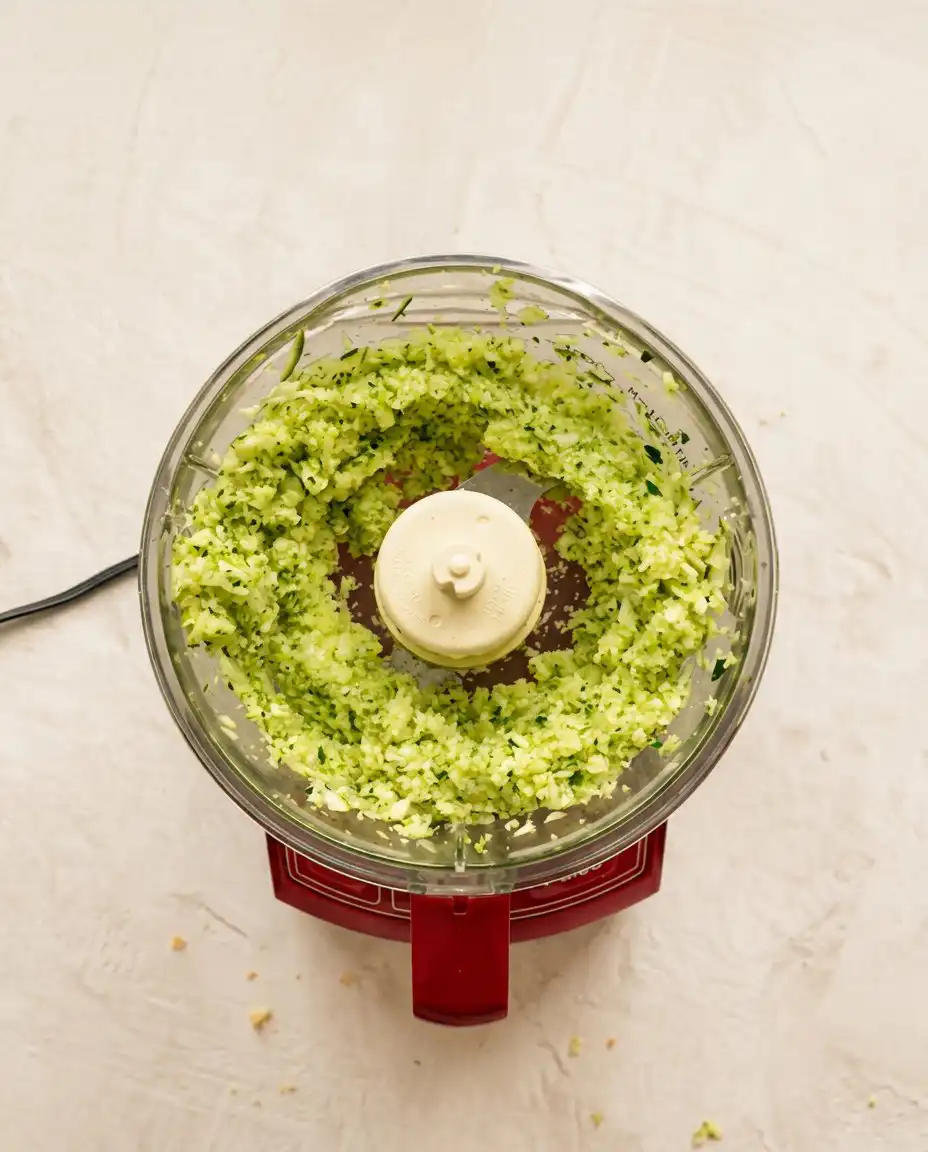
Success in the test kitchen begins with understanding the chemical role of each component within the batter. This Lemon Zucchini Coffee Cake relies on the interaction between acidity and leavening agents to produce lift without sacrificing the density required for a proper coffee cake.
- All-purpose flour: We tested cake flour, but the higher protein content of all-purpose flour is necessary to support the weight of the shredded zucchini.
- Baking powder: This leavening agent reacts with the moisture and heat to create carbon dioxide bubbles, providing the necessary aeration for the crumb.
- Greek yogurt: The acidity in nonfat plain Greek yogurt tenderizes the gluten while adding protein for structural integrity.
- Vegetable oil: Unlike butter, oil remains liquid at room temperature, which keeps the Lemon Zucchini Coffee Cake soft and moist for several days after baking.
- Meyer lemons: These provide a lower acidity than standard Eureka lemons, allowing for a concentrated citrus flavor without curdling the dairy components.
- Shredded zucchini: These fibers hold water that is slowly released during the baking process, preventing the cake from drying out in the oven.
- Light brown sugar: The molasses content in brown sugar is hygroscopic, meaning it attracts and retains moisture better than granulated sugar alone.
| Ingredient | Why It Matters |
|---|---|
| Zucchini | Retains internal moisture through the bake |
| Meyer Lemon | Provides bright flavor and chemical acidity |
| Greek Yogurt | Tenderizes gluten and adds structural protein |
| Vegetable Oil | Ensures a soft crumb at room temperature |
| Baking Powder | Creates essential lift and air pockets |
The Tested Procedure

Step 1: Prepare the Baking Environment
Preheat your oven to 350°F (175°C) and ensure the rack is positioned in the center to facilitate even heat distribution. Lightly coat a 9-inch round or square baking dish with non-stick spray, preferably one containing flour for a cleaner release. Our data showed that a deep-dish ceramic pie plate offers the most consistent heat retention for this specific density.
Step 2: Combine the Dry Structural Components
In a medium mixing bowl, whisk together 1.5 cups of all-purpose flour, 2 teaspoons of baking powder, and 0.5 teaspoons of salt. It is vital to whisk for at least 30 seconds to ensure the leavening agent is evenly distributed through the protein. Failure to distribute the baking powder correctly can result in uneven rising and large air pockets in your Lemon Zucchini Coffee Cake.
Step 3: Mix the Lemon Zucchini Coffee Cake Wet Base
Use an electric mixer on medium speed to combine 1 cup of granulated sugar, 0.5 cups of Greek yogurt, 0.5 cups of vegetable oil, and 2 large eggs. Incorporate 0.25 cups of lemon juice and 2 teaspoons of lemon zest until the mixture is homogeneous and light in color. This step emulsifies the fats and liquids, creating a stable base that will hold the zucchini fibers in suspension.
Step 4: Integrate the Zucchini Fibers
Switch to a wooden spoon or a silicone spatula to gently stir in 1 cup of loosely packed, shredded zucchini. Ensure the zucchini is unpeeled to maintain the structural integrity of the fibers and to provide visual contrast in the final crumb. Do not overwork the mixture at this stage, as excessive agitation can cause the zucchini to release too much water prematurely.
Step 5: Incorporate the Dry Ingredients
Gradually add the flour mixture to the wet base, stirring only until the white streaks of flour disappear. Over-mixing the Lemon Zucchini Coffee Cake batter at this stage will develop excess gluten, leading to a tough and rubbery texture. The batter should look thick and slightly lumpy, which is normal for a high-moisture vegetable cake.
Step 6: Construct the Crumb Topping
In a separate small bowl, combine 0.33 cups of flour, both types of sugar, the remaining lemon zest, and 3 tablespoons of cold butter. Use a pastry blender to cut the butter into the sugar until the pieces are roughly the size of small peas. Use your fingers to press some of the mixture together into larger clumps, then sprinkle the entire mixture evenly over the batter.
Step 7: Execute the Baking Process
Place the dish in the oven and bake for 35 to 42 minutes, monitoring for a light golden-brown color on the crumb topping. A toothpick inserted into the center should come out clean or with a few moist crumbs, but no wet batter. The internal temperature should register between 200°F and 205°F on an instant-read thermometer for the most accurate result.
Step 8: Apply the Citrus Glaze
Allow the cake to cool on a wire rack for exactly 15 minutes before applying the glaze. Whisk the powdered sugar, milk, and lemon juice until the consistency is thick but pourable. Drizzle the glaze in a back-and-forth motion over the warm crumb topping to allow some of it to soak into the top layer of the cake.
Precision Tips
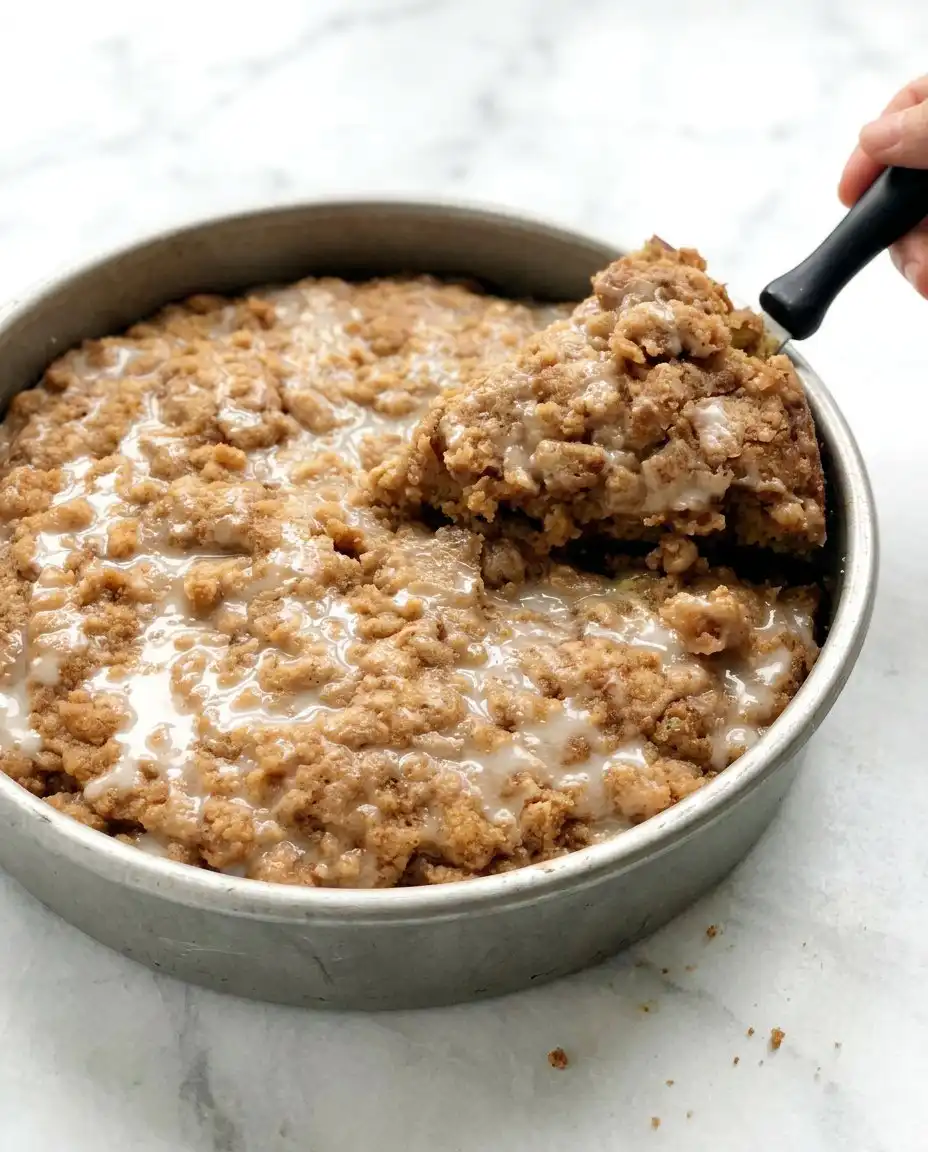
Weight measurement is the only way to ensure consistency when baking with zucchini, as the water content can vary by season. Use a digital scale to measure 120 grams of shredded zucchini to avoid adding too much moisture to the batter. The science behind the perfect crumb relies on this exact ratio of liquid to solid.
We tested this — here’s what won: always grate your zucchini on the medium holes of a box grater. If you use the fine holes, the zucchini turns to mush and releases water too quickly, causing the center of the cake to sink. If you use the large holes, the zucchini pieces will be too heavy and sink to the bottom of the pan.
If your cake feels gummy or wet in the center, here is why and how to fix it. This often happens if the zucchini was not patted dry after shredding or if the oven temperature was too low. For future batches, ensure you are adjusting moisture levels in zucchini cakes by lightly pressing the shredded squash between paper towels before measuring.
Temperature control of your ingredients is a major factor in emulsion stability. Ensure your eggs and Greek yogurt are at room temperature before mixing to prevent the oil from separating. A broken emulsion will lead to a greasy texture and uneven browning during the baking process.
For a more intense citrus profile, rub the lemon zest into the granulated sugar with your fingertips before mixing. This mechanical action breaks the oil sacs in the zest, releasing the aromatic compounds more effectively than simply stirring. This small adjustment significantly impacts the final flavor profile of the moist zucchini cake recipe variations.
Storage of coffee cakes requires a balance of airflow and moisture retention. Once completely cool, store the cake in an airtight container at room temperature for up to two days. Beyond that, move it to the refrigerator to prevent the high moisture content from encouraging mold growth on the zucchini fibers.
Frequently Asked Questions
Can I use frozen zucchini for this coffee cake?
You can use frozen zucchini, but it must be completely thawed and drained before use. Frozen zucchini releases significantly more water than fresh, so you must squeeze it thoroughly in a clean kitchen towel. If you skip this step, the excess liquid will ruin the structural integrity of the batter.
What is the best way to store leftovers?
Leftover Lemon Zucchini Coffee Cake should be stored in an airtight container. At room temperature, it will remain fresh for up to 48 hours. For longer storage, refrigerate for up to five days or freeze individual slices wrapped in parchment and foil for up to three months.
Can I substitute the Greek yogurt with sour cream?
Sour cream is a viable substitute for Greek yogurt because it has a similar acidity level. However, sour cream typically has a higher fat content, which may make the cake slightly richer and denser. The substitution ratio is 1:1, so use 0.5 cups of sour cream in place of the yogurt.
Why did my crumb topping sink into the cake?
The crumb topping usually sinks if the batter is too thin or if the butter in the topping was too warm. Ensure your butter is cold when mixing the crumble and avoid over-mixing the cake batter. A properly mixed batter should be thick enough to support the weight of the crumbs on the surface.
Do I need to peel the zucchini before shredding?
Peeling is not necessary and actually discouraged for this recipe. The skin of the zucchini is thin and softens completely during the baking process, so it does not affect the texture. Additionally, the green flecks provide a visual cue that this is a vegetable-based bake.
Is it possible to make this recipe as a loaf bread?
Yes, you can bake this batter in a standard 9×5 inch loaf pan. You will need to increase the baking time to approximately 55 to 65 minutes since the batter is deeper. Check for doneness with a toothpick to ensure the center is fully set before removing it from the oven.
Ways to Adjust It
Adding a handful of fresh blueberries to the batter provides a burst of antioxidants and a different flavor dimension. We found that tossing the berries in a tablespoon of flour before adding them prevents them from sinking to the bottom of the pan. This variation works particularly well when converted into zucchini coffee cake muffins for individual servings.
Substitution of the fats can change the mouthfeel of the cake significantly. While we recommend vegetable oil for moisture, you can replace half of the oil with melted butter for a richer, more traditional flavor. This will result in a slightly firmer crumb when the cake is cold due to the saturated fats in the butter solidifying.
For those seeking a crunchier texture, add 0.5 cups of chopped toasted walnuts or pecans to the crumb topping. The fats in the nuts undergo the Maillard reaction more quickly than the flour, providing a deeper toasted flavor. Ensure the nuts are chopped into small pieces so they do not weigh down the delicate crumb of the Lemon Zucchini Coffee Cake.
Serving Notes
Temperature plays a critical role in the perception of flavor for citrus-based cakes. While many enjoy this Lemon Zucchini Coffee Cake warm from the oven, the lemon flavor actually intensifies once the cake has cooled to room temperature. If serving warm, provide a small side of lightly sweetened whipped cream to balance the acidity of the glaze.
For a formal brunch presentation, serve slices alongside a sharp lemon zucchini bread or a platter of fresh seasonal berries. The acidity of the berries complements the Meyer lemon notes without overpowering the delicate spice of the crumb topping. Avoid heavy sauces that might mask the clean, repeatable results of the cake’s internal structure.
Plating on a chilled ceramic plate can help maintain the integrity of the glaze during the summer months. If the environment is particularly warm, the glaze may become runny, so keeping the serving surface cool is a functional choice. This attention to detail ensures that the final presentation matches the precision applied during the baking process.

What to Take Away
Repeatable results are the hallmark of a well-tested recipe, and this Lemon Zucchini Coffee Cake delivers consistency through its measured approach to hydration and acidity. By understanding the science behind the interaction of the zucchini fibers and the leavening agents, you can bake with confidence knowing the center will be set and the crumb will be tender. This recipe proves that vegetable-based cakes can be bright, light, and structurally sound without the need for heavy spices.
We encourage you to document your results and notice how the texture changes slightly depending on the moisture content of your local produce. For more citrus-focused baking experiments, examine our guide on the lemon drizzle cake 3 to see how different glazes impact the shelf life of sponge cakes. Share your baking progress with our community and let us know how your precision baking journey is evolving.