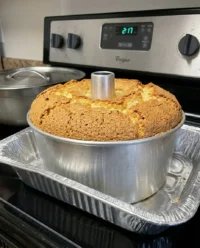
Many bakers believe adding cream cheese to a batter guarantees a moist crumb, but improper creaming actually results in a dense, gummy layer at the bottom of your cake pan.

Mastering the classic Cream Cheese Pound Cake requires understanding how fat and sugar interact during the mixing process. Our test kitchen analyzed the structural role of dairy proteins to develop a method that prevents common sinking and collapsing issues. By monitoring batter temperature and mixing times, you will achieve a uniform, tender crumb with a fine, velvet-like texture. This systematic approach guarantees a reliable bake every single time you prepare this dessert.
What the Testing Showed for Cream Cheese Pound Cake
Prep: 20 min · Serves: 14 · Difficulty: Medium
- Fine crumb structure from precise creaming
- Stable batter prevents sunken centers completely
- Rich flavor profile without excessive sweetness
- Clean release from any tube pan
- Consistent rise across different oven brands
Precision creates consistency.
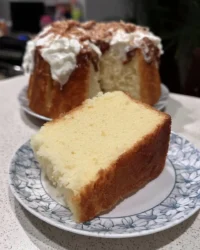
We conducted side-by-side test kitchen bakes to understand how different fat ratios affect the finished cake structure. Adding cream cheese introduces both moisture and lactic acid, which tenderizes the gluten network. This recipe produces a crumb that is significantly more velvety than a classic lemon pound cake while retaining excellent slicing strength. Our testing showed that whipping the batter at a controlled speed creates the ideal density. You will get a uniform rise without large air pockets or dry edges.
Get The Full Cake Recipe
Print
Cream Cheese Pound Cake
- Total Time: 1 hr 40 mins
- Yield: 1 (10-inch) cake
- Diet: Vegetarian
Description
A dense, moist cream cheese pound cake baked to golden perfection. This recipe uses precise test kitchen ratios and mixing times to guarantee a stable rise and a velvety crumb structure every time.
Ingredients
- 1 ½ cups butter, room temperature
- 1 (8 ounce) package cream cheese, room temperature
- 3 cups white sugar
- 6 large eggs, room temperature
- 3 cups all-purpose flour (360 grams)
- 1 teaspoon vanilla extract
Instructions
- Preheat and Prep: Preheat oven to 325°F (165°C). Grease and flour a 10-inch tube pan.
- Cream Fats: Cream butter and cream cheese together in a stand mixer on medium speed for 4 minutes until completely smooth.
- Add Sugar: Gradually pour in sugar while mixing on low, then beat on medium speed for 5 minutes until fluffy and pale.
- Emulsify Eggs: Add eggs two at a time, beating for 45 seconds after each addition to maintain the emulsion.
- Mix Dry Ingredients: Add all-purpose flour and vanilla extract. Mix on low speed for 30 seconds just until the flour disappears.
- Bake: Pour batter into the prepared pan. Bake at 325°F (165°C) for 1 hour and 20 minutes, checking for doneness at the 1-hour mark with a toothpick.
- Cool: Cool in the pan for 20 minutes, then invert onto a wire rack to cool completely.
Notes
- Always use room temperature ingredients to prevent the batter from curdling during the emulsion phase.
- Weigh your flour with a digital scale to ensure you do not add too much dry ingredient.
- Do not open the oven door during the first 60 minutes of baking to protect the cake from collapsing.
- Store wrapped tightly in plastic wrap at room temperature for up to 3 days.
- Prep Time: 20 mins
- Cook Time: 1 hr 20 mins
- Category: Cake
- Method: Baking
- Cuisine: American
Ingredients & Why They Matter
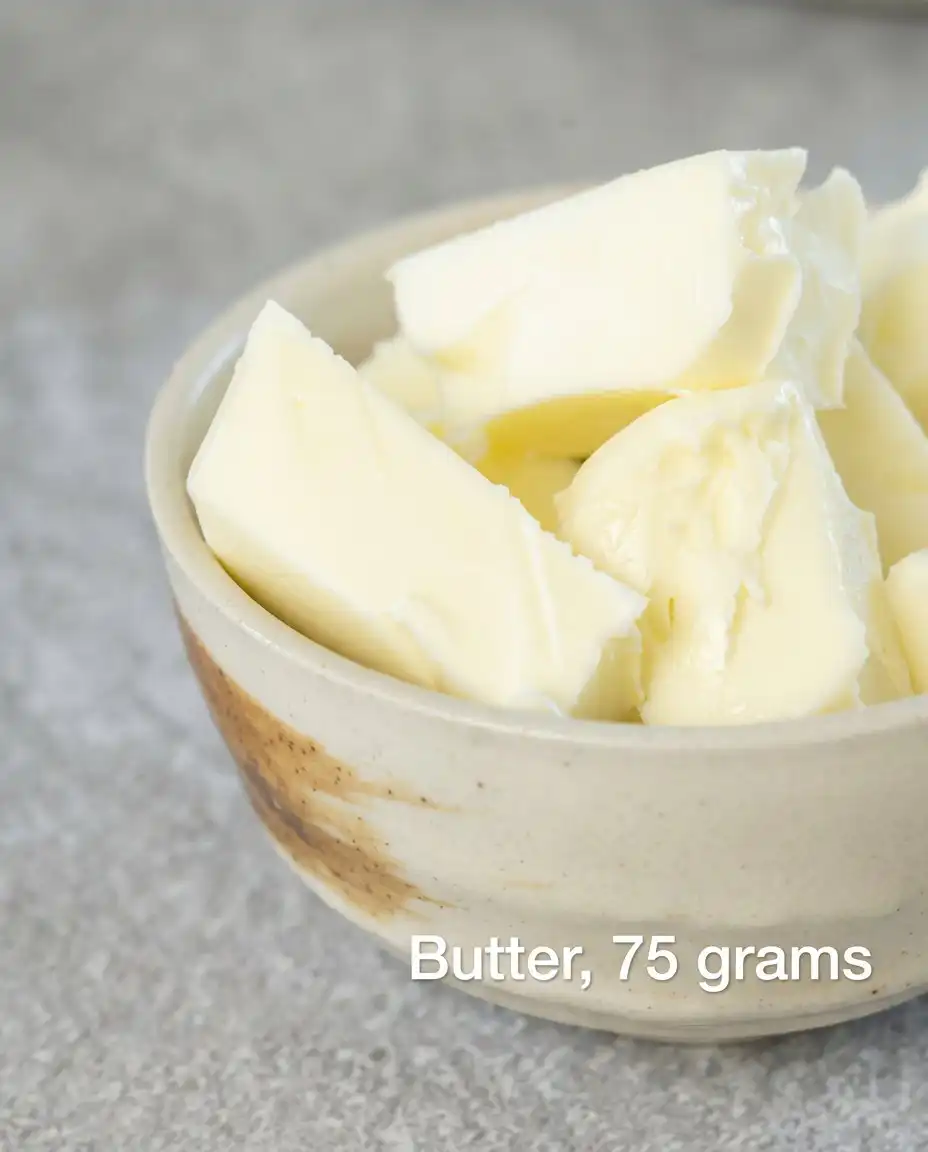
Successful baking relies on chemical reactions that require specific ingredient balances. Each component in this recipe serves a functional purpose beyond basic flavor. Measuring these elements by weight makes sure the chemistry works exactly as intended. Understanding the science behind the crumb helps explain why each component behaves the way it does.
- Butter: Provides the primary fat structure that traps air during the initial creaming phase to lift the heavy batter.
- Cream Cheese: Introduces lactic acid to tenderize gluten and adds emulsifiers that bind water and fat together.
- White Sugar: Cuts through the solid fats to create micro-pockets of air while retaining moisture during the long bake.
- Large Eggs: Deliver lecithin for emulsification and water for steam, which expands the air pockets created during creaming.
- All-Purpose Flour: Establishes the gluten framework necessary to support the heavy structure without collapsing.
- Vanilla Extract: Deepens the dairy flavors and provides an aromatic depth that cuts through the rich fats.
| Ingredient | Why It Matters |
|---|---|
| Butter | Traps air during creaming to provide structural lift |
| Cream Cheese | Tenderizes the crumb and adds moisture through emulsifiers |
| White Sugar | Creates air pockets and retains moisture throughout baking |
| Large Eggs | Binds the emulsion and provides steam for rising |
| All-Purpose Flour | Forms the gluten network that supports the cake structure |
How to Bake It, Precisely
Step 1: Prepare the Oven and Tube Pan
Preheat the oven to 325°F (165°C) and position the oven rack in the lower-middle slot. Coat a 10-inch tube pan with a thin layer of unsalted butter, reaching into every corner and up the center tube. Dust the greased surface with 2 tablespoons of all-purpose flour, tapping the pan upside down over a sink to remove all excess white powder. This double barrier prevents the heavy batter from sticking during the long baking process.
Step 2: Cream the Butter and Cream Cheese
Combine the fats in the bowl of a stand mixer fitted with the paddle attachment. Beat 1.5 cups of butter and 8 ounces of cream cheese at medium speed for 4 minutes until the mixture looks smooth, uniform, and slightly pale. Scraping the sides and bottom of the bowl with a flexible spatula halfway through makes sure no dense pockets of unmixed fat remain. The mixture should appear creamy and free of any visible lumps before proceeding.
Step 3: Gradually Add the Sugar
Incorporate the sugar by pouring 3 cups of white sugar into the creamed fat in a slow, steady stream over 2 minutes while mixing on low speed. Once added, increase the speed to medium and beat for 5 minutes until the mixture becomes pale, light, and fluffy. This step is critical because sugar crystals cut into the fat to form microscopic air pockets. The batter should look significantly expanded and hold soft, billowy shapes when the paddle is lifted.
Step 4: Emulsify the Eggs
Add the eggs two at a time while mixing on low speed to maintain a stable emulsion. Beat for 45 seconds after each addition, allowing the yellow streaks to disappear completely before adding the next pair. This gradual addition prevents the fat from separating, which would cause a greasy, heavy texture. The final emulsified batter should look smooth, slightly thick, and uniform in color.
Step 5: Mix in the Flour and Vanilla
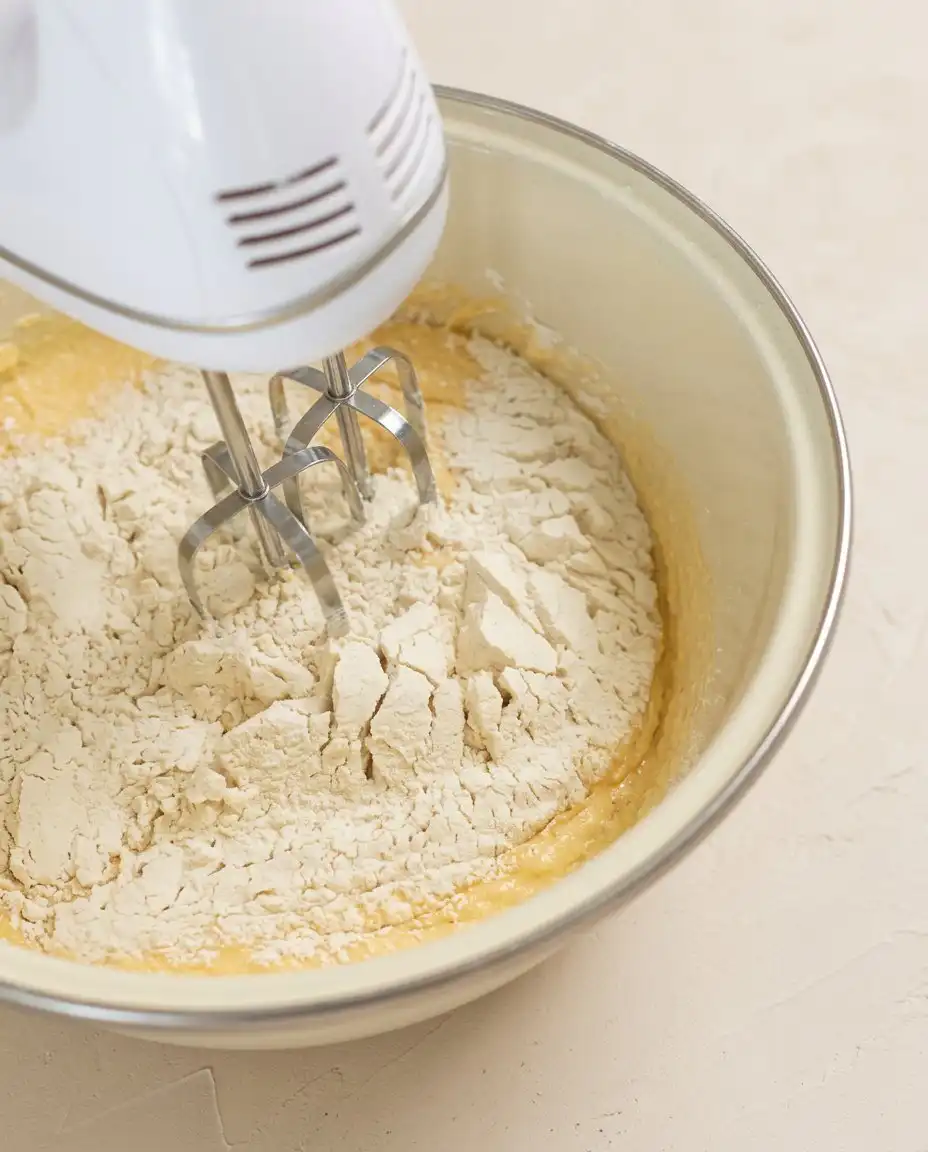
Incorporate the dry ingredients by adding 3 cups of all-purpose flour all at once, then pouring in 1 teaspoon of vanilla extract. Mix on the lowest speed for 30 seconds, stopping immediately when the last white streaks of flour vanish into the batter. Overmixing at this stage develops excess gluten, which makes the finished cake tough rather than tender. The resulting batter will be thick, ribbon-like, and fragrant with vanilla.
Step 6: Fill the Prepared Pan
Transfer the batter into your prepared 10-inch tube pan using a large spoon or silicone spatula, spreading it evenly. Smooth the top surface with the back of a spoon to ensure an even rise. Tap the filled pan firmly on a flat counter three times to release any large trapped air bubbles. This step prevents large, unsightly holes from forming inside your Cream Cheese Pound Cake during baking.
Step 7: Bake and Test for Doneness
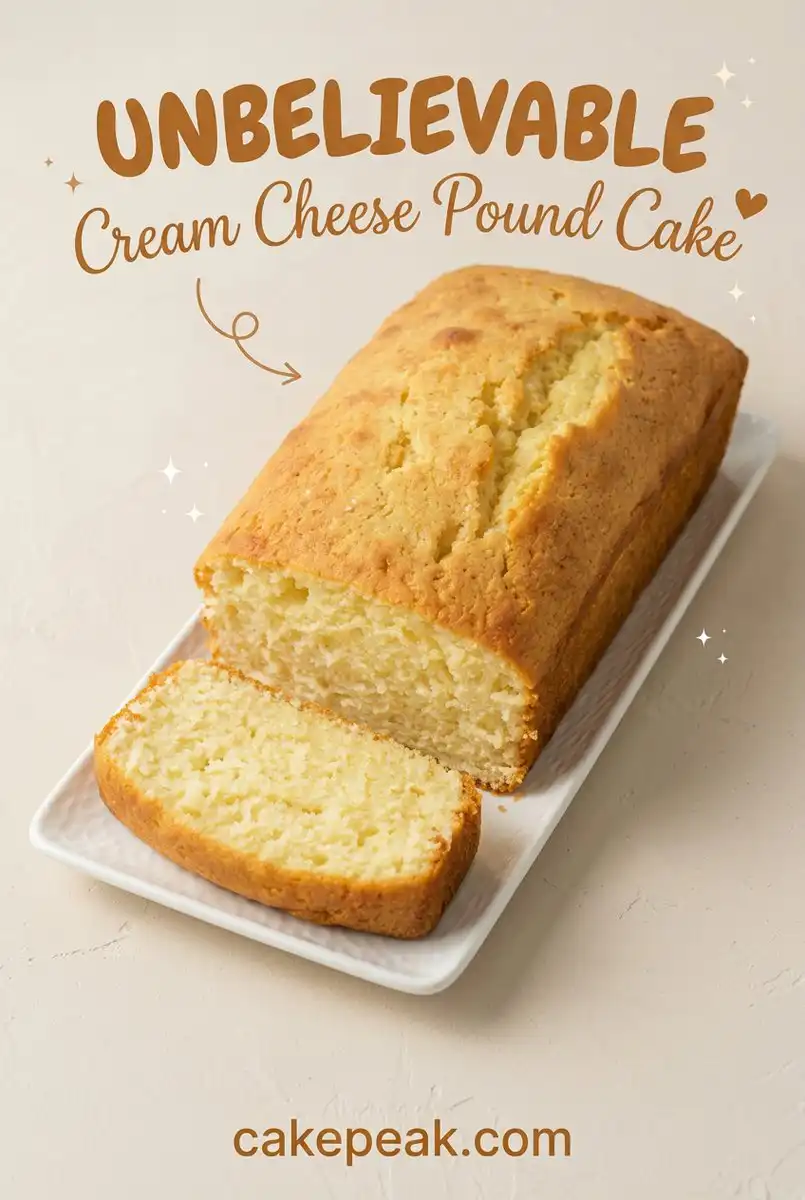
Bake the cake at 325°F (165°C) for 1 hour and 20 minutes without opening the oven door during the first hour. Insert a wooden skewer or an instant-read thermometer pulled from a cake’s center at the 1-hour mark to check progress. The thermometer should read between 205°F and 210°F, and a toothpick should come out clean or with a few dry crumbs. The top crust should be deep golden brown and slightly cracked.
Step 8: Cool and Unmold
Cool the pan on a wire rack for 20 minutes to allow the delicate cake structure to firm up. Run a thin, flexible plastic knife around the outer edges and the inner tube to release any stuck sections. Invert the cake onto a flat wire rack, tap the bottom of the pan gently, and lift the pan away to reveal the golden crust. Let the cake cool completely to room temperature before slicing or serving.
Precision Tips
Weighing your flour with a digital scale is the most reliable way to prevent dry, heavy cakes. A digital scale weighing flour to the gram makes sure you do not accidentally pack excess flour into a measuring cup, which alters the liquid-to-dry ratio. Aim for exactly 360 grams of all-purpose flour for this specific formula.
Temperature control is vital for a successful emulsion in cake baking. Make sure your butter, cream cheese, and eggs sit on the counter for 2 hours to reach a uniform room temperature of 68°F to 72°F. Cold ingredients will not emulsify properly, leading to a broken batter that bakes into a dense, wet layer.
If your cake develops a thick, rubbery layer at the bottom, here is why and how to fix it. This common failure mode occurs when the butter and cream cheese are not thoroughly creamed or when cold eggs break the emulsion. To fix this in future bakes, ensure you scrape the mixing bowl frequently and warm cold eggs in warm water for 10 minutes before cracking.
Avoid using a hand mixer for this dense recipe because it lacks the torque required to aerate heavy batter. A stand mixer provides the consistent speed necessary to build the air pockets that give the cake its characteristic lift. If you must use a hand mixer, extend the creaming times by 3 minutes to compensate for the lower power.
Applying proper cake decorating techniques starts with a clean, level base. If the top of your pound cake rises unevenly, adjust your oven racks to make sure the heat circulates evenly around the pan. You can also use an oven thermometer to verify your appliance is actually heating to 325°F.
Keep the oven door closed during the first 60 minutes of baking to prevent drafts from collapsing the rising cake. Opening the door too early drops the internal oven temperature, which disrupts the expanding air bubbles before the gluten structure has set. Trust the timer and use the oven light to monitor the initial rise.
Frequently Asked Questions
What does cream cheese do to a pound cake?
Cream cheese adds moisture, fat, and lactic acid to the cake batter. The lactic acid tenderizes the gluten, creating a tighter, more velvet-like crumb than a standard butter cake. It also provides a subtle tang that balances the sweetness of the sugar.
Can you use all-purpose flour instead of cake flour?
Yes, this recipe is specifically designed to use all-purpose flour to provide the structural support needed for the heavy cream cheese. Cake flour contains less protein, which can cause this heavy batter to collapse in the center. All-purpose flour yields a sturdy yet tender cake that slices cleanly.
What is the difference between regular pound cake and cream cheese pound cake?
Regular pound cake relies entirely on butter for fat and moisture, resulting in a slightly coarser, more open crumb. Cream cheese pound cake incorporates cream cheese, which introduces extra emulsifiers and acidity. This addition results in a denser, moister cake with a finer, more uniform interior texture.
Why is my cream cheese pound cake dense or heavy?
A dense or heavy cake usually results from under-creaming the butter and sugar or using cold ingredients. If the fat and sugar are not beaten long enough, not enough air pockets form to lift the heavy batter. Additionally, overmixing the flour can develop too much gluten, making the texture tough.
Why did my cream cheese pound cake fall or collapse in the middle?
This collapse typically happens if the oven temperature is too high, causing the exterior to set before the center finishes rising. It can also occur if the cake is underbaked or if the oven door is opened too early during the baking cycle. Always use an oven thermometer to verify the temperature is exactly 325°F.
How do I know when my pound cake is done?
The cake is done when a long wooden skewer inserted into the thickest part of the cake comes out clean or with a few dry crumbs. The internal temperature should read 205°F to 210°F on an instant-read thermometer. The top crust will also be deep golden brown and feel firm to a light touch.
Do the ingredients need to be room temperature?
Yes, having all ingredients at room temperature is essential for creating a stable emulsion. Cold butter, cream cheese, or eggs will cause the batter to curdle and separate during mixing. This separation prevents the cake from rising properly and leads to a dense, wet texture at the bottom.
How long does a cream cheese pound cake last?
This cake keeps exceptionally well due to the high fat and moisture content. Wrapped tightly in plastic wrap, it will stay fresh at room temperature for up to 3 days or in the refrigerator for up to 7 days. You can also freeze individual slices wrapped in foil for up to 3 months.
Variations That Hold Up
Citrus zest adds a bright top note that balances the rich dairy profile of the cake. Add 2 tablespoons of freshly grated lemon or orange zest to the sugar before creaming to release the essential oils. This modification provides a flavor profile reminiscent of our chocolate cheesecake but with a lighter, fruit-forward finish.
A almond and vanilla bean variation offers a deeply aromatic alternative to standard vanilla extract. Substitute half of the vanilla extract with 0.5 teaspoon of pure almond extract, and scrape the seeds of one whole vanilla bean directly into the butter mixture. This combination improves the cake’s aroma without disrupting the delicate balance of fats and sugars.
For those seeking a more traditional texture, you can experiment with different mixing methods. Reviewing a traditional cream cheese pound cake shows that some older recipes sift the flour multiple times to introduce air. While our single-addition method is faster, sifting flour twice before mixing can produce an even lighter crumb structure if you prefer a less dense cake.
Serving Notes
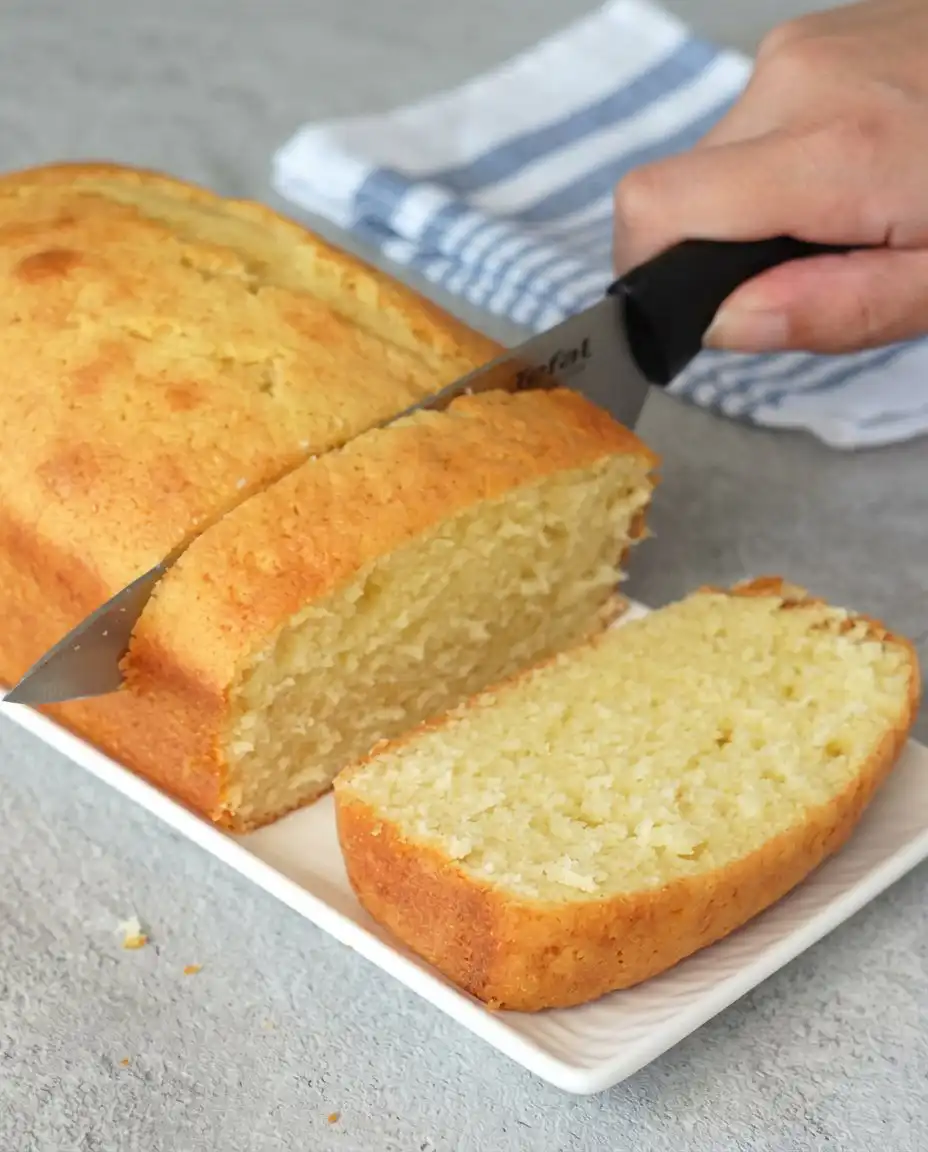
Allow the cake to cool completely for at least 2 hours before slicing to ensure clean, sharp cuts. Slicing a warm pound cake can crush the delicate crumb structure and make the texture appear gummy. Use a long, serrated bread knife and a gentle sawing motion to cut uniform slices without tearing the golden crust.
This dense cake pairs beautifully with fresh, acidic fruits that cut through the rich dairy flavors. Serve a thick slice alongside a spoonful of macerated berries or a dollop of lightly sweetened whipped cream. For a stunning summer presentation, consider serving this cake next to a slice of fresh strawberry sheet cake to offer your guests a variety of textures.
Leftover slices can be lightly toasted in a dry skillet over medium heat for 2 minutes on each side. Toasting caramelizes the sugars on the surface, creating a crispy exterior while warming the dense interior. Serve the warm, toasted slices with a scoop of vanilla bean ice cream for an elegant dessert.
Recipe Recap
Achieving repeatable results in baking is a matter of understanding the science behind the steps. By measuring your ingredients carefully and maintaining proper temperatures, you can bake a cake that is consistently excellent. This formula has been thoroughly tested to ensure it works beautifully in any home kitchen. Repeatable results, every time.
If you want to learn more about our test kitchen methods, visit our about us page to meet our team of culinary scientists. We are dedicated to translating baking mysteries into clear, actionable steps so you can bake with confidence. Share your baking results with us and join our growing community of precision bakers.
We invite you to share your baking journey with us on social media. Post a photo of your beautiful golden cake and tag us on Pinterest or join the discussion on Facebook. You can also find quick baking tips on TikTok or receive direct updates through our Telegram channel.