In our test kitchen, we performed multiple trials comparing fresh and canned fruit to determine how moisture affects structural integrity. We found that the pectin levels in peaches can vary significantly, which often causes fruit to sink to the bottom of the liner. By adjusting the specific gravity of our batter with a precise ratio of leavening agents, we achieved a result that perfectly suspends the fruit for an even distribution in every bite.

These muffins recreate the classic texture of a cobbler within a portable, handheld format. We have analyzed the crumb structure to balance the softness of a cake with the sturdy base required for a fruit-filled breakfast treat. This recipe provides a reliable method for bakers who value accuracy and repeatable excellence in their results.
The Science of Success
This recipe works because it addresses the fundamental challenge of high-moisture baking. When you add heavy, wet fruit like peaches to a standard batter, the water content can weaken the gluten network. Our testing led us to a higher-protein approach using all-purpose flour combined with exactly 1 tablespoon of baking powder and 1/2 teaspoon of baking soda. This double-leavening system creates enough lift to offset the weight of the fruit, resulting in a tall, domed top instead of a flat or sunken surface.
Furthermore, the cinnamon-sugar topping is not merely for flavor; it serves a technical purpose. As the muffins bake, the sugar crystals pull moisture from the surface through a process called hygroscopy. This creates a thin, crisp crust that mimics the traditional cobbler topping while sealing moisture inside the muffin crumb. We tested this at various temperatures and found that 350°F (177°C) is the ideal thermal window to allow the interior to set without over-caramelizing the exterior sugars.
Print
Homemade Peach Cobbler Muffins
- Total Time: 35 mins
- Yield: 12 muffins
- Diet: Vegetarian
Description
These moist peach cobbler muffins combine the classic flavors of a summer cobbler with a soft, bakery-style crumb. Topped with a crisp cinnamon-sugar crust, they are designed with a specific leavening balance to ensure every bite is packed with perfectly suspended fruit.
Ingredients
- 2 cups all-purpose flour
- 1 tablespoon baking powder
- 1/2 teaspoon baking soda
- 1/2 teaspoon salt
- 1 cup granulated sugar
- 1/2 cup unsalted butter, melted
- 1 cup milk (whole or oat milk)
- 2 large eggs, room temperature
- 1 teaspoon vanilla extract
- 2 cups diced peaches (1/4-inch dice)
- 2 tablespoons brown sugar
- 1 teaspoon ground cinnamon
Instructions
- Preheat your oven to 350°F (177°C) and line a standard 12-cup muffin pan with paper liners.
- In a large mixing bowl, whisk together the flour, granulated sugar, baking powder, baking soda, and salt for at least 30 seconds to ensure even distribution.
- In a separate bowl, whisk together the milk, melted butter, eggs, and vanilla extract until a smooth emulsion is formed.
- Pour the wet ingredients into the dry mixture and stir gently with a silicone spatula until the flour streaks just disappear; do not over-mix.
- Gently fold the diced peaches into the batter using a cut-and-fold motion to maintain the batter’s structure.
- Divide the batter evenly among the 12 muffin cups, filling each approximately two-thirds full.
- Combine the cinnamon and brown sugar in a small bowl, then sprinkle the mixture evenly over the top of each muffin.
- Bake on the center rack for 18-20 minutes until a toothpick inserted into the center comes out clean.
- Allow the muffins to cool in the pan for exactly 5 minutes before transferring them to a wire rack to prevent soggy bottoms.
Notes
To ensure the best rise, make sure your eggs and milk are at room temperature so the melted butter doesn’t seize when mixed. If using canned peaches, draining and patting them dry is a crucial step to prevent the batter from becoming too watery and dense. For the best texture, always use a toothpick test to verify the center is set before removing from the oven.
- Prep Time: 15 mins
- Cook Time: 20 mins
- Category: Breakfast
- Method: Baking
- Cuisine: American
The Variables: Ingredient Science
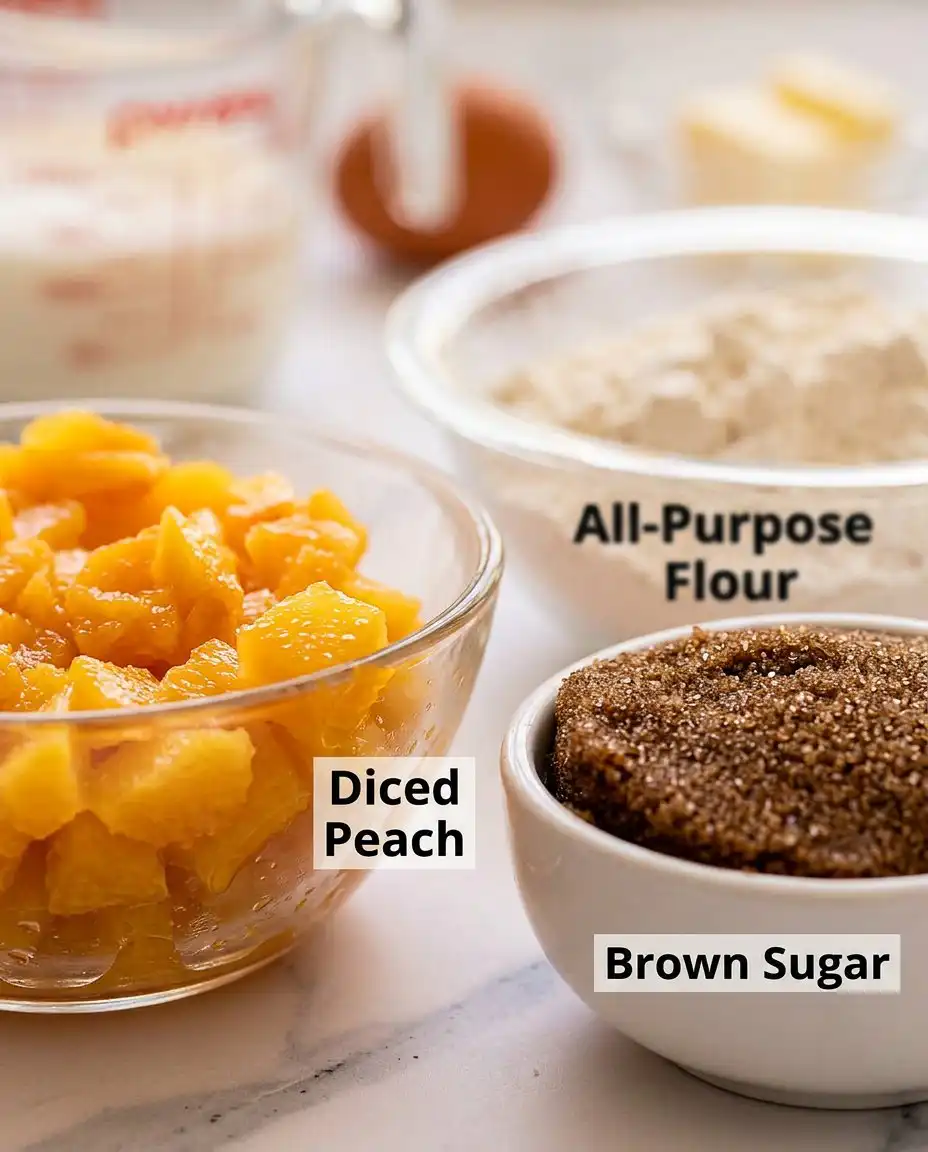
To achieve consistent results, it is vital to understand the role of each component in the chemical reaction occurring in your oven. Here are the primary variables we tested and refined for this formula:
- All-Purpose Flour (2 cups): We use flour with a protein content of roughly 10-12%. This provides the structural foundation needed to trap carbon dioxide bubbles produced by the leavening agents.
- Baking Powder and Baking Soda: This combination is intentional. The baking powder provides the primary lift, while the baking soda reacts with the acidic components of the peaches to encourage browning and neutralize excess acidity.
- Granulated Sugar (1 cup): Sugar does more than sweeten; it interferes with gluten development. This interference creates a tender, cake-like crumb. In our lab, we found that reducing this amount resulted in a rubbery texture.
- Unsalted Butter (1/2 cup, melted): Fats coat the flour proteins, preventing them from bonding too tightly. Using melted butter instead of oil provides a richer flavor profile and a more traditional ‘cobbler’ mouthfeel.
- Diced Peaches (2 cups): Whether using fresh or canned, size matters. We recommend a 1/4-inch (6mm) dice. Larger pieces will clump and create pockets of steam that can lead to large holes, or ‘tunneling,’ in the final product.
- Milk (1 cup): The hydration level must be exact. Milk provides the liquid necessary for starch gelatinization. You may use dairy-free alternatives, but we found that full-fat oat milk or whole dairy milk provides the best crumb density.
- Topping (Cinnamon and Brown Sugar): The brown sugar contains molasses, which contributes to the Maillard reaction, giving the muffins their characteristic golden-brown hue and deep flavor.
The Method: Step-by-Step Process
Step 1: Thermal Preparation and Pan Setup
Preheat your oven to 350°F (177°C). Use a calibrated oven thermometer to verify the temperature, as internal dials are often inaccurate by up to 25 degrees. Line a standard 12-cup muffin pan with paper liners. This provides a barrier that helps the muffins release cleanly and prevents the edges from drying out during the 20-minute bake cycle.
Step 2: Aeration of Dry Ingredients
In a large glass or stainless steel mixing bowl, whisk together the flour, granulated sugar, baking powder, baking soda, and salt. Spend at least 30 seconds on this step to guarantee the leavening agents are distributed evenly throughout the flour. This prevents ‘dead zones’ where the muffin might fail to rise.
Step 3: Emulsifying the Wet Ingredients
In a separate bowl, whisk the milk, melted butter, eggs, and vanilla extract. It is essential that your eggs and milk are at room temperature (approximately 68°F to 72°F). Cold ingredients can cause the melted butter to solidify into small clumps, which prevents a smooth emulsion and leads to an uneven crumb.
Step 4: The Incorporation Phase
Pour the wet ingredients into the dry mixture. Use a silicone spatula to stir gently. Stop as soon as the dry streaks of flour disappear. Over-mixing at this stage activates the gluten too much, turning a tender muffin into a tough, bread-like texture. A few small lumps are a sign of a well-mixed muffin batter.
Step 5: Fruit Suspension Technique
Gently fold the diced peaches into the batter. Use a ‘cut and fold’ motion: slice through the center of the batter with your spatula, scrape the bottom, and fold it over the fruit. This minimizes the physical stress on the batter while distributing the peaches evenly.
Step 6: Portioning for Consistency
Divide the batter among the 12 muffin cups. They should be approximately two-thirds full, which is roughly 1/4 cup of batter per liner. Filling them too high will cause them to overflow and lose their structural integrity, while filling them too low will result in a dry, overbaked muffin.
Step 7: Applying the Cobbler Crust
Mix the cinnamon and brown sugar in a small bowl until the color is uniform. Sprinkle the mixture evenly over the top of each muffin. This sugar should be applied immediately before the pan enters the oven to prevent it from dissolving into the raw batter.
Step 8: The Baking Cycle
Place the pan on the center rack of the oven. Bake for 18-20 minutes. At the 18-minute mark, insert a wooden toothpick into the center of a muffin. It should come out clean or with a few moist crumbs attached. If you see wet batter, add exactly 2 minutes to the timer.
Step 9: Regulated Cooling
Allow the muffins to sit in the pan for exactly 5 minutes. This allows the internal structure to set. After 5 minutes, move them to a wire cooling rack. Leaving them in the hot pan for too long will cause steam to collect at the bottom, making the liners soggy.
Lauren’s Lab Notes: Troubleshooting Guide
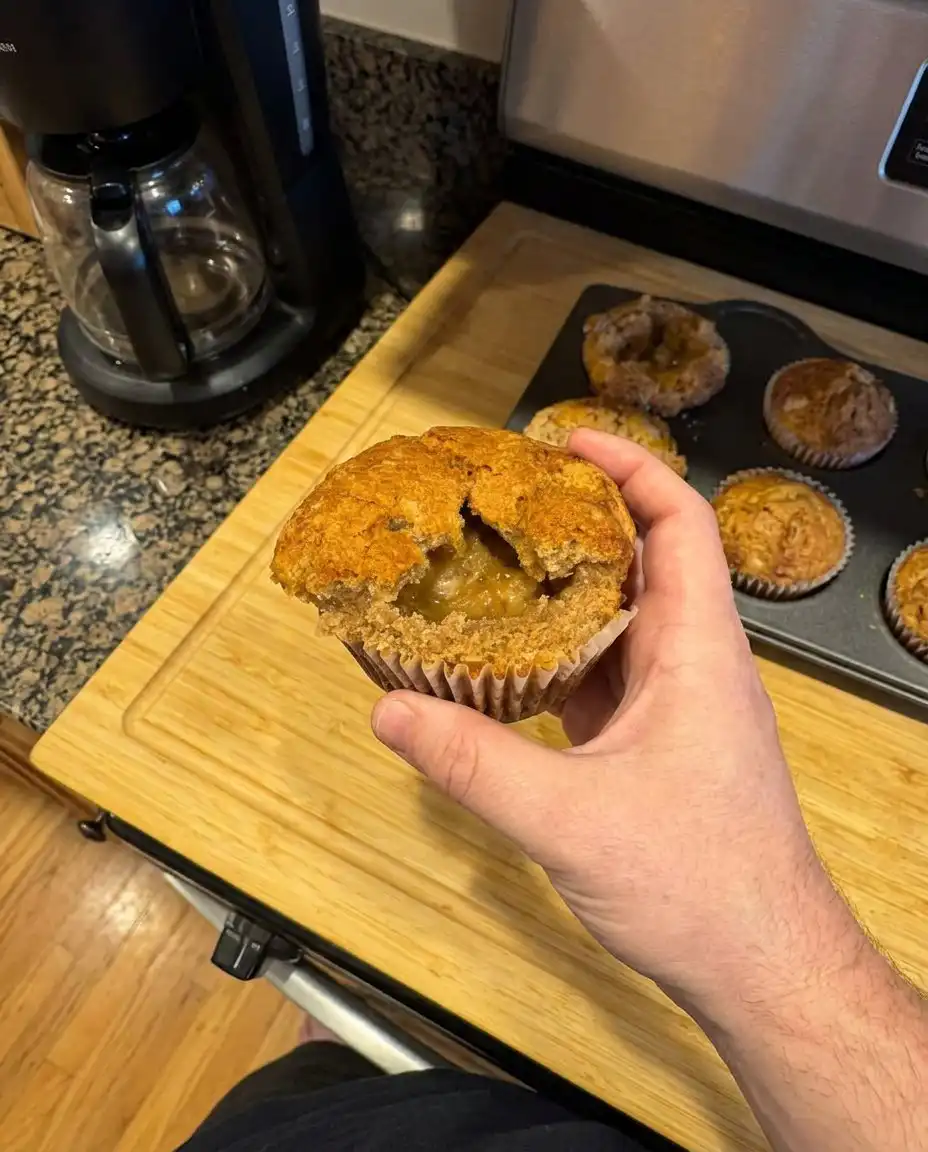
During our testing, we identified that the most common failure point is fruit moisture management. If you use canned peaches, you must drain them in a colander for at least 10 minutes and pat them dry with a paper towel. Excess syrup will alter the pH of the batter and lead to a gummy base. If you prefer working with a variety of fruits, you might want to learn about fresh fruit baking to understand how different acidity levels affect your rise. For additional technical guidance on muffin stability, check out the data at cathteks.online/homemade-peach-cobbler-muffins/. Always verify that your baking powder is fresh by dropping a teaspoon into hot water; if it doesn’t bubble vigorously, your muffins will stay flat.
Tested Variations: Precision Tweaks
We tested several modifications to the base recipe to provide options for different flavor profiles. For a deeper, nuttier flavor, you can replace the melted butter with brown butter (beurre noisette). If you choose this path, you must add an extra tablespoon of milk to compensate for the water lost during the browning process. Another successful test involved replacing one cup of peaches with blueberries; if you enjoy this profile, you should try our blueberry coffee cake which uses a similar leavening ratio. We also found that adding 1/2 cup of toasted pecans provides a significant textural contrast without affecting the chemical balance of the batter.
Presentation Notes: Pairing Guide
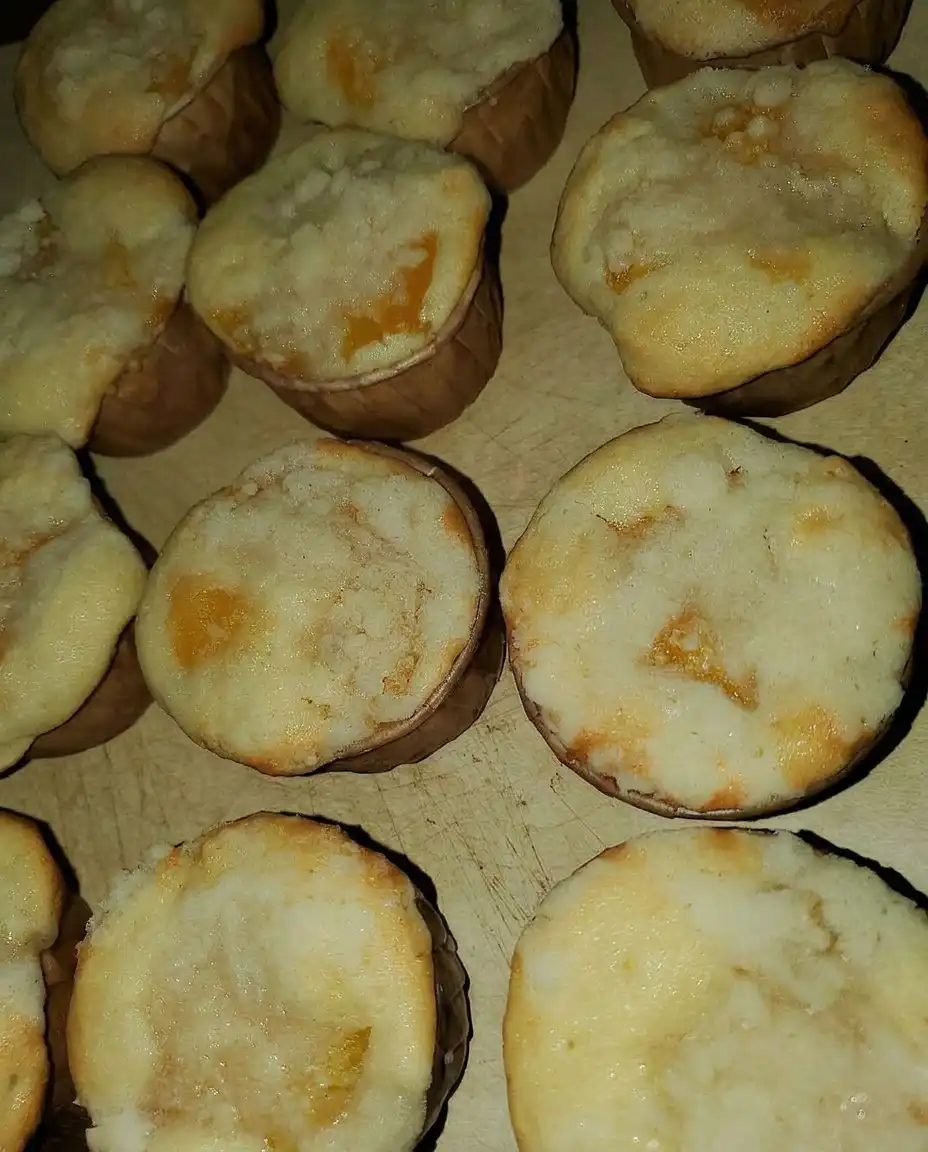
These muffins reach their peak flavor profile when served at a temperature of approximately 100°F (38°C). At this temperature, the butter fats are soft and the peach aromatics are most volatile. If you are serving these as part of a larger brunch, they pair exceptionally well with a side of lightly sweetened mascarpone cheese. For those who prefer a more dessert-like experience, serving a warm muffin alongside a slice of peach cake creates a beautiful study in peach textures. We recommend reheating stored muffins in a 300°F oven for 5 minutes rather than using a microwave to maintain the integrity of the cinnamon-sugar crust.
The Final Analysis: Mastery Through Science
Achieving the perfect muffin is a matter of understanding the interaction between moisture, heat, and leavening. By following these precise measurements and observing the visual cues provided, you can produce a bakery-quality treat in your own kitchen. If you find yourself with leftover peaches after this project, our peach dump cake is another excellent way to utilize the fruit while experimenting with different baking ratios. We invite you to share your results and technical questions with our community. Connect with us on Pinterest, Instagram, and Facebook to see more test kitchen results. Keep testing and keep baking.